For partners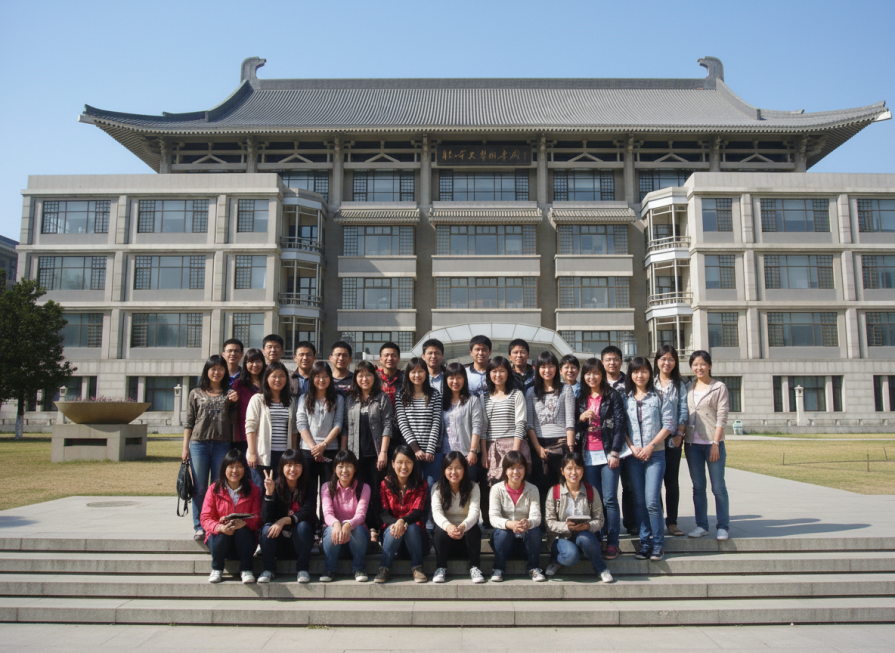
In recent years, the world of science has changed dramatically: if Harvard University used to confidently stay at the top of the world university rankings, now its position has weakened.
One of the key factors of change in the academic sphere has been the rapid development of the Chinese science and education sector. Studies by various experts show that China has achieved impressive success thanks to active financing and support for innovative areas. Today, many of the world's leading rankings note the strong presence of Chinese universities in the top positions: for example, the CWTS Leiden Ranking shows that Zhejiang University has come out on top, overtaking Harvard. Other Chinese universities also strengthened their positions, taking a significant share in the list of the best, and 7 universities became participants in the top 10. This success is due to the active support of the government, the creation of powerful laboratories and the attraction of highly qualified personnel. Chinese scientists are focused on breakthrough areas of science, such as chemistry, biology and sustainable development technologies. This strategy is bearing fruit: the number of important scientific discoveries and patents produced in China is growing every year.
American science, by contrast, faces the problem of declining investment and bureaucratic constraints. Despite attempts to maintain leadership, US universities face serious difficulties, so many international students prefer to choose Asian universities, where the conditions are more attractive and the opportunities are wider. Experts agree that the problem lies not only in the level of funding, but also in the general atmosphere around science: in the context of financial instability and political restrictions, it is difficult to maintain the same dynamics. Largely because of this, Harvard and other well-known American universities are losing their weight in the international community, giving way to young ambitious market players.