
Best private schools in Scotland 2027
- Secondary education in private schools in Scotland for international students
- Benefits to study in Private Schools in Scotland
- English Programs at Top Private Schools in Scotland
- Private Schools in Scotland. Cost and fees for for international students
- How to apply to Private Schools in Scotland for international students
- UK student visas for studying at private schools in Scotland
- Literature and references
This content was developed and approved with active participation of Henrietta Lightwood.
In the process of preparing the material, we referenced the following sources:
- https://en.wikipedia.org/wiki/List_of_private_schools_in_Scotland
- https://www.schoolsearch.co.uk/independent-schools-in-scotland
-
 In 2018 68.48% of A Level students achieved A* - A
ScotlandEdinburghCurrently watching: 8from 8465.00 £ / term
In 2018 68.48% of A Level students achieved A* - A
ScotlandEdinburghCurrently watching: 8from 8465.00 £ / term -
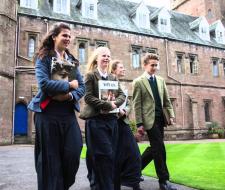 In 2019 more than 12% of A Level students achieved A*
ScotlandPerthshireCurrently watching: 10from 12500.00 £ / term
In 2019 more than 12% of A Level students achieved A*
ScotlandPerthshireCurrently watching: 10from 12500.00 £ / term -
 In 2017 - 43% of A Level students achieved A - A*.
ScotlandPerthshireCurrently watching: 6from 8243.00 £ / term
In 2017 - 43% of A Level students achieved A - A*.
ScotlandPerthshireCurrently watching: 6from 8243.00 £ / term -
 In 2018 - 97% of St Leonards entries achieved grades A*-C
ScotlandSt. AndrewsCurrently watching: 4from 31956.00 £ / year
In 2018 - 97% of St Leonards entries achieved grades A*-C
ScotlandSt. AndrewsCurrently watching: 4from 31956.00 £ / year -
 In 2018 Form IV produced a strong performance at National 5 level with 72.8% of A grades
ScotlandEdinburghCurrently watching: 5from 9630.00 £ / term
In 2018 Form IV produced a strong performance at National 5 level with 72.8% of A grades
ScotlandEdinburghCurrently watching: 5from 9630.00 £ / term -
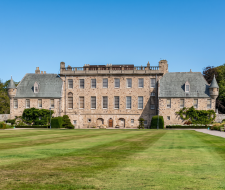 from 9050.00 £ / term
 -
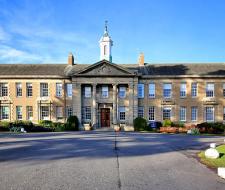 In 2018 a full 38% of A Level students achieved A*/A grades
ScotlandEdinburghCurrently watching: 3from 11960.00 £ / term
In 2018 a full 38% of A Level students achieved A*/A grades
ScotlandEdinburghCurrently watching: 3from 11960.00 £ / term -
 from 12800.00 £ / term
 -
 In 2018 - near 75% of students attained grades A*-C
ScotlandEdinburghCurrently watching: 2from 11900.00 £ / term
In 2018 - near 75% of students attained grades A*-C
ScotlandEdinburghCurrently watching: 2from 11900.00 £ / term -
 from 4500.00 £ / 3 weeks
Nowadays, Scotland is considered to be one of the most popular countries among foreign students who are interested in obtaining high-quality education abroad. SMAPSE offers 6 best private schools and colleges available for students from all over the world. In Scotland, it's usually said that the educational system is very similar to English, only better. Modern Scottish private schools and colleges accepted best features of education in Great Britain and combined it with a national, serious, thoughtful, in-depth approach to studying.
Actually, campuses at Scottish secondary private schools are like real student cities. Every student can find everything necessary: from sports grounds (football, tennis, golf, basketball, etc.) and libraries to shops and chapels. Many schools in Scotland are among the oldest in the world. Their architecture often impresses with majesty, medieval charm and monumentality. At the same time, the interior, equipment and infrastructure fully comply with modern technological requirements. Student dormitories have everything for comfortable rest and living.
According to the list of Scottish schools with high rankings, the most popular among foreign students are:
- Gordonstoun School
- Fettes College
- Glenalmond College
- Dollar Academy
- Strathallan School
- St Leonards School
It's worth noting that graduates from Scottish schools and colleges easily enter prestigious universities. Certificates and diplomas of secondary education and preparation programs are highly valued by admission commissions. It significantly increases chances to enter world leading universities and build successful careers in the future.
Please, don't hesitate to contact SMAPSE experts at any time as they are always ready to help you and answer all questions.
Alternative destinations
Secondary education in private schools in Scotland for international students
The Scots experience national pride in their education system. In the table below you can find out about the specifics of the education system in Scotland:
|
Education stage |
Age of students |
The specifics of the education stage |
|
|
5-12 years old |
Development of basic skills (writing, reading), classes in basic school subjects at a basic level in the format of games, etc. |
||
|
Secondary education |
Compulsory secondary education |
12 - 16 years old |
Studying the main school disciplines, at the end of the stage it is necessary to pass the final exam, according to the results of which a certificate of secondary education is awarded. |
|
"Sixth grade" - the highest level of secondary education |
16 - 18 years old |
This level is obligatory for students who subsequently plan to enter higher education institutions to receive higher education - at this stage, in-depth study of disciplines and preparation for entering university continue, and at the end a Higher Grade certificate is issued. |
|
|
Higher education |
18+ years |
Includes 4 years of undergraduate programs, as well as optional Master's and Doctoral programs. |
|
Unlike the English A-level system, Scotland has its own qualifications, all of which sit within the Scottish Credit and Qualifications Framework (SCQF) and are awarded by the Scottish Qualifications Authority (SQA). Pupils take National 4 and National 5 exams around the age of 15-16, at which point the school leaving age is reached. Students who choose to stay on then study for Highers in S5 and Advanced Highers in S6 - these are the main path to university entry and are also accepted as proof of English for the UK Student visa. Teaching across secondary schools follows the national Curriculum for Excellence, which was introduced in Scottish secondary schools from the 2012-2013 session.
Scotland's Education Heritage
A distinctive aspect of Scotland's educational landscape is its vast opportunities for personal growth and self-enhancement. Scotland proudly lays claim to the establishment of the first four universities on the island:
- University of St. Andrews
- University of Glasgow
- University of Aberdeen
- University of Edinburgh
Annually, Scotland welcomes thousands of students to its prestigious private schools and colleges. Remarkably, international students make up to 15% of Scotland's educational institutions, with this figure soaring to 45% in the most respected private schools and universities!

Besides professional teachers, what else do parents consider when choosing a school?
Child care level, variety of extracurricular activities, location, reputation and prestige. Often, parents like to consult with educational agents, with friends, if their children are already studying / studying in the UK. Each school has its own character, which is why I strongly advise you to visit the campus and talk to the staff: the director, the representative of the admissions committee, etc. This way you will personally get an idea of what the school is like, what its values and advantages are.
Benefits to study in Private Schools in Scotland
Four Benefits of Enrolling at Scotland's Best Private Schools for International Students Scotland's top private schools offer a wealth of advantages:
- Global Recognition: Education in Scotland aligns with the loftiest international standards, earning worldwide acclaim.
- Internationally Valued Diplomas: Qualifications from Scotland's private schools and colleges are recognized globally.
- Cost-Effective Education: Surprisingly, even the best private schools in Scotland have fees lower than many secondary schools in the UK.
- Cultural Immersion: Beyond quality education, Scotland's private institutions offer an enriching experience, allowing students to bond with peers globally and immerse in Scotland's deep-rooted culture and history.
English Programs at Top Private Schools in Scotland
Private schools in Scotland, particularly in the nation's capital, Edinburgh, are renowned for offering top English courses to international students. These institutions, boasting state-of-the-art facilities, ensure students learn in a conducive environment, harnessing cutting-edge technology and indulging in extracurricular activities.
Apart from general English courses, these esteemed schools provide specialized courses in business English and courses tailored for international language exams or university admissions. The immersive linguistic and cultural setting ensures rapid English proficiency enhancements.
Moreover, many of these private schools curate summer camps blending intensive learning with a vibrant cultural and activity-driven program.
Private Schools in Scotland. Cost and fees for for international students
The table above provides a comprehensive list of the best private schools in Scotland, complete with rankings, descriptions, and tuition details. On average, an academic year at the top private schools in Scotland will range between £25,000 to £35,000, with boarding places sitting at the upper end of that band and day places noticeably lower. Across the UK as a whole, independent school fees span a far wider range, from around £5,580 to £82,035 per year depending on the school, its facilities, and whether the place is day or boarding.
For a more detailed information about Scotland's private schools, or to schedule a free consultation with SMAPSE experts, kindly reach out through the contact details provided on this page.
How to apply to Private Schools in Scotland for international students
Scotland, known for its stunning landscapes and deep-rooted history, also boasts a line-up of prestigious private schools that attract students from around the globe. For international students looking to immerse themselves in Scotland's academic environment, the application process can be a major step. Here's a quick guide on how to take those steps:
Research and Choose Your School: The first important step is to research many private schools in Scotland to choose the ones that best suit your aspirations and preferences. Each institution has its unique ethos, academic programs, and extracurricular offerings. Be sure to check out their academic programs, teacher qualifications, school facilities, and overall reputation. Moreover, it's advisable to consider the school's location, boarding facilities (if necessary), and any particular areas of specialization or strength.
Understand the Application Prerequisites: Private schools in Scotland may have specific entry requirements that typically include past academic transcripts, recommendation letters, and sometimes, standardized test scores. For students whose first language isn’t English, proof of English proficiency, such as IELTS or TOEFL scores, might be necessary. Furthermore, many schools have their entrance examinations, so it’s essential to be prepared and possibly even get access to sample papers or preparatory materials if the school provides them.
Sit the Entrance Assessment: Many British independent schools, including those in Scotland, use UKiset as a common admissions test. Founded in 2013 and developed in partnership with Cambridge University Press & Assessment, UKiset assesses a candidate’s academic potential and English proficiency, comparing the results against British students within the same age group. It is an adaptive test that most candidates take online through a secure invigilation service. With more than 2000 independent schools in the UK, a single UKiset report can be used to apply to several schools at once, which reduces the number of separate entrance exams a family has to take.
Submission and Further Steps: Once you've prepared all necessary documentation, proceed to fill out the school's application form, ensuring that all details are accurate and that you adhere to any given deadlines. Post submission, some schools may invite candidates for an interview, which can be conducted in person, over the phone, or via video call for international students. This interview process plays an important role. While the school assesses the suitability of the candidate, it's also an opportunity for the student to get a more in-depth understanding of the institution. After receiving an offer of admission, international students should move quickly through visa and immigration procedures, making sure they obtain a student visa appropriate to their age and the duration of study.
Although the application process for private schools in Scotland may seem daunting, with careful planning and timely action, international students can secure a place at these respected institutions and begin an enriching academic journey.
UK student visas for studying at private schools in Scotland
Private schools in Scotland are part of the UK, so international students apply for a British study visa. The type of visa depends on the applicant's age. Children between 4 and 17 who want to study at an independent (private) school apply for a Child Student visa, which replaced the former Tier 4 student visa. Applicants aged 18 and over apply for a Student visa instead.
Child Student visa (ages 4–17)
To apply, a child needs an unconditional offer of a place on a course at an independent school, suitable accommodation in the UK, enough money to cover living costs and course fees, and the consent of a parent or legal guardian to study and live in the UK.
The duration of stay depends on age. Applicants under 16 are granted the course duration (up to 6 years) plus 4 months afterwards, while those aged 16 or 17 are granted the course duration (up to 3 years) plus 4 months afterwards.
From outside the UK the application can be submitted no earlier than 6 months before the course starts, and a decision is usually sent within 3 weeks. From inside the UK the earliest is 3 months before the course starts, the new course must begin within 28 days of the current visa expiring, and a decision usually takes up to 8 weeks. A student may arrive up to 1 month before the course begins, but no earlier than the start date shown on the visa.
The Child Student visa costs £558 to apply from outside the UK and £558 to extend or switch from inside the UK, with the immigration health surcharge paid separately as part of the application (the amount depends on how long the visa lasts).
From the age of 16 a child may work part-time during term for up to 10 hours per week, full-time during vacations, and on a work placement that is part of the course (but not for more than 50% of the course). On this visa a student cannot study at an academy, a local-authority-funded (maintained) school or a further or higher education institution, and cannot bring family members. If a parent wants to accompany the child, they apply for a Parent of a Child Student visa.
Student visa (ages 16 and over)
The Student visa is for applicants aged 16 or over who have an offer from a licensed student sponsor, enough money to support themselves and pay for the course, and can speak, read, write and understand English. From outside the UK the application can be submitted up to 6 months before the course start, with a decision usually within 3 weeks, while from inside the UK it is up to 3 months before, with a decision usually within 8 weeks. Arrival is limited to 1 week early for courses of 6 months or less and 1 month early for longer courses.
Students aged 18 or over on a degree-level course can usually stay up to 5 years, while below-degree-level courses allow up to 2 years. The visa costs £558 to apply from outside the UK and £558 to extend or switch from inside the UK, plus the immigration health surcharge. On a Student visa a person cannot claim public funds or benefits, cannot be self-employed and cannot study at a local-authority-funded (maintained) school.
Money and English requirements
For courses in Scotland the maintenance requirement is £1,171 per month for up to 9 months (the rate outside London), compared with £1,529 per month for courses in London. The required funds must be held for at least 28 consecutive days, and the end of that period must fall within 31 days of the application date.
Knowledge of English can be proved by a UK school qualification, a degree from a UK institution, a degree taught in English at an overseas institution, or a Secure English Language Test (SELT) from an approved provider. For students educated in Scotland, a Scottish National Qualification at level 4 or 5, or a Scottish Higher or Advanced Higher in English, is also accepted.
General statistics on education in Scotland-ratings, specializations, universities
Advantages and disadvantages of English schools
| Advantages | Disadvantages |
|---|---|
| The opportunity to enter the best universities in England, USA, Canada, Switzerland, Europe, the world | Expensive |
| High quality of education and academic standards | Strong workload |
| Perfect English after graduation | The need to change the social environment; it takes time to adapt |
| Useful contacts | The difficulty of choosing the most suitable school for the child, requires a qualified specialist |
Top 35 best schools in the USA - 2027 Smapse rankings
| 1 | North Broward Preparatory School |
| 2 | Phillips Academy Andover |
| 3 | The Storm King School New York |
| 4 | Red Bank Catholic High School |
| 5 | Windermere Preparatory School |
| 6 | Shattuck St Mary's School |
| 7 | Cheshire Academy |
| 8 | Cate School |
| 9 | Ross School |
| 10 | Deerfield Academy |
| 11 | The Village School |
| 12 | Amerigo Los Angeles – Bishop Montgomery High School |
| 13 | Webb Schools |
| 14 | Kent School USA |
| 15 | The Winchendon School |
| 16 | Darlington School |
| 17 | Marian Catholic High School Amerigo Education |
| 18 | Grier School |
| 19 | The MacDuffie School |
| 20 | CATS Academy Boston |
| 21 | The Cambridge School of Weston |
| 22 | Milton Academy |
| 23 | Amerigo Education Napa Valley |
| 24 | American Hebrew Academy |
| 25 | Northfield Mount Hermon School |
| 26 | Mater Dei Catholic High School San Diego Amerigo Education |
| 27 | American University Preparatory School Los Angeles |
| 28 | Webb Schools |
| 29 | Kent School USA |
| 30 | Groton School |
| 31 | Maine Central Institute |
| 32 | The Lawrenceville School |
| 33 | Grand River Academy Ohio |
| 34 | Saint John Paul II Academy |
| 35 | Chicago North Shore |
Top 5 best schools in Scotland 2027
| 1 | Fettes College |
| 2 | Glenalmond College Perth |
| 3 | Strathallan School |
| 4 | St. Leonards School |
| 5 | Dollar Academy |
