
Best private schools in New Zealand 2027
- Private Schools in New Zealand: Advantages and Features for foreign students
- Study Programms in Private Schools in New Zealand for International Students
- Private Schools in New Zealand. Cost and Fees for Foreign Students
- Who regulates and accredits private schools in New Zealand?
- Do international schoolchildren need a student visa for New Zealand?
- Cost of living for students in New Zealand
- Literature and references
This content was developed and approved with active participation of Esther Diaz.
In the process of preparing the material, we referenced the following sources:
- https://parents.education.govt.nz/secondary-school/secondary-schooling-in-nz/secondary-schools-in-nz/#:~:text=Secondary%20education%20is%20for%20children,through%20to%20the%20secondary%20years.
- https://www.newzealandnow.govt.nz/live-in-new-zealand/education-and-schooling/the-school-system
-
 from 21050 $NZD / semester
 -
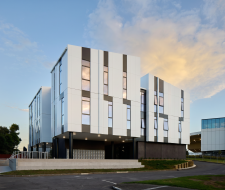 from 29030.00 $NZD / year
 -
 from 6240.00 $NZD / semester
 -
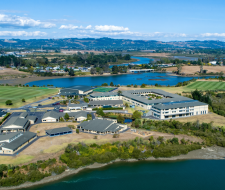 from 32470.00 $NZD / year
 -
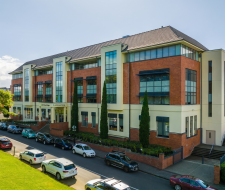 from 35800.00 $NZD / year
 -
 from 16280.00 $ / year
 -
 from 35800.00 $NZD / year
 -
 from 1638180.00 ₽ / year
 -
 from 1753140.00 ₽ / year
 -
 from 3161400.00 ₽ / year
SMAPSE offers best private schools in New Zealand available for students from all over the world. Today, New Zealand is chosen by many foreign students due to high-quality education that meets European standards. Moreover, students have an opportunity to get acquainted with culture and traditions of unusual and unique New Zealand. Private schools in New Zealand pay great attention to integration of innovative teaching ways. It helps graduates to be perfectly prepared for future studying and work in the modern world. In addition, students are deeply involved in the latest world trends. Campuses at New Zealand private schools are well equipped: interactive technology and computers, developed sports infrastructure, multimedia technologies. Everything makes studies not only effective, but also interesting.
During free time, students get an opportunity to learn more about the unique nature of the country, to examine national parks, endemic plants and animals. New Zealand has mild, comfortable climate. Therefore, it is very pleasant to study there at any time of the year. In addition, there is virtually no crime and corruption, and standards of living are quite high. You can be sure that due to choosing a private school in New Zealand, you will get comfortable, high-quality, prestigious education.
Please, don't hesitate to contact SMAPSE experts at any time as they are always ready to help you and answer all questions.
Alternative destinations
Private Schools in New Zealand: Advantages and Features for foreign students
New Zealand's education journey begins as early as 2-3 years old, with children attending kindergartens until they reach the age of six. While many of the country's schools are state-owned and free for its citizens, there has been a noticeable rise in international private schools in New Zealand, which have gained significant popularity over the years.
These private educational institutions in New Zealand offer exceptional programs spanning:
-
Primary school (5-12 years old)
-
Secondary school (including high school, 13-18 years old)
Taking cues from the British educational structure, New Zealand's system combines long-standing traditions with cutting-edge teaching innovations from across the globe. As a result, the educational framework is well-suited for students from diverse backgrounds.
Advantages of studying at the Best Private Schools in New Zealand
-
Adherence to the respected British educational system
-
Issuance of globally recognized, prestigious diplomas
-
Comprehensive student development, encompassing academic, creative, and athletic growth
-
Private schools in New Zealand fees are competitively low, especially when compared to European and American counterparts
-
Rigorous government oversight ensuring top-tier standards
-
Advanced educational equipment and facilities
-
An enviable climate and scenic beauty coupled with pristine environmental conditions
While the overarching educational system complies with British standards, New Zealand's system boasts unique features. Notably, there's an emphasis on stringent regulations for both public and private schools. Regular inspections are conducted by the Ministry of Education, ensuring that all schools, including the top private schools in New Zealand, maintain high standards. Additionally, families hosting international students undergo regular checks, offering peace of mind to parents sending their children abroad.

What would you say is the most important when choosing a private school in New Zealand?
This is the quality of support and work of the management, the opportunity to study at IB, the prestige of the school and the percentage of successful completion of the diploma stage of IB, recommendations for further universities. It is worth considering the national "recruitment" of campus students, opportunities for extracurricular development and activities, the availability of medical services and consultations, opportunities for language immersion. Is education at the chosen school based on the values you share? Is the school a close-knit community? Is academic support good?
Study Programms in Private Schools in New Zealand for International Students
Most children in New Zealand attend state schools, with about 85% enrolled in the public system, while private schools serve a smaller share of students. Mirroring the European model, schools can be mixed or single-gender. International students frequently choose to study at the best private schools in New Zealand, given their outstanding educational quality and rigorous standards.
For students aiming for prestigious universities in New Zealand or Europe, private institutions are an unmatched choice. These schools offer a flexible educational and admission system, welcoming children from diverse countries without rigid age constraints.
From the age of 5-6, children attend primary schools, progressing to higher grades, with some schools even offering university preparation programs like the International Foundation. Common standards include the English GCSE/A-Level and International IB. Private schools excel in offering a wide range of high-level subjects:
-
English
-
Modern foreign languages
-
Mathematics
-
Diverse art disciplines
-
Natural Sciences
-
Physical education
An emphasis on linguistic support allows children to gain solid language foundations, with additional courses aimed at improving communication skills. Teachers at these institutions are renowned for their qualifications, experience, and expertise.
The campuses of these international private schools in New Zealand are state-of-the-art, providing comfortable living options, ranging from host families for younger students to hotel accommodations for high schoolers.
High School in New Zealand: International Student Perks
High schools in New Zealand offer a welcoming admission process for international students. Flexible course structures, ranging from one to several years, cater to varied academic backgrounds. Many students who are interested in entering English-speaking universities opt for New Zealand's high schools, which require only their academic records and an English proficiency test. Typically, high school curricula include around six advanced disciplines out of about 30 offered subjects.
Upon completing their studies, students receive recognized certifications that allow them to enter premier universities in New Zealand, Europe, the USA, and beyond.
Private Schools in New Zealand. Cost and Fees for Foreign Students
New Zealand, renowned for its scenic beauty and innovative educational approaches, boasts a number of top-tier private schools that cater to both local and international students. These institutions often provide unique curricular and extracurricular opportunities, set against the backdrop of the country's natural splendor. For international students considering private education in New Zealand, understanding the financial elements is crucial.
Tuition Fees
The tuition fees for private schools in New Zealand can vary based on the institution, the level of education, and specific programs offered. For foreign students, the yearly tuition often ranges between NZD $20,000 to $40,000. However, specialized programs, advanced curricula, or schools with an elite reputation might command higher fees. It's essential to note that while these figures provide a general estimate, each school will have its distinct fee structure, so consulting the specific institution for accurate figures is advisable.
Additional Costs
Beyond the foundational tuition, there are several supplementary expenses to anticipate. Registration or application fees, uniform expenses, costs for textbooks and stationery, and potential field trip or excursion fees can add to the total. Extracurricular activities, particularly specialized ones like music classes, sports coaching, or art workshops, might come with their own set of costs. Some private schools also charge for facilities like technology labs, libraries, or sports complexes, either within the tuition or as separate fees.
Financial Assistance
Recognizing the financial commitment that private education entails, many of New Zealand's private schools offer scholarships, bursaries, or financial aid programs. These can be merit-based, talent-based, or sometimes, need-based. International students looking to offset some of the costs should explore these opportunities well in advance of application deadlines, ensuring they meet all the criteria and submit necessary documentation. While New Zealand's private schools offer unparalleled educational experiences, international students and their families must be well-versed with the financial aspects. Detailed research, proactive budgeting, and exploring scholarship or financial aid opportunities can make the journey smoother and more accessible.
What are private schools like in New Zealand?
Private schools in New Zealand are independent educational institutions that do not receive government funding, but are privately funded. These schools have a large degree of autonomy in management and curriculum development, which allows them to create unique educational approaches and emphasize specific values and teaching methods.
What are the advantages of studying in private schools?
Studying in private schools provides a number of significant advantages. First, these institutions typically have small class sizes, which encourages more personalized learning and interaction between teachers and students. Second, private schools often offer a more diverse curriculum, including additional subjects and activities such as art, music and sports. In addition, they may emphasize certain values or teaching practices that make them attractive to families who share those values.
How much do private schools cost in New Zealand?
Tuition fees for private schools in New Zealand can vary significantly depending on the individual school and level of education. It usually starts from several tens of thousands of New Zealand dollars per year. It is important to note that the cost may include not only training, but also additional expenses such as uniforms, training materials and other related costs.
What financial support options are available for families wishing to send their children to private schools?
There are some financial support options available for families facing financial difficulties. For example, some private schools may offer scholarships based on academic and athletic achievements, as well as financial need. In addition, families may consider obtaining grants or subsidies from charities or government programs if they meet certain criteria.
What curricula are provided in private schools?
Curricula in private schools in New Zealand are usually varied and can be aimed at different goals and needs of students. These programs may include standard subjects such as mathematics, literature, science, and others, but may also provide additional subjects that may not be available in public schools. It is important to note that some private schools may also emphasize certain values, such as religious or moral beliefs, and incorporate them into the educational process. This allows parents and students to choose a school that suits their unique needs and values.
Can international students study at private schools in New Zealand?
Yes, international students have the opportunity to study at private schools in New Zealand. Many private schools actively attract international students and provide them with special programs to learn English and adapt to a new cultural environment. International students usually require an appropriate student visa to study at private schools.
How long is the school year in private schools?
The school year in New Zealand private schools usually begins in early February and ends in December. It includes holiday breaks, including summer holidays, usually from December to February, and other short breaks throughout the year.
What university opportunities are available to private school graduates?
Private school graduates have the same opportunities to enter university as public school graduates. It is important to prepare for exams such as NCEA (National Certificate of Secondary Education) to achieve certain results that may be required for admission. Many private schools also provide support for their graduates when applying to universities.
Are there dormitories in private schools?
Yes, many private schools provide hostels for students, especially those who live far from the school. Residence halls typically offer students amenities and accommodation in close proximity to school academic and sporting facilities, which can make it easier to participate in extracurricular activities and events.
What are the entry requirements for private schools?
Admission requirements for private schools may vary from school to school, but usually involve an interview process with the student and his or her parents. In some cases, submission of academic recommendations or standardized test scores may be required. These requirements may also depend on the current level of education and the characteristics of the particular school.
Who regulates and accredits private schools in New Zealand?
Private schools in New Zealand operate within a well-defined quality framework overseen by several government bodies. Understanding this framework helps international families assess how a school's standards are maintained and how its qualifications are recognized abroad.
The New Zealand Qualifications Authority (NZQA) ensures that New Zealand qualifications are recognized and respected both at home and overseas, and that they meet the needs of learners. At its centre is the New Zealand Qualifications and Credentials Framework (NZQCF), which underpins the country's education system. The main qualification for secondary school students is the National Certificate of Educational Achievement (NCEA), which comes in three levels — 1, 2 and 3 — and is based on standards and credits. NCEA is recognized by employers and used for selection by universities and other tertiary education providers in New Zealand and abroad.
Quality is reviewed externally by the Education Review Office (Te Tari Arotake Mātauranga, ERO), the government's independent education evaluation agency. ERO assesses and reports on the education and care of learners across schools, early childhood services and related settings, and helps providers improve. Regulatory functions for private schools, along with early childhood education services and school hostels, are being transferred from the Ministry of Education to ERO from 1 September 2026.
International students are additionally protected by the Education (Pastoral Care of Tertiary and International Learners) Code of Practice 2021. Where a child will study for more than two weeks, the education provider must be a signatory to this code, which safeguards the wellbeing of international learners.
Do international schoolchildren need a student visa for New Zealand?
Whether a child needs a student visa in New Zealand depends on how long they intend to study. Any course lasting more than 3 months requires a student visa, and to apply for one the family first needs an offer of place from a New Zealand education provider. Australian citizens are an exception and do not need a visa to study in New Zealand at all.
Short-term courses can be taken without a student visa. A child holding a visitor visa, a work visa or a New Zealand Electronic Travel Authority (NZeTA) may study for up to 3 months in any 12-month period. Immigration New Zealand strongly encourages international students to apply 3 months before the intended travel date, as processing takes time.
Several rules protect younger learners. Children under 10 are granted a student visa only if they will live in New Zealand with a legal guardian or in an approved school hostel. When a child studies for more than 2 weeks, the education provider must be a signatory to the Education (Pastoral Care of Tertiary and International Learners) Code of Practice 2021, which sets standards for the wellbeing and support of international students.
Cost of living for students in New Zealand
Tuition is only part of the budget for a private school in New Zealand — day-to-day living costs matter just as much, especially in larger cities such as Auckland and Wellington. Below is a practical guide to what students and families can expect to spend on top of school fees.
Accommodation. Weekly accommodation costs range from around NZ$140 for a room in a shared house to NZ$484 for a catered hall of residence with meals included.
Food and groceries. For basic grocery shopping it is sensible to budget at least NZ$80–120 per week. Eating out adds noticeably to that — a meal at an inexpensive restaurant costs about NZ$25, while a three-course dinner for two at a mid-range restaurant runs to roughly NZ$120.
Everyday and leisure spending. The University of Auckland suggests setting aside about NZ$55 a week for entertainment.
Overall estimates. According to user-updated Numbeo data, estimated monthly costs come to about NZ$1,711.2 for a single person and about NZ$6,219.5 for a family of four, in both cases excluding rent.
Advantages and disadvantages of English schools
| Advantages | Disadvantages |
|---|---|
| The opportunity to enter the best universities in England, USA, Canada, Switzerland, Europe, the world | Expensive |
| High quality of education and academic standards | Strong workload |
| Perfect English after graduation | The need to change the social environment; it takes time to adapt |
| Useful contacts | The difficulty of choosing the most suitable school for the child, requires a qualified specialist |
Top 35 best schools in the USA - 2027 Smapse rankings
| 1 | North Broward Preparatory School |
| 2 | Phillips Academy Andover |
| 3 | The Storm King School New York |
| 4 | Red Bank Catholic High School |
| 5 | Windermere Preparatory School |
| 6 | Shattuck St Mary's School |
| 7 | Cheshire Academy |
| 8 | Cate School |
| 9 | Ross School |
| 10 | Deerfield Academy |
| 11 | The Village School |
| 12 | Amerigo Los Angeles – Bishop Montgomery High School |
| 13 | Webb Schools |
| 14 | Kent School USA |
| 15 | The Winchendon School |
| 16 | Darlington School |
| 17 | Marian Catholic High School Amerigo Education |
| 18 | Grier School |
| 19 | The MacDuffie School |
| 20 | CATS Academy Boston |
| 21 | The Cambridge School of Weston |
| 22 | Milton Academy |
| 23 | Amerigo Education Napa Valley |
| 24 | American Hebrew Academy |
| 25 | Northfield Mount Hermon School |
| 26 | Mater Dei Catholic High School San Diego Amerigo Education |
| 27 | American University Preparatory School Los Angeles |
| 28 | Webb Schools |
| 29 | Kent School USA |
| 30 | Groton School |
| 31 | Maine Central Institute |
| 32 | The Lawrenceville School |
| 33 | Grand River Academy Ohio |
| 34 | Saint John Paul II Academy |
| 35 | Chicago North Shore |
Top 14 best schools in Switzerland 2027
| 1 | College Du Leman |
| 2 | St. Georges School Montreux |
| 3 | Institut Monte Rosa |
| 4 | Lyceum Alpinum Zuoz |
| 5 | Saint-Charles Collège et Lycée |
| 6 | Leysin American School |
| 7 | Hochalpines Institut Ftan AG High Alpine |
| 8 | Aiglon College Switzerland |
| 9 | Institut Le Rosey School |
| 10 | Institut Montana Zugerberg |
| 11 | Champittet College |
| 12 | Brillantmont International School |
| 13 | Surval Montreux |
| 14 | Ecole Pre Fleuri |
Literature and references
-
Secondary schools in NZ

-
Education in New Zealand
-
Qualifications and their levels
-
The school system: New Zealand Education
-
Educational System in New Zealand
-
New Zealand — Cambridge International Education
-
New Zealand tops English-speaking countries in Educating for the Future ranking
-
Guide to Education & International Schools in New Zealand
-
Private schools in New Zealand — Wiki