Sunderland College ACG












Programs and prices, tuition fees in Sunderland College ACG


Elementary classes (grades 1-6)
The school is especially attentive to the teaching of young students. At the age of 5-11 years, children are not only given basic, fundamental knowledge in key disciplines - they are taught the love of learning, the desire for self-improvement, for self-development, perseverance. Much attention is paid to the development of independent motivation: students are taught to set themselves various tasks and constantly achieve more.
Middle and senior classes (grades 7-13)
At this age, the curriculum of students is very flexible and at the same time very large: they study a huge number of disciplines covering virtually all areas of knowledge. It takes time for electives (both creative or sports, and for academic), for doing homework and, of course, rest.
Starting with the 9th grade, students begin to prepare for the final exams and admission to universities around the world. They bring up a steady motivation and love for learning, the ability to set personal and academic goals and successfully achieve them.
Requirements for the level of English language are set according to the IELTS (or equivalent) exam standards:
- 7-10 class = 4.5
- 11-13 grades = 5.0 and higher.
Preschool Department
- Age: 3 months+.
- Duration: up to 5 years; full day, 2 to 5 days per week.
- Language: English.
The preschool level is divided into two groups: for children aged 3 months to 2 years, and for children aged 2 to 5 years. The toddler group can have no more than 10 children at a time, with an adult-to-child ratio of 1:4; the older group operates at a ratio of 1:9. The day follows a structured schedule, with full-day attendance from 7:30 to 17:30.
The Reggio Emilia approach is incorporated here: learning focuses on independent play, exploration, and observation in a carefully organized environment. A School Readiness Programme is in place for children preparing for the transition to school; individual development plans, speech therapy support, early intervention, and occupational therapy are also provided as needed. In addition, the Te Whāriki curriculum is applied, and Kei Tua o te Pae along with the learning stories format — brief observations of how a child develops speech, play, communication, independence, and new skills — are used for developmental assessment. The programme description specifically highlights language-based activities: through language classes, children are gradually introduced to reading, writing, arithmetic, natural sciences, and art.
IGCSE
- Age: 14+.
- Duration: 2 years.
- Language: English.
The IGCSE program runs in grades 10–11: this is the first serious stage with international exams, after which students move on to AS Level and A-Level. In grade 11, English language, English literature, and mathematics are compulsory; the remaining subjects are chosen by the student: biology, chemistry, physics, computer science, business, history, music, Spanish, physical education, design and technology, art and design.
The main feature of this stage is a flexible choice of subjects. In grades 10–11, students are not yet required to narrow their specialization: it is possible to put together a strong science set, focus on the humanities, or combine academic subjects with creative ones. For natural sciences and technology, the campus has laboratories and numerous workshops, so learning is not limited to theory — students have plenty to engage not only their minds but also their hands. In grade 10, students are prepared in advance for the IGCSE format so that the transition to exams goes smoothly, without anxiety or stress.
AS/A-Level
- Age: 16+.
- Duration: 2 years.
- Language: English.
AS/A-Level at ACG Sunderland takes place in grades 12–13. Typically in grade 12, students take four subjects: one English course of their choice — language, literature, or a general academic writing and analysis course — plus three additional disciplines. In grade 13, English is no longer compulsory — the student assembles a set of four subjects at AS or A2 level. With strong results, some subjects can be started at A-Level as early as grade 12.
The key strength of this learning format is freedom of choice. Here you can build a pathway toward medicine and natural sciences, engineering, humanities, or business. The list of elective disciplines includes biology, chemistry, physics, mathematics, computer science, business, classical studies, marine sciences, psychology, Spanish, music, art, design and technology. Physical education and psychology in the final year can only be taken at AS level.
In 2023, all A-Level students successfully passed their exams, with 42% of papers receiving A* or A grades.
Description of Sunderland College ACG
- Location: Henderson, New Zealand
- Age of the pupils: 5-17 years (reception of foreigners is open from 11 years old)
- Language of instruction: English.
The Sunderland College ACG Private School of Collaborative Education was established in 2007 and accepts students from 5 to 17 years of age - programs 1 to 13 (foreign students can learn here from the age of 11)
The New Zealand college is part of the prestigious and respected organization Academic Colleges Group (ACG), successfully operating since 1995. This New Zealand organization has received many international awards and accreditations, making its institutions one of the best in New Zealand. In total, the number of ACG students today reaches 3000 people (including foreign students). At the end of the school year, students are expected to graduate internationally: studying with strong, qualified and experienced teachers makes it possible to get high scores and grades, to continue to the best universities and higher schools in the world.
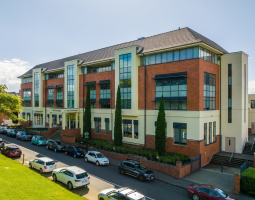
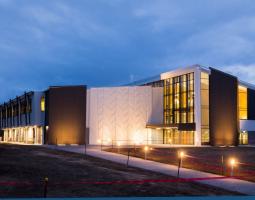
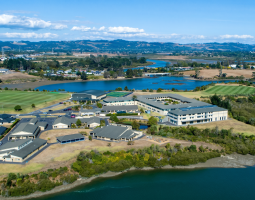
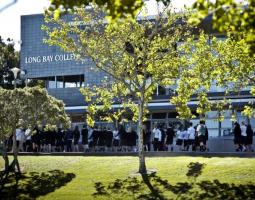
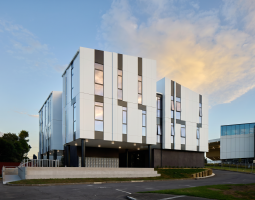
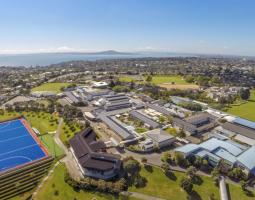
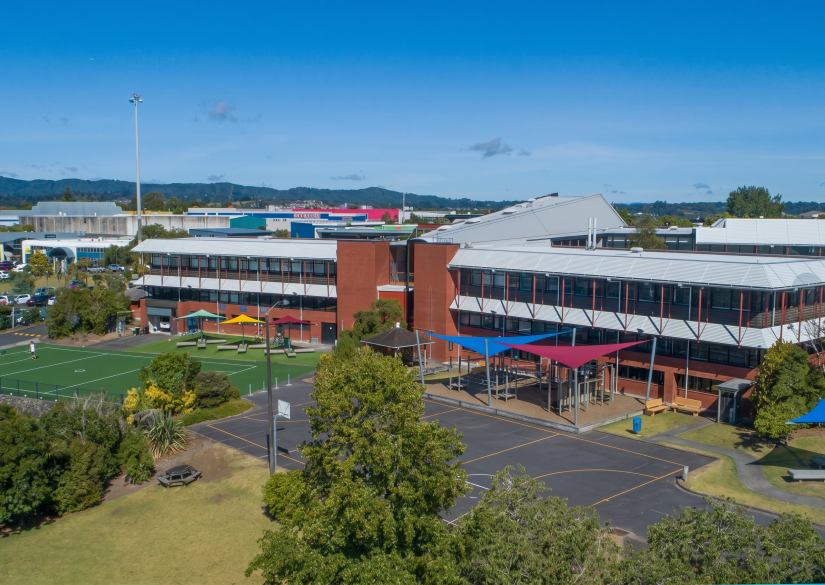
Sunderland College ACG is known as the only school in West Auckland, offering a coeducational program: both girls and boys are studied on the same conditions. The beautiful main building, quiet, picturesque area, excellent infrastructure and sports equipment - all this makes it possible to learn not only efficiently, but also comfortably and with pleasure.
Educational process
In primary school, the core of the curriculum consists of English and mathematics, with some subjects taught by specialist teachers: natural sciences, music, drama, technology, computer science, Spanish, social studies, health and physical education. From grades 7 to 9, students follow Cambridge Lower Secondary; in grade 10 they begin preparation for IGCSE; in grades 11–13 they study through the IGCSE, AS Level and A-Level pathway (in upper grades, subjects are selected to match the student's future specialization).
If a child needs additional support, a tutor, level coordinator, or foreign students' coordinator steps in. An individual learning plan is developed for children with learning difficulties; they receive in-class assistance and, where necessary, additional sessions are arranged.
Faculties and colleges
The school consists of three stages: a preschool department, a primary school, and a College. The primary school covers grades 1–6, College — grades 7–13, within College there are Lower College and Upper College.
Things to know about
- The school's name was not given in honor of the English city, but in memory of the Short Sunderland flying boats that were based in neighboring Hobsonville; until 1967, this site was the main center of naval aviation in New Zealand.
- The campus is located alongside the Twin Streams trails. This is a major local environmental initiative: 9.3 km of walking and cycling paths have been laid out here, and more than 880,000 native trees and shrubs have been planted.
- From Year 8 to Year 13, students are placed in mixed-age tutor groups. The form teacher stays with such a group for six consecutive years.
- The school operates a house system: each house has its own weekly meetings, its own leaders, and its own charity organization that it supports.
Accommodation, meals, prices
College students can reside in host New Zealand families: they are offered comfortable and safe conditions (half board and all the amenities of the house), as well as daily communication with native speakers and acquaintance with national traditions, features, history and mentality. The school very carefully approaches the selection of host families - many New Zealand citizens have been cooperating with the college for many years.
Also, students can rent an apartment (meals are not included - self-service) or be accommodated in a common comfortable residence (half board meals - usually breakfasts + dinners).
Subjects, specialties
Activities Sunderland College ACG
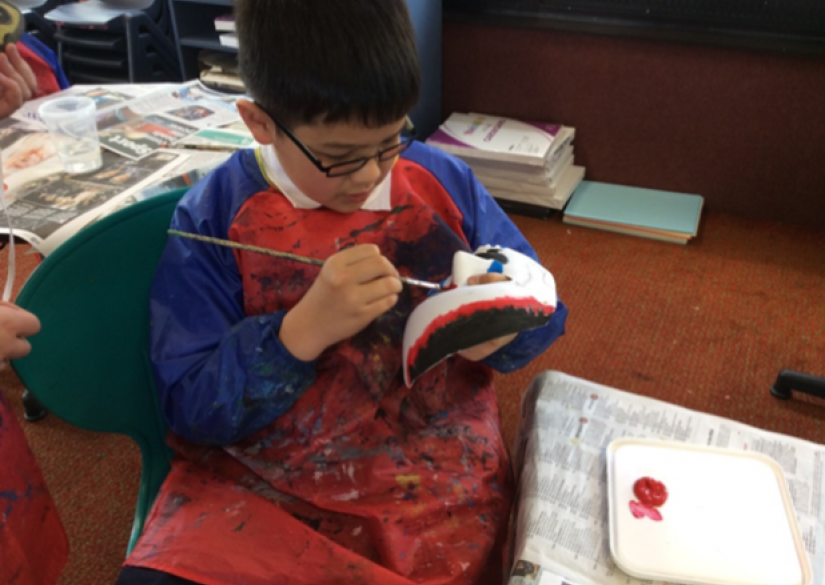
Extracurricular life is quite vibrant. In the lower grades, the school holds Book Week, Science Week, Māori Language Week, a costume character parade, and Grandparents' Day throughout the year. Joint sports events with other schools are frequent. Students can join clubs in robotics, programming, dance, choir, orchestra, gardening, natural sciences, ecology, photography, arts and crafts, speech and drama, and running.
In middle and high school the choice is even broader: math evenings for students in grades 7–10, residential leadership programs, school ball, picnics, and camps. Regular activities include a literary club, science club, a technology club for senior students, theater, debating, school journalism, chess, programming, jazz ensemble, rock bands, and a singer-songwriter club. Students can also take part in the Duke of Edinburgh's International Award programme.
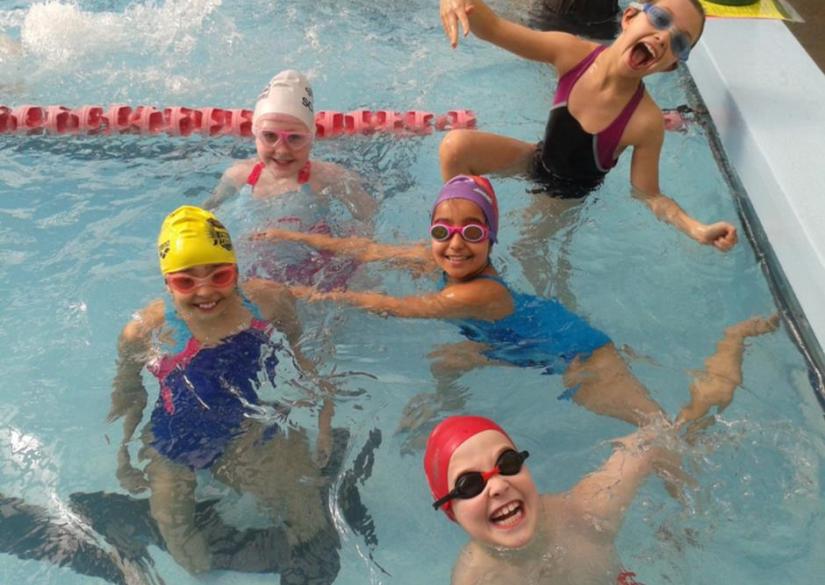
Sport plays a prominent role here. Students compete against other schools in Auckland and the North Island. Throughout the year, the following sports are available: athletics, badminton, basketball, cricket, cross-country, cycling, hockey, netball, orienteering, rowing, football, swimming, table tennis, tennis, and touch rugby.
The student council runs two community and two charity initiatives each year: these may include washing police cars, writing letters to patients at Starship Children's Hospital, or raising funds for school gardens. For those who wish to study abroad, an exchange program within the Inspired network is available.
Advantages
- Strong Cambridge exam results: in 2023, ACG Sunderland achieved a 100% pass rate in A-Level, 100% University Entrance pass rate, and 42% of A-Level papers received A* or A grades.
- Students have access to international exchanges within the Inspired network: they can spend a few weeks or an academic year at another Inspired school and then return to continue their studies.
- A well-thought-out support system: tutors, junior and senior year coordinators, an international student coordinator, additional classes, and language support.
- A well-organized bus route network covering various areas of Auckland to make it easier for students to get to campus.
Facilities and equipment at Sunderland College ACG
The college is well equipped with everything that students need for study in Auckland and rest:
- Spacious and bright audiences with modern equipment
- Multimedia classrooms
- Computer labs
- Sports grounds (indoor and outdoor)
- A spacious pool and etc.
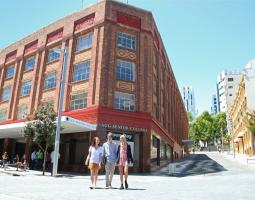
The building is located in a quiet area of Henderson in the western part of Auckland, the small town of Whitaker - early in the college building was the City Council. Just a couple of steps away is the busy Lincoln Road, beautiful parks for sports and recreation (Central Park, Te Pal Park, Edmonton Park, Te Atatu South Park), numerous cafes, restaurants and coffee shops, where you can meet friends and have dinner - the number of the most popular include Get Fed Lunch Bar, Shambal's lunchbar, Pizza Hut, Shaegara la coffee, Hollywood Bakery and Espresso (lunch will cost about 5-6 dollars). Also nearby you can find large shopping centers: Westfield WestCity, Westgate Shopping Center, Bayfair Shopping Center.
Admission dates and extra charges
The following components are paid additionally:
- Registration Fee
- Accommodation and meals (depends on the option chosen)
- Selection of accommodation option
- School uniform
- Tutorials, books, and materials
- Mandatory medical insurance
- Examination fees
- Visa fees and services, translation and certification, courier delivery of documents
- Consular fee (payable at the Embassy)
- Air tickets in both directions
- Transfer in both directions, meeting and seeing off at the airport.
Extras:
- Registration fee (for a programme/course) 1000 NZD
Enrolment process
Admission begins with submitting an application for the chosen level. After that, the child is invited for an interview together with their parents: this is a key stage at which it is decided whether the child is ready for the required grade and whether a place is available. If the decision is positive, the family is sent an enrollment offer.
Next, it remains to confirm the place and complete the enrollment process. Before classes begin, the school conducts an introductory orientation: new students are helped to settle in, and for preschool-age children, introductory visits are arranged in advance.
Perspectives
More than 90% of graduates go on to study at universities. In the senior years, students are helped to choose a program and prepare their applications and supporting documents. Among the universities where Sunderland graduates have successfully enrolled are the University of Auckland, the University of Otago, the University of Canterbury, and the University of New South Wales.
In 2023, all graduates who sat A-Level examinations received University Entrance — the qualification for admission to universities in New Zealand
Entry requirements, how to apply, what is required to enrol
All applicants of the college (age from 5 to 17 years) must provide a cover letter, if possible, an educational diploma or a certificate with a table of grades for the subjects passed (if the enrollment is planned in the middle or senior classes). English language requirements are set according to the IELTS (or equivalent) exam standards:
- 7-10 class = from 4.5
- 11-13 classes = 5.0 and above.
Scholarships Sunderland College ACG
ACG Sunderland has four main forms of support.
- Scholarships for new students in grades 7–13 in three areas: academics, sports, and performing arts. They reduce tuition fees. Applications can only be submitted together with a regular application for admission, along with a separate scholarship form and a detailed student CV in the relevant area. Candidates are expected to demonstrate strong results, discipline, leadership qualities, and a willingness to actively participate in school life. Once awarded, the scholarship is reviewed annually: if results decline, it may be revoked.
- ACG Founders' Scholarship: awarded once a year to one student from ACG New Zealand secondary schools who is planning to enter university the following year. The maximum amount is up to $75,000 AUD over three years. This scholarship can be combined with other awards. Consideration is given not only to academic performance but also to personal qualities: integrity, leadership, determination, and work ethic.
- Sibling Scholarship for large families. If four children are enrolled in the school at the same time, the youngest may receive a full tuition discount. If there are five or more children, the family may receive a 25% discount on the total tuition amount. This benefit applies only while at least four children from the same family are enrolled in the school simultaneously.
- Nsouli Scholars Programme — an Inspired network program. It provides a full scholarship for the entire duration of study; at any given time, 50 scholars across various schools in the network are enrolled under this program.
Institution on the map
Residence permits, citizenship and other services
- Guardianship services during the studies
- Student supervision
Review about Sunderland College ACG
Recommendations on when to apply
| Language courses, schools and children's language camps | Primary and secondary education - private schools | Preparation programmes for entering universities - higher education | Higher education (after completing accredited programs A-level, IB, High School) - Bachelor, Master, MBA |
| - we recommend to apply 6-9 months before the start of the course (some camps and schools offer discounts for early booking or for lengthy study programs) - there are some very popular and high demand children's camps, where the applications need to be submitted 1 year in advance (in particular Switzerland , Great Britain , USA , Canada , Austria) | - we recommend to apply one year before the start of the training program, - some schools have a specific time frame (September-November - please specify an individual school) - some schools require tests in several stages (UKISET, internal tests of the school: English, mathematics, logics, subjects, interview, some require a personal visit) | - we recommend to apply one year before the start of the program, - for Foundation and Pathway programs, IELTS and TOEFL certificates are usually required, respectively | - recommended submission one year before the start of the program, - the deadline normally closes in January, for TOP HEIs and, as a rule, in March in other universities - for a bachelor, a Foundation or Pathway preparatory program a completed A-level, IB, High School + IELTS / TOEFL are required - for Masters you need a graduated higher education, in some cases you need a pre-Masters program - MBA requires completed higher education, work experience preferably at least 2-3 years, etc. |