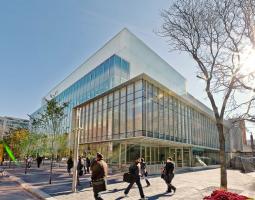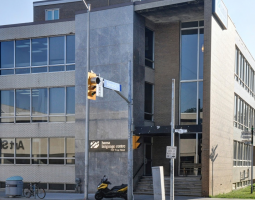
Algoma University in Canada

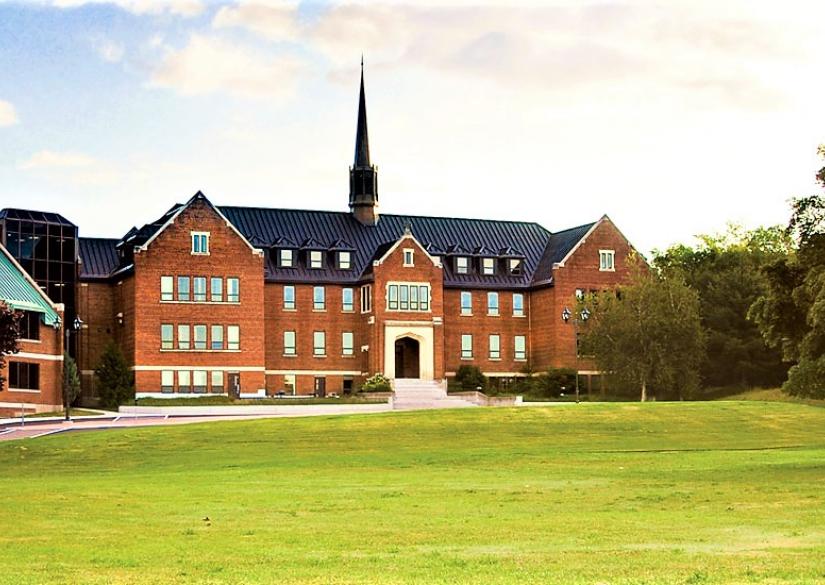
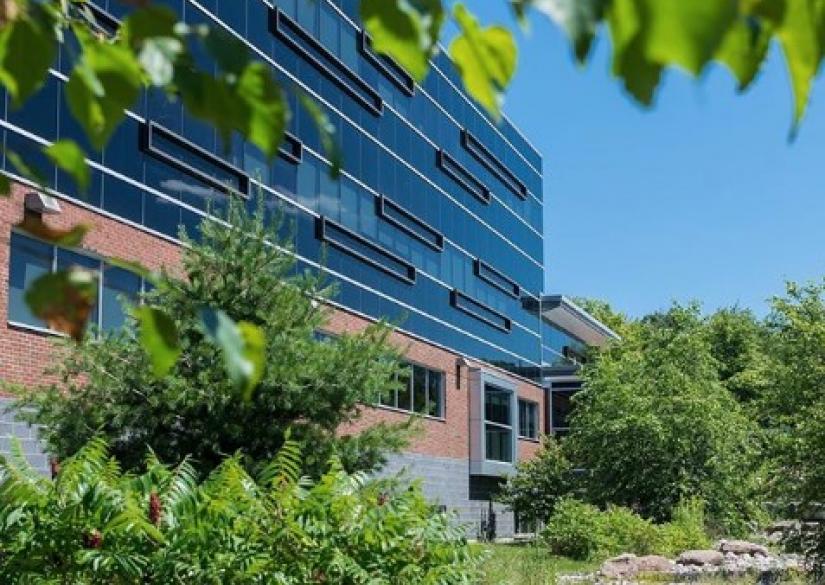






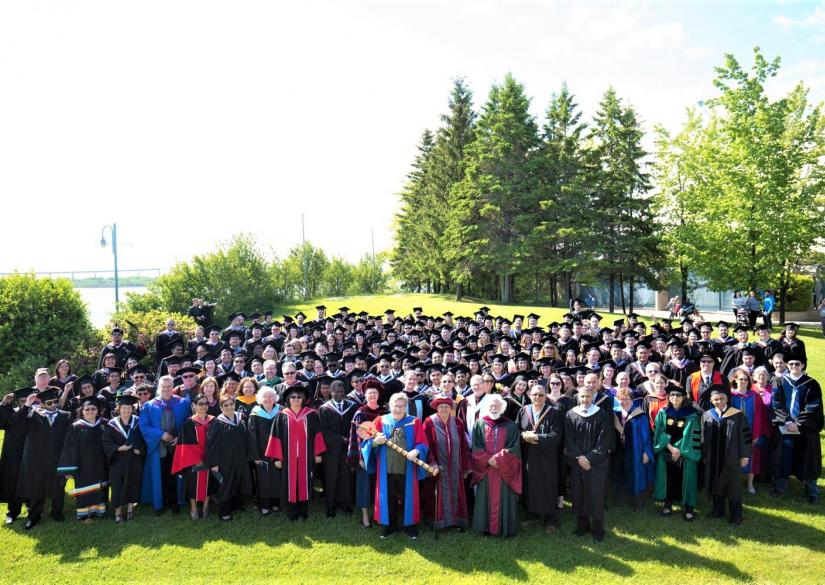


Programs and prices, tuition fees in Algoma University in Canada


Bachelor's program
- Age of students — from 18 years old,
- The studying period is three to four years.
Algoma University offers high-quality higher education programs for students from any country. The Bachelor's degree is offered in more than 20 directions, some of them contain various specialties. The studying lasts 3-4 years.
Students choose the main and additional specializations (Major and Minor): the main one is characterized by a large number of courses and disciplines, a wide range of topics and questions. The additional program offers fewer courses, but it has its advantages, as it significantly expands the competencies and qualifications of graduates. Subsequently, many graduates develop in their professional activities not only in the main field, but also in additional specialization.
Some of the sought-after scientific directions are:
- Biology,
- Business Administration,
- Accounting,
- Community development,
- Economic and social development,
- Computer science,
- Economy,
- Environmental sciences,
- English language,
- Finance, economics,
- Geography, geology, land use,
- Law, justice,
- History,
- Political Science,
- Music.
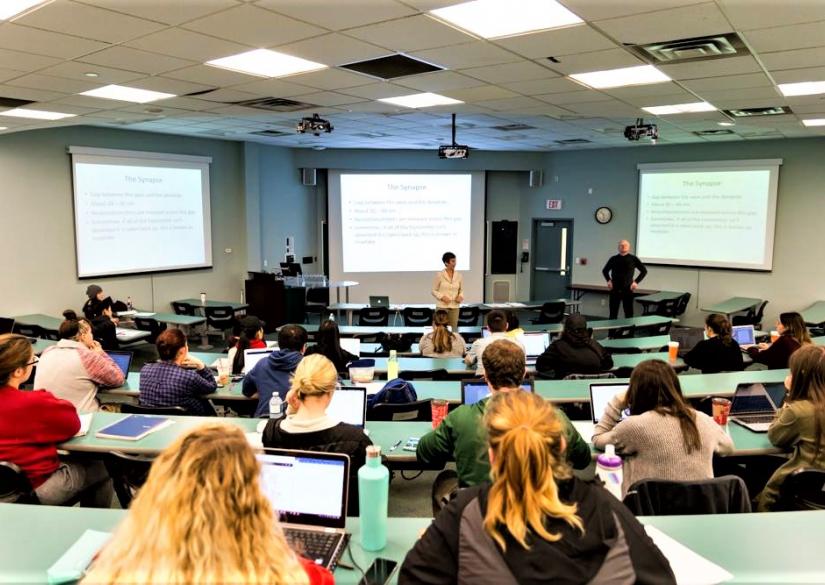
All curricula have a carefully designed structure that meets the best Canadian and international standards. Classes are conducted exclusively by highly qualified specialists with academic degrees and recognition. The small size of the university and the small number of people in groups allow us to pay maximum attention and individual approach to everyone, to explain in detail all complex issues and topics. Teachers and students communicate almost on equal terms in the classroom, exchange opinions, come up with and test theories and ideas together.
Various types of classes are provided:
- Lectures,
- Seminars,
- Research work,
- Laboratory work,
- Field research,
- Individual projects, group work,
- Professional study of sources and literature,
- Lectures and seminars with the participation of invited experts and specialists.
A lot of time is devoted to developing students' independent work and research skills: Algoma University has excellent centers and laboratories, so undergraduates receive support and the opportunity to use the latest scientific developments.
As additional courses, seminars on the development of employment skills and career advancement are held: students get acquainted with the basic rules of the Canadian and US labor markets, learn how to write a resume correctly, and prepare to be interviewed. In case of successful fulfillment of all requirements and completion of the curriculum, the student is awarded a state diploma and a bachelor's degree in the relevant field of sciences.
Algoma University graduates have excellent employment opportunities in prestigious companies in Canada, the United States and other countries. They can also continue their studies by enrolling in a master's degree.
Master's Programs
- Age of students — from 21 years old,
- Duration of study — one to two years.
Algoma University offers several specializations leading to a Master of Science degree, for example:
- Biology,
- Computer Science: informatics, information technology,
- Computer Science: artificial intelligence, cybersecurity, software development,
- Global Business, Economics,
- Business Analytics,
- Psychotherapy.
The core of the curricula consists of work on an individual dissertation, supported by subject-matter instructors and research center staff. Students attend lectures and seminars, work in laboratories and field settings to gain valuable professional skills for career development.
Description of Algoma University in Canada
- Location: Sault Ste-Marie, Ontario, Canada,
- Year of foundation: 1965,
- Number of students: up to 5,000,
- Language of instruction: English,
- Type of studying: mixed.
Algoma University is a public university with three campuses in Ontario, Canada, offering dozens of bachelor's and master's degrees in the directions of humanities, natural sciences, and management.
Founded in 1965, the institution existed for more than 40 years as a branch of Laurentian University and was officially called Algoma University College. Since 2008, it has been operating as an independent educational institution, offering accredited higher education degrees in sought-after scientific fields. Over the past few decades, the main focus has been on attracting and supporting international students — the number of foreign students reaches 50% of the total number of students.
Algoma University cooperates with regional, national and international organizations, thanks to which its students have access to short-term exchange programs, additional education and internships. In addition to effective and practice-oriented learning, the Canadian university implements activities in various extracurricular areas, allowing for the development of creative and athletic talents, social and professional qualities.
Educational process
Algoma University collaborates with numerous academic organizations that help with admission and adaptation to life in Canada. International students can take advantage of the following partner services:
- English language courses at CES, EduGlobal College, ILAC, iLSC, RCIIS centers,
- International pre-admission preparation programs at EduGlobal College, Beaconhouse School System,
- Postgraduate education programs at the SLIIT organization.
Faculties and colleges
Teaching is organized on the basis of the following faculties:
- Business, Economics,
- Natural Sciences,
- Computer Science, Technology,
- Humanities, Social Sciences,
- Intercultural Studies.
Accommodation, meals, prices
With three studying areas, Algoma University offers several accommodation options. The university residences are located on the main campus in Sault Ste-Marie.:
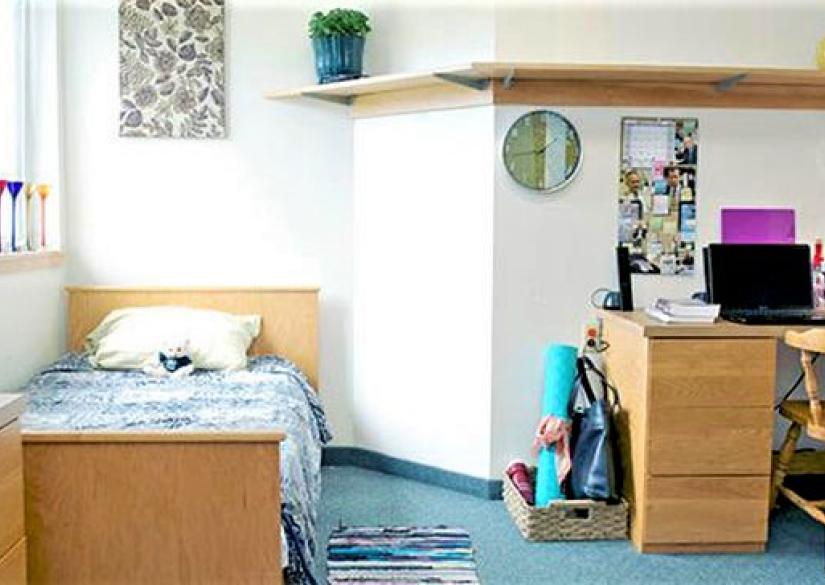
- Algoma Dormitory — accommodates up to 96 students, who are living in single bedrooms with access to bathrooms along with two neighboring residents,
- Lou Lukenda Dormitory is a small residential complex for 45 students, offering single rooms with shared bathrooms, kitchens, and relaxation areas,
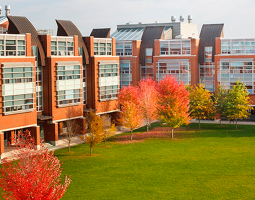
- Spirit Village Townhouses are townhouses, each of which includes five separate bedrooms, two bathrooms, a shared kitchen and a living room. All rooms are furnished, have access to Wi-Fi and a wired Internet connection, there are recreation areas and laundries in common use.
While staying in residences, students make meal plans with a certain number of meals per week and additional points for purchases at campus facilities. The dining rooms offer an extensive and varied menu with full hot meals, healthy snacks and drinks.
Campuses in Greater Toronto and Timmins do not have residences, but provide students with a list of verified landlords: students rent rooms, apartments near academic buildings.
Another option available to students of all educational territories is accommodation with a host family. Local residents of Canada provide separate bedrooms in their homes, provide care, and help in adapting to academic and daily life in the country.
Subjects, specialties
Activities Algoma University in Canada
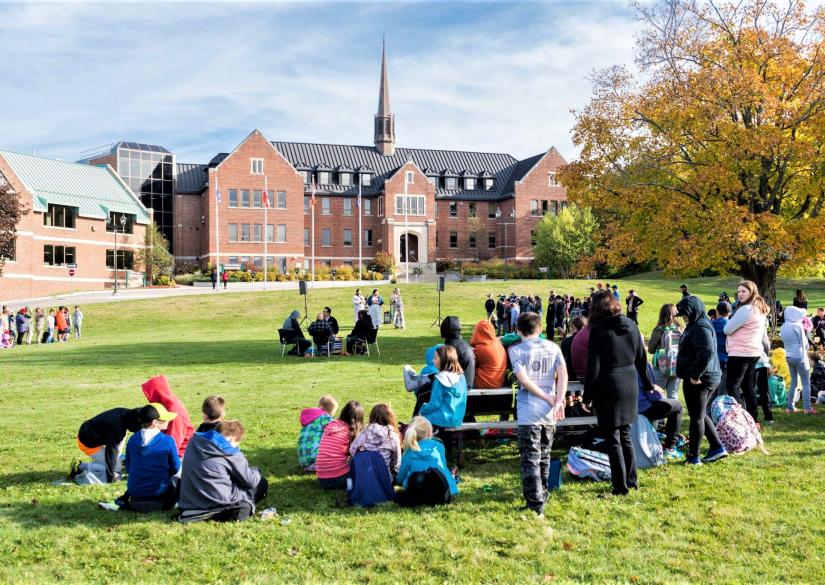
Active student life is an important aspect of the comprehensive development of future specialists. Algoma University has dozens of thematic clubs and associations — academic, scientific, creative, sports and others, volunteer programs, seminars with invited specialists are implemented.
Algoma University's sports teams seasonally compete with teams from other universities in six sports:
- Football,
- Cross,
- Fighting,
- Basketball,
- Curling,
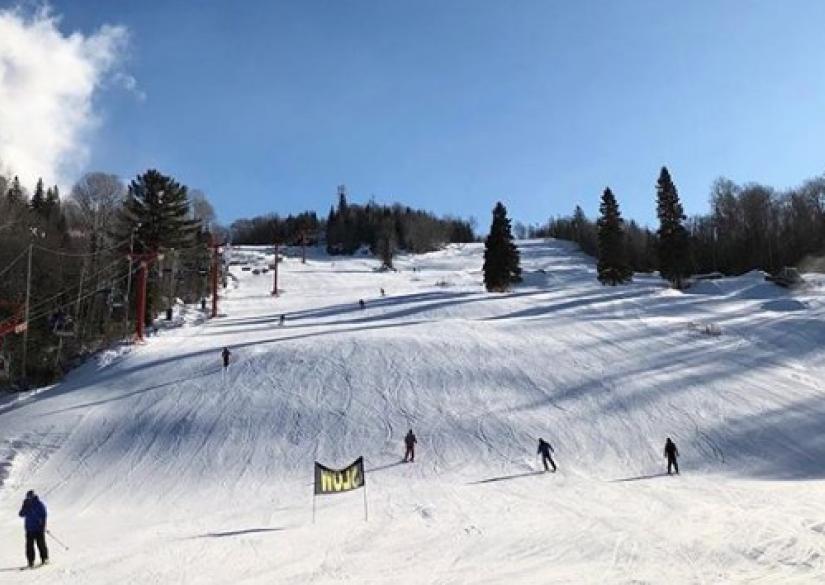
- Ski racing.
Students who are not interested in large-scale competitions train in intra-university teams at the amateur level, mastering such sports as ping-pong, cricket, volleyball and others.
There are many events throughout the year that allow you to travel around the region as part of a group and enjoy the natural beauty of Canada. The Student Union manages dozens of themed clubs that bring together students with similar interests and goals. Among the current ones are:
- Geography, environment,
- Business,
- Dramatic art, acting,
- Radio, journalism,
- Active leisure,
- French,
- Gardening,
- Community of African,
- Caribbean Students,
- Christian Association,
- Fine arts.
Advantages
- Dozens of organizations cooperating in educational, scientific and research fields,
- Partner programs for international exchange and English language learning, admission preparation courses in Canada,
- Three campuses with modern facilities,
- Learning in small groups,
- Active student activity,
- Multinational student community: 50% are foreigners,
- Comprehensive support: from the provision of housing for the duration of studies to a variety of financing programs.
Facilities and equipment at Algoma University in Canada
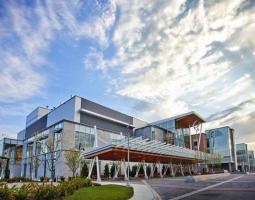
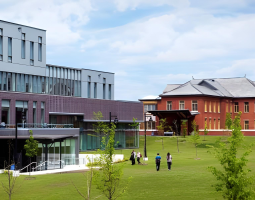
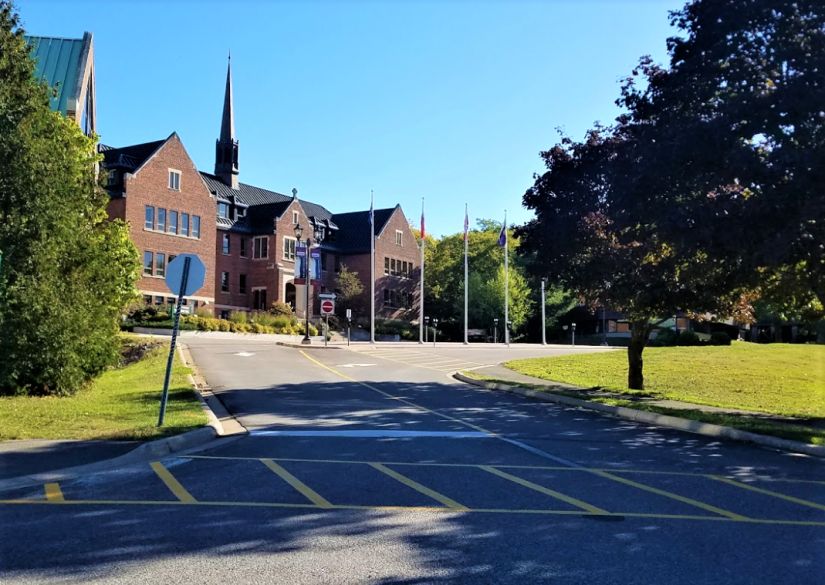
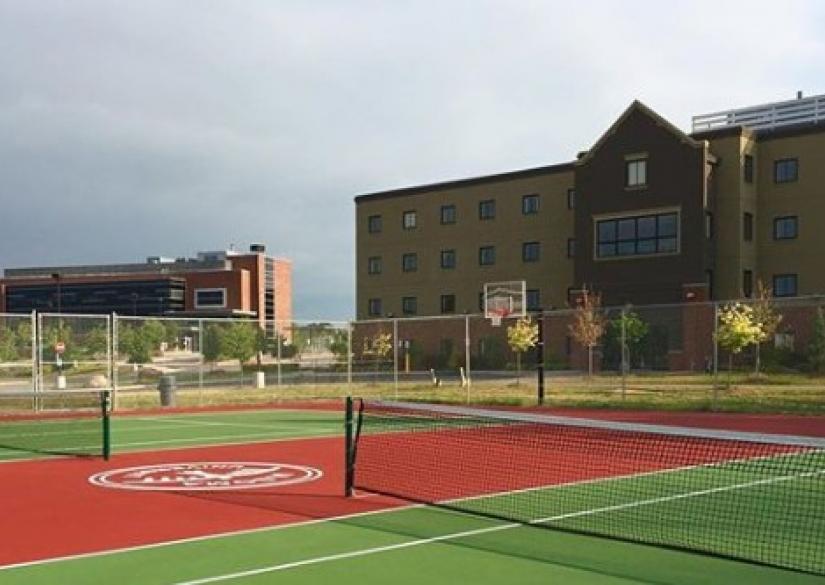
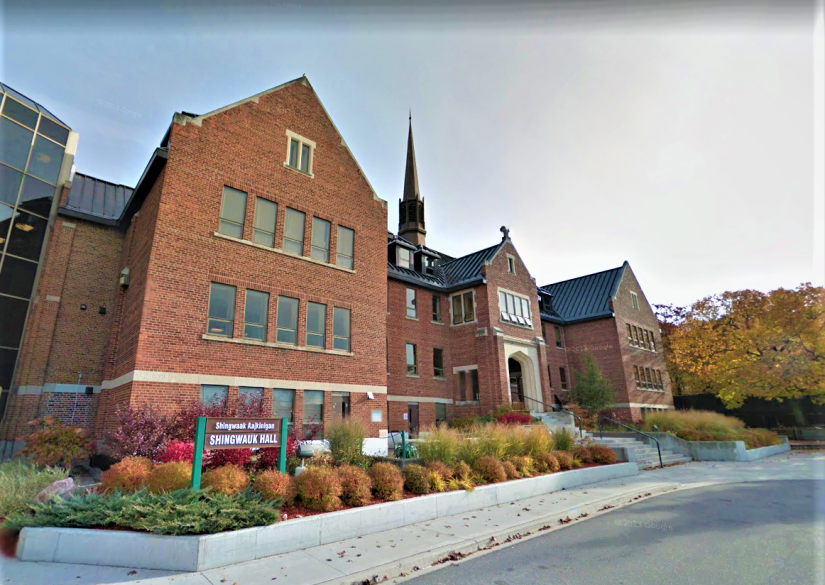
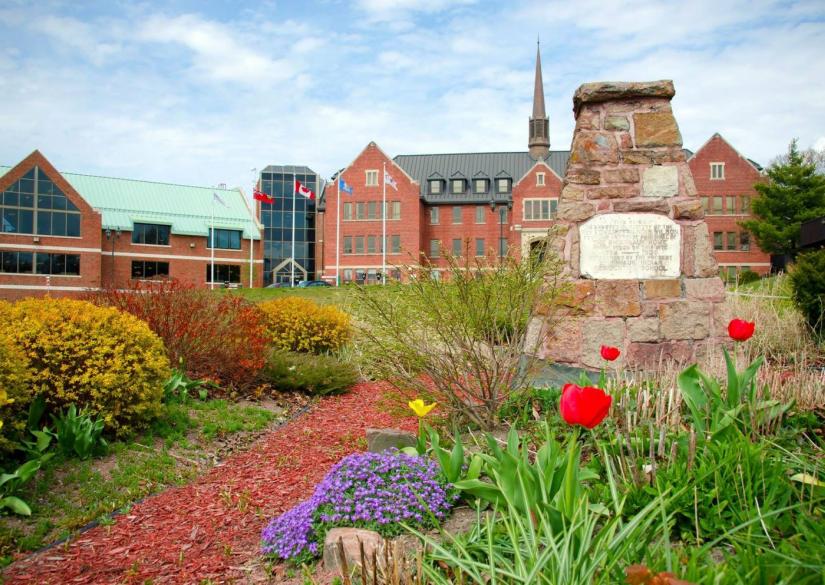
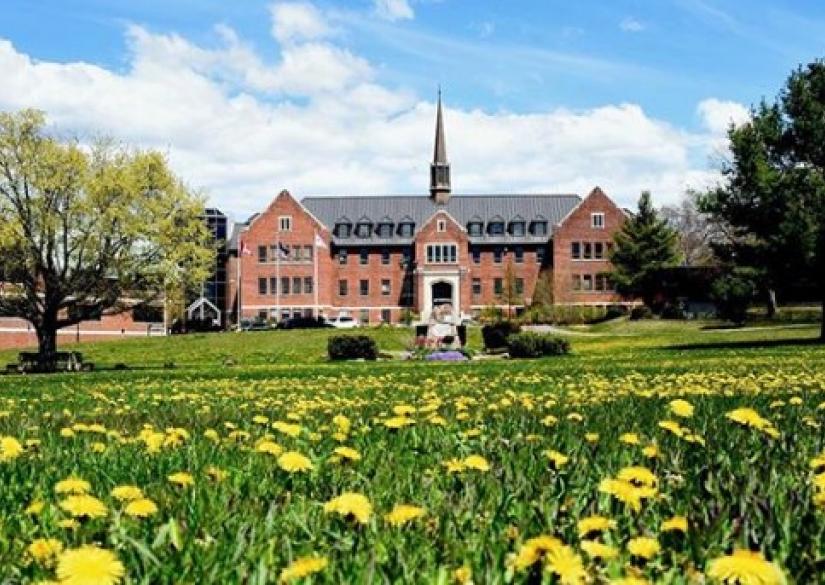
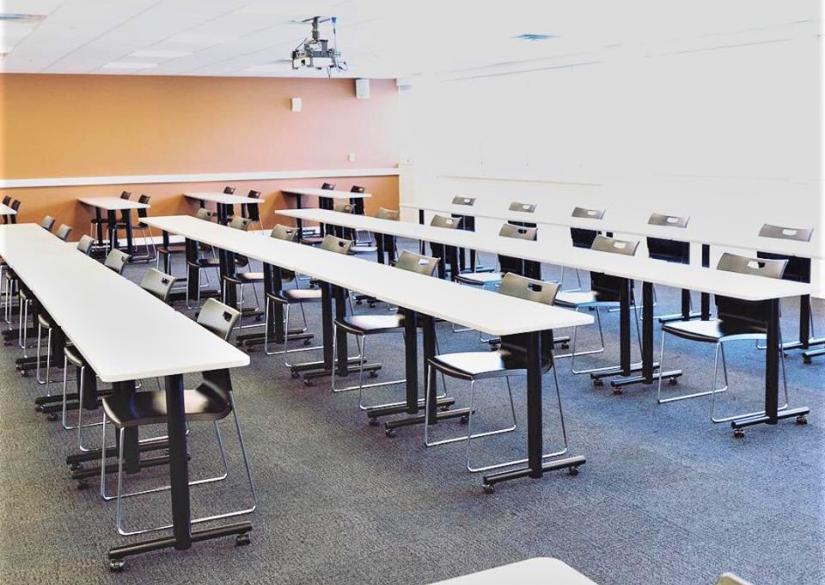
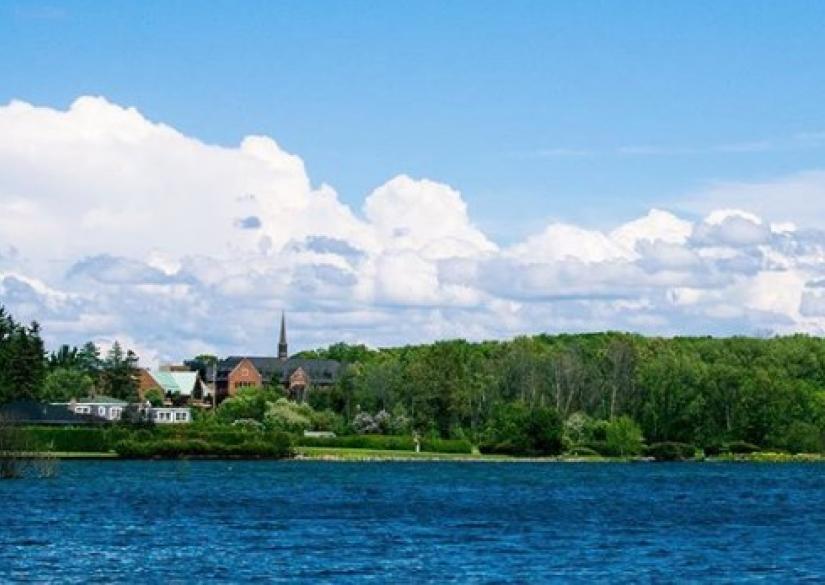
Algoma University has three academic territories, the main of which is located in Sault Ste-Marie. The campus boasts the oldest university infrastructure building with lecture halls and laboratories, separate buildings of research centers, several residences and many auxiliary offices. There is also a 49,000-square-foot sports and wellness complex, which includes gyms and game rooms, a sauna and other facilities for individual and group training. There is a running track around the building, and outdoor recreation areas are equipped.
The campuses in Timmins and Brampton, Greater Toronto, have a smaller footprint and a number of academic and support facilities, but they also provide everything necessary for learning.
Admission dates and extra charges
The academic calendar includes two main semesters and an additional summer trimester for completing some courses and exams.
- Fall semester: September-December,
- Spring semester: January-June,
- Summer trimester: June-August.
Classes in most full-time education programs are conducted on weekdays, and rest is organized on weekends and holidays.
An approximate list of additional expenses includes:
- Registration and administrative fees,
- Accommodation, meals and related housing expenses,
- Some extracurricular activities,
- Additional academic opportunities,
- Medical insurance,
- Personal expenses.
Extras:
- Application fee 125 CAD
Enrolment process
Applicants fill out an online form, pay admission fees and submit documents, after which the admissions committee conducts an interview and possible tests, and sends all the necessary information about the further stages of enrollment and arrival in Canada.
Perspectives
Today, the number of Algoma University graduates reaches 17 000, and they are successfully building careers in their chosen field of study in various countries around the world.
Entry requirements, how to apply, what is required to enrol
To enroll in higher education programs, foreign applicants must provide:
- Personal documents: passport, medical insurance and health certificates, visa or residence permit,
- Academic certificates from previous places of study: certificate of full secondary education, certificates of preparatory courses, bachelor's degree,
- Official transcripts,
- Language test results: TOEFL (from 83), PTE Academic (from 60) or the equivalent recognized by the university.
Scholarships Algoma University in Canada
Algoma University offers dozens of scholarships and assistance in obtaining grants from partner organizations. The awards reward students for achievements in studies, sports and university life, and are awarded to first-year students who have outstanding academic results at their previous place of study.
Another option for financing education is part—time work in campus institutions, academic and scientific departments. Students who are in a difficult life situation apply for financial assistance.
Literature and references

Institution on the map
Residence permits, citizenship and other services
- Guardianship services during the studies
- Student supervision
Review about Algoma University in Canada
Recommendations on when to apply
| Language courses, schools and children's language camps | Primary and secondary education - private schools | Preparation programmes for entering universities - higher education | Higher education (after completing accredited programs A-level, IB, High School) - Bachelor, Master, MBA |
| - we recommend to apply 6-9 months before the start of the course (some camps and schools offer discounts for early booking or for lengthy study programs) - there are some very popular and high demand children's camps, where the applications need to be submitted 1 year in advance (in particular Switzerland , Great Britain , USA , Canada , Austria) | - we recommend to apply one year before the start of the training program, - some schools have a specific time frame (September-November - please specify an individual school) - some schools require tests in several stages (UKISET, internal tests of the school: English, mathematics, logics, subjects, interview, some require a personal visit) | - we recommend to apply one year before the start of the program, - for Foundation and Pathway programs, IELTS and TOEFL certificates are usually required, respectively | - recommended submission one year before the start of the program, - the deadline normally closes in January, for TOP HEIs and, as a rule, in March in other universities - for a bachelor, a Foundation or Pathway preparatory program a completed A-level, IB, High School + IELTS / TOEFL are required - for Masters you need a graduated higher education, in some cases you need a pre-Masters program - MBA requires completed higher education, work experience preferably at least 2-3 years, etc. |