Toronto film school








Programs and prices, tuition fees in Toronto film school


Diploma Programs
- Age of students — from 18 years old,
- Duration of study — 18 or 24 months.
TFS offers six diploma programs in modern in-demand specializations:
- Film Production,
- Acting for Film, Television, and Theatre,
- Screenwriting for Film and Television,
- Video Game Development and Animation,
- Video Game Development and Design,
- Graphic Design and Interactive Media.
Earning a degree in each field takes 18 months, with some programs available in a hybrid format where part of the classes are held online. For fully remote learning, which lasts 24 months, three specializations are available:
- Video Production,
- Graphic Design and Interactive Media,
- Screenwriting for Film and Television.
Throughout this time, students focus on developing practical skills and building a portfolio, working with partner organizations on large-scale projects.
A competitive diploma allows students to either continue their academic path or secure a high-paying job immediately upon completing the program.
Bachelor’s Program
- Age of students — from 18 years old,
- Duration of study — 15 months.
TFS offers one bachelor’s level specialty — «Creative Arts», which takes 15 months to complete. During the studies, students master the theoretical foundations of the field to obtain a professional diploma. After earning a degree at the film school, students transition to the Bachelor of Creative Arts program at Yorkville University.
Summer Academy
- Age of students — from 15 years old,
- Dates — July, August,
- Duration of study — one week.
During the summer, TFS organizes short-term courses for teenagers and adults, providing an opportunity to learn the basics of a specialty that interests them.
The following programs are available to teenagers in grades 11-12 and adults over 18:
- Acting,
- Filmmaking.
Each course is based on project work in specialized studios and workshops, allowing students to gain practical skills and a general understanding of the creative field. Classes are held over five days, on weekdays. The schedule varies by age group: younger students attend from 9:00 AM to 3:00-5:00 PM, while adults attend from 3:30 PM to 9:30 PM.
Description of Toronto film school
- Location: Toronto, Canada,
- Language of instruction: English,
- Type of study: mixed.
Toronto Film School (TFS) is one of Canada’s leading film schools, renowned for its outstanding student projects and graduates who have worked on internationally acclaimed films and TV series.
Located in Toronto, the institution offers practice‑oriented diploma programs in in‑demand fields: graphic and game design, film production, screenwriting, and others. The Canadian school is in demand among local and international students thanks to its many advantages, the most important of which is its high‑quality preparation for the working process. Under the guidance of experienced, highly qualified teachers, students gradually master the chosen field, expanding their range of theoretical knowledge and acquiring key skills to achieve the best career outcomes. The foundation of each program will be practical preparation in specialized laboratories and studios, which have everything necessary to immerse themselves in the professional field.
In addition to the active creative process, which occupies most of the studying, students participate in events with invited specialists and work on projects of an international scale. By collaborating with numerous national and foreign organizations, Toronto Film School provides opportunities for professional development even before obtaining a degree. Each project, internship, and interaction with external companies enriches the student’s individual portfolio, which will serve as a calling card for continuing their educational journey, finding employment, and establishing personal collaborations in the future.

What firstly should be considered when choosing a university? Subjects, employer value, percentage of employment in the first year after graduation?
It depends on the student - everyone determines the most important criteria for himself. I would advise you to take several rankings and compare them with each other, plus take into account the cost of the course, the location of the university and its scale, the percentage of graduates' employment. See where graduates continue their studies or where they go to work.
Educational process
Students and graduates studying on-campus receive support from the career department, which helps them develop the necessary skills for a quick start to their professional path: these include resume and cover letter writing practices, interview techniques, creating a professional profile on social media, and much more. Students of both on-campus and online programs can use the school's career services portal to explore professions related to their degree program.
Faculties and colleges
Teaching is conducted in several areas:
- Acting,
- Film and video production,
- Screenwriting,
- Video games,
- Graphic design,
- Bachelor's degree: creative arts.
Things to know about
TFS — the first private professional education institution in Ontario whose graduates can apply for their first credit with the Alliance of Canadian Cinema, Television and Radio Artists. The organization requires three credits for full membership, but even one allows students to appear in commercial productions, TV shows, and films.
Accommodation, meals, prices
TFS does not have its own residences, but it provides students with support in finding suitable accommodation outside the campuses.
Most often, students choose one of three options:
- Residences at Toronto universities and colleges — they offer rooms of varying capacities, full or partial furnishing, and a range of additional services;
- Host families — local residents who accommodate students in separate bedrooms and provide a full range of services, including meals;
- Online services for finding private apartments, rooms, and houses.
The educational areas are located near the city infrastructure and are close to numerous cafes, restaurants, and shops. Some campuses have their own cafeteria, where students can grab a bite between classes.
Activities Toronto film school
During their free time, TFS students devote it to developing professional skills and realizing their talent in additional projects. Throughout the year, Toronto Film School participates in dozens of external events and organizes campus festivals, encouraging students to showcase their work to a wider audience.
The Student Festival is an annual event organized by students to collaborate with local companies and win valuable prizes. Past partners have included Telefilm Canada, ACTRA, UBISOFT, CBC, Mandy, and others. The festival features films, video games, and graphic design projects, which are assessed in 20 categories.
- Level Up Showcase is dedicated to recognizing talent in video game development. Students showcase their work to a jury consisting of industry professionals. The event has already been attended by more than 2,000 game enthusiasts and professionals, and more than 100 games have been submitted for evaluation.
- Film screenings — thanks to cooperation with major international film companies,
- Toronto Film School organizes previews of Hollywood films by Universal, Sony Pictures, and The Walt Disney Company.
- Video Game Nights is an online event where prospective students can hear stories and advice from current students and graduates of game industry programs.
Students get a wide range of opportunities beyond school events: they participate in city shows, creative workshops and seminars, and travel around the region to present their projects.
Advantages
- Awards: “Best International Film School 2025” by The Hollywood Reporter, “Best Film School in Canada 2025” by CareerinFilm,
- “One of Canada’s Leading Film Schools 2025” by CourseCompare,
- In‑person and online education,
- Studying under the guidance of active professionals in creative fields who have received prestigious awards such as Golden Globe, Emmy, Canadian Screen Writing, and others,
- Small study groups,
- Cooperation with the Toronto International Film Festival (TIFF), Fan Expo, Sony Anthology, the Alliance of Canadian Cinema and Television Artists (ACTRA), XP Game Summit, and other national and international organizations.
- Comprehensive support during the studies in Canada and after its completion, career assistance, internships.
Facilities and equipment at Toronto film school
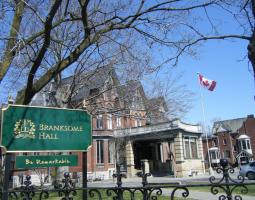
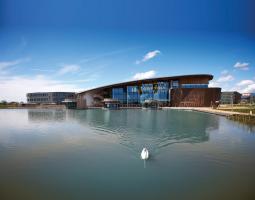
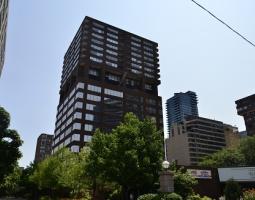
TFS has three campuses and seven separate studios located within Toronto. The studying sites are within walking distance of each other and are adjacent to public transport stops, historical and cultural landmarks, and numerous shops, bars, and entertainment venues.
The studio campus on Yonge Street covers 17,000 square feet and includes:
- Studios and workshops for studying acting, Classrooms in writing,
- A computer studio with a room equipped with motion capture technology (MOCAP),
- Five multifunctional studios,
- A vocal booth,
- Classrooms,
- A student recreation area.
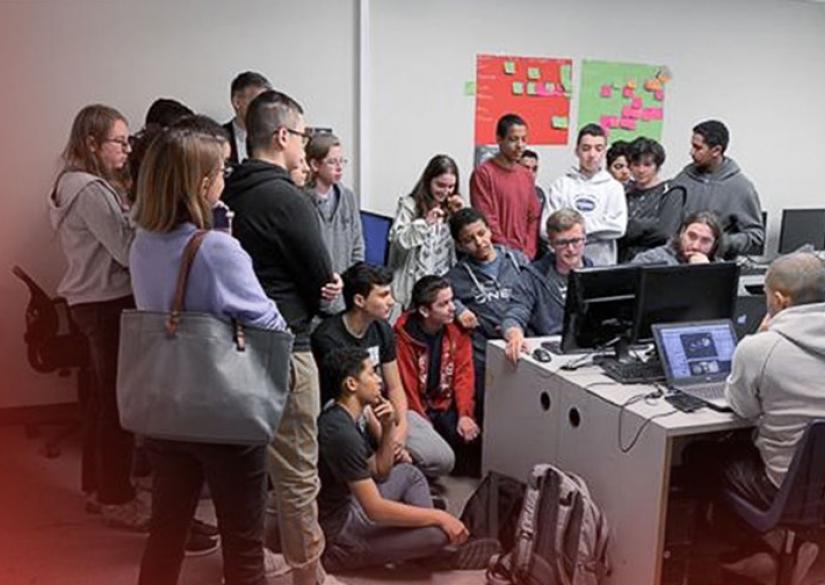
In the adjacent building, there is a Computer Center where students in the “Graphic Design and Interactive Media” program, future video game developers, receive studying. Students have access to the best equipment for acquiring practical skills: print and digital media platforms, motion capture technologies, PCs and Macs with AI and multifunctional software.
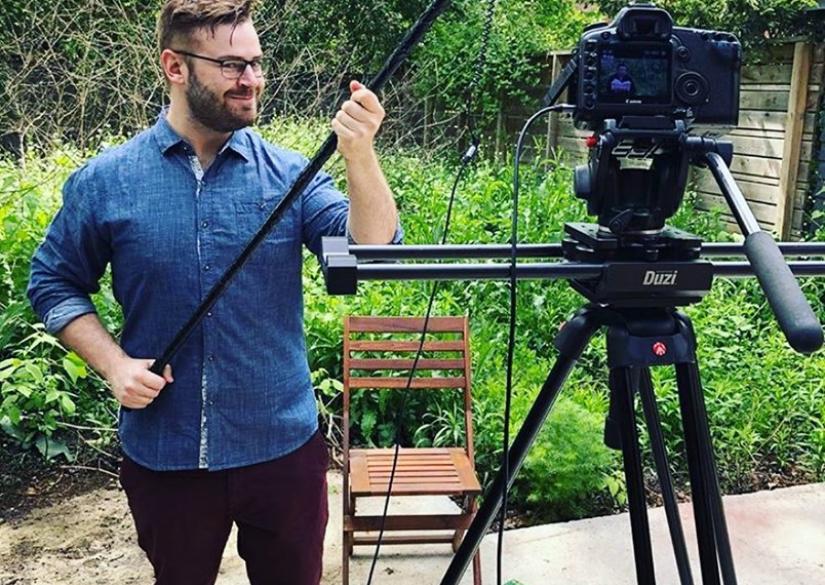
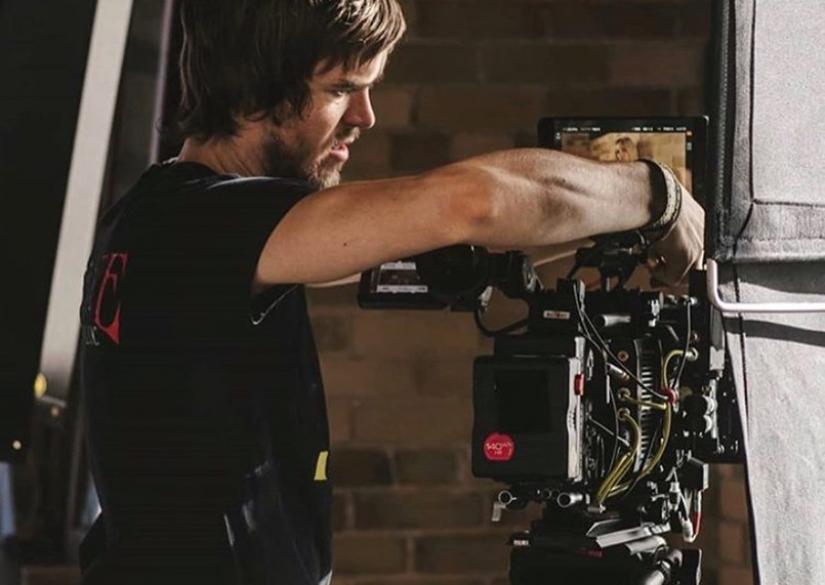
The additional arts studios on Dundas Street are aimed at students studying film production. Two professional laboratories for filming have been set up here, along with a large equipment storage facility. Recent investments of $2.5 million in new Hollywood‑level equipment have provided the Toronto Film School with:
- More than 50 new Sony cameras: the Sony a7III digital SLR camera with 4K video recording and a 28–70 mm zoom lens; Sony FX3 cameras with the option to choose lenses from the Sony G Master line, featuring fixed focal length and zoom options;
- Sony FX 6 cameras with a wider selection of G Master lenses.
- Arri Alexa Mini and Alexa Mini LF cameras with the Arri Hi-5 wireless focusing system, Sigma Cine and Zeiss CP3 lenses, mounted on OConnor 2527D tripods,
- Camgear 1, Camgear Elite 8, Benro tripods,
- Sony wireless microphones and Sennheiser shotgun microphones,
- Audio kits with Zoom F6 digital microphone,
- Hollyland Lark wireless microphone systems,
- Amaran and Aputure LED lighting,
- Infinibars pixel panels with battery power and color adjustment capability,
- DJI RS3 gimbal systems,
- Filmic Legacy app for movie cameras compatible with Frame.io C2C.
In the near future, the number of TFS campuses will increase — a modern complex with additional laboratories, studios, and classrooms is opening on Bloor Street.
Admission dates and extra charges
Since Toronto Film School offers several forms of study — in‑person, hybrid, and online — the academic calendar covers the entire year. The start dates, duration of study depend on the chosen program and its format.
The list of additional expenses for in‑person students will include:
- Registration, administrative, and technical fees,
- Personal educational materials,
- Extracurricular activities,
- Additional academic opportunities not included in the curriculum,
- Personal expenses.
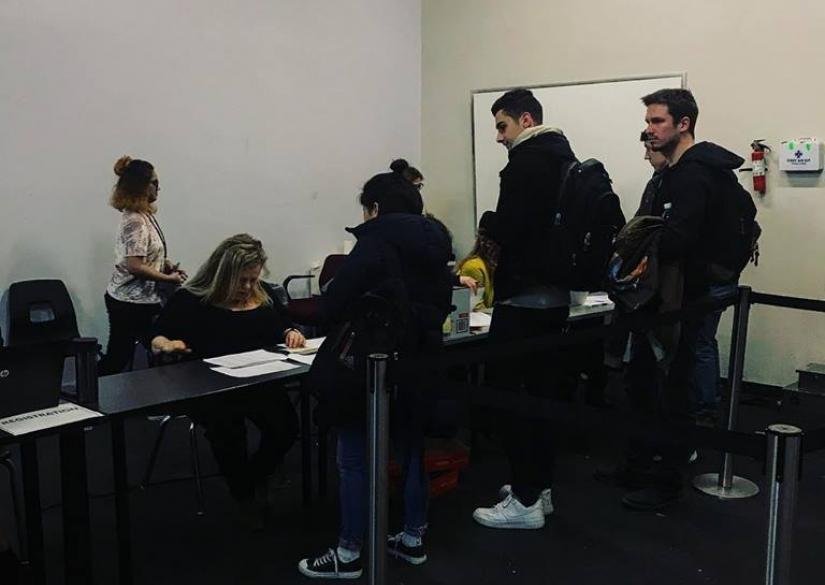
Enrolment process
Step-by-step admission process:
- Submitting an online form, paying the registration fee, and providing documents,
- Receiving feedback from the admissions committee and attending an interview,
- Receiving an official enrollment letter and information about campus arrival/online class schedule.
Perspectives
During the course of their studies, students receive high-quality professional training and create an individual portfolio, which enables them to successfully find employment and collaborate with leading industry companies even before completing the program. Graduates work on international projects such as Marvel series films and UBISOFT video games.
Entry requirements, how to apply, what is required to enrol
The general requirements for foreign applicants across all specialties are as follows:
- Personal documents: a foreign passport, health insurance, a visa or a residence permit,
- Academic certificates: a certificate of complete secondary education, certificates of preparatory courses, transcripts,
- Language test results: PTE (from 50), TOEFL (from 60), Duolingo (from 105) or an equivalent.
The programs have specific requirements for applicants: short videos with a self‑introduction, a motivational essay, a portfolio of works, or other requirements.
Scholarships Toronto film school
Toronto Film School rewards students with scholarships for outstanding creative achievements, awards based on other features.:
- Award for Creative achievements for representatives of racial/ethnic minorities,
- Award for Creative Achievements named after Kurt Hoon for students of the Faculty of Design, animation of video games,
- Scholarship for Indigenous Students,
- International Scholarship Award for First—year students from Abroad,
- A scholarship based on an agreement between the USA, Canada and Mexico, which makes it possible to pay for tuition at domestic rates,
- Canadian scholarship for military personnel,
- LDC International scholarship for students from the least developed countries.
Students can also take advantage of a dual enrollment program, which will allow them to save $10,000 on tuition fees. Students receive a diploma in creative disciplines at TFS and seamlessly transition to the Bachelor of Creative Arts (BCA) program at the partner university, Yorkville University.
If a student is in a difficult situation, they can apply for financial aid: state, private, or federal.
Literature and references
-
Toronto Film School — Wiki

-
Toronto Film School : Rankings, Fees & Courses Details — Top Universities
-
Toronto Film School’s Brand Video: Where Dreams Get Real — MovieMaker Magazine
-
Four Filmmakers Discuss How Toronto Film School Helped Their Careers — The Hollywood Reporter
-
Golden Globe, Emmy and Canadian Screen Award winner Andrew Barnsley cast as President of Toronto Film School — Canada Newswire
Institution on the map
Residence permits, citizenship and other services
- Guardianship services during the studies
- Student supervision
Review about Toronto film school
Recommendations on when to apply
| Language courses, schools and children's language camps | Primary and secondary education - private schools | Preparation programmes for entering universities - higher education | Higher education (after completing accredited programs A-level, IB, High School) - Bachelor, Master, MBA |
| - we recommend to apply 6-9 months before the start of the course (some camps and schools offer discounts for early booking or for lengthy study programs) - there are some very popular and high demand children's camps, where the applications need to be submitted 1 year in advance (in particular Switzerland , Great Britain , USA , Canada , Austria) | - we recommend to apply one year before the start of the training program, - some schools have a specific time frame (September-November - please specify an individual school) - some schools require tests in several stages (UKISET, internal tests of the school: English, mathematics, logics, subjects, interview, some require a personal visit) | - we recommend to apply one year before the start of the program, - for Foundation and Pathway programs, IELTS and TOEFL certificates are usually required, respectively | - recommended submission one year before the start of the program, - the deadline normally closes in January, for TOP HEIs and, as a rule, in March in other universities - for a bachelor, a Foundation or Pathway preparatory program a completed A-level, IB, High School + IELTS / TOEFL are required - for Masters you need a graduated higher education, in some cases you need a pre-Masters program - MBA requires completed higher education, work experience preferably at least 2-3 years, etc. |