
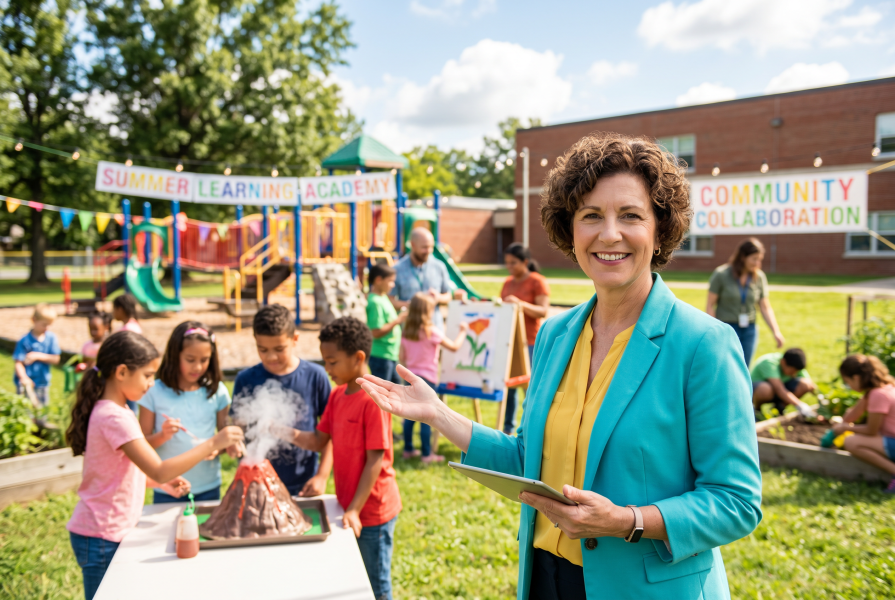
Summer programs have become more and more popular with school district superintendents in the United States. For a while they were seen as optional add-ons to the academic calendar, but now a lot of districts treat them as strategic instruments for addressing learning loss, improving professional development, and engaging families, while also building stronger community collaborations. This rising focus on summer learning signals bigger changes in what education is supposed to prioritize. And those shifts seem to be steered by research, accountability pressures, and evolving expectations from families and local communities.


Responding to Learning Loss and Academic Recovery
One of the most significant factors driving the rise of summer programs is the concern over learning loss, especially after the COVID-19 pandemic. Lots of students had disrupted instruction and, also, gaps in the foundational skills during remote learning. Superintendents often see summer programming as a pretty effective route to help students catch up, without adding that extra pressure during the regular school year .
Research shows that targeted summer learning, particularly in literacy and mathematics , can help reduce achievement gaps, build stronger grade level readiness, and lower the likelihood of remediation in later school years. That kind of evidence has made summer programs a tempting investment for leaders who are really focused on boosting academic outcomes.
Equity and Access
Equity considerations play a central role in decisions to expand summer offerings. Students from historically underserved communities — including low-income families, English learners, and students with disabilities — are more likely to face summer learning loss. Superintendents increasingly recognize that universal or broadly accessible summer options can help even the score, in a way that matters.
Well-designed summer programs do more than reinforce academics, they can also deliver enrichment experiences that many students from more affluent backgrounds often access through private camps and tutoring. By providing academic, arts, STEAM, and social-emotional learning options at little or no cost, districts aim to narrow the opportunity gaps.
Professional Development and Staff Capacity

Summer programs really end up doing more than people think, they can be a kind of valuable moment for professional growth and even instructional novelty. Superintendents tend to use the warmer months to test out new curricula, roll out learning communities, and give educators intensive training, so that regular year classroom instruction can improve.
Also, in these summer learning spaces teachers and administrators can try out differentiated instructional models, competency based learning, and blended learning approaches without getting trapped by the usual school schedule.
Family and Community Engagement
Another influential part is the way family and community engagement is becoming more important in education. Superintendents are increasingly seeing summer programs as a way to make ties deeper with families and local partners. Summer learning can nurture parent involvement via family literacy nights, workshops, and co-working events that link what happens at school and what happens at home.
Partnerships in the community — like those with libraries, universities, museums, and nonprofit organizations — often raise the capacity and widen the range of summer options. These collaborations don’t just expand access but also build goodwill and shared accountability for student success.
Accountability and Policy Incentives
At both state and federal levels, accountability measures and funding incentives can influence district decisions. For example, federal programs such as Title I let schools put money toward expanded learning time, including summer school, and that is especially useful for students who are at risk of not keeping up.
In some states, graduation requirements or retention policies — like end of course exams and grade promotion benchmarks — also seem to push superintendents toward summer initiatives. So then, schools can better support students who need extra instructional time. Strategic summer planning can therefore help districts align with those accountability goals.
Mental Health and Social-Emotional Learning (SEL)
The growing recognition of student well-being as a real piece of education has helped shape summer programming, design in a way that feels more personal and also more practical. A lot of districts now throw in social emotional learning, mentoring, and wellness support as part of the summer days, even when schedules seem tight. Superintendents often say students don’t just need academic reinforcement, they also need safe and nurturing environments that really help mental health, because that part can’t wait.
In addition, summer programs that mesh SEL into the day — like collaborative group projects, recreational activities, and access to counseling resources — tend to build student confidence faster, add a bit more resilience, and make school connectedness feel normal instead of distant.
Economic and Logistical Considerations

Economic and operational realities also affect why summer programs become more or less popular. Districts have to juggle staffing expenses, transportation routing for kids, how facilities are used, and funding sources. Superintendents who can line up their resources — through different grants, partnerships, or shifting the existing budget around — tend to keep more sturdy summer offerings going.
A few districts set up consortia or broader regional coalitions so they can split costs and trade practical know-how, while others lean on volunteers and local community organizations to stretch program capacity.
A Shift in Superintendent Leadership Priorities
The rising presence of summer programs seems to mirror wider shifts in superintendent leadership. Now, many superintendents are supposed to be more than managers who keep things running — they are instructional strategists, who can innovate so student needs can actually shift and get met.
Instead of seeing summer as a pause from learning, a lot of leaders treat it like a careful continuation of the school year, in a strategic sense. That approach, they say, helps improve outcomes, reinforces the community connections and also gives educators more room to grow.
Challenges and Considerations
Despite the benefits, challenges remain. Some critics question the sustainability of long summer programs, pointing to:
-
Budget constraints and funding instability
-
Equity of access when transportation or childcare barriers exist
-
Staff burnout from extended work calendars
-
Variable participation rates among students
Superintendents must therefore carefully design programs that are accessible, engaging, and aligned with broader district goals.
Conclusion
The growing popularity of summer programs among superintendents in the United States reflects a complex set of factors — from addressing learning loss and promoting equity to engaging families and strengthening professional practice. As educational leaders continue to navigate the challenges of 21st-century schooling, summer learning has emerged as a versatile and valuable tool in the effort to improve student outcomes and create more equitable systems.
By balancing academic reinforcement, enrichment experiences, and social-emotional supports, summer programs help districts respond to diverse student needs while expanding the impact of the school year.