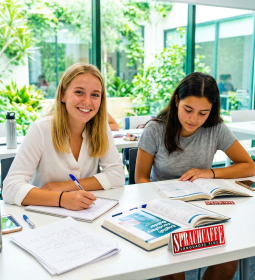
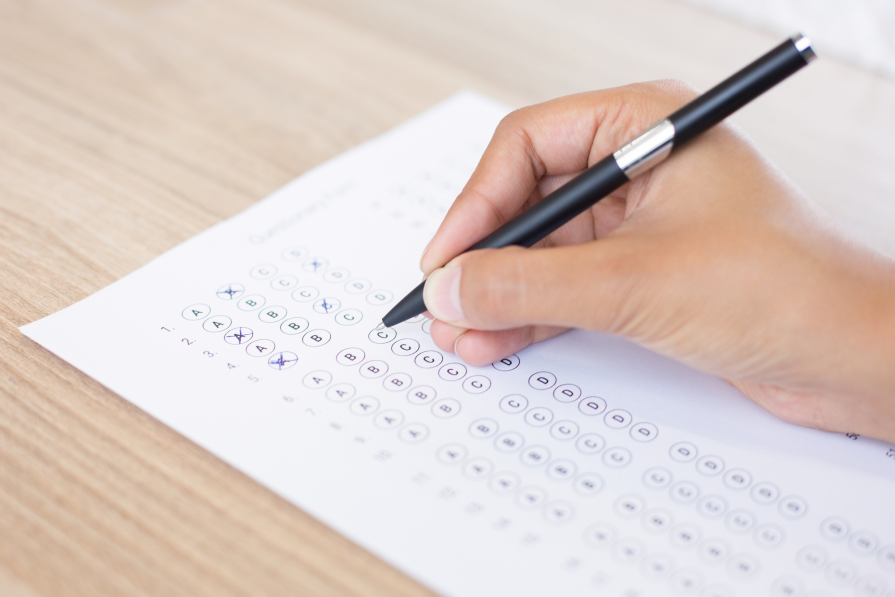
University of Michigan will grade first-year students during the first semester not on the usual letter scale but simply with pass or no credit. This measure was introduced to reduce stress among new students, support their mental health, and prevent depressive episodes and anxiety. The College of Literature, Science and the Arts (LSA) was the first division to take part in the experiment.
Student mental health is getting worse every year
The university is striving to help first-year students cope with the stress of transitioning from secondary to higher education, to make the academic atmosphere more welcoming and less rigid, to stimulate interest in learning, to reduce competition for grades, and to strengthen intrinsic motivation.
Also there are more and more reasons for such experiments. Year after year, the mental and psychological state of students in the United States is becoming increasingly unstable. The Healthy Minds Study, having surveyed 135 American universities and colleges, revealed a deeply troubling picture:
- In the 2024/25 academic year, 18% of students showed symptoms of severe depression, compared to 23% in 2022,
- Self-harming thoughts were observed in 11% of students (compared to 15% in 2022).
So the University of Michigan is not the only institution concerned about the mental well-being of its students. Solutions are being sought by California Institute of Technology, Swarthmore College, Wellesley College, and Massachusetts Institute of Technology.
Student academic preparedness also leaves much to be desired
Remarkably, at the same time, work is underway on what might be called increasing stress — namely, raising academic standards. American universities, largely in response to the battle against AI, are becoming stricter about student performance. A telling example is the case of Harvard University: the institution has come out in favor of placing a cap on top grades (!).
Nor are applicants impressing most admissions committees. Faculty at the University of California have called on regents to reinstate college entrance exams: in their observation, first-year students at UC Berkeley are demonstrating a low level of preparedness. Educators at the University of California San Diego noted that 8.5% of students who enrolled in a Precalculus course required additional math instruction, effectively lacking foundational school-level knowledge.
American universities today are moving in two directions at once: some are seeking ways to reduce academic pressure and make the transition from high school to university more comfortable, while others, on the contrary, are attempting to tighten oversight of academic preparedness and uphold clear academic standards. If traditional grades are ceasing to serve as a measure of quality and academic achievement, to what extent can temporarily suspending them in the first semester actually enhance their significance later?