

43 best boys only schools in England UK
This content was developed and approved with active participation of Lucy Heller.
In the process of preparing the material, we referenced the following sources:
- https://study-uk.britishcouncil.org/plan-studies/ways-learning/boarding-schools
- https://www.ranker.com/list/best-all-boys-prep-schools/school-buddy.
-
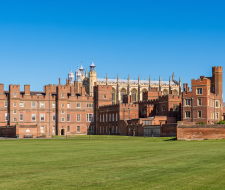 The process of securing a place is highly competitive
United Kingdomnear LondonCurrently watching: 10from 14167.00 £ / term
The process of securing a place is highly competitive
United Kingdomnear LondonCurrently watching: 10from 14167.00 £ / term -
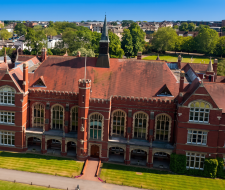 In 2023 - 72% of A Level students achieved A* - B
United KingdomBedfordCurrently watching: 8from 7630.00 £ / term
In 2023 - 72% of A Level students achieved A* - B
United KingdomBedfordCurrently watching: 8from 7630.00 £ / term -
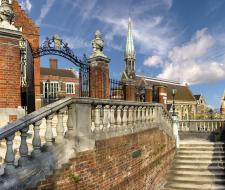 In 2023 - 52.8% of A Level students achieved A*-A
United KingdomLondonCurrently watching: 4from 21245 £ / term
In 2023 - 52.8% of A Level students achieved A*-A
United KingdomLondonCurrently watching: 4from 21245 £ / term -
 In 2019 - near 62% of A-level students achieved A*-A grades
United KingdomOxfordCurrently watching: 3from 20112 £ / term
In 2019 - near 62% of A-level students achieved A*-A grades
United KingdomOxfordCurrently watching: 3from 20112 £ / term -
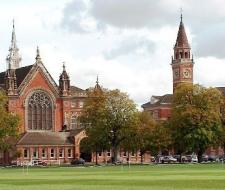 In 2023 - 66% of A Level students achieved A* - A
United KingdomLondonCurrently watching: 4from 21422 £ / term
In 2023 - 66% of A Level students achieved A* - A
United KingdomLondonCurrently watching: 4from 21422 £ / term -
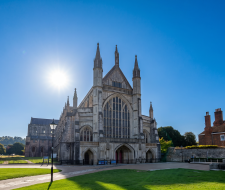 In 2023 - 77.9% of A Level students achieved A*- A grades
United KingdomWinchesterCurrently watching: 5from 13304.00 £ / term
In 2023 - 77.9% of A Level students achieved A*- A grades
United KingdomWinchesterCurrently watching: 5from 13304.00 £ / term -
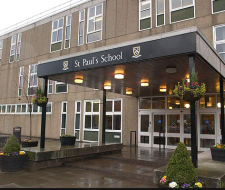 In 2018 - 51.0% of A-Level and Pre-U students achieved A*
United KingdomLondonCurrently watching: 4from 65860.00 £ / year
In 2018 - 51.0% of A-Level and Pre-U students achieved A*
United KingdomLondonCurrently watching: 4from 65860.00 £ / year -
 from 9020.00 £ / term
 -
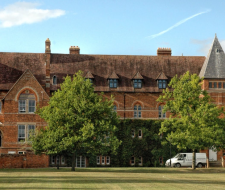 In 2021 - 80% of A Level students achieved A* - A
United KingdomOxfordCurrently watching: 5from 13715.00 £ / term
In 2021 - 80% of A Level students achieved A* - A
United KingdomOxfordCurrently watching: 5from 13715.00 £ / term -
 In 2021 - 73,3% of A Level students achieved A*-A
United KingdomBournemouthCurrently watching: 5from 12925.00 £ / term
In 2021 - 73,3% of A Level students achieved A*-A
United KingdomBournemouthCurrently watching: 5from 12925.00 £ / term
Separate studying is still one of the most popular forms of education in the UK. The British always pay great attention to the quality of fundamental education of young ladies and gentlemen. Therefore, separate educational institutions, where young gentlemen and ladies can more closely focus on studying academic subjects and etiquette, are still really popular. TOP-20 elite boys' schools are included in the national rating of the best educational institutions: graduates demonstrate the highest level of academic preparation, successfully pass profile examinations for high scores and enter the best universities around the world.
Alternative destinations
Why Choose Top Boys Schools in the UK?
Boys schools in the UK, which can operate as day schools, are sought after globally. The merits of enrolling in one of these institutions extend beyond just stellar academic training. Such schools inculcate invaluable life skills, helping shape a young man's character for both his professional and personal life. The camaraderie among students in these institutions fosters leadership qualities, promotes responsibility, encourages expression, and strengthens the ability to defend one's perspectives. Furthermore, the healthy competition present motivates students to excel, nurturing a drive to be the best version of themselves - an attribute immensely valued in today's world.
Catering to the Unique Developmental Needs of Boys Understanding the distinctive growth and developmental needs of boys, these schools emphasize a well-rounded curriculum. Sports and physical activities are paramount, ensuring students maintain peak physical health and resilience. Boys schools in the UK are renowned for their discipline, as educators recognise the innate enthusiasm and vigor of their students. As a result, they strive to instill an appreciation for structure and appropriate behavior.
While these institutions focus on single-gender education, they do not operate in isolation. Interaction with the opposite gender is facilitated through collaborative activities, competitions, excursions, and events with other schools. This ensures students gain the essential experience of interacting with the opposite gender without diverting from their primary academic objectives.
International Boys Schools: A Glimpse Beyond the UK It's worth noting that while the UK boasts a plethora of top boys schools, countries like Switzerland also have renowned establishments catering to young men's education.
Making the Right Choice with SMAPSE
To help you choose, SMAPSE has prepared a list of the top 20 schools for boys in the UK. You can get acquainted with the detailed profiles of each educational institution, study photos of the campus and residence, as well as read first-hand reviews from former students. We've also outlined the boys schools in UK fees to provide a clearer understanding of the investment. Costs may vary based on the school's status (private or public), its ranking, infrastructure, and holistic developmental opportunities offered to students.
Whether you're considering local options or international schools in the UK for boys, our comprehensive guide will point you in the right direction.

What aspects and criteria do parents consider when choosing a school, in addition to academic success?
Accommodation conditions, sports opportunities, catering and additional clubs organized by the school, proximity of the school to residences or host families are very important.
How to apply into a boys' school in the UK?
To enter a boys' school in the UK, foreign students need to take several steps, requiring careful preparation and attention to detail. No matter what type of school you choose, a private or a state-funded institution, your decisions which you make, may significantly influence your chances of being admitted. Here's a guide, aimed at navigating you the application process:
-
Research and Shortlisting. Start by researching boys' schools in the UK. Look into their academic reputation, extracurricular offerings, values, and facilities. Create a shortlist of schools that comply with your preferences and aspirations.
-
Admission Criteria. Each school has its own admission criteria, which might include academic performance, interviews, assessments, and references. Review the school's website or admission prospectus to understand these criteria thoroughly.
-
Application Form. Complete the school's application form accurately and neatly. This might involve providing personal information, academic records, and extracurricular achievements. Ensure that you meet all the submission deadlines.
-
Entrance Exams. When applying to many boys' schools, foreign students are required to take entrance exams. Usually, these exams are aimed at determining knowledge in subjects like English, mathematics, and reasoning. International applicants most often take UKiset, a British admissions test developed with Cambridge University Press & Assessment that assesses academic potential and English against British students of the same age, and its single report can be sent to several schools, so a candidate takes fewer separate exams. Many senior schools also use the online, adaptive ISEB Common Pre-Tests, taken in Year 6 or 7, and the Common Entrance examinations taken at 11+ or 13+, with Common Academic Scholarship papers offered at 13+. It is recommended to prepare well in advance by practicing sample papers and familiarizing yourself with the format.
-
Interviews. Sometimes, foreign students may be invited for an interview. Preparation for the interview stipulates learning the school's values, current events, and readiness to discuss your interests and ambitions. Project confidence and enthusiasm, and be yourself during the conversation.
-
References. Schools often require recommendations from your current school. Appeal to teachers who know you well and who can describe your academic abilities and individual characteristics.
-
Extracurriculars and Personal Statement. Note your extracurricular activities and hobbies in your application. A well-prepared personal statement can provide insight into your personality, interests, and motivations.
-
School Visit. If you have the opportunity, it is recommended to visit the schools you have chosen. Such visits allow you to get a sense of the environment, facilities, and the overall atmosphere. It's also an opportunity to ask questions and engage with current students and staff.
-
Waitlist and Offers. After completing the application process, you might receive offers from multiple schools. Consider your options carefully, taking into account factors like academics, location, and extracurricular opportunities.
-
Acceptance and Enrollment. When an offer is obtained, follow the school's instructions for accepting the offer and completing the enrollment process. This might stipulate submitting further documentation and paying tuition.
Pay attention, that each boys' school may have its own specific requirements, so it's important to refer to the guidelines prepared by each institution. Begin your preparation in advance, stay organized, and demonstrate your strengths - all these will increase your chances of successful entering a prestigious boys' school in the UK.
Costs and fees at boys' schools in the UK
Tuition at boys' schools in the UK can significantly range, which is stipulated by the type of institution, its location, infrastructure, ranking, and the educational programs offered. Usually, boys' schools in the UK are divided into two categories: state-funded (public) schools and private (independent) ones. Here's an overview of the costs associated with each type:
- Private (Independent) Boys' Schools: Private boys' schools in the UK are known for their high-quality education, state-of-the-art facilities, and diverse extracurricular activities. However, these excellent conditions for studying and leisure often involve significant financial resources from the child's parents. Tuition for private boys' schools may vary from several thousand to tens of thousands of pounds per term. Such variations are stipulated by such factors as the school's prestige and location. Usually the cost of studying includes tuition, access to facilities, and participation in some extracurricular activities.
Since 1 January 2025, all educational services and vocational preparation provided by UK private schools for a charge are subject to VAT at the standard rate of 20%, and the same rate applies to boarding. Families comparing boys' schools should factor this tax into the term price quoted by an independent school.
In addition to tuition, foreign students should be prepared for extra expenses, including school uniform, educational materials, transportation, exam fees, and charges for optional extracurricular activities such as music lessons or sports clubs. Some schools also offer scholarships or bursaries based on academic or talent-based achievements, allowing to compensate the costs for talented students.
- State-Funded Boys' Schools: Public schools in the UK function under government funding, providing more affordable education compared to private institutions. The public schools do not charge for studying. However, parents may need to pay for school uniforms, educational materials, equipment, and extracurricular activities. Public schools might also request voluntary contributions to support specific projects or initiatives.
It's worth mentioning that some state-funded boys' schools have specialisms, such as music, arts, or sciences, which could come with additional costs related to specialized equipment or resources. These schools often offer a strong academic foundation without the same financial burden as private institutions.
Financial Assistance and Scholarships: Both private and state-funded boys' schools may offer financial assistance options, allowing families to compensate for the costs of studying. Awarding scholarships is based on academic results, sporting achievements, musical talents, or other specific criteria. Bursaries are usually means-tested and are designed to support students from lower-income backgrounds.
Attending a boys' school in the UK, no matter of this type - private or state-funded, foreign students should be ready to pay additional costs. It's recommended to carefully plan their budget for obtaining education. So, first of all, it is necessary to select a school according to knowledge level, financial opportunities, preferences and future goals of a child. Exploring scholarship and bursary opportunities can also help make these institutions more accessible to a wider range of students, ensuring that talented boys can benefit from the valuable educational experiences these schools offer.
Who regulates and accredits boys' schools in the UK
Independent boys' schools in the UK are subject to several bodies that check the quality of education and the safety of children. Knowing who inspects a school and which associations it belongs to helps parents assess how carefully it is monitored.
- ISI (Independent Schools Inspectorate) is approved by the Secretary of State for Education to inspect association independent schools in England and British schools abroad, an approval set out in section 87A of the Children Act 1989 and section 106 of the Education and Skills Act 2008,
- ISI is also appointed by the Home Office to inspect private further education colleges and language schools in England and Wales, and is commissioned by the Department for Education to inspect providers of the International Qualified Teacher Status,
- Ofsted, the Office for Standards in Education, Children's Services and Skills, is a non-ministerial government department that inspects education and skills providers for learners of all ages and regulates services caring for children and young people,
- HMC (The Heads' Conference) is an association of heads of independent schools, founded more than 150 years ago as the world's first heads' association and describing its members as world-leading schools that combine academic excellence with a holistic education.
ISI brings together the experience of inspections from more than 50 countries on five continents, so the school it accredits meets standards recognized far beyond the borders of England.
Academic results and university destinations
High scores in the league table are what attract families to the UK's top boys' schools, and the demands behind these results are the same across the country. GCSE exams complete eleven years of compulsory education, while A-levels form the two-year graduation stage that leads students to higher education. It is the A-level (Advanced Highers in Scotland) that is a prerequisite for entering universities in the UK and many others abroad, so the grades that a boy receives in the last years of his studies determine where he can study further.
The universities these students head to award bachelor's, master's and doctorate degrees, with shorter Higher National Certificates and Diplomas requiring one and two years of full-time study. Graduates of the leading boys' schools regularly move on to the most selective names in the country, among them the University of Cambridge, the University of Oxford, Imperial College London and UCL. Their position is easily read in the QS World University Rankings:
- Imperial College London — ranked 2nd in the world in the QS World University Rankings 2026,
- University of Oxford — ranked 4th,
- University of Cambridge — ranked 6th.
The academic strength that feeds these destinations is a deliberate goal for the schools themselves. The Headmasters' and Headmistresses' Conference describes its member schools as world-leading independent institutions built around a holistic education, where academic excellence sits alongside the wider growth of each student.
Best UK boys private school rankings 2027
| № | A/A* % | Name | Day/Board | Boy/Girl | Day GBP | Board GBP |
|---|---|---|---|---|---|---|
| 1 | 95.80 | Winchester College | Boarding | Boys | 43,335 | |
| 2 | 95.30 | St Paul's School | Both | Boys | 26,556 | 39,966 |
| 3 | 87.00 | Tonbridge School | Both | Boys | 33,636 | 44,835 |
| 4 | 84.90 | Radley College | Boarding | Boys | 41,7 | |
| 5 | 82.00 | Whitgift School | Both | Boys | 21,24 | 41,55 |
| 6 | 80.20 | Abingdon School | Both | Boys | 21,6 | 44,07 |
| 7 | 80.00 | Warwick School | Both | Boys | 14,337 | 34,575 |
| 8 | 75.00 | Bedford School | Both | Boys | 20,949 | 35,43 |
| 9 | 73.30 | Sherborne School | Both | Boys | 31,8 | 40,125 |
| 10 | 72.30 | Loughborough Grammar School | Both | Boys | 14,205 | 34,485 |
| 11 | 70.00 | Shiplake College | Boarding | Boys (Co-ed 6th form) | 25,125 | 37,35 |
| 12 | 65.80 | Monmouth School | Both | Boys (Co-ed 6th form) | 16,599 | 34,167 |
