Abingdon School









Programs and prices, tuition fees in Abingdon School


Quick overview: educational program (GCSE) for international students.
About the educational program: About 10 fundamental disciplines are studied at this educational level. To comply with the academic balance, students are advised to include in the personal curriculum subjects dedicated to both the sciences and art. At school it is believed that a child can try himself/herself in different directions, so it isn't necessarily as soon as possible definitively determine future specialization.
List of subjects for studying:
- English;
- Painting;
- Mathematics;
- Music;
- IT-technologies;
- Dramatic art;
- Chemistry;
- Physical Education and Sports;
- Physics;
- Religious teachings (the official religion in school is Anglicanism);
- Biology;
- Ancient Greek;
- History;
- Latin language;
- Geography;
- The second foreign language (Spanish, French or German);
- Technology and Design;
- Political science;
- Economy.
About the educational program: This program is aimed at qualitative, comprehensive, effective preparation of students for admission to the chosen institution. Teaching staff of the school are of the opinion that international students can try their hand at various directions, show their abilities, therefore, for the balance and harmony of the curriculum, it is recommended to choose disciplines from several areas of science and art.
List of subject for studying:
- English;
- Painting;
- Mathematics;
- Music;
- IT-technologies;
- Dramatic art;
- Chemistry;
- Physical Education and Sports;
- Physics;
- Religious teachings (the official religion in school is Anglicanism);
- Biology;
- Ancient Greek;
- History;
- Latin language;
- Geography;
- The second foreign language (Spanish, French or German);
- Technology and Design;
- Political science;
- Economy.
Description of Abingdon School
- Language of instruction: English
- Established: in 1256
- Location of Abingdon School: United Kingdom, suburb of Oxford
- Students age: from 11 to 18 years
- Studying programs of Abingdon School: Elementary and Secondary School, A-level, GCSE
- Total number of students: 860 people, 130 of them on the boarding school
- Type of study: single (only young men)
- Type of accommodation: residence.
British schools have long established itself as one of the best in the world. Among the best are the institutions of separate education - schools for boys and girls: this educational tradition has a huge national history and was adopted centuries ago, continuing to exist successfully to this day.
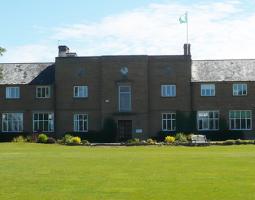
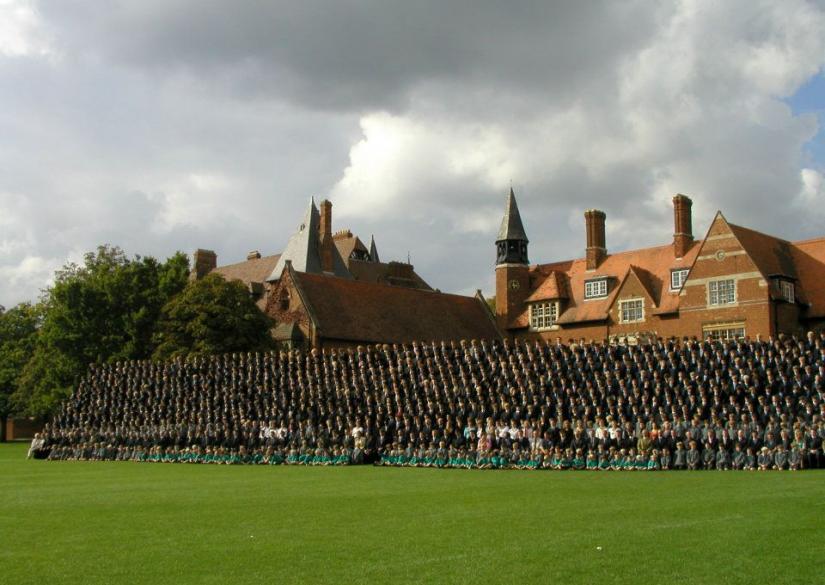
Abingdon School is one of the best boys' schools in Britain, located just 10 kilometers from the legendary Oxford (the road to London takes about an hour). The school's history began 750 years ago, and today the institution offers effective and balanced programs GCSE and A-level in the UK, accepts for the education young people from all over the world at the age from 13 to 17 years. Meals and accommodation are provided on campus (full board basis): the number of foreign students is 88 people.
Abingdon School is deservedly proud of the successes and achievements of its students and alumni:
- 80% receive the results of the examinations A + and A
- 995 successfully enrolled in selected universities
- A fifth of the students choose Oxbridge for admission and continue their studies there.
The total number of schoolchildren reaches 900 people (this number does not include the youngest pupils of the preparatory school). The ratio of "teacher-student" is 1:11: the class teacher changes every year. Each student can count on the proper amount of attention, thus providing tracking progress and achievements, cooperation with people of different character stores, adapting to changing conditions. For advice, you can always contact the commandant or his assistant - they are always on duty at the boarding school and are ready to help the students with the solution of any questions: educational, domestic, administrative.
A number of well-known and successful people studied at the Abingdon School:
- MP Peter Bradley
- MP Robert Hayward
- Politician Francis Mood
- musicians Radiohead
- Olympic champions
- Famous writers, screenwriters and playwrights
- Directors and actors.
Educational process
Lower School pupils are divided into three classes and remain with their class for all disciplines. Their tutor usually teaches one discipline, and some teachers work with them for both years. Lessons include independent research and creative assignments.
In Third Year, teachers help students reach a shared level of knowledge and skills and establish good work habits before GCSE. Students must have studied modern foreign languages, Latin or Greek in Third Year to choose them at GCSE. Ancient History and Drama can be started without that experience. PE, sport, personal and social development, and career guidance continue in addition to GCSE courses.
Homework is assigned daily, with the amount gradually increasing as students move up the school. Each pupil has an individual schedule of academic work and extracurricular activities supervised by a tutor. Tutor groups have 10–12 pupils per staff member, and the house tutor is the first point of contact for parents.
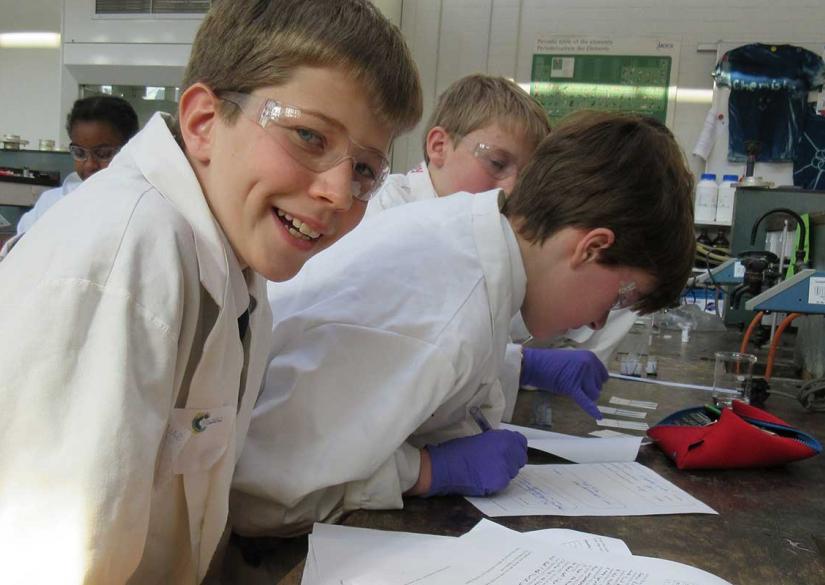
Lessons are supplemented by subject workshops and seminars. The first year of AFA Creative Writing introduces a range of genres. In the second, students can specialize in poetry, drama, prose fiction or nonfiction. The course provides one lesson every two weeks and a weekly one-hour workshop to discuss students' writing. Chemistry practical sessions are available in small groups or individually, while additional mathematics sessions introduce UKMT, MAT, STEP and other entrance exam problems. Biology lectures extend the school curriculum, and some science lectures are open to Middle School pupils. Some Sixth Form lessons are conducted jointly with St Helen and St Katharine. The schools also collaborate in music and drama.
After Abingdon combines career guidance with university application support. A specialist team helps students, and 200 volunteers contribute to career guidance. Selected first-year Sixth Form students receive preparation in safeguarding, listening and counseling skills to support younger pupils. Counseling is available following a referral from the school doctor or nurses, or at parents' request.
Boarders take part in a practical life skills program led by the Assistant Head of House. Sessions take place on Tuesday evenings when there is no Chapel service. Students learn to clean and iron and attend healthy eating classes run by Sodexo. Counselors and the learning support team help them prepare for their first major exams. In Fourth and Fifth Year, sessions address the digital world and responsible online behavior. Sixth Form students are introduced to UK taxes, student loans and laws in preparation for independent life.
Faculties and colleges
- Lower School: ages 11–13, with two years of education. The curriculum provides English, mathematics, humanities, sciences and creative disciplines,
- Middle School: ages 13–16, with three years of education. Third Year retains a broad curriculum. Fourth and Fifth Year prepare students for GCSE or iGCSE,
- Sixth Form: ages 16–18, with two years of A-Level preparation and a choice of 25 disciplines.
Lower School disciplines:
- English,
- Maths,
- History,
- Geography,
- Philosophy and Theology,
- Biology,
- Chemistry,
- Physics,
- Art,
- Product Design and Engineering,
- Drama,
- Music,
- Computing,
- Latin,
- Modern Foreign Languages,
- PE and sport.
Compulsory Third Year disciplines:
- English,
- Maths,
- Biology,
- Chemistry,
- Physics,
- Computing,
- History,
- Geography,
- Philosophy and Theology.
In Third Year, students choose two practical disciplines from Art, Product Design and Engineering, Music and Drama. Each student takes German, French, Spanish or Mandarin, with either a second foreign language or Classics as an additional discipline.
The usual GCSE program consists of ten disciplines: seven compulsory and three optional. The compulsory core is English, English Literature, mathematics, a modern foreign language and the three sciences. Optional disciplines are selected from 16 choices.
All Sixth Form students begin with four A-Level disciplines, or five if taking Further Maths. In the final year, most continue with three or four. Students can complete an EPQ research project or start a modern foreign language from scratch in preparation for GCSE.
AFA Creative Writing is a two-year creative writing course for Sixth Form, modeled on A-Level and recognized by UCAS. Astronomy is available from Third Year through Abingdon Science Partnership, with the opportunity to take GCSE Astronomy. Geology Club prepares Year 9 and Year 10 students for GCSE Geology. Personal Development Education runs throughout the school.
The sailing club offers RYA theory courses up to and including Yachtmaster, as well as Diesel Engine and RYA VHF Radio courses. Additional Maths FSMQ is a separate mathematics qualification and does not count as a GCSE. The Pre-U qualification has ended. A-Level equivalents were used for it before 2024.
Scientific achievements
Straight A* grades in the final exams were achieved by 15 students in 2026, 18 in 2025, 21 in 2024 and 19 in 2023.
Members of Abingdon Film Unit have produced over 200 short films. Some have won awards and been screened at the National Film Theatre and at festivals. Solutions to mathematical problems developed by the Cartwright Group have been published on the educational platform nrich.
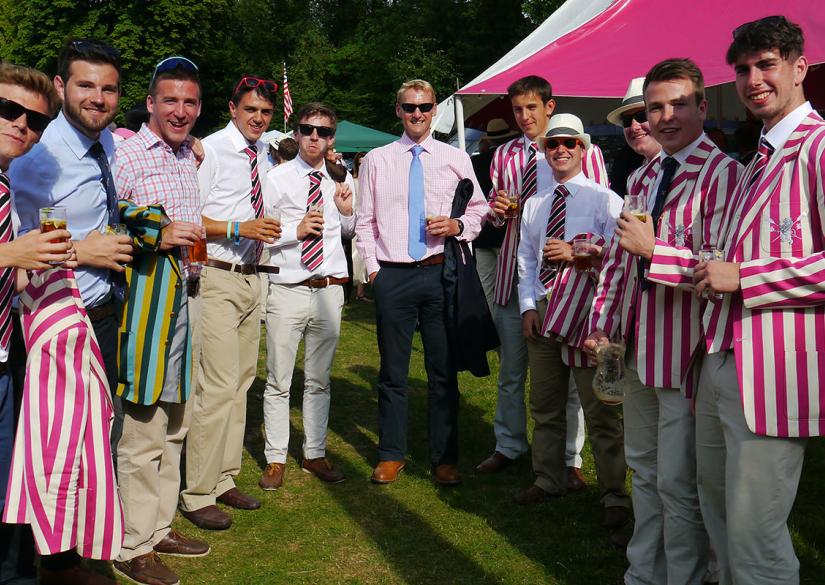
Members of the rowing club have represented Great Britain in most years since 1992. School fencers have won national and international competitions. Cricketers are selected for county or regional teams every year. Footballers have represented ISFA, county teams and academy squads. Hockey players compete at county and regional levels, with some selected nationally. Members of the Rifle Club have won county titles and taken part in GB development training.
In 2025, the 1st VII finished in the top 20 in the main U18 Cup at Rosslyn Park, the school's best result at this competition. The 1st XV also recorded the highest season win percentage in the school's history that year. The 2024 season ranked seventh among the preceding 27 years. In 2022, the U15 team reached the National Plate Final. The 1st XV has also reached the last 16 and the quarterfinals over six seasons. There are 15 students in rugby academy and representative programs, including four at U17/U18 academy level.
Charlie Atkinson, a 2020 graduate and Gloucester Rugby player, made his England Rugby debut in July 2025. Other achievements of the 2020 graduates included prizes in classical writing competitions, Arkwright Engineering Scholarships, Gold Duke of Edinburgh awards, a professional rugby contract for one graduate and a place in the last 16 of the National Schools Cup in rugby.
Through partner organizations, students have obtained Day Skipper, Dinghy Instructor and Yachtmaster sailing qualifications.
Things to know about Abingdon School
- In 1256, John de Blosneville, Abbot of Abingdon, left money to support 13 poor scholars,
- A document from 1375 describes the school as occupying two adjacent premises,
- In 1563, John Roysse helped re-endow the school, which then moved to another site,
- The Old Abingdonian Club for alumni was founded in 1743,
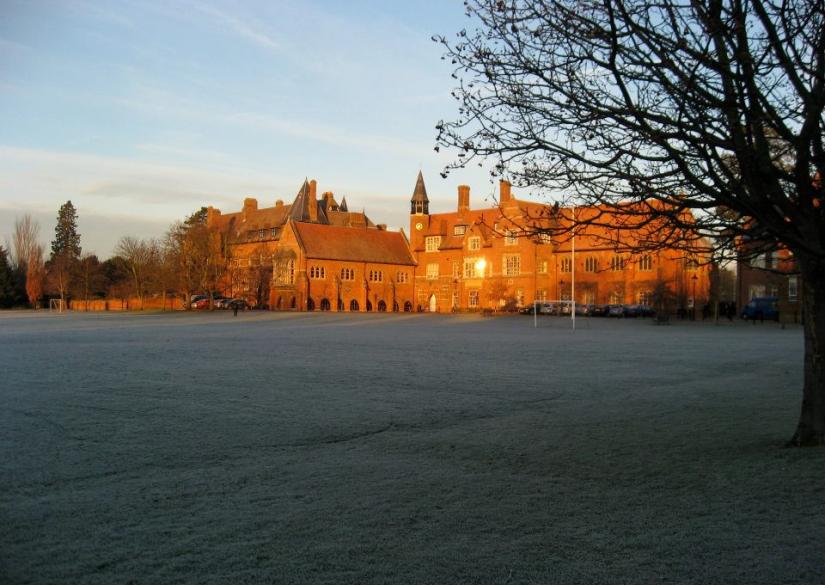
- The school moved to its current site in 1870. School House, built as part of the new complex, provided places for 40 boarders and 80 day pupils. The former schoolroom is now the teachers' common room,
- In 1976, Abingdon became an independent school after the Direct Grant scheme was abolished,
- A merger with Josca's Prep School in 1998 formed the Abingdon Foundation,
- In 2010, Felicity Lusk became the first woman to lead the school. Michael Windsor became Head of Abingdon in 2016,
- Abingdon Film Unit, the school's film production group, was founded in 2003,
- Abingdon is one of nine schools nationally to offer AFA Creative Writing,
- Since 2000, the school has supported AGAPE, a charity working with young people in Moldova.
Accommodation, meals, prices
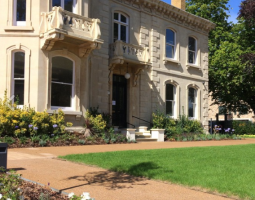
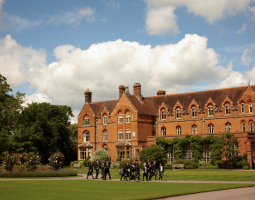
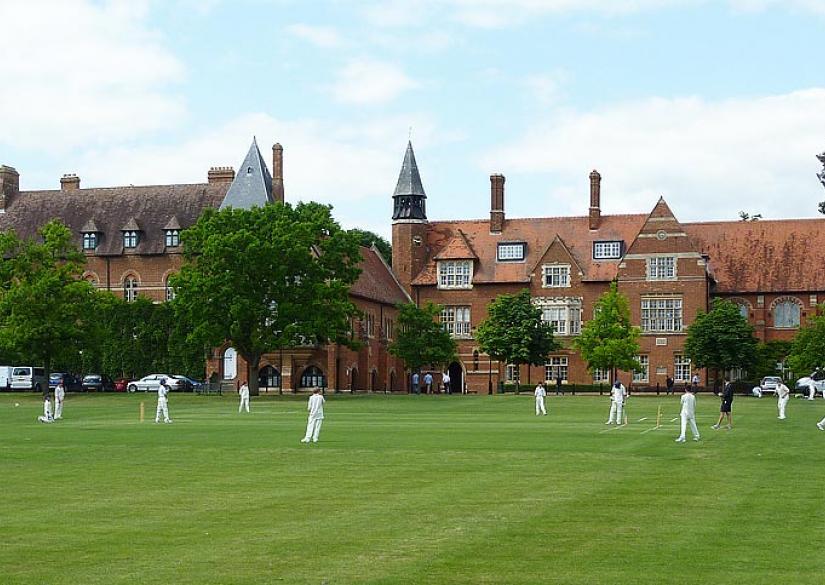
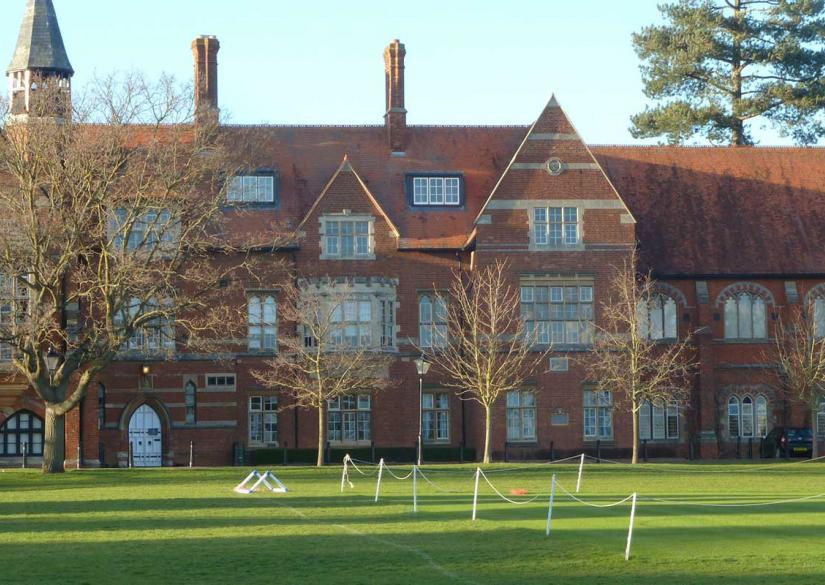
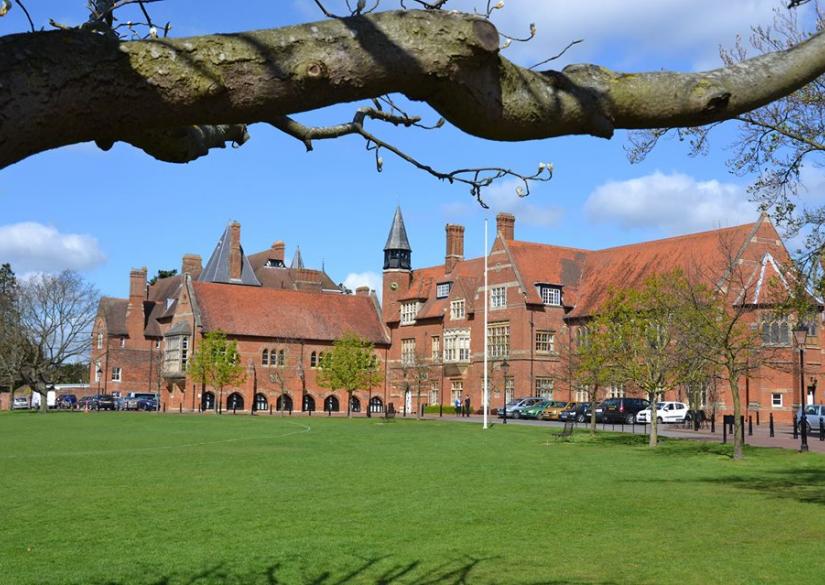
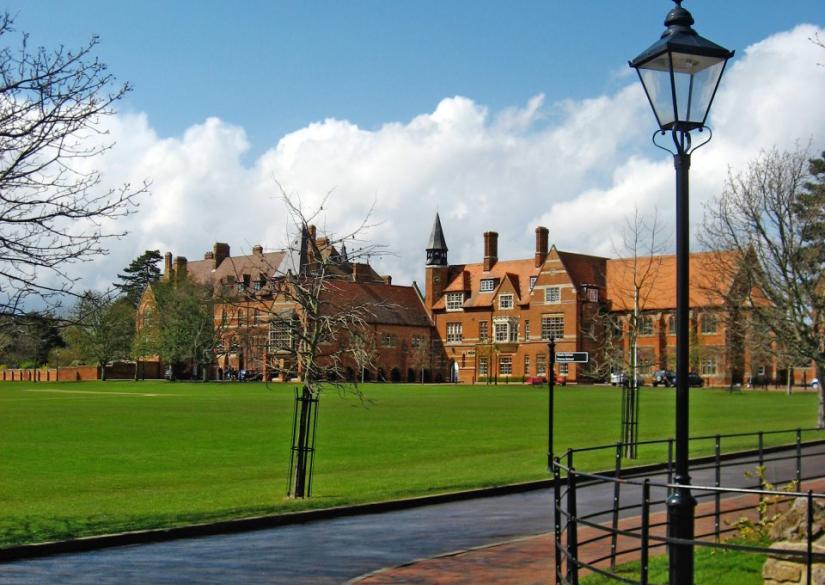
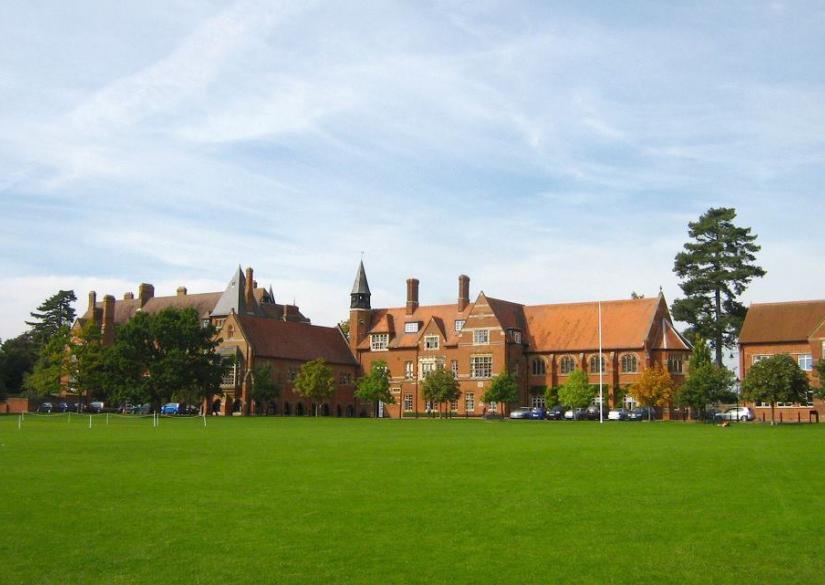
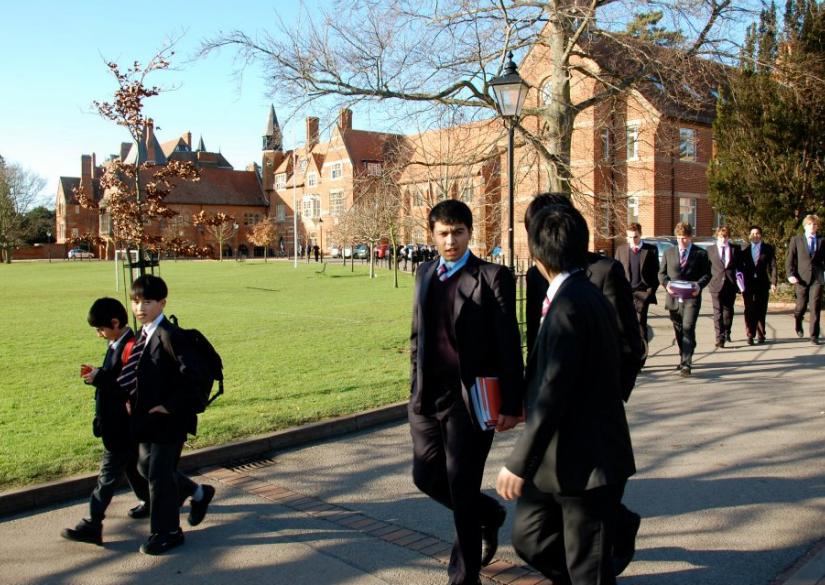
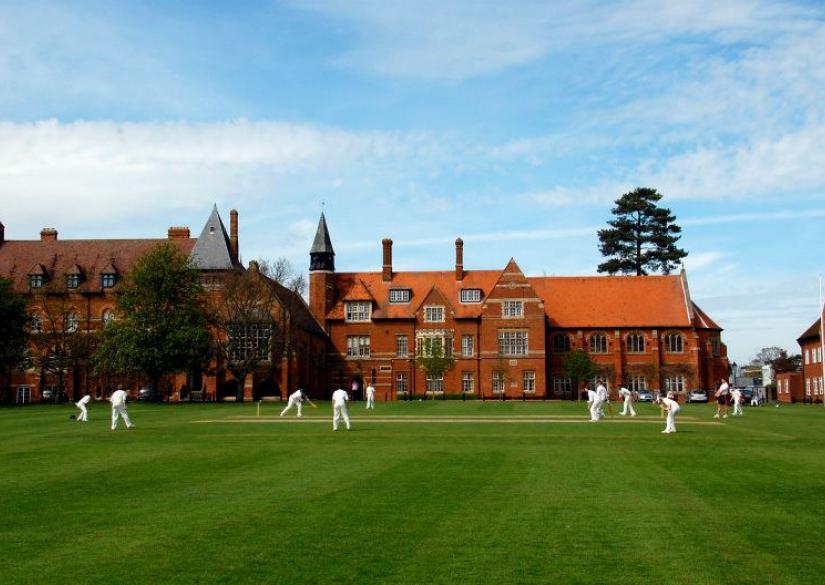
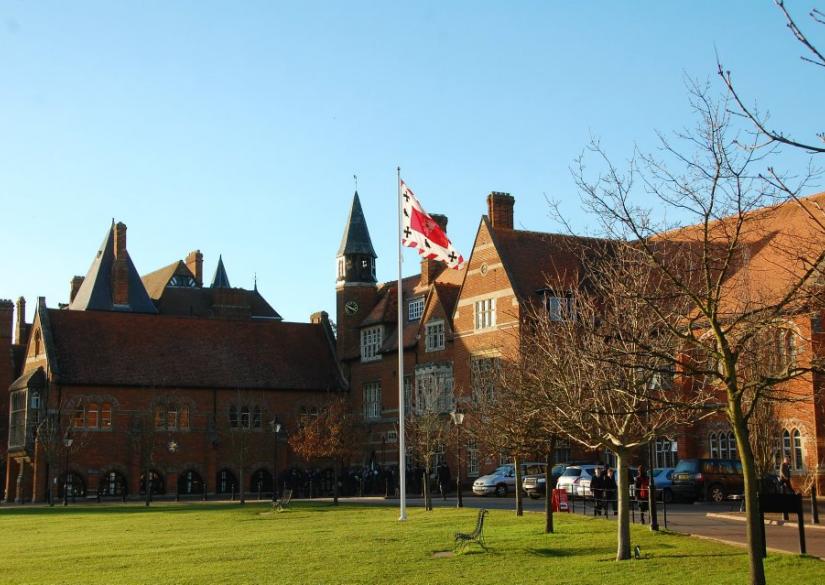
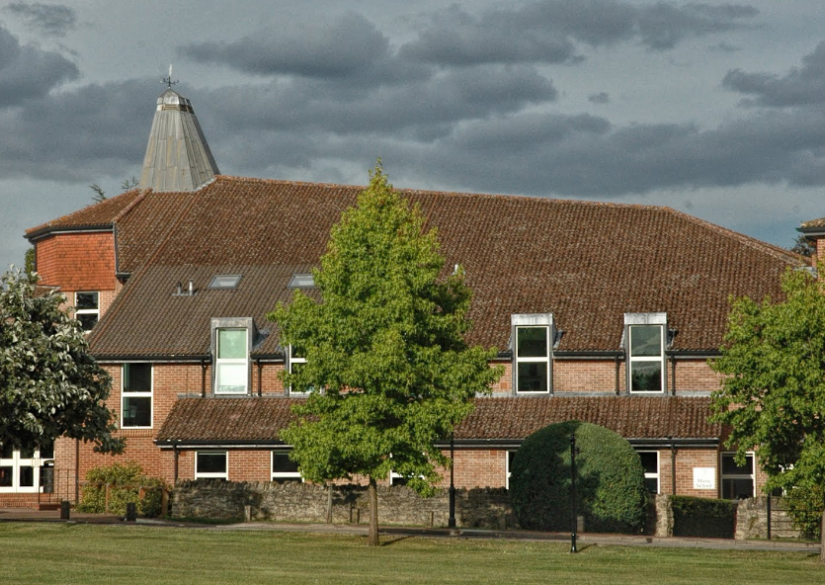
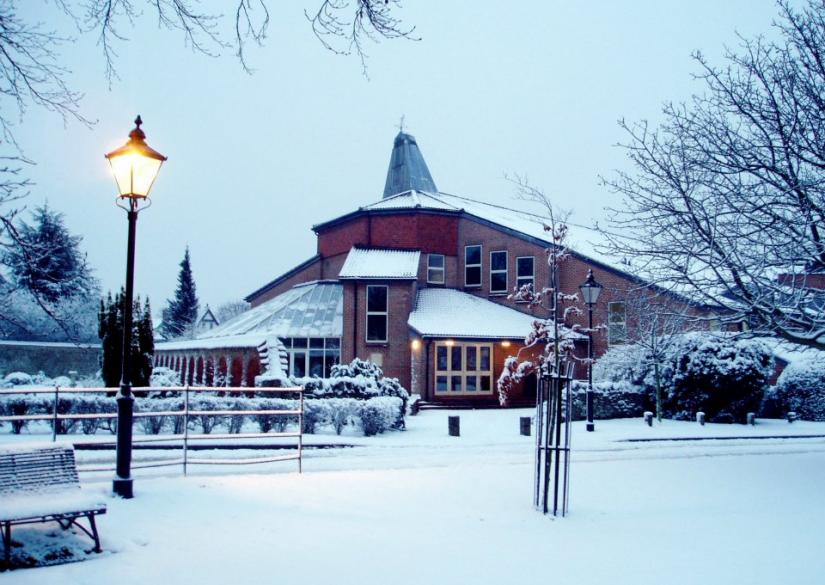
The campus of the institution includes 10 magnificent majestic Victorian buildings: educational buildings, sports centers, administrative blocks and three residences for living:
- Crescent House
- School House
- Davies' House.
They all provide students with comfortable living conditions, independent work and homework, sports exercises and interesting leisure activities. Each residence is equipped with a common kitchen, games rooms with TV, sports halls, small shopping pavilions (here you can buy sweets and something to eat, stationery and toiletries, household trifles.
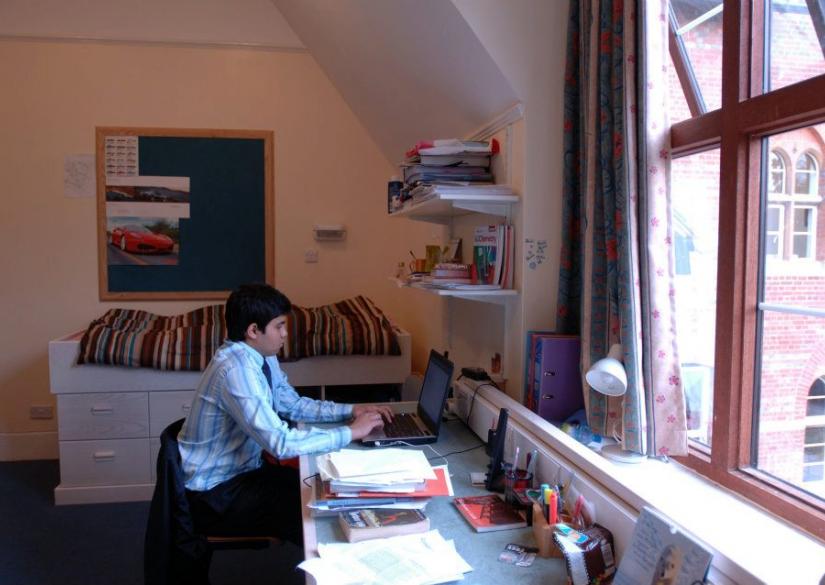
Pupils of junior and middle classes (under 16 years old) live in rooms with private facilities, designed for 3-4 people. High school students occupy rooms for 1-2 people. In the hostel, always the elder, the commandant and housematrons are on duty: they monitor the observance of cleanliness, order and discipline, are responsible for the safety of children.
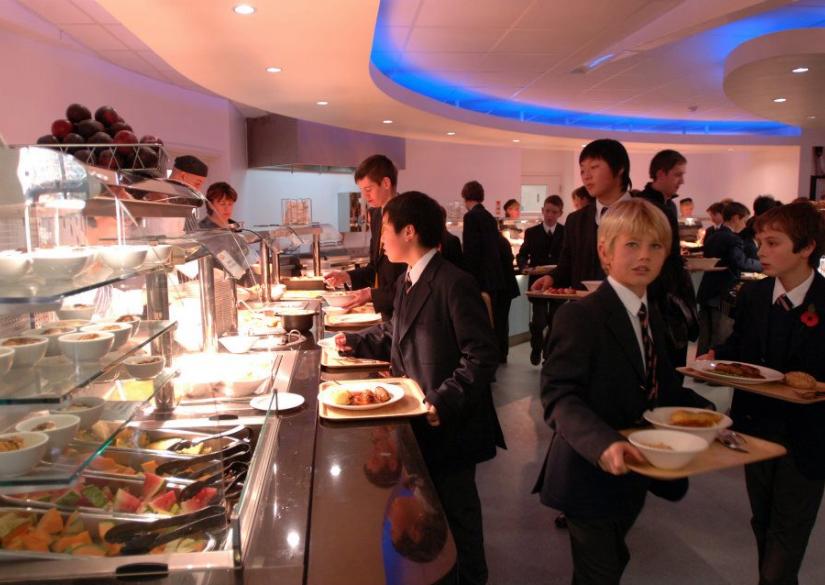
Meals are organized on the full board basis, three times a day. The diet takes into account all the needs of children and adolescent. On request, meals can be provided that meet the requirements of religion or doctor's prescriptions.
Students can contact their parents at any convenient time, in turn, they can visit their children, having previously notified the administrative staff. In the case of a guest visit, accommodation for parents is not provided, the issue of residence is resolved independently.
Subjects and sports
Activities at Abingdon School
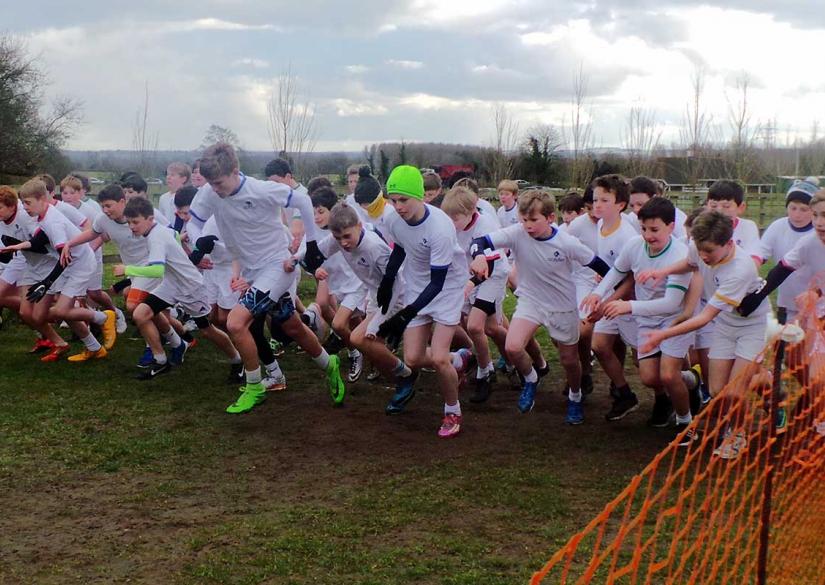
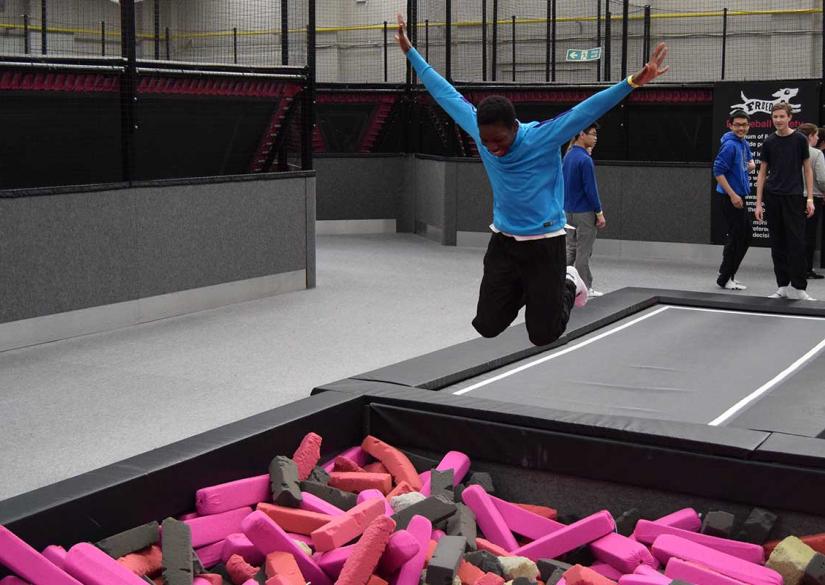
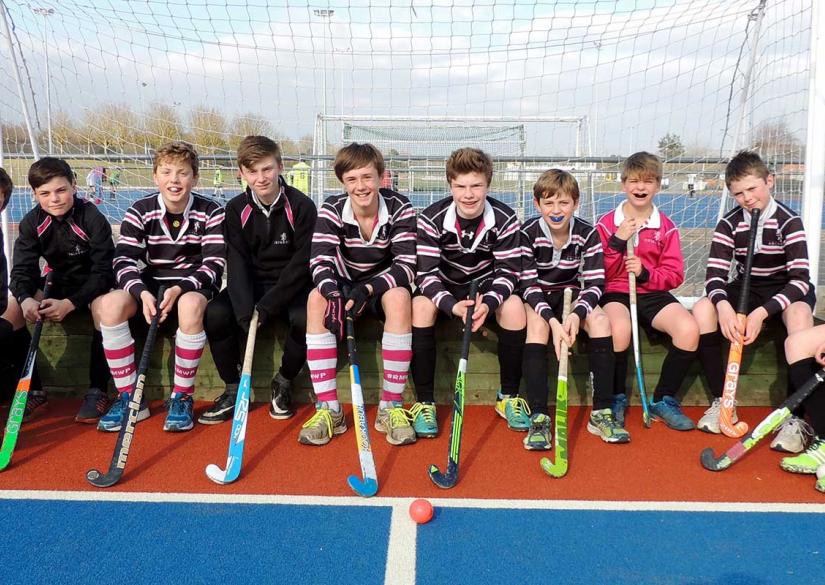
Wide opportunities for sports are created: fields and grounds (for individual lessons and team games), facilities, swimming pool, numerous sections and clubs are opened for the international students. Many schoolchildren believe that sports activities are the best opportunity for spending free time, and the educational institution in every way encourages the physical development of pupils. This or that type of activities, at the student's choice, is necessarily included in each individual curriculum. Of the most popular activities among young men, it can be noted:
- Hockey,
- Athletics,
- Football,
- Badminton,
- Fencing,
- Basketball,
- Eventing,
- Water polo,
- Tennis games,
- Golf,
- Table tennis (ping-pong),
- Shooting,
- Rowing,
- Kayaking,
- Karate,
- Squash,
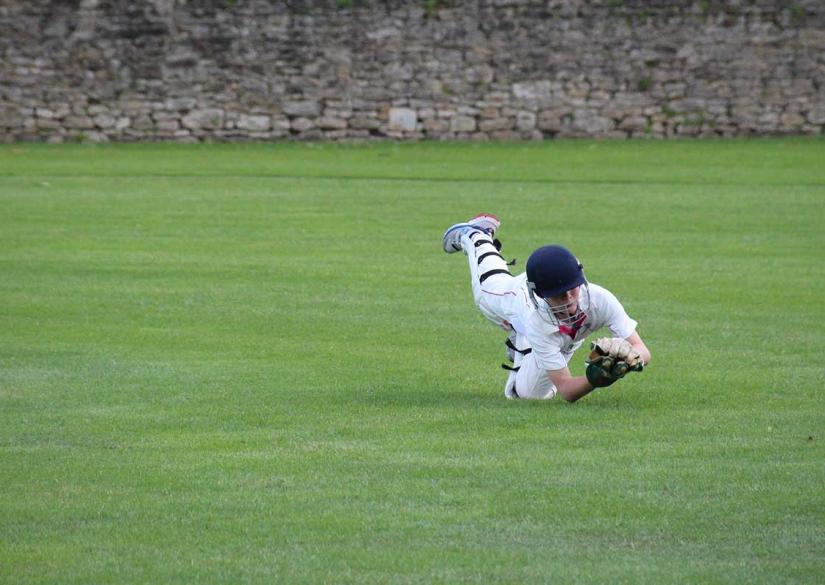
- Cricket,
- Rugby,
- Swimming,
- Sailing.
The creative children will not be left aside: they can be engaged in choral groups (there are 2 of them) in one of 15–18 musical groups of different genres, visit creative studios and circles.
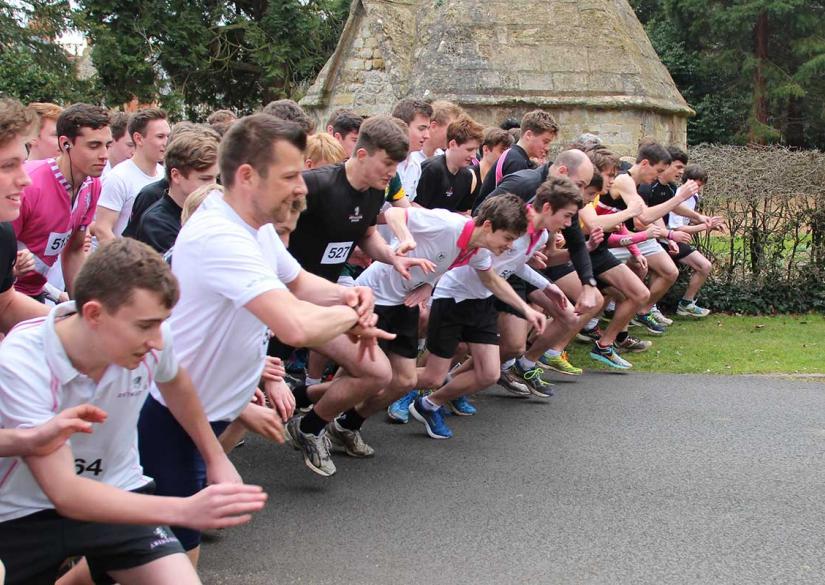
Constantly held various quizzes, competitions, competitions and relay races: as a rule, all schoolchildren over 14 years old can take part in them. Often for competitions between schools women's teams from other separate education schools located nearby are invited.
The Other Half extracurricular program offers over 150 activities. Wednesday afternoons, lunchtimes and the daily period from 3:40pm to 5:20pm are reserved for it. Students take part in subject challenges, Olympiads and competitions.
The rowing club has around 170 members. Third and Fourth Year students row in the spring and summer. Fifth Year and Sixth Form students can row in all terms by invitation. Spring training involves two or three water sessions and two gym sessions each week, with participation expected on Saturdays. The school's 1st VIII competes at Henley Royal Regatta. The Canoe Club offers whitewater kayaking, open canoeing and racing, mainly on the River Thames. Some practice sessions and canoe polo take place in the school pool. Sailing is mainly conducted at Farmoor Reservoir, with beginners using Oxford Sail Training Trust boats.
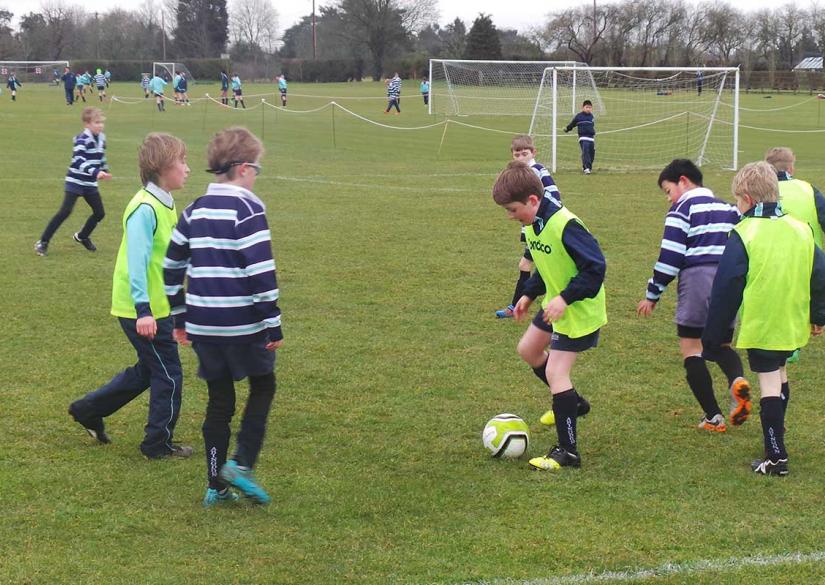
More than 19 football teams represent the school. In 2025, over 360 students played in 20 rugby teams from U12 to U18, supported by 26 coaches and teachers. Rugby Sevens is offered in the spring for all age groups. The U14, U16 and first teams compete annually at Rosslyn Park National Schools Sevens. In July 2025, 56 Sixth Form students toured South Africa, playing nine matches and supporting a charity.
Additional sports opportunities include:
- Badminton with support from a professional coach at all three school stages,
- Year-round fencing for all ages and abilities, with equipment and weapons provided,
- Climbing, with instruction in belaying and technique and the opportunity to compete against other schools,
- Golf with a PGA professional at Drayton Golf Club and the opportunity for computer analysis of swings,
- Squash with a Squash England coach,
- Year-round swimming squad training of up to 10,000 meters per week, plus separate recreational swimming,
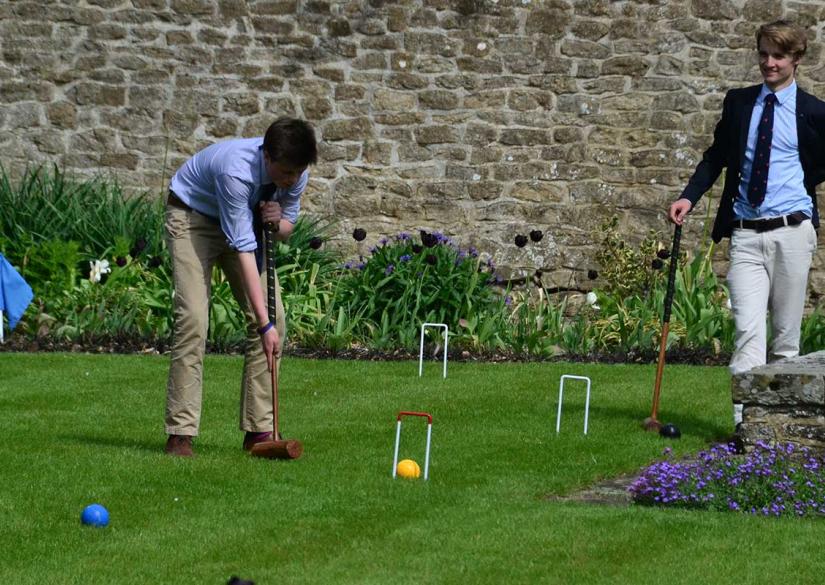
- Netball for all ages, croquet and a senior volleyball team for Fifth Year and Sixth Form,
- Yoga and Pilates.
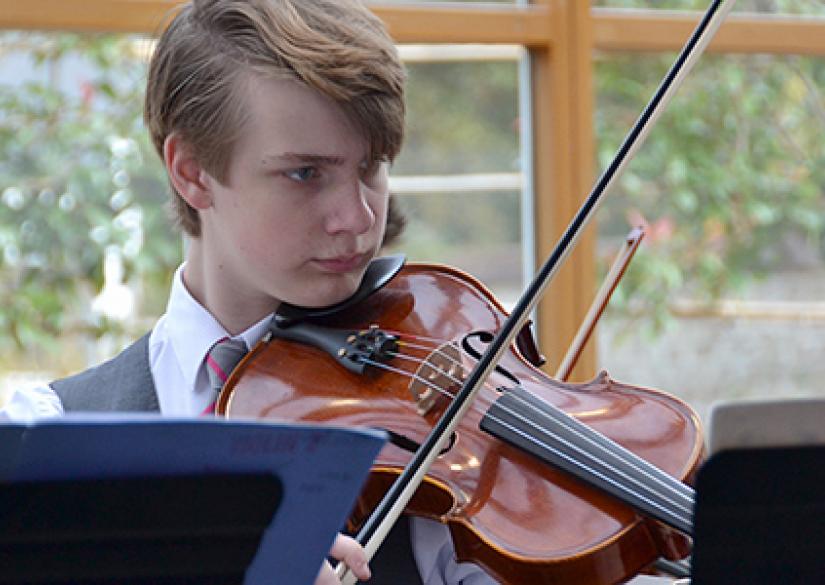
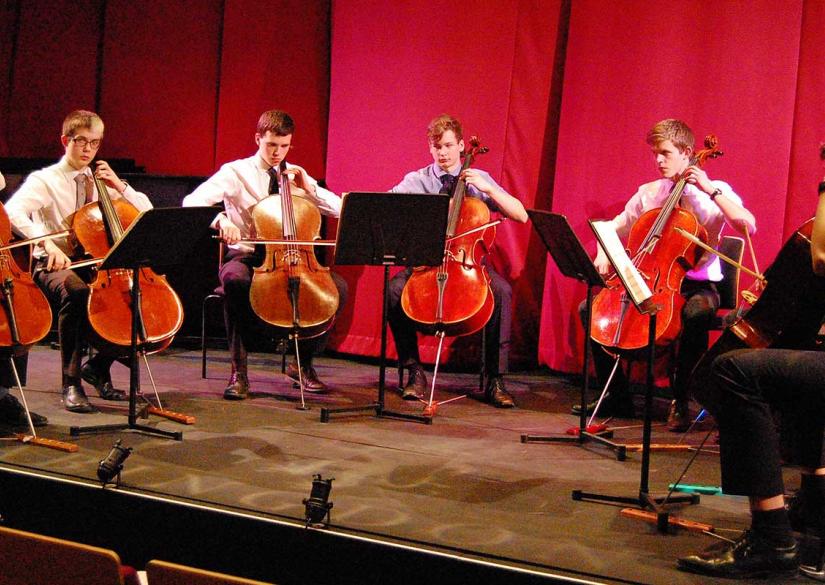
Musicians can take part in 20–25 chamber ensembles, the Chamber Orchestra and Symphony Orchestra, and wind and string groups. The Symphony Orchestra has 65–70 pupils. Admission is by audition, with string players required to have at least grade 6 in the music examination system and woodwind and brass players grade 8. In autumn 2024, the orchestra performed Dvorak's 8th Symphony, followed by his 9th Symphony in autumn 2025. The Choral Society prepares two concerts a year with professional soloists and an orchestra. An adult chorus participates with pupils. The Chamber Choir accepts pupils of different ages by audition, and the Chapel Choir visits a cathedral each term to sing evensong.
A Rock Concert and an Anything But Classical concert take place annually. Open Mic Night takes place each term. Students can record songs and attend music theory classes. Studio techniques and the history of audio recording are explored in a small selected group, with individual lessons also available. At Abingdon Film Unit, selected students from Third Year onward make their own films under professional guidance: they plan projects and begin shooting in the autumn, edit in the spring and screen their work the following autumn. Members have made films in Cambodia, Moldova, China and Hong Kong.
Creative and research activities include:
- Architectural design with two- and three-dimensional models, ceramics, drawing, and making items from copper and silver,
- The theater technical team, Lower School Drama Club and Page to Stage, in which Third and Fourth Year students work as actors, directors and designers,
- New Views from the National Theatre: writing a 30-minute play through eight weekly two-hour workshops, a masterclass and individual feedback from a playwright. There are eight places for participants aged 14–19, with sessions conducted jointly with Larkmead School,
- Python programming, Raspberry Pi and Arduino projects, software and hardware development, robotics and a Lower School Lego Mindstorms club,
- A club for developing web applications with language models, for students with a strong knowledge of Python,
- Chemistry research outside the school curriculum, insects and their development, and physics discussions on CERN and the LHC,
- UKMT mathematics problems, preparation for a linguistics Olympiad and the National Cipher Challenge,
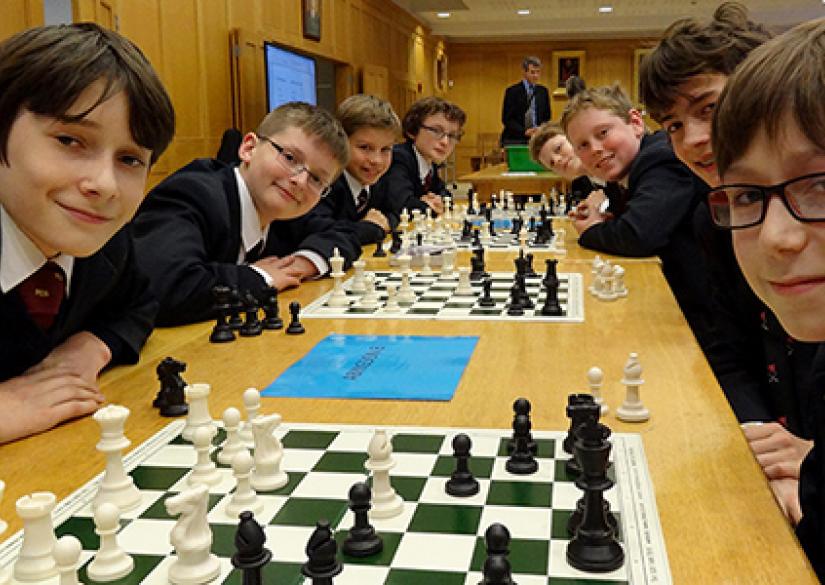
- Chess for beginners and experienced players. Grandmaster Peter Wells coaches on Wednesdays,
- Debating and public speaking for different ages,
- Model United Nations, with trips to conferences and an introductory program for Third Year,
- Creative writing, poetry recitation, reading groups and podcasts,
- Young Enterprise, with students creating their own company and entering a national competition. Activities include marketing strategy development and financial modeling simulations.
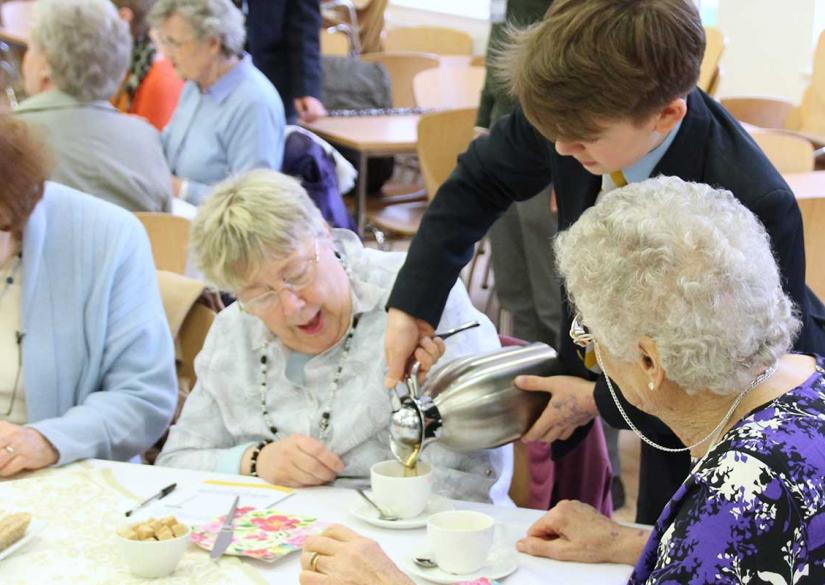
Students write and edit The Martlet newspaper and the magazines The Polyglot, The Axiom, Timeline and Words & That. They can help run the library, join the Eco Committee and participate in charity events. Fifth Year and Lower Sixth students can help run a weekly science club for local primary school children. Other science volunteering opportunities are available at Abingdon Science Partnership events. The volunteering program provides opportunities to help a hospital, residential homes, primary schools and charity shops. Sixth Form students visit Moldova annually to run a summer camp for disadvantaged children.
All Lower School pupils take part in the Baker Award, which consists of skills, community service, an expedition and sport. Successful completion is recognized with a certificate at the end of the second year. Around 225 students sign up for the Duke of Edinburgh’s Award each year. Bronze, Silver and Gold levels are available. Assessed Gold expeditions usually take place in the Scottish Highlands, on foot, by canoe or under sail. Places on canoeing and sailing expeditions are limited. Gold requires a residential project lasting five days and four nights with participants the students have not met before.
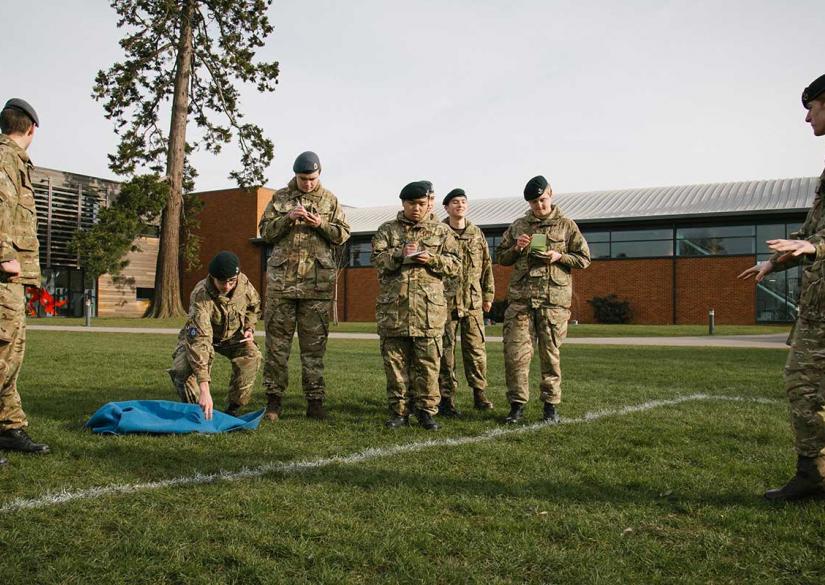
The voluntary Combined Cadet Force program begins in Third Year. Initial training takes two terms, and participation requires a commitment for the full academic year. Army and RAF sections offer opportunities for flying, shooting and joint exercises. At least one camp is required each year. Third Year students who do not participate in the cadet program take part in the Service and Citizenship Scheme. Depending on their group, they volunteer or develop life skills such as managing personal finances and touch-typing. The scheme offers a basic first aid course or expedition training.
Boarders are offered:
- Paintballing,
- Clay pigeon shooting,
- Bowling,
- Cinema trips,
- Trips to London,
- Trips to Oxford,
- Trips to West Midlands Safari Park,
- Theme park visits.
Activities include joint events with girls' schools, inter-house competitions, summer barbecues, cooking sessions and movie nights. Boarders have a monthly Chapel service, a Christmas carol service and a shared Christmas dinner.
Lower School pupils take residential trips with qualified instructors. The First Year program offers team exercises, abseiling, archery, climbing, a ropes course and quad-biking. In Second Year, a trip to the Brecon Beacons adds canoeing, gorge-walking and hill-walking. School expeditions have visited Nicaragua, Costa Rica, Madagascar, Europe and the Arctic, and have included cosmonaut training in Russia. In Madagascar, students spent a week collecting ecological data with scientists in the jungle and a week exploring coral reefs through scuba diving.
Advantages
- The Canoe Club is affiliated with the British Canoe Union. Students can obtain qualifications during training sessions,
- The school sailing club is an RYA recognized training center.
Facilities and equipment at Abingdon School
On the school territory students can find absolutely everything necessary for quality education, leisure and additional classes. There are spacious and bright auditoriums, art studios, laboratories and workstations for practical classes, there is own library and computer class with modern PCs, student theater.
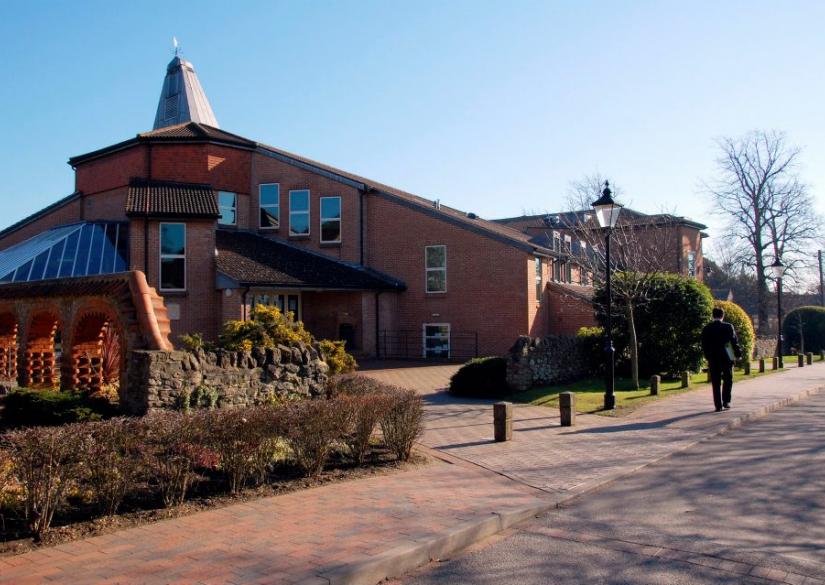
The 35-acre grounds are located in a designated conservation area surrounded by green open spaces. The school has 21 science laboratories and a 450-seat theater. There is a chapel and a separate multi-faith prayer room. House rooms are provided for both day pupils and boarders.
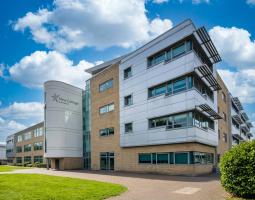
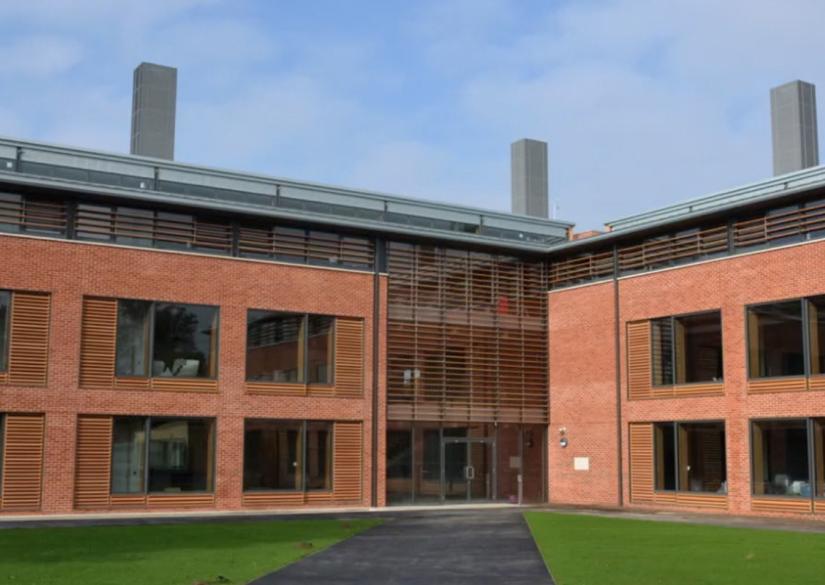
The Arts Centre and a new boathouse opened in 2003, the Sports Centre in 2008 and the Yang Science Centre in 2015. Beech Court opened in 2018, Faringdon Lodge in 2020 and a new dining pavilion in 2023. In 2014, the school took over management of additional sports facilities at Tilsley Park.
Sports facilities include:
- An eight-lane, 25-meter indoor swimming pool,
- A school climbing wall and squash courts,
- An eight-lane floodlit athletics track, jumping and throwing areas, and a covered 300-seat grandstand at Tilsley Park,
- A boathouse about a mile from the school. Rowers also use the school gym,
- School hard tennis courts, the MUSA and courts at Tilsley Park,
- The main school grounds, Cox’s Fields and Tilsley Park for sports matches. Cox’s Fields is used for rugby, football and cricket. The first cricket team plays on War Memorial field,
- A sailing fleet of eight Standard Lasers, four RS500s, two 29ers and two SB20 keelboats.
Behind Whitefield is a fruit and vegetable garden that students can help maintain. The nearest railway stations are Oxford and Didcot Parkway. Didcot is closer to Abingdon. Visitor parking is very limited, and the sports center has its own small parking area.
Admission dates and extra charges
The academic year in Abingdon School is divided into traditional trimesters alternating with vacations for students' leisure:
- Autumn: from September 6-7 to December 11 (holidays from October 16 to November 1),
- Spring: from 4 January to 24 March (vacation from 12 to 21 February),
- Summer: 18 April - 8 July (vacations from 27 May to 5 June).
Please note that there are some surcharges and fees not included in the basic cost of the program:
- Registration fee,
- Deposit for confirming the place on the program (semester),
- Supporting English language courses for foreign students (ESL),
- Registration in the guardian agency and guardian services,
- Initial testing to determine the level of knowledge.
The school day starts at 8:35am, lessons finish at 3:40pm and school buses depart at 5:20pm.
The registration fee is non-refundable. A separate acceptance fee is charged when a place is accepted, except for internal transitions. Students who need a visa to attend school in the UK pay an administrative compliance fee each term. This also applies to children in the UK as dependents on a parent's visa.
Tuition is not reduced for absences. Absence insurance and private medical insurance are available at an additional charge. All pupils are automatically covered by personal accident insurance. School insurance does not cover personal belongings, including laptops, phones and musical instruments, either at school or on school trips.
Termly rowing club subscriptions cover race entry charges, equipment repairs and the upkeep of coaching launches. For many expeditions, students are asked to raise a substantial portion of the trip cost themselves.
Enrolment process
During selection, the school considers each candidate's academic profile, interests and aspirations. Their potential to contribute positively to the school community also matters.
Perspectives
89% of students received an offer from their first-choice university.
GCSE results for 2026:
- Grade 9: 48.4% of results,
- Grades 9–8: 74.2%,
- Grades 9–7: 89.0%,
- Grades 9–6: 96.4%,
- Grades 9–4: 99.7%,
- 193 pupils in the final GCSE year took the exams.
A-Level results for 2026, as of September 25, 2026, before reviews of marking:
- Grade A*: 33.3% of results,
- Grades A*–A: 68.3%,
- Grades A*–B: 92.8%,
- Grades A*–C: 98.1%,
- Grades A*–E: 100%,
- 45.1% of students achieved at least an A in every discipline,
- 184 students took the exams.
In 2026, 97% of students achieved A*–B for their EPQ research project, including 48% at A*.
Additional activities can form the basis of professional interests: several participants in Music Technology have gone on to careers in sound recording.
Entry requirements, how to apply, what is required to enrol
Applicants must submit the following package of documents:
- Characteristics from the previous place of study certified by the school authorities,
- Report card for the last 2 years,
- Motivation letter for future participants of the Sixth Form program,
- Receipt for payment of the registration fee.
After sending the documents, the entrant passes an interview with the members of the admission committee, and also confirms a sufficiently high level of the English language (the results of international tests, written and Oral English). For students whose level of language knowledge is insufficient to fully absorb the volume of the school curriculum, additional ESL support courses are provided, but for a fee. The interview can be passed personally (during the Day of the open door directly in the school or in the official contact center accredited by the school).
Remember that, as in all schools in Britain, the number of vacant places is limited, so it is worthwhile to attend to the filing of documents in advance.
Once a place is reserved for the student, in Abingdon School is provided the following documents:
- Application for accommodation in a boarding house,
- Receipt for payment of tuition,
- Receipt for payment of custodial services,
- Confirmation of a tuition fee (for one semester), located in a British bank. The deposit is returned after the end of the studying.
Sixth Form requires an average GCSE grade of at least 6. A minimum grade of 7 is required in each discipline chosen for A-Level, or 8 for Further Mathematics.
Parents must appoint a guardian for every foreign pupil on a Child Student Visa sponsored by Abingdon. The guardian must live close enough to accommodate the pupil during holidays or in exceptional circumstances, such as a school closure. The school does not recommend guardians or arrange guardianship on parents' behalf.
Scholarships Abingdon School
School scholarships and awards offer additional opportunities for development but do not reduce tuition. Holders can access extra lessons, lectures and visits, with opportunities varying by award type. All applicants must meet the school's academic requirements. Awards are reviewed annually and continue subject to satisfactory academic progress and behavior.
- Academic and music awards are available on entry at age 11 and last throughout Lower School,
- Academic and music scholarships are offered on entry at age 13. A confirmed offer of a place is required before assessment for these scholarships. Art, Product Design and Engineering, drama and sport scholarships for students entering at this age are awarded after admission, at the end of Third Year,
- Academic, music, sport, art, Product Design and Engineering, and drama scholarships are available on entry at age 16.
Free and subsidized places are a separate form of financial support and can cover up to 100% of day tuition.
Institution on the map
Residence permits, citizenship and other services
- Guardianship services during the studies
- Student supervision
Review about Abingdon School
Recommendations on when to apply
| Language courses, schools and children's language camps | Primary and secondary education - private schools | Preparation programmes for entering universities - higher education | Higher education (after completing accredited programs A-level, IB, High School) - Bachelor, Master, MBA |
| - we recommend to apply 6-9 months before the start of the course (some camps and schools offer discounts for early booking or for lengthy study programs) - there are some very popular and high demand children's camps, where the applications need to be submitted 1 year in advance (in particular Switzerland, Great Britain, USA, Canada, Austria) | - we recommend to apply one year before the start of the training program, - some schools have a specific time frame (September-November - please specify an individual school) - some schools require tests in several stages (UKISET, internal tests of the school: English, mathematics, logics, subjects, interview, some require a personal visit) | - we recommend to apply one year before the start of the program, - for Foundation and Pathway programs, IELTS and TOEFL certificates are usually required, respectively | - recommended submission one year before the start of the program, - the deadline normally closes in January, for TOP HEIs and, as a rule, in March in other universities - for a bachelor, a Foundation or Pathway preparatory program a completed A-level, IB, High School + IELTS / TOEFL are required - for Masters you need a graduated higher education, in some cases you need a pre-Masters program - MBA requires completed higher education, work experience preferably at least 2-3 years, etc. |