
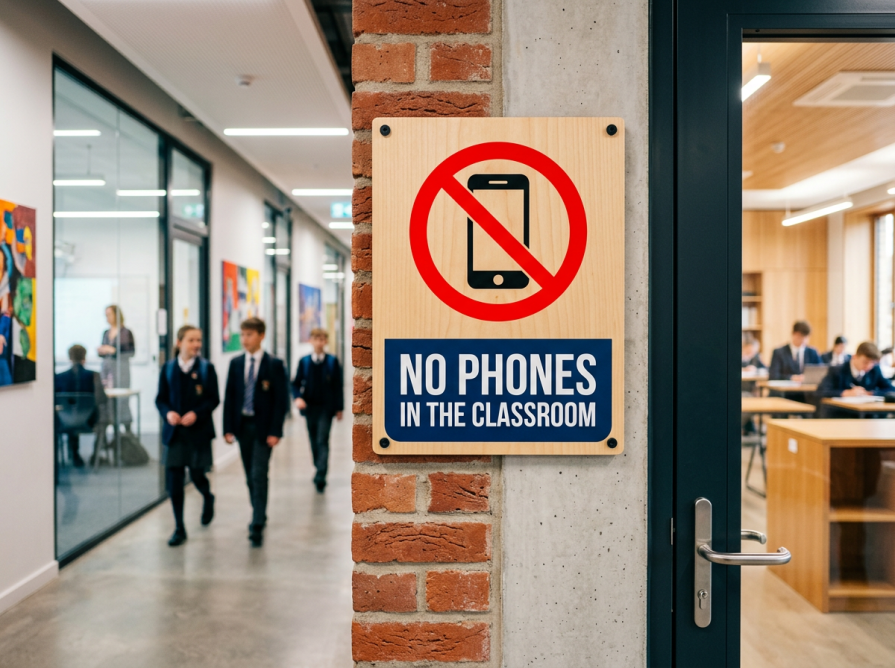
In 2026, several European countries are implementing stricter regulations governing smartphone use in schools, which establishes a new trend that schools follow to decrease digital interruptions while they enhance student well-being and create better learning spaces. The excessive smartphone usage problem has become a major concern among European policymakers, educators, parents, and researchers because it harms students' academic results, social skills, and mental health. The new rules signal a coordinated effort across Europe to address these challenges systematically.


Why Smartphone Rules Are Changing
Young people today use smartphones everywhere because they enable access to educational materials yet create multiple interruptions through social media, messaging, gaming, and endless notifications. Studies have linked excessive smartphone use with decreased attention, impaired academic outcomes, sleep disturbances, and rising anxiety among adolescents. The way governments and education authorities handle smartphone usage in schools requires review because current practices need better management strategies.
The rules about smartphone usage in schools will become stricter in 2026 because of three main factors which include:
-
Growing concern for student mental health
-
Efforts to promote face-to-face communication
-
A push to support deeper learning and focus
-
Research linking reduced device use to improved classroom engagement.
What the New Rules Entail
The specifics vary by country and school system, but several common measures have emerged:
1. Smartphone Bans During Class Time
In many countries, smartphones are now prohibited during lessons. Students may be required to keep phones:

-
Turned off
-
Stored in lockers
-
Placed in classroom “phone pockets” or designated bins
The aim is to eliminate notifications and digital interruptions that detract from instructional time.
2. Restricted Use During Breaks
Some policies allow regulated use only during break and lunch periods, with restrictions on when and where the phones could be accessed on-campus.
3. Integration with Educational Technology
Certain regulated exceptions exist when smartphones are used for verified educational purposes, such as:
-
Language learning apps
-
Research during projects
-
Instructional polling or quizzes
Teachers must give their explicit permission to use these materials for dedicated educational purposes.
4. Parental and Teacher Roles
New guidance also involves parents and teachers:
-
Schools provide communication channels with parents that do not require students’ phones during class
-
Teachers receive training on digital classroom management and guidance on promoting healthy tech habits
-
Parents are encouraged to set consistent expectations about device use at home
Where the Rules Are Being Rolled Out

While not uniform across the entire European Union, a growing number of countries have adopted stricter policies in 2026:
-
France already restricted smartphones in schools and expanded these rules to more age levels.
-
Italy has implemented nationwide limits for middle and high schools.
-
Spain is strengthening regional smartphone bans in primary and secondary education.
-
Belgium, the Netherlands, and parts of Germany are updating their guidance to school districts to tighten enforcement and restrict casual use.
These policies often result from collaborative consultations between ministries of education, teacher unions, parents’ associations, and student groups.
Expected Benefits
The supporters of tighter smartphone regulations in educational institutions present their case by saying that the proposed alterations will bring multiple benefits which include:
Improved Academic Focus
Students achieve deeper learning throughout lessons, discussions, and group work when digital distractions are absent. Research conducted in multiple European Union countries demonstrated that test results began to show improvement after schools implemented smartphone usage restrictions.
Better Social Interaction
Youth experts suggest that reduced screen use during school hours fosters better social skills and meaningful peer interaction — an increasingly important benefit in an era of virtual communication.
Enhanced Well-Being
The reduction of smartphone use by students results in better concentration abilities and lower anxiety levels which leads to improved sleep patterns according to teachers and psychologists.
More Effective Classroom Management
With fewer devices to monitor, teachers report fewer distractions and more time devoted to instruction rather than digital discipline.

Criticism and Concerns
Not everyone supports blanket bans or strict restrictions. Some concerns include:
Communication Challenges
Parents worry about emergency contact and may resist policies that limit student access to devices.
Digital Literacy
Schools should teach students how to use smartphones appropriately instead of using a total ban because digital proficiency has become an essential competency in today’s technology-centric society according to critics.
Enforcement and Equity
Large educational institutions present challenges for enforcing rules because their size makes it hard to maintain consistent rule application. The implementation process faces problems because some students depend on mobile devices to access learning materials and receive their required educational support.
To address these concerns, many schools are combining restrictions with education on digital well-being, critical media literacy, and responsible use.
The Role of Educators and Parents
Successful implementation of smartphone policies depends on shared responsibility:
-
Teachers help foster classroom cultures that prioritize attention and interaction.
-
Parents reinforce healthy habits outside school and communicate constructively with educators.
-
Students are encouraged to understand the reasons behind restrictions and participate in crafting school-appropriate digital norms.
Looking Ahead
The new smartphone regulations which European schools will implement in 2026 demonstrate a growing trend that seeks to balance technological access with the needs of adolescent development. The existing educational system requires digital technology for its operations but the current policy framework restricts certain technologies from educational settings because they disrupt student concentration and mental health.
The school year will provide evidence which pilot programs and national monitoring systems will use to make policy changes. The ultimate goal is not to eliminate technology from learning but to use it wisely by creating classrooms that function as spaces for learning and personal interaction.