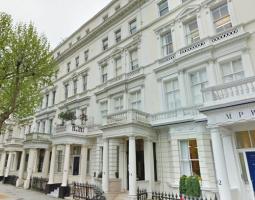
Queens College Taunton










In the process of preparing the material, we referenced the following sources: Wikipedia, GOV.UK
Programs and prices, tuition fees in Queens College Taunton


The secondary education program, designed for two years, gives the opportunity to receive the prestigious certificate of the same name and continue studying at the Sixth Form and at the university. Children study a fairly wide range of subjects - both compulsory and optional - on the main ones at the end of the course examinations are given. At GCSE level the following disciplines are available:
- Natural sciences
- Mathematics
- Ethnic doctrines and philosophy
- Chemistry
- History
- Design of technologies
- Art
- French
- Exact sciences
- Information Technology
- Biology
- English literature
- Physical culture and sport
- English
- Spanish
- Geography
- Drama
- Cookery
- Business.
The price of the course is not included and is paid additionally:
- Registration fee
- Academic deposit
- Consular fee (paid at the embassy)
- Visa fees and services, translation and certification of documents, courier delivery of originals
- Medical insurance
- Guardianship (registration with the agency + guardian services)
- School uniforms
- Personal pocket expenses
- Transfer in both directions
- Air tickets in both directions.
Program for high school students of the Sixth Form level is designed for 2 years of specialized, in-depth study of selected subjects. Students independently form their curriculum, choosing 3-5 academic disciplines: it is necessary to focus not only on personal tastes and preferences, but also on the requirements of the future university and faculty, the desired specialty.
At the end of the studying exams are taken, and the results are entered into the prestigious and highly-ranked A-level certificate.
At school, students can choose priority subjects from the following list:
- English
- Art
- French
- Political doctrines
- The photo
- Business
- Mathematics
- Critical thinking
- Geography
- Economy
- Chemistry
- Ethnic doctrines and philosophy
- Spanish
- Physical Culture and sport
- Biology
- Physics
- Design of technologies
- Music
- History.
The price of the program is not included and is paid additionally:
- Registration fee
- Academic deposit
- Consular fee (paid at the embassy)
- Visa fees and services, translation and certification of documents, courier delivery of originals
- Medical insurance
- Guardianship (registration with the agency + guardian services)
- School uniforms
- Personal pocket expenses
- Transfer in both directions
- Air tickets in both directions.
Description of Queens College Taunton
- Students age: 3-18 years old (boarding house from 11 years old.)
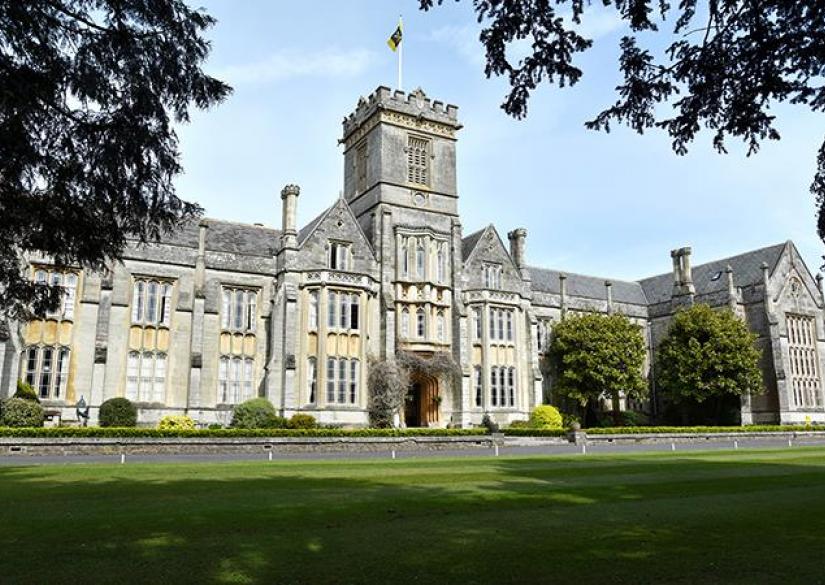
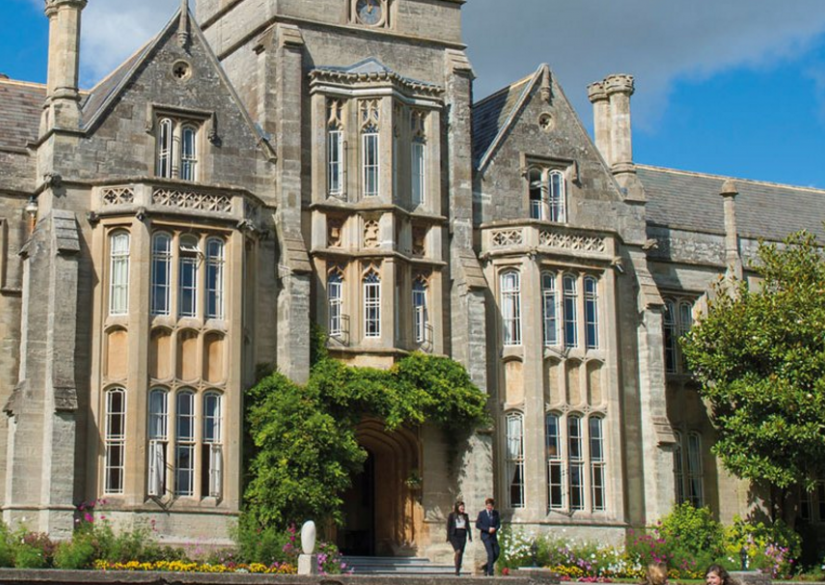
Queens College Taunton is a mixed boarding school in the UK: boys, and girls from around the world aged 3 to 11 years. There is a school campus in Taunton, a picturesque and developed place in the south-west of England: the road to Bristol airport will take only 40 minutes, and London Heathrow can be reached in about 2.5 hours.
- Founded: 1843,
- Education from Nursery through Sixth Form,
- Head of College: Julian Noad.
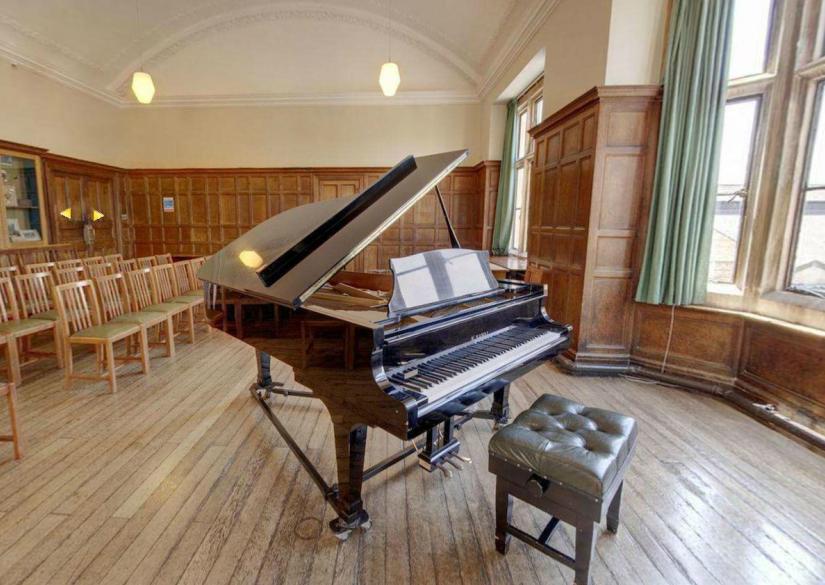
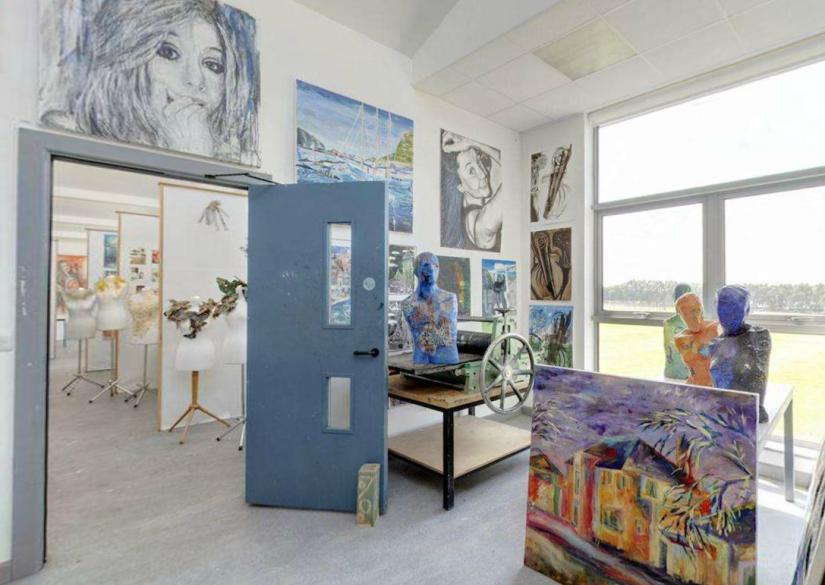
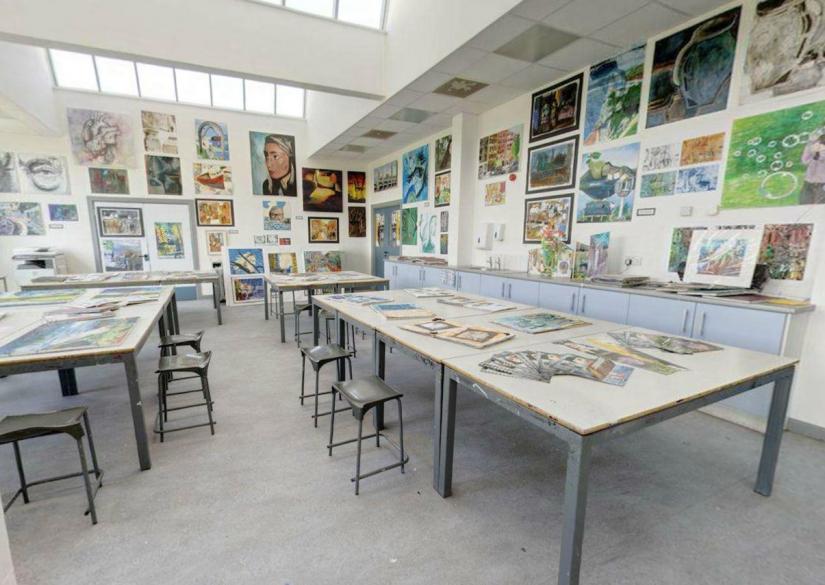
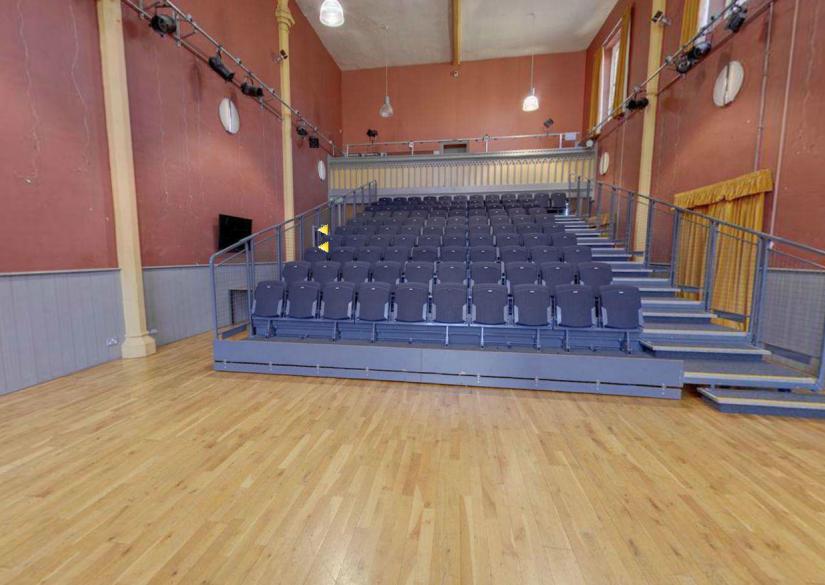
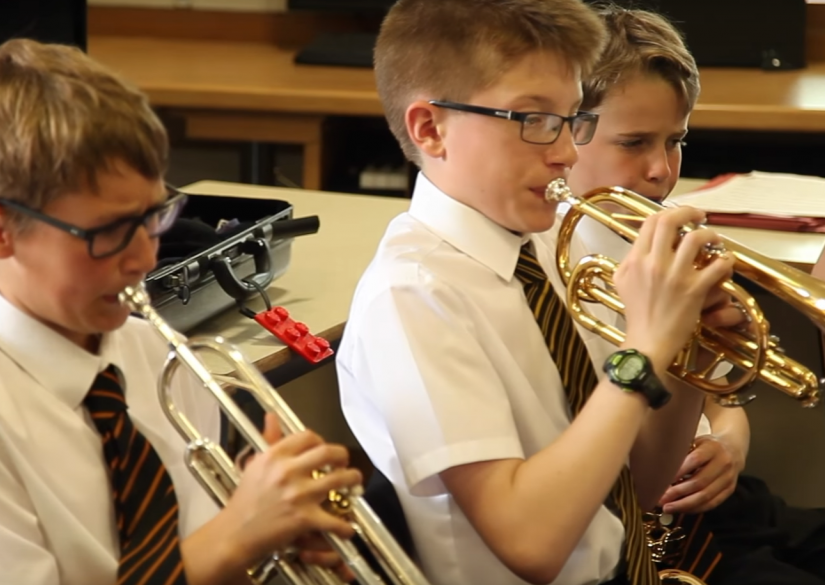
In addition to academic education, the school pays much attention to the creative and athletic development of its pupils. There are unusually strong and developed faculties of acting, art, music and design: many students even later associate their profession with the art world, starting to study at the Queens College Taunton.
The first schoolchildren entered Queens College Taunton in 1843, and today about 790 people receive a quality British education. 210 of them study in the elementary school program (Prep-School), 420 in the middle school (Senior School) and 160 are students of the Sixth Form programs. In addition to the full-time form of education, the school also accepts a full board: approximately 175 students (84 of them - foreign students) permanently reside on the campus.
The institution is a full member of many well-known and respected organizations, including ISC (Independent Schools Council), the Headmasters 'and Headmistresses' Conference.
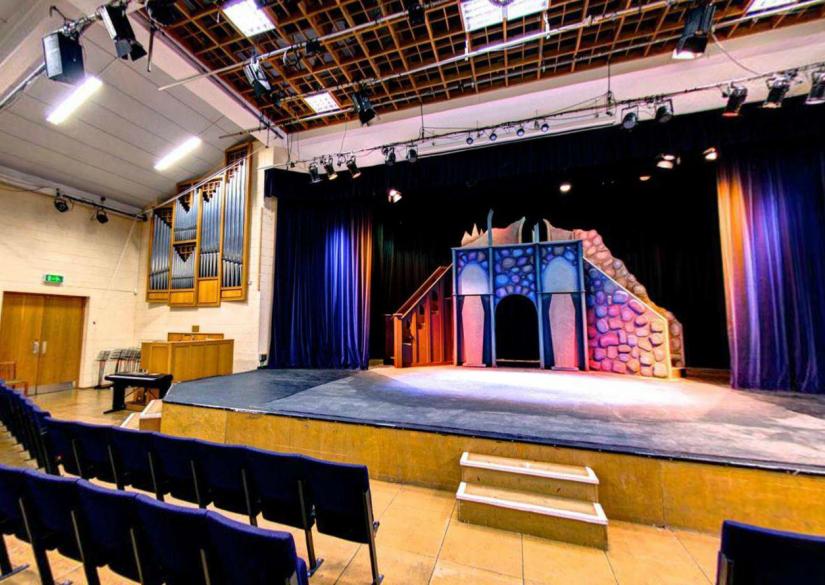
Performing arts is available as an academic subject at GCSE, BTEC, and A Level, and some former pupils have gone on to perform professionally.
Sixth Form students can combine A Levels with vocational qualifications such as BTECs and Level 3 Diplomas. The Queen’s Diploma helps them develop life skills, confidence, and independence for university and beyond.

When is the best time to apply to British schools? What should students prepare for?
The earlier the better! If you are choosing a prestigious school, be prepared for a rather rigorous admission process: elite schools choose students, not the other way around.
Educational process
The Pre A Level program offers two options based on students’ English proficiency. Both include lessons and boarding alongside British pupils.
Boarding staff are available during the day and in the evening to help with schoolwork.
The Director of Performing Arts agrees on goals with scholarship recipients, regularly reviews their progress, and helps them plan and prepare for performances.
Scientific achievements
The school reported a 100% pass rate in more than 20 subjects in its A Level final exams. These included:
- Business Studies,
- Economics,
- Further Maths,
- Physics,
- Chemistry.
Things to know about
- The school was originally based in Taunton Castle and moved to its current site in 1846,
- The school motto is “We learn not for school, but for life”,
- Queen’s College Connected brings together alumni, supporters, partners, parents, and friends of the school,
- A working cocker spaniel named Scramble lives with the houseparents’ family in Cotlake House.
University destinations
Graduates have gone on to study at universities in countries including:
- The UK,
- The USA,
- The Netherlands,
- Germany.
Accommodation, meals, prices
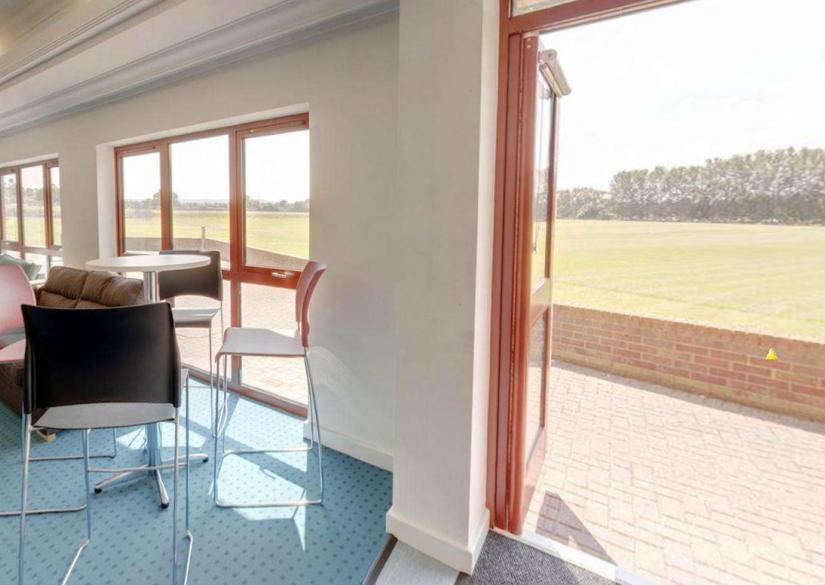
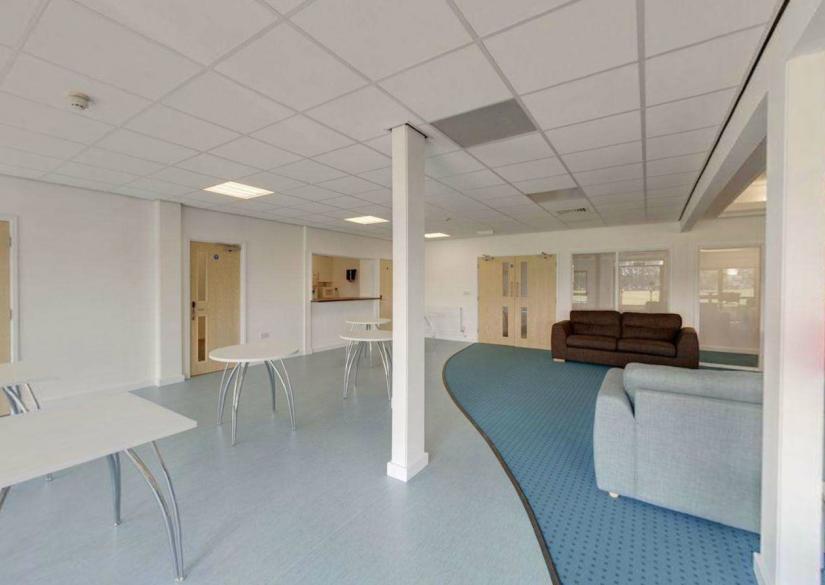
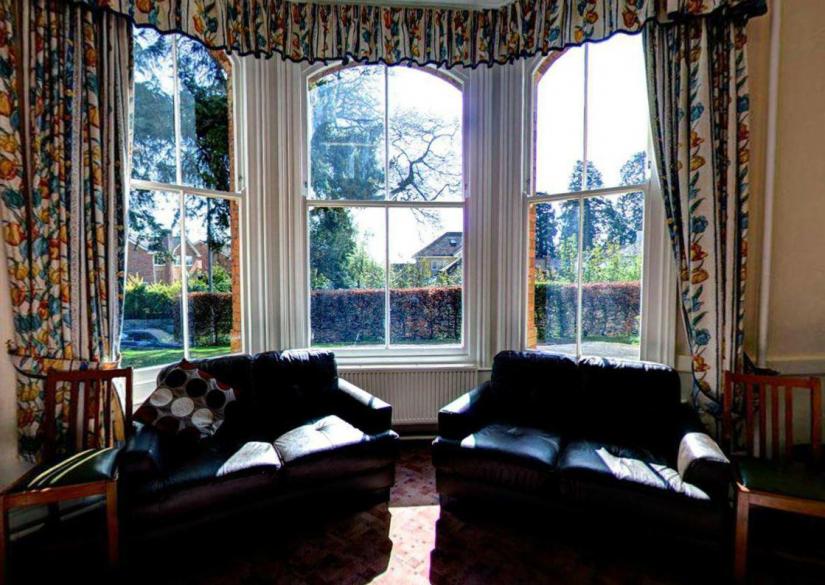
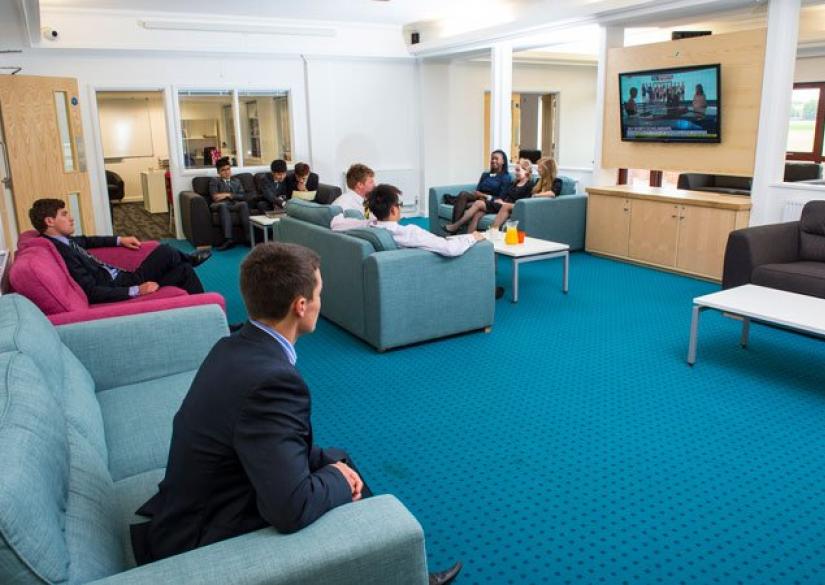
Cotlake House provides boarding accommodation within the Prep School. The three-story house has a large shared lounge with Sky TV, a games room with foosball and gaming consoles, and a kitchen for evening snacks and supervised cooking.
Henry and Ali Burlingham are the Cotlake houseparents, supported by resident boarding assistants. Staff send parents regular updates and photos of weekend activities. All boarding houses have shared social spaces and kitchen facilities, with resident houseparents and assistants providing care and support. Carla Shearman is Head of Boarding. Boarders may spend weekends with their families if they wish.
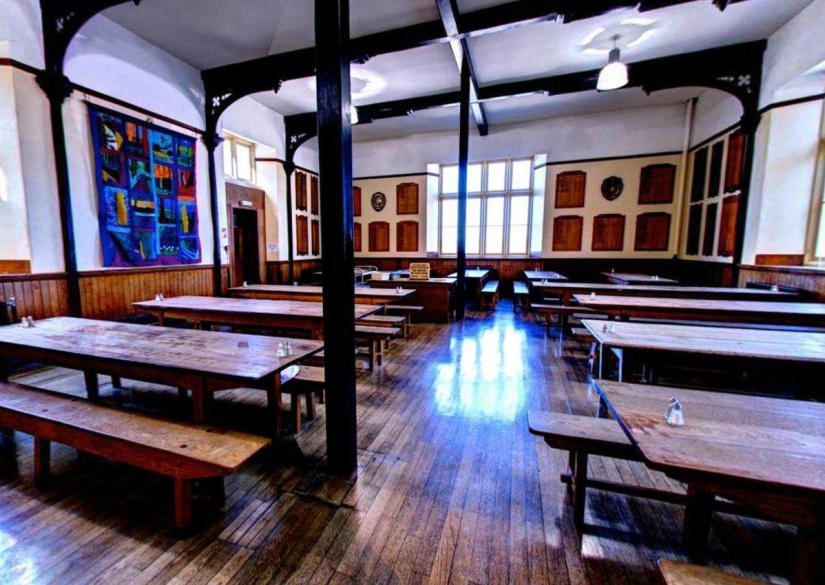
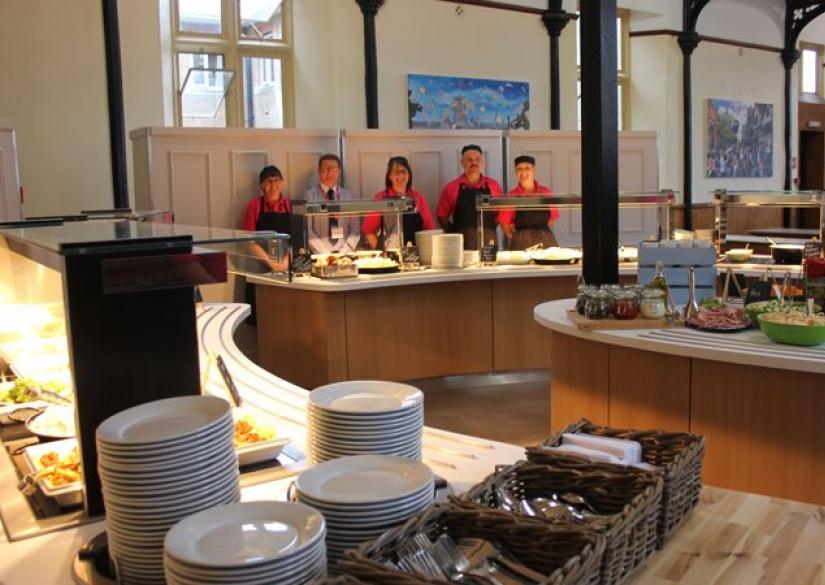
Meals include breakfast, lunch, and dinner, with snacks and drinks available daily. Lunch offers a choice of three hot main courses with side dishes, a salad bar, freshly made soup with bread baked in-house, baked potatoes and pasta with various toppings, and homemade hot and cold desserts.
Dishes are clearly labeled, and the catering team accommodates special dietary needs and individual requirements. The chef plans menus each term using seasonal ingredients and feedback from student food councils. World Food Day on Thursdays features dishes from around the world, including Chinese and Polish food.
Subjects and sports
Activities Queens College Taunton
The school offers more than 100 clubs and extracurricular activities. Performing arts activities include musical theater, dance, plays, and concerts. The school also has choirs and musical ensembles. Pre A Level students can take part in up to 10 hours of extracurricular activities per week.
Boarders have activities after school each day, Saturday morning sessions, and a weekend program of trips, on-campus activities, and time to use the sports facilities.
Options for boarders include air hockey, music practice, and movie nights. Weekend outings include mini-golf and farm visits, with free time for swimming or relaxing with friends. Sunday excursions may include Milky Way and Crealy Adventure Park.
Advantages
- The school uses High Performance Learning, an approach focused on high achievement,
- Students receive individual academic guidance,
- School partnerships give students opportunities to work with professionals in specialist areas of the performing arts,
- In its published GCSE results, the school ranked in the top 2% nationally for progress beyond predicted outcomes: on average, students achieved one full grade higher than expected in every subject,
- The reported A Level results significantly exceeded national averages.
Facilities and equipment at Queens College Taunton
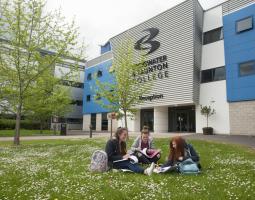
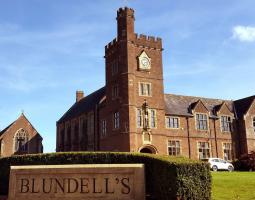
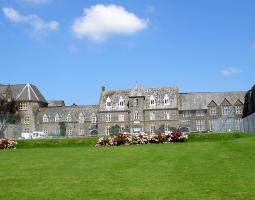
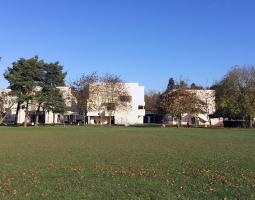
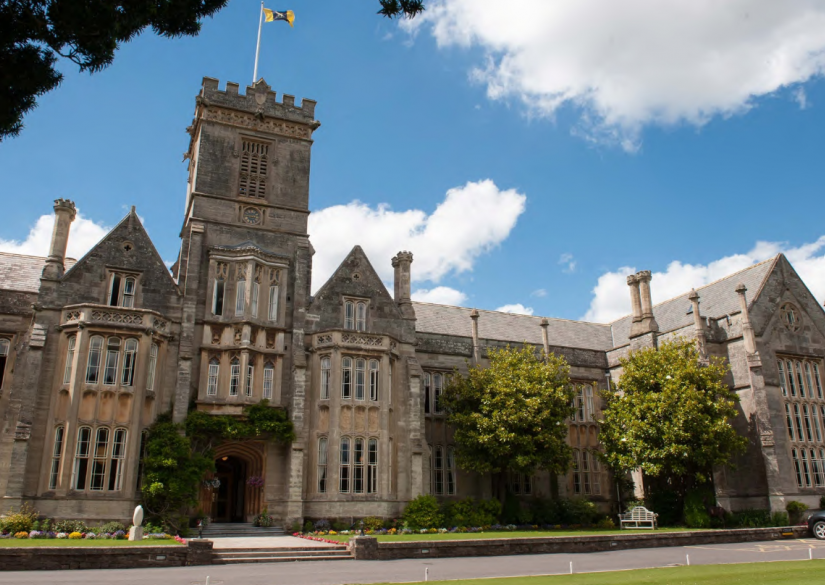
Queen’s College has a 36-acre campus overlooking the Quantock Hills.
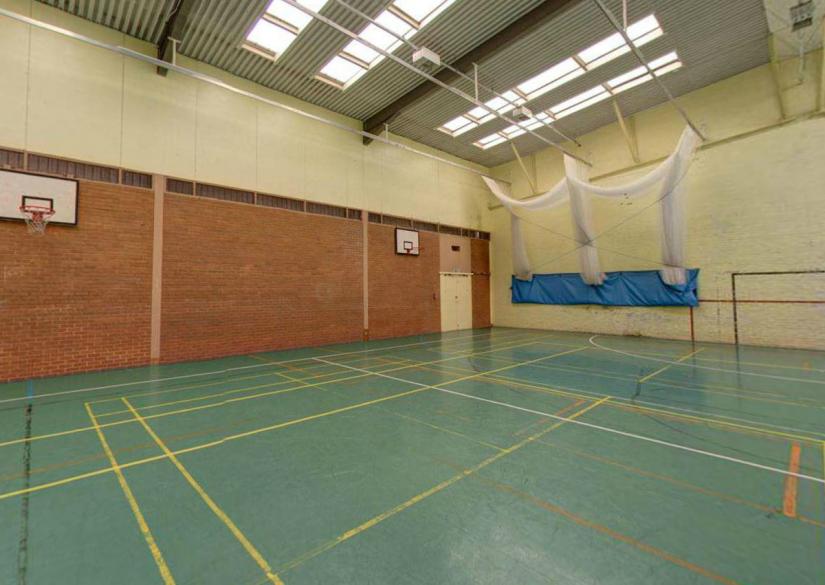
Sports facilities include:
- A fully equipped sports hall,
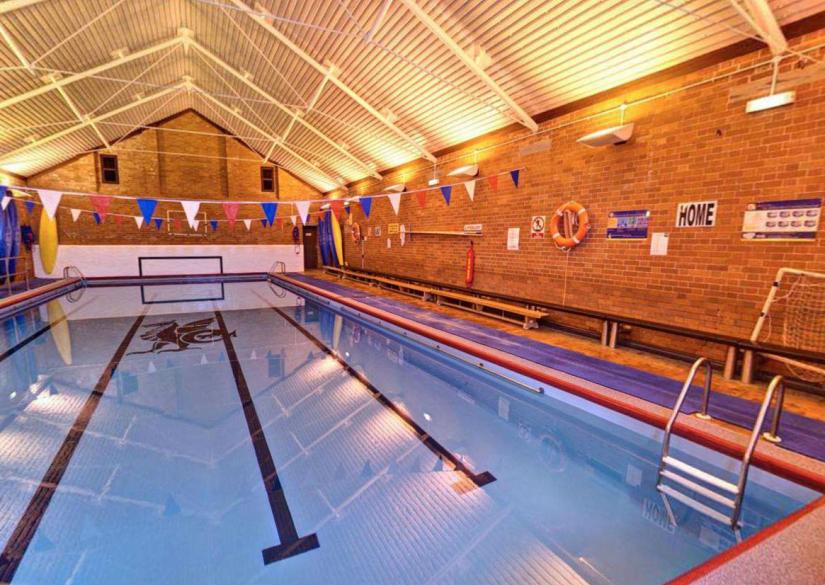
- An indoor swimming pool,
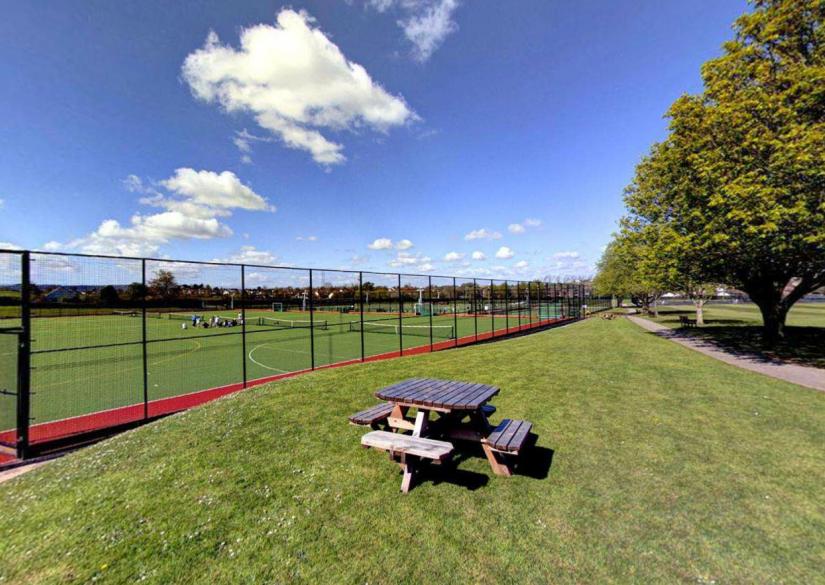
- Floodlit AstroTurf pitches,
- Netball and tennis courts,
- Cricket pitches.
The grounds also include an outdoor adventure playground and on-site parking.
Admission dates and extra charges
School fees are payable on the first day of term. Exam fees and directly related costs are billed separately to the person responsible for paying the school bill. Flywire is available for registration fees, deposits, and termly payments.
The advance payment scheme accepts a single lump sum toward future school fees for a period of at least six terms. It does not cover extras.
All students receive accident insurance, including dental coverage, at no charge. Optional insurance for personal belongings and pupil absence is arranged through Marsh. The school no longer acts as an intermediary.
Extras:
- Registration fee (for a programme/course) 100 GBP
- Deposit for a course/programme 3000 GBP
Enrolment process
The admissions process includes a registration form.
Perspectives
Students have gained places at universities and specialist schools and colleges for music, drama, and dance.
Entry requirements, how to apply, what is required to enrol
The school describes itself as academically non-selective.
- Every registered applicant is invited to spend a trial day at the school,
- Applicants considering boarding are encouraged to try an overnight stay, but this is optional, particularly for families based overseas.
Scholarships Queens College Taunton
The Performing Arts Scholarship is for students with a strong interest in drama, music, or dance. Candidates are expected to have experience in their chosen discipline both at school and elsewhere and to demonstrate exceptional ability in at least one discipline. Selection considers performance experience, the level achieved, potential, attitude, and commitment to improvement. Candidates must state in advance which disciplines they wish to be assessed in. Students can also apply on the basis of instrumental or vocal ability. Music scholarships are awarded on the basis of auditions and musicianship tests conducted by the Music Subject Lead.
Scholarship recipients follow an individual program to develop their artistic and academic abilities. They are expected to develop at least two disciplines from acting, music, and dance, participate regularly in weekly activities, and represent the school throughout the academic year. There is no single prescribed schedule. Recipients are expected to set a positive example and take their academic work seriously. Music scholars are expected to participate in the orchestra, choirs, bands, and other groups according to their specialization. Participation in specific school-wide ensembles depends on each scholar’s learning plan. Studying performing arts as an academic subject is not a condition of the scholarship.
Performing arts opportunities are organized into four levels:
- Participation: opportunities for all students to take part in school shows and concerts throughout the year,
- Development: for students with more substantial roles in productions and performances,
- Performance: support in preparing for leading roles in shows and concerts,
- Elite: for students performing outside school at a regional level or in the West End.
The Development, Performance, and Elite levels offer an enhanced program with experienced teachers, seminars, and practical workshops, with physical conditioning for dancers where needed. The Performance and Elite levels also include weekly scholarship sessions, work on technical skills, knowledge and stagecraft, leadership training, performance analysis, mentoring, and access to injury rehabilitation if required.
Selection includes auditions and a conversation:
- Practical audition: two of three options, comprising a 90-second acting monologue, a 90-second dance in any style, or a song excerpt of at least one verse and chorus,
- Instrumental audition: two pieces on the main instrument or one piece on each additional instrument offered, sight-reading on the primary instrument, and questions about the chosen pieces,
- A short, informal conversation with the Director of Performing Arts about previous experience and general knowledge of theater and the performing arts.
Candidates should bring a portfolio of previous experience or qualifications, such as LAMDA certificates, music exam results, and details of participation in productions. Candidates should provide dance music or backing tracks as a streaming link. Any piano accompaniment for an instrumental audition should be arranged in advance with the Music Subject Lead.
A scholarship assessment takes place during the trial day if it forms part of the candidate’s application.
Family discounts are available when two or more children attend at the same time:
- First sibling: 10%,
- Second sibling: 15%,
- Third and subsequent siblings: 20%.
Literature and references

Institution on the map
Residence permits, citizenship and other services
- Guardianship services during the studies
- Student supervision
Review about Queens College Taunton
Recommendations on when to apply
| Language courses, schools and children's language camps | Primary and secondary education - private schools | Preparation programmes for entering universities - higher education | Higher education (after completing accredited programs A-level, IB, High School) - Bachelor, Master, MBA |
| - we recommend to apply 6-9 months before the start of the course (some camps and schools offer discounts for early booking or for lengthy study programs) - there are some very popular and high demand children's camps, where the applications need to be submitted 1 year in advance (in particular Switzerland , Great Britain , USA , Canada , Austria) | - we recommend to apply one year before the start of the training program, - some schools have a specific time frame (September-November - please specify an individual school) - some schools require tests in several stages (UKISET, internal tests of the school: English, mathematics, logics, subjects, interview, some require a personal visit) | - we recommend to apply one year before the start of the program, - for Foundation and Pathway programs, IELTS and TOEFL certificates are usually required, respectively | - recommended submission one year before the start of the program, - the deadline normally closes in January, for TOP HEIs and, as a rule, in March in other universities - for a bachelor, a Foundation or Pathway preparatory program a completed A-level, IB, High School + IELTS / TOEFL are required - for Masters you need a graduated higher education, in some cases you need a pre-Masters program - MBA requires completed higher education, work experience preferably at least 2-3 years, etc. |