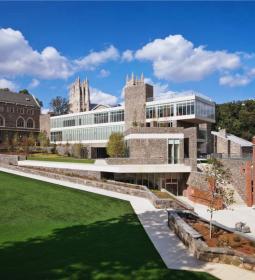

Japan remains one of the most popular destinations for studying in Asia. Interest in the country is steadily growing: in 2025, for the first time, 400,000+ international students studied here — this figure exceeded the state goal 8 years ahead of schedule.
At the same time, Japan is updating its visa system, adapting it to modern conditions. On July 1, new visa fees came into effect in the country: the cost of a single-entry visa will increase from ¥3,000 to ¥15,000, and a multiple-entry visa — from ¥6,000 to ¥30,000. The previous fee amounts had been set back in 1978. The decision to revise them is related to changes in the economic situation, rising prices, and exchange rate fluctuations. At the same time, the government believes that the increase in visa costs in itself should not significantly affect the interest of foreign nationals in traveling to Japan.
Another important change concerns travelers from countries that currently do not need to obtain a visa for short-term trips. The Japanese parliament has already approved the creation of the Japan Electronic System for Travel Authorization (JESTA), which will operate on the principle of an electronic entry permit — similar to systems already used in the United States, Canada, and the United Kingdom. The launch of JESTA is expected in 2029.
Japan remains highly attractive to foreign students, and in 2025 the country set a new record in tourism as well, welcoming 42,700,000 foreign visitors — nearly 16% more than the year before.