

Study in Bolivia. 3 best institutions in Bolivia
-
 from 175.00 € / week
-
 from 5000.00 $ / year
-
-

-
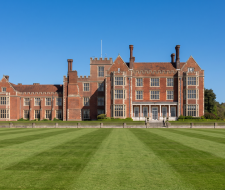 Training is conducted under the guidance of highly qualified trainers.
United Kingdomnear London
-
-

-
 Ranked #18 in QS World University Rankings 2023.
USAYale, New Haven, Connecticut
-
-
-
 #20 out of 443 National Universities
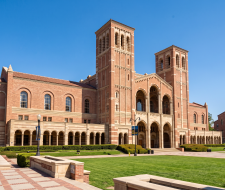
USALos Angeles, California

Bolivia is one of the most beautiful countries of South America, located at the foot of the Andes. Today, the educational situation in Bolivia has become much better, especially in comparison with the beginning and middle of the XX century. Students can enroll in several large universities. The University of Bolivia is a consortium of eight public universities and one private institution, the Bolivian Catholic University. The largest single university is San Andrés in La Paz, with roughly 37,000 students. Also worth noting is San Francisco Javier in Sucre, which has about 10,000 students. Other higher education institutions are located in major cities: La Paz, Oruro, Santa Cruz, Cochabamba, Sucre, Potosi, Trinidad, Tarija.
A major educational center is the National Archives, also located in the capital city of Sucre - it was founded in 1836 and contains a large number of valuable historical documents. Most gifted students continue their education at the Academy of Sciences, located in La Paz. It should be noted that all major libraries of the country are concentrated at universities, so students will not have problems with the search for information and with the provision of scientific materials. Education in Bolivia is mainly focused on the humanities and social sciences.
Study programs may include two languages: English is commonly used alongside Spanish, which is on the list of state languages. This is an excellent opportunity for foreign students: both languages are in great demand in the world, and the command of them will increase the student's value in the international labor market and will help to build an international career.
Alternative destinations
Cultural programs in TOP-10 schools, colleges and universities in Bolivia

In their free time students enjoy countless excursion routes: the fascinating, unique nature of the country, views of mountain peaks, historical monuments attract tourists from all over the world. Titicaca - the highest lake in the world. The cities also have something to visit: the old part of the capital Sucre is on the UNESCO World Heritage List due to beautifully preserved original colonial architecture.
The inhabitants of Bolivia are very hospitable, will always render assistance and support to any traveler and foreign student, are ready to tell about their life, history and traditions. Studying in Bolivia is a great opportunity to improve your language skills and get acquainted with an unusual, memorable, original country.
Student visa requirements for Bolivia
The student visa (Visa de Estudiante) lets foreign nationals pursue studies at primary, secondary and higher professional education institutions in Bolivia. It is a travel document issued by Bolivian consulates and embassies abroad that authorizes a foreign citizen to enter the country for a defined period.
The Visa de Estudiante is valid for up to 60 days and lets the holder apply for one year of temporary residence before the Dirección General de Migración (DIGEMIG), renewable until studies are completed.
Documents required for the application include:
- A passport valid for at least 6 months,
- The sworn visa application form,
- A 4x4 photo on a red background,
- A study document confirming enrollment, such as a study certificate, a bachiller, licenciatura or posgrado diploma, or a grade record, legalized in advance by the corresponding Bolivian consular office,
- A criminal, police or judicial record certificate from the country of origin or last residence, which does not apply to applicants under 16 years of age.
University study documents must be legalized by the top university authority (Máxima Autoridad de la Universidad) and by the Ministerio de Educación before use abroad, while primary and secondary study documents go through the Dirección Departamental de Educación and the Ministerio de Educación. A yellow fever vaccination certificate may also be needed when the traveler plans to visit high-risk endemic zones.
Specialists at Smapse will guide you through every step of admission.