Willington School




Programs and prices, tuition fees in Willington School


Nursery&Receprion, Preschool Department
- Age of students— from 3 to 5 years,
- Duration of study — two years.
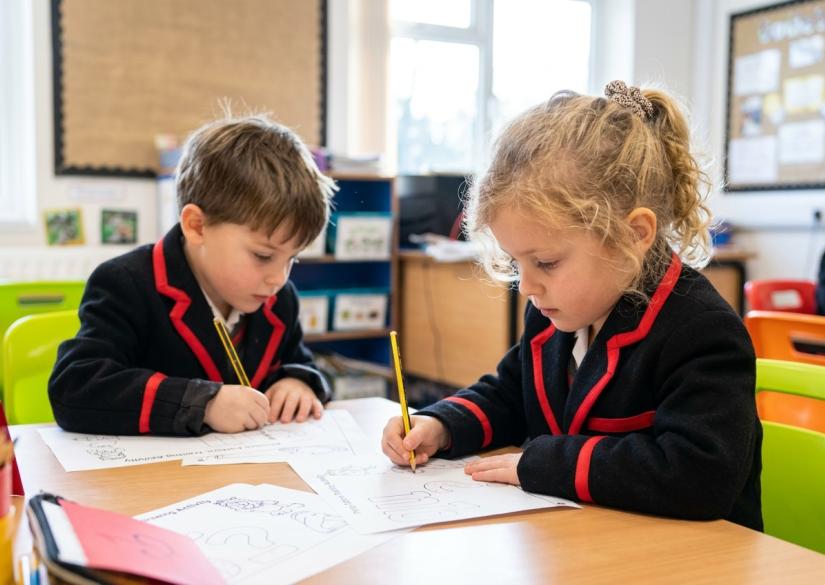
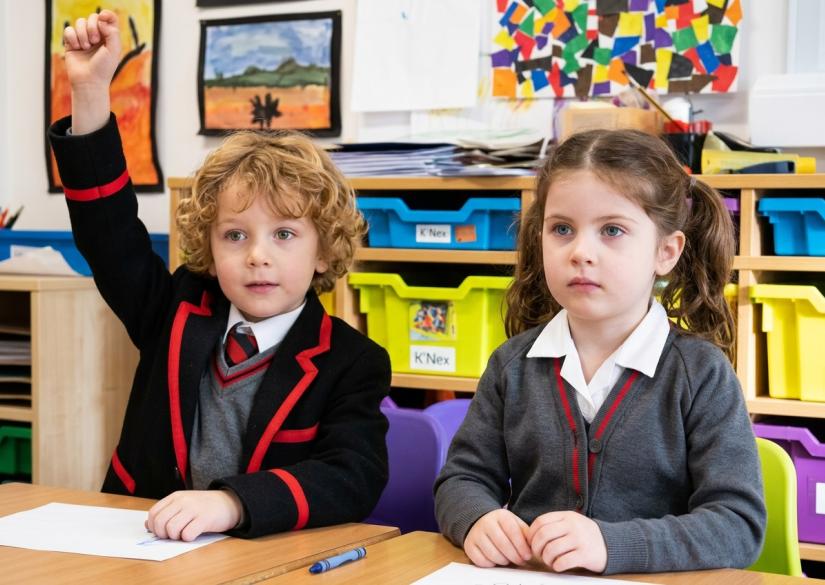
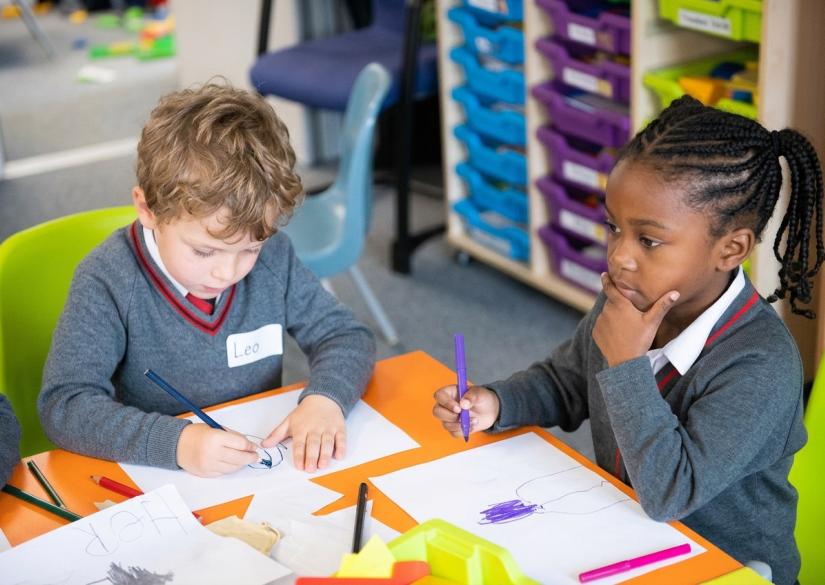
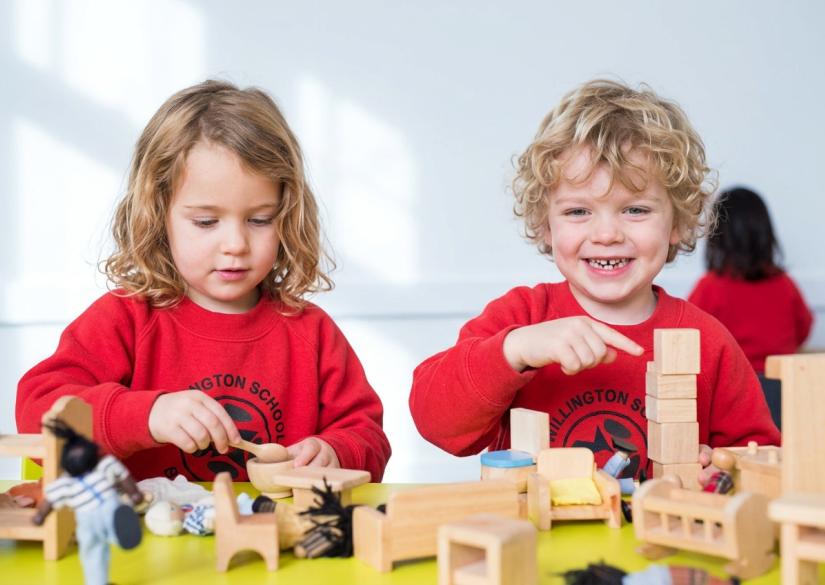
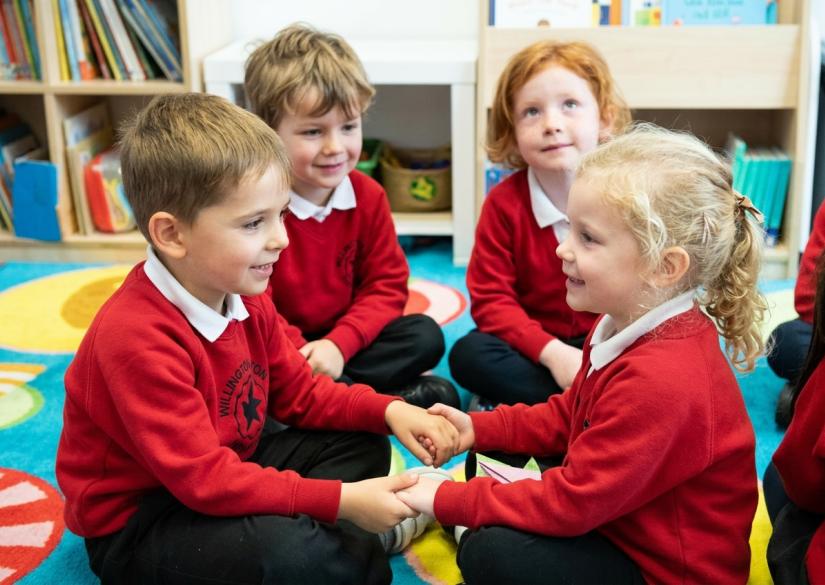
The preschool department program, lasting two academic years, covers sequential education in two groups: nursery and reception class. Children learn through play and interaction with peers, developing important social and communication skills, laying a solid foundation for further learning, and building independence and self-confidence.
In addition to the core subjects — English, mathematics and natural sciences — the timetable includes lessons in French, music and physical education. In the reception group, the curriculum becomes slightly more complex: it includes daily phonics lessons following the Monster Phonics program, as well as art and information technology.
Twice per term, students take part in outdoor activities together with the other pupils of the preschool department and go on themed trips throughout the year.
Pre-Prep School, Primary School: Grades 1–2
- Age of students— from 5 to 7 years old,
- Duration of study — two years.
The Grade 1–2 educational programme is based on a rich curriculum. Most subjects are taught by the class teacher, such as:
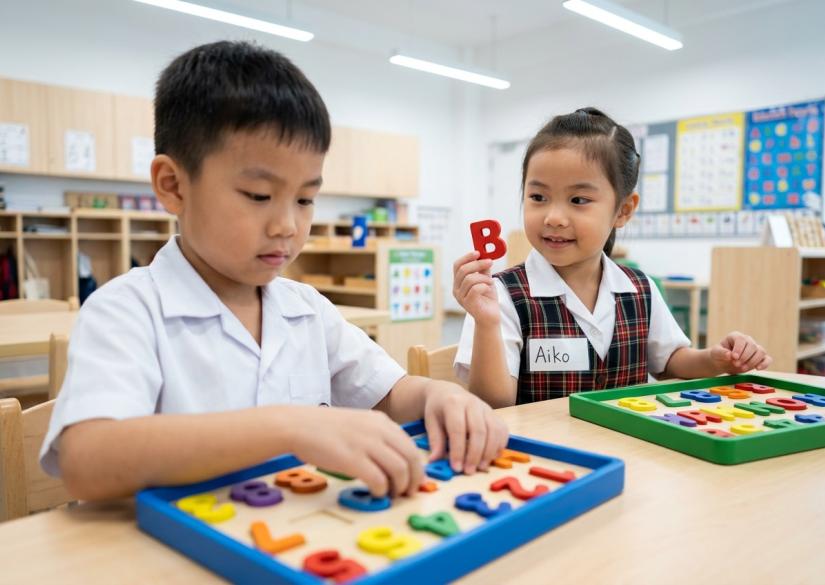
- Literacy: reading, writing, calligraphy, speaking, listening, spelling and phonics,
- Mathematics, studied during additional hours using the Doodle Maths app on iPad,
- Science,
- History,
- Geography,
- Personal, Social, Health and Economic Education,
- Religious Education.
Specialist teachers deliver the following lessons:
- Music,
- Sport, Physical Education,
- French,
- Art, Design,
- Computing.
Students grow in an atmosphere of comprehensive support, gradually mastering various disciplines and discovering the ones they find most engaging. In addition to the rich curriculum, a wide range of extra-curricular clubs and activities is organised, allowing students to develop their talents in the arts, sport, sciences and social engagement.
Prep School, Primary School: Grades 3–6
- Age — from 7 to 11 years old,
- Duration of study — four years.
The core of the Grade 3–6 curriculum consists of:
- English,
- Mathematics,
- Sciences,
- History,
- Geography,
- Religious Studies,
- Classics,
- Drama.
In addition to these, pupils attend lessons with specialist teachers, like:
- French,
- Art,
- Design and Technology,
- Computing,
- Music,
- Sport,
- Physical Education.
At the Grade 3–4 stage, some subjects are still taught by the class teacher, but in a more in-depth format, while in Grades 5–6 each subject is delivered by a specialist teacher (following the senior school model).
Description of Willington School
- Location: suburb of London, England,
- Year of foundation: 1885,
- Number of students: approximately 220,
- Language of instruction: English,
- Type of education: mixed.
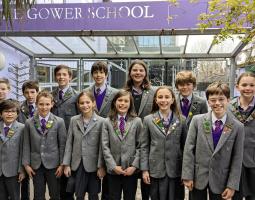
Willington School is a private independent school for children aged 3 to 11, located in Wimbledon, southwest London.
Founded in 1885, the institution was long focused on pre-examination preparation for boys from middle-class families. The school survived World War II, relocated several times within Great Britain, gradually increasing its student numbers and offering new academic services. Today, Willington School educates around 220 pupils — since 2020, girls have also been admitted, and classes have become co-educational.
The pre-school and primary education stages are important years in every child's life, building a solid knowledge base and allowing them to acquire valuable skills. Under the guidance of an experienced teaching team, children grow in a diverse, balanced learning environment with numerous academic and extracurricular opportunities: subject study is combined with dozens of sports, creative and social activities, and an active programme of trips and excursions outside school hours. Pupils are provided with everything necessary for a comfortable campus experience, effective learning, and development of their talents: from modern classroom equipment and a safe educational environment to a high level of individual attention from teachers and a range of additional before- and after-school care services.
Faculties and colleges
The academic system of Willington School consists of three stages:
- Nursery&Reception: kindergarten, preparatory group — from 3 to 5 years old,
- Pre-Prep School: grades 1-2 — from 5 to 7 years old,
- Prep School: grades 3-6 — from 7 to 11 years old,
Accommodation, meals, prices
The school does not provide accommodation and operates in day format only.
Every day of the school week, students are offered a morning snack and a full lunch prepared by experienced cooks in the school kitchen, and on excursion days students are provided with packed lunches.
Activities Willington School
Willington School has a well-developed House system designed to unite students and help them develop social and leadership skills. Children are divided into four Houses and participate in a variety of competitions throughout the academic year.
The extracurricular development programme offers students six areas for finding hobbies and showcasing their talents:
- Art, Design and Technology — clubs where students explore various materials for painting, printmaking, sculpture and other visual arts, master technologies for creating interactive design projects, and learn about the history of art and technology. Students participate in the annual Arts Festival exhibition, various masterclasses, and excursions to museums and galleries in London.
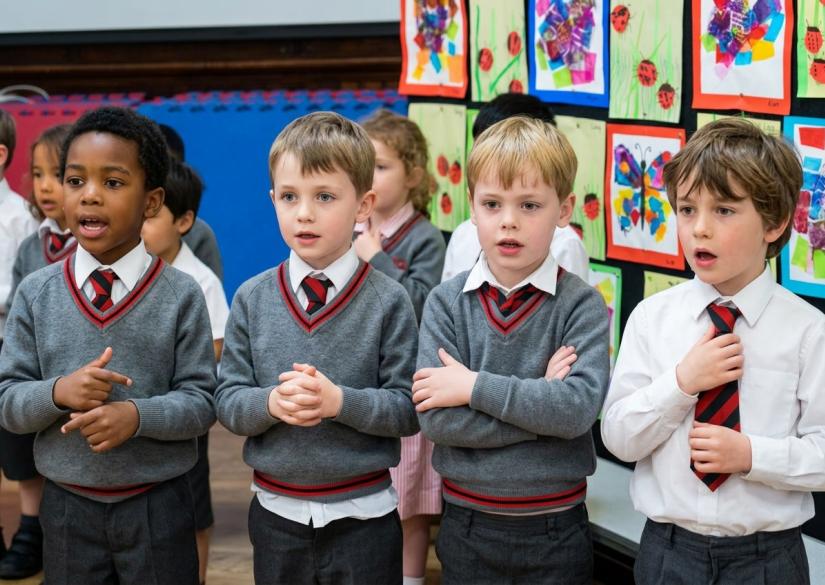
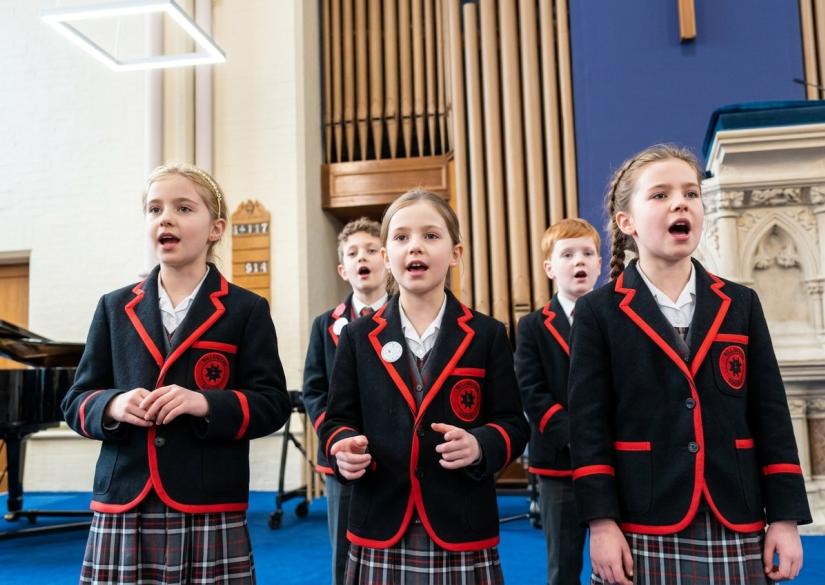
- Music — the specialist department boasts several studios where students learn to play musical instruments, sing in a choir and as soloists, and study music theory. Talented students join the choir or ensemble to participate in almost every school event throughout the year.
- Drama — this area is integrated into the curricula of most academic stages, allowing students to build self-confidence, overcome stage fright, and unlock their creative talents. Students rehearse world-famous productions in specialist studios and on the main stage, participate in external events, and compete for valuable scholarships.
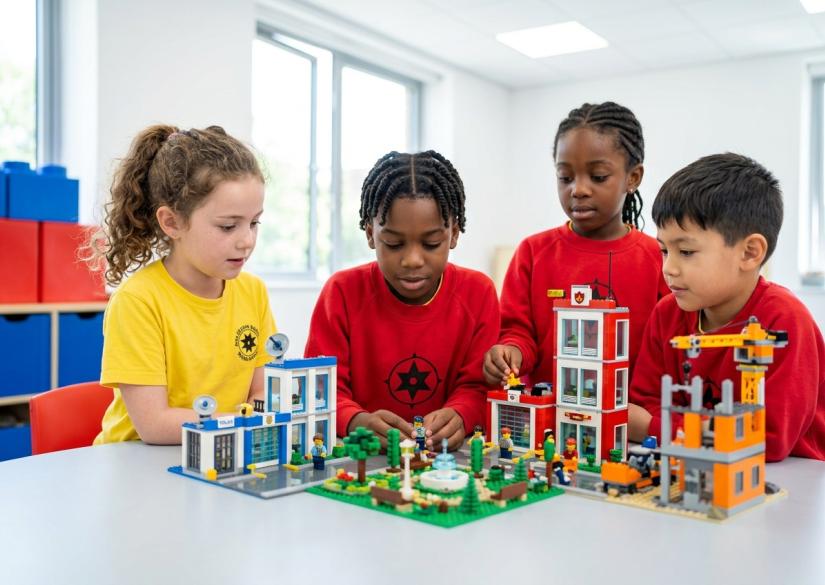
- Interest clubs — help students find like-minded peers and new hobbies. The list of available communities is extensive: from coding, a LEGO club, and chess to puzzles, cooking, and foreign languages.
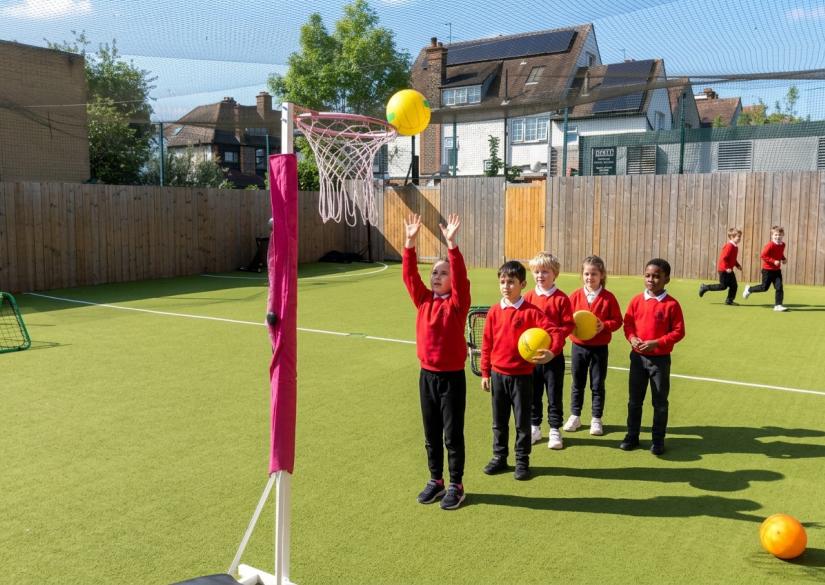
- Sport — the list of sections changes each season: in autumn students develop football and netball skills, in spring they play rugby and hockey, and in summer they take part in gymnastics and athletics.
Every year, residential trips are organised for students. By interacting with nature, children gain a deeper understanding of the academic theory of geography, history and natural sciences, learn safety rules, and enjoy outdoor recreation. In recent years, for example, students have visited places such as High Ashurst and Verona, taken walking tours in woodland areas, and gone on ski trips.
Advantages
- High ISI 2026 inspection rating,
- «A wonderful, friendly and unpretentious school» in The Good Schools Guide report,
- Many graduates receive scholarships and offers from the best schools in the UK,
- A rich extracurricular development programme including drama, music, sport, art and other activities,
- Small class sizes.
Facilities and equipment at Willington School
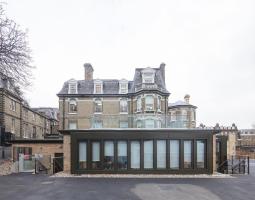
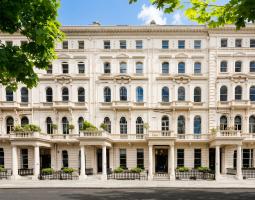
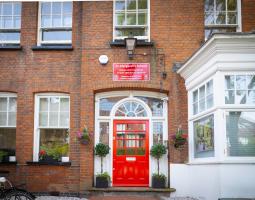
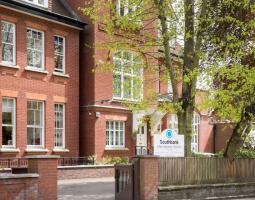
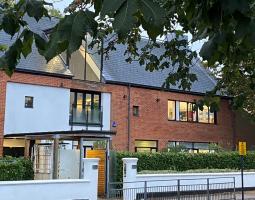
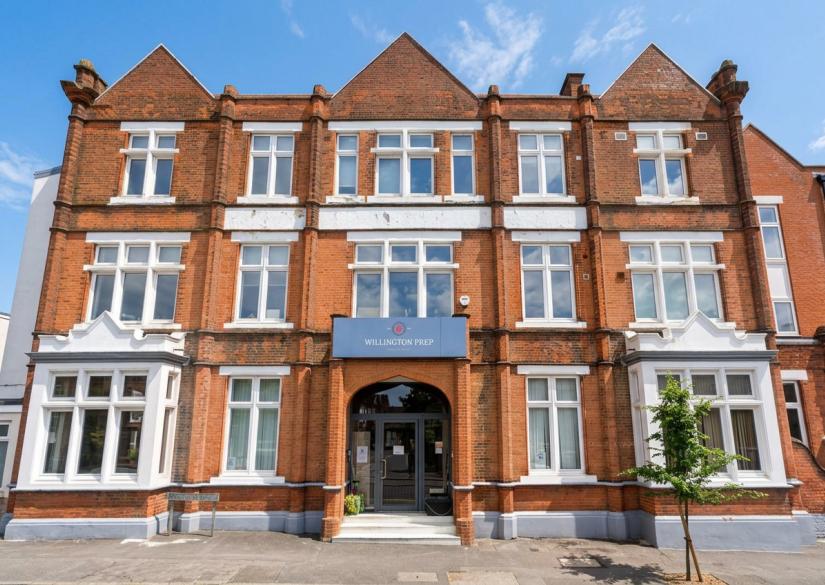
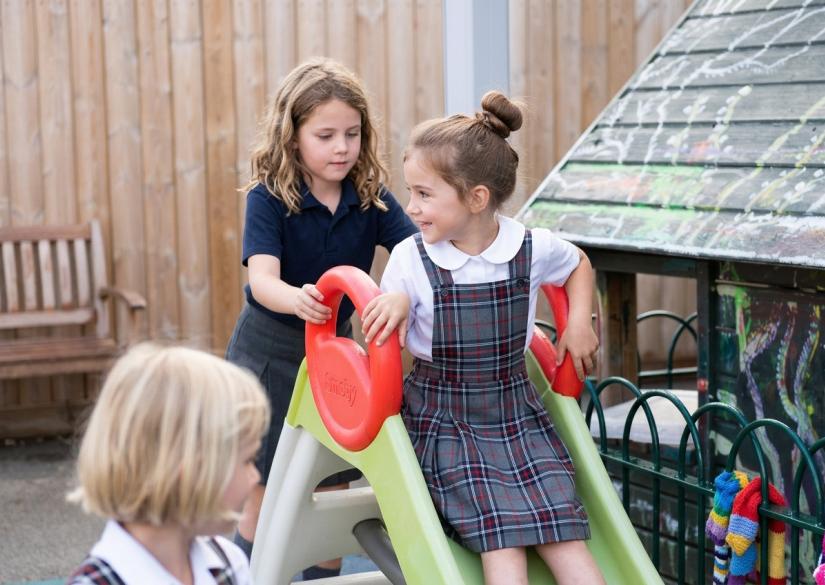
Willington School occupies several interconnected Victorian-era buildings located in the centre of Wimbledon, in south-west London. The main three-storey building consists of classrooms specialised for different age groups, and dedicated studios for creative arts, music, science practice, and individual lessons. Behind the main building is a walking area with soft astroturf, play complexes, and a climbing wall. The remaining space is occupied by auxiliary facilities: a performance hall, a dining hall, a medical block, and others.
A special place is the recently renovated LEGO room, located at the very heart of the campus: this classroom offers students the opportunity to explore the fundamentals of engineering, robotics, and creative problem-solving in an interactive environment — walls lined with LEGO bricks and flexible work surfaces allow them to design, test, and refine their ideas, developing fine motor skills and spatial thinking.
The school grounds are situated in a residential area, so the school does not have its own sports facilities — external indoor halls, open fields, and courts at Wimbledon Club and Wimbledon Common are rented for training and competitions.
Admission dates and extra charges
The academic year consists of trimesters:
- Autumn: August–December,
- Spring: January–March,
- Summer: April–July.
Classes are held Monday through Friday; some off-site activities are organized on weekends or public holidays when students are on break. The school day schedule, which includes after-school electives, varies depending on the age group:
- Kindergarten, preparatory group: 8:30 a.m.–04:00 p.m.,
- Grades 1–2: 8:20 a.m.–04:00 p.m.,
- Grades 3–6: 8:20 a.m.–05:00 p.m..
If needed, children may stay at school and attend the extended-day club — it operates from 7:30 a.m. to 06:00 p.m..
The list of additional expenses will include:
- Registration and administrative fees,
- Extended-day services (optional),
- Meals,
- Certain extracurricular activities,
- Specialized and individual classes,
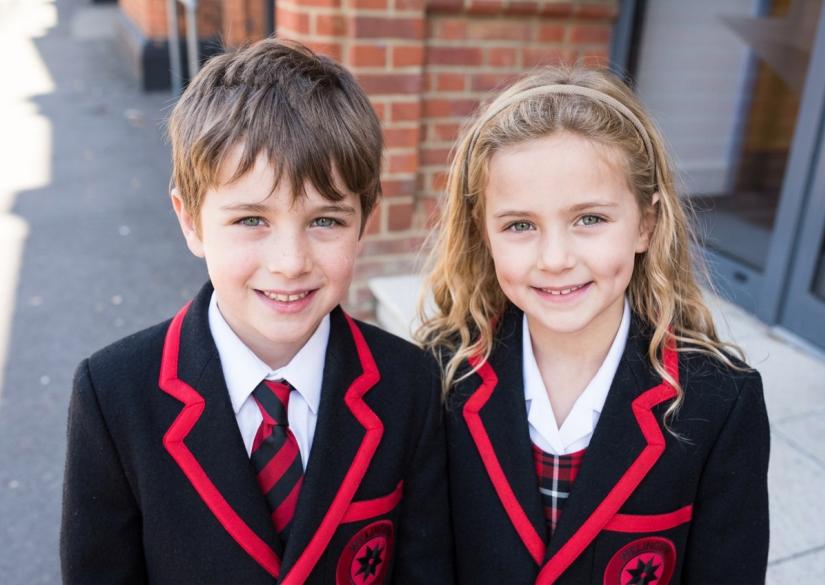
- Personal study materials, school uniform,
- Personal expenses.
Enrolment process
- Submission of application and required documents,
- Attending a trial school day with an informal interview,
- Receiving an invitation to enroll,
- Payment of fees and the deposit.
Perspectives
Thanks to effective academic preparation and comprehensive development both in class and during extracurricular time, graduates are admitted to leading schools in the country and abroad:
- Claremont Fan Court School,
- Reed's School,
- St John's College,
- Whitgift School,
- Kingston Grammar School,
- Ewell Castle School,
- Trinity School,
- King’s College London,
- Seaford College.
Many of the students are admitted on academic, sports, or music scholarships.
Entry requirements, how to apply, what is required to enrol
To apply to Willington School, international applicants need a passport, medical insurance and health certificates, a visa or UK residence permit. Depending on age, academic preparation requirements will vary: younger pupils should provide any reports from relevant specialists if any behavioral or learning differences have already been identified, and applicants to Years 1–4 must provide an academic report for the previous school year. During the admissions process, Willington School staff will contact the candidate's previous school to obtain a reference letter.
Scholarships Willington School
Willington School is ready to support families in difficult financial circumstances, offering them partial funding for their child's education. Also available to such families are 15 hours of free additional classes in the preschool department.
Institution on the map
Residence permits, citizenship and other services
- Guardianship services during the studies
- Student supervision
Review about Willington School
Recommendations on when to apply
| Language courses, schools and children's language camps | Primary and secondary education - private schools | Preparation programmes for entering universities - higher education | Higher education (after completing accredited programs A-level, IB, High School) - Bachelor, Master, MBA |
| - we recommend to apply 6-9 months before the start of the course (some camps and schools offer discounts for early booking or for lengthy study programs) - there are some very popular and high demand children's camps, where the applications need to be submitted 1 year in advance (in particular Switzerland , Great Britain , USA , Canada , Austria) | - we recommend to apply one year before the start of the training program, - some schools have a specific time frame (September-November - please specify an individual school) - some schools require tests in several stages (UKISET, internal tests of the school: English, mathematics, logics, subjects, interview, some require a personal visit) | - we recommend to apply one year before the start of the program, - for Foundation and Pathway programs, IELTS and TOEFL certificates are usually required, respectively | - recommended submission one year before the start of the program, - the deadline normally closes in January, for TOP HEIs and, as a rule, in March in other universities - for a bachelor, a Foundation or Pathway preparatory program a completed A-level, IB, High School + IELTS / TOEFL are required - for Masters you need a graduated higher education, in some cases you need a pre-Masters program - MBA requires completed higher education, work experience preferably at least 2-3 years, etc. |