For partners
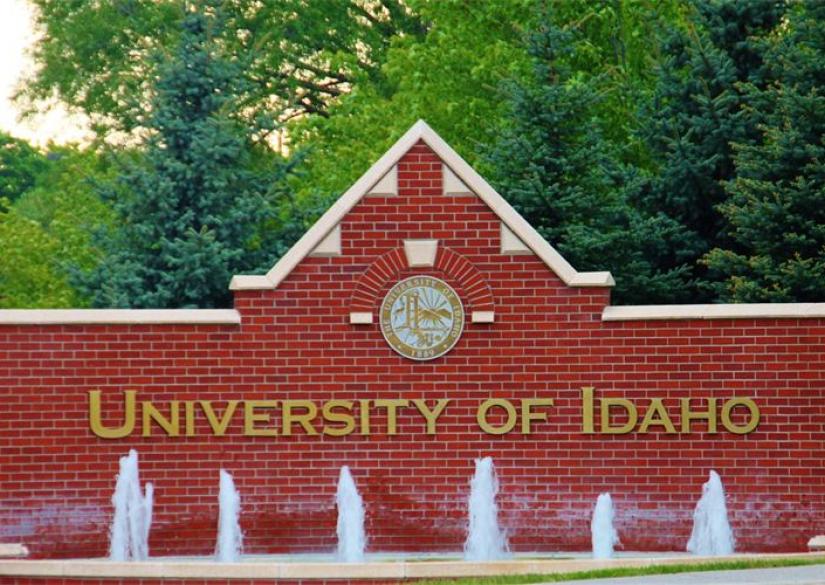
 University of Idaho



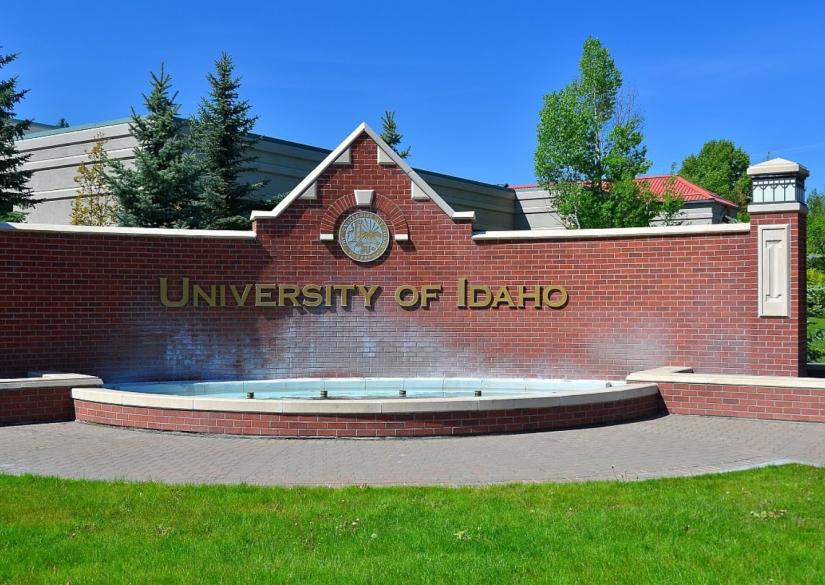
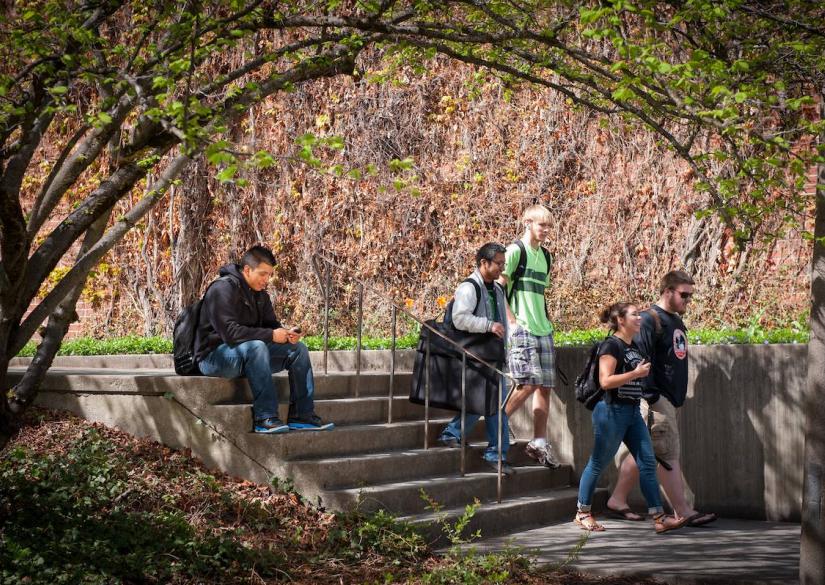

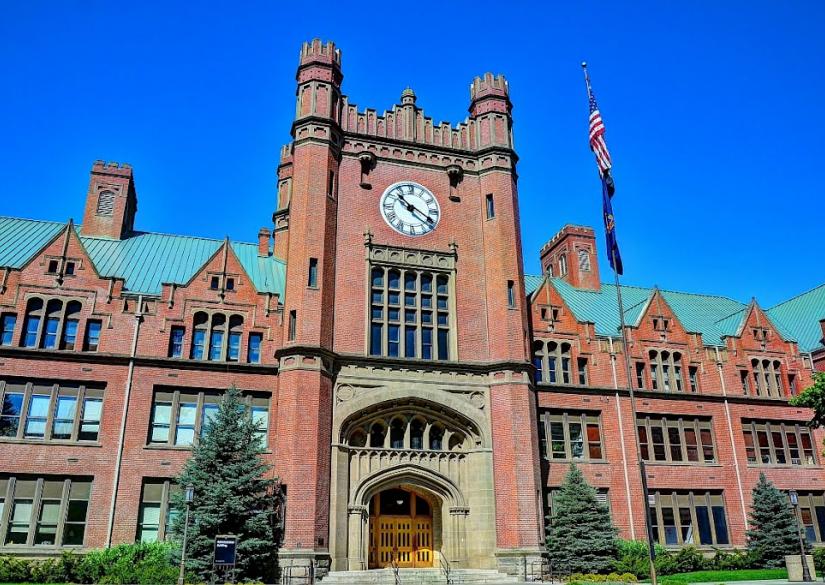


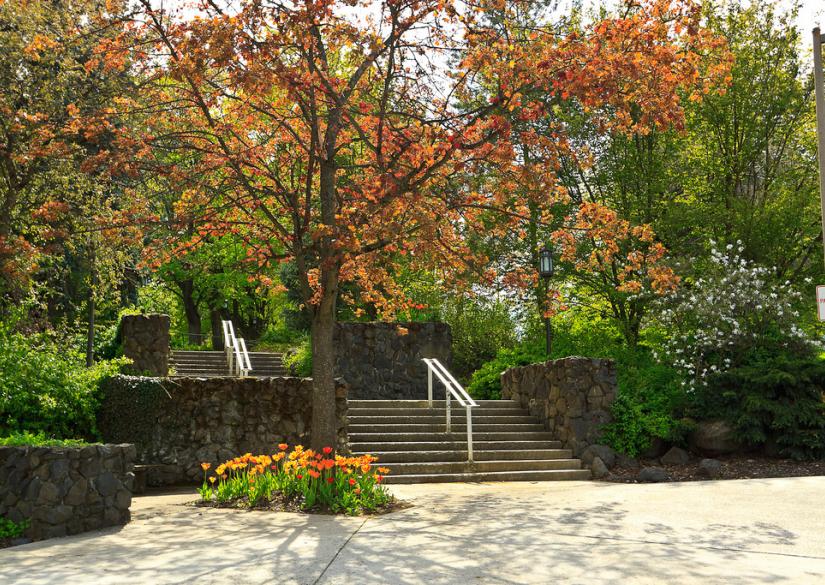



Programs and prices, tuition fees in University of Idaho


Master's Programs
- Age of students — from 21 years old,
- The studying period is one to two years.
More than 60 Master's degree programs are available at the University of Idaho, including:
- Agricultural education,
- Nuclear Engineering,
- Bioinformatics, computational biology,
- Theatrical art: directing,
- Landscape architecture,
- Neuroscience,
- Natural resources,
- Pedagogy of physical education, physical activity,
- Engineering Management,
- Political Science,
- Geological Engineering,
- Mechanical Engineering,
- Intellectual property, technology: commercial, business law,
- Statistics,
- Soil, land resources.
The studying lasts 1-2 academic years, consisting of lectures, research and project activities. Obtaining a master's degree will give students broader career opportunities, including the chance to pursue doctoral studies.
Academic English Courses
- Age of students – from 18 years old,
- The duration of studying is from 16 weeks.
The UofI Language Center offers an intensive English language course focused on supporting international students. The program has three levels of language proficiency: beginner, intermediate and advanced; Upon admission, applicants pass a test, according to the results of which they are divided into suitable groups.
The core of the course is to improve listening, speaking, reading and writing skills. Students will receive 18-21 hours of classes in small groups every week.
During the program, students earn academic credits that will be taken into account when they transition to an undergraduate program.
Bachelor's Degree Programs
- Age of students – from 18 years old,
- The duration of studying is three to four years.
Bachelor's programs will provide students with basic professional knowledge and skills, an understanding of career opportunities, and a strong base of academic abilities to continue their studies in a master's program.
The University of Idaho offers more than 100 undergraduate programs, including:
- Advertisement
- Broadcasting, Digital Media,
- Child development,
- Agricultural Science, Communication, Leadership,
- Earth, Space,
- Environmental Design,
- Animal husbandry, veterinary medicine: production,
- Biochemistry
- Civil engineering
- Water Sciences, Management,
- Geological Engineering,
- History of Music,
- Virtual technologies, design,
- Accounting
- Sociology: inequality, globalization.
Doctoral Programs
- Age of students – from 23 years old,
- The duration of studying is from three years.
Doctoral degrees at UofI can be obtained in a variety of specializations:
- Education
- Sports training,
- Environmental Sciences,
- Engineering
- Informatics
- Nuclear Engineering,
- Microbiology, Molecular Biology, Biochemistry,
- Physics
- Biological Engineering,
- Neuroscience
- Chemistry
- Chemical Engineering,
- Geography
- Entomology
- Plant science and others.
The curriculum is based on research activities and thesis writing, which takes 3+ academic years. Students work under the guidance of researchers, subject teachers.
Description of University of Idaho
- Location: Four campuses in Idaho, USA,
- Year of foundation: 1889,
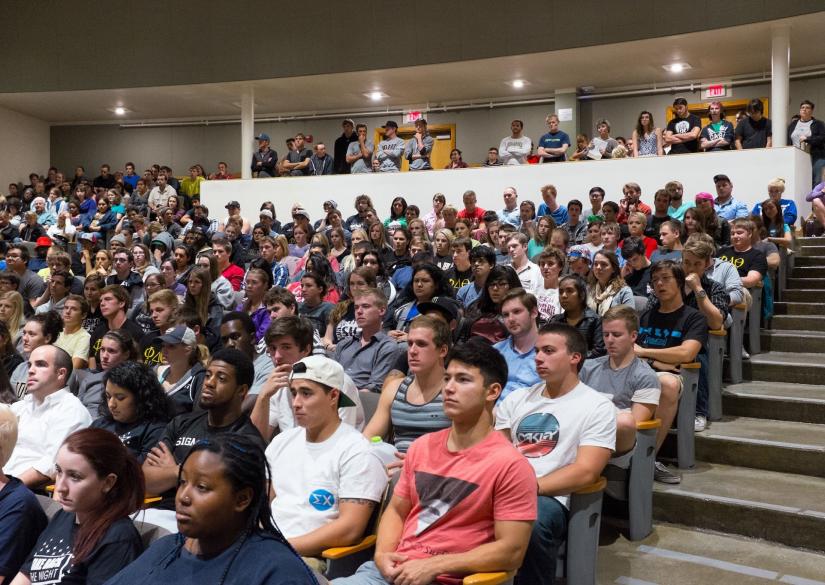
- Number of students: about 12,200,
- Language of instruction: English,
- Type of studying: mixed.
The University of Idaho (UofI) is Idaho's oldest public research university, currently offering more than 100 bachelor's, master's, and doctoral degrees.
The history of UofI began in 1889 with the signing by the governor of the order on the establishment of the Institute of land grants. It opened three years later, then for more than 70 years it was the only higher education institution in the state. Currently, UofI annually prepares about 12,200 future specialists in various fields, offering them modern learning conditions and a wide range of opportunities for the development of ideas and abilities. Taking places in national and international rankings, the American university leads the lists of research organizations and has partnerships with institutions in the United States and abroad.
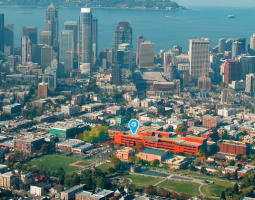
UofI teaches programs on several campuses in the state of Idaho, the main educational area is located in the small town of Moscow.

What advice would you give to students aiming for top U.S. universities, with 3-4 years to prepare?
This period is perfect for assessing capabilities and exploring options of universities. Focus on achieving high grades and improving English proficiency. Strong English skills enhance your learning experience, and good grades can lead to scholarships or honors college admissions.
Educational process
Students receive comprehensive support from the specialists of the academic department, who organize additional classes in subjects, adapt the curriculum to the needs of the student, and help expand career opportunities.
Faculties and colleges
The University of Idaho has several specialized colleges offering higher education programs in the following areas:
- Agriculture, Life Sciences,
- Business, Economics,
- Art, architecture,
- Education, Health, Humanities,
- Engineering
- Jurisprudence
- Writing, art, social sciences,
- Science
- Natural resources,
- Postgraduate study.
Scientific achievements
The university is classified R1, being the only institution of higher education with high research activity in the state of Idaho. Every year, researchers from UofI's specialized centers implement dozens of projects, focusing on progress in the fields of health, sustainable development, agriculture, technology, and the arts.
Accommodation, meals, prices
UofI students, especially first-year students, usually choose to stay in one of the university's residences due to their proximity to academic buildings, the high level of comfort of the buildings, and the comprehensive round-the-clock support of responsible staff.
- Theophilus Tower is an 11-storey building equipped to accommodate about 350 students. They are accommodated in double rooms, have access to shared bathrooms, laundry rooms, game rooms, living rooms and other rooms.,
- The Wallace Residence Center is a large residence with several wings, designed to accommodate 800 students. It offers single and double rooms with private bathrooms, plenty of rooms for relaxation and self-study.,
- McConnell Residence Hall is a three—storey residence with superior single rooms and shared bathrooms,
- Living Learning Communities (LLC) has eight buildings for 550 students who want to meet with friends more often and devote their free time to organizing events and participating in thematic community events. The buildings are equipped with single and double bedrooms with private bathrooms, common areas for leisure, self-study,
- North Campus Communities — single and double rooms with private bathrooms in a residence offering a slightly greater degree of independent living than other residential buildings of the university. Here, students can arrange meals on their own or use the plans they have already made.
In addition to standard rooms, students can stay in apartments offered in three buildings: Elmwood, South Hill, South Hill Vista. Studio apartments and loft apartments are equipped with all necessary furniture, include small kitchens with household appliances and bathrooms. This housing option is most often chosen by senior students and students who have arrived to study with their family.
An extensive range of cafeterias and dining halls located on the university's academic grounds offer shared meal plans. The meal plan helps students take care of meals in advance by choosing the most appropriate number of meals, drinks, and snacks for the week. In addition to the lunches, the plan will include dollars to receive discounts at campus stores.
Subjects, specialties
Activities University of Idaho
Over 200 student organizations, clubs, sections and communities of interest are constantly working on the campus. It is worth noting the regular annual International Jazz Festival, which gathers the best performers of the USA and the world, as well as a large number of national organizations:
- African students;
- Students of Brazil;
- Students of China;
- International Students' Club;
- Iranian students;
- Japanese Student Association;
- Muslim Students Association;
- Nepal Students;
- Mexican Students Association;
- The Association of Students of Saudi Arabia.
Sports teams and national teams participate in NCAA Division I in 16 sports, including men's and women's competitions. Among the most popular sports you can find:
- Rock Climbing;
- Cycling;
- Hockey;
- Lacrosse;
- Rugby;
- Cross country skiing;
- Basketball;
- Football;
- Golf;
- Swimming and diving;
- Tennis;
- Sports and Entertainment;
- Volleyball;
- Running and trekking (in the hall and outdoors).
Nature tours, hikes and eco-tours are constantly held: for example, mountain biking in Owyhee Mountains and Q'emlin Park, rafting on Potlatch River, climbing the snow-covered Moscow Mountain.
Advantages
- No. 1 among the best public universities in the West in terms of price-quality ratio,
- 7% of the total number of students are foreign nationals,
- The ratio of students to teachers is 18:1,
- More than 100 higher education specializations,
- Classification R1: "High research activity",
- High environmental responsibility according to the Princeton Review,
- There are many extracurricular areas for talent development, while studying in the USA.
Facilities and equipment at University of Idaho
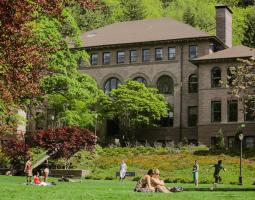
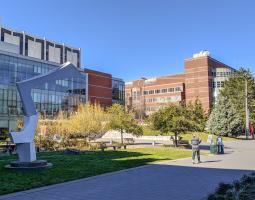
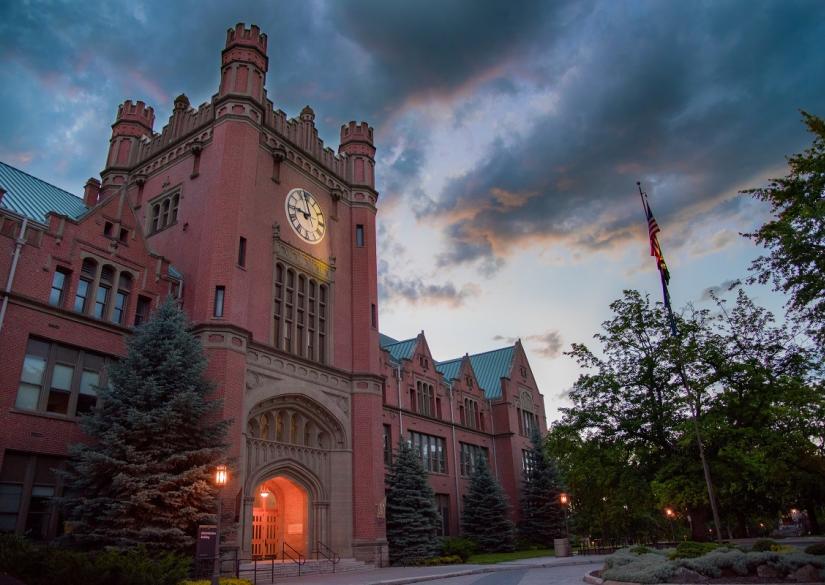
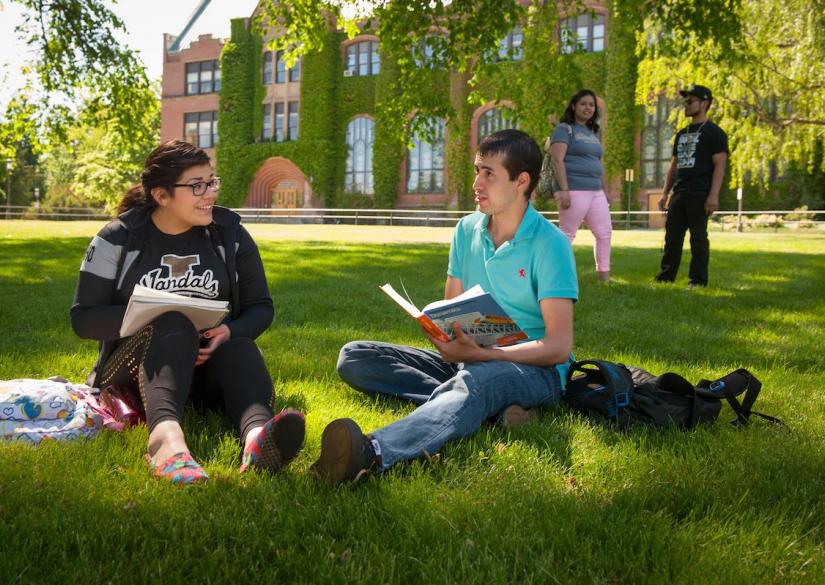
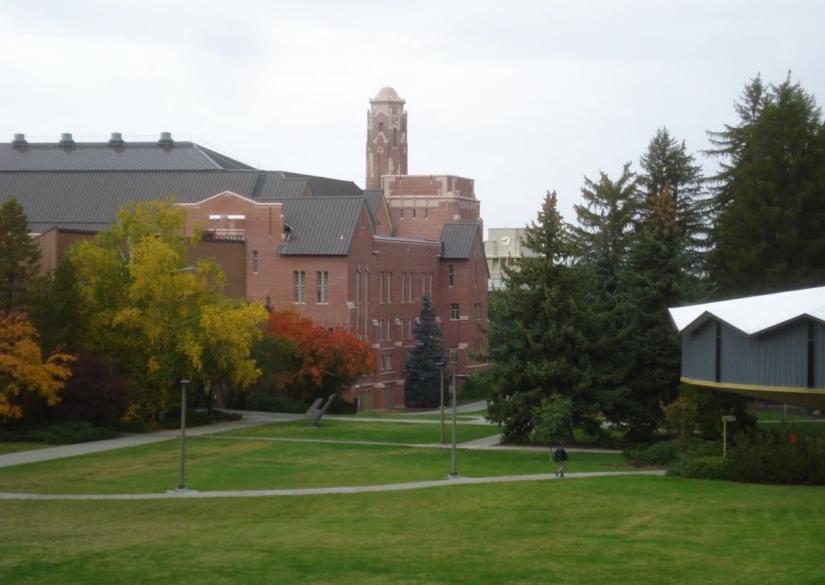
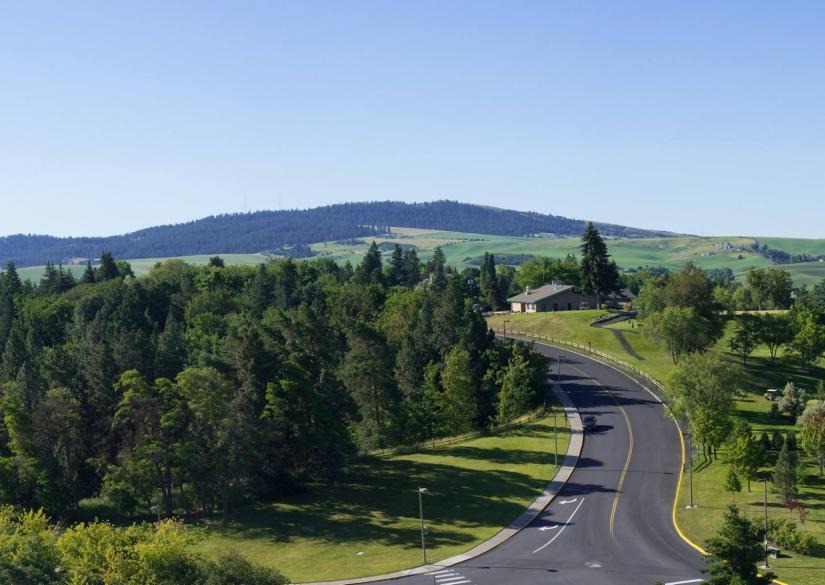
UofI has several studying areas, located in Moscow, Boise, Coeur d'Alene, Idaho Falls. The main campus in Moscow has been awarded the title of the most beautiful academic college infrastructure in the state due to the architecture of the buildings and the extensive green area. The campus covers an area of more than 1,500 acres, includes about 280 buildings, sports facilities and walking areas. Classes are held in classrooms and specialized laboratories, studios, computer rooms and a large-scale library.
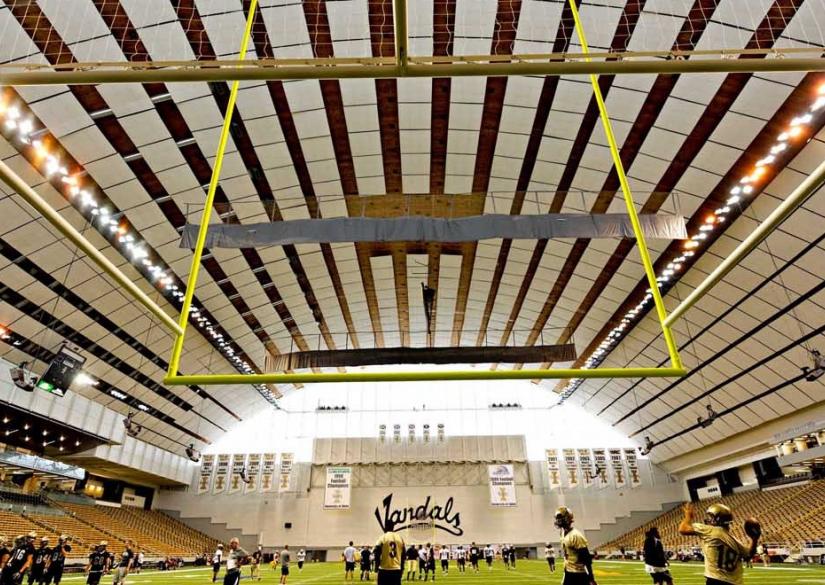
Since sports occupy an important place in the extracurricular life of students, they are prepared for team and pair training.:
- Rock Climbing Center,
- A complex of naturally paved fields that can be divided and equipped for various sports,
- Tennis courts,
- Gym,
- Swimming center with several pools,
- Indoor sports center with training rooms, gym, dance studios,
- Golf course.
The campus' distinctive facilities include an arboretum with many plant species from around the world, about 860 acres of farms, and more than a mile of walking paths. Other educational areas are not inferior to the main campus in the quality of equipment and modern classroom equipment, specialized facilities.
Admission dates and extra charges
The academic calendar of the university includes two semesters:
- Autumn: August-December,
- Spring: January-May.
In the winter and summer months, students can expect session weeks. Classes throughout the year are held on weekdays, and rest is provided on weekends and holidays.
An approximate list of additional expenses includes:
- Registration fees,
- Accommodation, meals,
- Private lessons,
- Personal studying materials, uniforms if necessary,
- Contributions to student clubs, payment for some extracurricular activities,
- Transportation services,
- Medical insurance,
- Personal expenses.
Enrolment process
The admission process includes several stages:
- Filling out an online application form, providing documents,
- Payment of the registration fee,
- Interview
- Receiving an official invitation to enroll,
- Making a deposit to book a place in the residence,
- Arrive on campus at the beginning of the semester.
Perspectives
UofI graduates find a job or start their own business almost immediately after completing their studies: among the specialists previously studied at the university are prominent businessmen, company presidents, scientists, lawyers and senators.
Entry requirements, how to apply, what is required to enrol
Foreign applicants must have a passport, medical insurance, visa or residence permit.
Admission criteria for Bachelor's degree programs are:
- Certificate of full secondary education with an average score of 2.5 out of 4,
- Exam results, assessment reports,
- Language test results: TOEFL (from 70), Duolingo (from 100), IELTS (from 6.0) or university-recognized equivalent.
To enroll in Master's degree programs, you must provide:
- Bachelor's degree with a minimum score of 3.0 out of 4,
- Language test results: TOEFL (from 79), IELTS (from 6.5) or equivalent.
Some degrees have special profile requirements, and they may request letters of recommendation or work experience.
Scholarships University of Idaho
The university has various scholarship programs: traditionally, individual financial assistance is provided to students who demonstrate excellent results in education, sports, creative or charitable activities. Usually, the amount of scholarship aid is $ 5,000, but other options are possible that cover the high cost of tuition – the total amount of scholarships awarded in recent years has exceeded $ 25 million.
Literature and references
-
University of Idaho — Wiki

-
University of Idaho - Profile, Rankings and Data — U.S. News & World Report
-
University of Idaho — Niche
-
University of Idaho : Rankings, Fees & Courses Details — Top Universities
-
University of Idaho — Forbes
-
University of Idaho — World University Rankings THE
-
University of Idaho - Research, Education, Land-Grant — Britannica
Institution on the map
Residence permits, citizenship and other services
- Guardianship services during the studies
- Student supervision
Review about University of Idaho
Recommendations on when to apply
| Language courses, schools and children's language camps | Primary and secondary education - private schools | Preparation programmes for entering universities - higher education | Higher education (after completing accredited programs A-level, IB, High School) - Bachelor, Master, MBA |
| - we recommend to apply 6-9 months before the start of the course (some camps and schools offer discounts for early booking or for lengthy study programs) - there are some very popular and high demand children's camps, where the applications need to be submitted 1 year in advance (in particular Switzerland , Great Britain , USA , Canada , Austria) | - we recommend to apply one year before the start of the training program, - some schools have a specific time frame (September-November - please specify an individual school) - some schools require tests in several stages (UKISET, internal tests of the school: English, mathematics, logics, subjects, interview, some require a personal visit) | - we recommend to apply one year before the start of the program, - for Foundation and Pathway programs, IELTS and TOEFL certificates are usually required, respectively | - recommended submission one year before the start of the program, - the deadline normally closes in January, for TOP HEIs and, as a rule, in March in other universities - for a bachelor, a Foundation or Pathway preparatory program a completed A-level, IB, High School + IELTS / TOEFL are required - for Masters you need a graduated higher education, in some cases you need a pre-Masters program - MBA requires completed higher education, work experience preferably at least 2-3 years, etc. |