Gonzaga University

















Programs and prices, tuition fees in Gonzaga University


Bachelor's Degree Programs
- Age of students — from 18 years old,
- The studying period is three to four years.
There are hundreds of specializations available at the university, each of which can be selected as a main or additional one. Offering flexibility in curriculum development, Gonzaga University provides students with high-quality knowledge and skills for further career growth.
Some of the popular undergraduate majors are:
- Arabic language, culture,
- Accounting,
- Art History,
- Broadcast journalism,
- Biochemistry,
- Catholic Studies,
- Classical civilizations,
- Computer Science,
- Criminology,
- Conducting.
Master's Degree Programs
- Age of students — from 21 years old,
- The studying period is one to two years.
Master's degree programs will provide students with deeper knowledge and understanding of their chosen specialization: for one to two years, they will focus on internships, participation in research and project work, and communication with leading industry experts.
Students can choose from dozens of programs, including:
- Accounting,
- Business analytics,
- Clinical Mental Health Counseling,
- Communications, leadership,
- Data Science,
- Leadership in education,
- Engineering Management,
- Nursing,
- Philosophy.
Doctoral Program
- Age of students — from 23 years old,
- Duration of study — from three years.
Students studying in one of the doctoral programs acquire professional skills of the highest quality. Upon completing their studies, they can teach and prepare others, take a high position, and expand career prospects.
The following doctoral specializations are popular at the university:
- Educational Leadership,
- Legal Sciences,
- Philosophy: leadership studies,
- Anesthesiology,
- Nursing,
- School Psychology.
ESL Program
- Age of students — from 18 years old,
- Duration of study — from one semester.
The ESL program provides language support to international students wishing to obtain a degree at Gonzaga University. Its curriculum distributes students into five levels of English proficiency — from beginner to advanced, and then offers an intensive schedule with small group classes, additional excursions and events. A student can choose the intensity of study — the number of weekly classes, thus tailoring the program to their goals and abilities.
In class, students will focus on improving their reading, writing, speaking and listening skills. Through constant communication with native speakers, they will adapt to the English-speaking environment faster, expand their vocabulary and improve their level, gradually preparing for a transition to higher education programs.
Description of Gonzaga University
- Location: Spokane, Washington, USA,
- Year of foundation: 1887,
- Number of students: about 7,470,
- Language of instruction: English,
- Type of study: mixed.
Gonzaga University is a private multidisciplinary university offering hundreds of basic and additional bachelor's degrees, dozens of master's and doctoral programs.
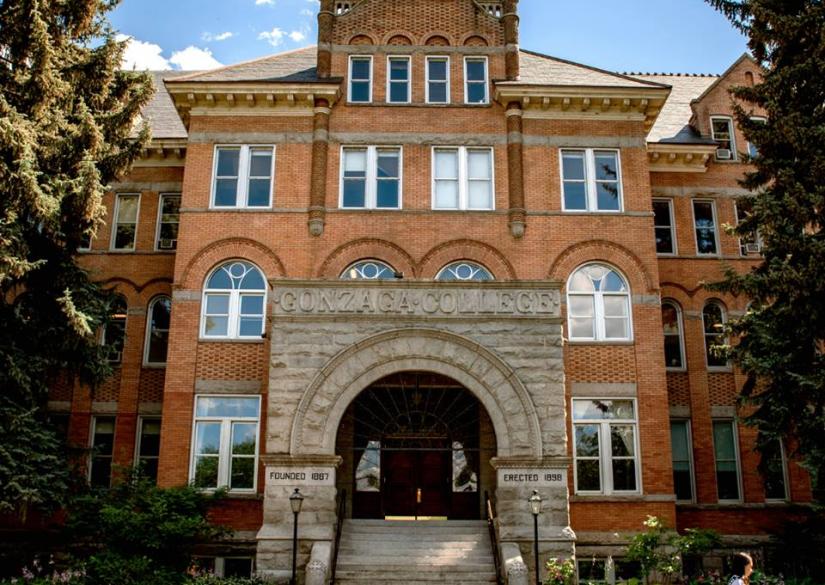
The educational institution was opened by Priest Joseph Cataldo in 1887, and was named after the Holy Jesuit Aloysius Gonzaga. Having been conducting educational activities for more than 130 years, the US university tries to meet modern trends in higher education and offers excellent conditions for both study and personal development. Gonzaga University is a relatively small institution, thanks to which students are in a "homely" atmosphere, receive comprehensive support and additional opportunities from teachers and specialized staff. Today, about 7,470 students are studying here, some of whom are foreigners.
Despite its small size, Gonzaga University competes with the country's leading institutions in national and international rankings. The distinguishing features here are the excellent academic performance of students and the percentage of their employment after graduation, the quality of teaching, personalized attitude towards students and extensive opportunities for extracurricular development of students' strengths.
Educational process
The learning process is complemented by a multitude of extracurricular opportunities and support forms: career counseling, internship or volunteer placement assistance, curriculum adaptation to individual needs, mentoring, and much more. Specialized departments of Gonzaga University are available to everyone, offering comprehensive assistance in resolving any issues.
Faculties and colleges
Teaching is conducted at six schools and faculties in the following areas:
- Business Administration,
- Arts and Sciences,
- Education,
- Engineering, Applied Sciences,
- Medical Sciences,
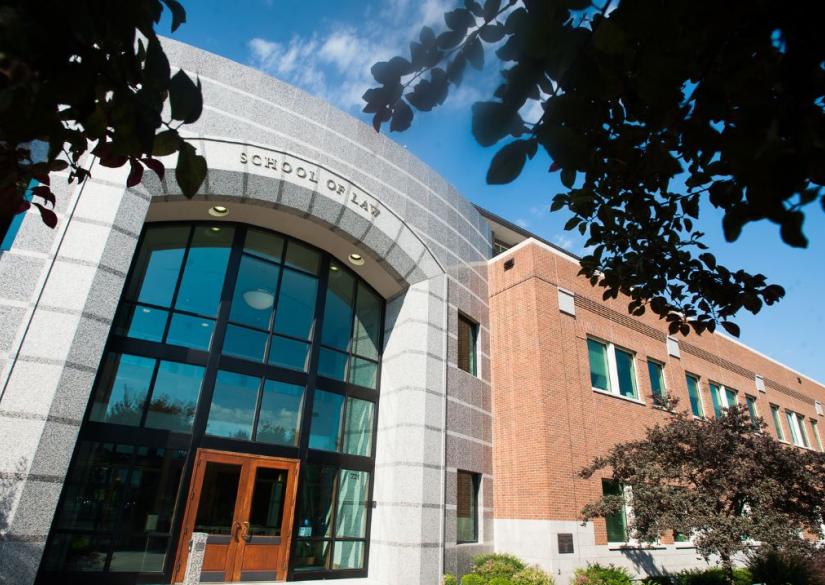
- Law.
Gonzaga University also operates a school of leadership studies and, under its guidance, a satellite campus in Florence.
Scientific achievements
- In the 2026 U.S. News rankings, Gonzaga ranked 17th in the country for undergraduate teaching quality,
- in the service learning category, the university ranked 15th in the country,
- undergraduate engineering programs in the category of universities without doctoral programs ranked 21st,
- the civil engineering program in the same category ranked 14th,
- the Gonzaga alumni network ranks 13th in the Princeton Review rankings.
Accommodation, meals, prices
Gonzaga University students can choose the type of on-campus housing that best suits them: traditional, apartment-style, or suite. The Housing Department staff offers assistance in finding off-campus housing.
- Ten traditional residences — double bedrooms are located on both sides of the corridor and are fully furnished. There are shared bathrooms and kitchens on the floors, and a laundry room, recreation areas and other common spaces on the basement floor. Some residences allow men and women to live together in the building, while others specialize in one gender.
- Eight luxury complexes — small houses with two- or three-bedroom apartments: two bedrooms, each equipped for two residents, are combined by a shared bathroom. There are shared kitchens, recreation areas and laundry rooms on the floors.
- Four apartment complexes — each apartment includes mainly 2-3 separate single bedrooms, a shared bathroom for residents, a kitchen and a living area. The buildings have laundry rooms, cafeterias, lounges and other common areas.
More than ten dining halls and cafeterias operate on the territory of Gonzaga University, offering a diverse menu with national and international cuisine. Students living on campus purchase a meal plan that can be used at any of the establishments — it includes a certain number of meals per week and additional points for purchases in university stores. The meal plan allows you to choose any dishes, including vegetarian, gluten-free, vegan, and halal options.
Activities Gonzaga University
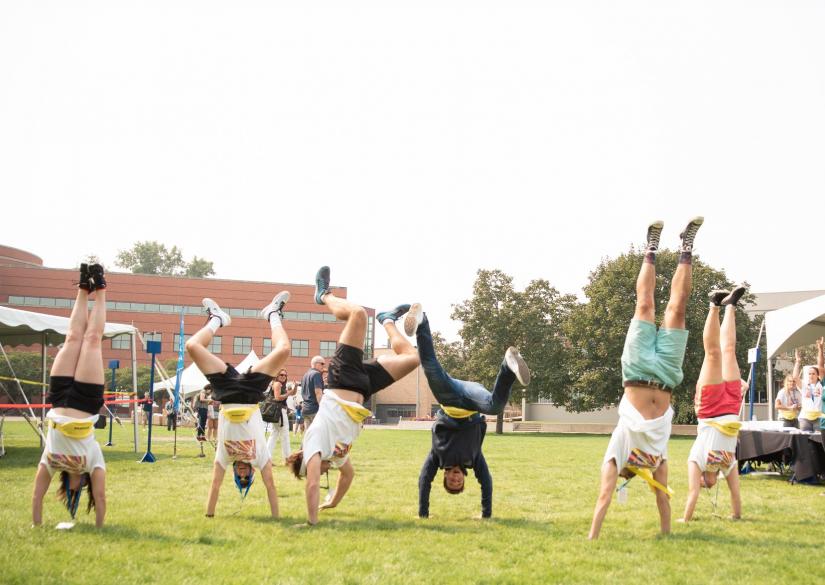
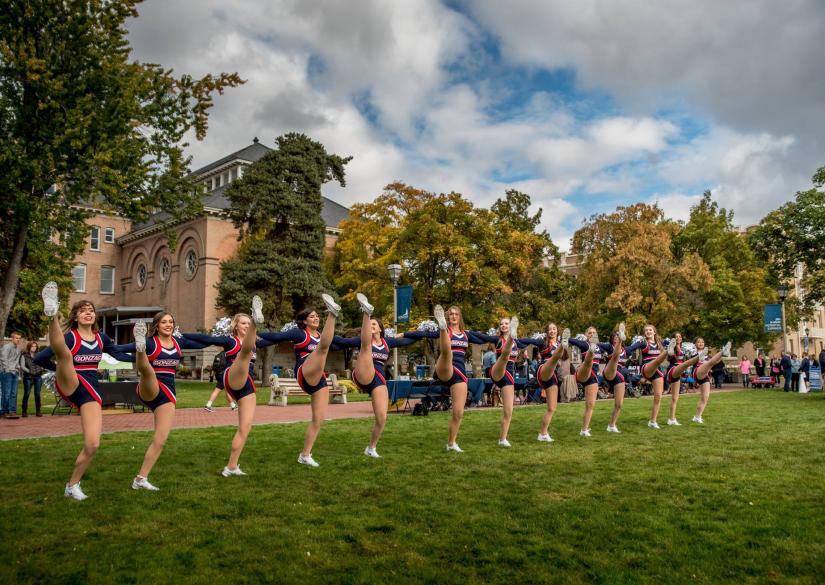
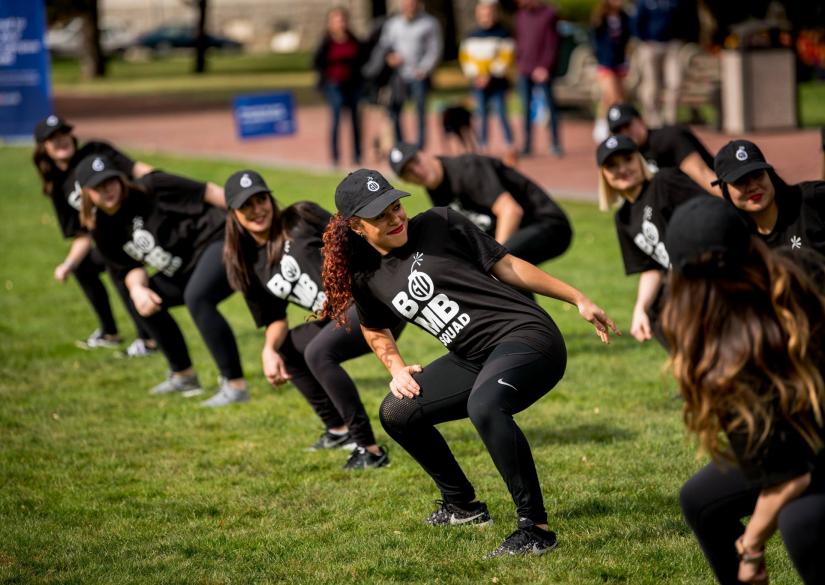
Outside of academic studies at Gonzaga University, student life is bustling: students attend sports practices for team/paired sports, participate in performing and visual arts clubs, organize public events, and take part in internships.
Art is presented in several large-scale areas:
- Visual Arts — students study in specialized studios and on open areas of the campus, focusing on their artistic and design abilities. Their works are periodically exhibited in two museums at Gonzaga University alongside permanent collections,
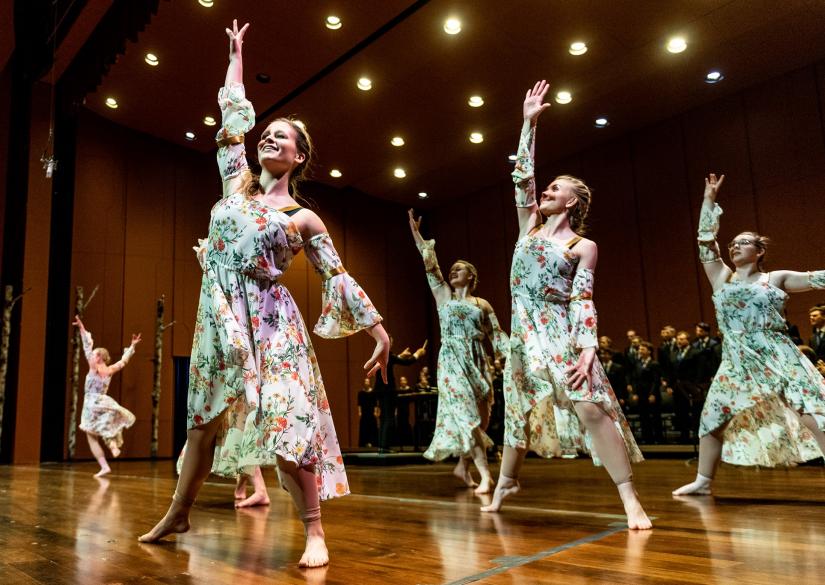
- Performing Arts — specialized music instrument playing studios, vocal training facilities, orchestral performance spaces, and various types of dance can be found on campus. Most university events do not go without a symphony orchestra and individual soloists, participation of leading performers, dancers, and comedians.
During the year, students attend regular team sports training sessions, individual classes in the gym and swimming pool. Depending on their wishes and goals, they are offered competitive and amateur sports. Among the competitive ones:
- Baseball,
- Basketball,
- Rowing,
- Football,
- Tennis,
- Athletics,
- Volleyball,
- Golf.
These and more than 25 other areas can be visited without participating in competitions — just to maintain an active lifestyle and physical health.
Advantages
- Member of the Association of Jesuit Colleges and Universities of the USA,
- No. 48 in the list of the most innovative universities according to US News&World Report 2026,
- One of the 390 best colleges in the USA according to the Princeton Review 2026,
- The ratio of students to teachers is 12:1,
- The average size of the study group is 22 students.,
- 86% of students complete their studies on time (while the national average for this category is 65%),
- 95% of graduates successfully find a job or continue their studies, and 98% of students receive financial support.
Facilities and equipment at Gonzaga University
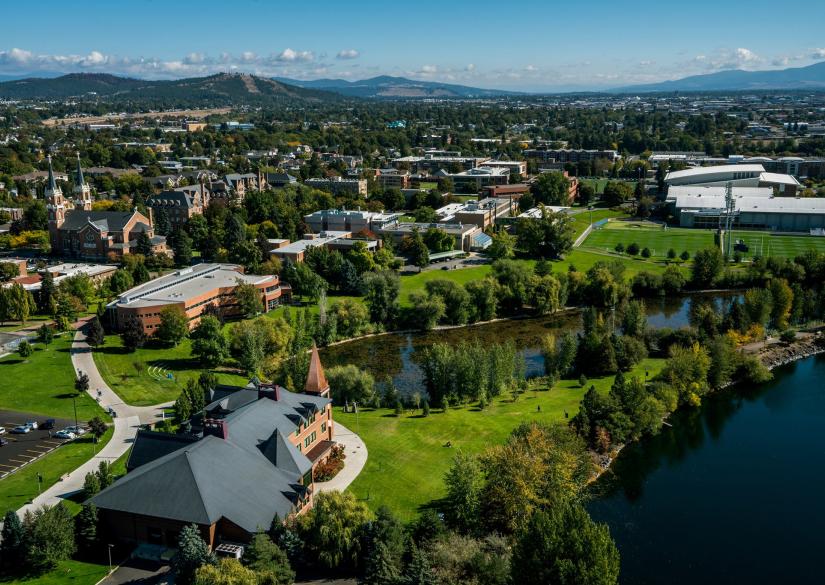
Gonzaga University's academic area is located in Spokane, a city ranked among the best for living in the United States. The region boasts an abundance of social events, natural beauty, and good transportation infrastructure for exploring any region of the country.
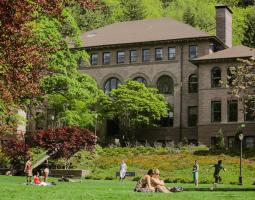
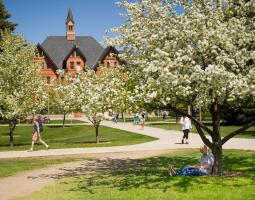
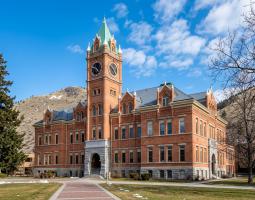
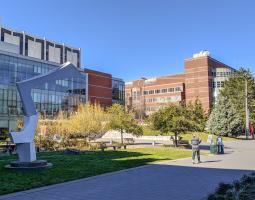
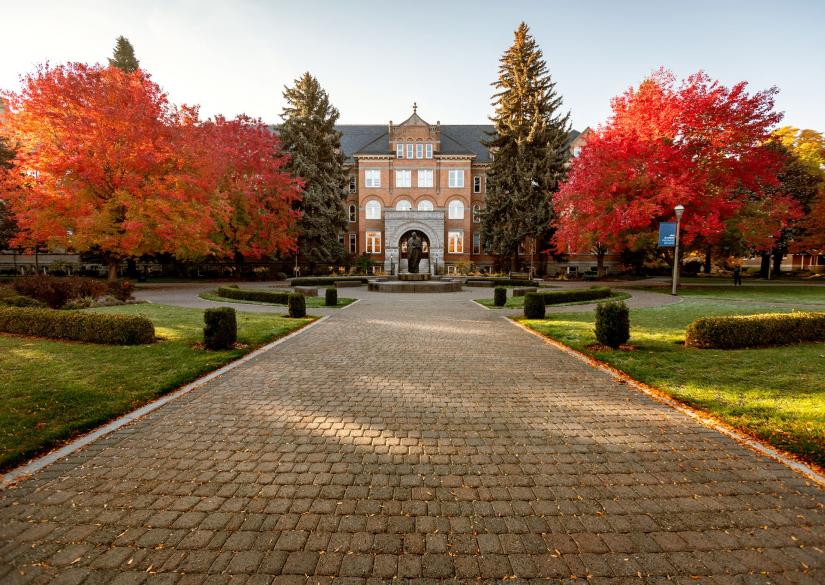
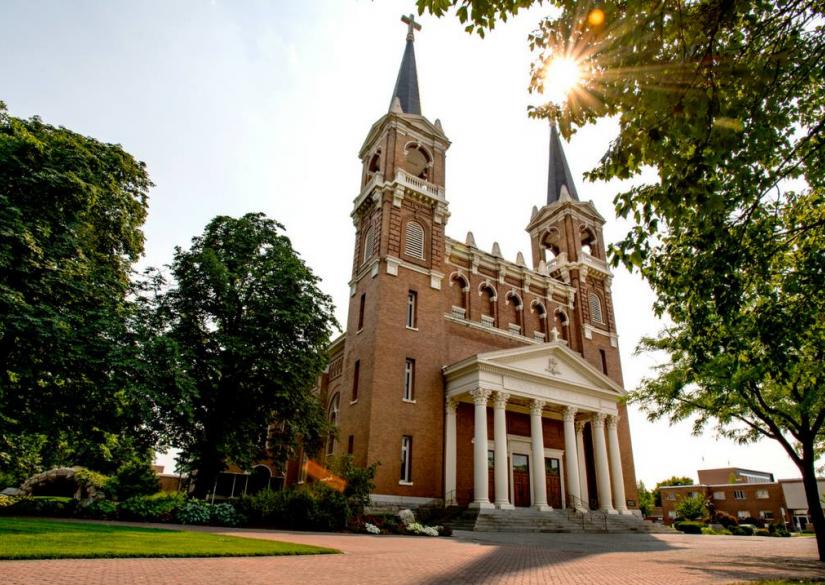
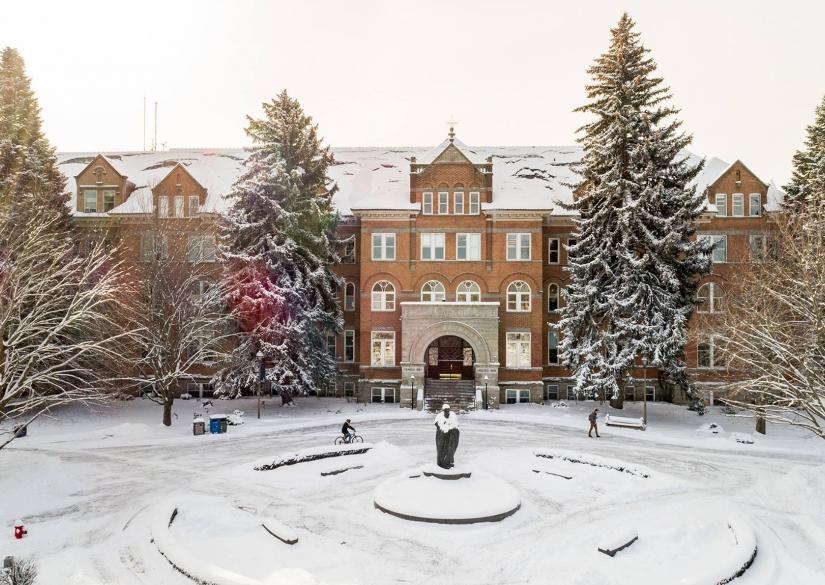
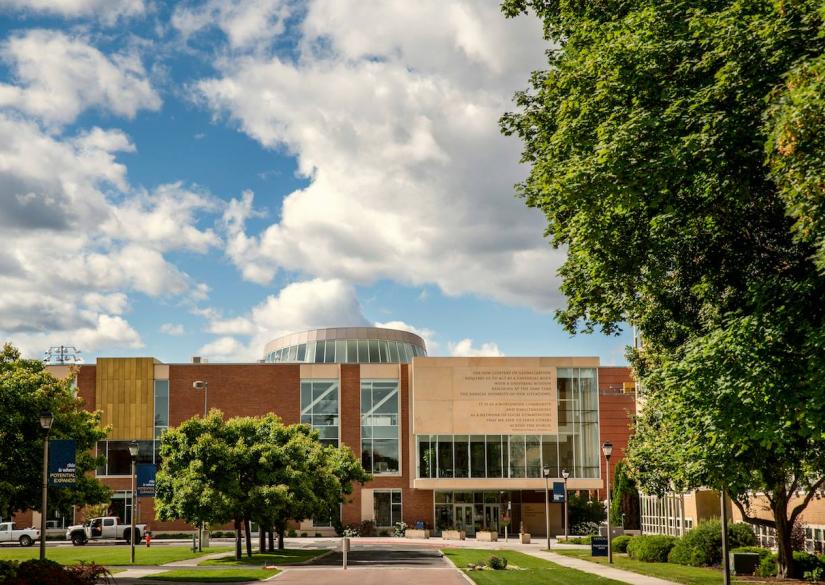
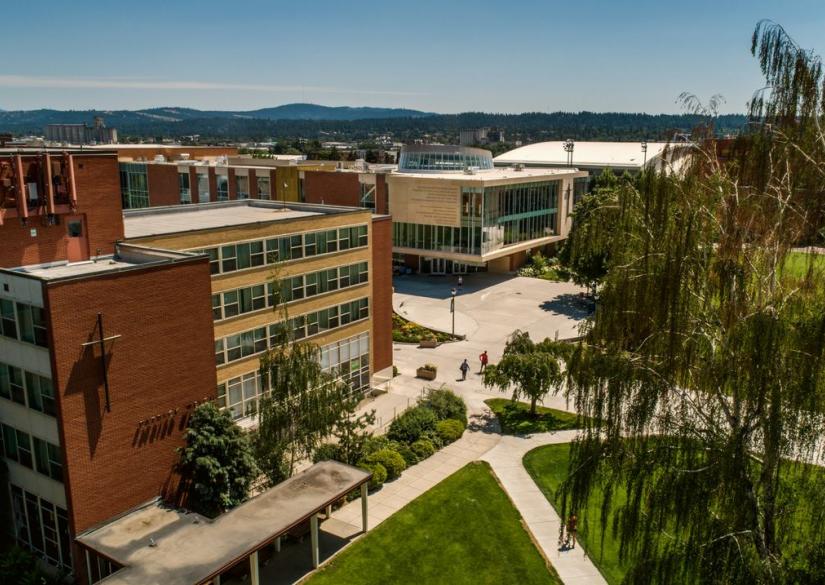
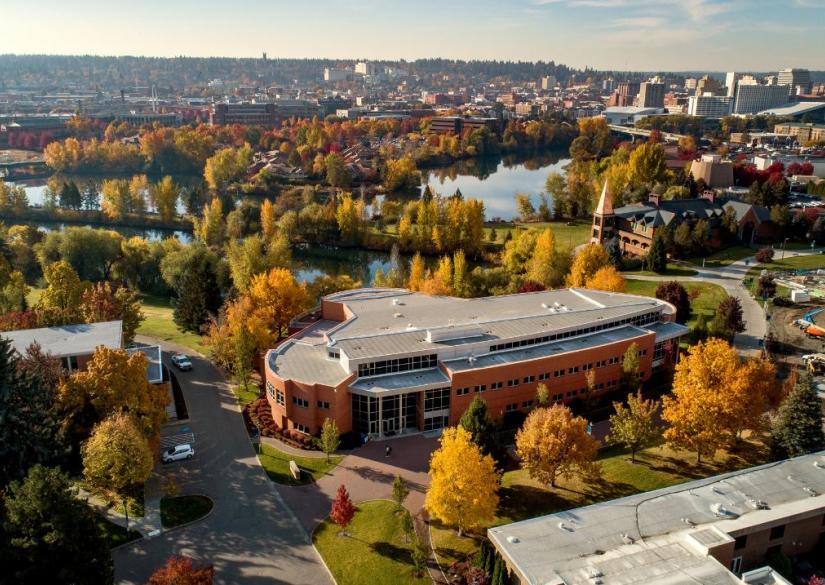
The 152-acre campus includes over a hundred administrative, residential, academic, and specialty buildings. Meeting modern requirements in the field of higher education, Gonzaga University provides students with the best equipment and technologies to obtain knowledge, participate in research, and develop their interests in sports, creativity, and social life. The buildings include lecture halls of both small and large format, research and computer laboratories, music and fine art studios, performance halls and much more. The university boasts its own church, a large sports center and an art museum.
Admission dates and extra charges
The academic calendar includes two semesters and a summer session:
- Autumn: August-December,
- Spring: January-May,
- Summer session: May-August.
Throughout the year, classes are conducted on weekdays, and recreation for most students is organized on weekends and holidays, during seasonal vacations.
The list of additional expenses will include:
- Registration and administrative fees,
- Accommodation, meal plan and related housing costs,
- Some extracurricular activities,
- Medical insurance,
- Books, consumables,
- Additional academic opportunities not included in the curriculum,
- Personal expenses.
Enrolment process
The admissions committee expects a completed application, the required documents and paid registration fee. Gonzaga University staff will guide applicants through all stages of admission, including arranging a campus visit, communicating with professors, and conducting interviews. Based on the results of the entrance stages, candidates receive an official acceptance letter, after which they can arrive on campus at the beginning of the semester.
Perspectives
According to statistics, 93% of graduates find employment, continue their academic path or join the army within one year of completing the program. 86% of students complete their chosen course on time — no later than six years.
Entry requirements, how to apply, what is required to enrol
Applicants who enroll in higher education programs from other countries must have a foreign passport, medical insurance and financial certificates, a visa or a US residence permit.
Depending on the degree chosen, the requirements will vary, but they will become common:
- Academic certificates from previous places of study: certificate of full secondary education,
- Bachelor's degree, Master's degree,
- Language test results: TOEFL (from 80), Cambridge (from 155) or university-recognized equivalent,
- Letters of recommendation, individual achievements, if any.
Scholarships Gonzaga University
Gonzaga University annually awards dozens of academic, athletic and creative scholarships based on students' outstanding achievements. Students can take advantage of grant programs, federal loans and subsidies by contacting staff for assistance.
Literature and references
-
Gonzaga University — Wiki

-
Gonzaga University - Profile, Rankings and Data — U.S. News & World Report
-
Gonzaga University — Niche
-
Gonzaga University — Forbes
-
Gonzaga University | Catholic, Jesuit, Education — Britannica
-
Gonzaga University — World University Rankings THE
-
Gonzaga University : Rankings, Fees & Courses Details — Top Universities
Institution on the map
Residence permits, citizenship and other services
- Guardianship services during the studies
- Student supervision
Review about Gonzaga University
Recommendations on when to apply
| Language courses, schools and children's language camps | Primary and secondary education - private schools | Preparation programmes for entering universities - higher education | Higher education (after completing accredited programs A-level, IB, High School) - Bachelor, Master, MBA |
| - we recommend to apply 6-9 months before the start of the course (some camps and schools offer discounts for early booking or for lengthy study programs) - there are some very popular and high demand children's camps, where the applications need to be submitted 1 year in advance (in particular Switzerland , Great Britain , USA , Canada , Austria) | - we recommend to apply one year before the start of the training program, - some schools have a specific time frame (September-November - please specify an individual school) - some schools require tests in several stages (UKISET, internal tests of the school: English, mathematics, logics, subjects, interview, some require a personal visit) | - we recommend to apply one year before the start of the program, - for Foundation and Pathway programs, IELTS and TOEFL certificates are usually required, respectively | - recommended submission one year before the start of the program, - the deadline normally closes in January, for TOP HEIs and, as a rule, in March in other universities - for a bachelor, a Foundation or Pathway preparatory program a completed A-level, IB, High School + IELTS / TOEFL are required - for Masters you need a graduated higher education, in some cases you need a pre-Masters program - MBA requires completed higher education, work experience preferably at least 2-3 years, etc. |