For partners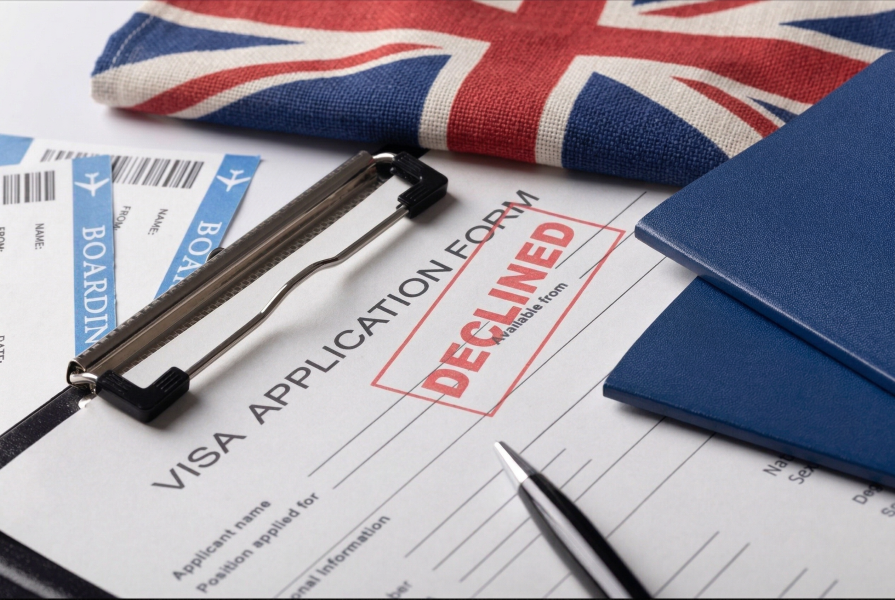
The UK government refused to exempt Chevening program participants after the introduction of new restrictions on student visas for citizens of several countries. Earlier, the authorities launched a so-called emergency brake for applicants from Afghanistan, Cameroon, Sudan, and Myanmar (a rapidly imposed ban). The reason was a sharp increase in asylum applications from students and workers from these countries. According to the United Kingdom authorities, students from these countries are attempting to circumvent immigration rules. The Foreign Secretary called for preserving the opportunity to study for outstanding Chevening scholars, but her request was rejected by the Home Secretary.
The cancellation of exemptions sparked criticism within the country. In particular, former Chevening scholar from Afghanistan Naimat Zafari called the decision a "second painful blow" after the initial announcement of the visa ban, emphasizing that the restrictions are particularly hard on Afghan women and girls who are denied the opportunity to study under Taliban rule.
The Home Office claims that the decision was based on data showing a 470% (!) increase in asylum applications from citizens of these countries during the 2021–2025 period, rather than on the individual merits of scholars. Government critics point out that the figures may be exaggerated: for example, only 120 students from Sudan applied for asylum in 2025, despite the total number of applications being 110,000+. In 2024, according to government data, Chevening awarded 16 scholarships to students from Sudan, 13 from Afghanistan, 10 from Myanmar, and 8 from Cameroon. Are these figures really significant enough to make a blanket cut against all scholars?