

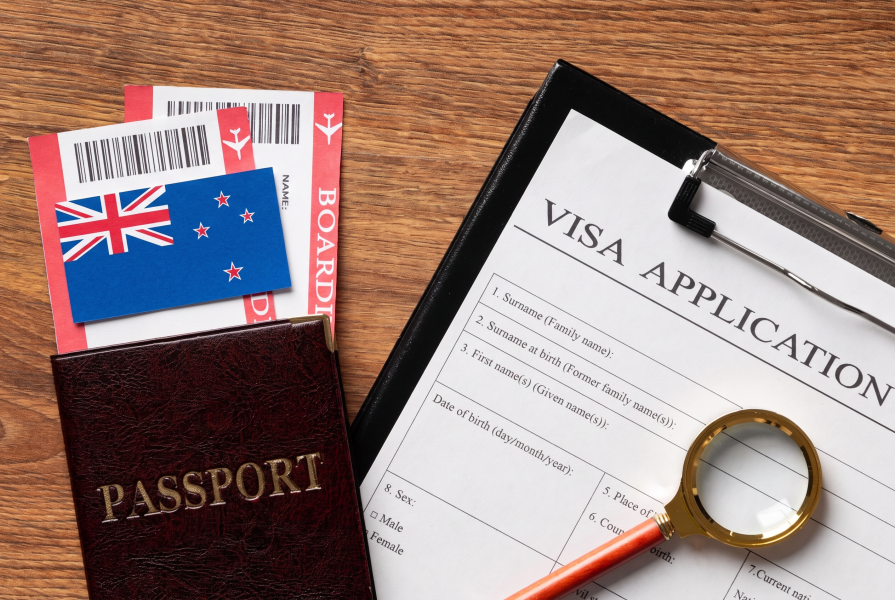
Visa and immigration rules in different countries change quickly, and it's important to track even minor changes if you're planning to study or work abroad. On October 27, 2026, changes appeared in the student visa issuance rules in New Zealand — we'll give you a brief overview of all the updates.
Work for master's students
Previously, international master's students (Master’s by Research) could work without restrictions, but now they have been brought into line with other students: no more than 25 hours a week during term time, and unlimited during holidays. The rule only applies to new students: those who have already enrolled and are studying are governed by the previous rules.
The work regulations for PhD students remain unchanged: full-time PhD students can still work without restrictions.
Required level of English
Knowledge of English is now officially set out in the guidance for visa officers as one of the key factors in assessing an applicant. No minimum score or single confirming exam has been introduced (this is still something institutions themselves can decide), but immigration officials may ask you to confirm your level of knowledge. This is used to assess genuine study intentions and readiness to study and complete the course, rather than simply entering the country on a student visa; educational plans, reasons for choosing the course and institution, previous education, financial means, travel history, and circumstances in the home country are also taken into account.
Visa processing can now be suspended
In particular, while a possible breach of requirements by an educational institution is still being investigated, the application will remain on hold until all the circumstances are clarified.
You can now stay two months longer after finishing your course
Previously, in cases where the validity of a student visa was determined by the course end date, the visa remained valid for one more month after the program finished. This period has now been extended to two months. This gives graduates a bit more time to plan their next steps: apply for another type of visa, continue their studies (for example, a master's after a bachelor's), or calmly leave the country, packing their things and documents without rushing.
Important: this extra time does not automatically grant the right to work after graduation! The ability to work still depends on the conditions of your current visa or obtaining another permit.
All these changes are introduced to make it easier and more reliable to confirm that the main purpose of an international student's stay in the country is to receive an education.


