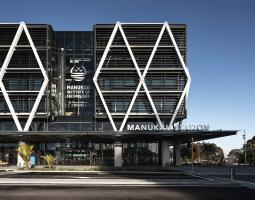
IPC Tertiary Institute


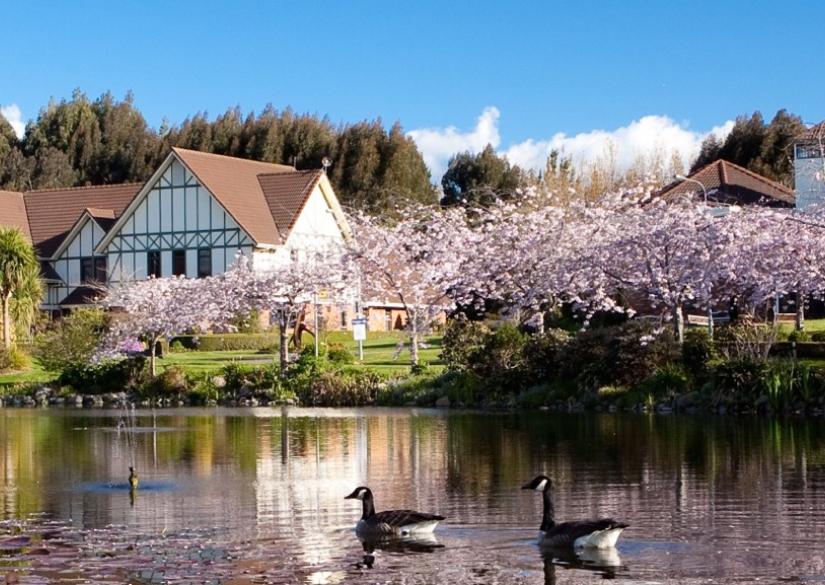

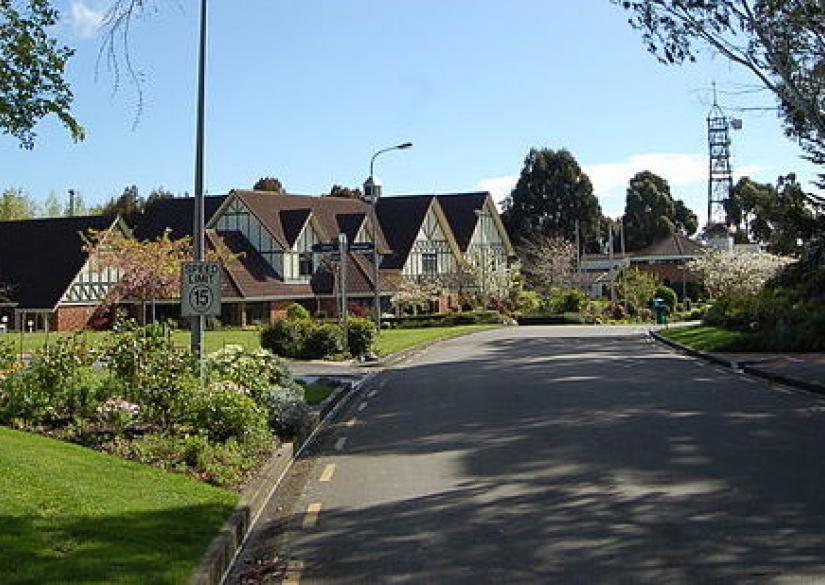
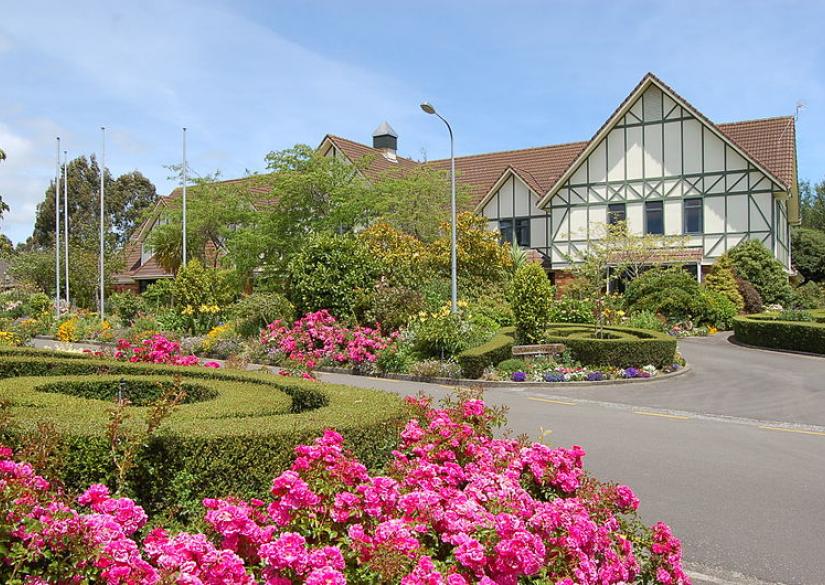






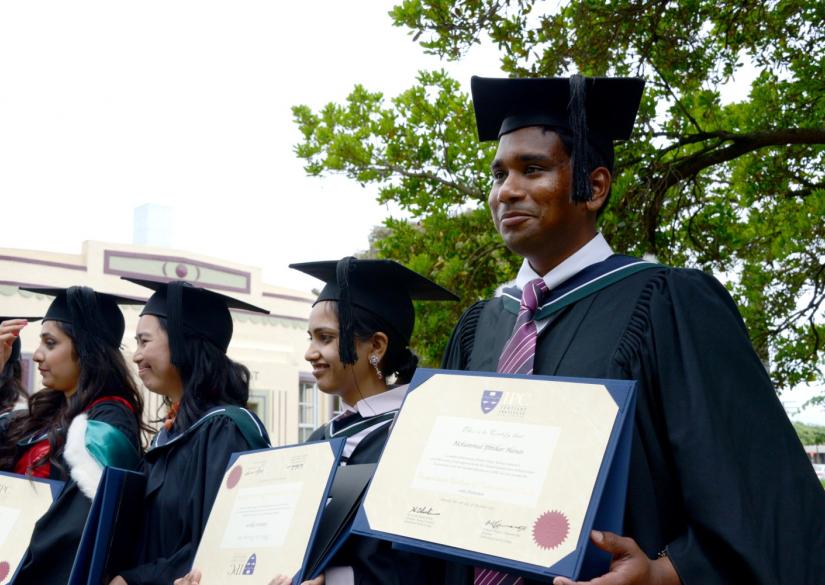

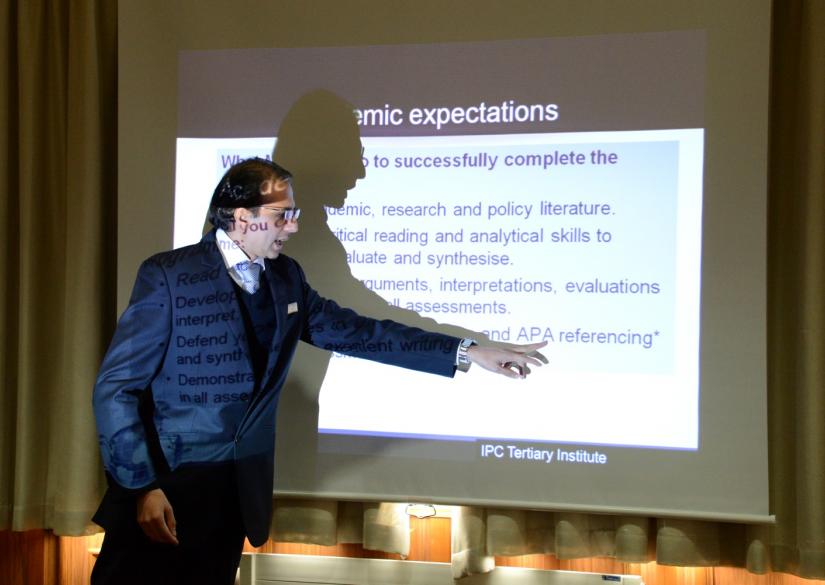



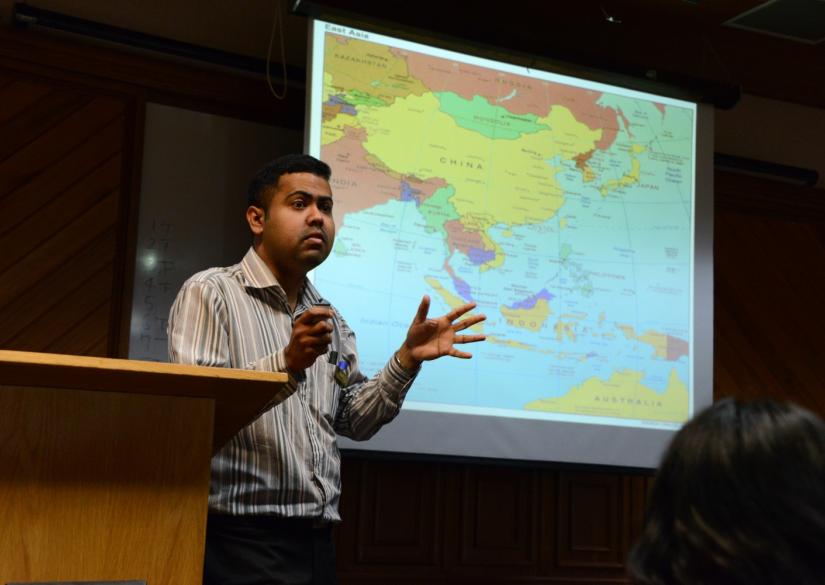

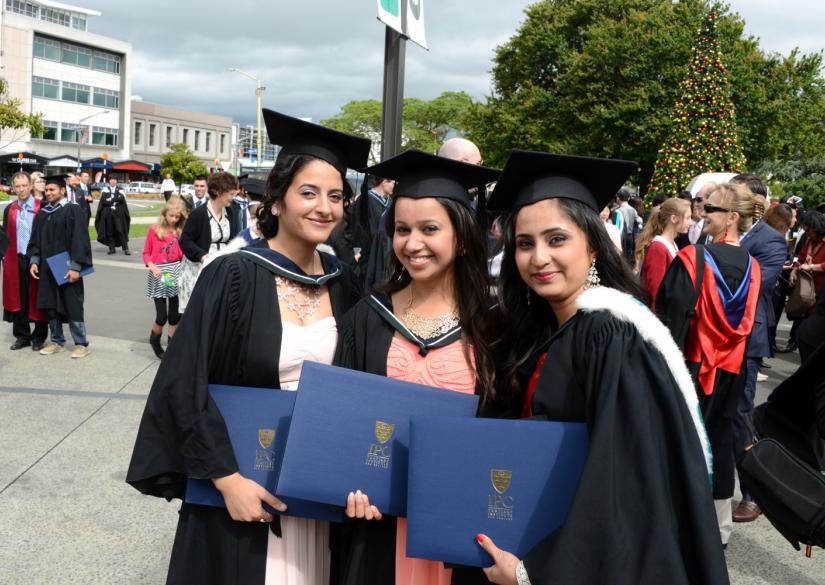





Programs and prices, tuition fees in IPC Tertiary Institute


Preparatory program Foundation
The programs are aimed at learning English with a parallel studying of the disciplines of the university level. It is intended for students with zero and basic level of English and wishing to continue their studies on a bachelor's or master's degree.
Entry requirements:
- Certificate attesting secondary education;
- IELTS 5.0
There are following directions of the studying:
- International Relations;
- International Business;
- Protection of the environment;
- Linguistics;
- Japanese studies.
- Beginning date: September
- Age of students: 17+.
Bachelor's degree program
Interdisciplinary programs are designed for students with a good command of English.
The duration of the program is 3 years, which makes it more saturated and aimed at studying more applied disciplines than general ones. For students who study for longer university programs for a period of 4 and 5 years, it is possible to pass a test, transfer to IPC Tertiary Institute with the adoption of previously studied disciplines.
There are following directions of education:
- International relations;
- International Business;
- Environmental Protection;
- Linguistics;
- Japanese Studies.
- Age of student: 18+
- Admission requirements: IELTS - 6.0, certificate of secondary education;
- Beginning: September.
Master's degree program
Program for students who have a bachelor's degree and seek to continue their studies in the degree of a specialist or a master's degree. In the second year, students are engaged in writing a course project, which will serve as the basis for writing a doctoral dissertation.
There are following directions of education:
- International Relations
- Protection of the environment;
- Linguistics;
- Japanese studies.
Below more information about admission:
- Age of student: 21+
- Entry requirements: the master requires IELTS to pass a score of at least 6.5, as well as a Diploma of Higher Education
- Start: September.
Description of IPC Tertiary Institute
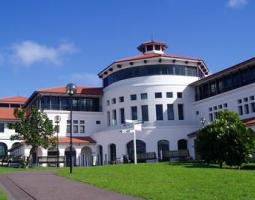
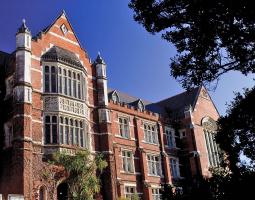
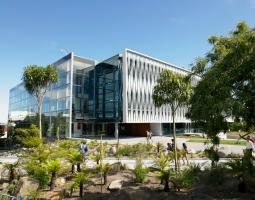
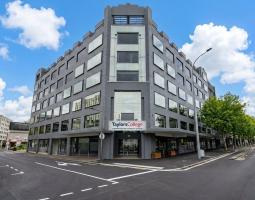
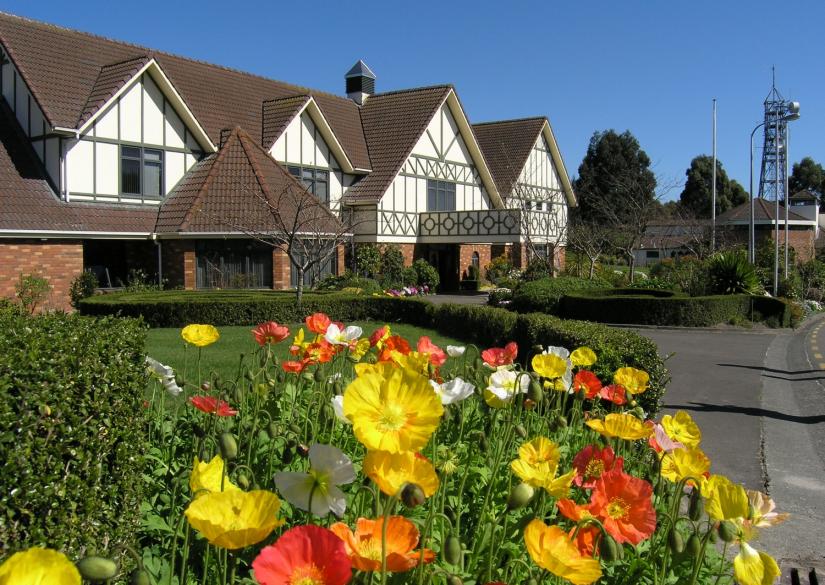
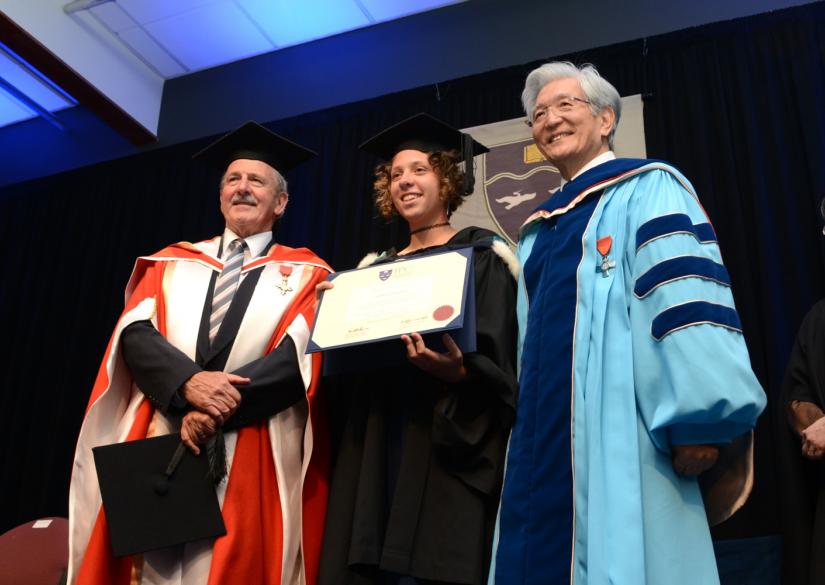
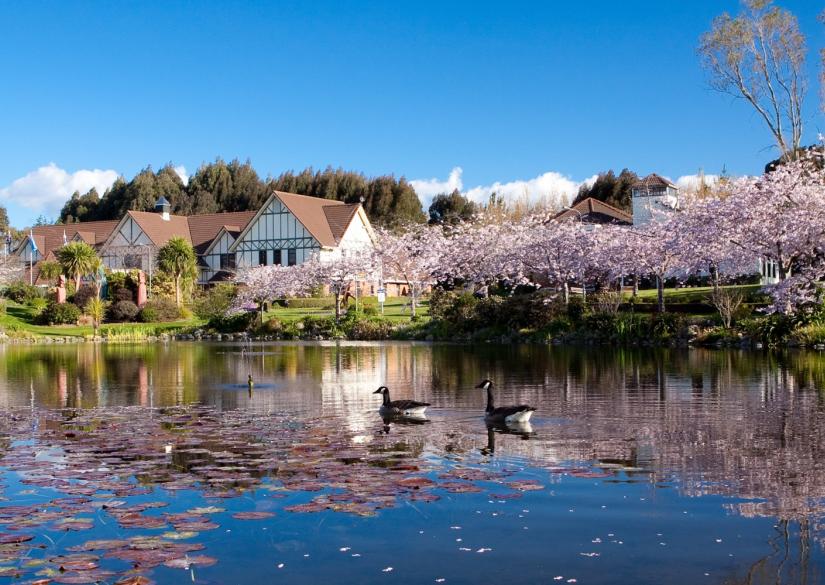
IPC Tertiary Institute was established in 1990. It provides an opportunity to study in one of the most beautiful countries in the world - New Zealand. A characteristic feature of the New Zealand university is its location in one of the prestigious areas of Palmerston North. There are all necessary conditions for self-education and self-improvement, also there are physical culture classes and organization of various cultural and entertainment events.
Stuyding at IPC Tertiary Institute is aimed at providing education in the field of International Business and International Relations.
Basic directions
- International relations,
- International business,
- Environmental protection,
- Linguistics,
- Japanese studies.
Study programs
- Master of International Studies,
- Postgraduate Diploma of International Studies with a Specialist qualification,
- Bachelor of International Studies,
- Graduate Diploma of International Studies in International Relations,
- Diploma in Japanese Language and Japanese Studies (Diploma of Japanese Studies),
- Diploma in International Business and International Relations,
- Foundation preparation and English language study,
- Certificate of English, COPE,
- TESOL Diploma and Certificate for English language teachers.
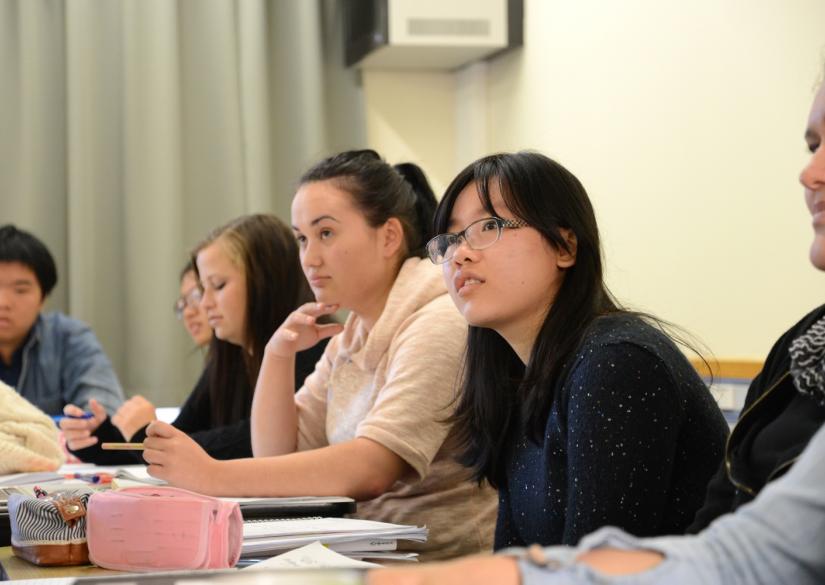
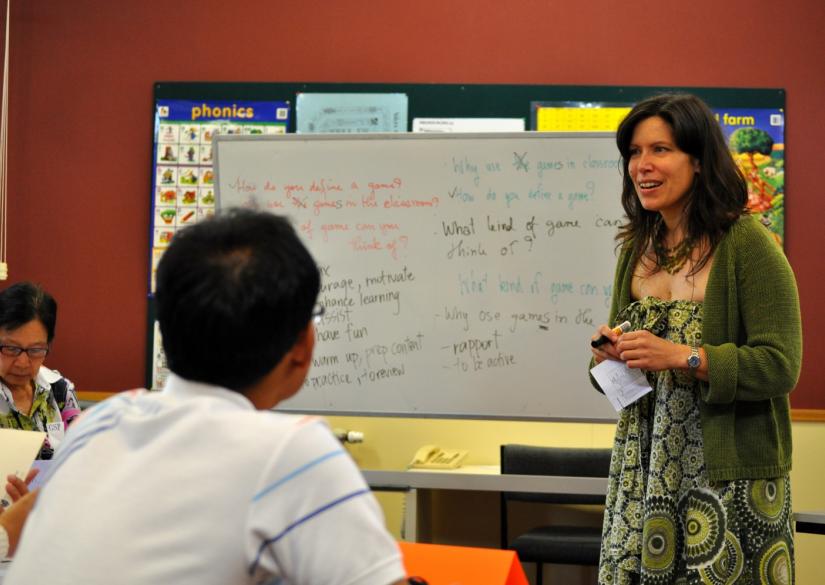
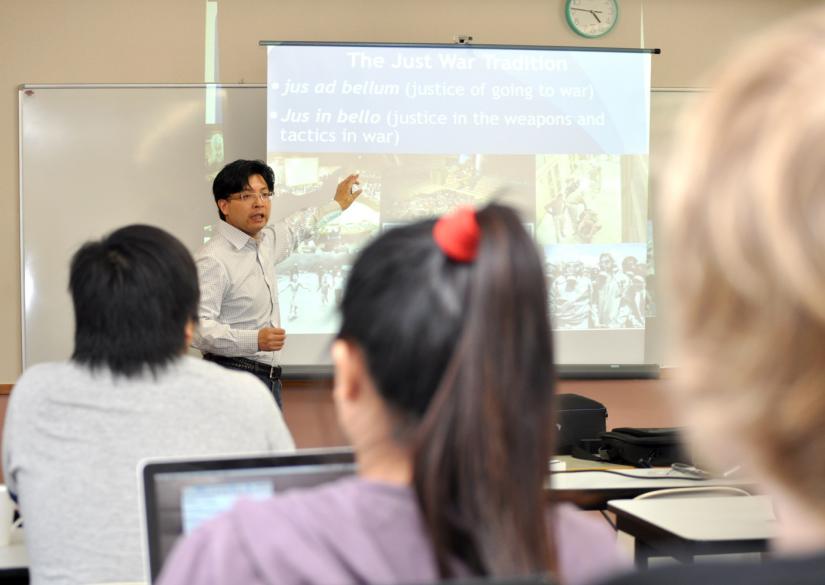
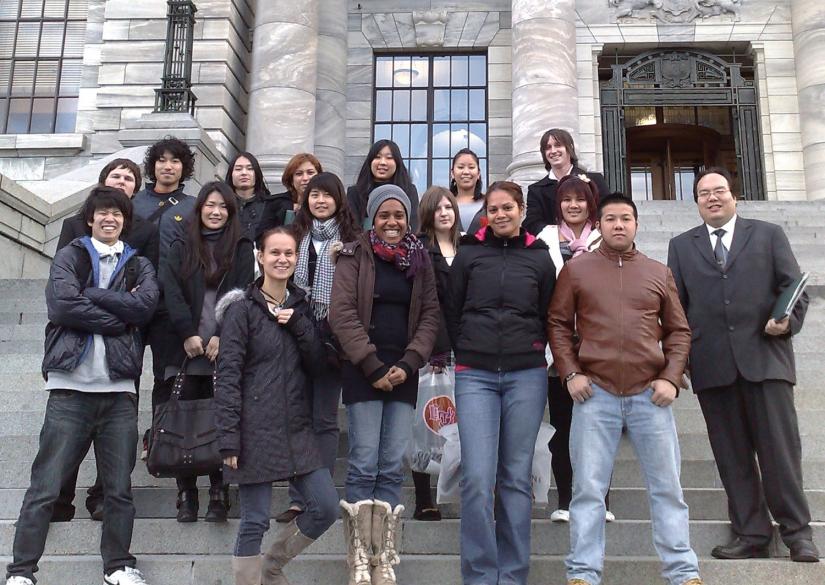
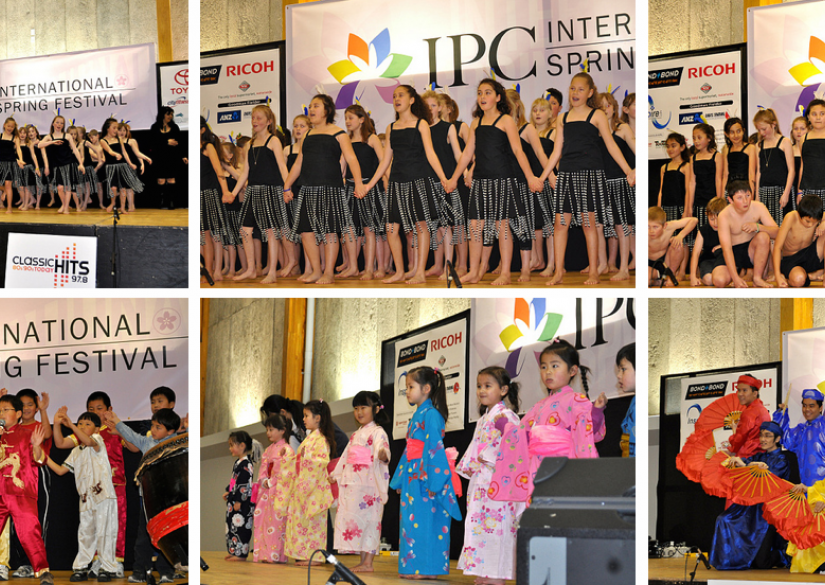
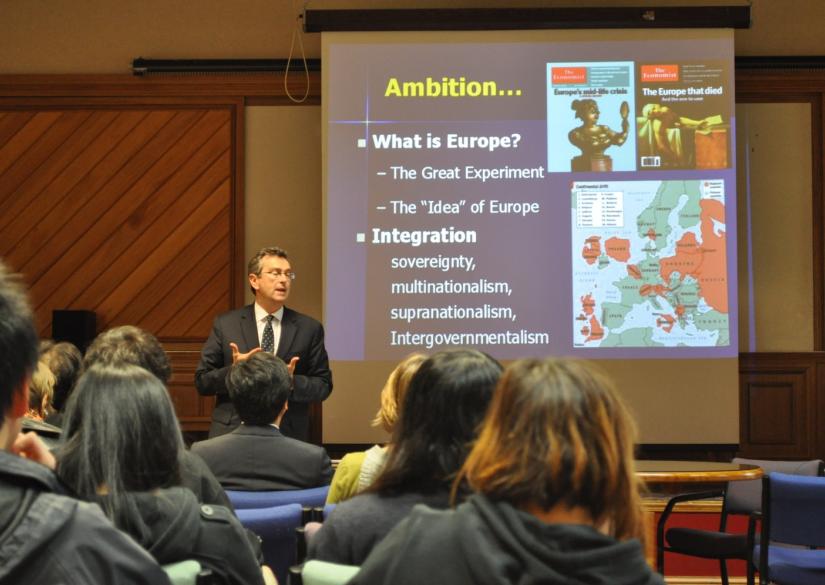
About 500 students from 30 countries speak 20 languages at the educational center. This environment gives students opportunities to study several foreign languages and learn about different cultures. The university regularly organizes activities, seminars, and conferences. The student department also supports students who are looking for work or practical experience.
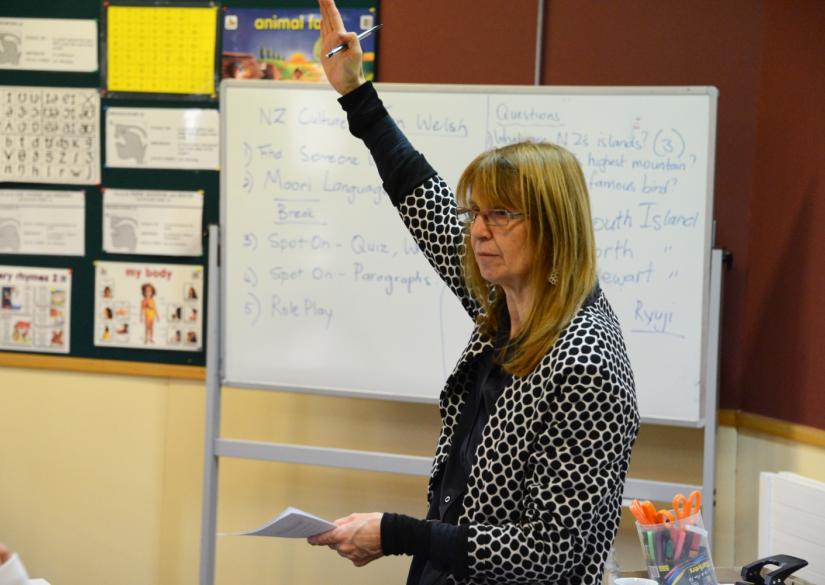
Chris Collins is President of IPU New Zealand. Students from widely diverse international backgrounds live and study together on its campus. Classes are small, and student care and success are major priorities for teachers.
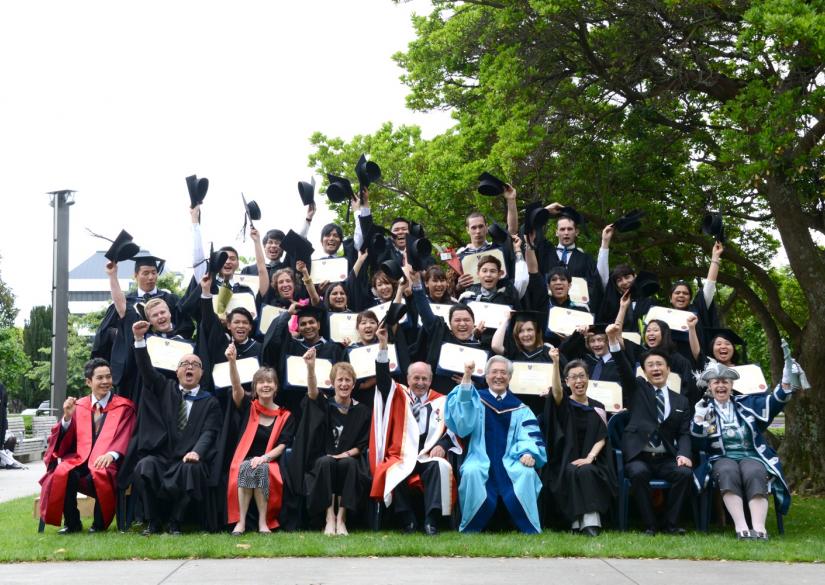
IPU New Zealand graduates work locally and internationally in multinational companies, NGOs, business and commerce, international relations, tourism and hospitality, education, and language teaching. Their studies develop creative and critical thinking, problem-solving, the application of ideas and strategies, independent and proactive work, intercultural communication, and foreign language proficiency. Interdisciplinary studies prepare graduates to participate in the global world of the 21st century.
Faculties and colleges
- New Zealand Diploma in Business (Level 5) — specializations Leadership and Management and Marketing and Sales.
- New Zealand Diploma in Tourism and Travel (Level 5).
- Bachelor of Contemporary International Studies (BCIS) — specializations: International Business, International Relations, Japanese Studies, TESOL & Language Studies.
- Postgraduate Diploma in Global Business (PDGB), with the option to continue to Master of Global Business.
- Graduate Diploma of Contemporary International Studies (GDCIS) — specializations: Language Studies, International Business, International Relations.
- Trinity College London Certificate in TESOL.
- New Zealand Certificate in English Language (NZCEL).
Accommodation, meals, prices
Students are given the opportunity to live in the student hostel and host families. Accommodation in the territory of the educational institution provides a 24-hour communication in English.
- The cost of living in a hostel per year (on average):
| Classes 1-6 | 1 local (standard) + 3 meals a day | NZ $ 13,500 |
| Shells 7-9 | 1 local (deluxe) + 3 meals a day | NZ $ 15 500 |
| Shells 8-10 | 2 local + 3 meals a day | NZ $ 10,000 |
| Homestay | 1 local (standard) + 3 meals a day | NZ $ 15,500 |
| Collateral | NZ $ 750 (NZ $ 250 non-refundable) | |
- The cost of living in the city per year (on average):
| Expenses | Per week | per year | ||
| Room rental | NZ $ 90 | NZ $ 4,680 | ||
| Purchase of furniture | - | NZ $ 1 000 | ||
| Collateral | - | NZ $ 810 | ||
| Connection of public utilities | - | NZ $ 300 | ||
| Power supply | NZ $ 70 |
NZ $ 3,640 Utilities (Electricity, telephone, internet) |
NZ $ 20 | NZ $ 1,040 |
| Transportation costs | NZ $ 30 | NZ $ 1,000 | ||
| Studying materials and computer services | - | NZ $ 1,000 | ||
| Total | NZ $ 13,470 | |||
Subjects, specialties
Advantages
Benefits of the University:
- The education that is provided by the IPC to the Tertiary Institute is fully accredited by New Zealand High Qualification Commission;
- Education in the English-speaking state;
- Possibility of passing work practice or internship;
- Supporting students on an individual basis;
- Interdisciplinary methodology in obtaining an international standard education.
The University offers a set of educational grants that partially cover cost of stuyding.
Main advantages of New Zealand:
- The country is included in the TOP-3 peace-loving states of the world.
- Included in the TOP-10 states in terms of prosperity.
- Mild climate.
- Respect for human rights.
- One of the safest countries in the world, the absence of crime and corruption.
- Unique and extreme sports.
- New Zealand is the cleanest country in the Asia-Pacific region.
- The level of nature protection is 84.9 points.
- New Zealand is one of the most beautiful places in the world due to unique natural conditions.
- Low prices (New Zealand prices are lower than in Australia and England).
Main advantages of the country in the field of education:
- Diplomas of international level are recognized in most countries of the world.
- Graduates from local higher education institutions have a great chance to get a job in New Zealand.
- Education in English in the country is based on a recognized and most importantly accredited educational system, namely the British system.
- Prospects for citizenship;
- Students may receive a visitor visa for their family, provided that they enter New Zealand University for "full time".
Admission dates and extra charges
Additional fees:
- Foundation fee 500 NZ$;
- Facility fee - NZ$ 1250 per year, library access costs, sports complex, computer center, Internet, studying materials and books;
- Registration fees.
Entry requirements, how to apply, what is required to enrol
- General requirements for international applicants: completed secondary school program (or a confirmed equivalent) and a confirmed level of English — an internationally recognized English language test taken within two years prior to application, or at least five years of schooling with instruction in English.
- For Graduate Diploma / Postgraduate Diploma of Contemporary International Studies programs: a bachelor's degree or equivalent from a recognized institution with a minimum average score of 50%. An International Qualifications Assessment from NZQA, an additional entrance test, and/or an interview may be required.
- New Zealand Diploma in Business (Level 5): for international applicants — completed secondary education in their home country, an interview, and a New Zealand Certificate in English Language (Level 4) or an English language test (Academic) of at least 5.5 (no less than 5.0 in each section), or equivalent.
- Postgraduate Diploma in Global Business: a bachelor's degree with a minimum average score of 50% and an English language test (Academic) of at least 6.5 (no less than 6.0 in each section).
- Bachelor of Contemporary International Studies: New Zealand Certificate in English Language (Level 4) or completed secondary education in their home country and an English language test (Academic) of at least 6.0 (no less than 5.5 in each section), or equivalent.
- Graduate Diploma of Contemporary International Studies: a bachelor's degree with a minimum average score of 50% and an English language test (Academic) of at least 6.0 (no less than 5.5 in each section).
- Trinity College London Certificate in TESOL: age 18 or older, education level no lower than New Zealand University Entrance, native-level English proficiency (English language test — 7.5 or above, or Trinity College London Grade 10).
Applicants with other qualifications (such as Cambridge International examinations or an international diploma) or those educated in another country are considered on an individual basis.
Scholarships IPC Tertiary Institute
- SEG Scholarship — a scholarship funded by Soshi Educational Group (SEG), which unites more than 15 educational institutions in Japan, China, Australia, and New Zealand.
- Mayor's Goodwill Ambassador Scholarship — a scholarship for international students toward first-year tuition, sponsored by the Palmerston North city council.
Literature and references

Institution on the map
Residence permits, citizenship and other services
- Guardianship services during the studies
- Student supervision
Review about IPC Tertiary Institute
Recommendations on when to apply
| Language courses, schools and children's language camps | Primary and secondary education - private schools | Preparation programmes for entering universities - higher education | Higher education (after completing accredited programs A-level, IB, High School) - Bachelor, Master, MBA |
| - we recommend to apply 6-9 months before the start of the course (some camps and schools offer discounts for early booking or for lengthy study programs) - there are some very popular and high demand children's camps, where the applications need to be submitted 1 year in advance (in particular Switzerland , Great Britain , USA , Canada , Austria) | - we recommend to apply one year before the start of the training program, - some schools have a specific time frame (September-November - please specify an individual school) - some schools require tests in several stages (UKISET, internal tests of the school: English, mathematics, logics, subjects, interview, some require a personal visit) | - we recommend to apply one year before the start of the program, - for Foundation and Pathway programs, IELTS and TOEFL certificates are usually required, respectively | - recommended submission one year before the start of the program, - the deadline normally closes in January, for TOP HEIs and, as a rule, in March in other universities - for a bachelor, a Foundation or Pathway preparatory program a completed A-level, IB, High School + IELTS / TOEFL are required - for Masters you need a graduated higher education, in some cases you need a pre-Masters program - MBA requires completed higher education, work experience preferably at least 2-3 years, etc. |