
 Spain
Spain
 For partners
 Study chemistry in Canada - 28 institutions
-
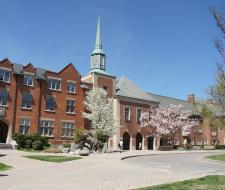 from 3995 $CAD / 2 weeks
 -
 65 sport and clubs in PC's co-curriculum program
CanadaToronto, OntarioCurrently watching: 10from 475.00 $CAD / week
65 sport and clubs in PC's co-curriculum program
CanadaToronto, OntarioCurrently watching: 10from 475.00 $CAD / week -
 CIC has more top universities in the partnership program than any other school
CanadaToronto, OntarioCurrently watching: 9from 49400 $CAD / 10 months
CIC has more top universities in the partnership program than any other school
CanadaToronto, OntarioCurrently watching: 9from 49400 $CAD / 10 months -
 100 % University placement from each graduating class
CanadaToronto, OntarioCurrently watching: 9from 26200 $CAD / terms
100 % University placement from each graduating class
CanadaToronto, OntarioCurrently watching: 9from 26200 $CAD / terms -
 Top Areas of Study in 2023: STEM – 41 % Medical and Health – 12 %
CanadaOttawa, OntarioCurrently watching: 8from 4500.00 $CAD / 3 weeks
Top Areas of Study in 2023: STEM – 41 % Medical and Health – 12 %
CanadaOttawa, OntarioCurrently watching: 8from 4500.00 $CAD / 3 weeks -
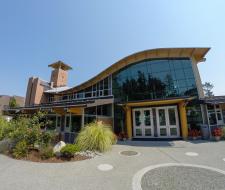 This past year, 70% of the graduating class received an offer of admission from their firs
CanadaVictoria, British ColumbiaCurrently watching: 9from 33320 $CAD / terms
This past year, 70% of the graduating class received an offer of admission from their firs
CanadaVictoria, British ColumbiaCurrently watching: 9from 33320 $CAD / terms -
 In 2023, 126 graduates received offers of admission from 84 universities in 13 countries
CanadaVancouver, British ColumbiaCurrently watching: 6from 1200.00 $CAD / month
In 2023, 126 graduates received offers of admission from 84 universities in 13 countries
CanadaVancouver, British ColumbiaCurrently watching: 6from 1200.00 $CAD / month -
 from 5990.00 $CAD / 4 weeks
 -
 #34 in QS Global World University Rankings 2021
CanadaVancouver, British ColumbiaCurrently watching: 8from 21693.00 $ / year
#34 in QS Global World University Rankings 2021
CanadaVancouver, British ColumbiaCurrently watching: 8from 21693.00 $ / year -
 from 6800 $CAD / 4 weeks
Chemistry is the study of the properties of the fundamental building blocks of matter, from individual hydrogen atoms to complex aggregates of biological species. Chemistry specialists prepare new compounds, study their composition and structure, which makes it possible to formulate theories of chemical bonding and reactions. Chemists create new useful materials and products, protect the environment and fight diseases. Students study matter and energy, their interaction with each other, combine research and applications to expand existing practices and improve the quality of life.
Chemistry schools in Canada offer programs whose main benefits include access to fully equipped laboratories, an additional independent laboratory research project, and collaboration. Students have access to a specialization in Applied Physics or an additional specialization in Management Sciences.
Alternative destinations
Studying Chemistry in Canada: Structure and Details
Levels of obtaining a specialty:
- Bachelor's degree — 3-4 years,
- Postgraduate education — an average of 2 years,
- Professional training — 1-2 years.
Studying chemistry at universities in Canada for foreign students is available in the following areas:
- Chemistry,
- General Chemistry,
- Forensic Chemistry,
- Physical Chemistry,
- Applied Chemistry,
- Medical Chemistry,
- Organic Chemistry,
- Molecular Chemistry,
- Theoretical Chemistry,
- Analytical Chemistry,
- Computational Chemistry,
- Instrumental Analysis,
- Spectrochemical analysis.
Schools studying chemistry in Canada provide extensive theoretical knowledge in all areas of study, improve technical and practical skills through regular internships. Throughout the program, students receive intensive laboratory instruction on the transformation and safe handling of chemical compounds, undergo practical training in advanced instrumental methods:
- Mass spectrometry,
- Magnetic resonance,
- Elemental analysis,
- X-ray diffraction,
- Optical spectroscopy.
In the first year, studying chemistry in Canada for foreign students introduces basic knowledge:
- In Chemistry,
- Physics,
- Biology,
- Mathematics,
- English language.
Then, students consolidate a fundamental understanding of modern biotechnology methods, using additional courses to deepen their skills in chemistry, biochemistry, microbiology and immunology necessary for research work in the final year.
Studying chemistry in Canada at the bachelor's level — is an excellent foundation for studying at master's and doctoral levels in:
- Medicine,
- Optometry,
- Veterinary medicine,
- Education,
- Pharmacology,
- Dentistry,
- Patent law,
- Research in science.
Studying Chemistry in Canada as an International Student: What You Need to Know
Studying a subject based on factual data gives international students a diverse set of skills needed to make scientific discoveries.
The program prepares for a career in fields such as:
- Cancer research,
- Drug development,
- Vaccine research,
- Plant biotechnology,
- Environmental protection,
- Microbial disease research.
Studying chemistry in Canada for international students leads to a degree in:
- Bachelor of Science in Chemistry,
- Bachelor of Science in Chemistry (Honours),
- Bachelor of Science in Biology and Chemistry and many others.
Students find employment immediately after graduation in a wide range of laboratories, including those related to biomedical and medical biotechnology, forestry, fisheries, mining, agriculture, oceanography, and the environment.
Studying chemistry in Canada provides:
- Practical skills in biology and chemistry in laboratory and field settings,
- Skills in applying modern biological and chemical concepts and theories,
- Statistical analysis and presentation skills,
- Critical thinking and writing skills,
- Organizational, prioritization, and time management skills,
- Ability to work independently and as part of a research team.
The goal of the Bachelor of Science in Chemistry is to equip students with the principles of studying matter and the physical world and enable them to apply this knowledge to real-world situations. Students gain valuable laboratory and research skills, hone critical thinking, participate in specialized research courses, and paid summer research.
Obtaining a degree provides opportunities to:
- Conduct original research as early as the first year,
- Gain practical experience in modern laboratories,
- Participate in solving problems in real-world scenarios: reversing climate change, fighting disease, or developing new consumer products,
- Prepare for graduate studies in chemistry, biochemistry, medicine, pharmacy, veterinary medicine, or engineering.
Studying chemistry at Canadian universities for international students opens up opportunities for an international career and employment in:
- Ecology,
- Biochemistry,
- Agrochemistry,
- Flavor Chemistry,
- Toxicology,
- Soil Science,
- Pharmaceuticals,
- Forensics,
- Quality Control,
- Polymer Chemistry,
- Chemical Analysis,
- Forensic Science,
- Drug Development,
- Food Technology,
- Technical Sales,
- Research and Development,
- Environmental Science,
- Industrial Chemical Sales,
- Oil and Gas Industry,
- Oil Sands Technology.
Bachelor's graduates work in professions such as:
- Doctor,
- Teacher,
- Laboratory Technician,
- Dentist,
- Consultant,
- Mining Chemist,
- Forensic Scientist,
- Professional Chemist,
- Paint Formulation Chemist,
- Science Policy Advisor,
- Hazardous Waste Manager,
- Pharmaceutical Researcher,
- Environmental Researcher,
- Quality Assurance and Quality Control,
- Research and Development Scientist,
- Forensic Laboratory Analyst,
- University Teaching Lab Coordinator,
- Intellectual Property Researcher,
- Occupational Health and Safety Specialist,
- Food and Drug Analyst.