Albert College









In the process of preparing the material, we referenced the following sources: Wikipedia
Programs and prices, tuition fees in Albert College


Ontario Secondary School Diploma
Attending the secondary school program at Albert College allows you to obtain the relevant certificate - Ontario Secondary School Diploma. This diploma of secondary education confirms that the child has successfully passed the program of middle classes and obtained 30 credits. Of these, students can choose 12 subjects, and the rest are mandatory. To develop an active civic position, students are encouraged to work for the benefit of society for 40 hours. Upon graduation the test on the general literacy is provided. Selective subjects depend on the tastes and preferences of the student, and the general for all include:
- Mathematics;
- French and English;
- Art history;
- Natural sciences;
- Geography;
- History of Canada.
The program is based on an individual plan for each school child, taking into account personal preparation, the necessary list of subjects for admission to higher education and the requirements of a particular institution. The plan of classes consists of school subjects, extracurricular activities, the strategy of entering a higher institution (from the 10th grade). Reassessment and adjustment of the plan is carried out at the end of the trimester, allowing children to assess achievements and more precisely to schedule assignments.
High School Diploma program offers to study:
- English as academic or foreign;
- Physics;
- Painting;
- Geography;
- French;
- Literature and humanitarian subjects;
- Mathematics;
- History;
- Physical education;
- Chemistry;
- Drama;
- Biology;
- Music.
Talented and motivated students can simultaneously attend Advanced Placement. Credits on subjects of AP universities are taken into account as the passage of the first course, which greatly simplifies the admission to the university.
English Foundation Year (EFY) Program
During the year of the program, students achieve a new level of English proficiency. The course stipulates assessment of practical skills, independence, assimilation of new material. All cumulative assessments are transferred to the certificate with the overall scores for the high school.
Summer courses (12 - 18 years)
As summer courses, the college offers a comprehensive program consisting of English lessons and guided tours in Canada. From July 30 until August 22, children are required to visit every week to 25 lessons in English. Interesting and famous places of the country are sighting on weekends or after classes.
The main advantage of summer courses at Albert College is experienced teachers, relaxed atmosphere, study of English during entertainment and sightseeing program.
On the development of research skills students learn to perform practical tasks using information and computer technology. Three weeks of courses develop a letter, reading and speaking skills at a sufficient level for studying at Canadian universities. English can also be studied as an academic discipline for the native school of a foreign guest. Groups are formed depending on the goals of the students, their general knowledge level and English proficiency. The small number of groups allows curators and teachers to approach each student individually. Students work independently, in small groups (at lessons) and large groups (during entertainment and sports events). There are daily sports activities, evening games, aimed at increasing social interaction. Children daily receive a plan of study for the day, starting at 8:30 am and ending at 14:30.
The most part of the events is held on weekends. Young people can visit the Niagara Falls, make a tour of a thousand islands in Kingston Park, a national exhibition in Toronto, in the Canadian Wonderland, and entertain a theatrical show at the Medieval Times Castle (knight battles).
Schoolchildren can spend time watching movies, visiting museums, theaters and concerts, and sports games (mini-golf, bowling, paintball) outside the campus. Fans of shopping can appreciate the quality of local products and a range of Canadian boutiques.
Physical exercises and studying are available from the evening classes on campus. Students can play themselves in a game of table football and billiards, squash, basketball, tennis, volleyball or football. The college provides free access to the gym and fitness room, swimming pool. For cinephiles, participation in watching marathons is possible, and gamers will appreciate the availability of XBox and other gaming equipment.
The cost of the program includes:
- 24-hour supervision by the school staff;
- Accommodation in a modern studio, residences;
- Wireless Internet access;
- Three meals a day and snacks every day;
- 25 hours of weekly English lessons;
- Certificate of completion of the course.
Additional costs may include:
- 500 Canadian dollars - other current expenses (including pocket expenses, excursions);
- Medical insurance as in Albert College;
- Air and surface transportation.
Description of Albert College
- Foundation year: 1857
- Location: Ontario, Belleville
- Age of students: 12-18 years
- Type of education: mixed
- Number of students: 300
- Programs: High school, High School Diploma (AP), Ontario Academic Credit, summer courses
- Accommodation: residence
- Ranking: the school is included in the TOP-50 boarding schools in Canada.
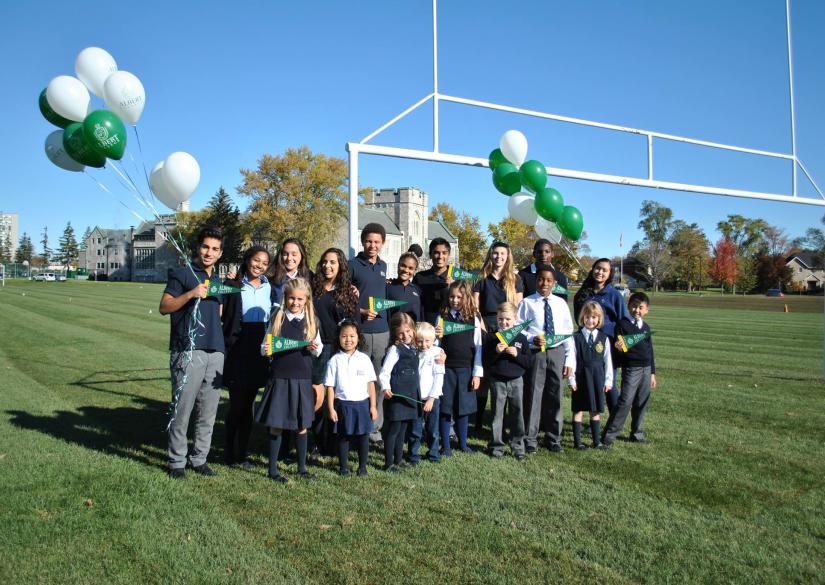
Founded in 1857, Albert College is a Canadian boarding school and is recognized as Canada's oldest co-educational day and boarding school. It offers an enriched program from Pre-Kindergarten through Grade 12 and draws on more than 150 years of educational experience. As a small independent school for day and boarding students, it offers an inclusive, caring, close-knit family environment.
The school's mission is to provide students with a strong academic foundation and opportunities for creative and physical development. Teachers follow the strategy set by the school's leadership, while students contribute through their commitment to learning. Each year, 99% of students enter universities and colleges in Canada and the United States, and more than 80% continue their education at their preferred institutions.
Students from 20 countries attend the school. Each student has the opportunity to gain as much as possible from the school curriculum, which is tailored to individual needs. The program is based on five areas:
- Academic preparation,
- Creative development,
- Social activities,
- Sports,
- Adventure.
Albert College also describes its educational focus as the Five A's. This approach makes education a continuous and varied learning experience.
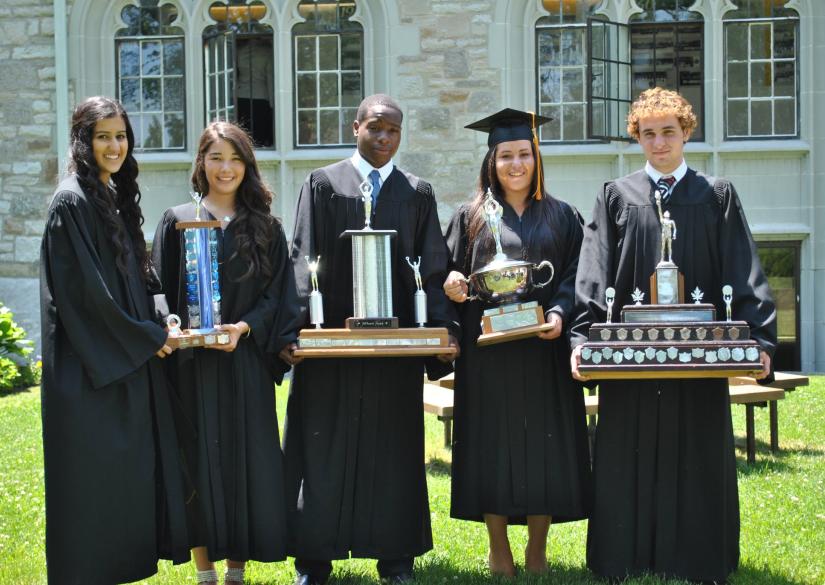
Albert College is proud of its students' academic success. Each year, graduates enter highly ranked universities in Canada and abroad. Former Albert College students have gone on to Harvard and Oxford.
What makes Canadian schools special?
Canadian education is recognized around the world. Public, private, and independent schools follow provincial curricula, and educators must hold a teaching degree and certification. These standards help families expect a strong education regardless of the school they choose.
Faculties and colleges
- Pre-Kindergarten — a program for children aged 2.5 to 4 years within the EPLC (Early Primary Learning Centre), a licensed kindergarten preparing children for Junior Kindergarten.
- Day school — from Junior Kindergarten through Grade 12.
- Boarding — available for students in Grades 7–12.
- Programs for international students: English as a Second Language (ESL) offered separately for middle school (Grades 7–8) and high school (Grades 9–12), as well as English Language Preparation and Testing (ELPT) — a fall program with two tests and a spring program with one test.
Things to know about
- The school is located on the shores of the Bay of Quinte and the Moira River.
Accommodation, meals, prices
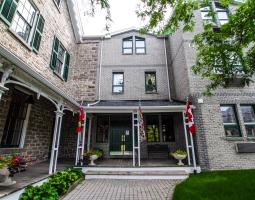
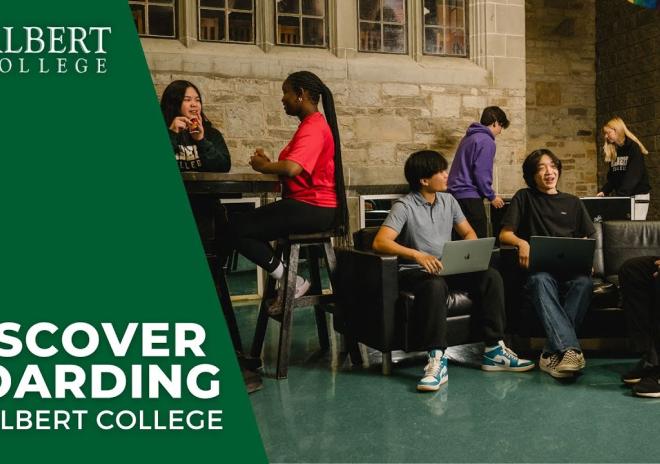
Albert College has two residences for male and female students. Each building is well equipped with the necessary furniture and appliances. All residence rooms have private facilities. The buildings also have kitchenettes, lounges, game rooms, and laundry facilities. Free Wi-Fi is available in public areas. Boarders eat in the dining room, where the menu includes traditional, international, and vegetarian dishes.
Boarding is available for students in Grades 7–12. Options include Full and Multi-Day Boarding, Flexible Multi-Day Boarding, and Five-Day Boarding for Canadian students. Flexible Multi-Day Boarding is designed for families who want to spend time together regularly. After registration, boarders may stay on campus for long weekends, with meals and a program of activities provided.
Boarding fees include meals and accommodation, as well as program-related camp activities, enrichment programs, leadership programs, and travel. They also cover library, computer, and technology services, health and wellness services, the school yearbook, and student photographs. Day tuition includes daily lunch, library, computer, and technology services, health and wellness services, the yearbook, and student photographs.
Subjects and sports
Activities Albert College
- Choir,
- Concert group,
- Wind ensemble,
- Jazz band,
- Musical and theatrical troupes,
- Chess club,
- Drawing,
- Publication of the school yearbook,
- Football (soccer),
- Lacrosse,
- Field hockey,
- Volleyball,
- Basketball,
- Swimming,
- Tennis,
- Cross-country,
- Golf,
- Frisbee,
- General fitness,
- Athletics.
Pre-Kindergarten students receive music instruction from a specialist teacher, play outdoors in a private yard with a play structure, a large sandbox, and a paved area for bikes, and take field trips within the community.
Advantages
- The first (oldest) residential school Canada provides education, combining academic traditions and high-tech studying;
- Educational programs are maximally adapted to the interests of modern students;
- High level of preparation is a guarantee of admission to the selected university (college) of Canada, the USA, other countries;
- A large number of extracurricular activities does not allow students to get bored after classes;
- Attention to the creative, physical development of children provides a multifaceted upbringing;
- Active social activity of the school contributes to the formation of students' skills in solving everyday problems.
Facilities and equipment at Albert College
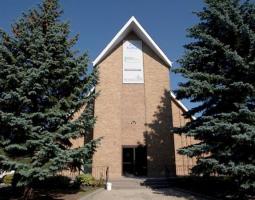
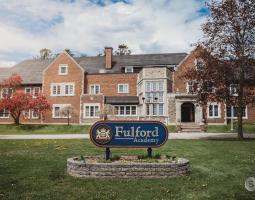
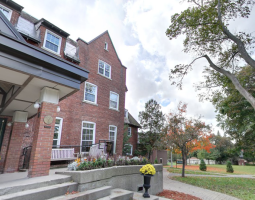
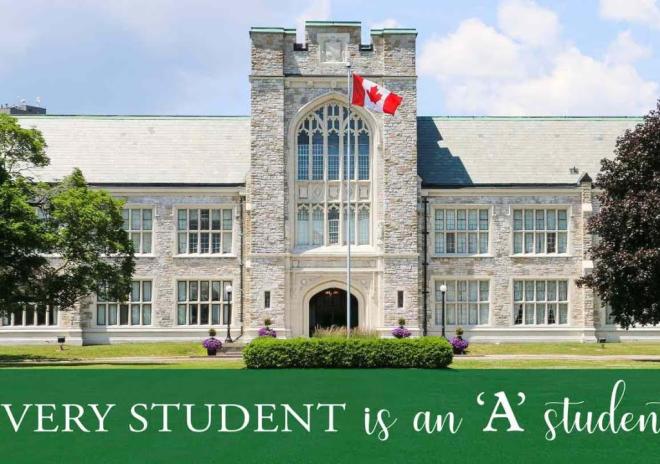
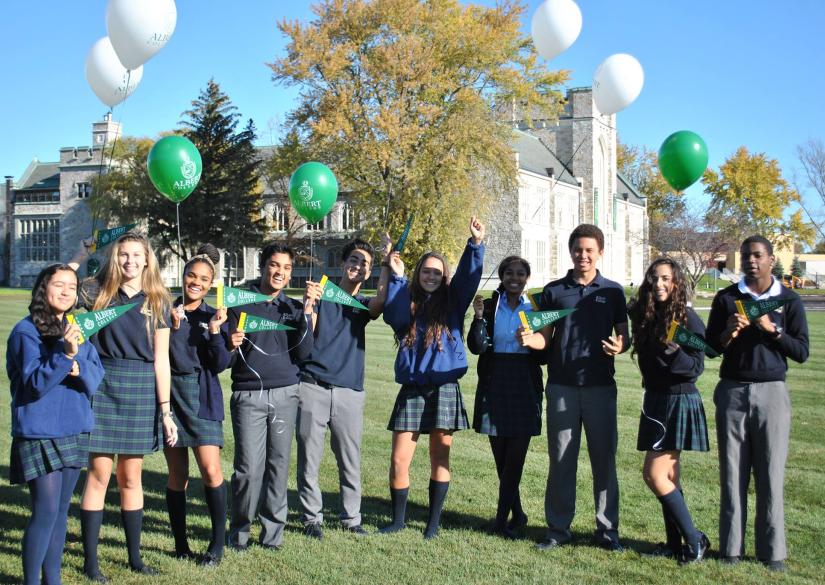
The territory of the boarding school is 25 acres of the coastal zone of Lake Ontario. The campus includes two main buildings: for students in the senior and primary schools. The first building is decorated in the style of majestic Gothic. Near the college there are park alleys, framed by ancient trees, green meadows.
For studying and development, Albert College offers a wide variety of technical capabilities. Modern equipment is available here in each classroom, laboratory, sectional hall. Also, multimedia technology is provided in the library, a room for self-preparation is opened for students. The sports fund is represented by:
- Indoor swimming pool;
- Squash and tennis courts;
- Sports hall;
- Gym;
- Several playing fields.
In addition, the territory has a chapel, a shop, a dining room, a cafeteria.
Admission dates and extra charges
Additional costs may include:
- Application fee,
- Tuition,
- Study-related costs,
- Medical insurance.
Before the start of the academic year, students pay a study deposit. Supervision is charged separately. Parents are responsible for transfer and airfare costs.
An application fee applies to Junior Kindergarten through Grade 12, while Pre-Kindergarten applications are free.
Extras:
- Registration fee (for a programme/course) 3000 CAD
- Study materials 400 CAD
- Pocket money 2500 CAD
- Medical insurance 500 CAD
- Registration fee (for a programme/course) 1500 CAD
Perspectives
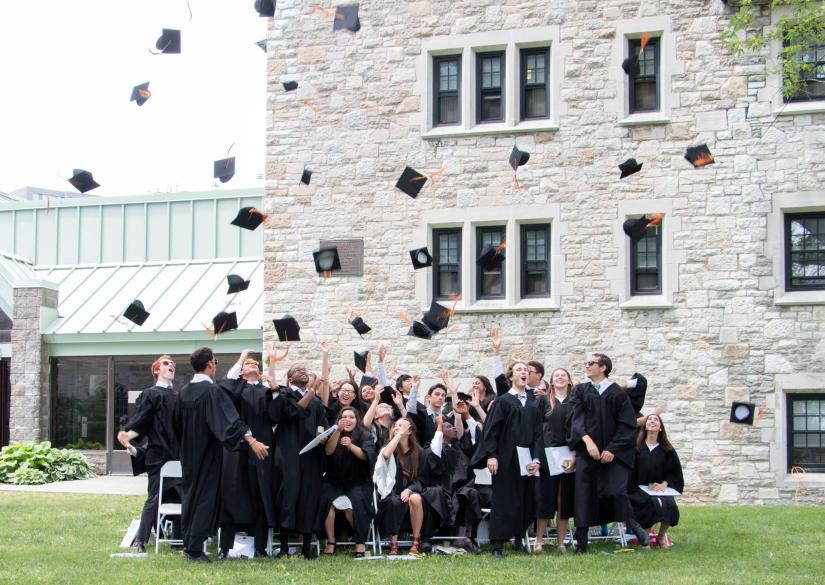
100% of Albert College graduates continue their education after school: they enroll in universities in Canada, the USA, and other countries, with many receiving competitive scholarships.
Entry requirements, how to apply, what is required to enrol
- To apply for programs from Junior Kindergarten through Grade 12, applicants must provide academic reports for the past two years and a teacher evaluation.
- Applicants are required to take the school's entrance test (not required for international boarders) and complete an interview — in person or by video (for Grades 7–12).
- If English is not the applicant's native language, results of a language test must be provided: an English language test, TOEFL, or Duolingo.
- International students must obtain a study permit before arriving in Canada — after accepting the offer of admission and paying tuition, the school issues a DLI (designated learning institute) letter required for the study permit application.
- The temporary cap on study permits introduced by the Canadian government in 2024 does not apply to elementary and secondary school students, including Albert College.
- International boarders under the age of 18 are required to have a legal guardian — an English-speaking Canadian citizen or permanent resident over the age of 21, residing in Ontario. The school works with International Student Guardianship Canada (ISGC), and for families from China — with International Student Service Inc (ISSI).
Scholarships Albert College
International students are eligible for annual tuition assistance. Details are available from your manager.
Any family with a child in Junior Kindergarten through Grade 12 may apply. The fund is financed by endowment interest and donations. Applying for financial aid has no bearing on the admission decision. Assistance is administered by a third-party organization.
Literature and references

Institution on the map
Residence permits, citizenship and other services
- Guardianship services during the studies
- Student supervision
Review about Albert College
I study in Canada for the third year, I plan to finish my school here (I picked the Albert College in Ontario) and entered the university.
We chose studying in Canada with my parents: we have close relatives there for a long time, so we heard about all the advantages of this beautiful country.
We picked up the school with Smart Products and Services (the work of the agency is great, and my parents and I, therefore, decided to write a review - they deserved it), and I already turn to the program for senior high school graduates. It is very convenient that you choose many subjects: in the childhood I watched American films and could not understand how they go to biology with one people, on physics with others, and on literature with the third?! In Canada, the scheme is similar, you determine what disciplines you want to study. In my opinion, it's great: there is an opportunity to prepare for the university more carefully, to learn the most important subjects without attending classes that you, in general, do not need.
I like teachers very much: many young people (30-35 years old), very sociable, but without familiarity, subordination still exists and is observed. They explain difficult moments several times. Classes are very well equipped. The school territory (the campus, as it is officially called here) is more like a hotel. Of course, my school is considered one of the top schools in Canada. I really glad that I'm so lucky to study in Canada.
Recommendations on when to apply
| Language courses, schools and children's language camps | Primary and secondary education - private schools | Preparation programmes for entering universities - higher education | Higher education (after completing accredited programs A-level, IB, High School) - Bachelor, Master, MBA |
| - we recommend to apply 6-9 months before the start of the course (some camps and schools offer discounts for early booking or for lengthy study programs) - there are some very popular and high demand children's camps, where the applications need to be submitted 1 year in advance (in particular Switzerland , Great Britain , USA , Canada , Austria) | - we recommend to apply one year before the start of the training program, - some schools have a specific time frame (September-November - please specify an individual school) - some schools require tests in several stages (UKISET, internal tests of the school: English, mathematics, logics, subjects, interview, some require a personal visit) | - we recommend to apply one year before the start of the program, - for Foundation and Pathway programs, IELTS and TOEFL certificates are usually required, respectively | - recommended submission one year before the start of the program, - the deadline normally closes in January, for TOP HEIs and, as a rule, in March in other universities - for a bachelor, a Foundation or Pathway preparatory program a completed A-level, IB, High School + IELTS / TOEFL are required - for Masters you need a graduated higher education, in some cases you need a pre-Masters program - MBA requires completed higher education, work experience preferably at least 2-3 years, etc. |