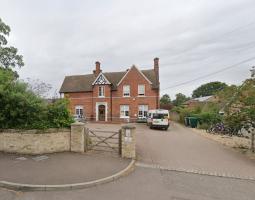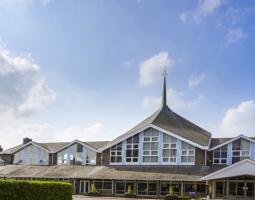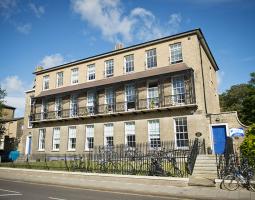
Wisbech Grammar School, Private School Wisbech

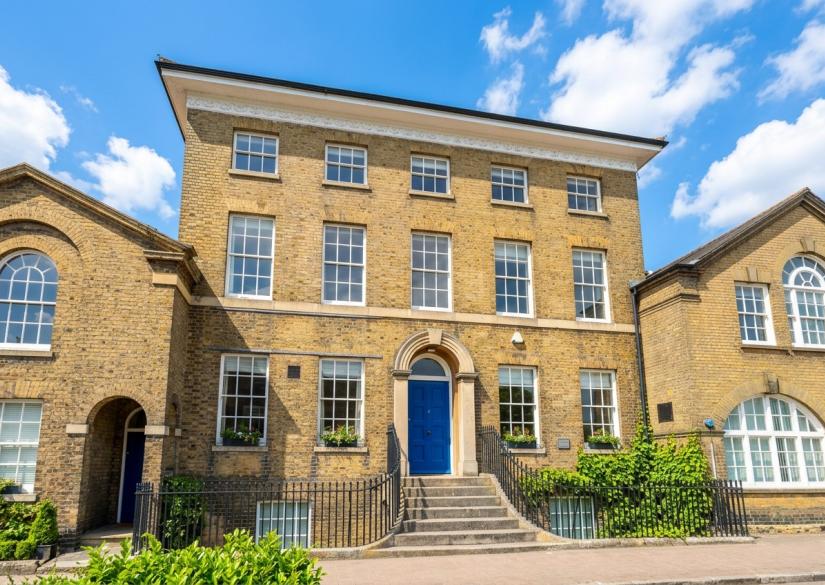


Programs and prices, tuition fees in Wisbech Grammar School, Private School Wisbech


Prep School (Junior School)
- Age of students — from 5 years old,
- Duration of study — from six to seven years.
Prep School — this is the initial stage of education at Wisbech Grammar School. Here the foundation is laid for further learning: children gradually develop literacy, mathematical thinking, and broaden their general knowledge. Education takes place in a supportive and calm environment, where attention is given to the individual development of each child.
The curriculum stipulates core school subjects that help build fundamental academic skills — English, Mathematics, and Science. Additionally, there are creative and developmental disciplines: Art, Music, and Physical Education.
Senior School (GCSE)
- Age of students — from 11 years,
- Duration of study — 5 years.
At this stage, Wisbech Grammar School first offers a broad range of subjects so that students can explore different areas, and then gradual preparation for the General Certificate of Secondary Education exams begins. The entire program lasts 5 years, and the most important period is considered to be the last 2 years — Years 10–11, when students choose their exam subjects.
The curriculum combines compulsory subjects and electives. Compulsory subjects typically include English Language, English Literature, Mathematics and Science, which encompasses Biology, Chemistry and Physics. In addition, children and teenagers enrol in optional modules based on their interests: the options include Business Studies, Art & Design, Computer Science, Geography, History, Drama, Music and Physical Education. This allows students to gradually shape a more personalised educational pathway.
Education at Senior School is focused on developing independence, analytical thinking and the skills needed for the next stage — preparation for A-levels.
Sixth Form (A-level)
- Age of students — from 16 years old,
- Duration of study — 2 years.
Sixth Form is the final stage of education, lasting 2 years (Year 12–13) and designed to prepare students for university admission after Wisbech Grammar School. This is the most intensive period in terms of academic workload, as students are already studying and practising at a level close to university standard.
Sixth form students typically choose 3–4 A-level subjects. Most often, the chosen subjects are related to their future university or college specialisation, making the curriculum more focused and in-depth. The standard academic program includes detailed study of disciplines, development of research skills, and thorough examination preparation. Popular A-level subjects include Mathematics, Biology, Chemistry, Physics, Business, Economics, Psychology, Art & Design, English Literature and History.
In addition to productive lessons and supplementary modules, students receive support throughout the process of applying to their dream university: this includes help with selecting a university that matches their goals and capabilities, preparation of a personal applicant statement, and guidance through the UCAS application process.
Description of Wisbech Grammar School, Private School Wisbech
- Location: Wisbech, Cambridgeshire, England,
- Year founded: 1379,
- Language of instruction: English,
- Type of study: mixed.
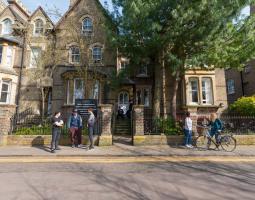
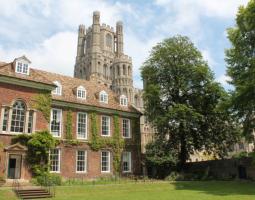
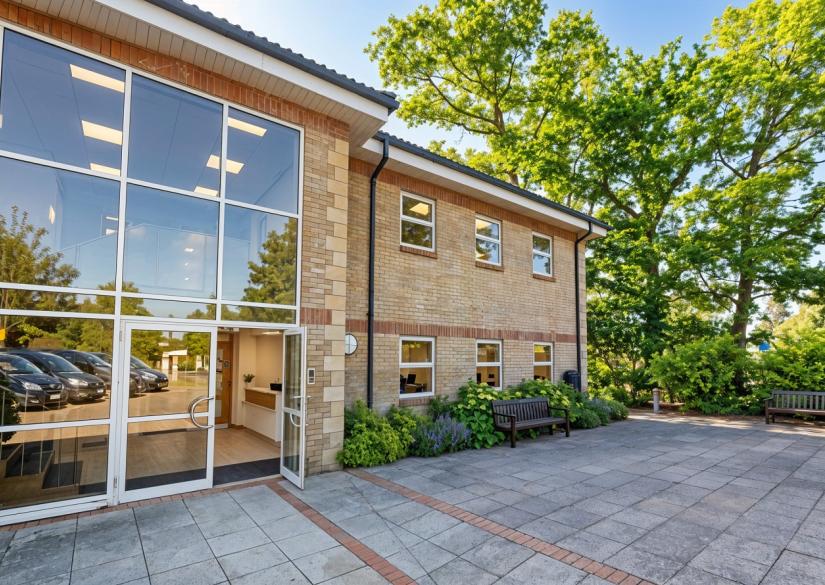
Wisbech Grammar School is an independent day school with partial boarding. Located in a historic building in the city centre, near the River Nene: it combines classical architecture and modern academic buildings, creating a comfortable learning environment. It is one of the oldest schools in the United Kingdom with an uninterrupted history of education spanning 600+ years.
Education covers several levels:
- Prep School — the primary stage,
- Senior School — secondary school,
- Sixth Form — preparation for A-levels and university entrance.
Things to know about
Wisbech Grammar School has been operating for 600+ years without interruption, and during this time has come a long way from a classical boys' grammar school to a modern co-educational school where both boys and girls study, including foreign children and teenagers.
Accommodation, meals, prices
Wisbech Grammar School offers places in a boarding house for international students, where they live in a "home away from home" format. The rooms are located in specially organized residences right on the campus grounds: here children and teenagers feel safe, adapt more easily to the British education system, and gradually become more independent.
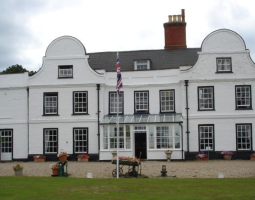
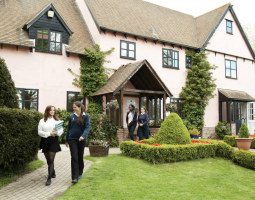
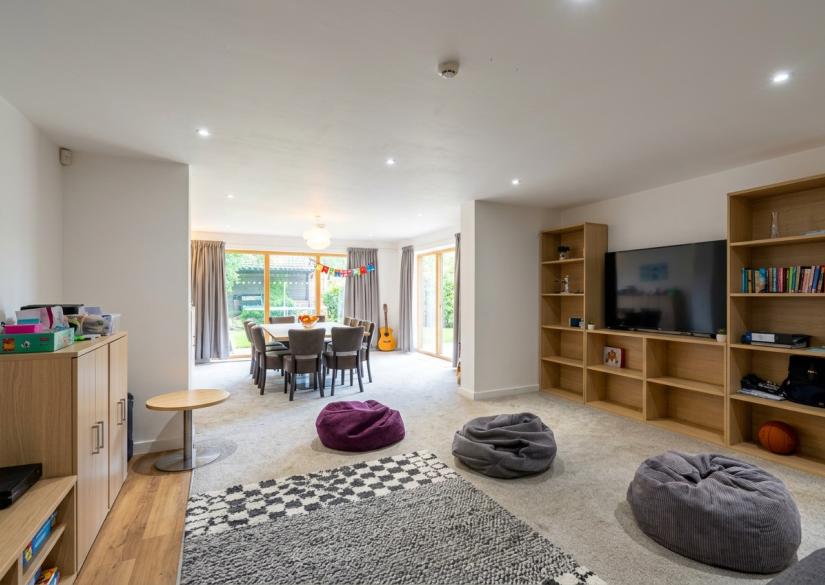
Hazel House is the school's main residential building, located on the campus in a calm and quiet part of it. This building is designed for girls, including foreign students, and accommodates a small number of residents, creating a warm and homely atmosphere. Inside there are bedrooms, common recreation areas, study rooms, and outside the building there is a small garden.
Warren House is located on the other side of the school grounds and is a converted residential house. The atmosphere here is cosy and secluded. This boarding house is designed for boys. The building contains bedrooms of varying capacity, shared spaces, and outside there is a garden where students can relax and spend their free time.
In both buildings, students may only reside from the age of 11. They are accommodated in small rooms, usually for 2–4 people. The boarding house facilities include:
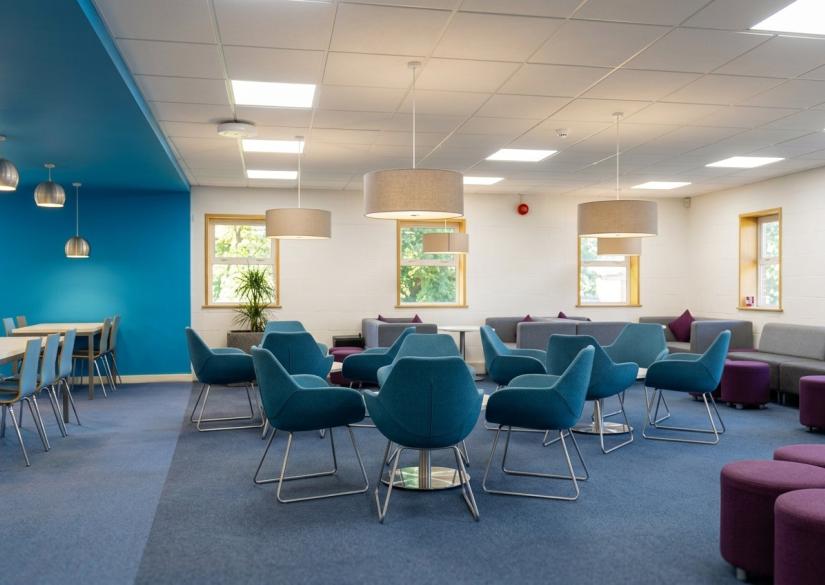
- Common rooms,
- Study co-working spaces,
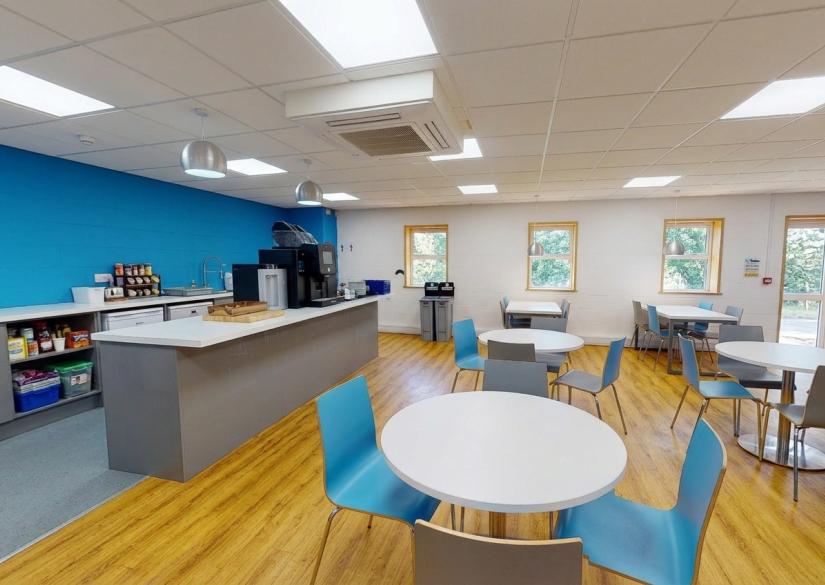
- Dining rooms and kitchen areas,
- A laundry room.
All boarding students are provided with support from tutor-supervisors.
For older international students there is another option — living with a British host family; however, this accommodation format is only available from the age of 16.
Activities Wisbech Grammar School, Private School Wisbech
At Wisbech Grammar School, great attention is paid to educational and recreational trips and extracurricular activities. Students regularly participate in excursions across the United Kingdom and beyond — in such moments, learning goes beyond the classroom and becomes more vivid and hands-on. Among the popular excursion destinations are:
- Cambridge with walks along historic streets and cultural routes,
- Historic National Trust sites, such as Peckover House, Sandringham Estate — the famous royal residence with a park,
- London with visits to museums, exhibitions, and other well-known and lesser-known locations,
- Zoos and local farms,
- Subject-themed trips related to disciplines such as biology, art, or languages.
In addition to domestic trips, the school organizes international travel: these include trips to Barcelona (Spain) and New York (USA), where students get acquainted with other cultures and educational environments.
A separate part of school life is weekend adventures, which take place approximately every two weeks. These are short outings with activities and cultural events: Go Ape with rope courses, rock climbing, archery, visits to museums, cinemas, city events, and other recreational or educational formats.
Many events also take place on campus: laser tag, school balls (such as the Michaelmas Ball), pizza-making evenings, karaoke parties, quiz nights, and film screenings.
In addition, a large number of clubs and groups operate for different age groups. Among the most popular are:
- Junior Art Club,
- Animation Club,
- Fashion Club,
- Science and Discussion Groups,
- Film & Photography Activities,
- Drama (including stage and backstage work),
- Sports sections and team sports.
Advantages
- The main focus at Wisbech Grammar School is on academic education, preparation for A-level exams, and admission to top universities in the United Kingdom. The school combines the traditional British education system with modern teaching approaches and student support.
- A significant number of graduates are admitted to Russell Group universities and other prestigious institutions in the country and around the world.
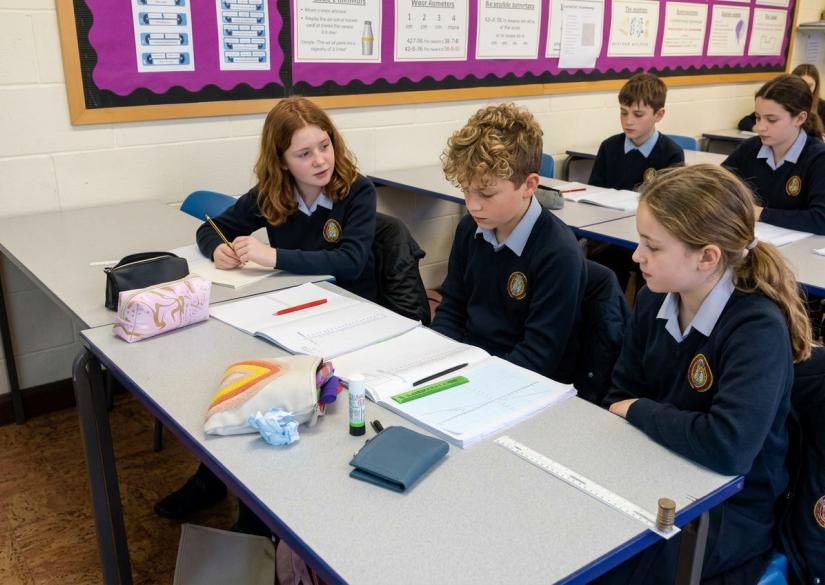
- Classes are conducted in small groups, allowing teachers to give more attention to each student and use an individual approach to learning.
- Great emphasis is placed on well-rounded development: in addition to academic subjects, sports, arts, music, and extracurricular activities are actively encouraged. Students have access to clubs, societies, and sports teams, which helps develop leadership qualities and communication skills.
- A particular advantage is the strong support system, which includes academic mentoring and career counseling. International students receive additional help adapting to the British education system and integrating into the learning process more quickly.
Facilities and equipment at Wisbech Grammar School, Private School Wisbech
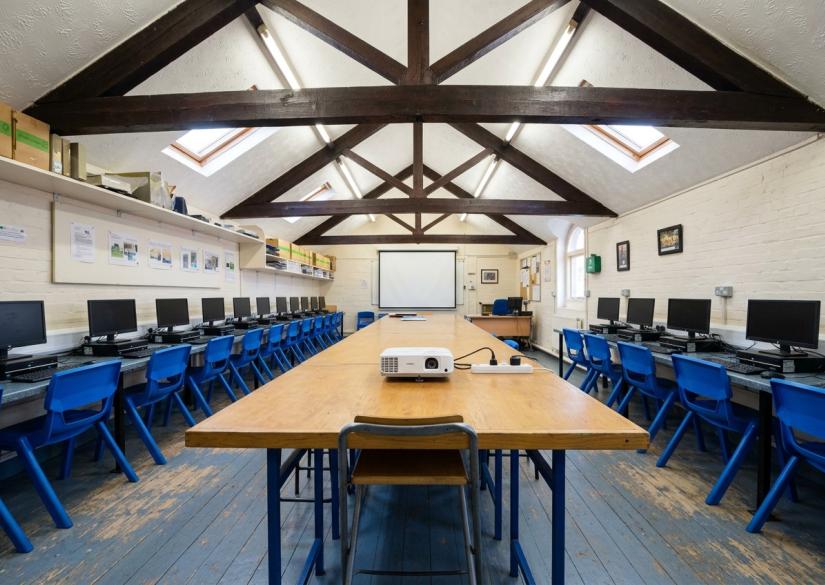
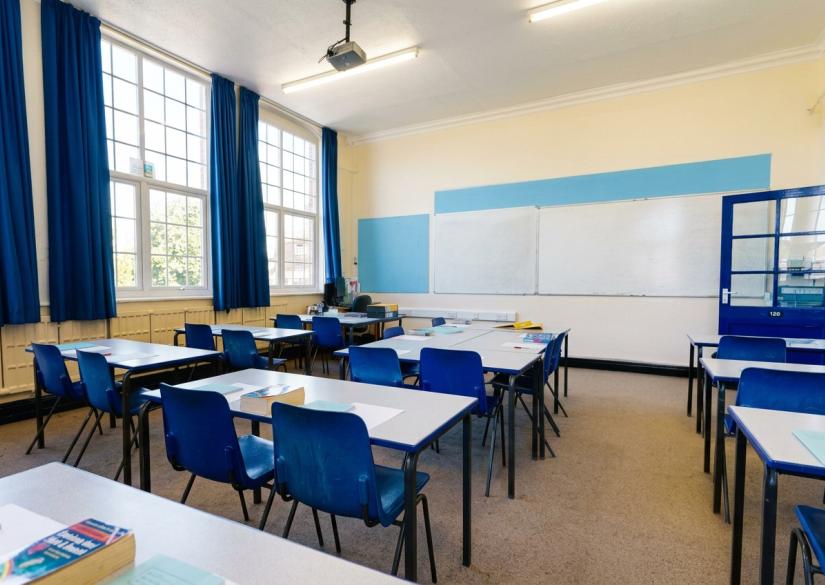
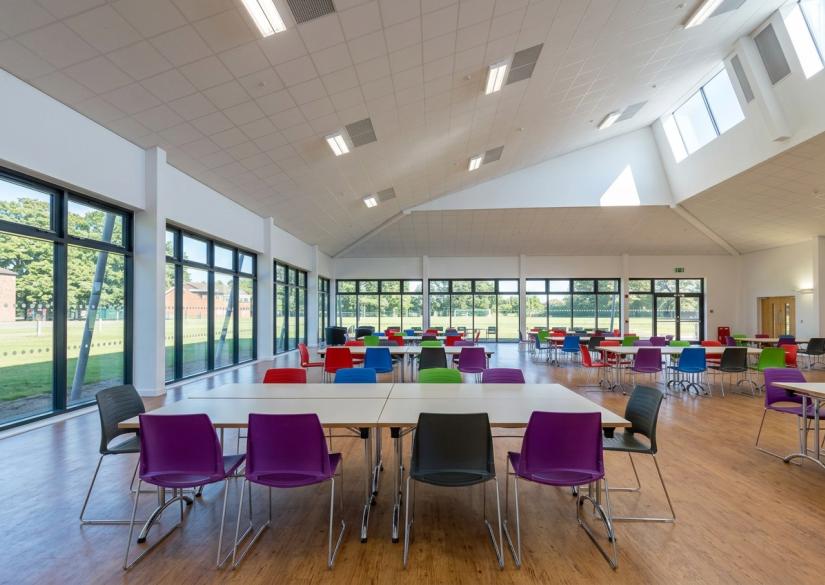
Wisbech Grammar School is located on a campus of approximately 14 hectares. It features a modern educational environment that harmoniously combines with the school's long history: old buildings stand alongside new academic blocks, laboratories, and specialized spaces, so lessons are conducted not only in classrooms but also in dedicated zones.
The learning space is organized by subject area in the form of academic hubs: Science & Maths Hub, Humanities Hub, and Creative Hub. This distribution ensures that students have access to all the necessary resources and equipment for practical work across different subjects.
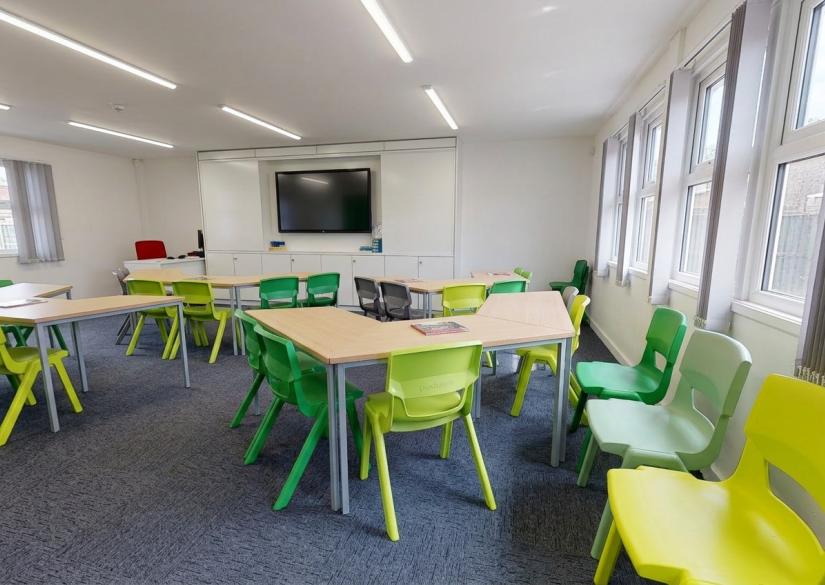
Modern work formats are used in the educational process. For example, in some classrooms there are large oval tables that make lessons more like a multi-faceted discussion, so instead of the usual "teacher at the blackboard" format, more attention is paid to dialogue, teamwork and active participation of children.
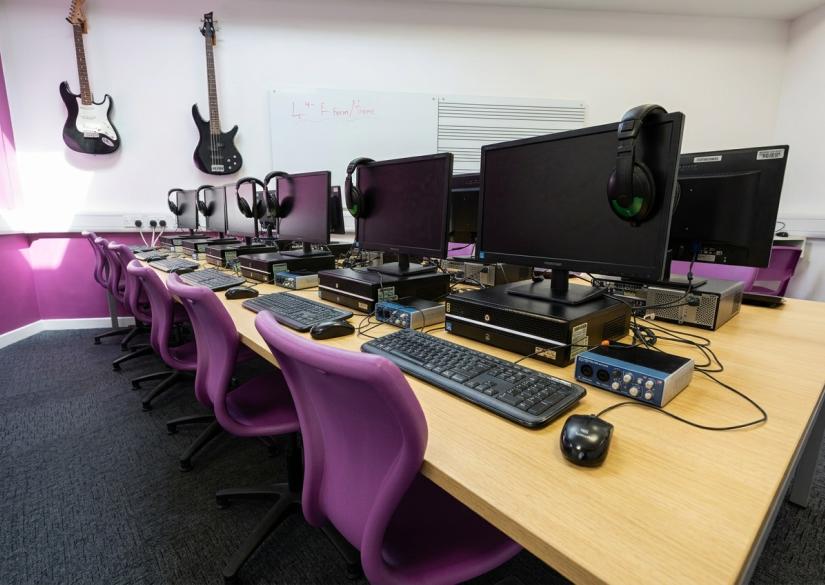
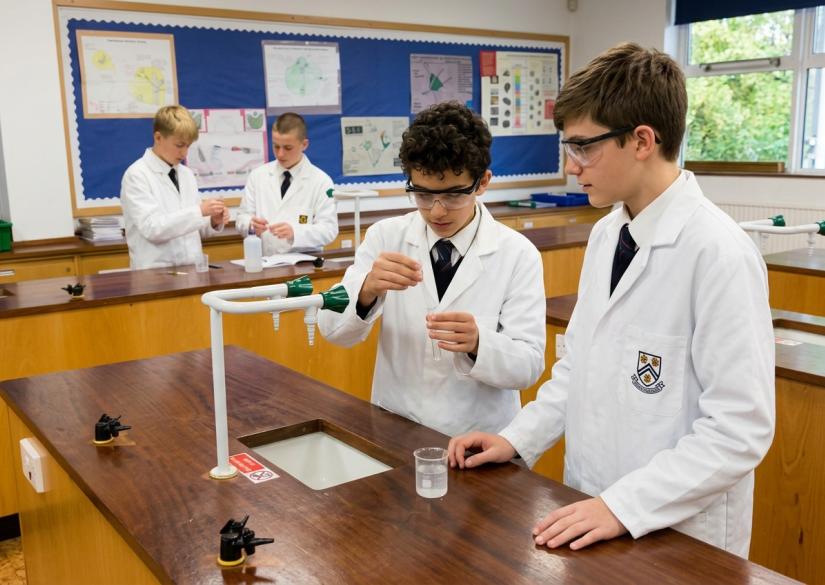
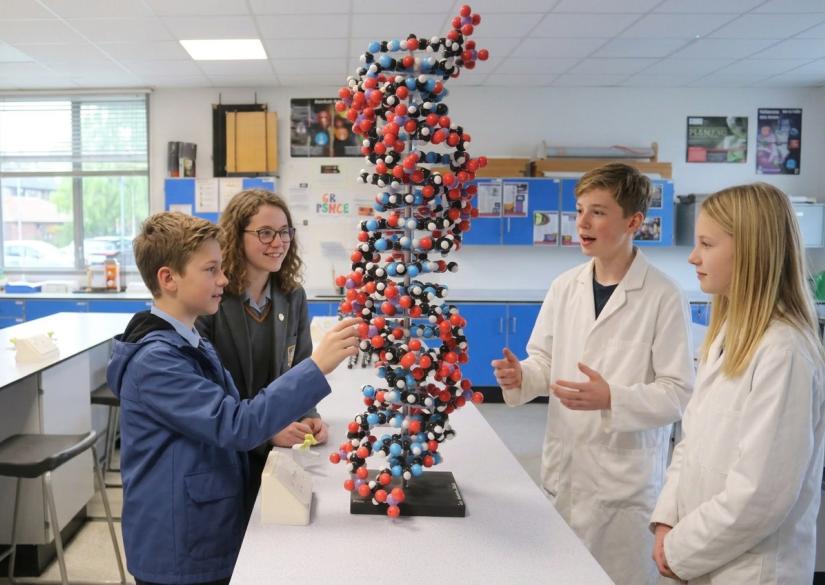
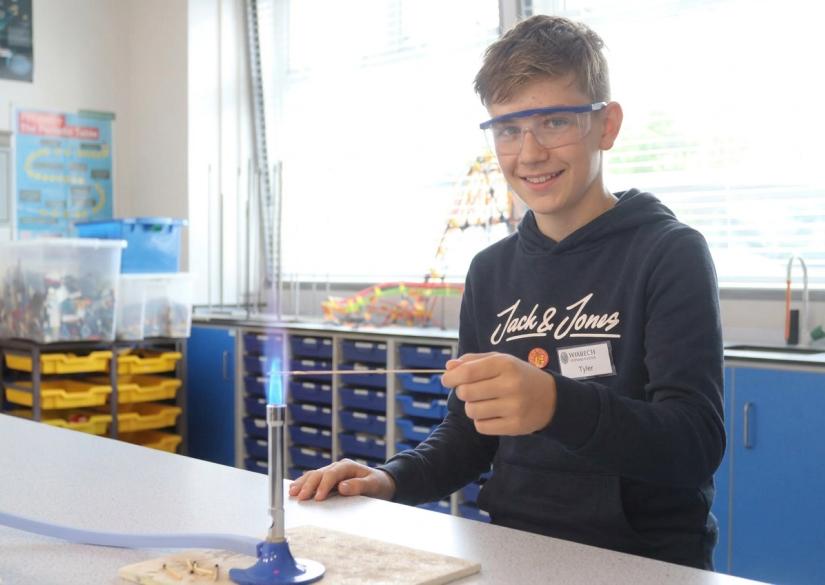
For natural sciences, separate laboratories in biology, chemistry and physics are equipped: they are used both in regular lessons and for practical experiments, thanks to which students master STEM disciplines through practice.
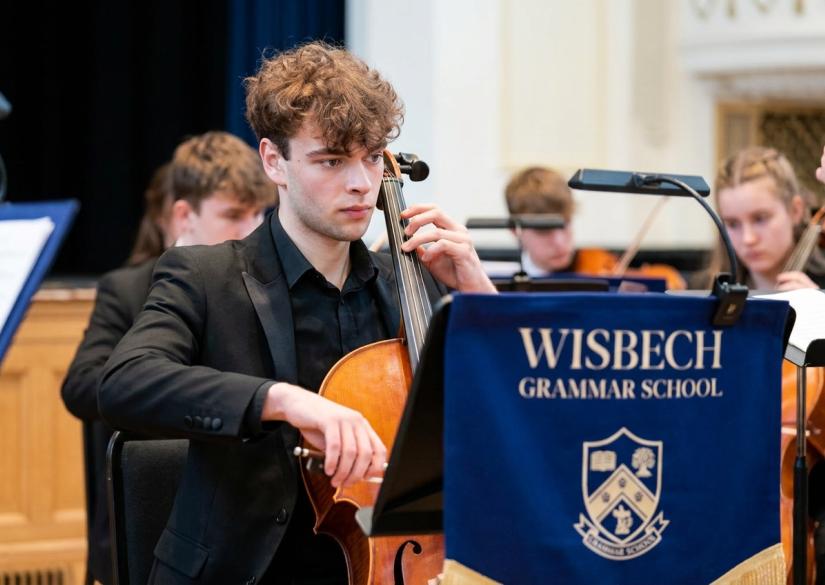
The creative direction is represented by art studios, music rooms and rooms for drama classes. There is a separate Performing Arts Center, where classes in music, theater and various productions are held.
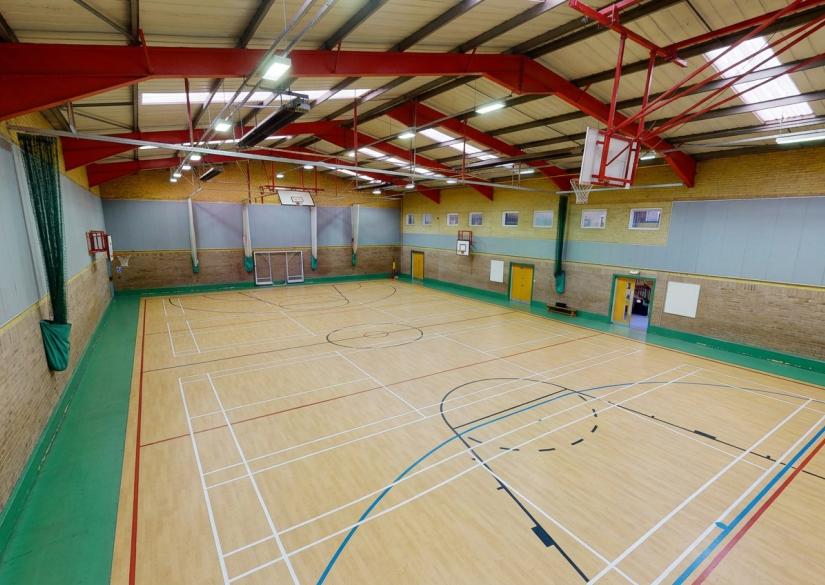
The sports infrastructure includes playing fields, a sports hall and a modern Astro Pitch surface: all this is used for football, hockey, cricket, rugby, athletics and other sports.
The Sixth Form Centre has been created for high school students, a separate space with study areas, lecture halls, quiet rooms for independent work, cafes and coworking spaces where they can communicate and spend time between classes.
Admission dates and extra charges
The academic year at Wisbech Grammar School runs from September to July and is divided into 3 terms: Michaelmas, Lent, and Trinity.
The tuition fee already includes the main academic expenses:
- The course itself,
- Textbooks,
- Library materials,
- Scientific resources,
- School equipment for classes,
- Basic student insurance.
In addition, there are extra costs that are not included in the main list of expenses:
- Transport,
- School uniform,
- Meals,
- Examination fees,
- Individual tuition,
- Participation in some extracurricular activities, including trips and excursions.
Enrolment process
Admission to Wisbech Grammar School begins with acquaintance with the school. Students and parents are invited to visit the campus in person or connect online, attend general open days or an individual tour — all of this helps to better understand the atmosphere, speak with teachers, and make an informed decision about applying.
After that, an official application is submitted, a registration form is completed, and a fee is paid. At this stage, the school typically requests the student's academic documents: grades and school reports. If the family plans to apply for a scholarship or other financial assistance, the relevant applications are also submitted at this time.
Next comes the entrance assessment stage: students take online tests or in-person exams, which help assess the candidate's level of preparation and academic potential; an interview is conducted with the child, and sometimes with the parents as well. Additionally, Wisbech Grammar may take into account references from the current educational institution and invite the student to a taster day to see how they feel in the school environment.
After all stages, the school makes a decision and sends an offer of admission. In some cases, it may be conditional — for example, when applying to the Sixth Form, enrollment depends on GCSE results or their equivalent.
The final step is confirming the place: parents sign a contract and pay a deposit, after which the student is officially enrolled. Preparation for studies then begins: arranging a visa, relocating, and participating in an orientation program for international students before the start of the academic year.
Perspectives
After completing their studies at Wisbech Grammar School, most students continue their academic journey at universities. The school focuses on the fact that the main outcome of education is university admission, and a significant number of students are accepted to their first-choice universities: leading UK institutions, including Oxford, Cambridge, and members of the Russell Group. The proportion of admissions to such universities is above the national average and exceeds the figures of many independent schools.
Subsequently, graduates choose different professional paths: among them are doctors, engineers, lawyers, entrepreneurs, IT specialists, designers, and scientists.
Entry requirements, how to apply, what is required to enrol
Admission to Wisbech Grammar School is competitive. The selection process takes into account the student's academic level, knowledge of the English language, and overall readiness to study in the British education system. For foreign children and teenagers, requirements may differ slightly and are often considered individually, but the selection process itself remains standard.
The main age for admission is 11 years old: at this point, students move to Senior School (Year 7), and it is from this stage that the school begins to accept international boarding students. In practice, the most common age groups among foreign students are 13 and 16. At 13 (Year 9), preparation for GCSEs usually begins, and at 16 (Sixth Form) — the stage of preparation for A-levels and university admission.
Scholarships Wisbech Grammar School, Private School Wisbech
Wisbech Grammar School operates a Scholarships system — these are awards for students with high academic achievements or outstanding performance in other significant directions, including Art & Design, Music, Drama, and Sport. Scholarships are available at entry into Year 7, Year 9, and Sixth Form (Year 12); they are most commonly awarded to students with the strongest results and clearly demonstrated talents in specific fields.
The selection of scholarship recipients involves several stages: entrance exams, interviews, and references from the previous school. Not only existing grades matter, but also active involvement in school life and consistent academic performance.
In addition, Wisbech Grammar offers Bursaries — financial assistance during the course of study: this is support for families who find it difficult to fully cover the cost of tuition, calculated individually based on the financial circumstances of applicants. The amount of such assistance typically ranges from 5% to 85% of tuition fees, but in rare cases may reach 100%.
Institution on the map
Residence permits, citizenship and other services
- Guardianship services during the studies
- Student supervision
Review about Wisbech Grammar School, Private School Wisbech
Recommendations on when to apply
| Language courses, schools and children's language camps | Primary and secondary education - private schools | Preparation programmes for entering universities - higher education | Higher education (after completing accredited programs A-level, IB, High School) - Bachelor, Master, MBA |
| - we recommend to apply 6-9 months before the start of the course (some camps and schools offer discounts for early booking or for lengthy study programs) - there are some very popular and high demand children's camps, where the applications need to be submitted 1 year in advance (in particular Switzerland , Great Britain , USA , Canada , Austria) | - we recommend to apply one year before the start of the training program, - some schools have a specific time frame (September-November - please specify an individual school) - some schools require tests in several stages (UKISET, internal tests of the school: English, mathematics, logics, subjects, interview, some require a personal visit) | - we recommend to apply one year before the start of the program, - for Foundation and Pathway programs, IELTS and TOEFL certificates are usually required, respectively | - recommended submission one year before the start of the program, - the deadline normally closes in January, for TOP HEIs and, as a rule, in March in other universities - for a bachelor, a Foundation or Pathway preparatory program a completed A-level, IB, High School + IELTS / TOEFL are required - for Masters you need a graduated higher education, in some cases you need a pre-Masters program - MBA requires completed higher education, work experience preferably at least 2-3 years, etc. |