University of Massachusetts Dartmouth (UMD)









Programs and prices, tuition fees in University of Massachusetts Dartmouth (UMD)


Bachelor's Degree Programs
- Age of students — from 18 years old,
- The studying period is three to four years.
The Bachelor's degree is the first stage of higher education, which will provide a general understanding of the scientific field, basic professional knowledge and skills. The studying will take three to four academic years, after which students can continue their education in a master's degree or start a career.
Some of the sought-after programs are:
- Accounting,
- Animation, game art,
- Anthropology,
- Art education,
- Art History,
- Artificial intelligence,
- Astronomy,
- Bioengineering,
- Civil engineering,
- Communications,
- Computer Engineering,
- Creative writing,
- Crime, justice,
- Economy,
- Electrical engineering.
Master's Degree Programs
- Age of students — from 21 years old,
- The studying period is one to two years.
The Master's degree will provide students with a deeper understanding of their professional activities through participation in practical work, internships, and research. For one to two years, students will attend lectures and seminars, as well as external scientific events, in order to successfully complete their studies and continue their academic path to doctoral studies. With a Master of Science degree, they can start their career with broader prospects than after a bachelor's degree.
Popular Master's Degree Specializations at UMassD are:
- Accounting,
- Graphic design,
- Healthcare Management,
- Illustration,
- Marine Science,
- Technology,
- Mechanical Engineering,
- Painting,
- Physics,
- Photo,
- Portuguese studies,
- Professional writing, communication,
- Clinical Psychology,
- Control technology,
- Sculpture,
- Management.
University Pathway Program
-
The minimum level of English is Advanced (TOEFL iBT 70 / IELTS 6.0).
The OHLA University Study Program allows international students to automatically enroll in multiple university programs throughout the United States. A team of experts prepares students for university studies, guides students towards successful admission.
Pathway provides students with the opportunity to prepare for college by getting information, doing exercises that make academic requirements clear, and removing common barriers that can stunt student progress. Topics: resources, teaching methods, writing skills, critical thinking skills, motivation, self-efficacy. Particular attention is paid to group work, mutual learning.
Studying program:
- Acquaintance with other students, staff and teachers, developed support network before starting training at CSM
- Getting to know the campus and its valuable resources
- Obtaining 1 college credit.
Doctoral Programs
- Age of students — from 23 years old,
- Duration of study — from three years.
Future doctoral candidates undergo effective preparation for three or more academic years with a particular focus on internships. Under the guidance of professors, they study theory in depth, practice professional skills and create individual project work, based on which they receive a Doctor of Science degree.
Some of the specializations for which you can obtain a doctoral degree:
- Biomedical engineering, biotechnology,
- Leadership in education, political science,
- Electrical engineering,
- Technical, applied sciences,
- Integrative biology,
- Legal science,
- Law,
- Marine sciences and technologies,
- Nursing,
- STEM education.
Description of University of Massachusetts Dartmouth (UMD)
- Location: Dartmouth, Massachusetts, USA,
- Year of foundation: 1895,
- Number of students: about 7,500,
- Language of instruction: English,
- Type of study: mixed.
University of Massachusetts Dartmouth (UMass Dartmouth, UMassD) is the southernmost campus of one of the leading research universities in the United States. Dozens of undergraduate, graduate, and doctoral programs are taught across seven specialized faculties.
In 1895, the textile school opened its doors, which became the foundation for today's well-known UMass Dartmouth. Over several decades, the campus expanded and academic buildings — were modernized to offer students the best conditions for American higher education today. As part of the Massachusetts University system with six campuses, UMassD is its southernmost part.
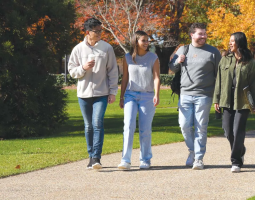
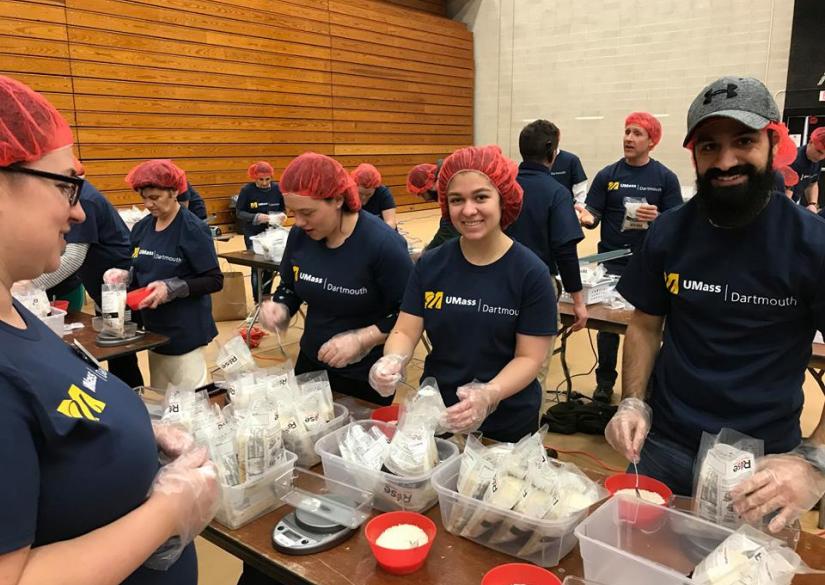
Fully accredited and internationally and nationally recognized, the university annually educates approximately 7,500 students from all states of the USA and more than 50 countries around the world. Creating a friendly and multicultural community, students actively participate not only in studying sought-after scientific disciplines but also in extracurricular life: sports, creativity, and social work. A wide range of opportunities for realizing talents and potential provides students with a chance to meet leading specialists in various fields, demonstrate their abilities to a wider audience, and influence the quality of life both for UMass students and the local community.
Educational process
Specialized academic departments offer a range of additional services to support students in achieving their goals:
- Individual tutoring in most subjects,
- Tutoring in small groups,
- Organized study groups for upcoming exams,
- Exam reviews,
- Useful handouts, practical guides,
- Skills testing, academic support for returning students,
- Employment opportunities for outstanding students as tutors for their peers,
- Mentors to help balance student life.
Faculties and colleges
Teaching is conducted at seven specialized faculties:
- Business,
- Arts and Sciences,
- Engineering,
- Nursing, Medical Sciences,
- Visual and Performing Arts,
- Honors College.
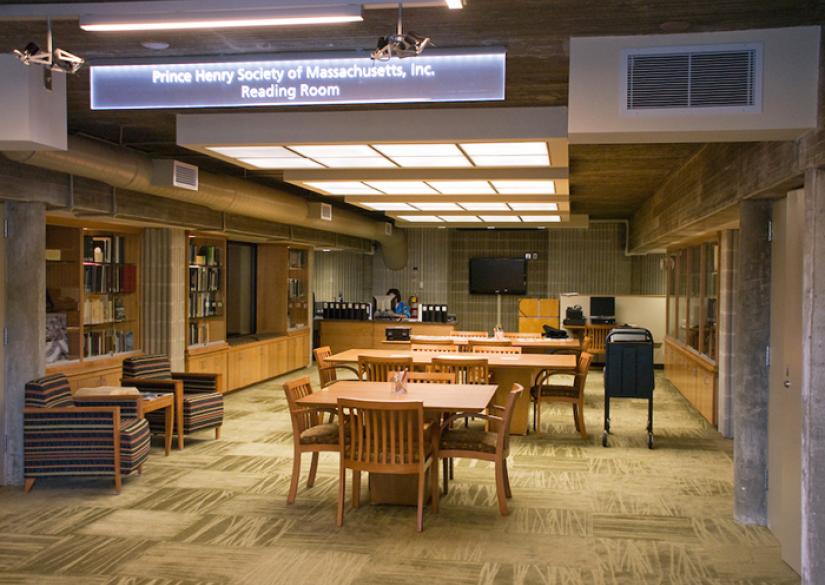
UMassD is home to the School of Marine Sciences and Technology, the School of Law, and a division of online education.
Scientific achievements
Highly qualified research staff are actively involved in UMassD research, but also students from all faculties and courses: through interaction with experienced specialists, they gain skills of the highest quality, broaden their horizons and acquire valuable abilities for employers. The university’s research is conducted in areas such as:
- Humanities,
- Life Sciences,
- Marine Science and Technology,
- Engineering, Physical Sciences,
- Social Sciences, STEM Education,
- AI, Computing, Data Science.
Things to know about
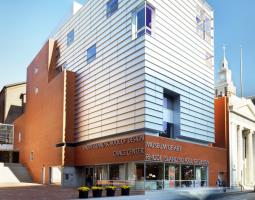
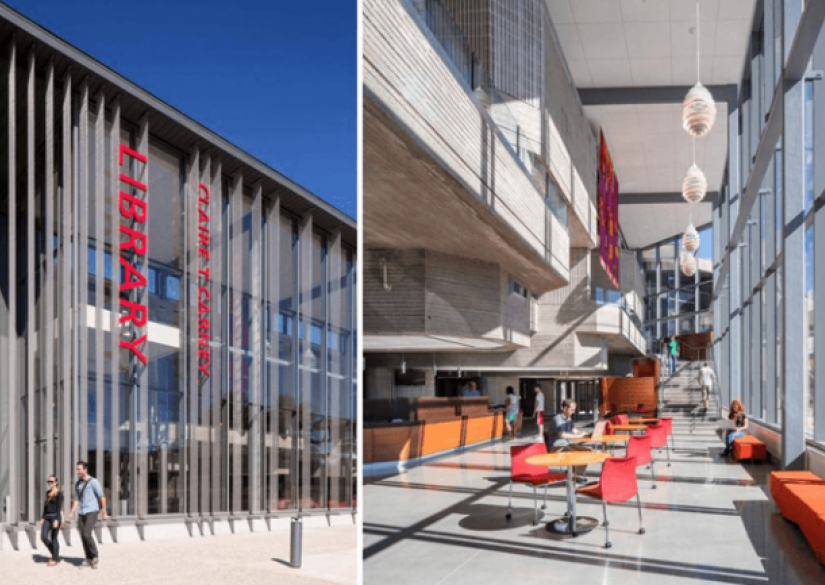
The UMass Dartmouth Library houses special collections and valuable archives for international history:
- Historical records, publications and dissertations of graduates,
- Archives of the Robert F. Kennedy assassination — thousands of copies of government documents, manuscripts, photographs, audio recordings and other materials,
- Archives of Portuguese and American authors Ferreira-Mendes — records of fraternal, religious and community organizations, family photographs, scrapbook albums and oral histories illustrating the collective experience of immigration, settlement and life in the United States,
- Bibliography of the works of architect Paul Rudolph.
Accommodation, meals, prices
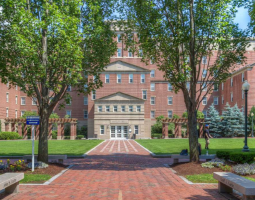
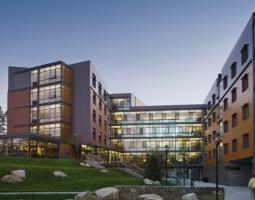
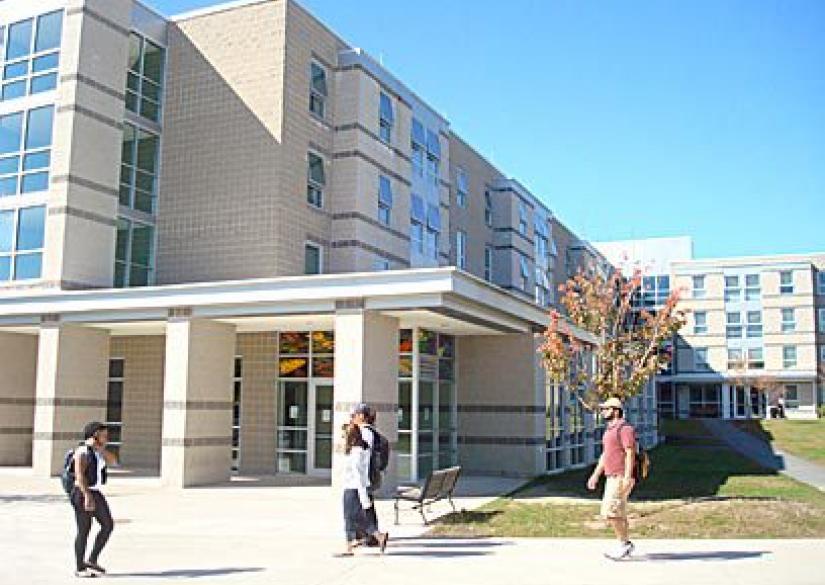
There are 10 residence halls on the UMass Dartmouth campus, some of which are designated for first-year students and others for upperclassmen and graduate students. The residences offer mainly double rooms, combined into three- or four-room apartments with a shared bathroom, kitchen, and living area (or in a corridor style). Single rooms with private facilities may be available in rare cases.
Each residence provides easy access to academic buildings and offers a range of additional services to enhance the comfort of living: laundry facilities, self-study classrooms with computer equipment, and recreation areas. Some residential buildings have dining halls and cafeterias, as well as fitness centers.
Students can arrange a meal plan including a certain number of meals per week, or visit the university dining halls as needed.Activities University of Massachusetts Dartmouth (UMD)
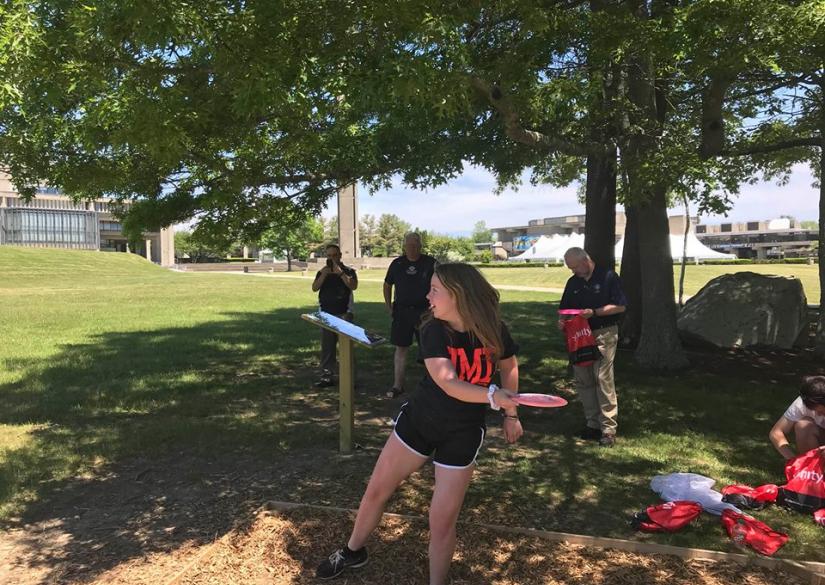
Students have extensive opportunities to develop their ideas, talents and potential: hundreds of thematic communities, sports sections for team and individual sports, art and performing arts clubs, volunteer groups and other student clubs operate on campus. The list of thematic communities that unite like-minded people includes:
- Fiction,
- Association of African Students,
- Interior Design,
- Animation,
- Ceramics,
- Cybersecurity,
- Fashion Design,
- Crafts, knitting,
- Painting,
- Computer Game Development,
- Illustration,
- K-pop Dance Team,
- Model United Nations,
- Music Production,
- Photography.
Club sports — sections open to all skill levels. Under the guidance of professional coaches, students can try their hand at a new direction or improve their skills. Some of the popular sections include:
- Badminton,
- Cricket,
- Cornhole,
- Golf,
- Jiu-jitsu,
- Lacrosse,
- Sailing,
- Karate,
- Volleyball,
- Rugby.
University sports sections offer students to maintain physical activity without competing at a serious level. Students can create their own team and train with students from another faculty in the following areas:
- Basketball,
- Badminton,
- Flag football,
- Kickball,
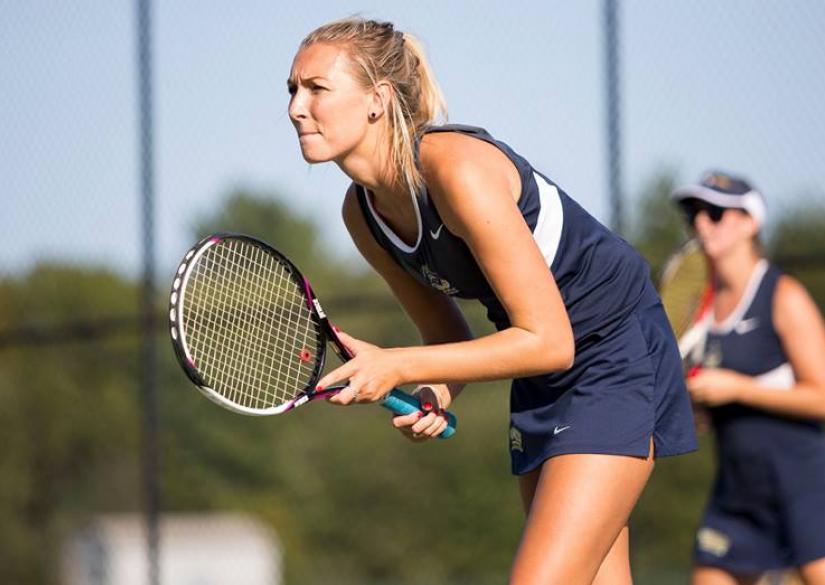
- Tennis,
- Football,
- Volleyball.
Those who would like to achieve high results in competitive sports can join one of the national teams: they compete with universities in the region in such sports as football, baseball, athletics and others.
Advantages
- Accreditation by the Association of Schools and Colleges of New England (NEASC), Commission on Institutions of Higher Education (CIHE),
- Multinational student community,
- 82% of students receive financial aid and scholarships,
- R2 Classification: «High Research Activity»,
- The university is ranked among the top 15 research institutions with less than 10,000 students,
- #84 in the Times Higher Education World University Rankings,
- More than 140 thematic communities, sports teams, creative and volunteer groups.
Facilities and equipment at University of Massachusetts Dartmouth (UMD)
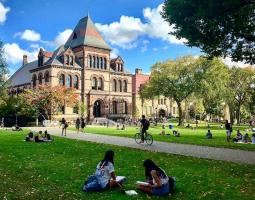
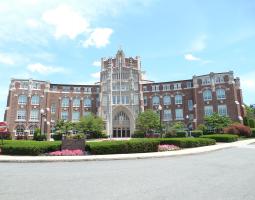
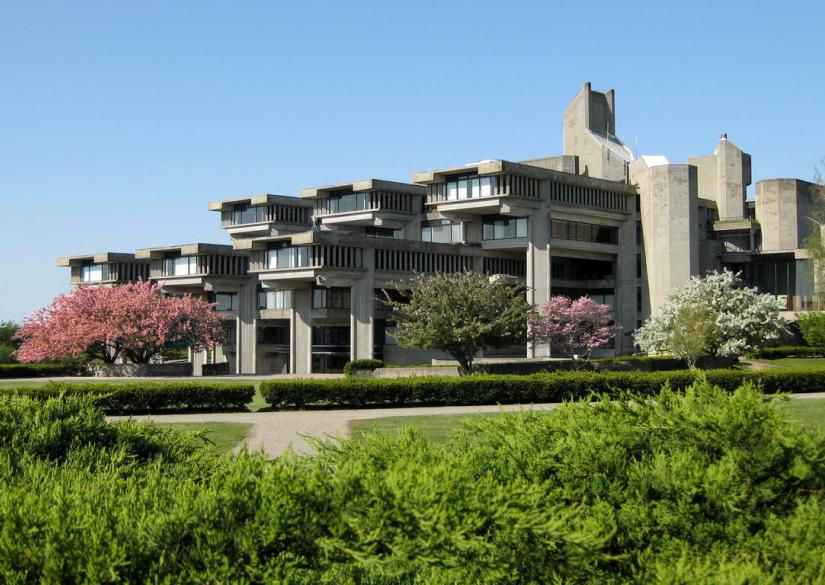
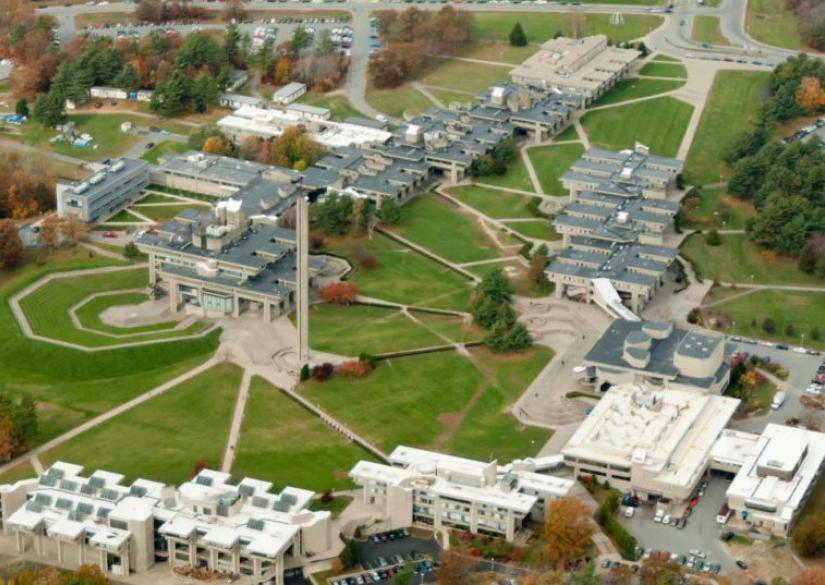
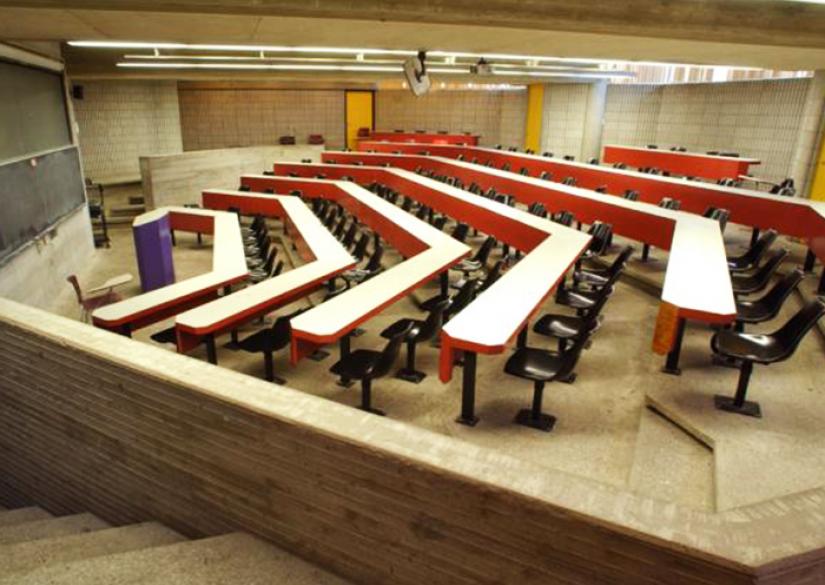
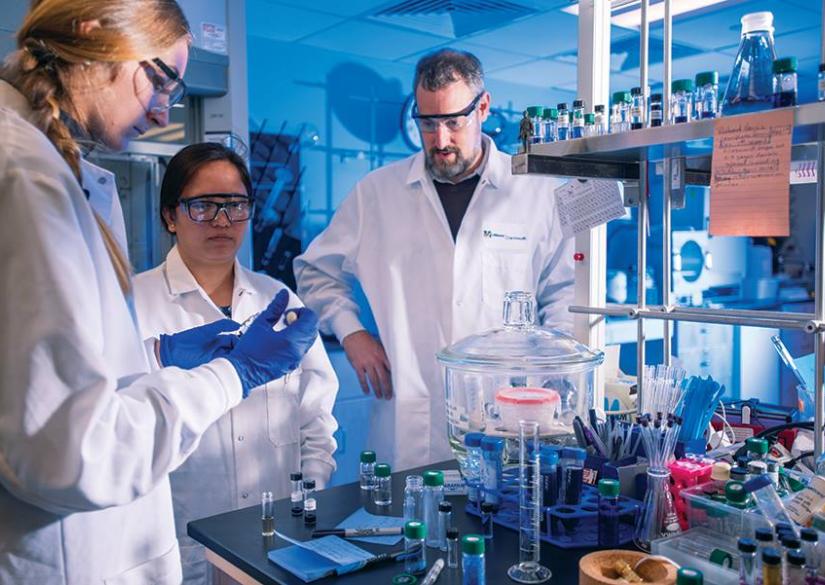
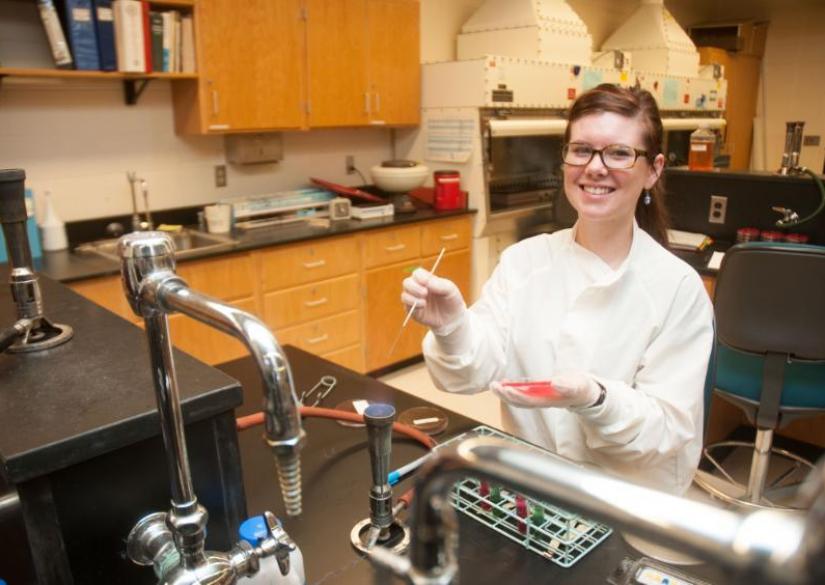
The UMass Dartmouth campus covers an area of 710 acres, located between Providence and Cape Cod, an hour's drive from Boston. The Art Nouveau-style academic buildings are equipped with large windows, spacious rooms for study and extracurricular activities, and high-speed Wi-Fi. The studying is conducted in lecture halls, practical work studios, computer classrooms and specialized laboratories. There are studios for fine and performing arts, music, design and other fields on campus for creativity.
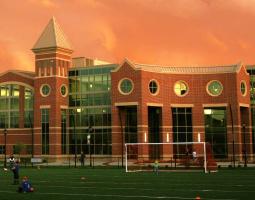
UMassD's sports infrastructure includes:
- Sports center with fitness and games rooms,
- Baseball and softball fields,
- Tennis courts, Ice arena,
- The athletics stadium.
Admission dates and extra charges
The UMass Dartmouth academic calendar includes two semesters and intersession sessions:
- Autumn: September-December,
- Winter session: December-January,
- Spring: January-May.
Classes are held on weekdays, and there is time off on weekends, international and national holidays, and during school vacations.
Approximate list of additional expenses includes:
- Registration and administrative fees,
- Student association dues,
- Some extracurricular activities,
- Accommodation, meal plan and related expenses,
- Technology fees,
- Personal study materials,
- Medical insurance,
- Personal expenses.
Enrolment process
Admission is possible both in person and online. Applicants need to complete a detailed application form, provide documents and pay the registration fee, and then pass an interview and possible entrance exams. The admissions committee reviews applications in order of receipt and sends official admission letters to selected candidates.
Enrolment statistics
Approximately 92% of applicants who apply for undergraduate programs at UMass Dartmouth are successfully admitted each year.
Perspectives
To date, the number of UMass Dartmouth graduates reaches 67,000 qualified specialists in various scientific fields. Year after year, 92% of former students find employment or continue their education within six months of graduation.
Entry requirements, how to apply, what is required to enrol
Foreign applicants must have a passport, medical insurance, visa or residence permit in order to study in the United States. To enroll in higher education programs, they should provide:
- Academic certificates from all places of study: secondary school, bachelor's degree and others,
- Official assessment reports, exam results,
- Language test results: TOEFL (from 79), Duolingo (from 105), PTE Academic (from 53) or a recognized equivalent,
- Letters of recommendation from a teacher, mentor, or employer, if available,
- A portfolio or an audition for some programs.
Scholarships University of Massachusetts Dartmouth (UMD)
UMassD awards scholarships based on various criteria, including freshmen — for previous achievements, outstanding athletes — for special merits in competitions, and honor students — for high scores in the study of a specialized subject. Scholarships cover part of the annual tuition costs and can be renewed.
Students can also take advantage of scholarship programs from partner organizations, FAFSA awards, federal loans, grants and loans.Literature and references
-
University of Massachusetts Dartmouth — Wiki

-
University of Massachusetts-Dartmouth – Colleges — U.S. News & World Report
-
University of Massachusetts Dartmouth — Niche
-
University of Massachusetts Dartmouth — Times Higher Education
-
University of Massachusetts-Dartmouth — Top Universities
-
University of Massachusetts-Dartmouth — Data USA
-
University of Massachusetts Dartmouth Ranking 2022-2023 — Center for World University Rankings
Institution on the map
Residence permits, citizenship and other services
- Guardianship services during the studies
- Student supervision
Review about University of Massachusetts Dartmouth (UMD)
Recommendations on when to apply
| Language courses, schools and children's language camps | Primary and secondary education - private schools | Preparation programmes for entering universities - higher education | Higher education (after completing accredited programs A-level, IB, High School) - Bachelor, Master, MBA |
| - we recommend to apply 6-9 months before the start of the course (some camps and schools offer discounts for early booking or for lengthy study programs) - there are some very popular and high demand children's camps, where the applications need to be submitted 1 year in advance (in particular Switzerland , Great Britain , USA , Canada , Austria) | - we recommend to apply one year before the start of the training program, - some schools have a specific time frame (September-November - please specify an individual school) - some schools require tests in several stages (UKISET, internal tests of the school: English, mathematics, logics, subjects, interview, some require a personal visit) | - we recommend to apply one year before the start of the program, - for Foundation and Pathway programs, IELTS and TOEFL certificates are usually required, respectively | - recommended submission one year before the start of the program, - the deadline normally closes in January, for TOP HEIs and, as a rule, in March in other universities - for a bachelor, a Foundation or Pathway preparatory program a completed A-level, IB, High School + IELTS / TOEFL are required - for Masters you need a graduated higher education, in some cases you need a pre-Masters program - MBA requires completed higher education, work experience preferably at least 2-3 years, etc. |