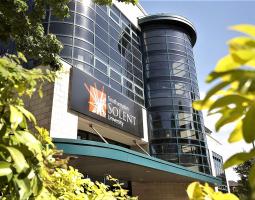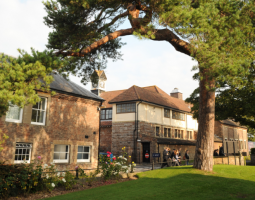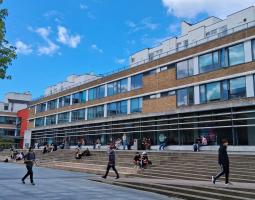
University of Southampton





Programs and prices, tuition fees in University of Southampton


Brief information about specialized program of academic English for those wishing to study at the University of Southampton.
Language courses are aimed at bachelor's and master's students who need to improve their language skills and develop their skills. The program provides for the study of grammar, vocabulary, the practice of spoken English, reading, writing, listening. The lessons take place in a standard university atmosphere. This gives students an idea of the teaching methods in the university.
- Student age: 17+
- Start dates: September, January, April.
- Requirements for admission: the level of English - from pre-intermediate.
- Learning outcomes: rapid language progress.
Short information about preparatory one-year courses for undergraduate students.
The comprehensive program includes subject modules and a language course. Students are offered to study profile disciplines, vocabulary, grammar of English. The emphasis is on developing learning skills.
- Student age: 17+
- Start dates: September, January.
- Requirements for enrollment: the level of English - intermediate.
- The result of the studying: bringing the secondary education received in another country in compliance with British standards, adapting to the academic environment, improving English.
Short information about program of postgraduate practical-oriented profile education.
Master's programs in the university are designed for 1-2 years. The programs provide for the theoretical, practical education of highly qualified specialists. Students of the Master's program must pass professional internships without fail. The programs also provide for participation in scientific research on the profile.
- Student age: 21+
- Start dates: September
- Requirements for admission: the diploma Bachelor, IELTS from 6.5 (equivalent), resume, motivation letter.
- The result of the studying: a master's degree, work experience (internship) in Britain, the prospects of a research and / or pedagogical career.
Undergraduate Foundation Programs
- Age – from 17 years
- The period of study is 3-4 semesters.
This foundational course will enable international students to prepare and transition to their chosen undergraduate course at the University of Southampton. The program is designed for training in several areas:
- Business, Economics, Finance, Management,
- Humanities, social sciences,
- Art, painting, design,
- Engineering, Physical Sciences,
- Life Sciences.
The curriculum consists of subject modules focused on increasing knowledge of the discipline, developing learning skills, improving knowledge of the English language and British culture. Upon successful completion of the course, students are guaranteed to enter the university.
Postgraduate Foundation
- Age – from 20 years
- The term of study is 2-4 semesters.
The Master's version of the Foundation is designed for 2-4 semesters and guarantees the transition to a wide range of university degrees. The course is based on the effective study of the English language, the development of the disciplines necessary for the student and active preparation for admission to graduate / master's degree.
The curriculum consists of two main modules: a research project and the development of postgraduate education skills. Also, the schedule can be supplemented with two academic subjects related to the chosen direction:
- Business, Economics, Finance, Management,
- Humanities, social sciences,
- Art, painting, design,
- Engineering, Physical Sciences,
- Life Sciences.
International Year One
- Age – from 18 years old,
- The term of study is three semesters.
International Year One is a three-semester program that offers international students effective preparation and admission directly to the second year of a bachelor's program. Students study 3-4 subjects depending on their academic interest, actively improve their English. Understanding English for academic purposes is crucial to completing assignments and addressing any academic gaps, helping students excel academically. Students will spend up to five hours per week studying each subject in the classroom + about the same number of hours will be devoted to independent study.
Bachelor's Degree Programs
- Age – from 18 years old,
- The duration of training is three to four years.
There are hundreds of undergraduate specializations available at the University of Southampton. Some of the most popular are:
- Accounting, Finance,
- Acoustic Engineering,
- Aeronautics, astronautics,
- Ancient history, archaeology,
- Artificial intelligence
- Biology, marine biology,
- Biomedical research,
- Business Analytics,
- Chemical Engineering,
- Civil engineering, architecture,
- Informatics, cybersecurity,
- Criminology, Psychology,
- Economics
- Electrical Engineering, Electronics,
- English language, literature.
Basically, training takes three years of full-time classes. Four years of study is the same curriculum, but with an additional year to prepare for direct admission for foreign students or with a year of educational activities abroad.
Doctoral Programs
- Age – from 23 years old,
- The term of study is from two to five years.
Doctoral studies are an in-depth study of a narrow profile in the format of individual research work. For 2-5 years, students will lead the project under the guidance of qualified teachers, researchers and external specialists, and then present it to an external commission.
Dozens of areas are available for study, implemented within the walls of research centers at the university. Some of the popular ones are:
- Archaeology
- Art, Design, Media, Fashion,
- Biological sciences,
- Business Studies,
- Chemistry
- Economics
- Education
- Electronics, computer science,
- Engineering
- English language
- Film Studies,
- Geography, ecology,
- Gerontology
- Medical sciences,
- History.
Description of University of Southampton
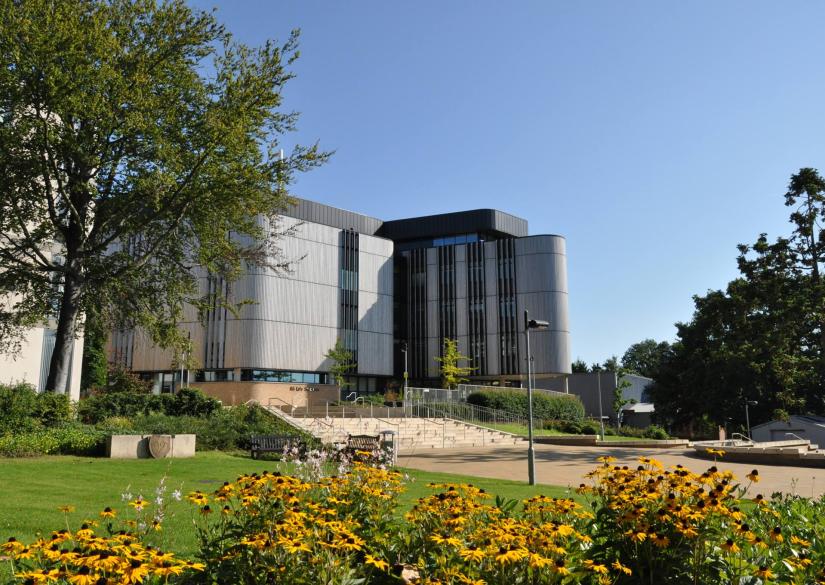
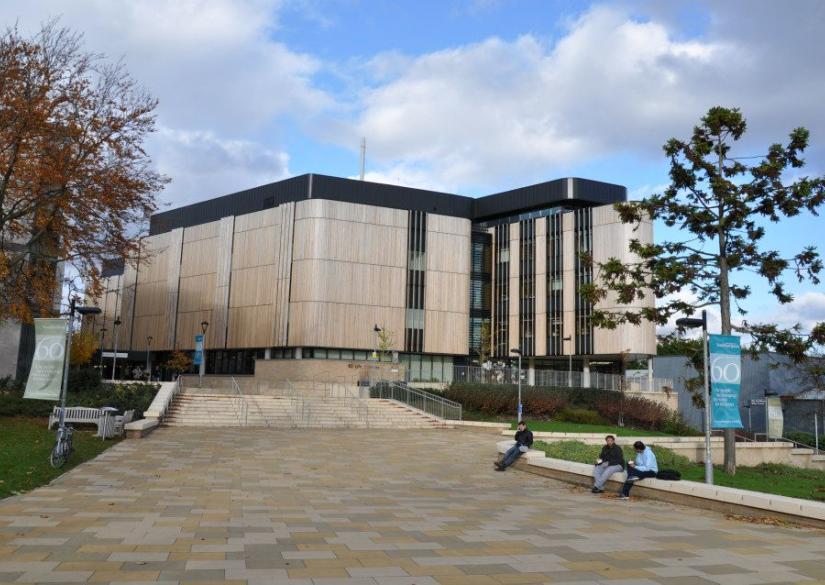
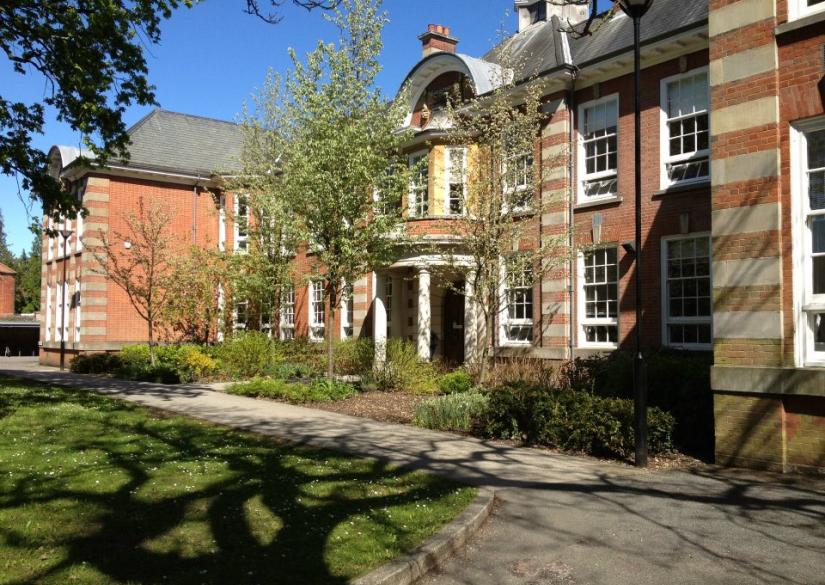
History of the modern University of Southampton began in 1862, when Hartley Institute was founded. University status was received in 1953. Today, the University of Southampton unites 7 campuses in Southampton, Winchester. The network is connected by its own bus service.
The university is widely known as a research center. The pride of the University is the Oceanographic Center. It has status of one of the best in the world. International recognition was also given to electrical and electronic engineering. Quite important are studies in the field of nutrition.
The University of Southampton developed from the Hartley Institution, established with a bequest from Henry Robinson Hartley, heir to a family of Southampton wine merchants. The institution attracted almost 700 members within its first three years. It became a University College in 1902 and received national grants for its work in chemistry and engineering in the 1930s. Growth in student numbers during the 1950s led to a major expansion of the Highfield campus.
The university established one of the world's first electronics departments in 1947 and was among the first universities to adopt digital resources and offer online courses worldwide. It has produced more spin-out companies than almost any other UK university, including Southampton Photonics, described as the largest successful university spin-out at the time. Its motto, strenuis ardua cedunt, means "the heights yield to endeavor."
More than 23,000 students study at the university, and 18% are international students. The student community at this UK university is active in environmental initiatives and volunteering.
Educational process
Students receive comprehensive support from teachers and staff from the moment they apply for admission to finding their first job. Foreign students are offered services that allow them to quickly adapt to the new educational system: additional subject classes, mentoring, language courses, psychological support, and others. The educational process is balanced according to the individual criteria of each of the university students - academic classes can be combined with internships, work, second education or research activities.
Faculties and colleges
The University of Southampton has five faculties, each with specialized schools and departments:
- Engineering and Physical Sciences includes the Optoelectronics Research Centre (Zepler Institute), the School of Chemistry and Chemical Engineering, the School of Electronics and Computer Science, the School of Engineering, and the School of Physics and Astronomy. Engineering covers Aeronautical and Astronautical Engineering, Civil, Maritime and Environmental Engineering, the Institute of Sound and Vibration Research, and Mechanical Engineering,
- Environmental and Life Sciences,
- Medicine, based at University Hospital Southampton,
- Arts and Humanities, including Winchester School of Art and its art, fashion, and design courses,
- Social Sciences includes the School of Economic, Social and Political Sciences, the School of Mathematical Sciences, and Southampton Business School. Its departments cover economics, gerontology, politics and international relations, social statistics and demography, sociology, social policy, and criminology. Business School departments cover accounting, banking and finance, decision analytics and risk, digital and data-driven marketing, human resource management and organizational behavior, and strategy, innovation, and enterprise.
Scientific achievements
The university’s centers conduct research in 28 areas, including:
- Aging and gerontology,
- Archaeology,
- Art, design, media, and fashion,
- Biological sciences,
- Business,
- Economics,
- Education,
- Engineering,
- Electronics and computer science,
- English language,
- Geography and ecology,
- Health science,
- Mathematical sciences,
- History,
- Modern languages, linguistics, and other fields.
Faculty members and researchers associated with the university include:
- Sir Tim Berners-Lee, inventor of the World Wide Web,
- Wendy Hall, inventor of Microcosm, a precursor to the World Wide Web, and founder and director of the Web Science Foundation established by the University of Southampton and MIT,
- José Antonio Bowen, President of Goucher College and Fellow of the Royal Society of Arts,
- Erich Zepler, a scientist who made a significant contribution to the development of radio receivers,
- David Payne, inventor of EDFA for use in fiber-optic cables,
- Sir Barry Cunliffe, a pioneer of modern British archaeology,
- Ray Monk, biographer of Ludwig Wittgenstein,
- Albie Sachs, a former judge of the Constitutional Court of South Africa,
- Tim Holt, a former president of the Royal Statistical Society.
In the Research Excellence Framework 2021, the university ranked 7th in the UK for research impact. Projects include work with low-income fishing communities in India to promote sustainable fishing and protect ocean biodiversity, as well as the use of artificial intelligence to study immune-cell function and improve immunotherapy and patient outcomes. The university has also announced plans to become the first UK university to introduce required artificial intelligence training for all undergraduate students.
Accommodation, meals, prices
On-campus accommodation is guaranteed for full-time international students. The university's housing stock includes 52,000 places across 20 residences. Students can choose one- or two-bed rooms with private facilities. Catered accommodation includes hot meals, while self-catered residences have modern kitchens.
Accommodation applications list five to seven ranked room options. Accessible rooms, quieter apartments, single-gender apartments, and alcohol-free housing can be requested. International postgraduate students must pay their course deposit before receiving an accommodation offer.
A limited number of houses are available to students with children. Offers depend on the availability of a property suitable for the family's size.
Subjects, specialties
Activities University of Southampton
Students can choose from more than 80 clubs and take part in creative, athletic, and recreational activities. They can also participate in volunteering projects and university-wide events. On weekends, students can join educational excursions by land or sea.
Daily schedules vary by course and program.
Advantages
- The University of Southampton is one of the top 20 universities in Britain and offers a wide range of undergraduate and UK graduate programs,
- Its programs combine practical learning with opportunities for physical and creative development,
- A specialist service helps students find work during university vacations,
- The student community includes people from more than 120 countries,
- The university is on Britain's south coast, near the Isle of Wight and New Forest National Park.
Facilities and equipment at University of Southampton
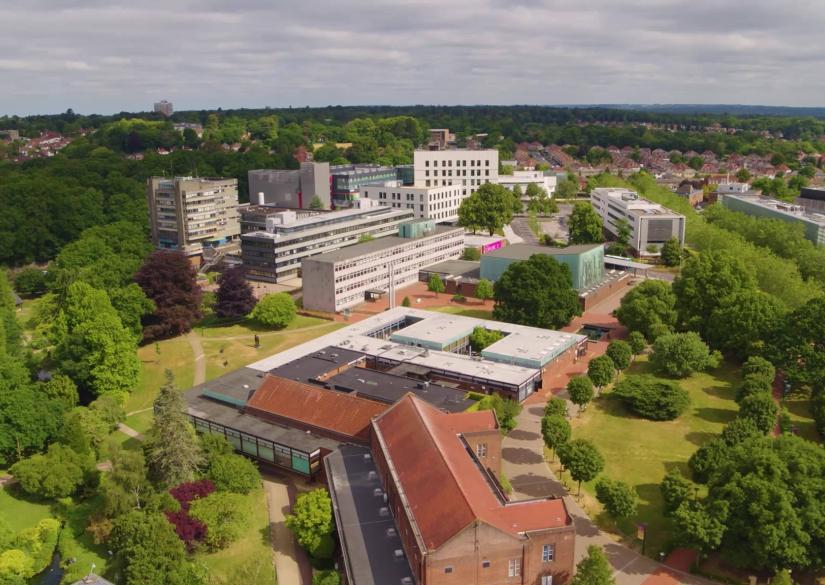
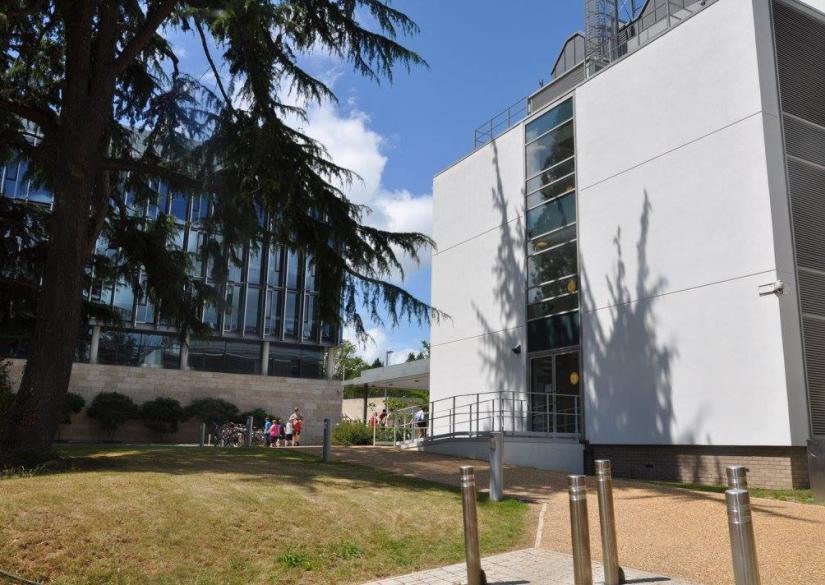
The university's infrastructure is represented by an educational, residential, sports and public foundation. Also the university has ultra-modern technical equipment, its own bus line Uni-link. On the campus there are also cultural facilities: three specialized venues, a concert hall, an art gallery, a theater "Nuffield". Students can use the resources of 6 libraries. On campus sites in Southampton and Winchester, wireless Internet is available.
Admission dates and extra charges
Most higher education programs run over two semesters:
- Fall: September–January,
- Spring: January–June.
The academic year may start and end on different dates for postgraduate and preparatory courses. Classes take place on weekdays, leaving time for interest clubs and sports. The calendar includes weekends, national and international holidays, and vacations.
Living costs in Southampton, including private accommodation, transportation, and essential items, are lower than in many other UK university cities, including those with Russell Group universities. Utilities and a UniLink bus pass are included in the accommodation charge for university-managed halls.
Support includes free laptop loans, warm study spaces, and a Technology Grant for course resources. A Student Support Fund helps students facing unexpected financial hardship. Subsidized food outlets, free and reduced-price meals, and shared microwave stations are available on campus. A commuter fund helps eligible students living at home with travel costs.
Enrolment process
Future students will have to go through several introductory stages:
- Submission of online application, required documents,
- Payment of registration fees,
- Passing possible entrance exams, interviews with the admissions committee,
- Receiving an official invitation to enroll,
- Making deposits, part of the tuition fee,
- Arrival at campus and start of classes.
Perspectives
Over the years, the University of Southampton has trained more than 285,000 specialists in various fields. Every year, university graduates maintain excellent employment statistics - more than 90% of them find a job in their specialty or continue their academic path within a few months after completing their studies.
Entry requirements, how to apply, what is required to enrol
Applicants to UK Foundation programs need the following:
- Personal documents, including a passport, medical insurance, and a visa or residence permit,
- A school certificate and transcript. Applicants who have not yet received their certificate may provide predicted results approved by their teachers,
- A bachelor's degree for admission to a Master's Foundation program,
- An IELTS score of at least 6.5. Applicants with a lower score need English classes for one or two semesters,
- Details of individual achievements, if applicable.
Applications are accepted three times a year, with application dates in February for an April start, May for a July start, and July for a September start.
Smapse specialists will provide support throughout every stage of the admissions process.
Scholarships University of Southampton
Scholarships for Foundation students can cover 100% of tuition or help pay for accommodation. Awards are based on academic achievement and range from $670 to $3,000.
University scholarships do not need to be repaid and may cover tuition or living costs. Awards may recognize academic merit, skills, achievements, or performance in a competitive application. Opportunities are available to UK and international undergraduate and postgraduate students, although eligibility for some awards depends on fee status.
Through its partnership with Xiamen University, Southampton offers several PhD scholarships each year. Each award covers full tuition for every year of the PhD. Applicants must be completing a bachelor's degree at Xiamen University and obtain separate funding for living costs from the China Scholarship Council or another source. They must have a PhD offer or the support of a prospective supervisor and a submitted application. The award is confirmed after proof of living-cost funding is provided.
The joint China Scholarship Council scholarship covers full tuition for applicants who secure CSC funding for living costs. Candidates must have a Southampton PhD offer, be Chinese citizens, be over 18 when applying, have an academic result of at least 75–80% in their current studies, and meet the university's English-language requirements. Applicants who already hold a PhD are not eligible.
Literature and references
-
University of Southampton — Wiki

-
University of Southampton — Top Universities
-
University of Southampton Ranking UK 2023 / 2024 — Complete University Guide
-
University of Southampton — World University Rankings THE
-
University of Southampton in United Kingdom — U.S. News & World Report
-
University of Southampton - GOV.UK
-
University guide 2023: University of Southampton — The Guardian
-
University of Southampton receives £15m AI funding from government — BBC
Institution on the map
Residence permits, citizenship and other services
- Guardianship services during the studies
- Student supervision
Review about University of Southampton
Recommendations on when to apply
| Language courses, schools and children's language camps | Primary and secondary education - private schools | Preparation programmes for entering universities - higher education | Higher education (after completing accredited programs A-level, IB, High School) - Bachelor, Master, MBA |
| - we recommend to apply 6-9 months before the start of the course (some camps and schools offer discounts for early booking or for lengthy study programs) - there are some very popular and high demand children's camps, where the applications need to be submitted 1 year in advance (in particular Switzerland , Great Britain , USA , Canada , Austria) | - we recommend to apply one year before the start of the training program, - some schools have a specific time frame (September-November - please specify an individual school) - some schools require tests in several stages (UKISET, internal tests of the school: English, mathematics, logics, subjects, interview, some require a personal visit) | - we recommend to apply one year before the start of the program, - for Foundation and Pathway programs, IELTS and TOEFL certificates are usually required, respectively | - recommended submission one year before the start of the program, - the deadline normally closes in January, for TOP HEIs and, as a rule, in March in other universities - for a bachelor, a Foundation or Pathway preparatory program a completed A-level, IB, High School + IELTS / TOEFL are required - for Masters you need a graduated higher education, in some cases you need a pre-Masters program - MBA requires completed higher education, work experience preferably at least 2-3 years, etc. |