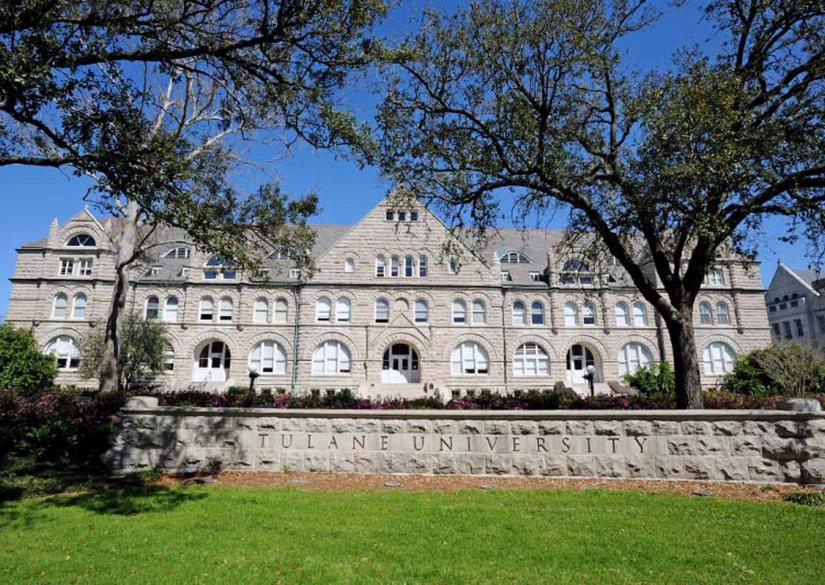
Tulane University









Programs and prices, tuition fees in Tulane University


Bachelor's Degree Programs
- Age of students — from 18 years old, ]
- The studying period is three to four years.
By enrolling in the first year of any bachelor's degree, students begin their studies at Newcomb-Tulane College, where an interdisciplinary adaptation program awaits them: it includes classes in natural sciences, social sciences, humanities, and various types of art. The curriculum will test the student's current knowledge, broaden their horizons, and gradually move on to a more narrow scientific approach.
There are dozens of main and additional specializations to choose from: Major and Minor. A personalized bachelor's degree program will provide students with the necessary academic preparation and specialized skills based on their strengths and interests.
Almost all specializations are available for selection in the form of basic or additional. Some of the most popular are:
- Accounting,
- African studies,
- Anthropology,
- Biomedical Engineering,
- Architecture,
- Cellular and molecular biology,
- Chemical Engineering,
- Film studies,
- Civil law,
- Computer science, Communications,
- Dance,
- Design,
- Economy,
- English language.
In most directions of study, it takes four academic years, and stipulates lectures, internships in specialized laboratories, and internships.
Upon completing the chosen course, students take exams and receive a Bachelor of Science degree, which will allow them to transition to graduate studies or start a career.
Master's Degree Programs
- Age of students — from 21 years old,
- The studying period is one to two years.
Master's degree programs are taught at all the specialized colleges that are part of Tulane University, providing students with a wider range of professional knowledge, skills and qualities. In 1-2 academic years, students fully master the curriculum, which includes lectures, laboratory practice, research, and internships.
Dozens of programs leading to a Master of Science degree are available to choose from. Some of the sought-after directions are:
- Spanish,
- Portuguese,
- Sports research,
- Statistics,
- Sustainable real estate development,
- Tropical medicine,
- Psychology,
- Political Science,
- Economic policy,
- Physiology,
- Physics,
- Pharmaceuticals,
- Music,
- Microbiology, immunology,
- Medical sciences.
Upon completing the course, students receive a master's degree and can continue their academic career in doctoral studies and receive a higher position than after obtaining their bachelor's degree.
Doctorate
- Age of students — from 23 years old,
- The studying period is three years.
The doctoral program takes an average of three academic years, leading to the most powerful academic and professional preparation. The degree of Doctor of Sciences will allow you to take the role of a supervisor, teach scientific disciplines, and conduct research activities.
Several dozen specializations are available at Tulane University, including:
- Research on aging,
- Anthropology,
- Bioinnovations,
- Biomedical Engineering,
- Business,
- Cellular and molecular biology,
- Chemical, biomolecular engineering,
- Chemistry,
- City, culture and community,
- Computer science,
- Jurisprudence,
- Economy,
- Epidemiology,
- French language,
- French studies,
- History.
Summer Courses
- Age of students — from 16 years old,
- Learning formats — full-time and online,
- Duration of study — from two weeks.
During the summer, short-term courses in a variety of scientific disciplines are conducted on the Tulane University campus, at Newcomb-Tulane College. They will help high school students and university students stay involved in learning, revisit difficult academic topics, expand their knowledge base, participate in research activities, and spend their vacation usefully.
Courses are offered in specialties within five faculties:
- Architecture, construction,
- Humanities,
- Business,
- Science, engineering,
- Public health, tropical medicine.
Students create an individual studying plan from any number of subjects, customize the schedule to their wishes and possibilities. Since courses are available both full-time and online, several university residences are open for on-campus students during the summer.
Pre-College Programs
- Age of students — from 16 years old,
- Dates — summer,
- Duration of studying— from two weeks.
Programs for preparation to enter the university's science colleges will provide high school students transitioning to 11th or 12th grade with valuable knowledge and academic experience. During their stay on the Tulane University campus, they will feel a vibrant student life, attend dozens of subject classes under the guidance of highly qualified teachers, and occupy rooms in one of the comfortable residences.
The following subject courses are planned for the next year:
- Research in architecture, design,
- Public health perspectives,
- Natural sciences,
- Interdisciplinary research: from engineering and medicine to sports, performing arts,
- Social sciences.
Description of Tulane University
- Location: New Orleans, Louisiana, USA,
- Year of foundation: 1834,
- Number of students: about 14,370,
- Language of instruction: English,
- Type of study: mixed.
Tulane University is one of the best private research universities in the United States, offering dozens of specializations at bachelor's, master's, and doctoral levels, preparation courses for specialized education, and summer programs.
Its history began in 1834 with the founding of the Louisiana College of Medicine, which was in demand for the preparation of qualified personnel in difficult times of outbreaks of fever, typhus and malaria. A little over a decade later, the college was transformed into a university, and ten years later it was supported by wealthy merchant Paul Tulane, who donated more than a million dollars to the development of the academic structure of the state of Louisiana. Today, after more than 190 years, Tulane University is an influential, academically strong and prestigious university in the region — it is regularly listed in the rankings of the best institutions of higher education, receives a large number of applications for admission from applicants from all over the world.
Despite its high demand, Tulane University retains a relatively small number of students: about 14,370 students study here, 8,600 of whom are future specialists with a Bachelor of Science degree, and 1,335 are foreign representatives from more than 86 countries.
A distinctive feature of Tulane University is the common components of the curriculum for all undergraduate freshmen. In the first year of their studies in the USA, students attend special lectures on the study of New Orleans, develop knowledge and skills in the humanities, social sciences, natural sciences, and fine arts. In the following years, students can continue studying these areas, but after school hours — Tulane University has an extensive leisure program with themed clubs, sports teams, creative and social development.
Educational process
Tulane has a large consulting department that provides support in solving various issues: from adapting to academic life, adjusting the curriculum to the needs of the student, to additional English language study, considering career prospects, finding internships and employment opportunities.
All bachelors complete a common Core Curriculum, which introduces different disciplines and approaches. Two service learning experiences are required, linking classroom classes with community practice. First-year students take a special interdisciplinary TIDES course that combines the study of their chosen subject with an introduction to New Orleans.
Study Abroad is encouraged: The Office of Study Abroad offers more than 100 programs in more than 40 countries, and over 30% of students study abroad during their undergraduate studies. Career preparation is provided by the Career Services Center (a database of vacancies for more than 1,600 companies), a one-credit professional development course "Specialties, internships and work", as well as pre-professional counseling. International students are accompanied by the Office of International Students and Scholars (OISS) — assistance with visa, housing and language.
Faculties and colleges
Tulane University's structure involves specialized schools and colleges, including:
- Newcomb-Tulane College,
- A. B. Freeman School of Business,
- School of Architecture,
- School of Liberal Arts,
- School of Medicine,
- Celia Scott Weatherhead School of Public Health and Tropical Medicine,
- School of Science and Engineering,
- School of Social Work,
- School of Professional Advancement,
- School of Law.
Teaching is conducted according to specializations:
- Architecture and construction;
- Business;
- Humanities;
- Professional development;
- Public health and tropical medicine;
- Science and engineering.
The university has several campuses within the borders of New Orleans, and one in Covington. Selected programs are taught at institutions in Colombia, Chile, China, and Taiwan.
Scientific achievements
Tulane University is actively involved in research activities at the state, national, and international levels. Its research centers work in areas such as:
- Global studies,
- Health, bioinnovation,
- Environment, energy, sustainability.
Tulane University's research helps solve a variety of problems, attracting not only qualified specialists but also students of different levels of training. Since 2008, Tulane University has been considered the largest research center in international studies in the Southern United States, ranking 15th in the same category nationwide.
Things to know about
Tulane University's educational territories are often involved in the filming of TV shows and movies and are described in the literature.: "The Perfect Date," "The Pelican Case," "College."
Tulane became the first private research university in the United States to make public service a prerequisite for graduation.
Accommodation, meals, prices
Students are accommodated in one of the six university residences located nearby academic buildings. Residences may vary slightly in their characteristics: separate accommodation for students of both sexes, cluster accommodation, residential buildings with studying facilities. All buildings mainly feature fully furnished double rooms with shared bathrooms, access to mini-kitchens, laundry rooms, and self-study areas on the floors. First, second, and third year students living in residences are required to arrange a meal plan, while the rest of the students are required to do so. Meal plans include a certain number of meals per week, additional points for purchases at university cafes and shops.
There are 25 catering establishments on the Tulane University campus offering a varied menu with dishes of national and international cuisine, including vegetarian and vegan recipes. Among the most popular options are a monthly farmers' market, food trucks and a 24—hour snack bar.
International first-year students live on campus in student residences along with their American peers. Undergraduates and graduate students can apply for accommodation in the Deming Pavilion building in the city center or choose off-campus housing to get to know New Orleans better.
Activities Tulane University
The University of Tulane has more than 200 student communities, 24 women's clubs or youthful fraternity, several sports teams to support active extracurricular activities - everyone has several ways to become part of a rich university life.
During the year various social events are held here - theatrical performances, concerts and performances. The sports program is called Green Wave Athletics and includes 16 sports (10 women's and 6 men's teams). Among the available types of physical activity:
- Hockey
- Quidditch (!)
- Water polo
- Baseball
- Cross country
- Football
- Sailing
- Basketball
- Beach volleyball
- Golf.
For the best coordination of student rest on the basis of the Tulane University campus there are several structures:
- Reily Student Recreation Center
- University Life Center The Lavin-Bernick Cente r
- Goldman Student Opportunity Center.
Advantages
- One of the 70 members of the Association of American Universities,
- Consistently ranked by Forbes, US News & World Report, The Princeton Review as one of the best universities in the USA for academic performance, public service, and student education quality,
- Category R1: "Very High Research Activity",
- More than 2000 highly qualified teachers,
- Several educational sites in the state of Louisiana,
- Approximately 1335 students - representatives from over 86 countries,
- A wide range of support forms: from on-campus accommodation to career counseling and numerous scholarships, professional training.
Facilities and equipment at Tulane University
Tulane University has several studying sites located in different areas of New Orleans. All of them meet modern standards in education, offering the best equipment for obtaining theoretical knowledge and developing specialized practical skills.
- The main campus is located in Uptown and covers more than 110 acres, which houses the main residences, 89 academic buildings of specialized colleges, Audubon Park and some sports facilities.,
- There is another studying ground in the city center, where there are 18 buildings of the faculties of social work, general and tropical medicine, and public health.
- The ByWater Institute, located on the riverbank, includes many research laboratories related to ecology.
The overall infrastructure includes hundreds of lecture and conference halls, specialized laboratories, fine and performing arts studios, and a number of large-scale sports facilities. Students can spend their free time in large library halls, where there is access to both printed and electronic resources, in recreation areas, thematic community rooms and outdoors — each study area has open equipped areas for walking and self-study.
Outside of New Orleans, there is a National Primate Research Center in Covington, owned by Tulane University.
Admission dates and extra charges
The academic year includes two semesters.:
- Autumn: August-December,
- Spring: January-May.
At the end of each period, students complete an examination session and go on vacation. Rest is provided on weekends, national and international holidays, and classes in most programs are conducted on weekdays.
List of additional expenses includes:
- Registration and administrative fees,
- Accommodation, meal plan, and related housing expenses,
- Books, educational supplies,
- Some extracurricular activities,
- Additional academic opportunities not included in the curriculum,
- Medical insurance,
- Personal expenses.
Enrolment process
The admission process to Tulane University consists of several stages:
- Completing the registration form, paying the application fee and providing the required documents,
- Interviewing, possible entrance tests,
- Receiving results and an acceptance letter,
- Making deposits, program fees,
- Arriving on campus at the beginning of the semester.
Enrolment statistics
According to US News & World Report, Tulane University is considered the most selective university in Louisiana: only 4,700 applicants are admitted out of 32,000 applications for admission.
Perspectives
Graduates achieve excellent results in exams and continue their academic path, starting their careers immediately after completing the program. Among the notable alumni of Tulane University:
- John Kennedy Toole — writer, Pulitzer Prize laureate,
- David Filo — co-founder of Yahoo!,
- Ashley Biden — daughter of former US President Joseph R. Biden,
- Regina Benjamin — Surgeon General under President Barack Obama,
- Douglas G. Hurley — NASA astronaut.
Entry requirements, how to apply, what is required to enrol
Depending on the program, the requirements for student enrollment may vary, but the minimum number for international applicants is as follows:
For Bachelors:
- Application for studying,
- Secondary education certificate,
- High school performance statement — at least three years in advance,
- English proficiency test: TOEFL (from 95), Duolingo (from 130) or equivalent,
- Letter of recommendation from the homeroom teacher,
- The form of the student's financial capabilities,
- Interview with university representatives (optional stage).
For masters and doctoral students:
- Application for study,
- Bachelor's Degree,
- Passing the general GRE test,
- English proficiency test: TOEFL (from 95), Duolingo (from 130) or equivalent,
- Letters of recommendation,
- The form of the student's financial capabilities.
Scholarships Tulane University
The University of Tulane provides several types of financial assistance for students, including from other countries. Thus, all freshmen at Tulane University , including foreigners, have the right to apply for scholarships in the amount of 10 to 32 thousand dollars a year (applications must be submitted before April 15).
There are also 4 types of financial assistance that require additional materials and special application procedures:
- Fellowship "Honor of Deans"
- Paul Tulane Award
- Scholarship "Stamps"
- Public scholarship.
The university offers several options for financial assistance based on financial needs, which can be obtained through the Financial Aid Office:
- Needs based scholarship
- Pell federal grant
- Federal Educational Opportunity Subsidy (SEOG)
- Scholarship NOLA.
The university has two types of international scholarships for students:
- Global Scholarship
- Brandt Dixon Scholarship.
Other types of financial support for Tulane University students:
- Sports Scholarship
- ROTC Scholarships (for Navy, Army, Aviation, Marine)
- Exchange Scholarship
- Music scholarship
- Marching Band Award
- Tulane National Merit Scholarship
- The benefits of training veterans (the program "Yellow Ribbon")
- External scholarships, awards and grants.
Literature and references
-
Tulane University — Wiki

-
Tulane University - Profile, Rankings and Data — U.S. News & World Report
-
Tulane University — Niche
-
Tulane University — Forbes
-
Tulane University : Rankings, Fees & Courses Details — Top Universities
-
Tulane University — World University Rankings THE
-
Tulane University | Private, Research, Education — Britannica
Institution on the map
Residence permits, citizenship and other services
- Guardianship services during the studies
- Student supervision
Review about Tulane University
Recommendations on when to apply
| Language courses, schools and children's language camps | Primary and secondary education - private schools | Preparation programmes for entering universities - higher education | Higher education (after completing accredited programs A-level, IB, High School) - Bachelor, Master, MBA |
| - we recommend to apply 6-9 months before the start of the course (some camps and schools offer discounts for early booking or for lengthy study programs) - there are some very popular and high demand children's camps, where the applications need to be submitted 1 year in advance (in particular Switzerland , Great Britain , USA , Canada , Austria) | - we recommend to apply one year before the start of the training program, - some schools have a specific time frame (September-November - please specify an individual school) - some schools require tests in several stages (UKISET, internal tests of the school: English, mathematics, logics, subjects, interview, some require a personal visit) | - we recommend to apply one year before the start of the program, - for Foundation and Pathway programs, IELTS and TOEFL certificates are usually required, respectively | - recommended submission one year before the start of the program, - the deadline normally closes in January, for TOP HEIs and, as a rule, in March in other universities - for a bachelor, a Foundation or Pathway preparatory program a completed A-level, IB, High School + IELTS / TOEFL are required - for Masters you need a graduated higher education, in some cases you need a pre-Masters program - MBA requires completed higher education, work experience preferably at least 2-3 years, etc. |