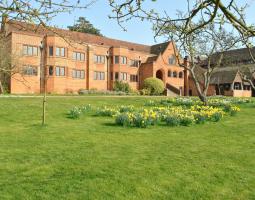
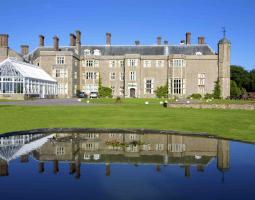
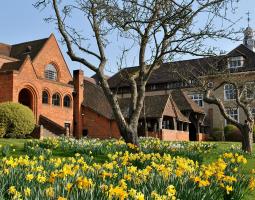
Slindon College

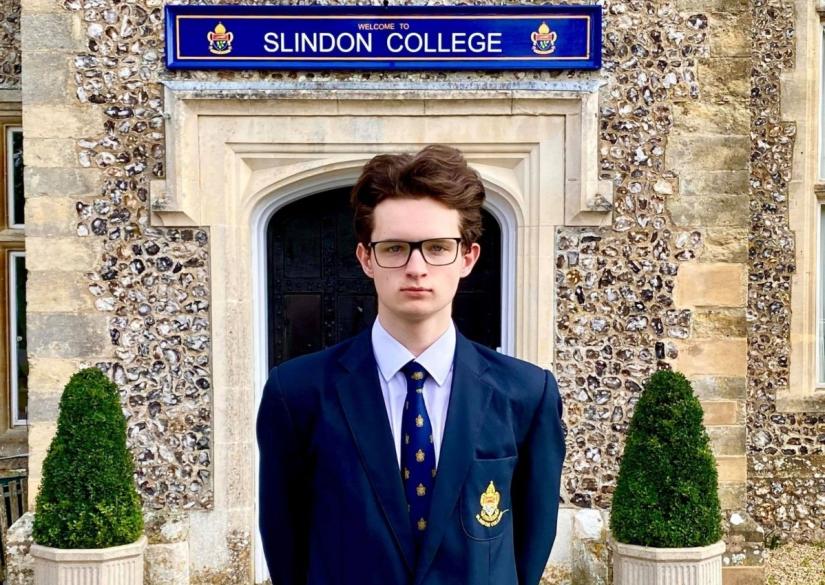






Programs and prices, tuition fees in Slindon College


Preparatory School
- Age of students – from 8 years old,
- The duration of studying is two years,
- The cost per year is £18,990 .
The preparatory department of Slindon College covers education in grades 4-6. The academic approach to teaching revolves around multi-sensory lessons tailored to individual needs, providing personalised learning and support to each boy. Particular attention is paid to caring, nurturing and supporting, recognizing and encouraging the unique strengths of students.
The main subjects - English, mathematics and science - are taught by the class teacher, and additional disciplines are taught by subject teachers. The curriculum includes classes focused on the following areas:
- Literacy
- Ability to count,
- Science
- History
- Geography
- Religious education,
- Art
- Modern Foreign Languages,
- Physical training and games,
- Information Technology,
- Forest School,
- Personal, Social and Health Education (PSHE),
- Drama
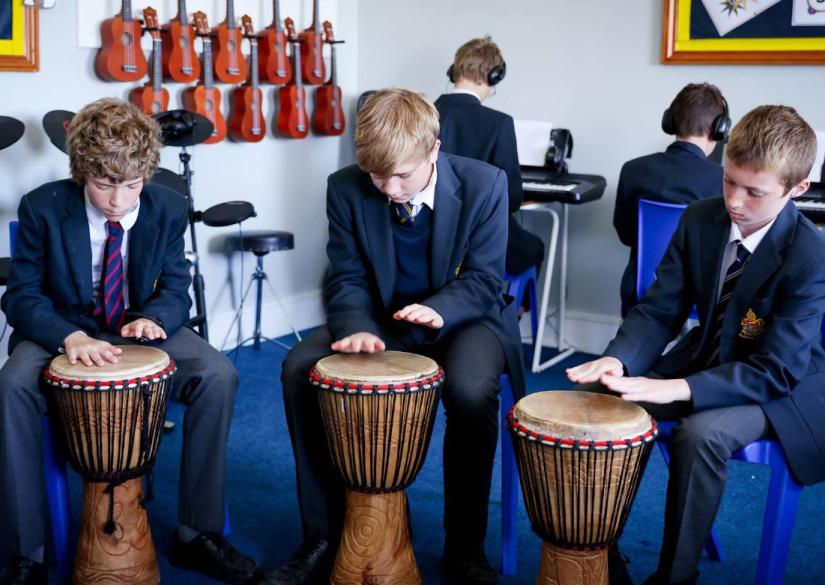
- Music
- Life skills.
The older the student becomes, the more stringent the academic load awaits him. So, by the 6th grade, students master not only the basics of subjects, but also see the interdisciplinary connection between them, are able to conduct research and work on projects both independently and in groups.
Secondary School
- Age of students – from 11 years old,
- The period of study is four years.
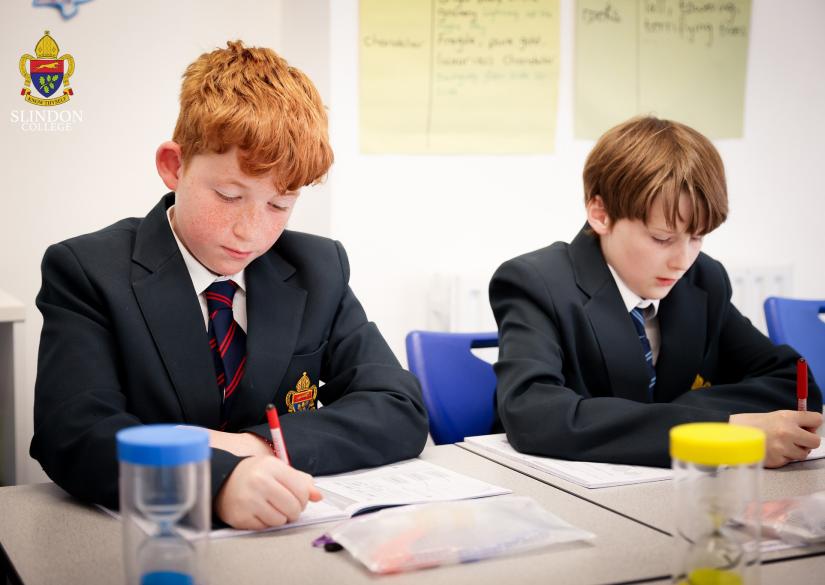
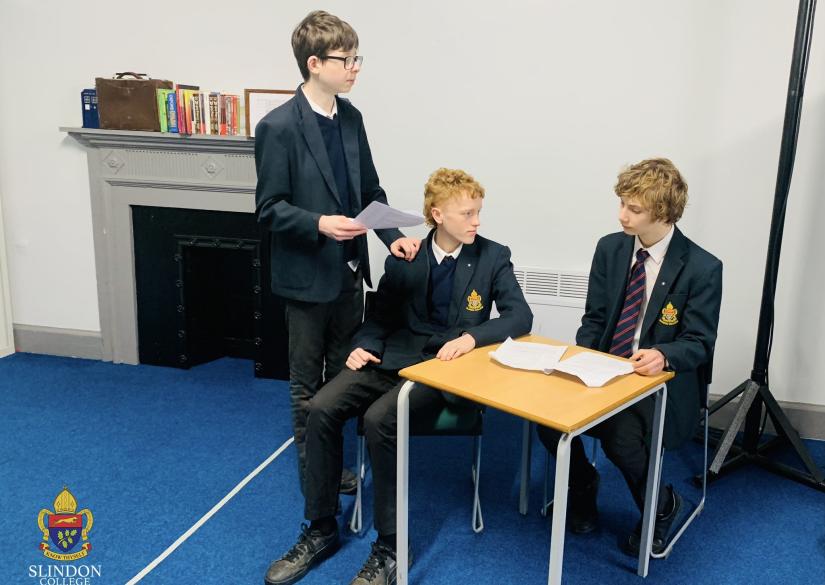
Middle school stipulates taking two stages: Key Stage 3 (grades 7-9) and Key Stage 4 (grades 10-11). Students study in classes of no more than 10 students, giving each of them a chance to achieve the best results according to their abilities. Each student is considered as an individual and has access to additional support, a wide range of activities for the realization of talent, special interests.
The Key Stage 3 is based on the following disciplines:
- English language
- Mathematics
- Natural sciences, including terrestrial research,
- Information and Communication Technologies,
- Humanities: Geography, History, Religious Education,
- Art
- Design technologies,
- Drama
- Cookery
- Personal, social and medical education,
- Physical Education,
- Music.
In Years 10-11, there is intensive preparation for GCSE: the student will have to choose up to four subjects in addition to the main ones in order to successfully pass the exams. The main disciplines will be:
- English language
- Mathematics
- Science
- Digital skills.
The range of optional subjects includes:
- English literature,
- Geography
- History
- Design Technology,
- Engineering (BTEC)
- Sports (BTEC),
- Home Cooking (BTEC)
- Art
- Graphics
- Photography
- Practical skills in handling animals,
- Drama (LAMDA Bronze, Silver, Gold),
- Automotive research,
- Music.
Some subjects are taught in the BTEC format, implying the acquisition of applied skills, attendance at external thematic events and studying under the guidance of specialized teachers. These disciplines will help students gain professional experience, more effectively prepare for admission to the college direction they are interested in.
Sixth Form, Graduating Classes
- Age of students – from 16 years old,
- The period of study is two years.
High school students follow an individual curriculum, which includes subjects that are interesting to them. For two years, they prepare for the final exams under the guidance of subject teachers and personal mentors, thanks to which they achieve excellent results.
The list of disciplines that can be studied for one or two years:
- English language
- Mathematics
- Science
- Animal management,
- Art & Design,
- Drama
- Design Technology,
- Engineering
- Garden design,
- Graphic communication,
- Hospitality and catering,
- Motor mechanics,
- Photography
- Sports leadership,
- Three-dimensional design,
- Life skills.
Subjects are offered in the A-Level format, where the emphasis is on advanced theory, and BTEC with an emphasis on applied professional skills. Students will have to choose three subjects to study at the standard level, and three more at a more difficult level. In addition to the individual curriculum, all pupils study:
- Personal, social, medical and economic education,
- Social Communications.
Summer Holiday Club
- Age of students - from 8 years.
The Summer Holiday Club offers children exciting activities, sports training and entertainment on the Slington College campus. All events are held during the day from 9:00 to 15:00, the capacity of the club is up to 30 children.
Description of Slindon College
- Location: Slindon, England,
- Year of foundation: 1993,
- Language of instruction: English,
- Type of education: boys only.
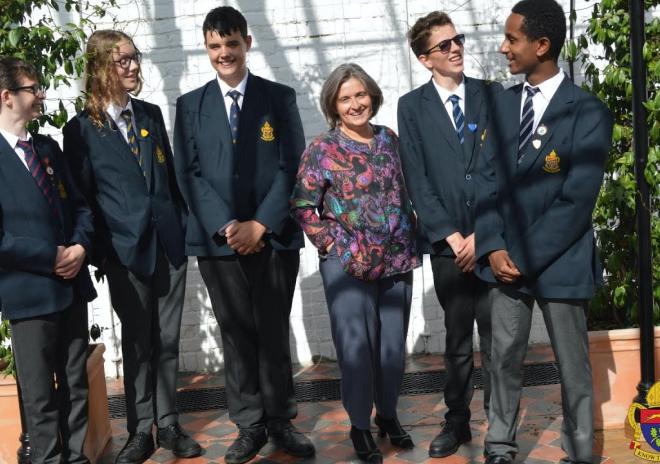
Slindon College is an independent residential school that educates boys from 8 to 18 years old.
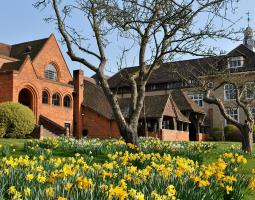
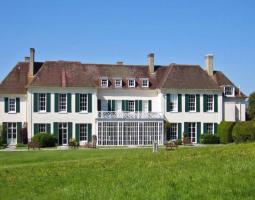
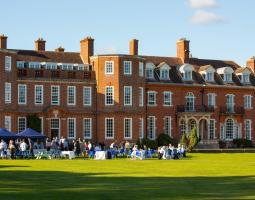
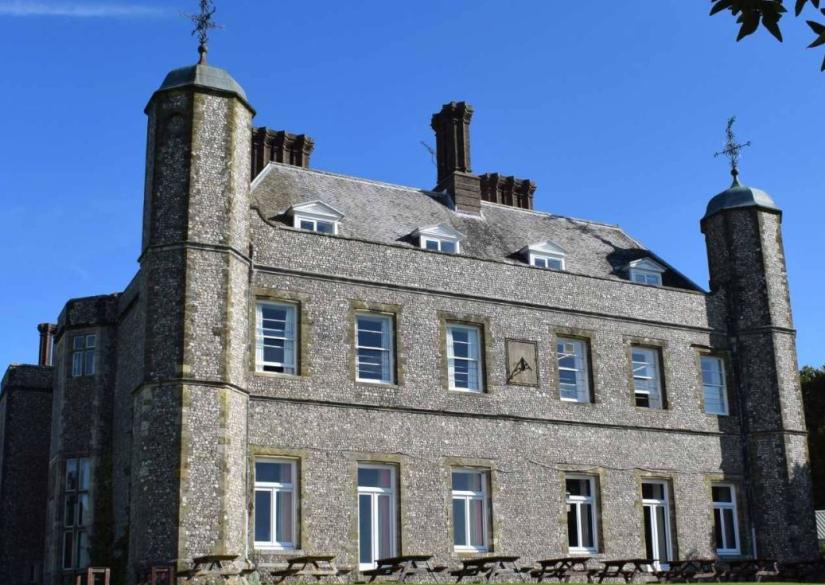
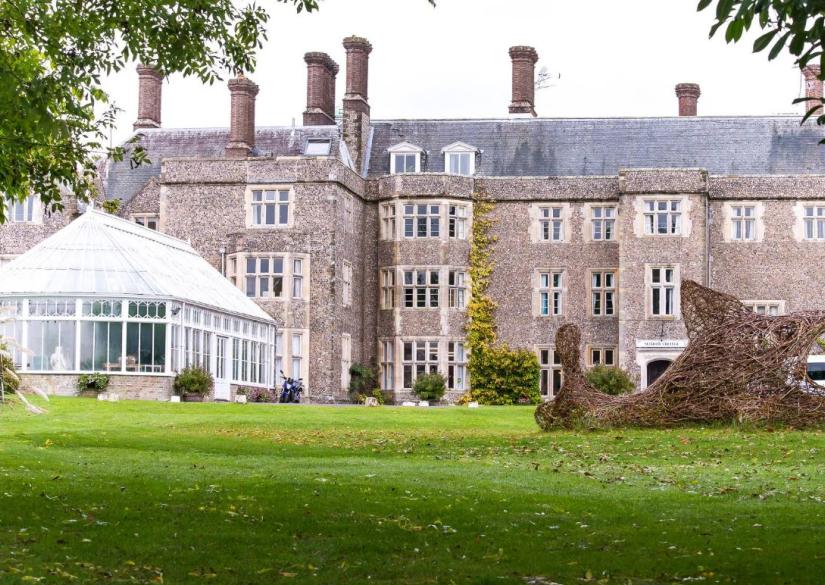
The institution has been conducting educational activities since 1993, having been founded on the historical territory of the village of Slindon during the time of Queen Elizabeth I. During its existence, Slindon College has been constantly improving in order to now use the best equipment, technology and infrastructure to educate the younger generation.
The educational system of Slindon College is built on an individual approach to each boy, the school ethics are based on strong pastoral care and small class sizes, providing comprehensive support for students. Single-sex education allows students to try their hand at different areas that can be dominated by gender stereotypes in mixed schools.
The school is special in that it adjusts the curriculum to students. Among the students there are children with speech disorders and dyslexia, who study on an equal basis with other students. Most of the teaching staff have advanced scientific qualifications, and specialized educators are certified to provide the necessary assistance both in and out of the classroom.
Thanks to modern teaching methods, the dedication of teachers and a wide range of opportunities for development, students achieve excellent results in final exams, and then when entering universities, colleges in the UK, the USA and other countries.
Educational process
EAL language support is provided to students from other countries: teachers help students improve their reading, writing, speaking and listening skills both during scheduled classes and in their free time. Additional support is provided to students who have difficulties in mastering literacy, counting, speech. Specialized teachers organize individual meetings to help pupils in completing the curriculum, improving important academic skills.
Most disciplines combine coursework and practical work. Teachers regularly assess results to identify each student's strengths. Multisensory teaching methods engage different senses, and teaching assistants support teachers in many classes.
A dedicated Mental Health Lead coordinates support for students' psychological well-being. All teaching staff have completed the Level 2 Children and Adolescent Mental Health Awareness course. Support includes woodland walks, gratitude journals, individual meetings, time to talk and daily reflection on how students are feeling. Students can receive confidential, impartial support from Independent Listeners.
The Learning Energy approach helps students recognize their own energy levels, self-regulate and choose strategies to prepare for class. A survey of student mental health and well-being is conducted twice a year. If fewer than 80% of responses to any question are positive, the school takes action to address that concern.
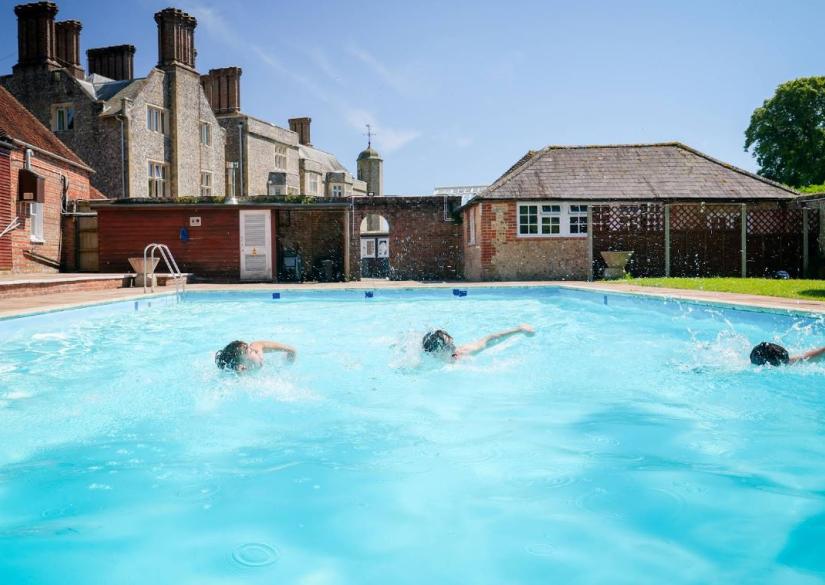
During pool lessons and extracurricular sessions, students learn to swim, develop basic lifesaving skills and prepare for water-based activities such as canoeing. The farm's growing beds and composting facilities are used in Land Based Studies and Food Tech to show how food moves from field to table.
Preparation for the next stage of education includes work experience placements, life skills courses and links with local colleges and universities. Day pupils and boarders attend classes together. After the final extracurricular session, day pupils go home while boarders begin their evening program. On select Fridays at 3:30pm, parents and carers can meet informally over tea with teaching staff, houseparents and the Senior Leadership Team.
Faculties and colleges
The educational system of Slindon College covers three stages of school preparation:
- Preparatory School,
- Secondary School,
- Sixth Form - Graduating Classes.
Scientific achievements
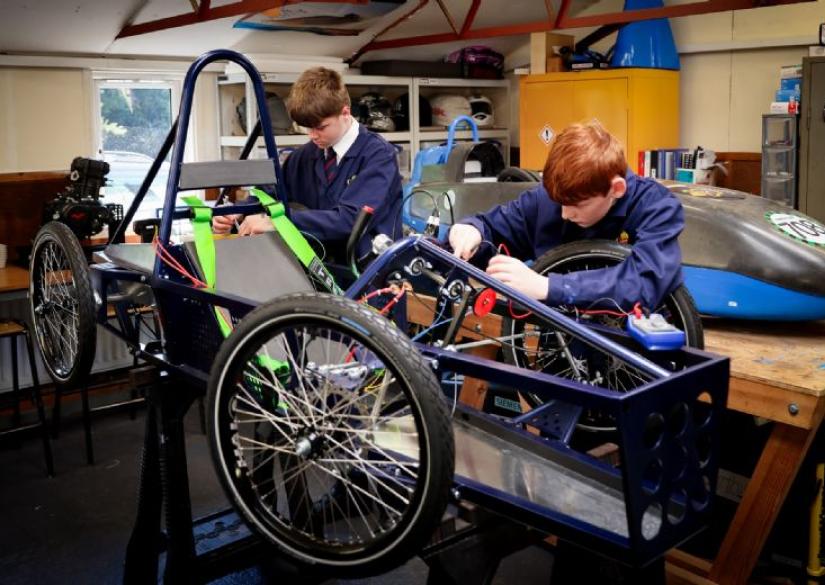
The Slindon College Greenpower Team qualified for the International Final.
In the 2025/26 academic year report, all passing grades earned by the highest-achieving student were above 7. The school recorded its first grade 9 in GCSE English Language.
Things to know about
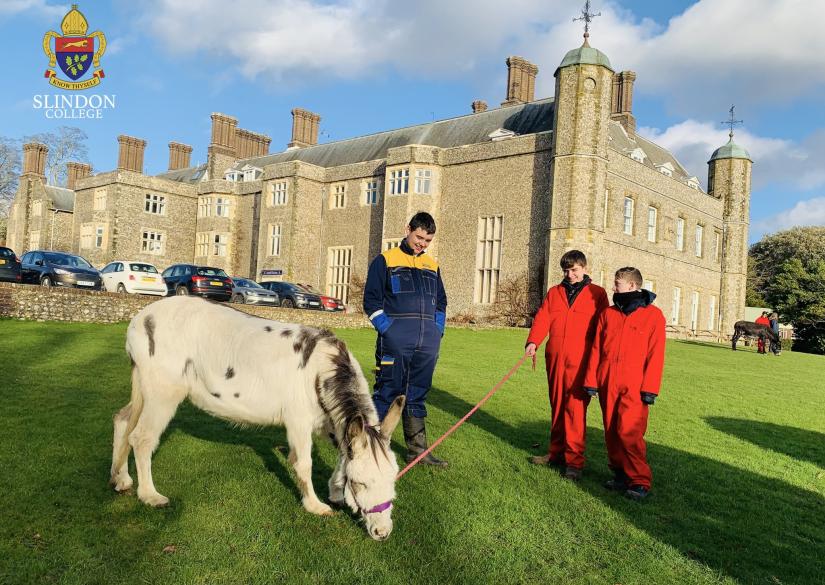
The school farm is home to many animals: donkeys Loopy and Norman, two alpacas - Cuthbert and Rupert, three peacocks, ducks, chickens and two farm cats. Guinea pigs Biscuit, Muffin and Cookie live in the science block along with the snake Kripke and stick insects. Animals give students a sense of calm, comfort and safety, distracting attention from a stressful situation, and also allow them to gain an experience of care and responsibility.
The gym is located in the estate's former dairy building. Sixth Form pupils and the P.E. department helped design the space, secure funding and renovate the building.
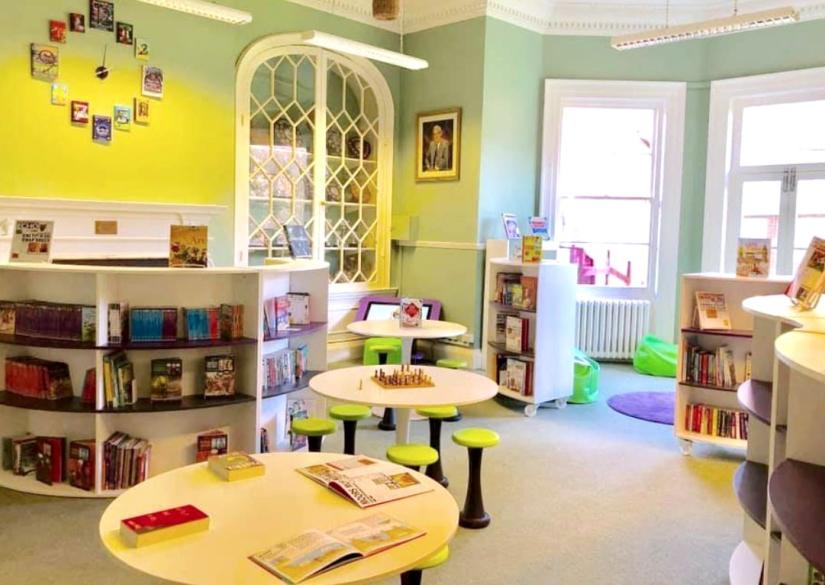
The Usborne Library was established with a donation from the owner of Usborne Publishing, who lives in Slindon Village.
Casual clothes suitable for active outdoor recreation are permitted after the school day and on weekends.
University destinations
Graduates' destinations for further education, practical training and employment include:
- City of Portsmouth College,
- Plumpton College,
- The College of Richard Collyer,
- Brinsbury College,
- Worthing College,
- St Vincent College,
- More House School,
- Hurst Lodge School — A-Level,
- Southdowns College — Performing Arts Course,
- University of Bedfordshire — Sports Leadership,
- Chessington Zoo — Apprenticeship,
- Aldingbourne Centre — Volunteering,
- Butlins — Employment.
Accommodation, meals, prices
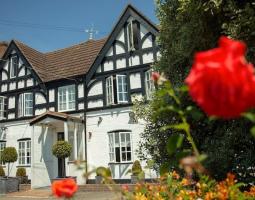
Pupils of middle and high school are accommodated in a residence on the territory. The boarding house distributes students on different floors according to their age, while all residents always spend time together in common areas, in an open area. The student himself can choose the most suitable format of accommodation:
- Termly – accommodation in the residence during the entire academic year, excluding holidays,
- Weekly — staying at the boarding school from Monday to Thursday, students go home on weekends,
- Flexi – the ability to book a room if necessary.
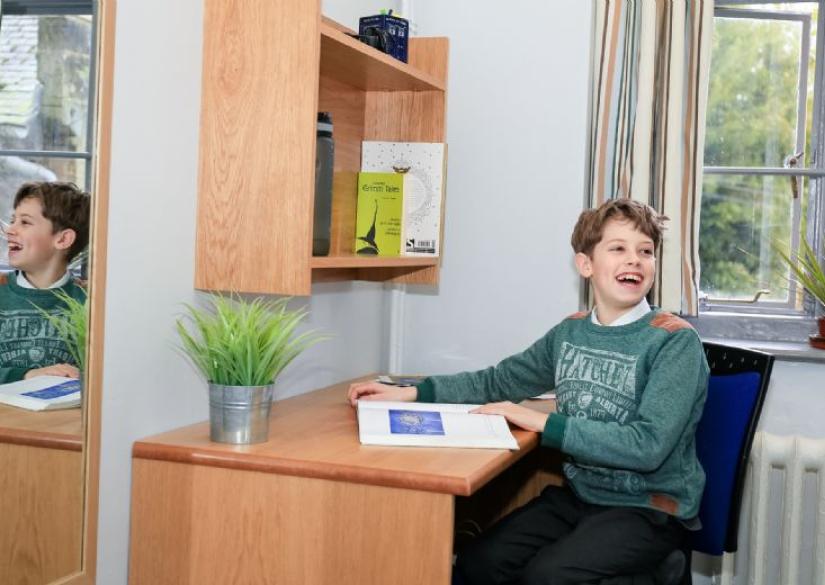
Pupils in grades 7-9 are accommodated in furnished double, triple or quadruple rooms, and pupils of senior classes are accommodated in single rooms, providing a calmer environment for self-study, preparation for exams. The pension has several toilets and showers, and a bathtub is equipped on each floor. In common use there are:
- Automotive-themed lounge located on the top floor: with comfortable sofas, bean bags, board games, a dartboard, a Bluetooth speaker and a TV with Sky, DVD player and game consoles, leisure becomes more varied and fun,
- A cosy common room, brightly decorated in the theme of Marvel heroes and furnished with a corner sofa, bean bags, a TV and a kitchenette for making hot drinks, toast and snacks. It is used as a common room for younger students, boys have access to games, magazines, TV with Sky, DVD player and game consoles,
- Laundry.
Together with the students, employees live in the residence, providing round-the-clock support and security, organizing various evening activities for the students.
Students receive a daily balanced meal, the menu for which is compiled by qualified chefs, a nutritionist. Meals are prepared in the school kitchen, served in the dining room at certain hours; Students are offered a choice of two main courses: soups, salads, healthy snacks. Special dietary requirements for allergies or religious beliefs can be met if the student has pre-ordered an alternative menu.
Activities Slindon College
Slindon College has created a system of Houses, which implies the distribution of boys into four different age groups, having distinctive colors and coats of arms. Members of the Houses compete with each other in sports, creativity, academic and social activities, developing skills of healthy competition, leadership, and interaction.
The extracurricular program is aimed at developing each pupil's strengths and talents. A variety of activities, be it sports training, handicraft workshops, music lessons, improve physical and emotional well-being, endurance, coordination, team building, initiative, creativity, self-expression, focus and curiosity. Events are divided into categories:
- Monday and Tuesday: Entertainment activities including swimming, art, drama, and Forest School,
- Wednesday: personal development.
To maintain physical activity, achieve awards and individual goals, training is organized on campus in the following sports:
- Badminton,
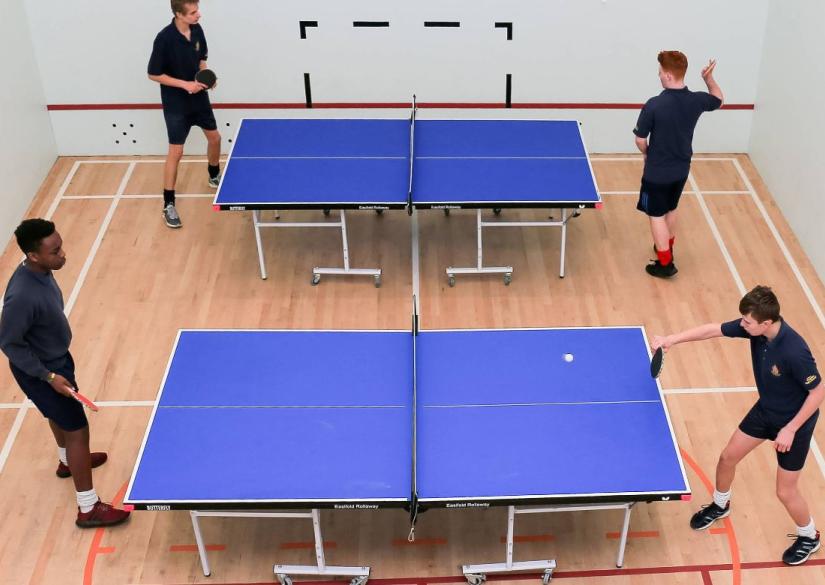
- Table tennis,
- Soccer,
- Swimming,
- Basketball,
- Mountain biking,
- Tennis.
Almost every evening, the residence organizes entertainment events, including FIFA tournaments, board games, movie and pastry nights. On weekends, students go to explore the surroundings: sights, natural beauty, cultural centers. By the end of the school year, a big trip to places like Harry Potter World or Thorpe Park is usually planned.
Extracurricular sessions run from 15:30 to 16:30, bringing together Primary and Secondary pupils. Students can usually change their chosen activity each term. Sometimes staff select one to develop a particular skill.
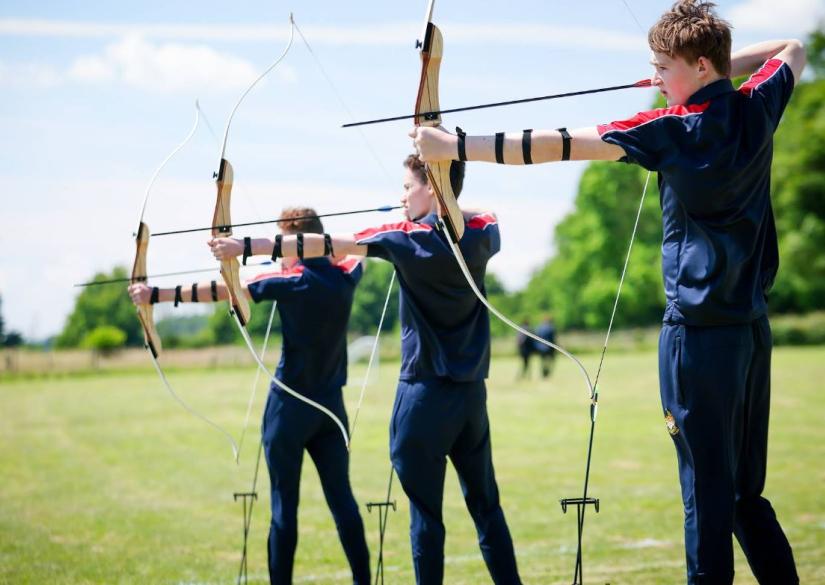
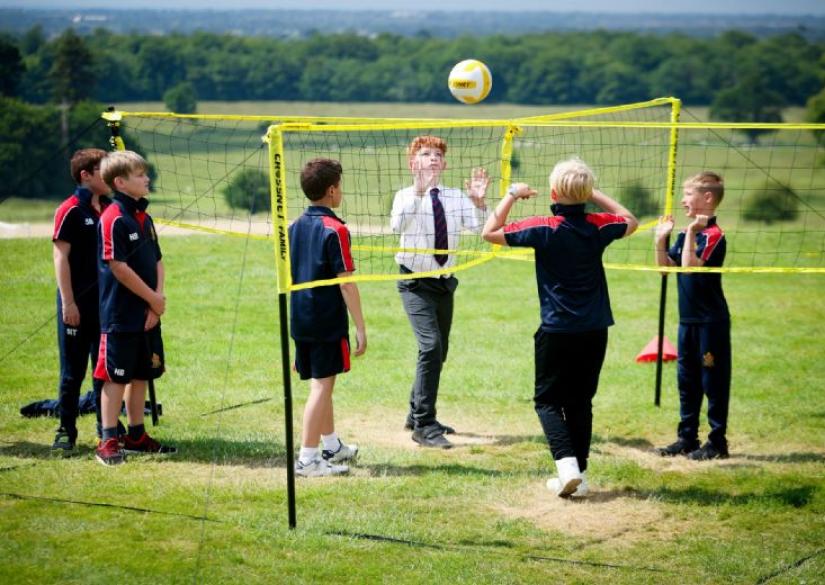
Additional activities include orienteering, Greenpower electric car racing, work on the school farm and gardening. The sports program offers rugby, cricket, softball, ultimate frisbee and disc golf. Creative activities include school plays and Christmas productions, graphics, photography, creative writing and cooking.
For its extracurricular program, the school maintains links with the South Downs National Park and Chichester Festival Theatre. During one inter-house competition, members of the scout group hiked nearly 9 miles over Bignor Hill and back to the College, practicing navigation with a map and compass.
Advantages
- High results in ISI verification,
- Alternative curricula for students with learning difficulties,
- More than 50% of high school students get top marks in exams,
- An extensive list of scientific disciplines included in the program,
- Extracurricular development opportunities, including sports and community service,
- Small class sizes,
- In 2024, the school won the Independent Schools Association's (ISA) Excellence and Innovation in Mental Health and Wellbeing Award,
- The school holds the Carnegie Centre of Excellence in Mental Health in Schools Award,
- In 2024, the school received a Highly Commended Award in the Wellbeing and Mental Health category of the Boarding School Association Supporting Excellence Awards.
Facilities and equipment at Slindon College
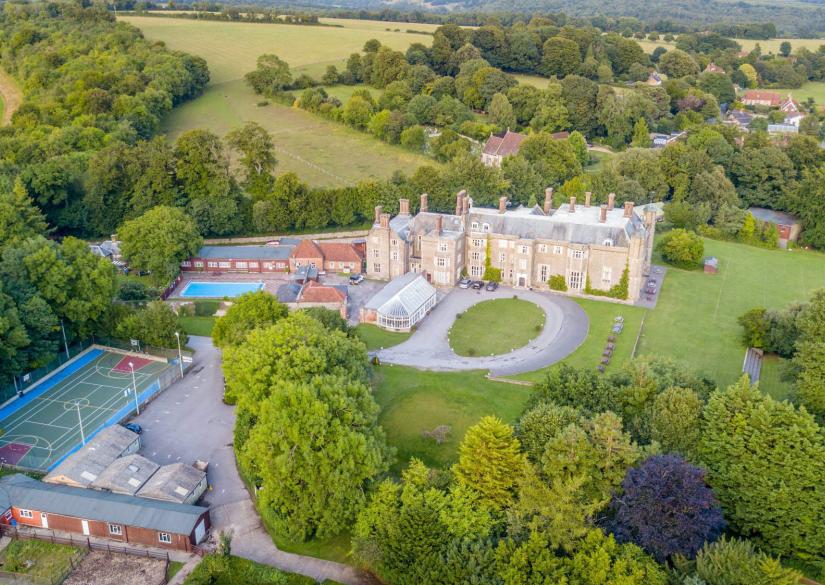
Slindon College is located in the quiet village of Slindon, on a high escarpment of South Downs, with beautiful views of the parkland and the coast. Despite the rural area in which the school is located, the road to major cities does not take much time:
- 5 miles from the historic town of Arundel,
- 8 miles from Chichester,
- 10 miles from Worthing,
- Approximately 50 minutes from London Gatwick Airport and 90 minutes from Heathrow Airport.
The nearest railway station to the institution is Barnham, from where direct trains depart to London Victoria Station.
The 14-acre learning area includes a variety of facilities for learning, sports and recreation:
- Academic classrooms specialized for each educational level,
- Art and graphic studios,
- Computer room,
- Scientific laboratories,
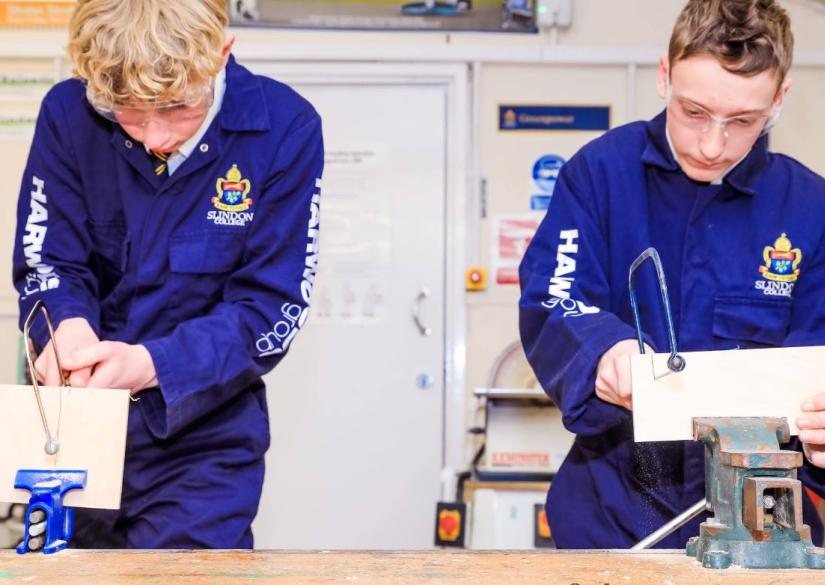
- Design workshop, technology with garage for the study of the automotive industry,
- Culinary studio,
- Individual tuition classes, additional academic support,
- Dining room, cafeteria,
- Two multifunctional sports halls,
- Library.
The outdoor sports infrastructure includes grounds for team and individual sports, a hard-surfaced play area, and a heated swimming pool.
Next to the educational buildings there is a farm, which is home to donkeys, alpacas, ducks, chickens and cats, has growing beds, composting rooms. The ornamental garden, which is cared for by students and staff, is equipped for sensory development to provide students with the opportunity to explore their senses and nature through sound, smell, texture, sight.
The grounds also include a forest where the Forest School is located and the newly developed Slindon Bike Hub mountain bike track. The track offers three levels of difficulty according to the MIAS Gear Awards qualification structure.
The school owns two Peugeot Boxer minibuses that take pupils to and from Chichester and Storrington every day. They are also used for school trips, transporting students of the residence to their evening and weekend activities off-campus.
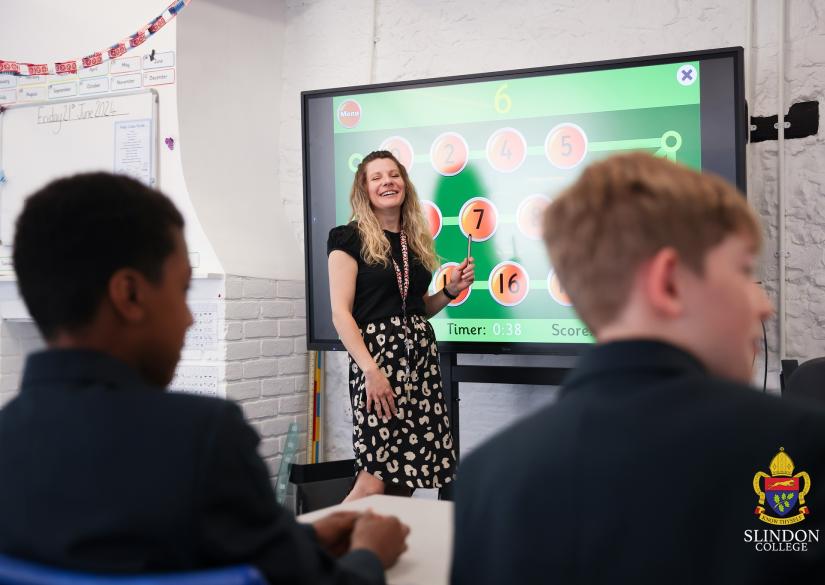
The campus is located in the South Downs National Park. All classrooms are equipped with smartboards, tablets, reader pens and speech recognition tools. The graphics room has a dark room, and the Primary Department has its own enclosed play corner.
The gym offers cardiovascular equipment and free weights. The Sports Halls gallery has basic multipurpose exercise machines. The playing fields provide space for soccer, rugby, cricket and athletics, including hurdles, high jump, triple jump and shot put. The fenced Multi Use Games Area is suitable for basketball, soccer, tennis and handball. The outdoor heated swimming pool is open from March to October.
The main building has a medical care facility with a dedicated sick bay and en-suite facilities. Separate rooms are provided for Speech & Language Therapy, Social Emotional Aspects of Learning and Occupational Therapy.
Admission dates and extra charges
There are three semesters in the academic year:
- Autumn: September-December,
- Spring: January-March,
- Summer: April-July.
Classes and extracurricular activities are held on weekdays: from Monday to Friday, sometimes on weekends. Students rest on Saturdays, Sundays, on national and international holidays, during the seasonal vacations.
The cost of day tuition includes scheduled classes and activities, office supplies, lunch, drinks and snacks, annual check-up, and accident insurance. When registering accommodation in the residence, dinner and breakfast, accommodation and evening activities are additionally included. Approximate list of additional costs stipulates:
- Registration fees,
- Residence,
- Some extracurricular activities, trips,
- State examinations,
- School uniform,
- Individual lessons, additional academic support,
- Personal expenses.
Boarders are woken shortly after 7am, then go to registration and breakfast. The school day ends at 4:30pm Monday-Wednesday and at 3:30pm on Thursday and Friday.
A deposit is required for day pupils and boarders. It covers supplementary charges.
Additional nights for part-time boarders are charged at the Flexi Boarding rate. Machine washing for weekly boarders is charged separately. Boarding activities may incur an additional charge. A boarding taster trial is free.
Enrolment process
Applicants fill out an online application form, submit documents and pay registration fees. The Admissions Committee invites candidates for an informal interview and subject tests, based on the results of which it sends official letters of admission.
Perspectives
Over the past years, about 50% of high school students have achieved 5 points on the GCSE exam and 5 pupils have achieved 6 or more points. In the 2025/26 academic year, the Year 11 graduating cohort had 20 pupils. Of these, 55% earned at least 4 GCSE qualifications at Grade 4 or equivalent BTEC Level 2 qualifications. 6 pupils earned at least 6 GCSE qualifications. Such high results allow students to continue their educational path at leading colleges and universities in the country and abroad, including:
- Uxbridge College,
- Chichester College,
- Sparsholt College,
- Guildford College,
- Richmond College,
- Earlscliffe College,
- Northbrook College,
- University of Surrey.
Entry requirements, how to apply, what is required to enrol
Admission usually begins with the fall semester in September, the spring semester in January, or the summer semester in April. Applicants must provide:
- Personal documents: passport, health insurance and vaccination certificates, visa or residence permit,
- Academic certificates from the previous place of study, report cards and exam results, if any,
- Reports of a speech therapist, psychologist and other specialists.
Depending on the level of education for which the candidate is enrolled, the admission criteria will vary slightly: for example, future high school students need to have a higher level of English proficiency than applicants for younger groups.
Pupils can enter from Year 4. In certain circumstances, applications are also accepted at other times during the academic year.
Acceptable supporting documents include an education, health and care plan (EHCP) or a draft, an Occupational Therapy report and school references.
A foreign student using weekly boarding must have a local guardian or family member who provides accommodation on weekends. For Part-Time Boarding, accommodation must be provided on the other nights.
Prospective boarders from abroad or those who live a long distance from the school have an online meeting with the Headteacher and a boarding taster trial. The trial usually lasts three to five nights and preferably includes a weekend day and night.
Scholarships Slindon College
The school offers funding of up to 75%, covering daily and housing fees. Assistance can be provided either for the entire period of the student's studies, or for a certain period.
- Financial support for admission – when a place is offered to a new student, but the parents are unable to pay the fees,
- Financial support for people with difficult conditions – if a change in life circumstances has led to difficulties in paying fees and may lead to the expulsion of a student, and the school does not want to allow this.
Scholarships of up to 10% of the cost of the day and boarding fees are also available to students:
- Academic scholarship,
- Open Scholarship – awarded to a student who will make an exceptionally large contribution to the general life of the college,
- Special Talent Scholarship – awarded based on success in drama, music, or sports.
Institution on the map
Residence permits, citizenship and other services
- Guardianship services during the studies
- Student supervision
Review about Slindon College
Recommendations on when to apply
| Language courses, schools and children's language camps | Primary and secondary education - private schools | Preparation programmes for entering universities - higher education | Higher education (after completing accredited programs A-level, IB, High School) - Bachelor, Master, MBA |
| - we recommend to apply 6-9 months before the start of the course (some camps and schools offer discounts for early booking or for lengthy study programs) - there are some very popular and high demand children's camps, where the applications need to be submitted 1 year in advance (in particular Switzerland , Great Britain , USA , Canada , Austria) | - we recommend to apply one year before the start of the training program, - some schools have a specific time frame (September-November - please specify an individual school) - some schools require tests in several stages (UKISET, internal tests of the school: English, mathematics, logics, subjects, interview, some require a personal visit) | - we recommend to apply one year before the start of the program, - for Foundation and Pathway programs, IELTS and TOEFL certificates are usually required, respectively | - recommended submission one year before the start of the program, - the deadline normally closes in January, for TOP HEIs and, as a rule, in March in other universities - for a bachelor, a Foundation or Pathway preparatory program a completed A-level, IB, High School + IELTS / TOEFL are required - for Masters you need a graduated higher education, in some cases you need a pre-Masters program - MBA requires completed higher education, work experience preferably at least 2-3 years, etc. |