For partners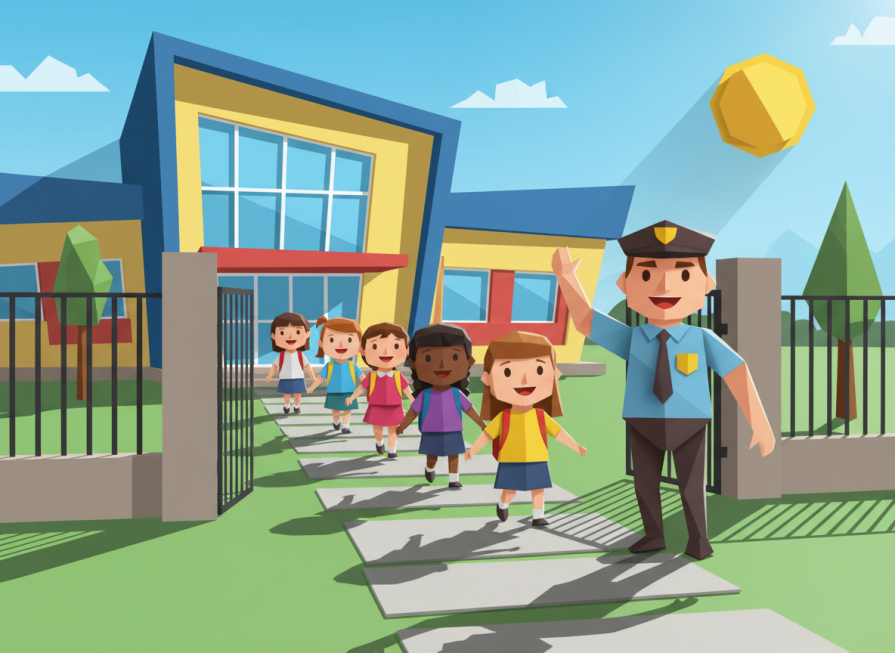
The selection of a school for a child is one of the most important things a parent or a guardian can do. Academic reputation, extracurricular offerings, and teaching philosophy are crucial factors, but still, there is one that should be the basis of the entire selection process: security. A safe environment is the necessary condition for learning, growing, and even being happy.
To comprehend the new requirements of security in schools is not just about locked doors anymore. It is a total, multi-faceted approach that covers physical safety, emotional well-being, and also digital security. The following are the major requirements regarding security to focus on when assessing a school:


1. Physical Security Infrastructure
-
Controlled Access: During school hours, the security should permit access through one monitored point only. All other exits should be secured so that no one can get in from outside. A strong visitor management system must be in place—sign-in, ID checks, and visitor badges are all part of it.
-
Secure Perimeters: Fences, gates, and landscaping that is kept up eliminate blind spots, and thus contribute to a campus that is under control.
-
Surveillance and Monitoring: Security cameras located in such a way that they do not invade the privacy of people in sensitive areas, such as bathrooms, but still have the most common areas, hallways, and exteriors under surveillance serve as both a deterrent and an investigation tool.
-
Modern Locking Systems: It's highly recommendable to have in place classroom doors that can be locked from the inside immediately and reliably during an emergency and students get secured.
2. Preparedness and Personnel
-
Clear, Practiced Emergency Protocols: Besides it being of the utmost importance, the school should have very detailed, updated plans for fires, lockdowns, severe weather, and medical emergencies. Importantly, these plans should be carried out regularly through drills involving students and staff.
-
Trained Security Personnel/SROs: Depending on the school's size and location, this may include dedicated security staff or a well-integrated School Resource Officer (SRO) who is prepared in both safety and community policing within an educational setting.
-
Comprehensive Staff Preparation: All staff, from teachers to bus drivers, should be trained in emergency response, recognizing concerning behavior, and mandated reporting procedures.
3. Emotional and Psychological Safety
-
A Strong Anti-Bullying Culture: Security encompasses emotions as well. An unequivocal, disseminated, and actively-enforced anti-bullying policy is indispensable. This also comprises systems for confidential reporting, as well as assistance for both the victims and the bullies.
-
Mental Health Support: Counseling, psychological, or social work access is a primary security measure. Quick responses for troubled students can avert crises and nurture a caring atmosphere.
-
Positive Climate: Try to find a school that, through character education, peer mediation, and programs that foster inclusivity and respect, gradually builds community around itself.

4. Digital and Health Security
-
Cybersecurity for Data and Students: Student data (grades, records, personal information), must be protected by the school and monitored secure internet access with educational filters should be provided. Digital citizenship education should form a part of the curriculum.
-
Health and Medical Protocols: There should be clear policies about illness management, medication administration, and how the hospital emergency (for instance, allergic reactions) will be handled. First-aid supplies and staff certified in CPR/AED use should be present.
Questions to Ask During Your School Assessment
-
"Could you describe your visitor access control measures in detail?"
-
"When are the safety drills conducted and how are parents informed about them?"
-
"What is the process regarding assessing and reacting to potential dangers or worrying student behavior?"
-
"What mental health services can students access on campus?"
-
"What measures are taken to teach and enforce digital safety?"
Conclusion
A school's security framework is a reflection of its overall health and its absolute commitment to its students. It is a complex combination of technology, training, policy, and culture. While no environment can be made completely risk-free, a school that demonstrates proactive, transparent, and comprehensive attention to security requirements is one that has created the stable foundation upon which true education can thrive. When selecting a school, make security your first question, not your last.