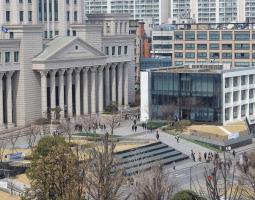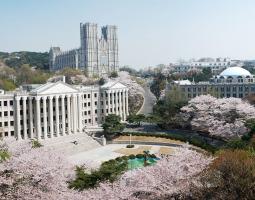
Kyungbok University






Programs and prices, tuition fees in Kyungbok University


Bachelor's Degree Programs
- Age of students — from 18 years old,
- The duration of the studying is from two to four years
. The bachelor's degree programs taught at KBU have different durations: two, three, or four academic years. In two years, students can earn an associate degree or a junior researcher degree in the following areas:
- Performing arts,
- Welfare, public administration,
- Civil engineering, environmental protection,
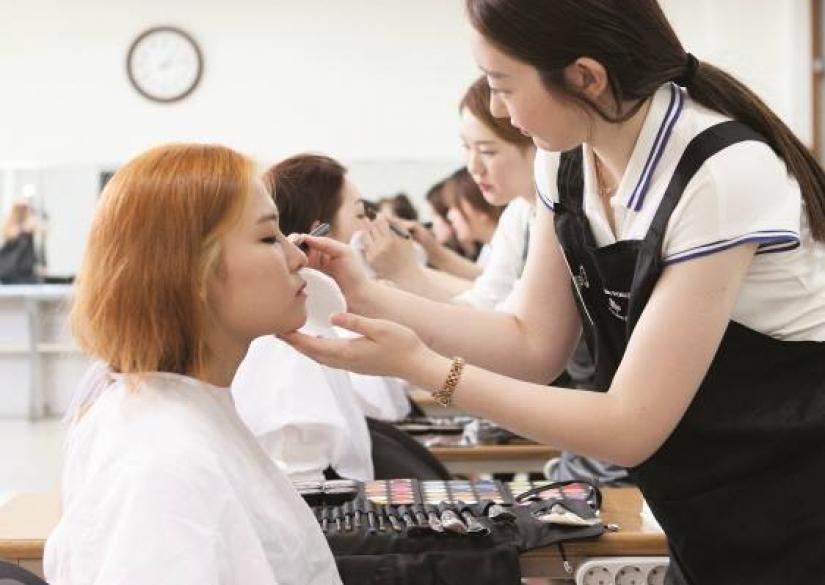
- Cosmetology,
- Hairdressing.
In three academic years, students will receive an associate degree.:
- Counseling, child care,
- Oral hygiene,
- Physiotherapy,
- Laboratory sciences,
- Occupational therapy,
- Medical support,
- Pre-school education,
- Management in the service sector,
- Hotel tourism,
- Aviation Service,
- Software Convergence,
- Eco-friendly architecture,
- Music,
- Architectural design of the space,
- Visual design.
The University offers one four—year bachelor's degree program specializing in Nursing: the diploma is considered complete, accepted by most higher education institutions around the world for continuing education, and by organizations for employment. All bachelor's degree programs focus students not only on obtaining theoretical knowledge in their chosen field, but also on acquiring professional skills through participation in practical classes and internships.
Korean language courses
- Age of students — from 18 years old,
- The duration of study is from one semester.
Since 2018, the KBU Educational Center has been teaching an intensive Korean language course aimed at international students. It is designed for students with any language level — the curriculum adapts to the group and stipulates smooth, effective development from level I to VI.
Depending on the campus where the student will study, the program has a different duration and weekly workload.:
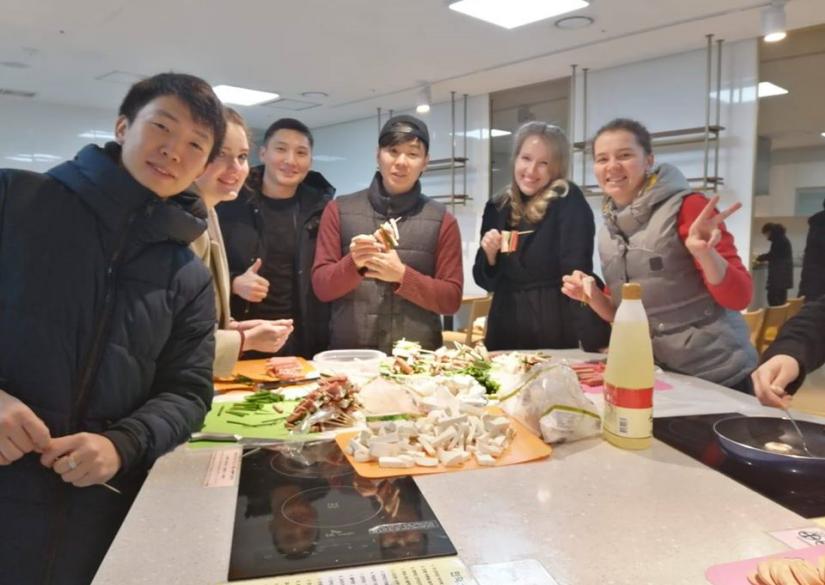
- Namyanju Campus — 200 hours of classes: 10 weeks in each session, five academic days per week with four hours of classes per day. In addition to Korean language lessons, students attend classes on South Korean culture, customs, and history.,
- Seoul Education Center — 160 study hours: 10 weeks in each session, four study days per week for four hours per day.
The curriculum will be based on classes aimed at developing reading, writing, speaking and listening skills. Depending on the initial level, students will study the alphabet, everyday and academic language, actively replenish vocabulary and practice spoken language through interactive technologies, regular communication with native speakers.
Description of Kyungbok University
- Location: Namyanju and Pyeongchang, South Korea,
- Year of foundation: 1992,
- Number of students: about 6250,
- Language of instruction: Korean,
- Type of study: mixed.
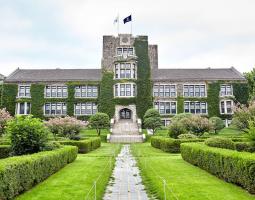
Kyungbok University (KBU) is a private multidisciplinary university located in Gyeonggi Province, South Korea. It offers dozens of bachelor's degrees in sought-after scientific directions, including medicine and dentistry, data science, design, and architecture. It also offers Korean language courses that support international students in their education.
Founded in 1992, KBU quickly became one of the leading universities in the metropolitan area. Today, about 6,250 students study here, about 910 of whom are foreign students from 54 countries. Each student is provided with high-quality academic, administrative and personal support from qualified teachers and individual staff. In addition to preparation in professions that are in demand on the international labor market, students have extensive opportunities to acquire competitive professional skills, develop talents and ideas. Both extracurricular activities and KBU's collaboration with dozens of foreign universities play an important role in the learning process: partnerships allow students to gain international academic experience through participation in exchange and internship programs.
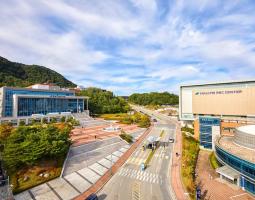
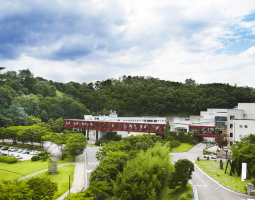
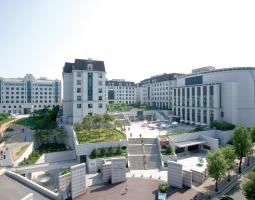
Kyungbok University has two study areas with excellent facilities and access to urban infrastructure, which puts students in the center of an active and eventful life, and they can explore the sights, natural beauty, and cultural sites of the region.
Educational process
During studies, all students receive comprehensive support: employees assist them with immigration issues, visa acquisition, internship placement, and finding additional academic opportunities. From the moment of enrollment at KBU, students are in an atmosphere of professional development, where practical classes and internships at partner organizations become a key element. Thanks to a wide range of extracurricular activities, they gain competitive skills and become valuable employees for many local and international companies.
Faculties and colleges
Kyungbok University consists of eight specialized colleges and faculties:
- Nursing,
- Oral hygiene,
- Health sciences,
- Education, social welfare,
- Service,
- Applied arts,
- Programming, technologies.
Accommodation, meals, prices
The University has three residences: one in Namyanju, and two more in Pyeongchang. The residential building in Namyanju is a high-rise building that accommodates more than 1,300 residents in double and triple rooms; in addition to rooms for living in the residence, there are laundries, recreation rooms, supermarkets. Two residences located in Pyongyang can accommodate up to 314 people; students live in double rooms, use common facilities: laundry rooms, living rooms with table tennis, gyms. In all residential buildings, bathrooms are mostly shared, located on the floors.
The main dining halls of the campuses offer students a varied menu that changes every week, including dishes of national Korean cuisine: hot lunches, salads, yoghurts, meat and vegetable dishes.
Activities Kyungbok University
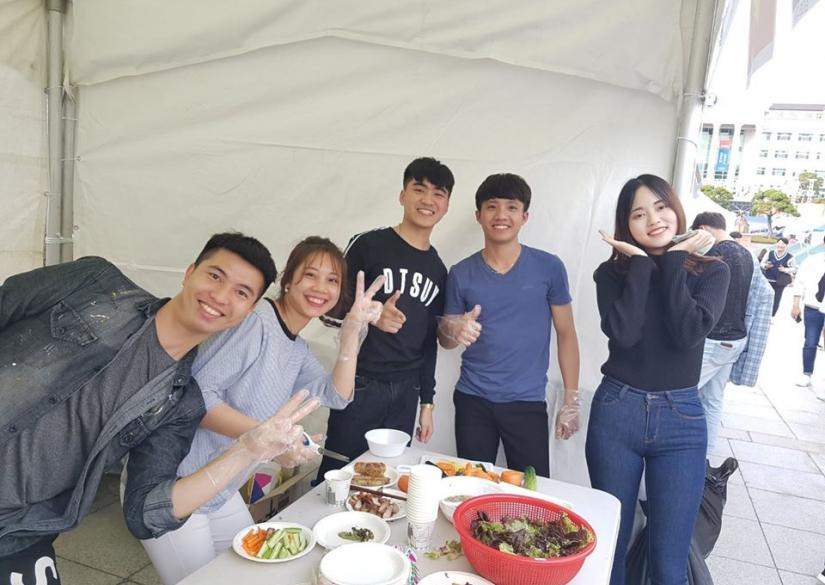
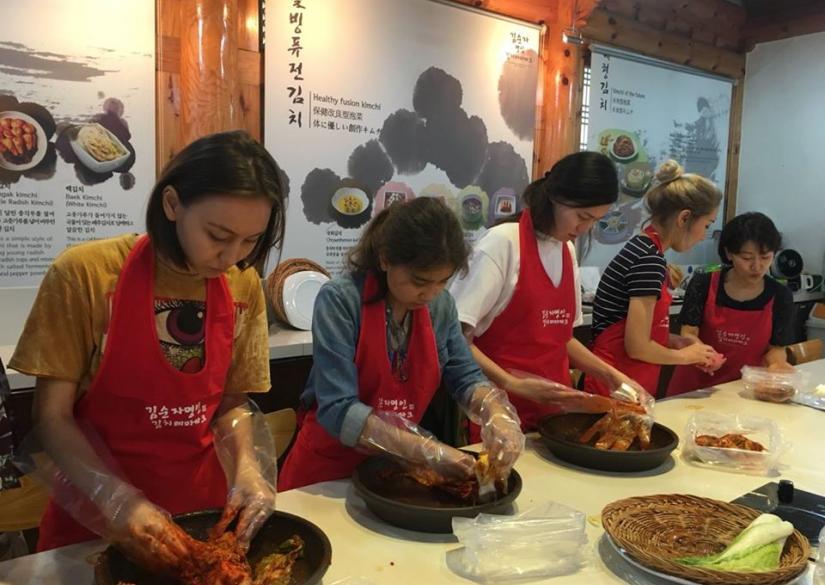
Kyungbok University offers students many directions for extracurricular development. The main one is thematic communities, through which students can realize their potential and ideas, participate in specialized events and make useful connections.
The list of communities includes:
- Sign language,
- Occupational therapy,
- Environment, human rights, ecology,
- The Christian Brotherhood,
- Medicine,
- Music: playing musical instruments, vocals,
- Labor protection, industrial safety,
- Campus Patrol Group,
- Volunteering,
- Organization of events,
- Dancing,
- Research in the field of anatomy using modern technologies,
- International relations,
- Robotics, programming,
- Visual art.
The campus regularly hosts training sessions in a variety of sports, including football, netball, tennis, and others.
Advantages
- No. 1 among technical universities for six consecutive years, according to a report by the country's Ministry of Education,
- No.1 in the University College category at the Korea National Brand Awards 2024,
- Cooperation with 8000+ local organizations, on the basis of which professional classes and internships are held,
- 100% employment rate upon completion of studies,
- Partnerships with universities in the USA, Canada, Japan, Russia, China and other countries,
- More than 900 international students coming from 54 countries for quality education,
- Dozens of higher education programs of varying duration: from a two-year qualification in cosmetology to a full four-year bachelor's degree program in nursing.
Facilities and equipment at Kyungbok University
KBU's main studying area is located in Namyanju, with easy access to the city's restaurants, entertainment facilities, and attractions. It will take no more than 15 minutes to get to Seoul, and students can use one of the free university buses. The second campus is located in Pyeongchang, which is a research center with many specialized laboratories and auxiliary facilities.
Kyungbok University Infrastructure includes:
- Three residences,
- Gyms and games rooms, a large library with 150,000+ books, access to electronic resources,
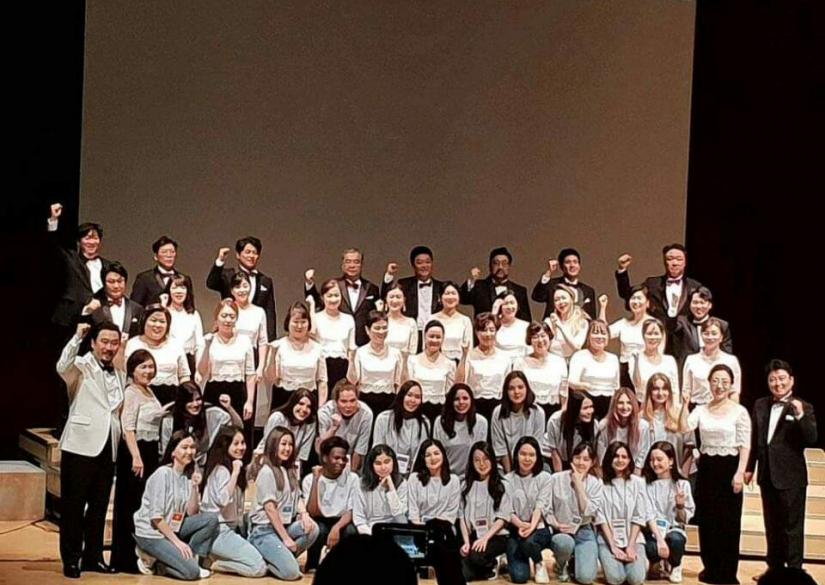
- The art hall, equipped for performances and events, which accommodates about 512 visitors, is equipped with audio and lighting equipment, cafeterias, and main dining halls.,
- 3D printing center equipped with printers and high-tech computers,
- Multimedia laboratories,
- Seminar classrooms with interactive whiteboards,
- Full-scale stadium for competitions,
- Recreation areas,
- Outdoor playgrounds for team sports.
Admission dates and extra charges
KBU's academic calendar consists of several semesters:
- Autumn: September-December,
- Spring: January-June.
The university also works in the summer months — some students take additional courses and improve their academic performance. During the year, classes are organized on weekdays, rest — on weekends and holidays, during seasonal vacations.
An approximate list of additional expenses includes:
- Registration and administrative fees,
- Accommodation, meals and related housing expenses,
- Additional academic opportunities,
- Some extracurricular activities,
- Personal educational materials,
- Medical insurance,
- Personal expenses.
Extras:
- Registration fee (for a programme/course)
- Deposit for a course/programme
Enrolment process
Applicants need to fill out the registration form and provide the required documents, after which they will have an interview with the admissions committee. Based on previous academic achievements and communication with staff, candidates receive an official invitation to enroll.
Perspectives
Every year, KBU graduates demonstrate excellent employment results: 100% of students find jobs in their specialty thanks to internships and practical training during the learning process.
Entry requirements, how to apply, what is required to enrol
Foreign applicants entering KBU must provide:
- Personal documents: passport, medical insurance, visa or residence permit,
- Academic report cards, certificates and diplomas from previous places of study,
- The result of the TOPIC Level 3 language test + confirms the level of proficiency in English in addition to Korean.
Scholarships Kyungbok University
A wide range of financial support is available to local and international students at Kyungbok University, with scholarships being the main form of assistance. Awards are paid based on academic achievement and upon admission if the applicant successfully passes the Korean language test. Scholarships cover up to 60% of tuition fees.
In addition to university scholarships, particularly successful students can count on awards from partner organizations, state support, and loan programs.
Institution on the map
Residence permits, citizenship and other services
- Guardianship services during the studies
- Student supervision
Review about Kyungbok University
Recommendations on when to apply
| Language courses, schools and children's language camps | Primary and secondary education - private schools | Preparation programmes for entering universities - higher education | Higher education (after completing accredited programs A-level, IB, High School) - Bachelor, Master, MBA |
| - we recommend to apply 6-9 months before the start of the course (some camps and schools offer discounts for early booking or for lengthy study programs) - there are some very popular and high demand children's camps, where the applications need to be submitted 1 year in advance (in particular Switzerland , Great Britain , USA , Canada , Austria) | - we recommend to apply one year before the start of the training program, - some schools have a specific time frame (September-November - please specify an individual school) - some schools require tests in several stages (UKISET, internal tests of the school: English, mathematics, logics, subjects, interview, some require a personal visit) | - we recommend to apply one year before the start of the program, - for Foundation and Pathway programs, IELTS and TOEFL certificates are usually required, respectively | - recommended submission one year before the start of the program, - the deadline normally closes in January, for TOP HEIs and, as a rule, in March in other universities - for a bachelor, a Foundation or Pathway preparatory program a completed A-level, IB, High School + IELTS / TOEFL are required - for Masters you need a graduated higher education, in some cases you need a pre-Masters program - MBA requires completed higher education, work experience preferably at least 2-3 years, etc. |