 Spain
Spain
 For partners
 Dean Close School








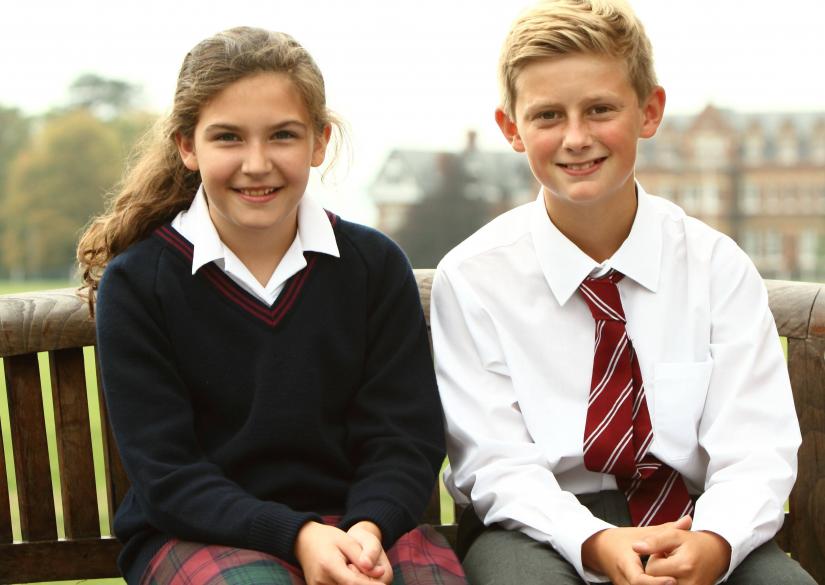
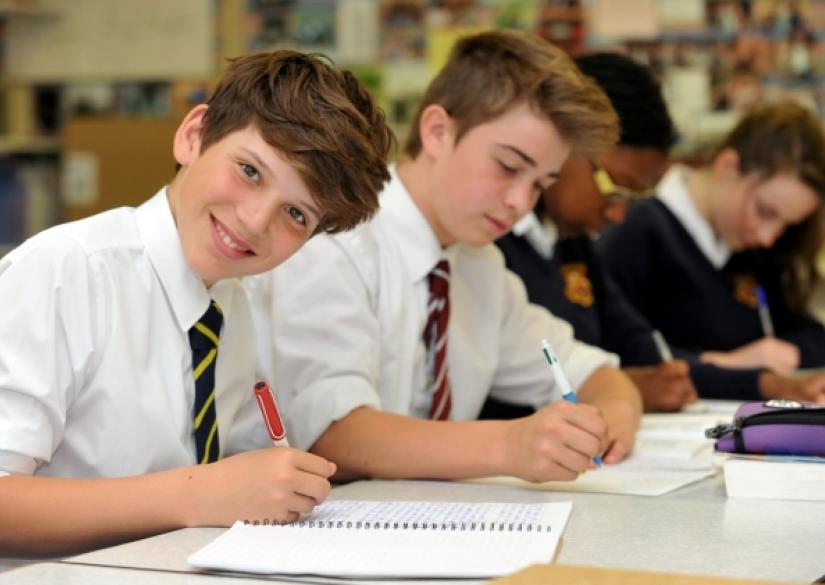
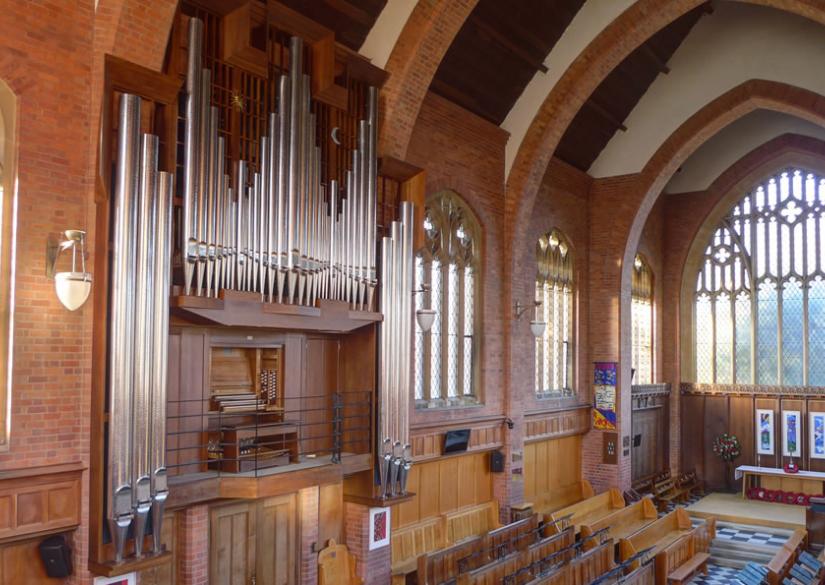



Programs and prices, tuition fees in Dean Close School


Middle Classes
- Age of students — from 8 to 13 years,
- The term of study is six years.
The secondary school program covers education in grades 3-8 and is based on a gradually increasing curriculum. In grades 3-6, students follow an independent curriculum that includes a wide range of subjects and a small number of teachers.:
- English language,
- Mathematics,
- Natural sciences,
- Geography,
- Religious education,
- Computer Science,
- Design Technology,
- Music,
- French language,
- History,
- Art,
- Music, and others.
As students grow older, they move on to the National General Education Program, whose teachers have their own specialized specialization in the subject. Spanish and Latin are added to the curriculum that students mastered in grades 3-6. The list of extracurricular activities is also being updated, with more sports sections appearing among them.
GCSE
- Age of students — from 14 years old,
- The studying period is two years.
The final program of the high school stipulates a stage covering grades 9-11 and includes preparation for GCSE exams and their passing at the end of the 11th grade. The Year 9 curriculum involves a detailed examination of the subjects offered so that students gradually choose interesting scientific fields for themselves. In the 10th grade, effective studying begins in 10 disciplines: compulsory and optional. Compulsory subjects are English language and literature, mathematics and a modern foreign language + two or three natural sciences: biology, chemistry, physics.
In addition to these, students choose four disciplines based on their interests:
- Business research,
- Classical civilization,
- Art, design,
- French language,
- Geography,
- Cooking, nutrition,
- Product design technology,
- Drama,
- Music,
- Physical culture,
- Computer science,
- Spanish language,
- History,
- Theology, philosophy, ethics,
- Latin and others.
Having compiled a semi-personalized curriculum, students study it for two years, completing their studies by passing the GCSE.
After high school students move on to the Sixth Form stage, completing their schooling (full secondary), or enroll in a specialized institution (college).
A-level
- Age of students — from 14 years old,
- The studying period is two years.
The final program of the high school includes a stage covering grades 9-11 and includes preparation for GCSE exams and their passing at the end of the 11th grade. The Year 9 curriculum involves a detailed examination of the subjects offered so that students gradually choose interesting scientific fields for themselves. In the 10th grade, effective studying begins in 10 disciplines: compulsory and optional.
Compulsory subjects are English language and literature, mathematics and a modern foreign language + two or three natural sciences: biology, chemistry, physics. In addition to these, students choose four disciplines based on their interests:
- Business research,
- Classical civilization,
- Art, design,
- French language,
- Geography,
- Cooking, nutrition,
- Product design technology,
- Drama,
- Music,
- Physical culture,
- Computer science,
- Spanish language,
- History,
- Theology, philosophy, ethics,
- Latin and others.
Having compiled a semi-personalized curriculum, students study it for two years, completing their studies by passing the GCSE.
After high school students move on to the Sixth Form stage, completing their schooling (full secondary), or enter a specialized institution (college).
Pre-Prep, Preparatory Department
- Age of students — from 2 to 7 years,
- Studying period — up to five years.
The Pre-Prep program includes two academic stages:
- Education in the preschool department,
- Education in grades 1-2 (primary education).
Studies are organized in interactive, game formats that gradually prepare students for a more challenging curriculum. Using various materials, equipment, and interaction with classmates and adults, children learn about the world around them, their own abilities, and various rules that will help them become well-rounded individuals. At the same time, the curriculum is personalized — it adapts to the strengths and interests of each student, encouraging them to focus on those activities that they find particularly engaging.
Under the guidance of qualified teachers, children will learn social norms, safety rules, self-care skills, and self-expression. These important areas are supplemented by regular sports and creative activities, as well as participation in a variety of entertainment and cultural events with other pupils.
International Summer School
- Age of students — from 9 to 17 years old.
During the summer months, Dean Close School campus hosts an International Summer School aimed at supporting foreign students in learning English and adapting to the English-speaking community. Students can expect a busy schedule that includes:
- More than 30 English lessons aimed at developing reading, writing, speaking and listening skills, expanding vocabulary, and building confidence in using the language in everyday life and studies.
- Campus and off-site events — three per day, including both large-scale excursions to attractions and small group meetings to discuss experiences gained during the day.
During the Summer School, students live in school residences, receive three meals a day, and are under the close supervision of qualified staff. Every two weeks, long excursions to other cities are organized for them, allowing them to explore the sights of London, Oxford, and Bath.
The course cost and its dates usually become known after the New Year holidays, which is when applications start being accepted.
Summer Camps
- Age of students — from 7 to 18 years old,
- Dates — July, August,
- Duration of study — four or five days.
The school offers two summer courses aimed at developing extracurricular student talents:
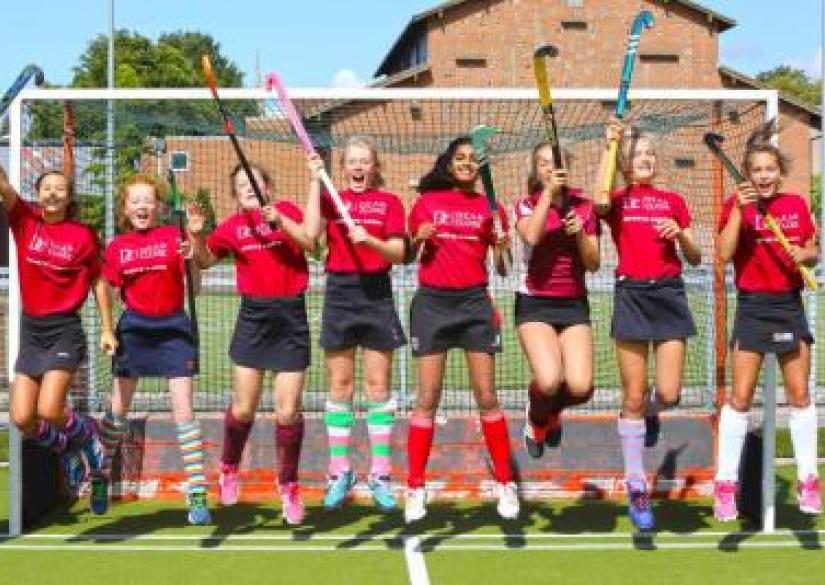
- Hockey camp — a professional hockey training program available to students aged 7 to 18. The course is held in August and lasts four days. The daily schedule divides classes for younger and older students, offering them quality game preparation under the guidance of qualified coaches.
- Drama camp — a performing arts course open to students aged 8-16. It is usually held in July-August and lasts five days, during which students organize their own productions, attend lectures by leading industry specialists, and hone their acting skills. The program is suitable for students of any skill level.
The programs are taught in a daytime format; accommodation and meals are not provided and can be arranged separately.
Description of Dean Close School
- Location: Cheltenham, Gloucestershire, England,
- Year of foundation: 1886,
- Number of students: about 900,
- Language of instruction: English,
- Type of studying: mixed.
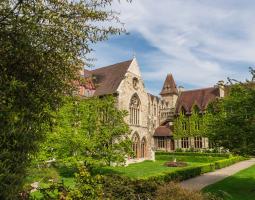
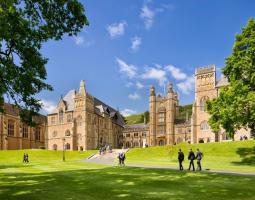
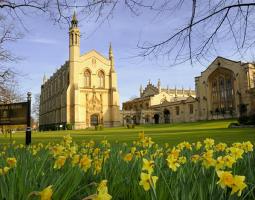
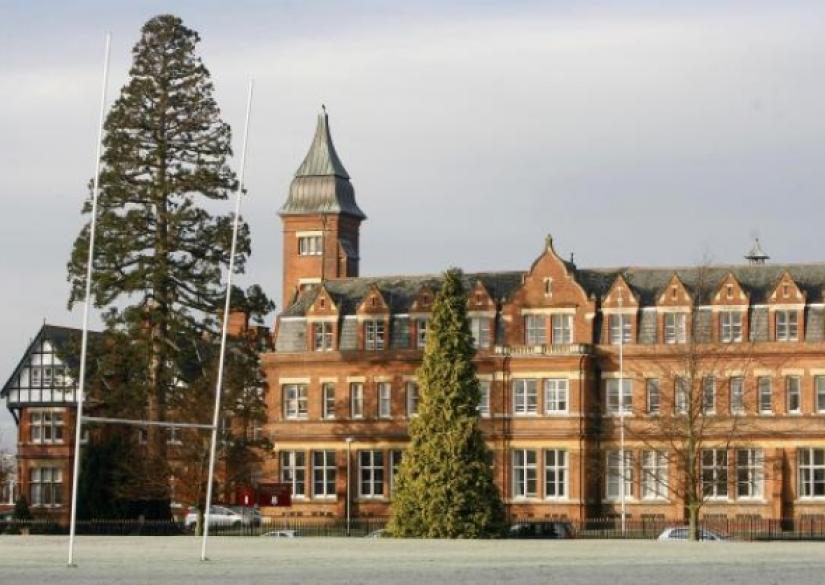
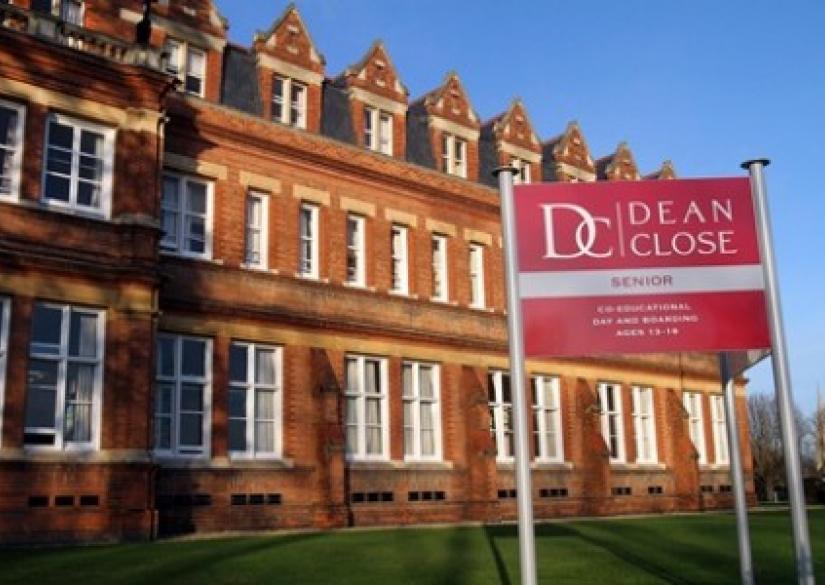
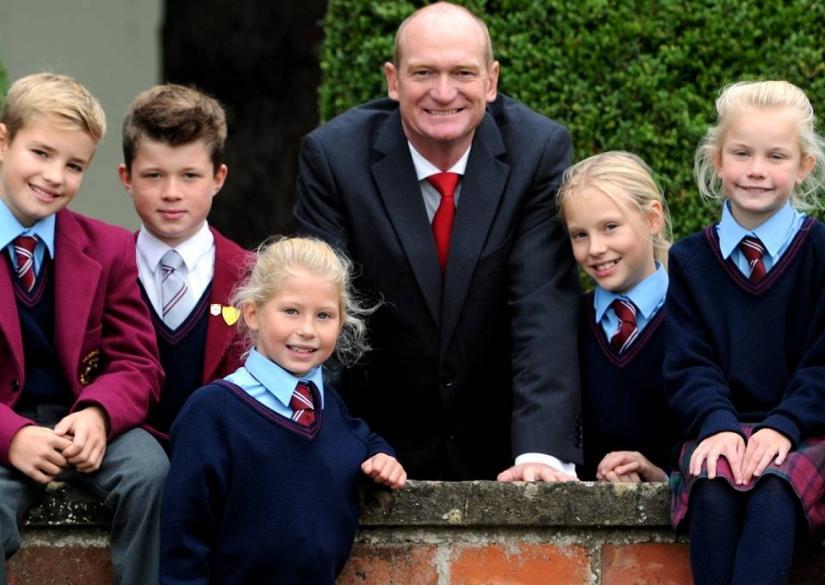
Dean Close School is a private, coeducational boarding school founded in 1886. Now it is a well-known, popular and respected institution, which both local and foreign students seek to enter. Dean Close School's academic specialization lies mainly in the field of exact sciences: mathematics and higher mathematics, physics, but some humanities areas are also strong, for example, English literature.
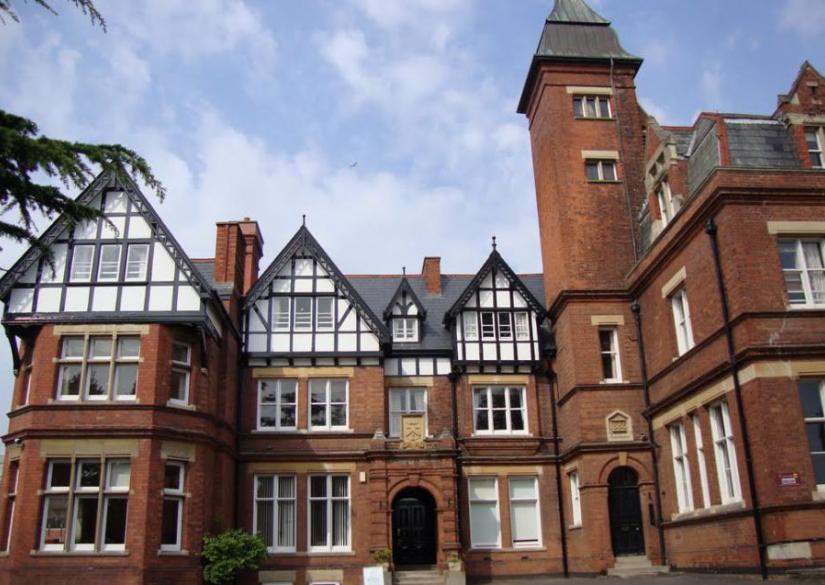
Dean Close School was named after the dean of the Carlisle School, Francis Close: initially, it accepted only boys, which is typical of old British boarding schools, but in 1970 it completely switched to a mixed form of studying in the UK — absolutely all educational programs became available to girls. The total area of the territory today reaches 50 acres — all educational units are located here.:
- Preparatory school (2-7 years old),
- Elementary school (7-13 years old),
- High school (13-18 years old).
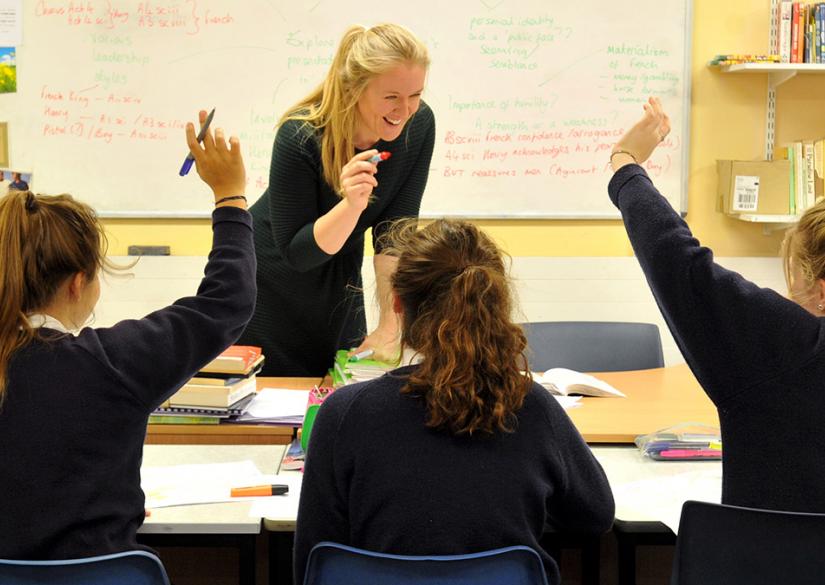
All students celebrate a truly warm, family spirit: here everyone is appreciated and respected as a unique, independent and capable person, and they strive to distinguish everyone from other students. Small classes and highly qualified teachers, excellent facilities and infrastructure, the widest technical possibilities and an extracurricular program help children to fully unleash their individual potential, fully demonstrate their abilities, skills and talents. A personal mentor who is assigned to each of the students, helps to solve any academic and everyday issues, keeps in touch with the parents of students, regularly sends them full-fledged reports on the successes and achievements of the child. An effective EFL language program (English as a foreign language) is provided for foreign students, and supportive classes are also offered to students with learning difficulties.
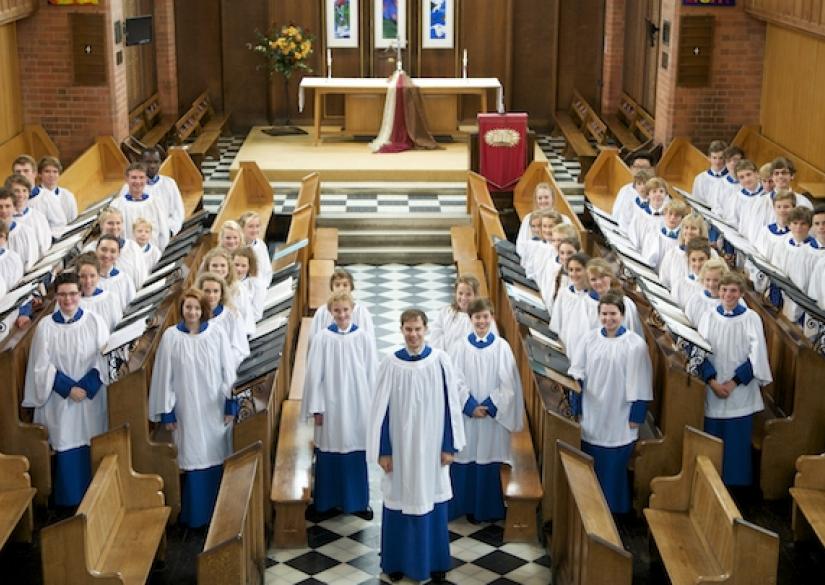
Dean Close School belongs to the Anglican Church: children of any faith and denomination can study here, but weekly attendance at the school chapel is mandatory for everyone.
Educational process
A safe Forest School space has been organized on the territory of Dean Close School, where classes are held for all age groups. An open area with various materials for studying the surrounding world and conducting experiments allows students to broaden their horizons, gain new experiences, and spend more time outdoors.
The older the student gets, the more additional opportunities become available to them. For example, in middle school, students can receive personalized support in mastering difficult subjects, language support for faster adaptation to the English-speaking community, and high school students can already count on career guidance, a wide range of extracurricular activities for developing important social and personal skills, and much more.
Faculties and colleges
Dean Close School provides all stages of school education:
- Pre-Prep — preschool years, grades 1-2 for children aged 2 to 7,
- Prep — elementary school, including education in grades 3-8,
- Senior — senior grades 9-13.
Accommodation, meals, prices
Studying at Dean Close School is possible in one of three forms: full-time, full-board and flexible boarding, which means living in a residence for several days a week.
Nine residences are open on the studying grounds.:
- Three comfortable buildings for primary school students: one for 7-10 years old, the other two for girls and boys 11-13 years old,
- There are six boarding schools, each specializing in its own gender and age: for example, middle-class girls live separately from all boys and girls in high school.
Most residential buildings have double rooms with the necessary furniture, access to bathrooms, recreation areas and other school infrastructure. Sixth Form students stay in single rooms to focus on preparing for the upcoming exams. Together with the students, educational staff live in the residences, providing round-the-clock support and security.
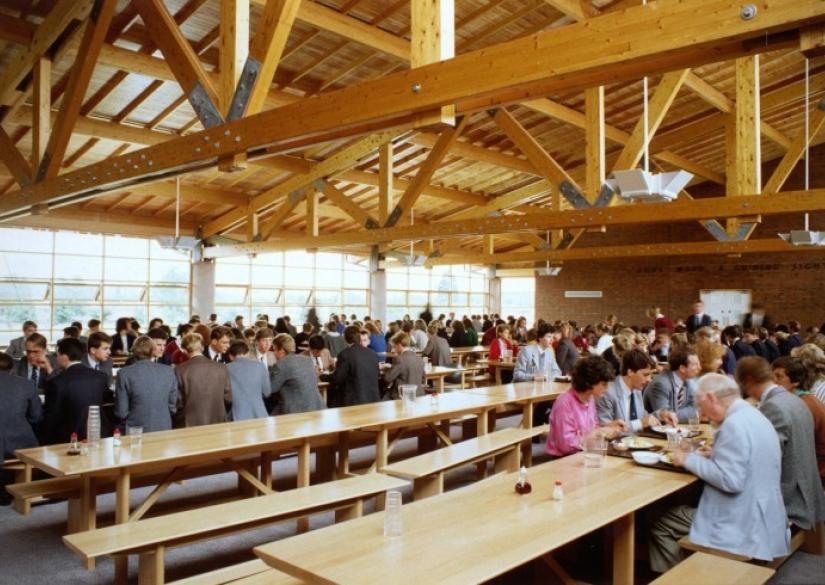
The Dean Close School Dining Room provides an extensive menu of hot and cold dishes, a salad bar and a variety of snacks and drinks. A personal menu is prepared for each department, which is changed every week and necessarily includes vegetarian recipes. Qualified chefs prepare meals every day, using vegetables, fruits and meat from local farmers whenever possible. Upon request, sent in advance, the student can receive an individual menu based on their dietary, medical, and religious needs.
Subjects, specialties
Activities Dean Close School
Dean Close School has well—developed sports directions - children are offered a wide range of sports activities and optional sections.:
- Rugby,
- Water polo,
- Football,
- Horse riding,
- Badminton,
- Volleyball,
- Golf,
- Cross-country running,
- Basketball,
- Cricket,
- Netball,
- Athletics,
- Swimming,
- Hockey,
- Aerobics and others.
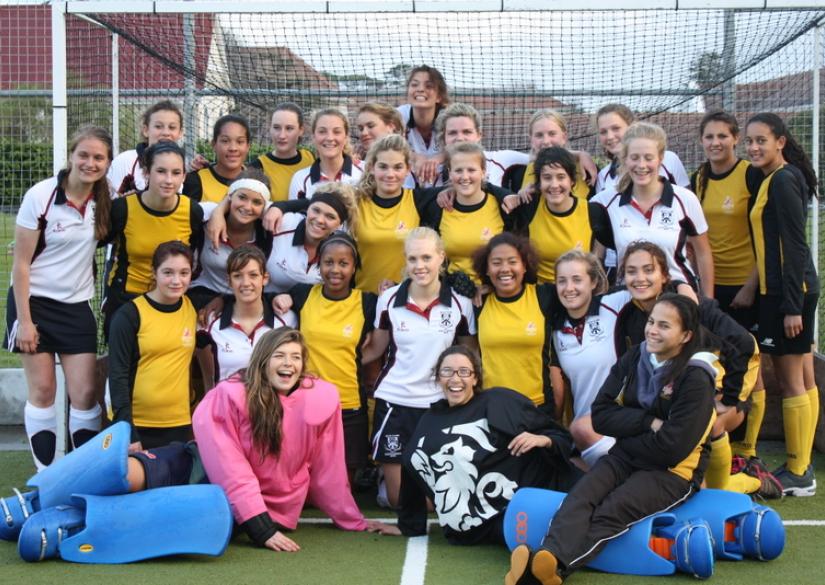
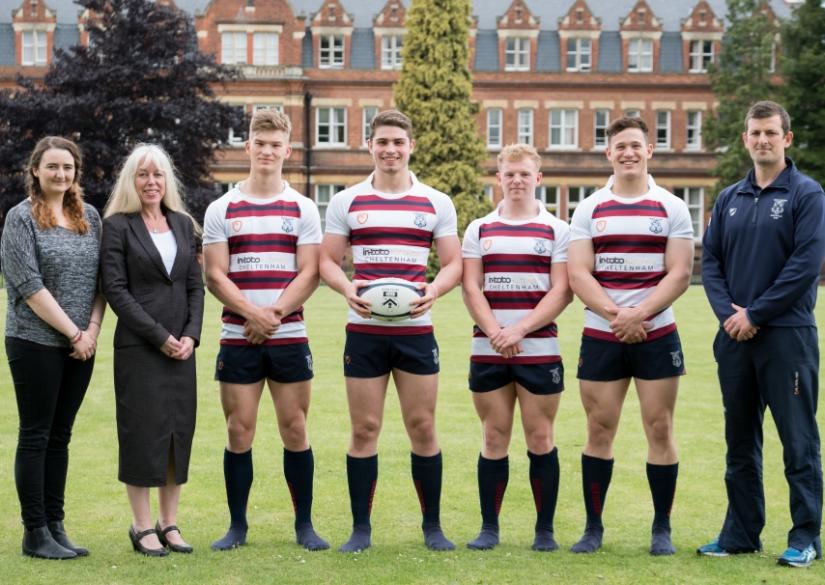
In physical education, students can take exams at GCSE and A-level levels, and defend the honor of the school as part of national teams at regional and national competitions. Many of the coaches working at Dean Close School have been or are still successful and award-winning athletes, performing and teaching internationally. School teams often travel abroad: Argentina, Italy, Holland, Malta, Australia, Spain, New Zealand, etc.
A wide variety of clubs, sections and interest communities are widely represented — in total, these are more than 100 areas for the development of talents and ideas.:
- Pottery,
- Drama and theater, acting,
- Photography,
- Drawing,
- Graphics,
- Chess,
- Dance studio,
- Electronics Club,
- The Archery Club,
- Academic rowing,
- Natural Science Lovers Club,
- Literary community,
- Textile,
- Circus skills,
- Gardening.
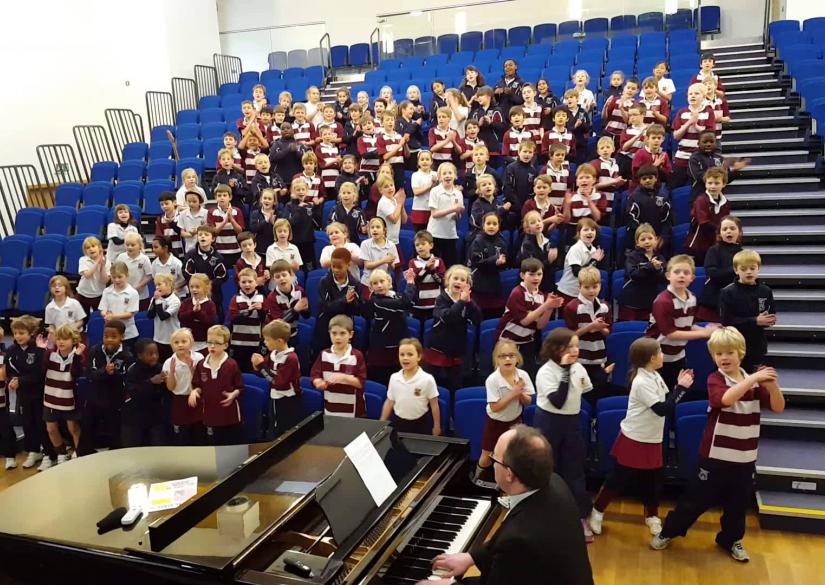
Dramatic and choreographic art is available for A-level examination at the London Academy of Music and Drama (LAMDA), the Royal Academy of Dance (RAD), the Guildhall School of Music and Drama. Classes at the music school are very popular, where more than 30 qualified teachers teach: more than 50 concerts are held annually on the campus, featuring vocal and instrumental ensembles, groups of different styles, choirs and orchestras. The school choir performs regularly at St. Paul's Cathedral. About half of the students regularly take lessons on playing musical instruments.
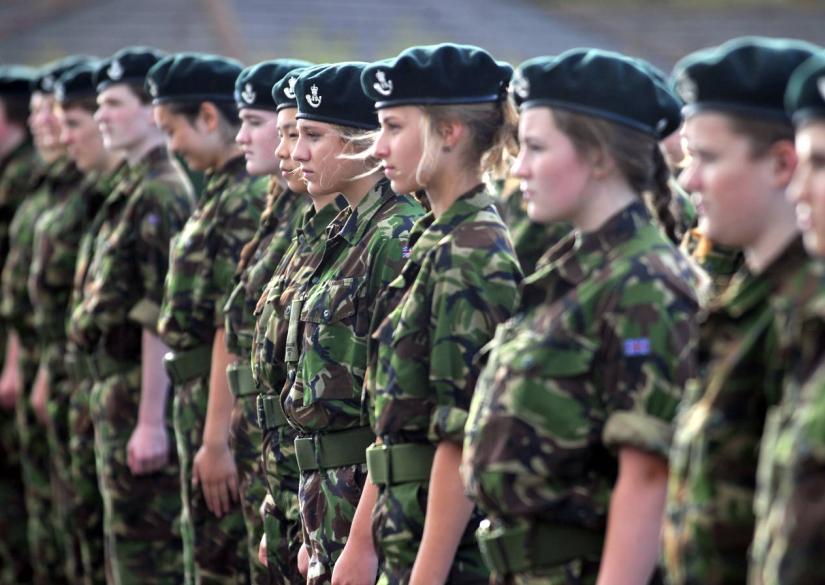
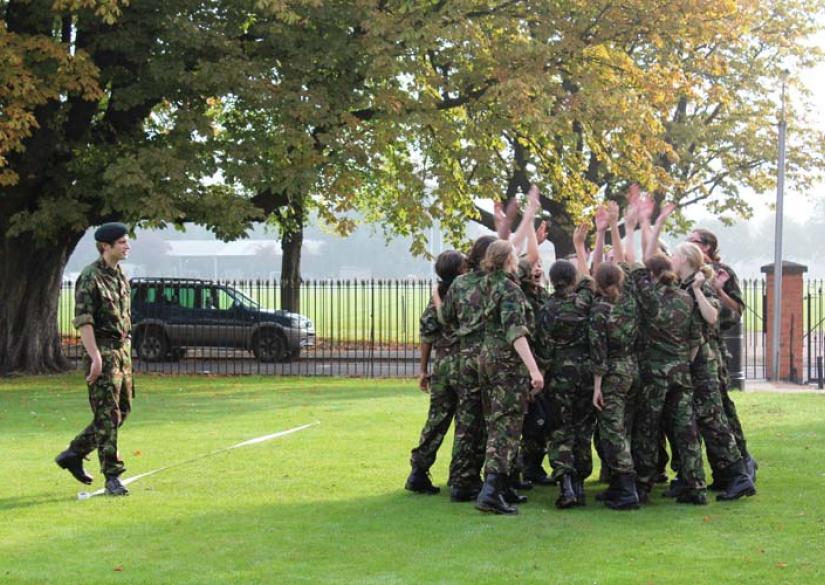
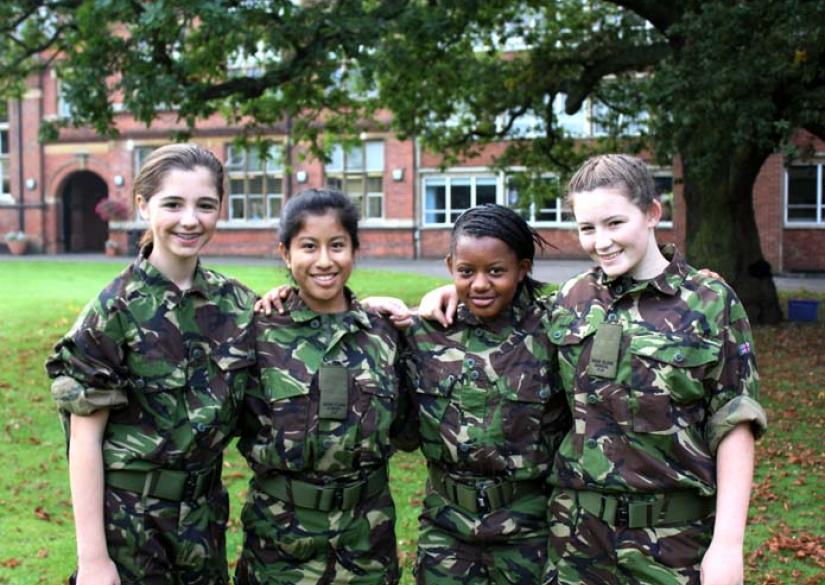
High school students are offered the opportunity to compete for one of the Duke of Edinburgh's Awards — participation and victory in this competition (gold, silver and bronze prizes are provided) are highly appreciated by university admissions committees. Military sports training (CCF) classes are mandatory for students aged 2-14, and in the future they can be engaged voluntarily, as well as socially useful, volunteer and charitable projects.
There is a special Social Center on campus that helps organize study and leisure hours. On weekends and holidays, fun, informative and exciting activities are organized for pupils in the evenings: shopping, bowling, trips to the theater and cinema, museums and art galleries, exhibitions and the opera, excursions to the most interesting cities of Great Britain, trips abroad.
Advantages
- The Thinking Beyond the Curriculum Award, awarded in 2023 for a wide variety of extracurricular activities for creative, athletic, and social development,
- It is noted in the rankings of The Good Schools Guide and Talkeducation,
- Excellent final exam results: 54% of students received grades 9-7 at GCSE, 63% of high school students earned grades from A* to B,
- More than 20 different nationalities among students and teachers,
- Collaborate with local schools to hold joint events and share knowledge.
Facilities and equipment at Dean Close School
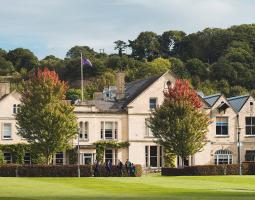
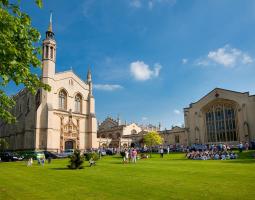
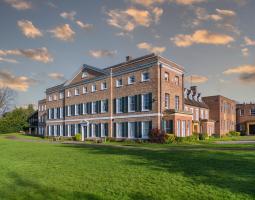
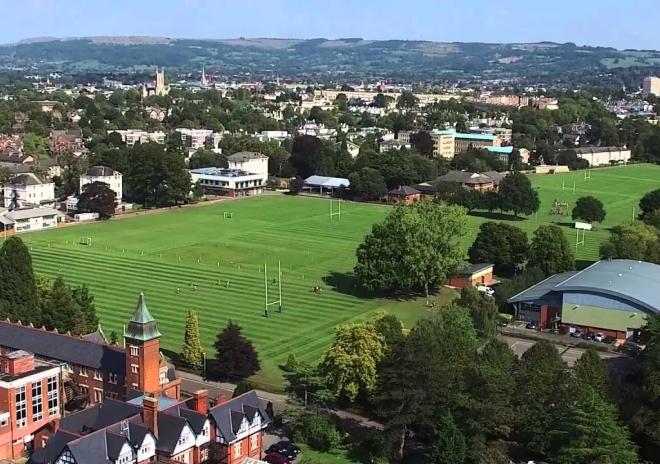
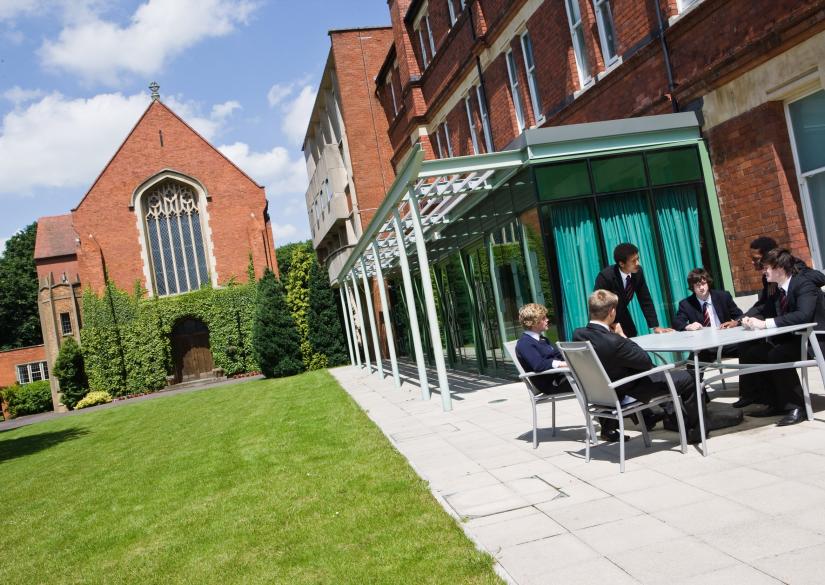
The school campus is located in a park area of the suburb of Cheltenham, an hour and a half drive from London and the capital's main airports, occupying a large area with a 50-acre wooded area.
Dean Close School can rightfully be proud of its technical facilities, modern equipment and infrastructure.:
- Art school: studios for ceramics, design and technology, photography, sculpture, fine arts, painting and other specializations,
- Music school: professional recording studio, numerous rooms for rehearsals, concert hall,
- Outdoor amphitheater with 400 seats,
- Theater hall with 550 seats,
- A huge, well-equipped library,
- Numerous sports grounds: indoor and outdoor, for individual classes and team games, with artificial or natural turf,
- Spacious, multifunctional sports and gym halls,
- Shooting gallery,
- Climbing wall, climbing training wall,
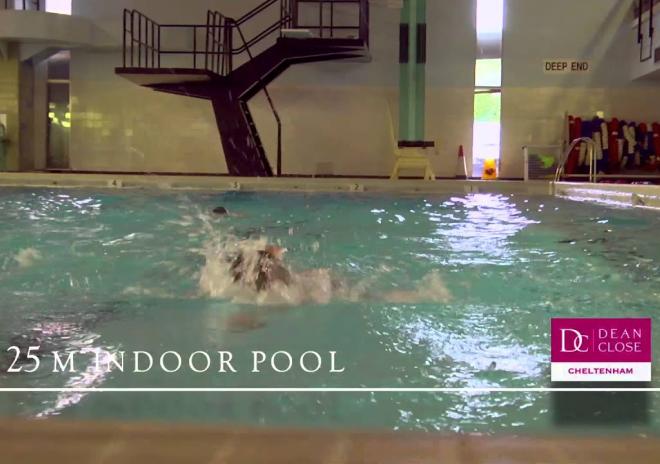
- 25-meter swimming pool.
Admission dates and extra charges
All academic departments follow a three-trimester academic calendar.:
- Autumn: September-December,
- Spring: January-March,
- Summer: April-July.
Classes are held on weekdays, and rest is provided on weekends, holidays, and during seasonal vacations. By staying at the residence on weekends, students receive an extensive list of leisure activities that are organized after classes on weekdays.
The list of additional expenses will include:
- Registration, administrative fees and deposits,
- Accommodation and meals,
- External exams,
- Individual subject and extracurricular activities,
- School uniforms, personal educational materials,
- Some extracurricular activities,
- Personal expenses.
Extras:
- Registration fee (for a programme/course) 100 GBP
- Deposit for a course/programme 13000 GBP
Enrolment process
The admission process consists of several stages:
- An introductory tour or online communication with the admissions committee before submitting an application,
- Completing a registration form, providing documents, paying the registration fee,
- Passing an interview, taking tests in core subjects. For the youngest students, a trial school day is organized during which they will be observed by teachers,
- Receiving an official invitation to enroll,
- Paying deposits,
- Arriving on campus at the start of classes.
Perspectives
Every year, Dean Close School students demonstrate excellent results in their final exams and admission to the universities of their choice — in recent years, graduates of the school have been enrolled in:
- University of Exeter,
- Cardiff University,
- Durham University,
- University of Bath,
- University of Birmingham,
- University of Manchester,
- University of Southampton.
Entry requirements, how to apply, what is required to enrol
International applicants entering Dean Close School must provide:
- Personal documents: passport, medical insurance and health certificates, visa or residence permit,
- Academic report cards for the last few academic years from the previous place of study,
- Exam results, individual achievements (if any).
Depending on the age and the class the candidate is enrolled in, a certain level of English proficiency will be required — it is checked at the entrance test, and if the applicant does not have sufficient stable knowledge, he will be offered additional language support.
Scholarships Dean Close School
Dean Close School annually awards scholarships in various areas of academic and extracurricular activity:
- Outstanding achievements in learning,
- Music,
- Sport,
- Art,
- Drama, theatre,
- All-round abilities — the Francis Close Award,
- Choir singing — for children aged 7-10,
- Universal scholarship — for students from 7 years old,
- Design technology — for students over 13 years old,
- Leadership, service — the Colin Cox Award for students over 13 years old.
Merit scholarships can reach up to 100% of the annual tuition fee.
The institution also offers funding based on benefits, special cases, for example:
Scholarships for military families,
Discount for brothers and sisters of already enrolled students: 5% for the third, 20% for the fourth child from the same family.
Institution on the map
Residence permits, citizenship and other services
- Guardianship services during the studies
- Student supervision
Review about Dean Close School
Recommendations on when to apply
| Language courses, schools and children's language camps | Primary and secondary education - private schools | Preparation programmes for entering universities - higher education | Higher education (after completing accredited programs A-level, IB, High School) - Bachelor, Master, MBA |
| - we recommend to apply 6-9 months before the start of the course (some camps and schools offer discounts for early booking or for lengthy study programs) - there are some very popular and high demand children's camps, where the applications need to be submitted 1 year in advance (in particular Switzerland , Great Britain , USA , Canada , Austria) | - we recommend to apply one year before the start of the training program, - some schools have a specific time frame (September-November - please specify an individual school) - some schools require tests in several stages (UKISET, internal tests of the school: English, mathematics, logics, subjects, interview, some require a personal visit) | - we recommend to apply one year before the start of the program, - for Foundation and Pathway programs, IELTS and TOEFL certificates are usually required, respectively | - recommended submission one year before the start of the program, - the deadline normally closes in January, for TOP HEIs and, as a rule, in March in other universities - for a bachelor, a Foundation or Pathway preparatory program a completed A-level, IB, High School + IELTS / TOEFL are required - for Masters you need a graduated higher education, in some cases you need a pre-Masters program - MBA requires completed higher education, work experience preferably at least 2-3 years, etc. |