CSU Sonoma State University




Programs and prices, tuition fees in CSU Sonoma State University


Bachelor's Degree Programs
- Age of students — from 18 years old,
- The studying period is three to four years.
SSU offers dozens of undergraduate specializations, guaranteeing student's immersion in professional knowledge, applied skills, and research and project experience.
Some of the sought-after scientific directions are:
- Anthropology,
- Human development,
- Art Studio,
- Art History,
- Biology,
- Accounting,
- Biochemistry,
- Cinematographic art, technology,
- Computer Science.
Master's Degree Programs
- Age of students — from 21 years old,
- The studying period is one to two years.
The Master of Science degree will provide students with deeper knowledge in the professional field, thanks to which they will be able to occupy a high position. There are many specializations available at the university, including:
- Counseling: Clinical Mental health,
- Pre-school education,
- Leadership in education,
- Electrical engineering, computer engineering,
- English language,
- Organizational development,
- History,
- Interdisciplinary research,
- Nursing,
- Spanish language.
Description of CSU Sonoma State University
- Location: Rohnert Park, California, USA,
- Year of foundation: 1961,
- Number of students: about 6000,
- Language of instruction: English,
- Type of study: mixed.
CSU Sonoma State University (SSU) is a public multidisciplinary university, part of the California State University system. It teaches more than 90 bachelor's degree programs, 19 master's degree majors, and teacher preparation courses.
The institution opened its doors in 1961, becoming part of the University of California. The educational institution has its own campus six years after its opening, and today SSU boasts a large-scale academic venue with modern facilities and a diverse infrastructure for study, sports and creativity.
Every year, the US university is listed in national and international rankings, earning high marks for the price-quality ratio of education, qualified teaching staff, and the diversity of nationalities among students.
Faculties and colleges
Teaching is carried out on the basis of specialized colleges, which include schools of in-depth study of disciplines. Scientific directions of colleges:
- Education, Counseling, Ethnic Studies,
- Humanities, Social Sciences and Arts,
- Science, technology, business,
- Biology
- Kinesiology
- Additional education.
Accommodation, meals, prices
SSU residential buildings are assembled into five student campuses located near the academic area. Students can choose the room most suitable for their wishes: single, double or triple. Rooms that are important for a comfortable stay can be located on a floor, in a room or in a house, depending on the type of building. Basically, all rooms are presented in the form of apartments.
While staying in one of the residences, the student must arrange a meal plan with a certain number of meals per week, additional points for purchases in cafeterias. The main dining hall of the university is The Kitchens, offering an extensive selection of dishes, drinks, and snacks.
Activities CSU Sonoma State University
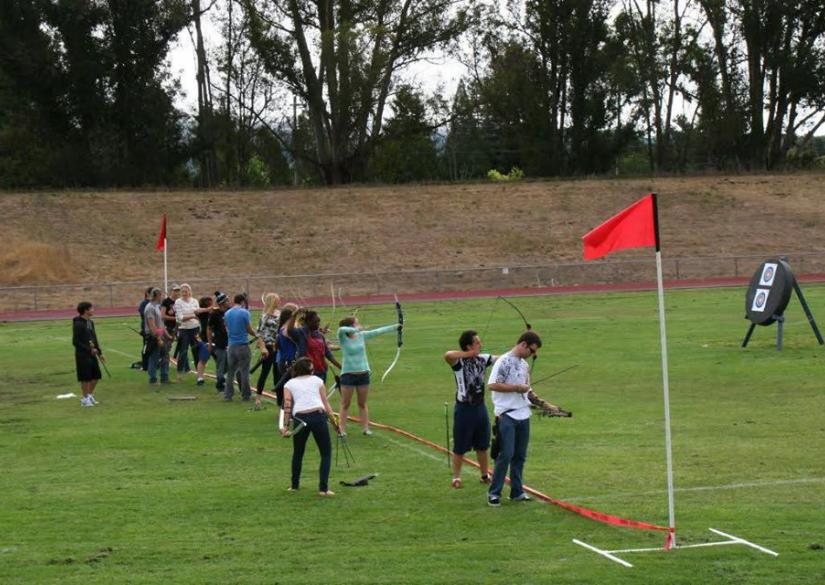
During extracurricular activities, students actively participate in a variety of leisure clubs, sightseeing and hiking trips, creative activities and sports competitions. Hobby clubs are an important leisure destination for many students, as they help them realize their potential with like-minded people.
The list of topics for which clubs have already been opened includes:
- Visual art,
- Anthropology,
- Criminology,
- Christianity,
- Finance,
- Music, playing musical instruments,
- Performing arts,
- Psychology, counseling,
- Board role-playing games,
- Cooking.
The University participates in interuniversity and regional sports competitions, providing members of national teams to improve their physical skills and earn scholarships.
The main and most sought-after sports directions are considered to be:
- Rock climbing,
- Horseback riding,
- Volleyball,
- Football,
- Lacrosse,
- Badminton,
- Baseball,
- Rowing,
- Scuba diving,
- Esports.
Throughout the year, dozens of themed events are held on the campus, in which members of creative teams participate. Whether it's Christmas, Easter, or graduation, students of theater and music become almost the main participants in the festive repertoire.
Advantages
- No15 among the top public colleges, universities in the U.S. News & World Report rankings,
- No168 in the Forbes ranking among the 500 best private, public colleges and universities in the United States,
- More than a hundred higher education programs taught in six scientific faculties,
- No1 in the ranking of the best student housing according to Niche,
- 73% of students receive scholarships, financial aid,
- The most affordable university in the California State University system.
Facilities and equipment at CSU Sonoma State University
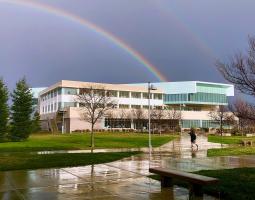
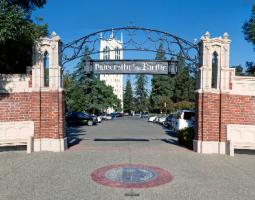
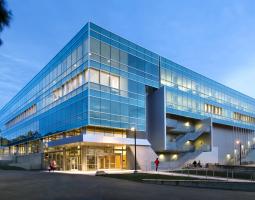
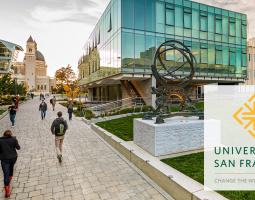
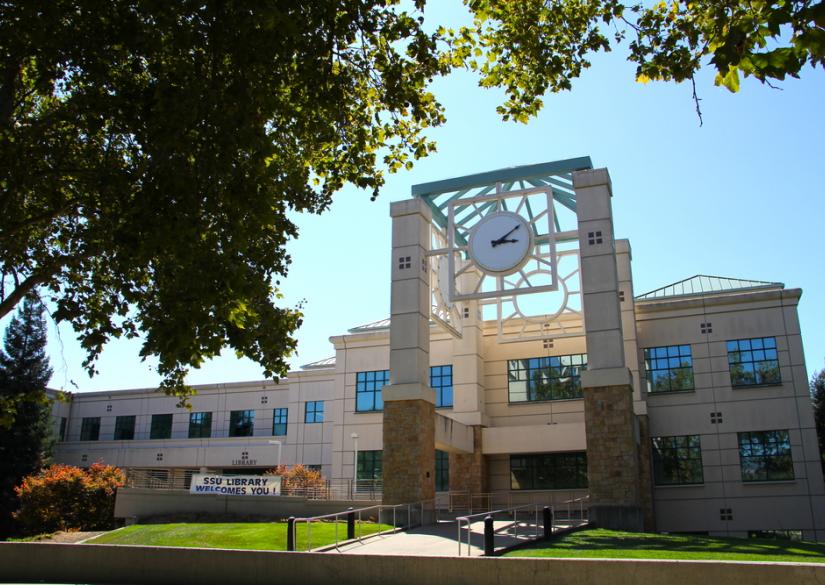
The SSU campus covers an area of 269 acres, located in the suburban area of Rohnert Park, Sonoma County. The university boasts dozens of specialized laboratories, computer and lecture halls, practice studios for various fields, and a 215,000-square-foot library. The sports infrastructure offers students a wide variety of indoor halls, outdoor fields and playgrounds for team, pair sports and individual training during studies in the USA.
SSU manages two off—campus studying sites, the Fairfield-Osborne and Galbreath Wildlands Reserves.
Admission dates and extra charges
There are two semesters in the academic calendar:
- Autumn: August-December,
- Spring: January-May.
In the summer, there are classes in some programs, and internships. Classes are organized on weekdays, rest — on weekends and holidays, during seasonal vacations.
An approximate list of additional expenses includes:
- Registration and administrative fees,
- Accommodation, meal plan,
- Contributions to student associations, payment for some extracurricular activities,
- Personal educational materials,
- Additional academic opportunities,
- Medical insurance,
- Personal expenses.
Enrolment process
Applicants will have to fill out the registration form, provide documents and pay the entrance fee, after which they will be invited for an interview and tests. Based on the results of this stage, the admission committee makes a decision on the enrollment of candidates.
Perspectives
To date, SSU has completed the training of more than 84,000 specialists in various scientific fields. Many of them found work almost immediately after graduating from the program, while others successfully continued their academic path.
Entry requirements, how to apply, what is required to enrol
US Higher education programs will require foreign applicants:
- Personal documents: passport, medical insurance, visa or residence permit, financial certificates,
- Certificate of full secondary education / Bachelor's Degree / Master's Degree, depending on the program for which the candidate is enrolled,
- Language test results: TOEFL iBT (from 61), IELTS (from 6.0), PTE Academic (from 47) or a recognized equivalent.
- Letters of recommendation, professional experience, and individual achievements will be useful.
Scholarships CSU Sonoma State University
More than $2.5 million is allocated annually for scholarships and financial aid, thanks to which about 73% of students reduce tuition and other expenses. Scholarships are paid on the basis of academic and extracurricular achievements, and financial assistance is determined by preferential conditions, need.
Literature and references
-
Sonoma State University — Wiki

-
Sonoma State University - Profile, Rankings and Data — U.S. News & World Report
-
Sonoma State University — Niche
-
Sonoma State University — Forbes
-
Sonoma State University Overview — College Factual
-
Sonoma State University Ranking & Overview 2024 — uniRank University Ranking
Institution on the map
Residence permits, citizenship and other services
- Guardianship services during the studies
- Student supervision
Review about CSU Sonoma State University
Recommendations on when to apply
| Language courses, schools and children's language camps | Primary and secondary education - private schools | Preparation programmes for entering universities - higher education | Higher education (after completing accredited programs A-level, IB, High School) - Bachelor, Master, MBA |
| - we recommend to apply 6-9 months before the start of the course (some camps and schools offer discounts for early booking or for lengthy study programs) - there are some very popular and high demand children's camps, where the applications need to be submitted 1 year in advance (in particular Switzerland , Great Britain , USA , Canada , Austria) | - we recommend to apply one year before the start of the training program, - some schools have a specific time frame (September-November - please specify an individual school) - some schools require tests in several stages (UKISET, internal tests of the school: English, mathematics, logics, subjects, interview, some require a personal visit) | - we recommend to apply one year before the start of the program, - for Foundation and Pathway programs, IELTS and TOEFL certificates are usually required, respectively | - recommended submission one year before the start of the program, - the deadline normally closes in January, for TOP HEIs and, as a rule, in March in other universities - for a bachelor, a Foundation or Pathway preparatory program a completed A-level, IB, High School + IELTS / TOEFL are required - for Masters you need a graduated higher education, in some cases you need a pre-Masters program - MBA requires completed higher education, work experience preferably at least 2-3 years, etc. |