University of the Pacific






Programs and prices, tuition fees in University of the Pacific


The program International Year One
- Age of students — from 18 years old,
- The term of study is 2-3 semesters.
The Undergraduate Accelerator programs are a special course for international students who enroll in the Bachelor's degree department but have not yet reached the required entrance requirements. The main feature of the course is that students do not waste time on narrow-profile preparation, after graduation they immediately transition to the second year of the bachelor's degree. The curriculum consists of academic disciplines, seminars on adaptation and English language learning. The ultimate goal of the program is to bring the level of knowledge to the requirements of the university and adapt to the learning process. Students are enrolled in one of the course formats: two- or three-semester. The higher the academic and language scores, the less time you will need to study.
The course has several specializations so that English language learning takes place with a parallel set of academic credits in the disciplines.:
- Business,
- Engineering,
- Computer Science,
- Liberal arts and sciences,
- Music,
- Medical Sciences,
- International studies,
- Natural sciences, humanities, social sciences, and art.
Participants have the right to choose priority directions of study and development, focusing on what they are really interested in. Classes are held in groups with a small number of people, which allows teachers to devote individual time to each student.
The Undergraduate Accelerator program is counted as a standard first year university course. Graduates move on to the second year of their chosen bachelor's degree and successfully continue their studies.
Bachelor's program
- Age of students — from 18 years old,
- The studying period is three to four years.
The University offers students from all over the world high-quality education in bachelor's degrees:
- Anthropology,
- Accounting,
- Art History,
- Applied Mathematics,
- Civil engineering,
- Biochemistry,
- Business analytics,
- Communications,
- Computer science,
- Criminal justice,
- Data Science,
- Engineering Management,
- English,
- Film studies,
- Graphic design and more.
The studying lasts three to four years. Each year, students must earn a certain number of credits that determine academic performance. Various types of classes are held during the studies: lectures, seminars, laboratory and practical classes.
Upon successful completion of their studies, a graduate is awarded a bachelor's degree in the relevant direction of sciences, after which they can either continue their academic career in a master's degree or start a career.
Academic English
- Age of students — from 18 years old,
- The studying period is 16 weeks.
The course is designed for international students who are not yet ready to enter the university due to their low English language proficiency. The curriculum stipulates intensive classes in all the necessary sections.:
- Grammar,
- Listening skills,
- Written speech,
- Oral speech,
- Academic writing, university study skills.
Professional native-speaking teachers help students solve all complex topics, and small group sizes allow them to work individually with each student and take into account all their needs. Intensive group work and active language communication contribute to rapid growth and development. During the 16 weeks of classes, students significantly improve their English level, so they can move on to higher education programs.
University Pathway Program
-
The minimum level of English is Advanced.
The OHLA University Study Program allows international students to automatically enroll in multiple university programs throughout the United States. A team of experts prepares students for university studies, guides students towards successful admission.
Pathway provides students with the opportunity to prepare for college by getting information, doing exercises that make academic requirements clear, and removing common barriers that can stunt student progress. Topics: resources, teaching methods, writing skills, critical thinking skills, motivation, self-efficacy. Particular attention is paid to group work, mutual learning.
Studying program:
- Acquaintance with other students, staff and teachers, developed support network before starting studies at CSM
- Getting to know the campus and its valuable resources
- Obtaining 1 college credit.
Master's Degree Programs
- Age of atudents — from 21 years old,
- The studying period is one to two years.
Master's degree programs are offered at all UOP faculties, offering students high-quality, modern-market-oriented knowledge and skills. For 1-2 years, students study subjects, participate in independent and group scientific work, internships.
Some of the Master's degree specializations offered are:
- Sports training,
- Accounting,
- Clinical nutrition,
- Audiology,
- Commercial law,
- Computer Science,
- Communications,
- Dentistry,
- Cybersecurity,
- The science of emergency management,
- Engineering,
- Endodontics,
- Education,
- Innovation,
- Design,
- Music education,
- Public administration.
Upon completion of their studies, students continue their academic career in doctoral studies or find employment in their field of specialization.
Doctoral studies
- Age of students — from 23 years old,
- The duration of studying is from three years.
Doctoral programs will provide students with the most extensive and in-depth look at the specialization they are studying, offering ample opportunities for employment and research. The studying lasts three academic years, during which students do individual research and write a dissertation.
The following research directions are available at the University for obtaining a Doctor of Science (PhD) degree:
- Audiology,
- Counseling Psychology,
- Leadership, innovation,
- Transformative actions in education,
- Health Sciences,
- Legal sciences,
- Medical Sciences,
- School Psychology,
- Physical therapy.
Description of University of the Pacific
- Location: Sacramento, San Francisco and Stockton, California, USA,
- Year of foundation: 1851,
- Number of students: about 7000,
- Language of instruction: English,
- Type of studying: mixed.
The University of the Pacific (UOP) is a prestigious private university with three campuses in the state of California. It offers high-quality studying programs at all levels of higher education: Bachelor's degree, Master's degree, doctoral degree. Many directions, such as engineering, are considered among the best in the state and the country.
The institution traces its history back to 1851, when California Wesleyan College was opened in Santa Clara. In 1871, the school moved to San Jose, and in 1923 settled in Stockton. It is the first independent college in California, with the first Conservatory of Music and the oldest medical school on the West Coast. The university is accredited by the Western Association of Schools and Colleges (WASC) and regularly occupies high positions in various rankings.
The university has special support centers for international students and career development centers. Much attention is paid to sports education and creative development, as well as student participation in scientific research and development.
Educational process
Specialized departments of UOP and prepared specialists provide comprehensive support to all students, offering consultations on subjects, career planning, adaptation, and other areas.
Faculties and colleges
Teaching is organized on the basis of several schools and faculties:
- Dentistry,
- Conservatory of Music,
- Business,
- Law,
- Natural Sciences, Humanities, Social Sciences, Arts,
- Engineering, Computer Science,
- Medical Sciences,
- Pharmacy,
- Graduate School, Postgraduate Studies.
Scientific achievements
Most of the research conducted at UOP's scientific institutes is carried out by undergraduate, graduate, and doctoral students. By collaborating with qualified staff and teachers, they organize work in areas that are important for improving the quality of life of the entire global community. In addition to gaining practical professional and research skills, students gain experience influencing the environment and established norms and standards. For example, a student group led by a professor has begun developing a new method for treating Covid-19, and a community of medical faculty students — developing a cure for cancer.
Things to know about
Students of many specialties are actively involved in social activities, working with the population of the region — in recent years, the following have been organized:
- Assistance to 811 recipients of medical support at the virtual clinic Medicare Part D. About 195 pharmacy students underwent professional training and certification in immunization to further participate in vaccination of the population against influenza, Covid-19,
- Assistance to more than 100 clients by law students; the main problems of the clients were healthcare, bankruptcy, immigration, federal crimes,
- Students of dental programs helped more than 17,000 patients and organized about 77,000 visits to clinics in San Francisco from 2019 to 2020.
Accommodation, meals, prices
Each of the three academic territories of the American university provides students with comfortable accommodation for the duration of their studies.
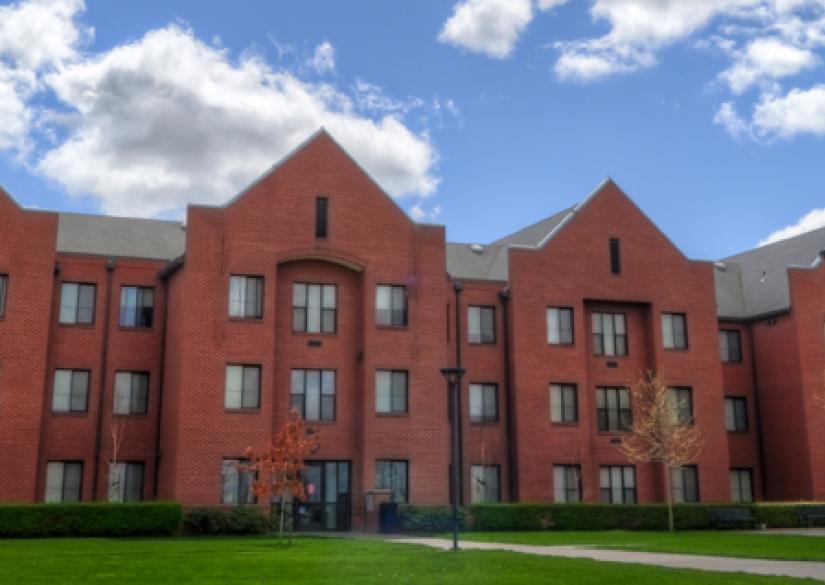
- In the center of California, in the city of Sacramento, students are accommodated in four residential buildings, each of which offers different types of rooms: single, studio, double apartments.
- The traditional room type implies shared access by residents to bathrooms and other amenities on the floor, while studios and apartments can boast individual showers and toilets, a living room, and in some cases, a fully equipped kitchen.
- While studying in San Francisco, students enlist the support of the university's housing department to find suitable housing. For example, most students are housed in apartment buildings near the campus, which are rented by private landlords. The Stockton campus is the university's most densely populated academic site. Here, students are accommodated in traditional rooms with shared access to the facilities on the floor, modern apartments with bathrooms, kitchens and living rooms.
When housed in UOP residential buildings, students are provided with round-the-clock staff support, access to laundries, on-site shops, and many other services that make life on campus comfortable and safe.
One of the most important services will be the preparation of a meal plan — booking a certain number of meals + additional points for expenses that are valid in each institution of the educational territories. Students can choose from a variety of dishes, including vegetarian, vegan, gluten—free and halal, as well as try the cuisine of other countries - there are food trucks and cafeterias on campuses offering food based on recipes from Japan, Italy, and Spain.
Subjects and sports
Activities University of the Pacific
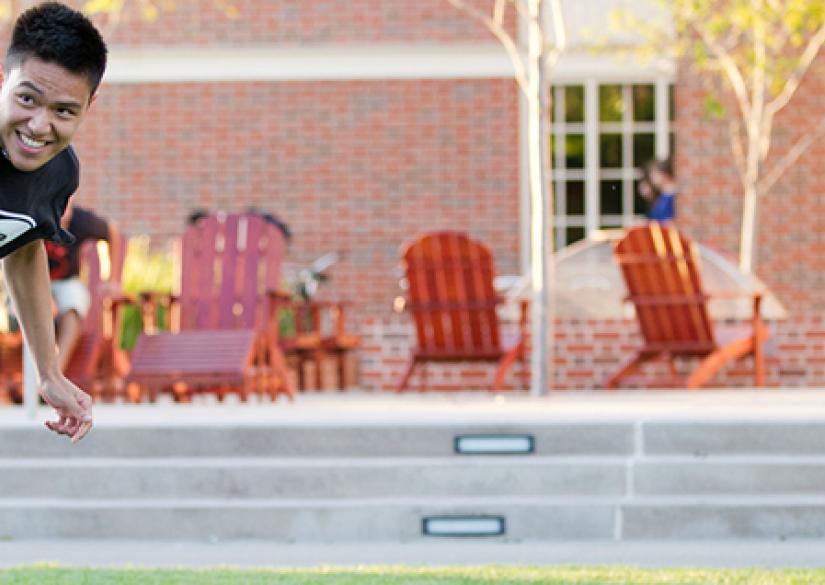
During extracurricular activities, students pay great attention to sports, creative development and various social events. Sports occupy an important place in the daily lives of students, offering them membership in professional NCAA Division teams, training in team and pair sports at the amateur level, hiking trips.
The main competitive sports in the UOP are:
- Basketball,
- Volleyball,
- Cricket,
- Badminton,
- Football,
- Rugby,
- Tennis,
- Rock climbing,
- Archery,
- Pickleball.
The fitness center regularly hosts training sessions in 35 directions, where students can work with professional mentors or become instructors themselves.
The second important component of extracurricular life is creativity. The University offers rich opportunities for self-development, spreading the positive influence of culture, and instilling in students the ability to think creatively and create authentic works of art. Creative activities include music, theater and visual arts, and the film industry; specialized studios with musical instruments, props, supplies, and other equipment that students may need are equipped for each direction.
There are many themed clubs in UOP, where participants do what they love and expand their knowledge of various activities. Organizations are divided into several types:
- Academic — organizations associated with a specific subject area or academic department,
- Professional — national organizations that provide resources, networks, and activities focused on specific career fields;
- Religious — communities that promote spiritual development and the search for ways to coexist religion, education, and the modern world.,
- Inclusive — organizations that use various resources to develop a social identity, including organizations based on race, gender, ethnicity, or social affiliation,
- Interest organizations include clubs of like—minded people from a wide variety of fields, including sports and creative.
The university organizes various leisure activities throughout the year.:
- Festivals and holidays,
- Days dedicated to certain activities,
- Sports competitions,
- Adaptation activities,
- Visits to theaters, cinemas, and music concerts,
- Visits to shops, shopping malls, restaurants and entertainment events,
- Excursions to Lake Tahoe, the coast, and national parks,
- Guided tours to the famous giant mahogany forests in California.
The extracurricular life of students is quite intense, it provides an opportunity to integrate into a new society, adapt to a lifestyle and education system, and become a successful and developed student.
Advantages
- More than 100 core and additional higher education specializations,
- No. 87 among all universities and colleges in the United States in the Wall Street Journal 2025 ranking, No. 3 in the US News & World Report ranking according to the criterion of "The best value for money",
- No. 11 in the list of the best private universities in the West in the Wall Street Journal/College Pulse list,
- The ratio of students to teachers is 14:1,
- The average size of the study group is 23 students.,
- 10% of the total number of students are foreigners from more than 60 countries,
- 75% of undergraduate students participate in practical preparation, developing their professional skills.
Facilities and equipment at University of the Pacific
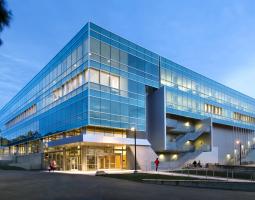
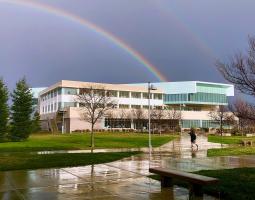
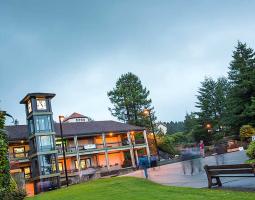
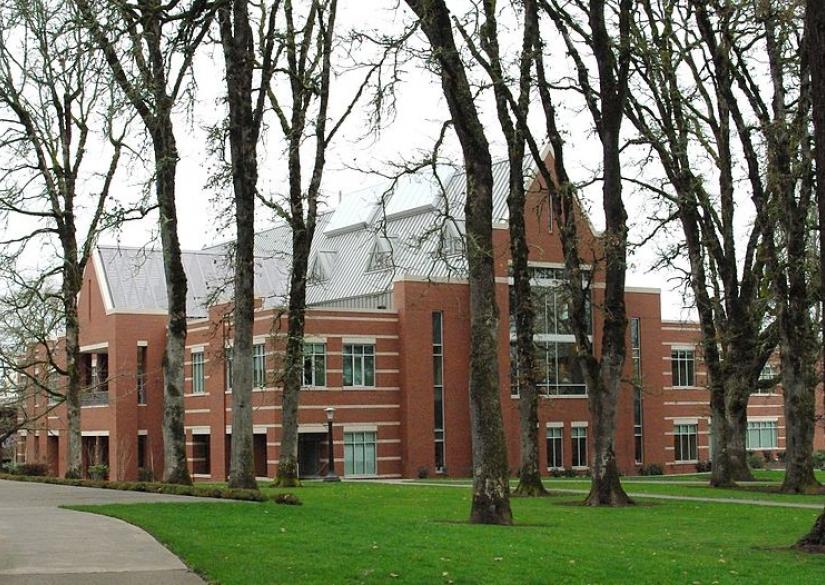
The University has three campuses - in Stockton (the main campus), Sacramento and San Francisco. The main campus houses 7 schools and colleges, main residences for living and related buildings and facilities. The campus is very picturesque, has beautiful architecture, lots of trees and vegetation and has been used repeatedly in film shoots by various studios. The university regularly invests heavily in renovating buildings and re-equipping, as well as in construction. In 2008, a new center was opened here - Don & Karen DeRosa (worth $ 38 million), which houses a central dining room, student cafes and a pub, a bookstore and conference rooms. In the recent past, a new biological science center (worth $ 20 million) has also been opened which provides advanced educational and laboratory facilities for students studying natural and health sciences. Stockton is 130 kilometers from San Francisco, the journey takes no more than 1.5 hours.
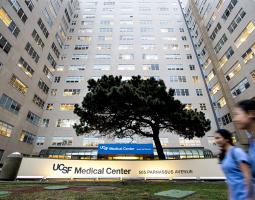
The campus in Sacramento unites 24 buildings, including academic and administrative buildings, residences for living and a fitness center with a swimming pool. The Campus is assigned to the School of Law (McGeorge School of Law), and since 2015, there has been a major reorganization and re-equipment. The San Francisco Campus is home to the School of Dentistry School of Dentistry and occupies the seven-story Wells Fargo building, which houses classrooms, administrative offices, a simulation laboratory for dentistry and clinics that offer dental care to the public .
The campus's opportunities include:
- Cases for schools and units
- Administrative buildings
- Libraries
- Student Centers
- Residences for living
- Scientific laboratories
- Technological and scientific centers
- Concert Hall
- Audiences and centers of clubs and communities
- Center for Art and Art Gallery
- Sports grounds
- Fitness center with swimming pool
- Athletic facilities
- Canteen and cafe
- Shops, post office and bank
- Water Sports Center
- Intercollegiate Center of Athletics
- Geophysical Center
- Great rehearsal room
- Walkways and parks.
Thanks to a clear and well-coordinated work, all university buildings and facilities in all campuses are always in good order and in good condition. The classrooms are spacious and bright, equipped with cleaning and air conditioning systems. Scientific laboratories have the most modern and best equipment, equipping the school of dentistry is one of the best in the whole state. Sports facilities and playgrounds, fitness centers always have all the necessary equipment.
Admission dates and extra charges
Depending on the chosen degree of education, the academic calendar can consist of either two semesters or three trimesters. For example, undergraduate students study in semesters:
- Autumn: August-December,
- Spring: January-May.
In the summer months, they take a session and take a break, while for students of some master's degree programs, summer is a full—fledged trimester with classes.
The list of additional expenses will include services and fees such as:
- Registration and administrative fees,
- Accommodation, meal plan, and related housing expenses,
- Medical insurance and services,
- Some extracurricular activities, student club contributions, and leisure activities,
- Specialized fees for medical students,
- Personal educational materials,
- Additional academic and other support not included in the curriculum,
- Personal expenses.
Enrolment process
Applicants need to fill out a registration form, provide the required documents and pay the admission fee, after which they must pass an interview and possible tests so that the admissions committee can get acquainted with the candidate and make a decision on admission. Those applicants who meet the entrance requirements of their chosen program receive an official invitation to enroll, after which they need to pay deposits and arrive at campus by the start of the semester.
Enrolment statistics
Over the past few years, the total number of enrolled students has been approximately 6945 first-year students:
- Bachelor's programs — 3250 people,
- Master's programs — 2068 people,
- Vocational education — 1627 students.
Perspectives
According to 2023 statistics, approximately 90% of graduates find employment, continue their education, complete internships or serve in the army within six months of completing the program. They are helped to build successful careers not only by high-quality knowledge focused on the modern labor market but also by comprehensive personal development. Among the graduates there are many outstanding individuals who have made a career in various fields:
- Dave Brubeck — musician and composer,
- Pete Carroll — coach, Super Bowl NFL winner,
- Connie Callahan — Judge of the United States Court of Appeals for the Ninth Circuit,
- Arif Alvi — President of Pakistan,
- Jose Hernandez — former NASA astronaut,
- Chris Isaak — musician and actor,
- George Moscone — California State Senator, 37th Mayor of San Francisco,
- Matt de la Peña — writer, Newbery Medal laureate,
- Julia Engel Berolzheimer — founder of Gal Meets Glam,
- Brad Schumacher — Olympic swimmer and water polo player.
Entry requirements, how to apply, what is required to enrol
Foreign applicants who enroll in higher education programs at UOP must have a passport, financial certificates, a US visa or residence permit, and health insurance. Candidates should provide the admissions committee with the following documents:
- Personal statement,
- Academic certificates from previous places of study: certificate of full secondary education, bachelor's degree, master's degree — depending on the degree to which he enters,
- Official transcripts,
- A letter of recommendation from a teacher, researcher, or academic advisor,
- The result of language testing: TOEFL (from 80), PTE Academic (from 53).
Scholarships University of the Pacific
All students, including international ones, can count on receiving a scholarship or financial aid if they meet the criteria. Most scholarships are awarded based on academic, athletic, or creative achievements, and financial aid — based on eligibility, such as low income or difficult life circumstances.
Students also have access to external funding options: grants, loans, academic credits, and scholarships from partner organizations.
Literature and references
-
University of the Pacific (United States) — Wiki

-
University of the Pacific - Profile, Rankings and Data — U.S. News & World Report
-
University of the Pacific — Niche
-
University of the Pacific — World University Rankings THE
-
University of the Pacific : Rankings, Fees & Courses Details — Top Universities
-
University of the Pacific | Private, Liberal Arts, California — Britannica
-
180 University of the Pacific (CA) — Forbes University of the Pacific — Forbes
-
University of the Pacific — Data USA
Institution on the map
Residence permits, citizenship and other services
- Guardianship services during the studies
- Student supervision
Review about University of the Pacific
Recommendations on when to apply
| Language courses, schools and children's language camps | Primary and secondary education - private schools | Preparation programmes for entering universities - higher education | Higher education (after completing accredited programs A-level, IB, High School) - Bachelor, Master, MBA |
| - we recommend to apply 6-9 months before the start of the course (some camps and schools offer discounts for early booking or for lengthy study programs) - there are some very popular and high demand children's camps, where the applications need to be submitted 1 year in advance (in particular Switzerland , Great Britain , USA , Canada , Austria) | - we recommend to apply one year before the start of the training program, - some schools have a specific time frame (September-November - please specify an individual school) - some schools require tests in several stages (UKISET, internal tests of the school: English, mathematics, logics, subjects, interview, some require a personal visit) | - we recommend to apply one year before the start of the program, - for Foundation and Pathway programs, IELTS and TOEFL certificates are usually required, respectively | - recommended submission one year before the start of the program, - the deadline normally closes in January, for TOP HEIs and, as a rule, in March in other universities - for a bachelor, a Foundation or Pathway preparatory program a completed A-level, IB, High School + IELTS / TOEFL are required - for Masters you need a graduated higher education, in some cases you need a pre-Masters program - MBA requires completed higher education, work experience preferably at least 2-3 years, etc. |