
 Spain
Spain
 For partners
 Top 96 GCSE schools in England UK
-
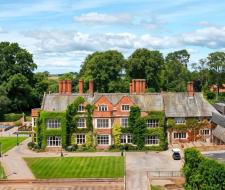 "5th Highest Performing School by A Level results in 2023" – The Telegraph.
United KingdomYorkCurrently watching: 9from 23330.00 £ / term
"5th Highest Performing School by A Level results in 2023" – The Telegraph.
United KingdomYorkCurrently watching: 9from 23330.00 £ / term -
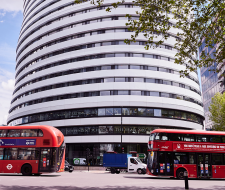 In 2023 100% of students achieved A*– B grades at A-level
United KingdomLondonCurrently watching: 7from 20300 £ / terms
In 2023 100% of students achieved A*– B grades at A-level
United KingdomLondonCurrently watching: 7from 20300 £ / terms -
 In 2022 - 66% of A Level students achieved A* - A
United KingdomOxfordCurrently watching: 10from 23060 £ / terms
In 2022 - 66% of A Level students achieved A* - A
United KingdomOxfordCurrently watching: 10from 23060 £ / terms -
 #1 school in UK and Top-1 worldwide for IB results in 2021
United KingdomCardiffCurrently watching: 9from 16500 £ / terms
#1 school in UK and Top-1 worldwide for IB results in 2021
United KingdomCardiffCurrently watching: 9from 16500 £ / terms -
 In 2023 - 90% of A Level scores made up A- A*
United KingdomOxfordCurrently watching: 10from 1500 £ / 2 weeks
In 2023 - 90% of A Level scores made up A- A*
United KingdomOxfordCurrently watching: 10from 1500 £ / 2 weeks -
 Top school in the UK at A Level during the past eleven years
United KingdomCardiffCurrently watching: 10from 23800 £ / terms
Top school in the UK at A Level during the past eleven years
United KingdomCardiffCurrently watching: 10from 23800 £ / terms -
 55% of A Level students achieved A*- A results among top UK schools in 2023
United KingdomCambridgeCurrently watching: 10from 20330.00 £ / term
55% of A Level students achieved A*- A results among top UK schools in 2023
United KingdomCambridgeCurrently watching: 10from 20330.00 £ / term -
 75% of our A-Level students achieved A*-A in 2022
United KingdomCanterburyCurrently watching: 7from 11450.00 £ / term
75% of our A-Level students achieved A*-A in 2022
United KingdomCanterburyCurrently watching: 7from 11450.00 £ / term -
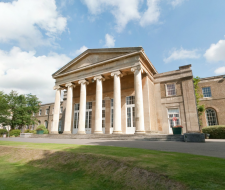 In 2021 - 66% of A Level students achieved A*-A
United KingdomLondonCurrently watching: 9from 19785 £ / terms
In 2021 - 66% of A Level students achieved A*-A
United KingdomLondonCurrently watching: 9from 19785 £ / terms -
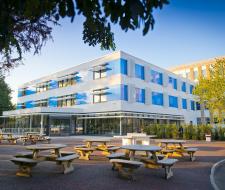 In 2023 - 98% pupils gained places at their first choice University
United KingdomCambridgeCurrently watching: 8from 20338 £ / terms
In 2023 - 98% pupils gained places at their first choice University
United KingdomCambridgeCurrently watching: 8from 20338 £ / terms
GCSE, also known as the General Certificate of Secondary Education, is an academic qualification that students in the UK most often acquire at the age of 16 after completing a two-year stage in secondary education. The GCSE curriculum is designed to provide a broad education, allowing students to specialise in areas of genuine interest to them.
Most often, students take several GCSE subjects, including the main ones: English, Mathematics and Science. The list of additional subjects includes history, geography, foreign languages and others. The GCSE assessment process usually involves a combination of written examinations, coursework and practical assessments, depending on the subject.
GCSE exam scores are distributed as follows:
- 9 = High A score *,
- 8 = Standard A score,
- 7 = Grade below A,
- 6 = High B score,
- 5 = Low B or High C
- 4 = Grade below C,
- 3 = D or high E
- 2 = Low E or High F,
- 1 = Smaller F or G,
- U = not passed.
Final exams are necessary to assess the knowledge and skills of a student in various subjects, play an important role in shaping the future educational and career path of a student. The GCSE qualification serves as the foundation for further education and employment: school leavers usually use GCSE results to enter college or high school, where they can go on to more in-depth study at A-level or go on to vocational courses. For potential employers, the results of further exams demonstrate the applicant's academic achievements and skills.
Alternative destinations
Benefits of studying in GCSE schools in Britain for foreigners
- Many employers consider GCSE English language and mathematics exams important, as the real value of these core subjects is obvious. The Institute for Learning and Work confirms this thesis, emphasizing the value of final exams for adults seeking to take them retrospectively.
- The traditional format of exam assessment is often considered an unpleasant process due to anticipation and stressful environments, but many researchers note that it is important for preparing students for workplace norms. Skills, including self-discipline, time management, and personal resilience, are instilled in students precisely during final exams.
- GCSE school curricula combine classics and innovation, allowing students to study both ancient languages and programming languages simultaneously, read classical and modern literature, study colonial history, and analyze contemporary international relations.
- Private schools sometimes offer special conditions for foreigners, such as discounts on the second child. In addition, there are grants for talented students: they can be obtained based on academic achievements or for outstanding achievements in music, sports, and theater arts.
Types of schools with GCSEs in England
GCSE schools in the UK are divided into state and private, day and boarding with full board. In addition, schools in England are also divided according to affiliation with an organization or church, funding scheme, specialization. Private schools are usually available for foreign students, who can easily enter at the age of 11, 12 or 13 (these are general rules, there are exceptions, many enter senior and graduating classes). The last two years of schooling will be devoted to the standard UK school curriculum - GCSE. When a foreign student enters a boarding school, the administration independently decides which year of study in the UK corresponds to the student's level of knowledge.
Private schools in the country have the opportunity to experiment with the curriculum, while the quality of all programs is controlled by special organizations: Ofsted and the Independent Schools Inspectorate. In most cases, boarding schools strive to make education more practical, so they annually include additional projects, practical courses and creative activities in the schedule. Private schools also pay close attention and time to the psychological state and health of students, thanks to which some school curricula, for example, include classes on empathy and psychological relief, where schoolchildren are taught to cope with anxiety, rest properly and develop mindfulness to reduce the negative impact of the environment.
Private boarding schools in England can be coeducational or single-sex (separate education). In addition to quality education, boarding schools offer accommodation on the school campus, three meals a day and supervision of schoolchildren: this format of education teaches future students discipline, allows them to fully immerse themselves in the educational process and establish strong communication with teachers and classmates. To enter the best boarding schools in England, applicants need to pass entrance exams.
Another important distinctive feature of this type of school is that the cost of tuition here is often higher than in a day school. Tuition and accommodation at GCSE boarding schools in England varies approximately from $20,000 to $60,000 per year.
Top best GCSE boarding schools in England according to the results of 2023:
- Wycombe Abbey,
- Westminster School,
- St Paul’s School,
- Tonbridge School,
- Brighton College,
- Dulwich College,
- Concord College.
Features of studying in GCSE schools in the UK
Some schools require that the GCSE subjects chosen by a student align with subsequent A-levels, however most schoolchildren at this stage do not yet have a 100% understanding of which course they are going to study at university in the future, so it is much better to choose GCSEs from a wide range of available subjects in order to ensure more possible options before moving on to A-level.
GCSEs — this is only an intermediate stage towards higher education, but universities often carefully look at the grades obtained in these exams. Regardless of the subject, many universities require a minimum grade C in compulsory subjects: English language, mathematics and natural sciences. Some universities may even request a specific grade in particular additional subjects.
Exam results appear annually in August. If a student is dissatisfied with their results, then retaking GCSE exams in English literature, modern languages and mathematics is possible in November, for retaking additional subjects the wait will be extended until next summer. At the same time, boarding school students cannot independently appeal the decision, the decision to appeal remains with the school administration.
Admission Requirements
Registration for GCSE school education often closes a year before the start of classes, in the autumn months. Internal entrance tests and exams are held from October to January, while potential boarding school students are invited for interviews at the same time. Admission results are announced in February or March. Applications to some schools with high ratings need to be submitted two or three years before the start of a student's education, sometimes even earlier.
A foreign student is enrolled in the school only after passing an exam / confirming their academic performance in the year of admission. Entrance exams are conducted either by the boarding school itself or by a special organization — the Independent Schools Examinations Board. The requirements for entrance exam results for foreigners are often lower than for local students: for example, the science exam may be waived for foreign students and a simplified version of the English language exam is used, with English being credited as an additional language.
There are three essential components for admission to a GCSE boarding school for a foreign student:
- Passing an interview — online or offline,
- Attending group classes, additional tests, and sometimes overnight stays at the boarding school so that teachers can assess the student's behavior in society.
- Obtaining a student visa.