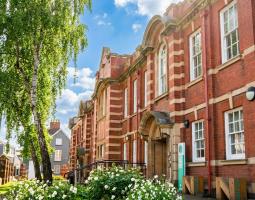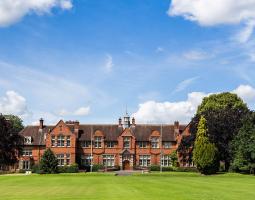
Bournemouth University (BU)

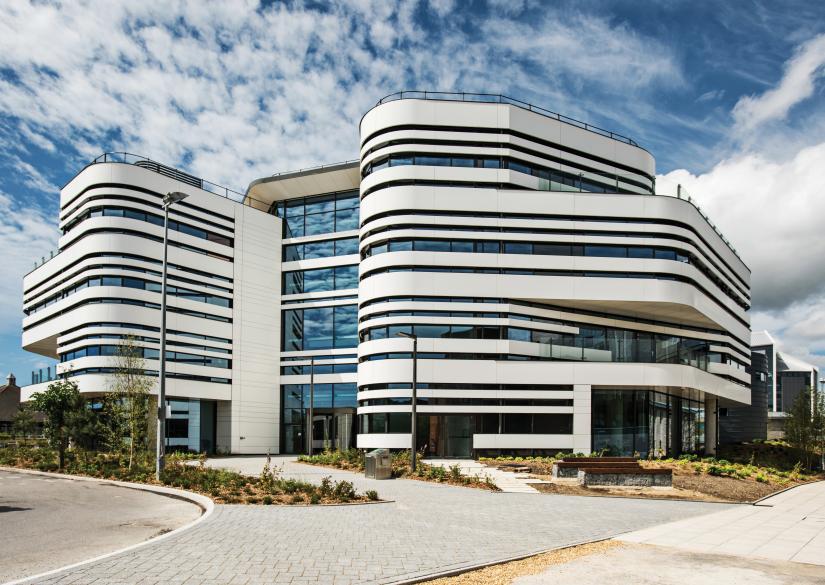

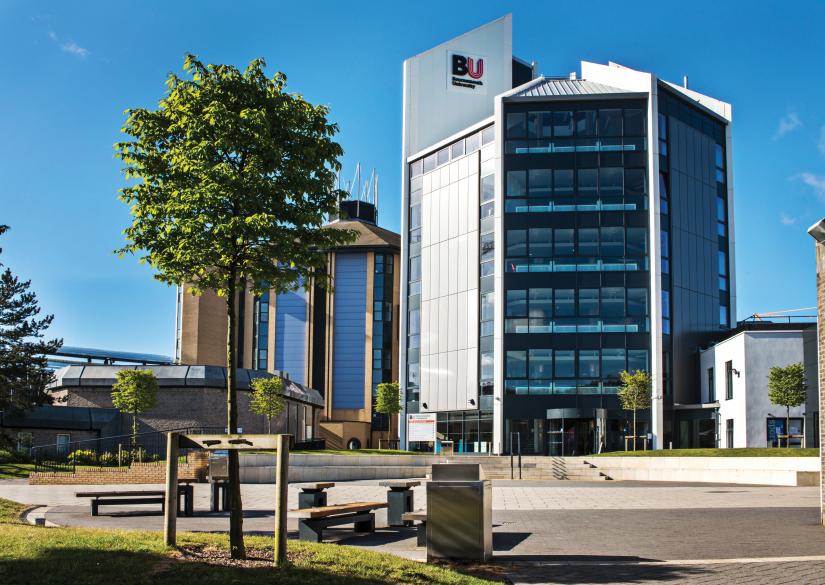
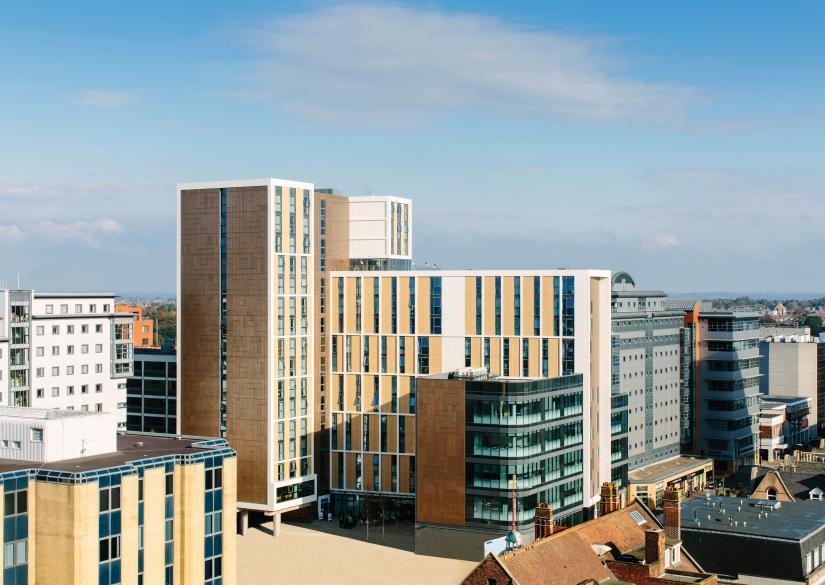
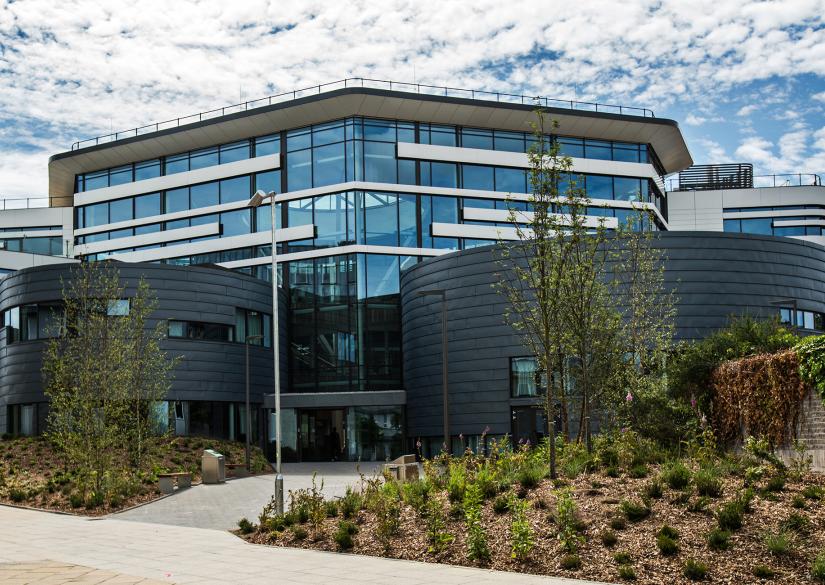




Programs and prices, tuition fees in Bournemouth University (BU)


Bachelor's Programs
- Duration of study: 3-5 years
- Language of instruction: English.
Popular programs are:
- Accounting
- Finance
- Archaeology
- Anthropology
- Forensics
- Biology
- Information technology
- Economy
- Management
- Information security
- Television
- Ecology
- Environmental protection
- Economy.
Master's Programs
- Duration of study: 1-2 years
- Language of instruction: English.
The university has opened a master's degree program in various directions:
- Computer animation
- Filmmaking
- Media
- Digital effects
- Marketing
- Event management
- Finance.
Foundation
- Age of students – 17+;
- Duration of study – 2 years;
- The language of instruction is English.
This course is a self-qualification and covers the stages of study corresponding to levels 4 and 5 (first and second year of undergraduate studies). After completing the course, the student can progress to level 6 and receive a full bachelor's degree.
Basic degrees demonstrate incredible flexibility during the learning phase, allowing students to choose between full-time and part-time work, with an emphasis on acquiring the practical skills and soft skills needed when pursuing an academic career or job.
The University of Bournemouth offers basic degrees in the following areas:
- Computer animation (3D images) = Bournemouth and Poole;
- Computer and Business Information Technology = based on Bournemouth and Poole Colleges;
- Engineering (Engineering; Production Management; Marine Engineering; Electronic Design) = Bournemouth and Poole;
- Research (Environmental Sciences and Sustainable Development) – at Wiltshire College;
- Electronic and electrical technologies (industrial design in the field of electronics).
Description of Bournemouth University (BU)
- Year of foundation: 1992
- Location: Bournemouth, Dorset, United Kingdom
- Age of students: 17+
- Number of students: 20,200
- Type of study: mixed
- Type of accommodation: residence, apartment
- Language of instruction: English.
Bournemouth University is a public university in England, whose history dates back to the founding of Bournemouth Community College before the beginning of the twentieth century.
The modern history of the university dates back to the early 970s with the establishment of Bournemouth College of Technology and the construction of new buildings on the largest farm in Talbot Village, the current campus of the university. In 1992, Bournemouth University received its status and name.
Today, the university proudly offers almost 140 bachelor's degrees and more than 100 master's degrees in the UK, world-leading research is conducted here, and the teaching staff is actively involved in the development of professional practice in many different industries. Bournemouth University has more than 19,000 students and employs more than 1,500 staff from 125 countries.
The motto of BU: Discere Mutari Est is "Learning means changing". This principle permeates everything that is done here in the fields of education, research, professional practice and public relations.

When choosing a university, what should be prioritized? Employer satisfaction, employment rates post-graduation, or research opportunities?
There's no straightforward answer as all these factors are important. It's crucial to thoroughly research using various sources, including official websites and government data. Look into regional salaries, fast-growing professional fields, and the cost of living to gain a comprehensive view of not just your education but also potential future life.
Educational process
Bournemouth University offers its students traditional courses - bachelor's, master's and doctoral studies, as well as preparatory programs - Pathway, language courses, pre-sessional English course, etc.
Faculties and colleges
Faculty of Health and Social Sciences:
- Medical sciences and public health.
- Obstetrics and Medical Sciences.
- Nursing.
- Rehabilitation and sports sciences.
- Social sciences and social work.
Faculty of Media and Communications:
- Communications and journalism.
- Humanities and Law.
- Media production.
- National Center for Computer Animation.
Faculty of Science and Technology:
- Archaeology and anthropology.
- Computer Engineering and Informatics.
- Creative technologies.
- Design and engineering.
- Life and environmental sciences.
- Psychology.
A business school that includes faculties in the relevant field, such as accounting, marketing, finance and economics, and more.
Scientific achievements
Bournemouth University is actively engaged in scientific research, with 174 projects across various fields. Examples include:
- TANGERINE, a jointly developed food event promoting healthy aging among ethnic minorities,
- LEMONADE, a catering model for older adults,
- TOMATO, a feasibility study of an intervention providing dietary care to people living with dementia at home,
- Healthy Brain, Healthy Life, a project creating dialogue and engagement with ethnic minorities around brain health and dementia,
- Hybrid Spaces, which develops new applications for hybrid technologies,
- Bournemouth University’s functional electrical stimulation research, which has contributed to patient care, professional medical equipment use, and quality of life for people with disabling conditions such as foot fractures,
- work by BU’s Research Center on Aging and Dementia on a toolkit for transforming food systems for people with dementia,
- pioneering low-carbon technology focused on reliable renewable energy sources.
Three Bournemouth University subject areas placed in the top 10 of the Daily Mail University Guide. In the Whatuni Student Choice Awards, satisfaction with BU accommodation was above both regional and national averages.
Things to know about
- All of Bournemouth University's new buildings are designed to be environmentally friendly: solar panels, sensor lighting, and ground-source heat pumps that reduce carbon dioxide emissions and heat the buildings in the winter while cooling them in the summer.
- BU's Faculty of Media and Communications is home to NCCA, which boasts two Academy Award winners among its alumni. NCCA is one of the top three animation schools in the world (second in Europe and first in the UK) according to Animation Career Review 2023.
- The university has its own coat of arms, assigned by Herbal College.
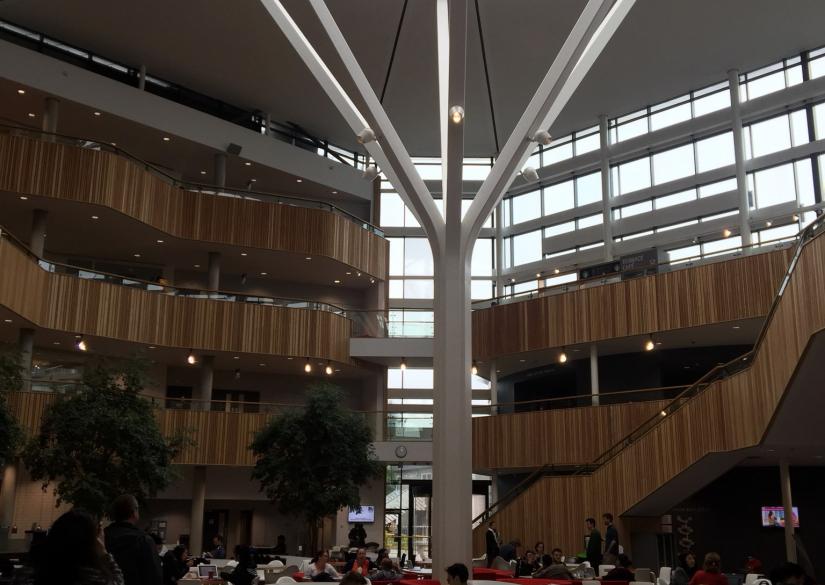
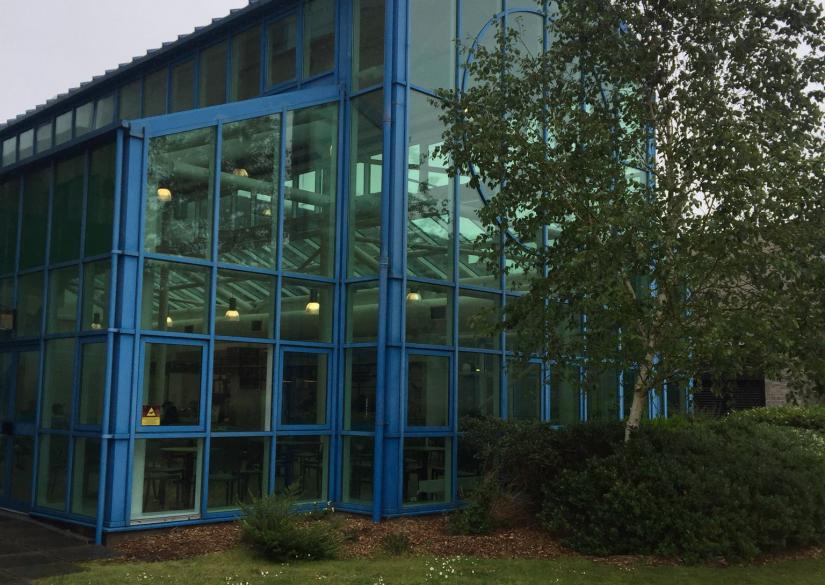
- Fusion Building is a university academic building with an impressive glass dome roof.
Accommodation, meals, prices
Bournemouth University offers a range of accommodation, from rooms with bathrooms in residences to shared houses and rental apartments. Accessible accommodation is available across the university’s residences and in Student Village.
Accommodation options include:
- Bailey Point,
- Chesil House,
- Corfe House,
- Cranborne House,
- Dorchester House,
- Lansdowne Point,
- Lulworth,
- Lyme Regis House,
- Okeford House,
- Student Village,
- Unilet.
Most residences welcome students beginning in September. Students generally live in apartments with 5–7 single bedrooms, while some houses offer single occupancy. The price includes utilities, an annual pass, Wi-Fi, and bicycle storage. ResLifeBU welcomes and supports students throughout their first year in university accommodation.
Activities Bournemouth University (BU)
There are 130 clubs and sections for students - young people can choose several areas for study that may not be related to their specialty:
- Design
- Right
- STEM
- Culture
- Religion
- Politics
- Robotics.
Or develop your creativity by choosing one of the many creative circles:
- Ballroom dancing
- Latino
- Painting
- Drama.
Also to find like-minded people in clubs of interest:
- Quidditch Community
- Disney society
- Harry potter society
- Meditation
- First aid
The university has more than 30 sports sections, here are some of them:
- Boxing
- Fitness
- Basketball
- Hockey
- Baseball
- Football
- Yoga.
Advantages
- Bournemouth University is in the top 150 best universities in the world.
- 94% of BU studies were rated as internationally recognized or higher, 19% were recognized as world-leading.
- BU is ranked 41st in the world and 1st in the country in the 2023 Times Higher Education (THE) Young University Rankings.
- BU is ranked 5th in the UK's Impact Rankings, which assesses the performance of universities in line with the UN Sustainable Development Goals (UN SDGs).
- The university has received QAA accreditation, which is given for the high quality of education, modern equipment and comprehensive support for all students.
- BU Business School is accredited by the Association to Advance Collegiate Schools of Business (AACSB) and is ranked in only 6% of business schools accredited worldwide.
- According to the QS World University Rankings 2023 by subject, BU's hospitality and leisure management programs are ranked 19th in the world and 2nd in the UK.
- In May 2019, BU was awarded the Athena SWAN Bronze Award in recognition of achievements and commitment to improving gender equality in higher education.
- A wide range of opportunities for internships and further employment.
- 91% of graduates successfully get a job in the next few months.
- Students can take part in more than 120 clubs and communities of various directions.
Facilities and equipment at Bournemouth University (BU)
Bournemouth University will include 2 campuses — Talbot and Lansdowne.
Bournemouth University Infrastructure:
- Innovation center: includes experimental laboratories to support research,
- Two multi-camera TV studios equipped with 4K (ultra-high definition) cameras,
- Music studios,
- Cinema,
- Editing rooms,
- Sound rooms,
- Green screen and motion capture studio,
- Animation and games labs for PC and Mac, equipped with the necessary software and the latest ecosystem of postproduction editing,
- Crime scene simulation simulators used by criminology students,
- Zooarchaeology laboratory and Anthropology laboratory,
- Forensic examination laboratory and Forensic Toxicology laboratory,
- Microscopy laboratory and Scanning Electron Microscope (SEM),
- Business School Professional Interaction Center,
- Specialized news department equipped with more than 20 iMac computers,
- 4 radio studios and a studio for the preparation and broadcast of video news,
- Sir Michael Cobham Library,
- Career and Employment Center, SportBU is a fitness center, a sports hall with four courts,
- Two 3G all-weather artificial sports fields with lighting,
- Group fitness studios,
- An art room in a Pool House,
- A medical center, and many cafes and restaurants.
Admission dates and extra charges
Study at Bournemouth University is organized into three terms:
- autumn,
- spring,
- summer.
Classes are generally held Monday through Friday, with weekends free. Students also have winter and spring breaks and time off for national and international holidays. Depending on the program, master’s students may begin the academic year in September or January.
Applicants with Overseas fee status are required to pay a £5,000 deposit. Bournemouth University cannot issue a Confirmation of Acceptance for Studies until its Finance Department has received and confirmed the deposit.
Additional expenses may include:
- accommodation and meals,
- optional activities, practical work, and trips,
- educational materials,
- transportation and mobile service,
- individual academic needs,
- personal household expenses,
- flights,
- entertainment.
Enrolment process
- The application route depends on the chosen field of study, faculty, undergraduate or postgraduate program, and fee status,
- Applications include the required documents and may be submitted online,
- Admission may involve entrance exams at some faculties and an interview, which may take place online,
- An offer depends on successful completion of any required entrance exams and submission of all necessary documents. A research-program application normally takes 4–6 weeks to assess,
- Practical arrangements include a place in a residence or private rental housing, a deposit, a visa, and travel preparations.
Smapse specialists will guide you through every stage of enrollment.
Enrolment statistics
Admission of students is carried out on a competitive basis and subject to the availability of vacancies.
Perspectives
All undergraduate degrees and many of Bournemouth University's postgraduate degrees offer employment opportunities as part of their studies. From day one at BU and throughout their careers, students benefit from the support of CareersBU's experienced team, from one-on-one meetings with the team to the online career portal MyCareerHub. One way to prepare students for their careers is through a graduate development program, which can also be used online.
The university has strong long-standing ties with many local, national and international companies – from IBM to Mercedes-Benz – working closely with employers who hire students. These companies cover a wide range of organizations of different sizes in different sectors. Most courses are also accredited by professional bodies, which means that a potential employer recognizes the student's degree as professionally significant and relevant.
Moreover, many university courses offer the opportunity to study on standard equipment and in standard conditions, so that students are familiar with how everything works in a professional setting, can start working immediately after graduation.
The university regularly organises events to help find a job, such as job fairs, part-time job fairs, career seminars and employer events.
Entry requirements, how to apply, what is required to enrol
Application requirements vary by study level and course. General application materials include:
- a completed application form,
- a copy of a current passport,
- a secondary school certificate or university diploma, depending on the program,
- proof of English proficiency, such as IELTS or TOEFL.
Most postgraduate applications also require:
- a copy of the final degree certificate and academic transcripts,
- an English-language qualification,
- a personal statement,
- at least one academic reference, or a professional reference if the applicant graduated more than 2 years ago.
A taught postgraduate program normally requires a UK bachelor’s degree or an equivalent professional qualification. A Higher National Diploma is not accepted for entry to Bournemouth University’s postgraduate programs. PhD applicants must submit a research proposal.
The general English requirement for bachelor’s and master’s programs is IELTS Academic 6.0 overall, with no component below 5.5. Research-degree applicants need IELTS Academic 6.5 overall, with at least 5.5 in each of the four components, or an equivalent qualification.
International MPhil and MRes applications require alignment between the proposed project and an academic’s expertise. Academic support does not guarantee an interview or an offer. Decisions also consider academic merit, supervisory capacity, and the availability of suitable subject expertise.
A motivation letter is required for a preparatory program, and a master’s degree is required for doctoral study. Creative programs may require a portfolio or an audition. International students must complete a preparatory program to account for differences between education systems.
Scholarships Bournemouth University (BU)
Bournemouth University offers undergraduate scholarships recognizing academic achievement and musical or athletic talent. Depending on the award, students may receive a tuition discount or funding for equipment, expenses, and support services. Some scholarships require an application, while others are awarded automatically to eligible students.
Scholarship categories and named awards include:
- academic achievement scholarships,
- music scholarships,
- sports scholarships,
- Unite Foundation Scholarship,
- REACH Events Management training,
- ESET Women in Cyber Scholarship,
- Chevening Scholarship Program,
- Master’s in Artificial Intelligence Scholarship,
- International Partnership Scholarships for international students.
The university also offers funded PhD and MRes studentships, postgraduate research tuition discounts, and information about external research funding. BU graduates and people whose family members work at, study at, or graduated from BU may qualify for a 20% discount on postgraduate tuition.
Literature and references
-
Bournemouth University — Wiki

-
Bournemouth University : Rankings, Fees & Courses Details — Top Universities
-
Bournemouth University Ranking UK 2023 / 2024 — Complete University Guide
-
Bournemouth University — World University Rankings THE
-
University guide 2023 – Bournemouth — The Guardian
-
bournemouth university limited - Companies House — GOV.UK
-
Bournemouth University hosts video effects and gaming festival — BBC
Institution on the map
Residence permits, citizenship and other services
- Guardianship services during the studies
- Student supervision
Review about Bournemouth University (BU)
Recommendations on when to apply
| Language courses, schools and children's language camps | Primary and secondary education - private schools | Preparation programmes for entering universities - higher education | Higher education (after completing accredited programs A-level, IB, High School) - Bachelor, Master, MBA |
| - we recommend to apply 6-9 months before the start of the course (some camps and schools offer discounts for early booking or for lengthy study programs) - there are some very popular and high demand children's camps, where the applications need to be submitted 1 year in advance (in particular Switzerland , Great Britain , USA , Canada , Austria) | - we recommend to apply one year before the start of the training program, - some schools have a specific time frame (September-November - please specify an individual school) - some schools require tests in several stages (UKISET, internal tests of the school: English, mathematics, logics, subjects, interview, some require a personal visit) | - we recommend to apply one year before the start of the program, - for Foundation and Pathway programs, IELTS and TOEFL certificates are usually required, respectively | - recommended submission one year before the start of the program, - the deadline normally closes in January, for TOP HEIs and, as a rule, in March in other universities - for a bachelor, a Foundation or Pathway preparatory program a completed A-level, IB, High School + IELTS / TOEFL are required - for Masters you need a graduated higher education, in some cases you need a pre-Masters program - MBA requires completed higher education, work experience preferably at least 2-3 years, etc. |