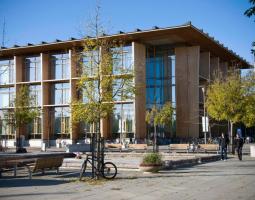
University of Gothenburg

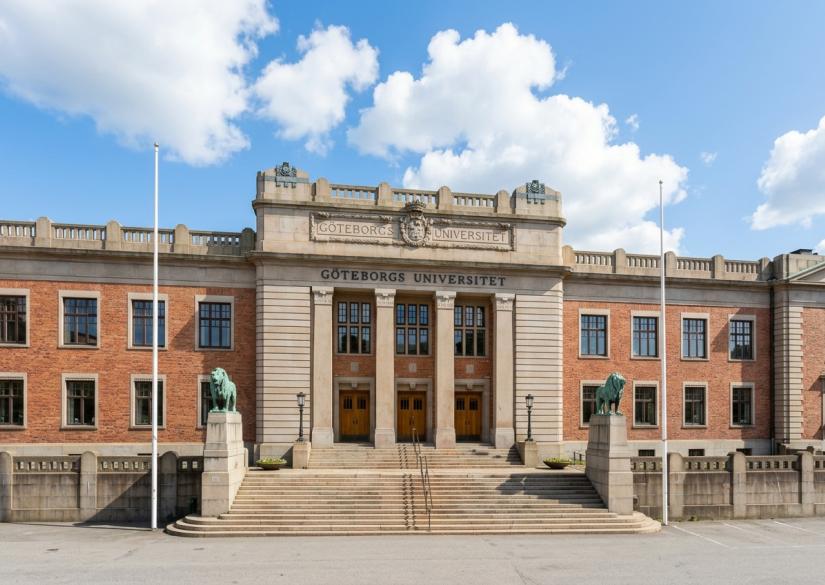

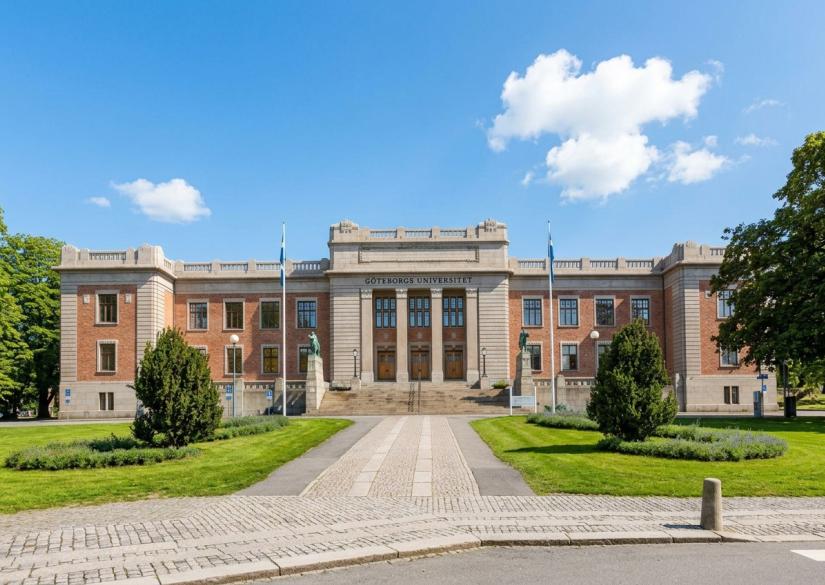




Programs and prices, tuition fees in University of Gothenburg


<p> Undergraduate program at the university is represented by the following main areas: </ p>
<ul>
<li> The Humanities </ li>
<li> Art </ li>
<li> Natural Sciences </ li>
<li> Management </ li>
<li> Medicine </ li>
<li> Right </ li>
<li> Life Sciences </ li>
<li> Social Sciences </ li>
<li> Economy </ li>
<li> Business </ li>
</ ul>
<p> Master's program at the University is represented by the following main areas: </ p>
<ul>
<li> The Humanities </ li>
<li> Art </ li>
<li> Natural Sciences </ li>
<li> Management </ li>
<li> Medicine </ li>
<li> Right </ li>
<li> Life Sciences </ li>
<li> Social Sciences </ li>
<li> Economy </ li>
<li> Business </ li>
</ ul>
Description of University of Gothenburg
In 1891, the state non-profit Gothenburg University was founded. It is located in the city of Gothenburg in Sweden. The campus of the institution is located directly in the same city. In walking distance are cultural and entertainment places, such as parks and public gardens.
In 1891, the state non-profit Gothenburg University was founded. It is located in the city of Gothenburg in Sweden. The campus of the institution is located directly in the same city. In walking distance are cultural and entertainment places, such as parks and public gardens.
University of Gothenburg
Göteborg University is one of the top ten educational centers of the country. Due to the professionalism of the teachers, he takes an honorable place in the ranking of the world's universities, where the quality of the material is assessed. Qualified education is conducted in the following areas:
- Humanitarian sciences;
- Art;
- Natural Sciences;
- Management;
- Medicine;
- Right;
- Life Sciences;
- Social sciencies;
- Economy;
- Business.
As practice shows, employers safely provide jobs to graduates, knowing about the high professionalism of teachers who can inform their students.
How to enter a university
For admission, you must provide a record of progress from the previous place of education. Students can be both local residents and foreigners (they make up about 8% of the total number of students). Since the HEI is a state institution, there are scholarship payments. University of Gothenburg allows you to get education remotely.
How is the education
The academic year is divided into two semesters. If desired, all visiting applicants are provided with a hostel. The cost of studying under the "Bachelor" program is 1,000 USD / year. You can get a master's degree here at the same cost of education for the year. On the basis of the higher school there are many courses and research works. There is a good development program for the exchange of students and teachers, revealing the prospects for the most talented students to receive education in other prestigious universities around the world.
What does the Gothenburg University include?
More than 25,000 students are getting knowledge here, educated by 2500 teachers with different academic degrees (more of them are foreign). On the basis of the university there is a student library, a stadium and a hostel. The University of Gothenburg is a major educational center of Scandinavia, and is part of the European University Association.
Faculties and colleges
The academic structure of the University of Gothenburg comprises six faculties:
- School of Business, Economics and Law (Handelshögskolan),
- Faculty of Humanities, Faculty of Arts (Konstnärliga fakulteten),
- Faculty of Science and Technology,
- Faculty of Social Sciences and Faculty of Education.
The Sahlgrenska Academy (Faculty of Medicine) is also a separate part of the university. In total, the university has around 30 departments and chairs covering various disciplines.
Scientific achievements
Researchers at the University of Gothenburg, together with UMass Chan Medical School (USA) and Italian colleagues, published a study in Nature Communications on the development of the thyroid gland in mammals during fetal development. The study was led by Professor Mikael Nilsson from the university and René Mer from UMass Chan Medical School; the research identified parallels between the processes of thyroid gland formation and cell behavior in an aggressive form of thyroid cancer.
In 2025, the university published 960 research papers on sustainable development — 12% more than in 2024. Over the period 2021–2025, the number of such publications grew steadily; the key topics were ecology and healthcare, and 91% of publications had an international research focus.
Things to know about
The University of Gothenburg has set a goal of becoming a climate-neutral organization by 2045 — in line with Sweden's overall goal adopted by the Riksdag. The interim target is to cut CO2 emissions in half by 2030 compared to 2019 levels.
In 2025, the university's total CO2 emissions amounted to 41.2 kilotons — 2% less than the previous year and 11% less than the 2019 baseline. The main contributor to the reduction was a decrease in emissions from air travel — by more than 51% relative to the baseline year. To measure emissions across each university division, the university uses the digital tool Carbon Intelligence System (CIS).
In 2025, the university applied environmental and sustainability requirements to 86% of its procurement, of which 13% were fully sustainable purchases as defined by the Swedish Procurement Agency. Energy consumption (electricity and heat) amounted to 153 kWh·h per square meter — nearly 10% less than in 2024 and 25% less than in 2019.
The university's total waste in 2025 amounted to 778 tons — 5% less than in 2024 and 24% less than in 2023. Thanks to the launch of a full computer reuse program, the recycling of decommissioned electronics dropped from 49 tons in 2023 to 1 ton in 2025, while the recycling of paper towels increased from 2 to 23 tons.
Accommodation, meals, prices
| Dormitory | there is |
| Cost of living | $ 635-1,282 USD / month |
Activities University of Gothenburg
The University of Gothenburg participates annually as a partner in the public event Frihamnsdagarna in the city center, which is free to attend: student ambassadors are there to answer questions about studying and offer advice to prospective students.
Together with the organization RF-SISU Västra Götaland, the university held a conference on the status of women in sport, timed to coincide with the 100th anniversary of the Damolympiaden (Ladies' Olympiad), which was once held in Gothenburg. The conference was open to everyone connected with sport, politics, municipalities, business, or academia.
Facilities and equipment at University of Gothenburg
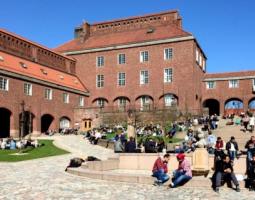
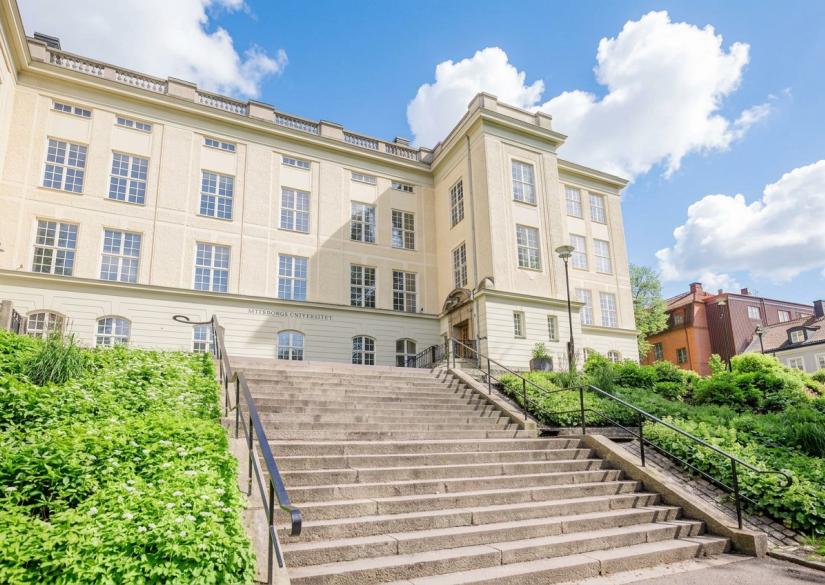
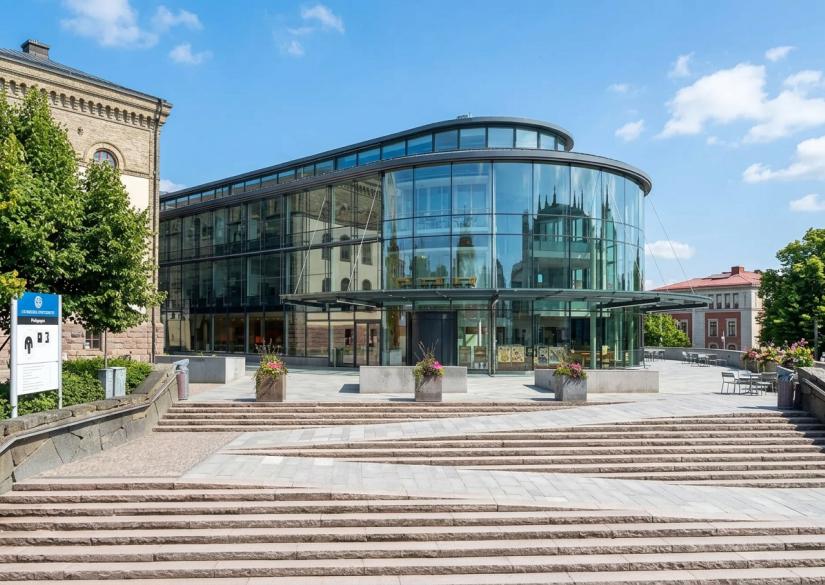
The University of Gothenburg is a “city university”: its campuses and study areas are spread throughout central Gothenburg, making students part of city life rather than an isolated student campus.
The campuses are grouped by field of study:
- Campus Haga — economics, law, social work, political science, human resource management, criminology — home to the School of Business, Economics and Law (Handelshögskolan) and part of the Faculty of Social Sciences; the Economics Library and the Social Sciences Library operate here,
- Campus Johanneberg — mathematics, physics, and computer science from the Faculty of Science and Technology; students study alongside students from Chalmers,
- Campus Lindholmen — systems science, artificial intelligence, digital leadership, interaction design. The campus is located on the opposite bank of the river, in an area that is rapidly growing as a technology company hub, reachable by bus or ferry,
- Campus Linné — journalism, communications, psychology, global studies, and international relations from the Faculty of Social Sciences. Slottsskogen park is nearby; a branch of the Social Sciences Library operates here,
- Campus Medicinareberget — a life sciences hub adjacent to Sahlgrenska University Hospital: future doctors, nurses, dentists, physiotherapists, biomedical laboratory scientists, and students of biology, chemistry, ecology, earth sciences, and conservation study here; the Biomedical Library and the Hälsovetarbacken Library are in operation,
- Campus Näckrosen — near Götaplatsen square and Korsvägen. The Faculty of Humanities and the Humanities Library are located here; a new building for creative programs — performing arts, music, art, and design — is under construction,
- Campus Pedagogen — in the city center — trains preschool teachers, primary and secondary school teachers, educators, school principals, and nutrition and health specialists; the Faculty of Education and the Education Library are located here,
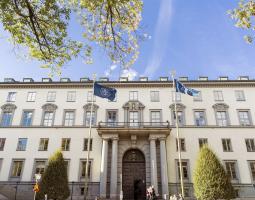
- the Vasagatan/Kristinelundsgatan study area — the main university building in Vasaparken, home to university administration and major events including graduation ceremonies. Nearby is part of the Faculty of Arts (design, jewelry and textile art, photography) with the Konstbiblioteket art library.
In addition to Gothenburg, the university has Campus Mariestad, where programs in building crafts and garden and landscape management are offered, combining practical training with theory in a historic setting.
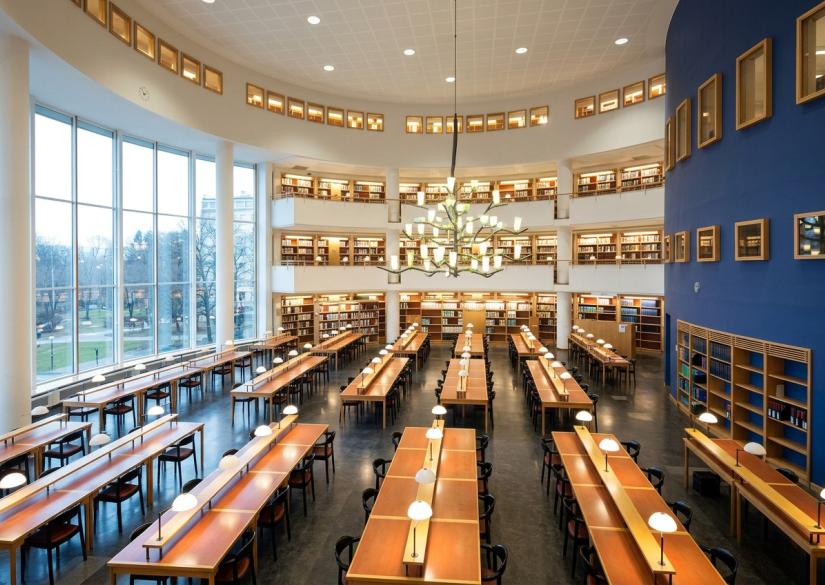
The university library consists of eight separate buildings, open to all.
Admission dates and extra charges
The payment deadline for the autumn semester for newly admitted students is May 1. For already enrolled students, the payment deadline for the spring semester is December 15, and for the autumn semester — August 15.
Tuition payments are accepted by bank transfer or card. The university recommends paying by debit or credit card — this is faster and more reliably links the payment to tuition, which may speed up the processing of a residence permit application by the Swedish Migration Agency.
Tuition refunds are processed within up to 4 months — a refund application must be submitted within one year of the payment date. Refunds are made only to the original payer: when payment is made through third parties, a refund may not be possible if the intermediary becomes unavailable, so the university recommends paying directly from your own account or through a reliable authorized service provider.
Scholarships University of Gothenburg
The university offers scholarship programs for students who are required to pay tuition fees (citizens of countries outside the EU, the European Economic Area, and Switzerland), as well as scholarships for students who are already enrolled.
A student who is required to pay tuition fees but believes they meet the conditions for a fee waiver may request a review of their status — the university considers such requests and communicates the outcome separately.
Institution on the map
Residence permits, citizenship and other services
- Guardianship services during the studies
- Student supervision
Review about University of Gothenburg
Recommendations on when to apply
| Language courses, schools and children's language camps | Primary and secondary education - private schools | Preparation programmes for entering universities - higher education | Higher education (after completing accredited programs A-level, IB, High School) - Bachelor, Master, MBA |
| - we recommend to apply 6-9 months before the start of the course (some camps and schools offer discounts for early booking or for lengthy study programs) - there are some very popular and high demand children's camps, where the applications need to be submitted 1 year in advance (in particular Switzerland , Great Britain , USA , Canada , Austria) | - we recommend to apply one year before the start of the training program, - some schools have a specific time frame (September-November - please specify an individual school) - some schools require tests in several stages (UKISET, internal tests of the school: English, mathematics, logics, subjects, interview, some require a personal visit) | - we recommend to apply one year before the start of the program, - for Foundation and Pathway programs, IELTS and TOEFL certificates are usually required, respectively | - recommended submission one year before the start of the program, - the deadline normally closes in January, for TOP HEIs and, as a rule, in March in other universities - for a bachelor, a Foundation or Pathway preparatory program a completed A-level, IB, High School + IELTS / TOEFL are required - for Masters you need a graduated higher education, in some cases you need a pre-Masters program - MBA requires completed higher education, work experience preferably at least 2-3 years, etc. |