University of California Davis






Programs and prices, tuition fees in University of California Davis


The bachelor's program is presented in the following areas:
- Art and Humanities;
- Engineering and technology;
- Life sciences and medicine;
- Natural Sciences;
- Social sciences and management;
- Mathematics;
- Physics;
- Chemistry;
- Computer science;
- Economics and business.
The Master's program is presented in the following areas:
- Art and Humanities;
- Engineering and technology;
- Life sciences and medicine;
- Natural Sciences;
- Social sciences and management;
- Mathematics;
- Physics;
- Chemistry;
- Computer science;
- Economics and business.
Description of University of California Davis
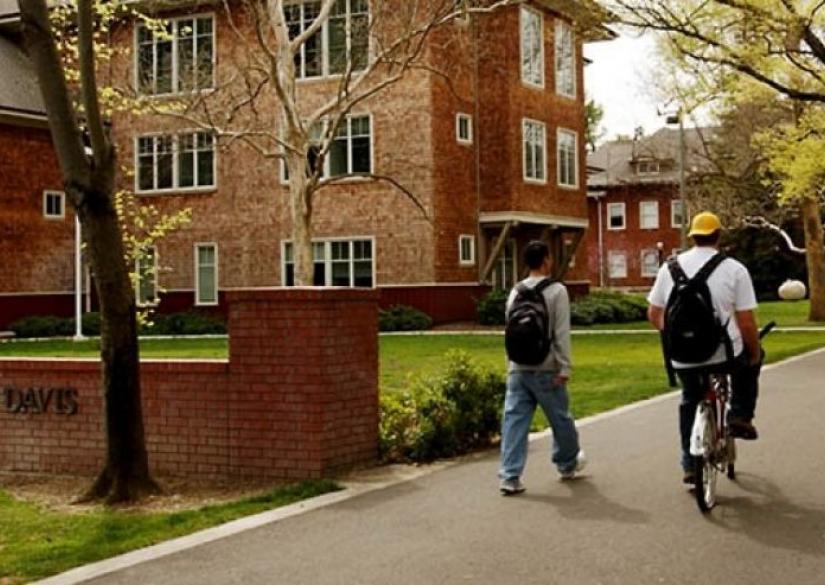
University of California, Davis (abbreviated to UCD) opened its door in 1908. A feature of the University of California at Davis is the successful location. It allows students to take advantage of both urban and suburban life.
Higher education institution rating
UCD is included in 5% of top universities in USA of the international rating and in the top thirty of the higher educational institutions.
Employers all over the world note the high quality of the students of this university in such areas:
- Life sciences and medicine;
- Physics;
- Economics and business;
- Chemistry;
- Natural Sciences;
- Computer science;
- Social sciences and management;
- Engineering and technology;
- Arts and Humanities.
As for the quality of education at the University of California, Davis, it is highly regarded both in the US and abroad. It's not for nothing that he ranks 100th in the international rating on this indicator. Graduates may not worry that they will have problems with employment, because among employers this educational institution enjoys an irreproachable reputation.
Admission and tuition fees
For admission, the applicant must pass the exams and provide the admissions committee with information on the progress in the previous school. Becoming a UCD student is not difficult. Competition for 1 place is not more than 2 entrants. The academic year is divided into quarters.
As for the prices of training, they are quite high. Studying at this university will cost just over $ 36,000. Approximately 13 thousand USD will cost a year of studying under the Master's program.
Students can take part in various scholarship programs, which helps to partly compensate for the costs of training. You can get a diploma not only internally, but also remotely. All the nuances can be found on the official website of the university.
Educational and teaching staff
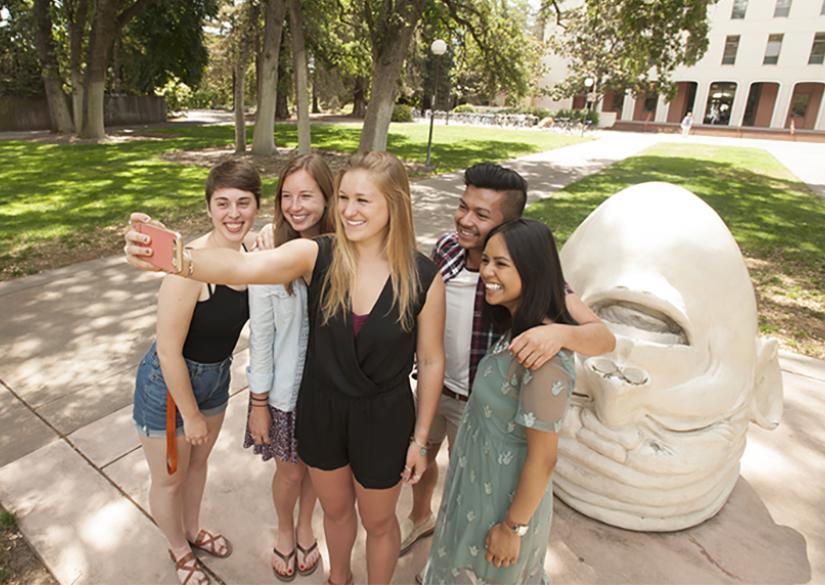
University of California, Davis is considered a major university in the United States. Education here is over 32 thousand students. Learn in it can both citizens of the United States of America, and applicants from abroad. Every 7th student at the University of California is a foreigner.
The university employs more than 2,600 teachers, with the lion's share of specialists coming from abroad. UCD has established cooperation with many foreign universities, so its students have the right to participate in international exchange programs.
Infrastructure
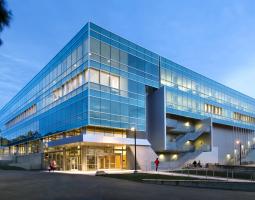
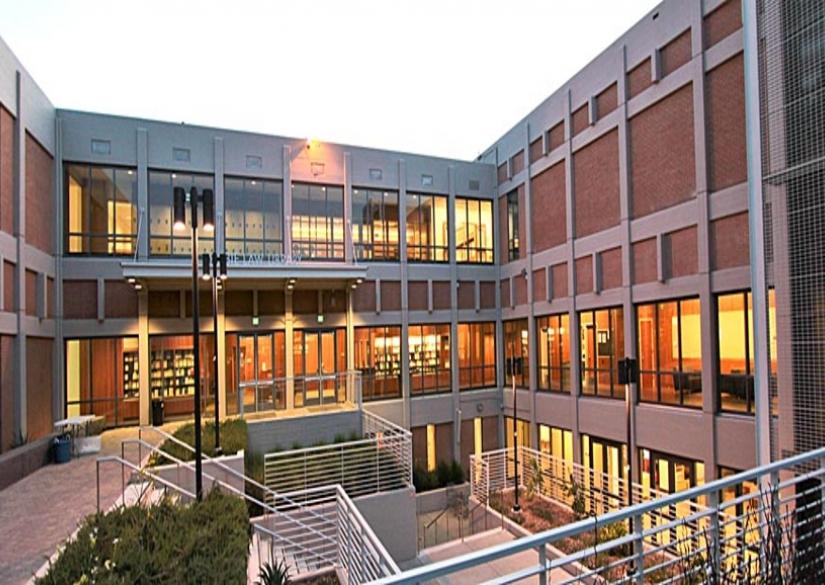
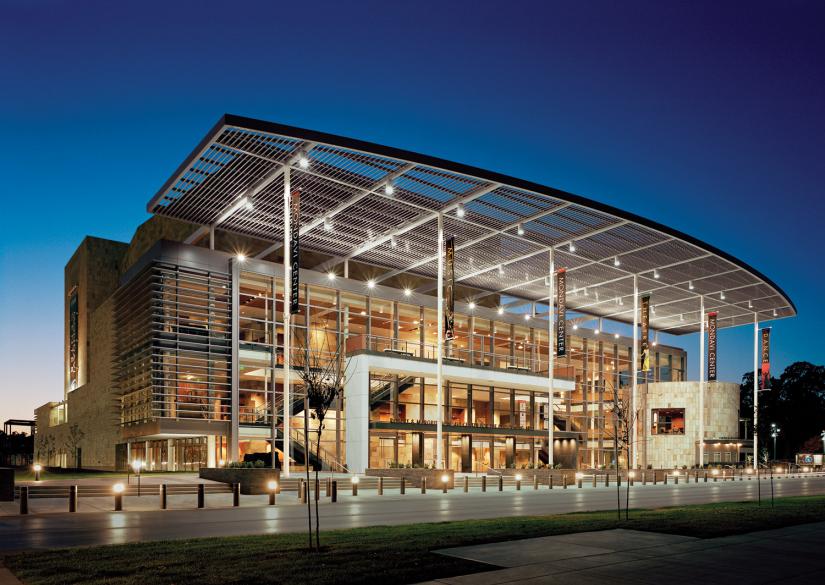
In addition to the academic buildings, the university has its own library and hostel.
Faculties and colleges
Graduate School of Management:
- Full-time MBA program,
- Part-time MBA program in the San Francisco Bay Area,
- Part-time MBA program in Sacramento,
- Online MBA program,
- Master of Professional Accountancy,
- Master of Science in Business Analytics,
- Master of Management,
- Online Master of Management.
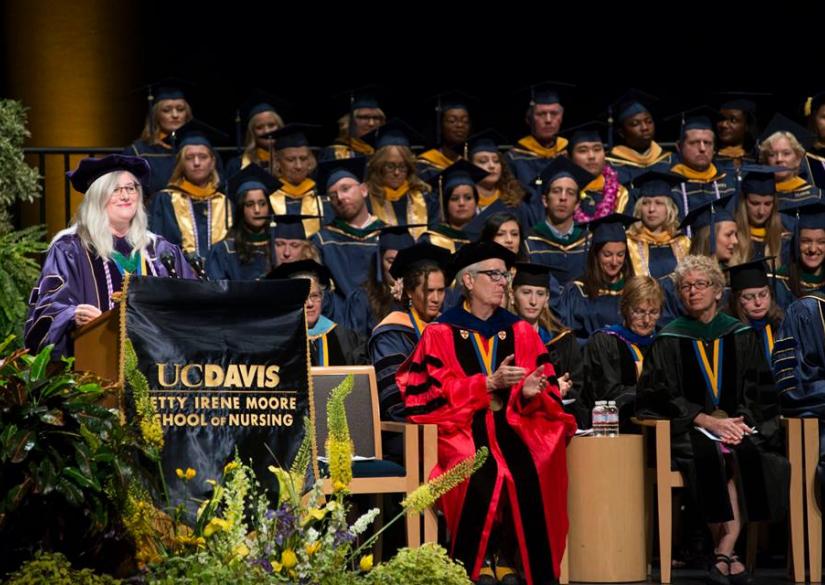
Betty Irene Moore School of Nursing:
- Doctor of Philosophy,
- Master of Health Services (Physician Assistant),
- Master of Science — Leadership,
- Master of Science — Family Nurse Practitioner,
- Master's Entry Program in Nursing.
Scientific achievements
- University of California, Davis received the Platinum-level Bicycle Friendly University designation from the League of American Bicyclists — the highest level of certification in this program,
- The university ranks second among the most affordable prestigious universities in the United States according to Washington Monthly.
Things to know about
- The city of Davis is known as the bicycle capital of the United States, and nearly half of UC Davis students commute to campus by bike,
- On a typical weekday, campus commuters travel by: bicycle — 37%, car — 30%, bus — 19%, on foot or rollerblades — 8%, carpool — 5%, Amtrak — 1%,
- On weekdays, the main campus sees more than 38,000 students, faculty, staff, and visitors, 85% of whom arrive from off campus.
Accommodation, meals, prices
| Hostel | Eat |
| Cost of living | $859-1,425 USD/month |
Subjects, specialties
Activities University of California Davis
Campus Recreation organizes whitewater rafting trips, rock climbing, snowshoeing, and downhill skiing excursions, providing transportation and equipment.
In their free time, students travel to the Bay Area for day trips focused on art and culture — the drive or train ride takes no more than an hour. Wine regions are equally close: Napa Valley, Mendocino County, and the Sierra Nevada foothills. Nearby Sacramento offers a walkable downtown, farm-to-table restaurants, vintage shops, NBA basketball games, coffee shops, live music, art museums, fairs, and festivals.
The campus offers several tour formats:
- Prospective student tour — a 30-minute admissions presentation and a 90-minute walking tour,
- Virtual tour,
- Group tours for 15 or more people from October through June,
- Spanish-language tour — not available in summer,
- Admitted student tours from March through May.
Facilities and equipment at University of California Davis
The university has several locations:
- The main campus is located in Davis, California, and is considered the largest in the University of California system,
- The Bodega Marine Lab marine laboratory in Bodega Bay,
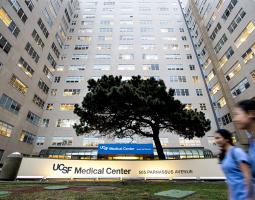
- The UC Davis Health academic medical center in Sacramento — 20 minutes from Davis,
- The Tahoe Environmental Research Center in Incline Village, Nevada.
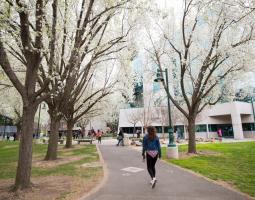
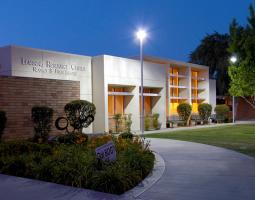
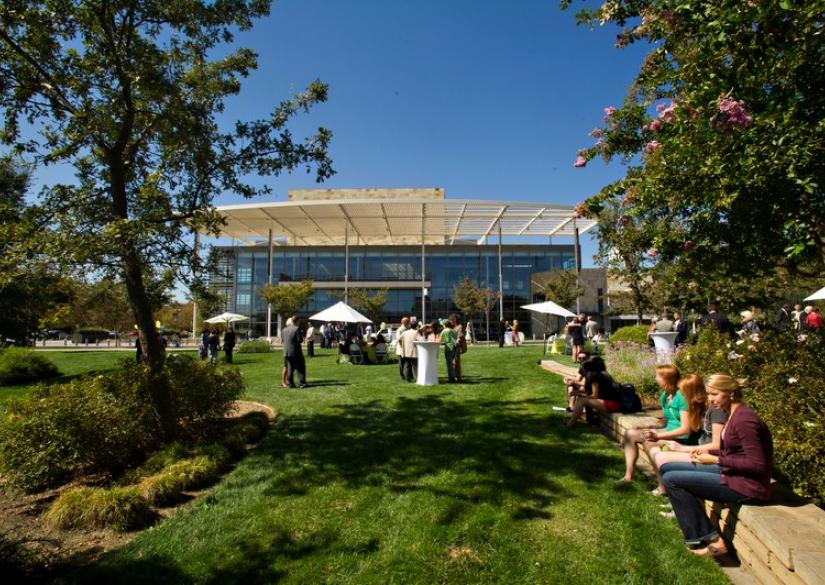
The main campus covers 5,300 acres; visitors typically begin their acquaintance with it at the Walter A. Robinson Welcome Center. The grounds include a 100-acre arboretum with a stream lined by native and non-native trees, a student farm and gardens, several museums, and UC Davis Stores.
The campus is renowned for its well-developed cycling infrastructure: bike lanes, tire inflation and minor repair stations, bike lockers at four locations across campus, showers, and a lock-cutting service. Adjacent to The Silo building is the Bike Barn — a full-service repair shop and bike rental. Students also have access to the Activities and Recreation Center for workouts.
The local Unitrans bus system serves the campus and the city, with terminals at Memorial Union and The Silo; Sacramento International Airport is about 20 minutes away. Davis itself is a university town with a population of around 68,000. The state capital, Sacramento, is 15 miles from Davis, and the campus is near an Amtrak station and within two hours' drive of the Bay Area, Lake Tahoe, and the Napa Valley.
Admission dates and extra charges
FAFSA and California Dream Act Application applications are accepted from the beginning of fall; the priority submission deadline is early March. New freshmen must submit the Statement of Intent to Register (enrollment confirmation) by early May, transfer students — by early June. Student loan applications open in the summer.
Registration and housing fees can be paid in installments through the Deferred Payment Plan — for a small additional fee, payments are spread over a quarter or a year.
Perspectives
The average GPA of first-year students admitted as of August 1, 2025 (middle 50% of enrolled students), was:
- Weighted GPA — from 4.00 to 4.26,
- Unweighted GPA — from 3.79 to 4.00.
Among students transferred from other institutions, the average GPA ranged from 3.46–3.90. The minimum GPA in transferable UC courses for transfer admission is 2.40 (2.80 for California non-residents), but University of California, Davis has set its own minimum of 2.80. More than half of transfer applicants were admitted.
Scholarships University of California Davis
68% of UC Davis undergraduate students receive financial aid, with an average award of $29,560. According to statistics, 69% of undergraduate students graduate without debt.
Financial aid is also available for specific purposes: Summer Sessions, study abroad, the UC Davis Washington Program, the University of California Center Sacramento, and international internships.
Institution on the map
Residence permits, citizenship and other services
- Guardianship services during the studies
- Student supervision
Review about University of California Davis
Recommendations on when to apply
| Language courses, schools and children's language camps | Primary and secondary education - private schools | Preparation programmes for entering universities - higher education | Higher education (after completing accredited programs A-level, IB, High School) - Bachelor, Master, MBA |
| - we recommend to apply 6-9 months before the start of the course (some camps and schools offer discounts for early booking or for lengthy study programs) - there are some very popular and high demand children's camps, where the applications need to be submitted 1 year in advance (in particular Switzerland , Great Britain , USA , Canada , Austria) | - we recommend to apply one year before the start of the training program, - some schools have a specific time frame (September-November - please specify an individual school) - some schools require tests in several stages (UKISET, internal tests of the school: English, mathematics, logics, subjects, interview, some require a personal visit) | - we recommend to apply one year before the start of the program, - for Foundation and Pathway programs, IELTS and TOEFL certificates are usually required, respectively | - recommended submission one year before the start of the program, - the deadline normally closes in January, for TOP HEIs and, as a rule, in March in other universities - for a bachelor, a Foundation or Pathway preparatory program a completed A-level, IB, High School + IELTS / TOEFL are required - for Masters you need a graduated higher education, in some cases you need a pre-Masters program - MBA requires completed higher education, work experience preferably at least 2-3 years, etc. |