For partners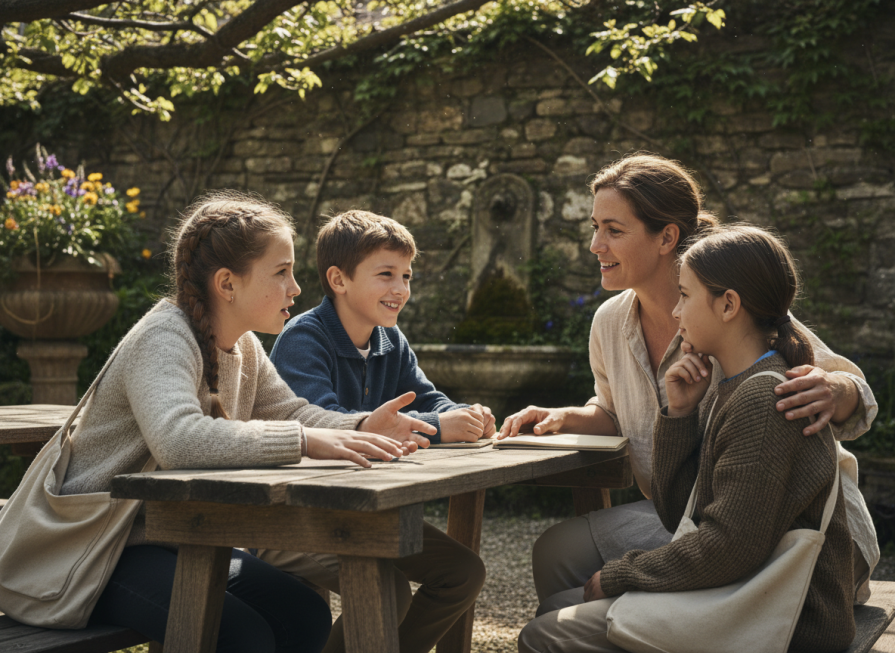
The communication process among students and teachers is one of the key factors that determine the success of students academically. Teachers are the ones who help the students with their problems, discover their strengths, and build up their self-esteem; they are not only instructors but also mentors, guides, and supporters. With every teacher, having a consistently respectful and open dialogue can indeed alter the entire teaching-learning experience and make school life a lot more rewarding.


Building Trust and Understanding
Effective communication enables trust to be built and trust is the basis of every healthy student-teacher relationship. When students feel free to discuss their difficulties, questions or goals with their teachers, that gives the teachers a chance to get to know the students’ needs and to provide the right assistance.
Teachers value students who are proactive and take ownership of their learning. A trivial question after class or an email requesting a clarification indicates participation and interest. Gradually, these types of interactions foster mutual respect and a feeling of collaboration rather than of authority.
Improving Academic Performance
The ability of students to convey their thoughts and feelings clearly to the teachers is one of the main reasons for their academic success. When the teachers are informed of the student's problems, they are able to make the necessary modifications to the explanations, point out more study materials, or provide additional practice.
Inquiring and questioning, regardless of the setting, can help clear the way for misunderstandings to not grow into larger issues. Besides, talking about assignments, getting feedback on tests, or learning strategies directly from the teacher makes students more capable of critical thinking and self-improvement.
Through effective communication, the classroom becomes a place for collaboration, not just teaching. It fosters inquiry, discussion, and intense learning.
Emotional Support and Guidance
A communication process not only relates to grading but also covers the emotional aspect of students. Teachers most of the time have the ability to detect when students are experiencing stress, lack of motivation, or are having a tough time. A conversation with a teacher could be the first step for a student in finding a solution or getting the necessary support.

For a big number of students, their teacher is the one who acts as a guide that listens and gives not only school-related advice but also helps with personal development and future plans. Frequent, sincere communication is a guarantee that students will never feel cut off from the world and that there is a person in the school who is aware of their circumstances.
Developing Life Skills
Interacting with teachers and other authority figures is an important life skill. Students will learn to express themselves respectfully, develop and use professional etiquette, and acquire confidence in the presentation of their ideas.
This set of communication skills is not limited to the school environment; on the contrary, it prepares students for the whole future period of their life including college, the workplace, and day-to-day interactions. Being able to make inquiries, elaborate one's thoughts, and deal with criticism in a positive way are essential everywhere, including careers.
How to Improve Communication with Teachers
-
Be proactive: Do not let it escalate if a problem occurs. Get clarification at an early stage.
-
Be respectful and polite: Good manners set a good tone and encourage teachers to respond supportively.
-
Listen actively: Communication consists of two sides and both should be heard. Take note of the feedback and the advice.
-
Use proper means: Speak personally, write an email, or arrange a meeting — do whichever is the most appropriate for the situation.
-
Show thankfulness: Just “thank you” for a teacher’s support is enough to fortify the connection.
Effective communication is not just about talking all the time — it means to be clear, honest, and open-minded towards each other.

The Long-Term Impact
It is observed that students who keep up a good communication channel with their teachers feel more self-assured, motivated and involved in their studies. This participation, in its turn, results in better grades, stronger college recommendations and personal development.
The same goes for teachers who, in turn, gain insight into how to carry out their lessons in a more effective manner and at the same time be able to create a classroom atmosphere that is inclusive and offers support to all.
Conclusion
Communication with the teacher is no longer just a school habit — it has turned out to be a major factor for success. It breeds trust, and improved understanding and gives students the opportunity to develop in terms of both academics and personality. The process of open communication is what turns the traditional teacher-student relationship into a collaborative education thus becoming a shared journey instead of a one-way process.
Students who learn the proper communication skills become not only better learners but also thoughtful, confident persons — ready to master the challenges both in and outside the classroom.