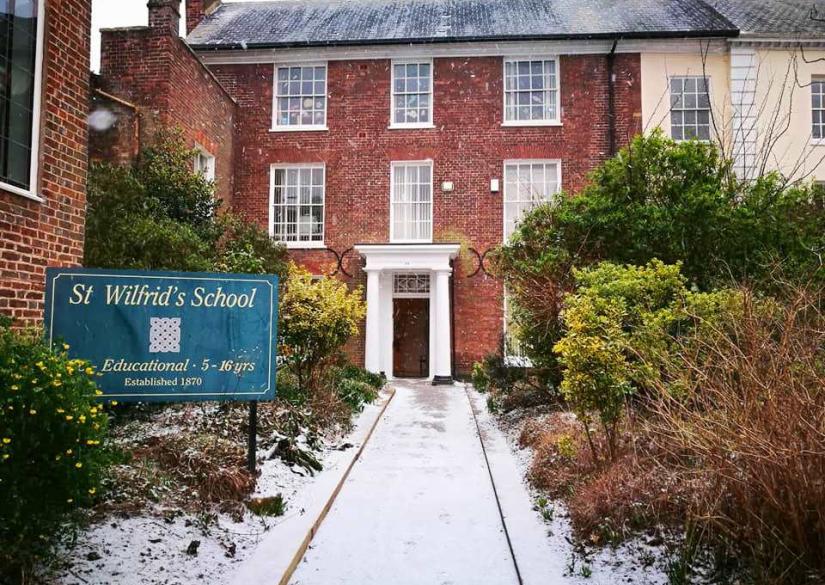
St Wilfrid's School, St. Wilfrid's School






Programs and prices, tuition fees in St Wilfrid's School, St. Wilfrid's School


Lower School
- Age of students— from 8 years old,
- Duration of study — four years.
In grades 3-6, international students master a rich curriculum including the following subjects:
- Design, technology, art;
- Computer science, information technology;
- Mathematics;
- English language;
- French language;
- Science, technology;
- History;
- Geography and others.
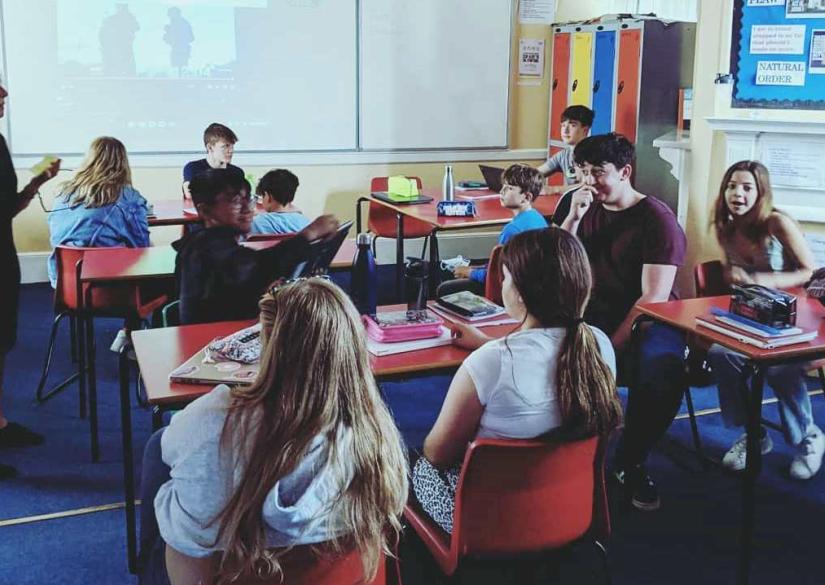
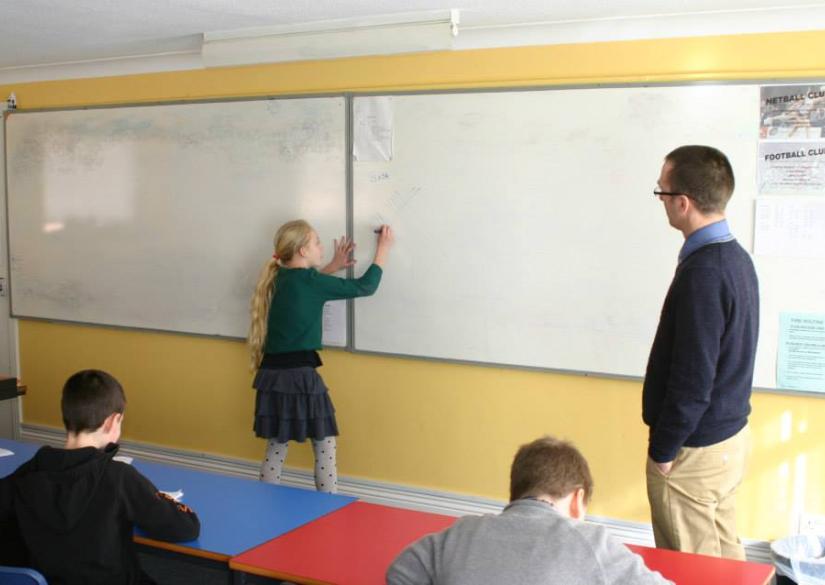
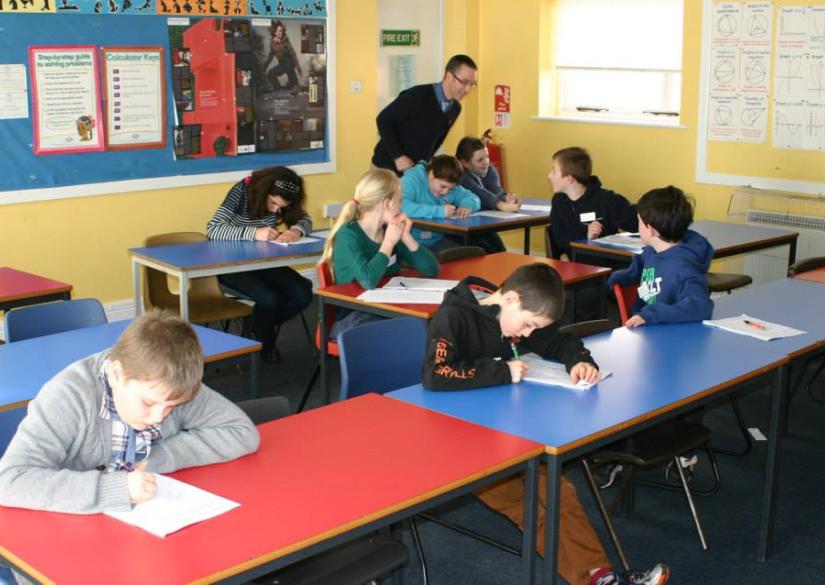
In the early years of the discipline, classes are taught by one teacher, then – by specialized experts. The more complex the topics and areas studied in class, the more practical opportunities students have: they participate in collective research, create their own projects and present them, learn to analyze information and defend their point of view. Even in the most strict and precise subjects, students will have the opportunity to reveal their creative potential, because the basis of the curriculum for junior classes is comprehensive development.
Upper School
- Age of students — from 11 years old,
- Duration of study — five years.
The high school program covers education in grades 7-11. In the first two years, students follow the National Curriculum, which is based on the following subjects:
- English language;
- Mathematics;
- Natural Sciences;
- Geography;
- History;
- Art;
- Home Economics;
- Physical Education;
- Religious Education;
- French language;
- Personal, Social and Humanities Education (PSHE).
In the 8th grade, students choose subjects they would like to study in grades 9-11, creating a personalized curriculum. This typically includes 5-10 core and elective disciplines that they will take for their GCSE exams. The schedule usually includes 40 hours of classes focused on personal, social, health and economic education (PSHE).
Description of St Wilfrid's School, St. Wilfrid's School
- Location: Exeter, Devon, England,
- Year of foundation: 1870,
- Language of instruction: English,
- Type of education: mixed.
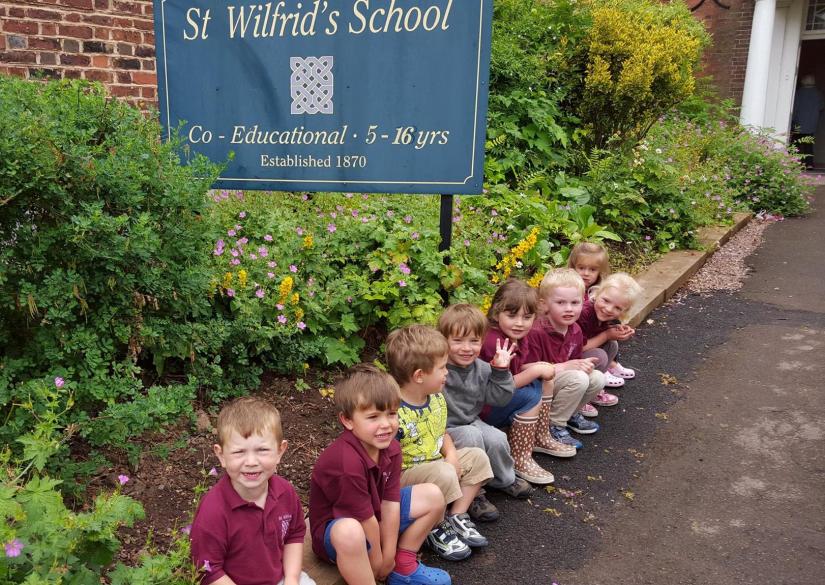
St Wilfrid's School is a small, private, coeducational school for boys and girls ages 8 to 16. It is known as "The little school with a BIG personality" and offers non-selective, independent education in a nurturing and supportive environment.
The institution opened its doors as one of the first schools founded after the adoption of the Elementary Education Act in 1870. The school has operated for more than 150 years while retaining its small student community, individual attention for each student, high-quality teaching, and teaching methods that reflect modern educational trends. Students receive comprehensive support from qualified teachers and other staff, along with opportunities for academic and personal development, whether they are particularly talented or need additional support.
The school takes a whole-school approach to education. It encourages students to develop a positive self-image by experiencing success, accepting responsibility, and recognizing the needs and achievements of others. Relationships are strong, behavior is excellent, and students gain confidence during their time at the school. Despite its small size, the school competes with leading institutions in national and international rankings. It receives high marks from academic agencies each year and prioritizes students' well-being and development.
Educational process
St Wilfrid's School bases its curriculum on seven principles: balance, rigor, coherence, vertical integration, appropriate challenge, focus, and relevance. The curriculum covers a broad range of subjects while developing learning habits that prepare students for a changing world.
The curriculum builds on previous learning through a spiral approach, so each stage prepares students for the next. Where possible, subjects connect across disciplines, and content relates to students' lives and backgrounds. The school maintains high expectations and provides an appropriate level of challenge based on how students learn best.
Teachers provide personalized attention and closely monitor each student's progress. The favorable staff-to-student ratio supports individual care. In the Lower School, a broad curriculum develops strong foundational skills and builds confidence and resilience. Each term, topics connect with children's work in literacy, history, or geography and are enriched by trips and visitors.
Faculties and colleges
The school includes two academic departments:
- Lower School — grades 3-6 (Key Stage 2). Years 3 to 6 learn together in a single class known as Owls. The curriculum includes numeracy, reading and writing, science and technology, design technology and art, ICT, RSHE/PSHE, and topic-based learning. Specialist staff from the Upper School teach French to support a smooth transition,
- Upper School — grades 7-11. Teaching in all departments follows the National Curriculum in Years 7 and 8 and builds on knowledge from primary school. Subjects include English, mathematics, science, geography, history, art, home economics, physical education, religious education, French, and PSHE/RSHE. During Year 8, students choose subjects for Years 9-11 and then pursue GCSE-level study in those subjects. All students attend a weekly 40-minute PSHE/RSHE lesson covering Sex and Relationships Education, Citizenship, and British Values.
Accommodation, meals, prices
The school does not have residences and does not provide accommodation search services outside of campus.
Hot and cold dishes, salads, and healthy snacks are available in the dining room every day.
Activities St Wilfrid's School, St. Wilfrid's School
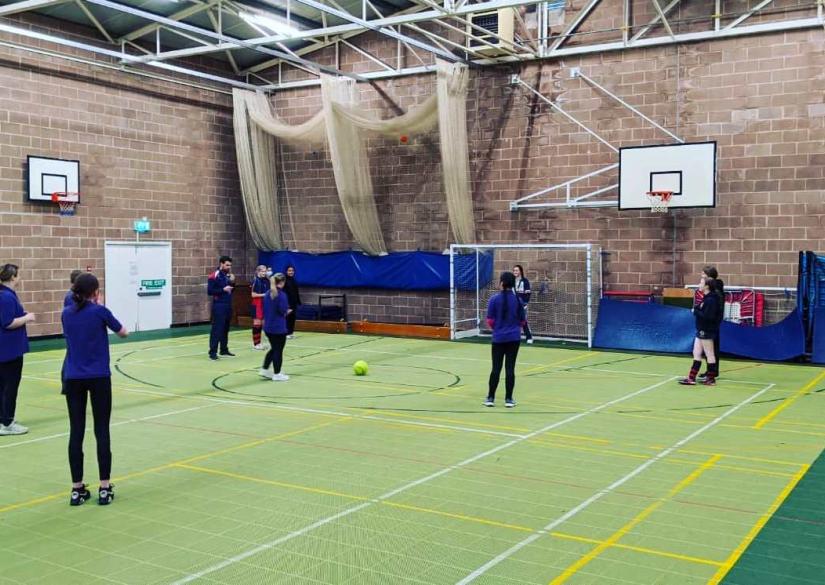
The rich extracurricular life of St Wilfrid's School students stipulates sports, creative, social and entertainment activities. During the year, students participate in interschool sports matches in football, hockey, netball and lapta, attend visual and performing arts classes, and study the culture, customs and history of Great Britain during excursions. Students can look forward to trips not only to local attractions but also around the country and abroad – the student curriculum involves a large-scale expansion of horizons and opportunities that will allow them to accurately choose their future profession.
A House system has been adopted at the school, assigning students to groups with distinctive features: a coat of arms and flag, motto, and leadership team. Each House has captains from among the students who take on the responsibility of leading the other members of the group and organizing meetings. The House system will help students develop leadership skills and teamwork abilities, perceive competitions in a positive way, believe in their strengths, and achieve their goals.
Advantages
- An Ofsted rating of "Good" following an inspection in October 2024,
- Average class size — 10 students,
- Outstanding GCSE results: 71% of students achieve grades 9-4, with 100% passing all exams,
- Ofsted noted that teachers know each pupil well, account for prior learning, and help pupils make strong progress from different starting points,
- Dedicated Special Educational Needs and Disability (SEND) support with individualized education plans that are reviewed regularly.
Facilities and equipment at St Wilfrid's School, St. Wilfrid's School
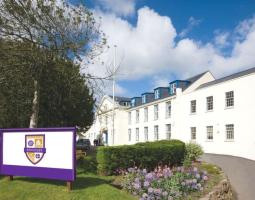
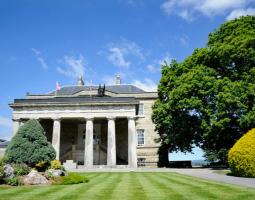
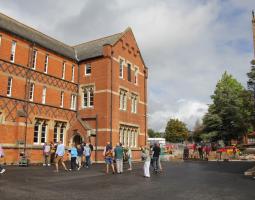
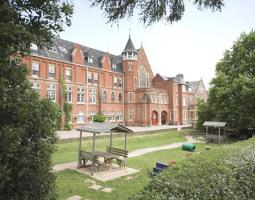
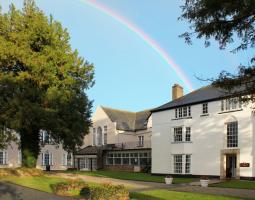
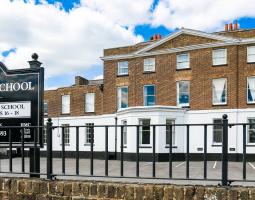
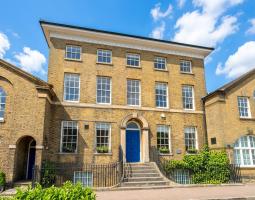
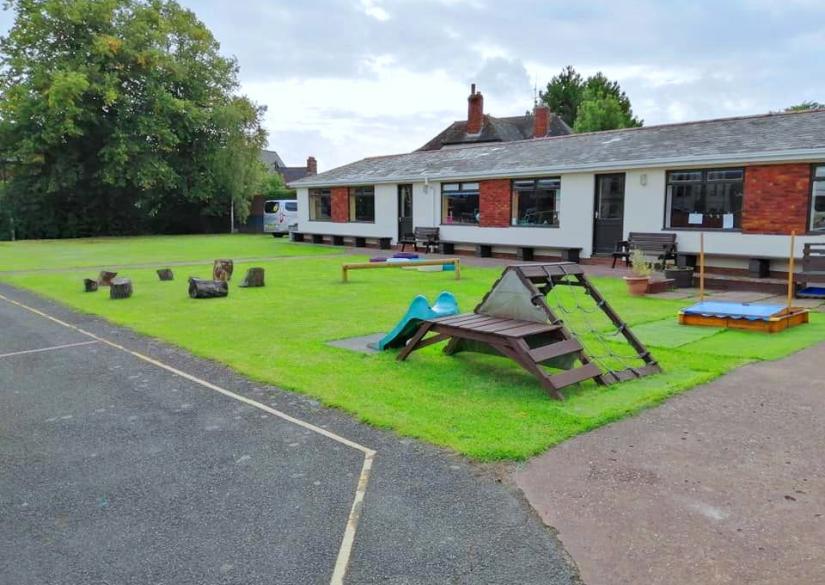
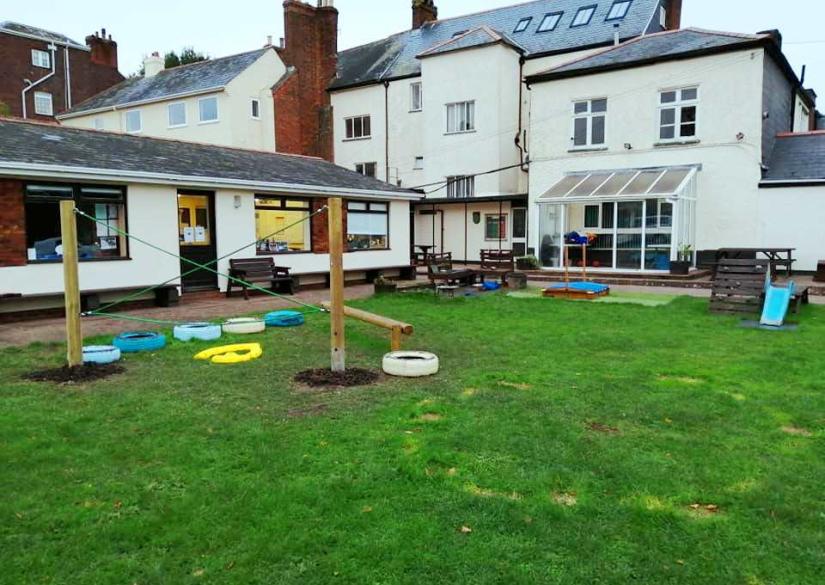
The academic buildings of St Wilfrid’s School are located in the central part of Exeter, adjacent to the city infrastructure and numerous public places. A small campus, uniting several buildings, offers students everything they need to achieve both academic and personal success:
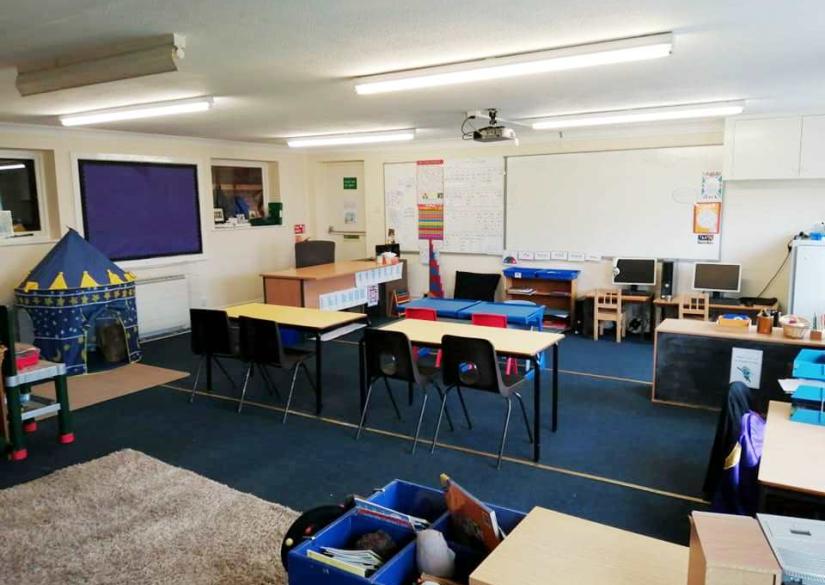
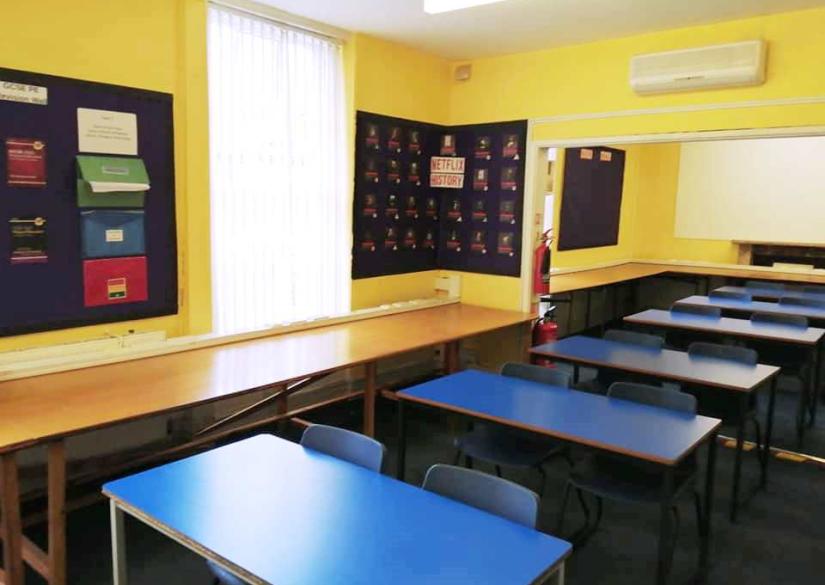
- Classrooms for different ages equipped with interactive equipment,
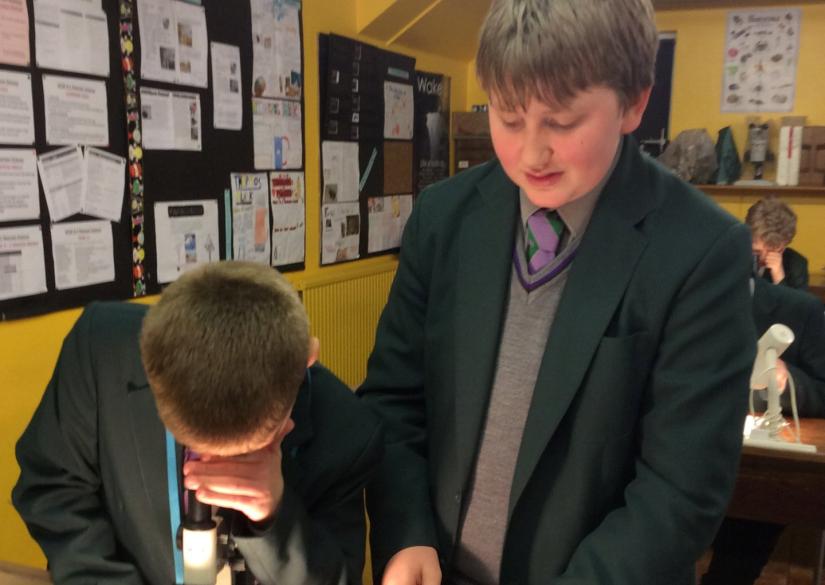
- Science and computer laboratories,
- Art studios,
- Administrative offices,
- Library,
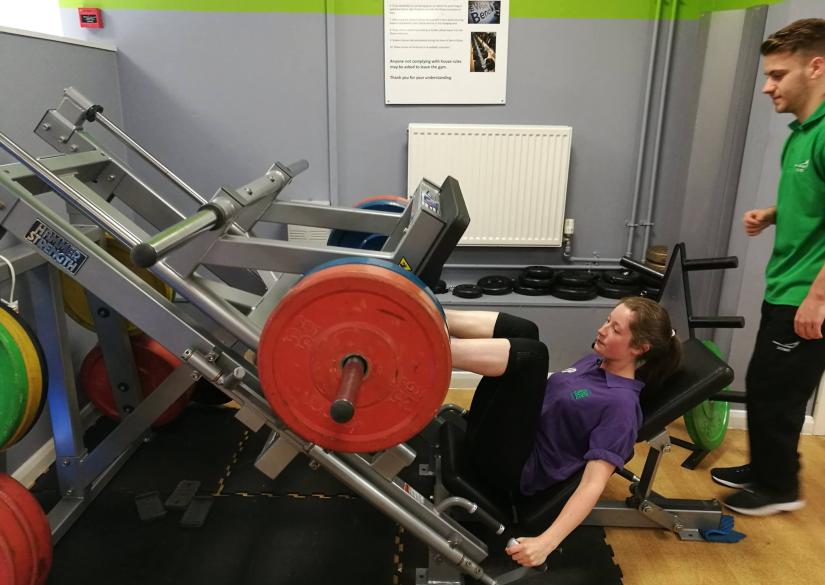
- Gym,
- Dining hall and cafeteria,
- Hall for performances and event organization.
A playground, walking areas and outdoor recreation zones are located in the courtyard of the buildings.
Admission dates and extra charges
The academic calendar includes three trimesters:
- Autumn: September-December,
- Spring: January-April,
- Summer: April-July.
Each term includes a seasonal break lasting one to three weeks. The school week runs from Monday through Friday, with weekends and holidays off. Extracurricular activities and the Extended Care Club are available before and after regular lessons.
Additional expenses include:
- Registration fee (GBP 100), administrative fees, and deposits,
- Insurance: GBP 30 per year (GBP 10 per term),
- School uniform,
- Medical insurance and related services,
- Books and stationery,
- Some extracurricular activities, including trips and excursions,
- Additional services not included in the curriculum,
- Personal expenses.
Enrolment process
Teachers invite prospective students to open days, during which they can subtly assess their academic and language skills and get acquainted with the future student’s family. In order for a child to be admitted to St Wilfrid's School, their parents need to fill out a registration form and pay an admission fee, and pass an interview. During communication with the principal, they will find out if the school is right for their child, receive a complete understanding of the curriculum and additional learning opportunities. Based on the results of the open days and the interview, official invitations to study are sent to families, after which it is necessary to make a deposit and arrive for classes at the beginning of the semester.
Enrolment statistics
St Wilfrid's School is considered a non-selective school, with new students being admitted as places become available in classes and on a first-come, first-served basis. The school has limited places for children who require additional support in developing numeracy and literacy skills.
Perspectives
Students in the 11th grade achieve competitive scores when taking final exams, allowing them to advance to the Sixth Form stage in leading schools across the country.
Entry requirements, how to apply, what is required to enrol
To enter the school, applicants must provide academic certificates from their previous place of study and personal documents, including a foreign passport, health insurance, and medical records, a visa or residence permit. Admission is based on the results of trial days.
Scholarships St Wilfrid's School, St. Wilfrid's School
The school offers a limited number of bursaries based on financial need, which are granted subject to available resources and appropriate means testing. Bursaries, once granted, are subject to periodic review.
Institution on the map
Residence permits, citizenship and other services
- Guardianship services during the studies
- Student supervision
Review about St Wilfrid's School, St. Wilfrid's School
Recommendations on when to apply
| Language courses, schools and children's language camps | Primary and secondary education - private schools | Preparation programmes for entering universities - higher education | Higher education (after completing accredited programs A-level, IB, High School) - Bachelor, Master, MBA |
| - we recommend to apply 6-9 months before the start of the course (some camps and schools offer discounts for early booking or for lengthy study programs) - there are some very popular and high demand children's camps, where the applications need to be submitted 1 year in advance (in particular Switzerland , Great Britain , USA , Canada , Austria) | - we recommend to apply one year before the start of the training program, - some schools have a specific time frame (September-November - please specify an individual school) - some schools require tests in several stages (UKISET, internal tests of the school: English, mathematics, logics, subjects, interview, some require a personal visit) | - we recommend to apply one year before the start of the program, - for Foundation and Pathway programs, IELTS and TOEFL certificates are usually required, respectively | - recommended submission one year before the start of the program, - the deadline normally closes in January, for TOP HEIs and, as a rule, in March in other universities - for a bachelor, a Foundation or Pathway preparatory program a completed A-level, IB, High School + IELTS / TOEFL are required - for Masters you need a graduated higher education, in some cases you need a pre-Masters program - MBA requires completed higher education, work experience preferably at least 2-3 years, etc. |