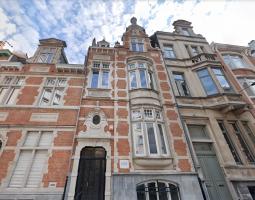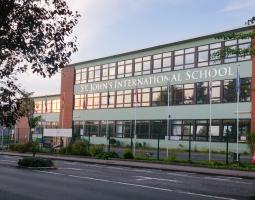
St. John's International School



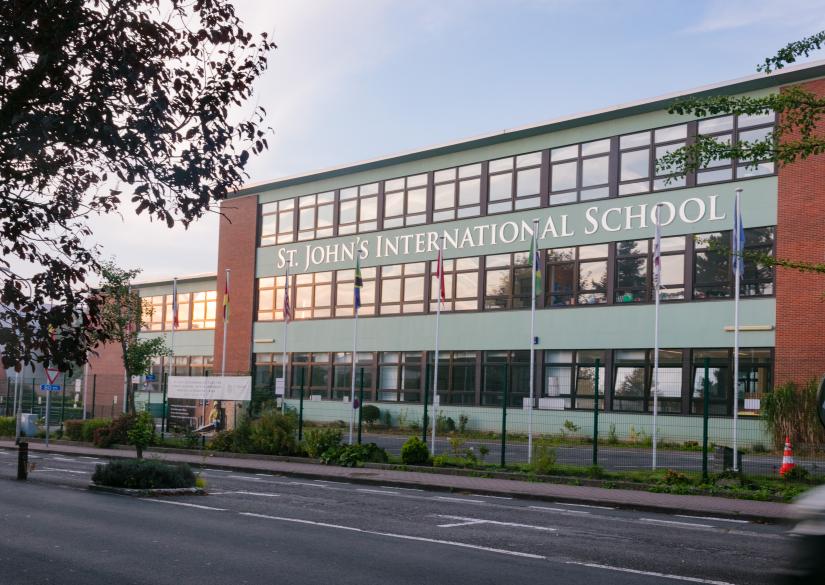




In the process of preparing the material, we referenced the following sources: Wikipedia, The Knowledge Review, International Baccalaureate
Programs and prices, tuition fees in St. John's International School


Early Years Program
- Age of students — from 1 to 6 years,
- The studying period is five years.
The preschool education program, aimed at children from 1 to 6 years old, is divided into two stages:
- The first and second years of study (1-3 years) are a program based on the Reggio Emilia methodology, revealing each student from different angles. In the classroom, children pay attention to creativity, self-expression through needlework, communication, music, dancing and physical activity. The approach is based on the game method, through which younger students acquire important life knowledge and skills, learn communication, and work in a team.
- The third to fifth years of study (3-6 years) is a program based on the Primary Years Program system. At this stage, children study the world around them, the structure of society and interaction with nature, their abilities, and ways of expressing themselves in society. In addition to the basic curriculum, students are offered a wide range of optional classes: LEGO, multisport, arts and crafts, science, and others. Students can stay on campus after classes — the extended day service is available until 18:00.
At both stages of preschool education, there is a bilingual program that combines the basics of English and French: after kindergarten, students will have an entry level of both languages, basic knowledge of mathematics and natural sciences, communication skills and teamwork. All this will help them successfully pass the new stage of school education — elementary grades.
Primary School (Elementary)
- Age of students — from 6 to 11 years,
- The studying period is five years.
St. John's International School teaches a primary school program according to the standard of the academic system of the International Diploma: Primary Years Program (PYP). It is designed for students from 6 to 11 years old and involves extensive areas of knowledge, sciences and skills. The PYP program at St. John's International School includes 5 extensive core elements:
1. KNOWLEDGE
Six core subjects are studied in six special courses throughout the year.:
- Language,
- Mathematics,
- The science,
- Social Studies,
- Art,
- Personal, social and physical education.
The research is divided into 6 interdisciplinary topics of global and local importance. The topics are conducted in depth and include reflection on important issues.:
- Who are we,
- Where are we at the place and time,
- How we express ourselves,
- How the world works,
- How do we organize ourselves,
- Sharing the planet.
2. CONCEPTS
Through concepts, students critically relate to the world around them. PYP identifies eight key concepts that are central to understanding:
- Form: What does it feel like?
- Function: How does it work?
- Reasons: Why is this the case?
- Change: How does it change?
- Connection: how does this relate to other things?
- Perspective: What are the points of view?
- Responsibility: What is our responsibility?
- Reflection: How will we know?
3. SKILLS
Teaching and learning is aimed at developing the necessary skills that go beyond the subject. Skills are important for lifelong learning and include:
- Mind,
- Communication,
- Independence,
- Scientific skills.
4. ATTITUDES
Much attention is paid to the development of interpersonal communication skills, communication, and mutual respect between people and the environment. PYP approaches develop the following qualities in children:
- Appreciation,
- Commitment,
- Confidence,
- Cooperation,
- Creativity,
- Curiosity,
- Empathy,
- Enthusiasm,
- Independence,
- Integrity,
- Respect,
- Tolerance.
5. ACTION
As each child's knowledge and understanding increases, teachers encourage them to think and reflect on their learning and take appropriate responsible actions both inside and outside the school environment. Teachers who work with children have an exceptionally high level of education and experience, and build a special system of relationships with children, where all participants in the process work closely together and communicate on equal terms. The assessment system includes two types of assessments:
- Formal assessment.
Formal assessment is intertwined with daily learning and helps teachers and students learn what students already know in order to plan the next stage of studying. Formal assessment and studying are directly related; neither can function effectively or purposefully without the other.
- Summary assessment.
It is displayed at the end of the learning unit and gives students the opportunity to demonstrate what they have learned. A high-quality curriculum and high professionalism of the staff ensure a high level of development and help children enter adolescence with a lot of knowledge and skills. Students easily transfer to the middle classes and continue their studies at the Middle Years International Diploma Program.
Dual Language Program
A special program is designed for preschool and early school age children, which involves learning and teaching in two languages simultaneously: English and French. There are two teachers with the children at the same time, one of whom conducts his part of the lesson in English, and the other in French. The program involves the broad involvement of the student himself, teachers and parents in the learning process, whose joint efforts make it possible to achieve effective results. The full program lasts for 7 years (kindergarten, grades 1 to 5), and its main result is the mastery of English and French as native languages.
Middle School (Middle Classes)
- Age of students — from 11 to 14 years old,
- The studying period is three years.
In the middle classes of St. John's International School, education continues according to the International Diploma standard: the Middle Years Program (MYP). The program is very flexible and takes into account the requirements of national education authorities for local educational standards. MYP is designed for students from 11 to 14 years of age, provides preparation aimed at encouraging and developing creative, critical and reflective qualities. MYP focuses especially on the development of intelligence, helping children to combine their theoretical research on subjects with the realities of the world around them: this contributes to the development of communication skills, intercultural understanding and interaction, and the formation of globally developed leaders who are able to change the world around them.
The program is based on the study of a complex of disciplines, divided into eight broad groups:
- Languages: English, French or native,
- Language and literature: German, English, French, Spanish or Dutch,
- Individuality and society,
- Mathematics: standard or advanced, at the high school level,
- Art: theater, visual arts, dance, music,
- Health Science,
- Design: design technologies.
During the studies, special personal and group projects are created that provide students with the opportunity to demonstrate all the acquired knowledge and skills.
After successful completion of their studies, students move on to the next stage and continue their studies in high school.
High School
- Age of students — from 14 to 16 years,
- The studying period is two years.
The high school program, which prepares students for the final stage of school education, covers grades 9 and 10, offering a subject-rich curriculum, many electives and extracurricular areas of development. During these years, students still follow the academic system of the International Diploma at the Middle Years Program stage, but study disciplines in a more interdisciplinary, broad and in-depth format.
Over the course of two years, students will master new topics and directions of the following scientific disciplines:
- Languages: English, German, French, Dutch or native,
- Foreign language: Spanish, French, English, German, Dutch,
- Humanities, social sciences: economics, psychology, history, geography,
- Natural sciences: biology, physics, ecological systems and societies, chemistry,
- Mathematics: standard or advanced,
- Theater or visual arts, design,
- Physical education.
Many subjects are included in the curriculum based on the student's choice, making learning personalized. There are conditions for choosing disciplines: you need to attend classes in a subject from each academic group in order to broaden your horizons, develop strengths and gain new skills.
International Baccalaureate (IB)
- Age of students — from 16 to 18 years,
- The studying period is two years.
The 11th-12th grade program, based on the sought-after academic international diploma system, leads students to graduate and enter leading universities in the UK, USA and other countries. For two years, students follow an individual curriculum that includes six subjects: three are studied at the advanced level (HL), and three more are studied at the standard level (SL).
The subjects offered for study are grouped into six scientific groups — one discipline must be selected from each.:
- Language, literature: English, German, French, Dutch or native,
- Foreign language: French, Spanish, English, German, Dutch,
- Mathematics: analyses and approaches, applications and interpretations,
- Individuals, societies: geography, history, economics, psychology,
- Experimental sciences: physics, ecological systems and societies, chemistry, biology,
- Art: theater, visual art.
Students also attend physical education classes and design education, and they are required to take three courses that reveal their strengths and talents.:
- Theory of Knowledge (TOK) — written work-reflection on the nature of knowledge,
- Extended essay (EE) — research written work of up to 4,000 words, based on a topic from any scientific field interesting to the student,
- Creativity, activity, service (CAS) — active participation in school life: sports sections, creative associations, volunteer projects, organizational events.
At the end of the 12th grade, students will take final exams in their chosen subjects, defend their projects before the qualification commission, and then receive international diplomas.
High School Diploma
- Age of students — from 14 to 18 years,
- The studying period is five years.
An alternative graduation certificate is the High School Diploma program, which covers education in grades 9-12. Over the course of five years, students master a wide range of scientific subjects, pay close attention to project and research work, and practical skills in order to expand further academic opportunities.
To show their abilities, they participate in the diverse life of the school: sports competitions, creative contests, scientific Olympiads, and volunteer projects. All achievements are marked in the portfolio, which will make graduates competitive university and college applicants.
Advanced Placement (AP)
- Age of students — from 16 to 18 years,
- The studying period is two years.
Instead of an International Diploma graduate program, high school students can take Advanced Placement courses, which are highly regarded by university/college admissions committees in the United States. For two years, students focus on in-depth study of their chosen subjects in order to gain valuable qualifications and knowledge capable of admitting them to specialized higher education.
St. John's International School offers several AP level subjects:
- Mathematical analysis,
- Economy,
- Statistics,
- Physics,
- French language,
- German language,
- Spanish language.
Upon completing their studies, high school students will take specialized final exams.
Summer Camp: Multi Activity
- Age of students — from 3 to 14 years old,
- Dates — June–July,
- Duration of studying — from one to three weeks.
In June–July, a short-term program takes place on the St. John’s International School campus, combining a wide variety of active creative and sports activities. The course is designed for students aged 3 to 14, who are divided into age groups for the safety and comfort of each participant:
- Group 1: 3–5 years old,
- Group 2: 6–10 years old,
- Group 3: 11–14 years old.
The curriculum offers a variety of activities: team and pair sports, dancing, fine and applied arts, exploring the world through experiments, trips and project work, volunteering and much more.
Classes are held Monday through Friday during daytime hours: from 8:30 to 16:00. Children learn under the guidance of qualified English- and French-speaking teachers who create a comfortable bilingual environment in small study groups.
Summer Camp: Intensive English
- Age of students — from 6 to 14 years old,
- Dates — July,
- Duration of studying — one or two weeks/
The summer intensive English language program is designed for students who are native speakers of other languages and wish to improve their language level, expand their vocabulary, and gain confidence in communication and further study. The course combines morning theoretical classroom sessions and multi-sport activities in the afternoon.
Under the guidance of qualified teachers, students will immerse themselves in grammar and vocabulary rules, master new rules, and focus on developing listening and speaking skills. Lessons are structured in game-based and project-based formats that encourage children to interact with one another and acquire additional communication and social skills.
Classes are conducted on weekdays from 8:30 to 16:00.
Description of St. John's International School
- Location: Waterloo, Belgium,
- Year of foundation: 1964,
- Number of students: about 500,
- Language of instruction: English,
- Type of studying: mixed.
St. John's International School is an international school that teaches programs at all stages of secondary education in Belgium: from pre—kindergarten through 12th grade. The academic system here is based on the world-renowned, high-quality international diploma course package, which is appreciated by leading universities and colleges around the world.
Founded in 1964, St. John's International School has laid a solid foundation for academic education of exceptional quality, which is confirmed by annual awards and places in the ratings of national and international agencies. Focusing on the holistic and comprehensive development of students of different ages, the school provides a modern infrastructure, an extensive range of scientific disciplines and extracurricular electives, and any additional types of support to help students achieve the best results.
All academic stages are based on three aspects of development: the study of subjects, physical activity and the disclosure of creative potential — sports sections and several large-scale areas in art are taught on a par with the main disciplines of the curriculum.
The school, located in Waterloo, unites about 500 students from different countries — there are more than 65 nationalities among its students. Foreign students come to Belgium to acquire competitive knowledge, skills and qualities in demand in the modern world, study culture, expand opportunities for further education and career.

Beyond teacher qualifications, what other aspects do families consider when choosing a school?
Families look at the quality of student life, campus safety and well-being, location, child care, food and accommodation quality, and the overall atmosphere. Both teaching quality and cost play significant roles in the decision-making process.
Educational process
Language education plays an important role in the educational process of each academic department.
In the preschool and primary departments, a Dual Language Program (DLP) is implemented, incorporating French and English — students effectively improve their language levels, learning to read and write in two languages. In grades 6–8, students can study two or three languages depending on the chosen program, and in grades 9 and 10, they can additionally attend native language lessons. Upper school students choose two foreign languages and literature to consolidate their language skills and broaden their future academic prospects.
Currently, Portuguese, Italian, German, Swedish, Norwegian, Korean, Japanese, and Turkish are available as native language options for students. At the same time, dozens of teachers speaking other languages work at the school — their primary role is to support students who are just beginning to learn English: they teach an elective EAL course that includes lessons in reading, writing, listening, and speaking.
Faculties and colleges
The academic system of St. John's International School consists of four educational stages:
- Kindergarten — from 1 to 6 years old,
- Primary School — from 6 to 11 years old,
- Middle School — from 11 to 14 years old,
- High School — from 14 to 18 years old.
During the summer holidays, a seasonal camp opens on campus.
Things to know about
The campus is located in the beautiful town of Waterloo, just 15 kilometers from Brussels and has an exceptional level of equipment.
Accommodation, meals, prices
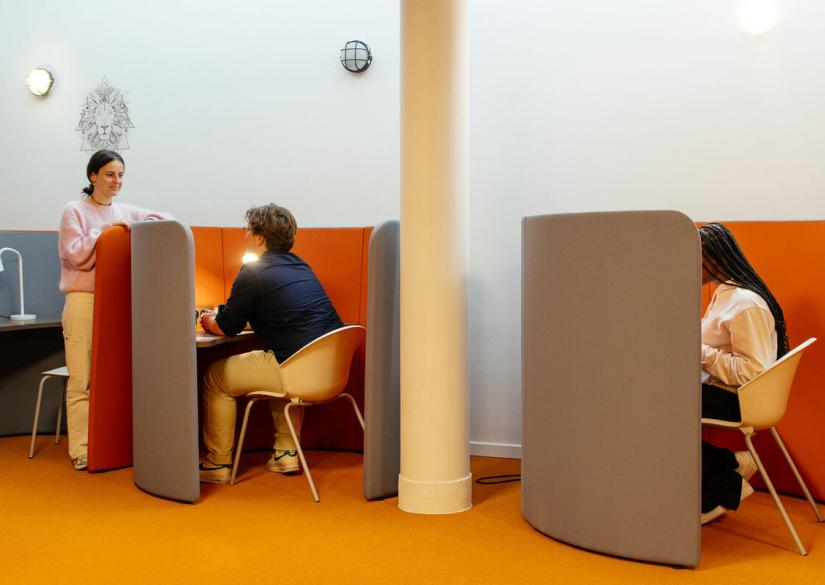
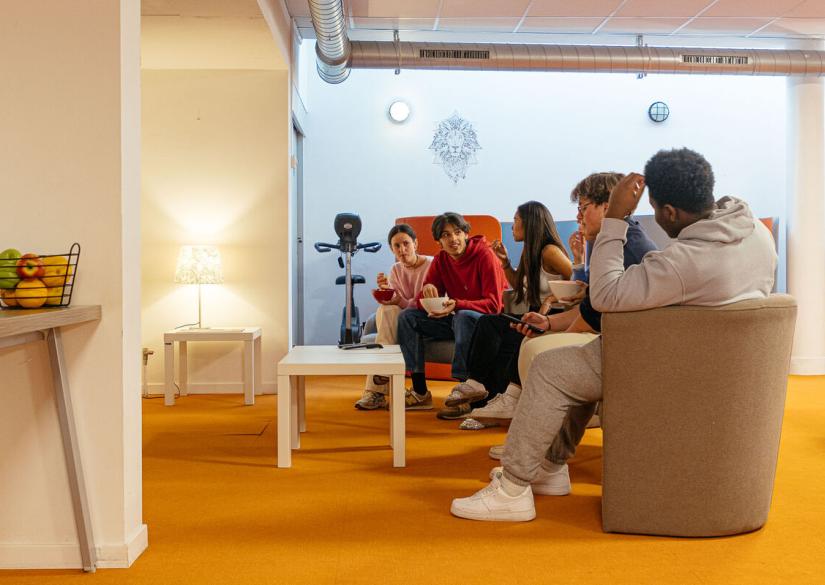
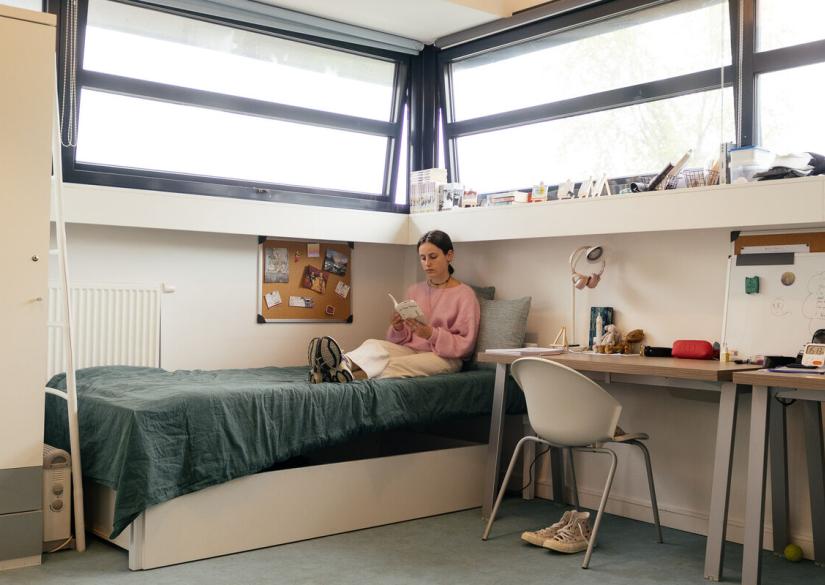
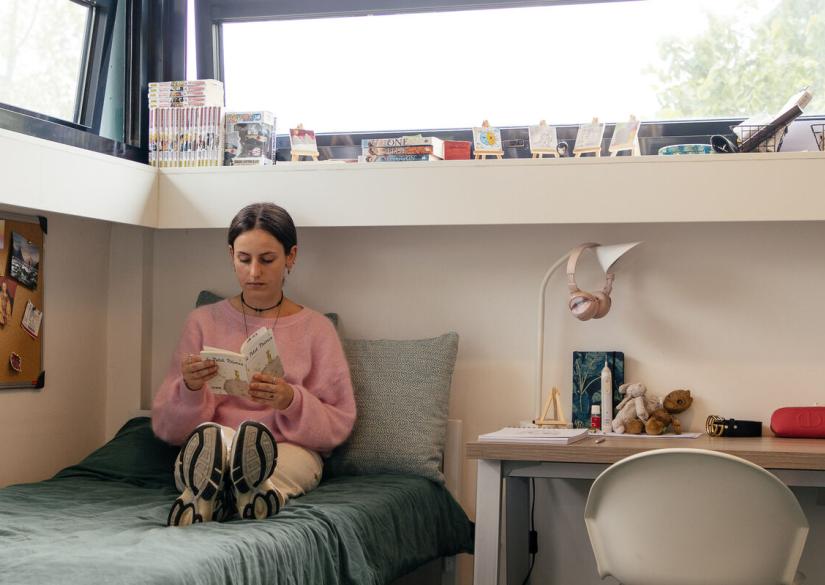
The three-storey Shannon House school residence offers accommodation in spacious, mostly quadruple bedrooms with bunk beds, storage furniture and work spaces for each resident. The bathrooms are shared by each two rooms, and the recreation areas, kitchen-living room and laundry are located on the floors.
Accommodation is available for students over the age of 11, possibly in one of three formats:
- Full board — permanent living in the residence during the academic year,
- Weekly boarding — 24-hour stay on campus during the academic week: Monday to Friday,
- Regular board — reservation of a place for certain weeks.
Girls and boys are accommodated in separate rooms. Together with the students, specialists and mentors live in the residence, providing round-the-clock support, overseeing compliance with the regime, and the safety of pupils.
Residents are provided with three meals a day and healthy snacks during the school day, and full-time students prepare a meal plan that includes only lunches. A wide range of dishes are prepared by Thomas Frank Catering company: chefs work in partnership with the school's team of nutritionists to create menus that meet quality and nutritional standards.
The catering team has access to an extensive support network, including chef developers, culinary directors, nutritionists and sustainability experts, so the school offers a diverse national and international menu of seasonal Belgian products. Children can choose from a variety of salad bars, pastas, vegetarian dishes, fruits, smoothies, yoghurts, sandwiches and soups.
There are always food options for children with dietary restrictions, allergies, and medical prescriptions.
Activities St. John's International School
Sports and creative directions are taught along with the main scientific disciplines at all academic stages of school education, allowing students to develop their talents, acquire valuable social and personal skills, and replenish their portfolio with awards for participation in Olympiads, competitions, and contests.
The sports infrastructure of St. John's International School allows you to try your hand in a variety of areas. The training sessions in the sections take place seasonally:
- Autumn: football (boys), volleyball (girls), cross-country,
- Winter: basketball, swimming,
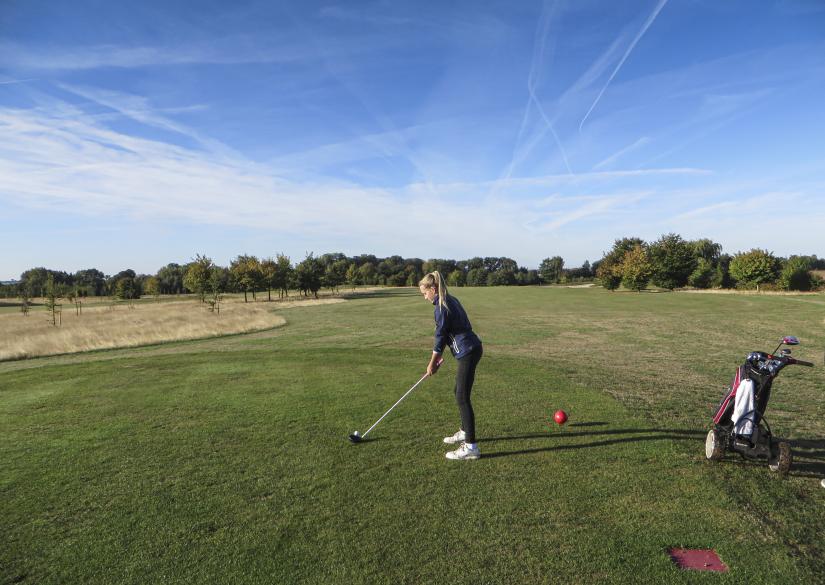
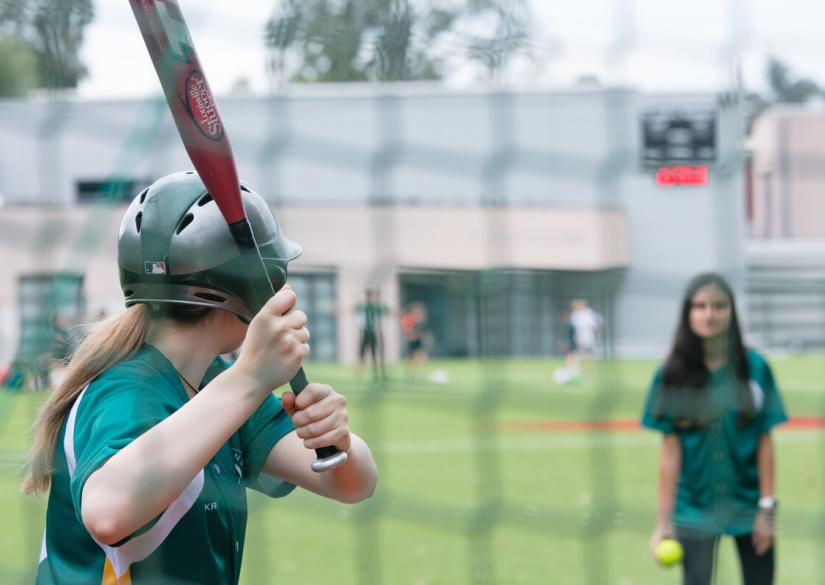
- Spring: golf, softball, tennis, soccer (girls), athletics.
National teams and individual students participate in intra- and interscholastic competitions, train at partner football, basketball, and golf clubs for additional skill growth and awards, as well as external funding. For example, the school's golf team cooperates with the Hulencourt Golf Club in preparation for participating in NECIS tournaments.
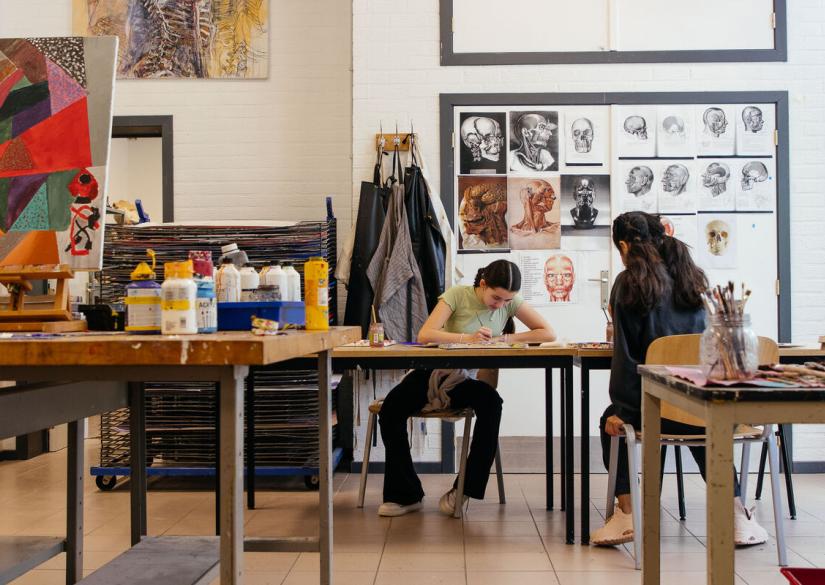
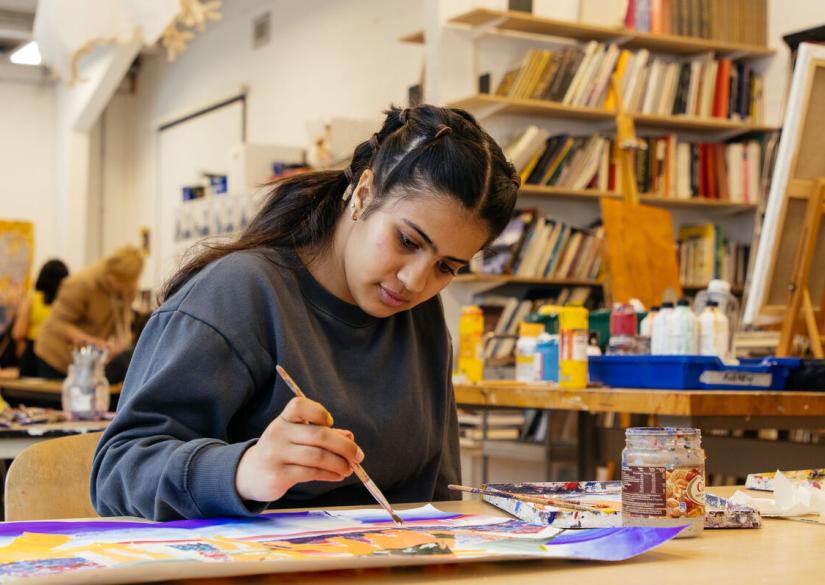
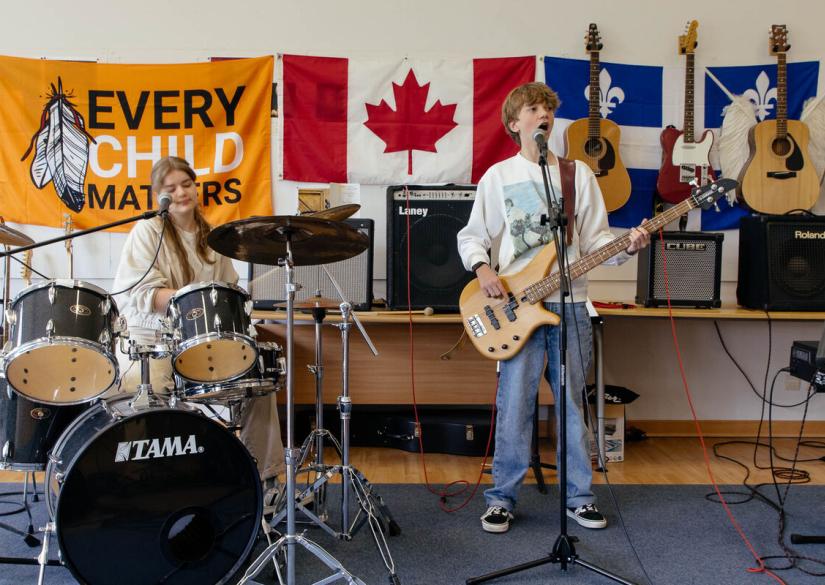
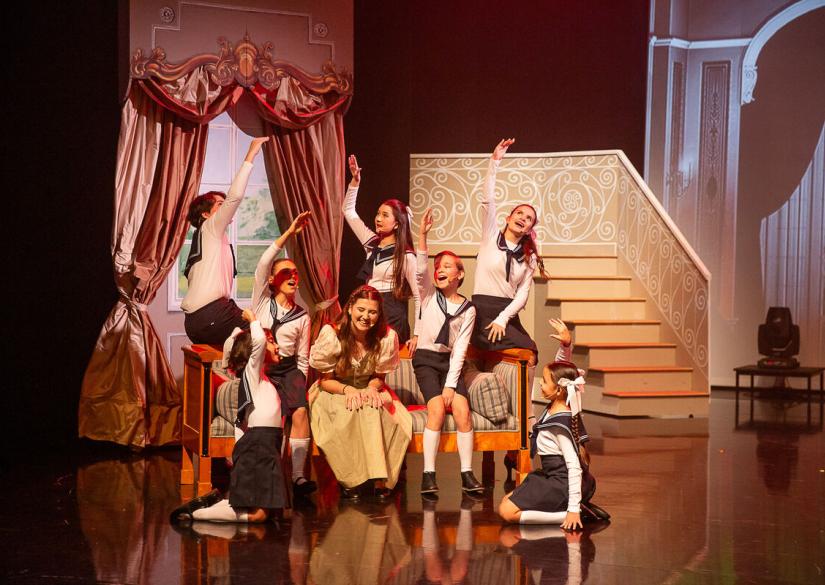
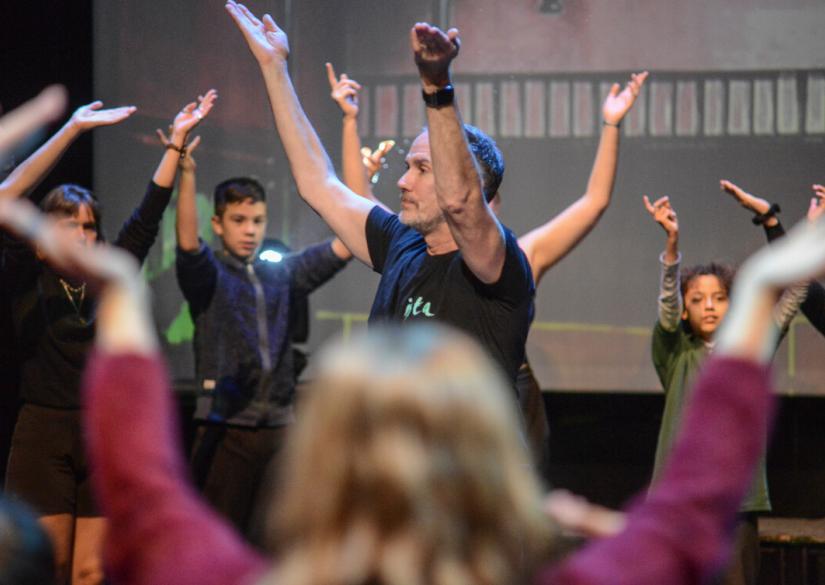
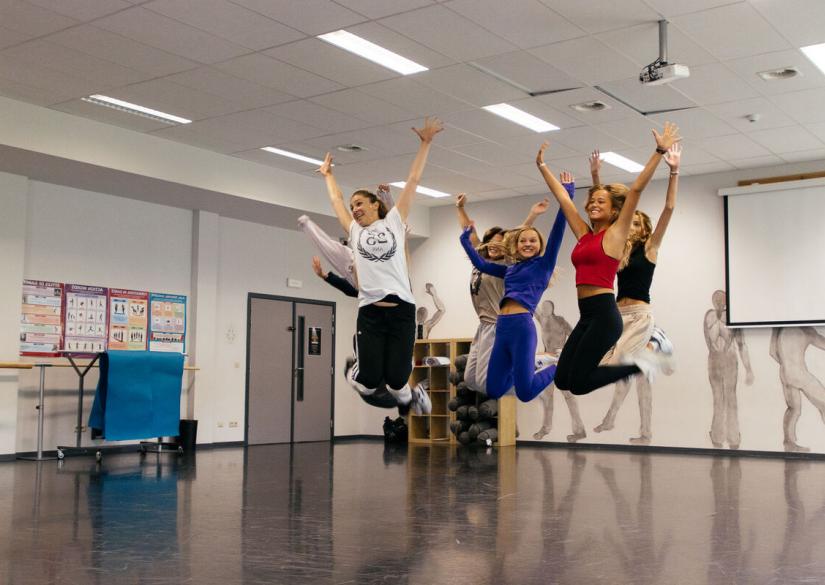
The second major area of extracurricular development is art: performing and visual. Throughout the year, the St. John's International School campus hosts theater productions, art performances, and music concerts attended by members of the drama club, the theater technology community, individual musicians playing various instruments, vocal groups, an orchestra, and dance groups. The theater community participates not only in school productions, but also travels outside Belgium to show the talent of St. Peter's students. Jonh's International School: Recent trips have included London and Geneva. Visual art is represented by dozens of clubs in painting, sketching, photography, sculpture and other fields, allowing students to develop fine motor skills and creativity, and implement ideas into award-winning projects. There is an exhibition gallery on campus that regularly presents outstanding works by students of all academic levels.
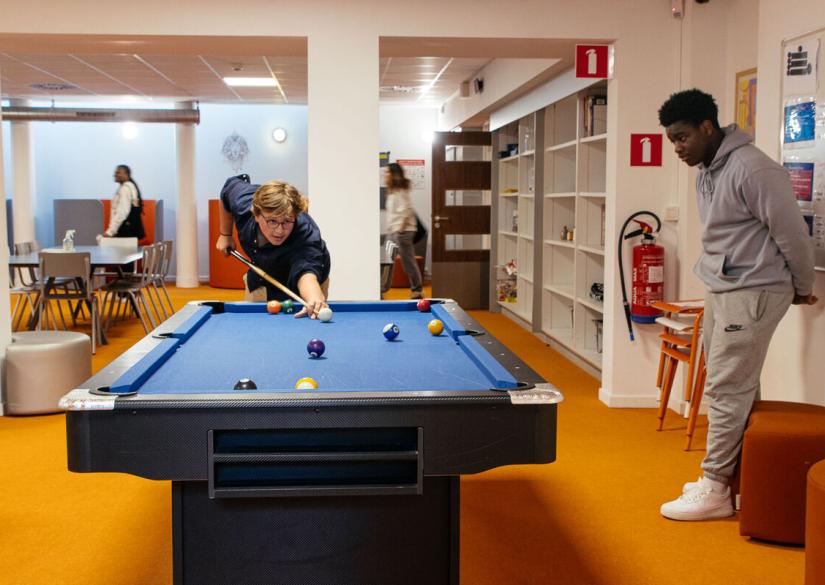
Students living in the residence participate in slightly more activities than full-time students. On weekends, they can take walks to the sights, cultural and entertainment venues of Waterloo: restaurants, shops, fairs. Sometimes students travel to other cities in Belgium, go karting, bowling, and sports matches of local clubs.
Advantages
- Accreditation for continuous teaching of the International Diploma program at all stages of education: preschool, primary, secondary and senior.
- Excellent final exam results: the average score reaches 36, which is the best indicator among schools in Belgium.
- The highest score here is 43, which can be boasted by rare institutions in the world (with a maximum of 45).
- The student community represents more than 65 nationalities.
- High school students can supplement the subject range of the international diploma program with Advanced Placement disciplines, which will expand their university admission opportunities.
- High percentage of enrollment in universities in the USA, Great Britain and other countries.
- Parallel learning of several languages, starting from the preschool department.
Facilities and equipment at St. John's International School
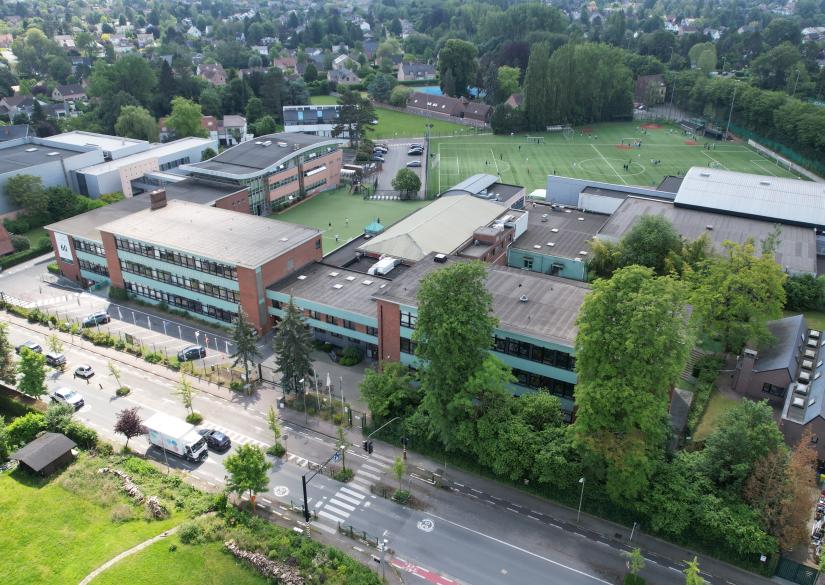
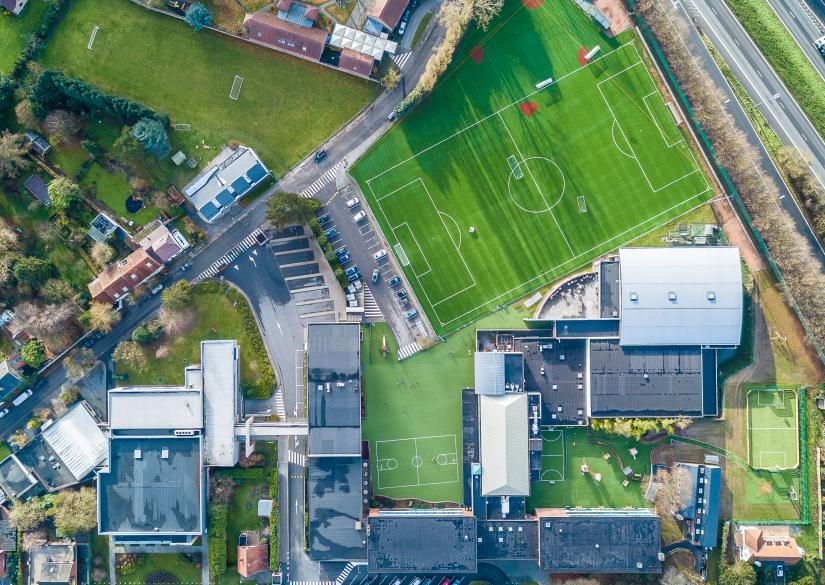
The St. John's International School is located a 15-minute drive from Brussels, in a residential area of the small town of Waterloo, occupies a vast green area with several buildings specialized for education of different age groups. The infrastructure includes:
- Classrooms with interactive equipment: Samsung whiteboards, document cameras, smart screens, sets of VR headsets,
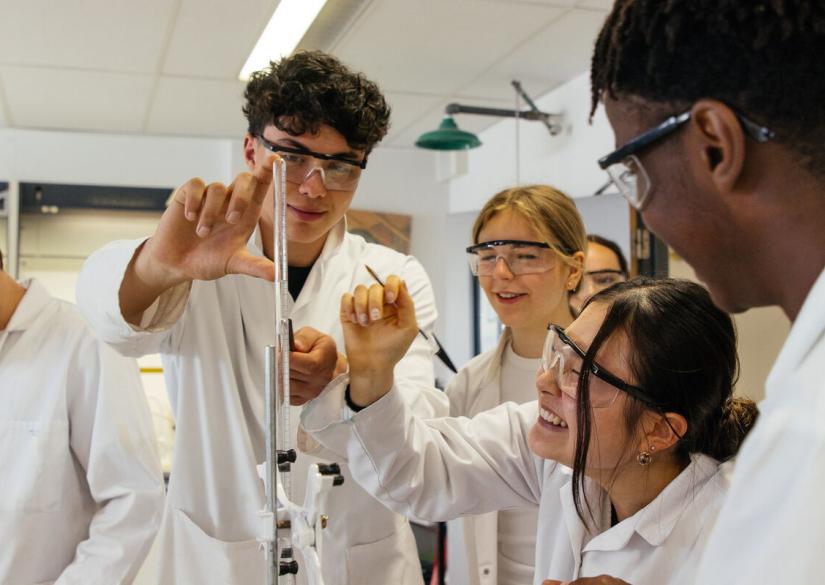
- Subject laboratories with specialized sets of resources and materials for practical studying,
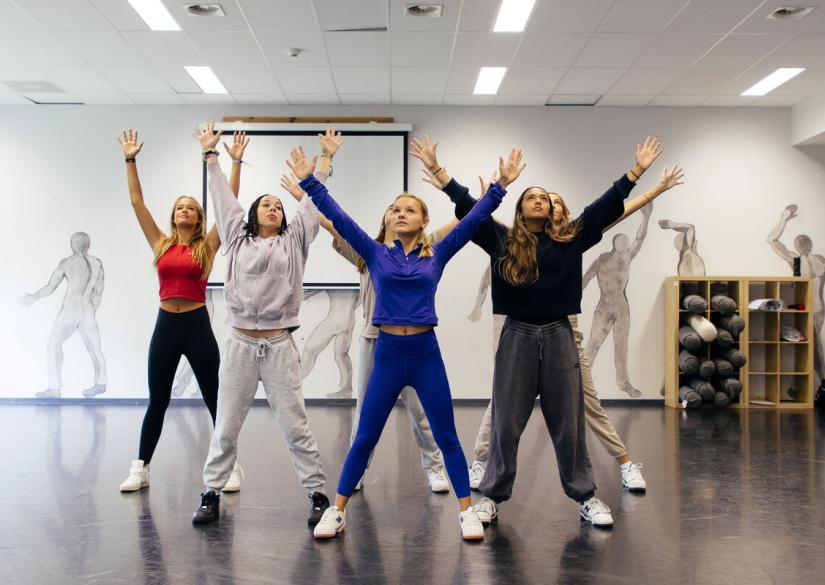
- Visual and performing arts studios: rehearsal and concert halls, painting, sculpture and modeling classrooms, dance studios and others,
- A theater hall with a capacity of up to 400 spectators: It is the largest school theater production facility in Brussels.,
- Visual Arts Exhibition Gallery,
- Two indoor sports arenas,
- Full-size soccer field with artificial turf,
- Softball and baseball field,
- Rock climbing complex,
- Two multifunctional playgrounds with a grass surface,
- Three tennis courts.
The Waterloo City Swimming Pool, located a short drive from the campus, is used for swimming classes.
St. John's International School cooperates with the SAM-Drive bus company, providing assistance in transporting children to classes and home. Minibuses (each with 8 seats) ensure safe travel not only within the residential areas of Waterloo, but also during excursions.
Admission dates and extra charges
The academic year lasts from the end of August to the middle of June. Academic classes and most extracurricular activities take place on weekdays: from Monday to Friday, and on weekends, holidays, and during seasonal vacations, students rest.
The cost already covers the cost of the CAT4 entrance test, most extracurricular development activities, and a full range of academic activities.
Additional expenses include:
- Registration, administrative fees and deposits,
- Accommodation, meals,
- Some extracurricular activities, field trips,
- Airport transfers,
- Extended day: additional care for younger students,
- School transfer,
- Final exams,
- EAL language support,
- Personal educational materials, textbooks,
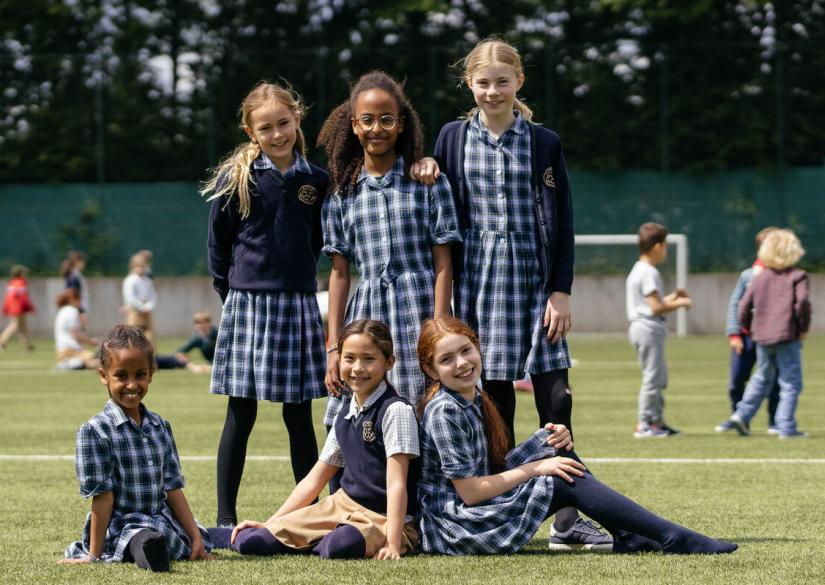
- School uniform,
- Personal expenses.
Extras:
- Application Fee 1000 EUR
Enrolment process
Before applying, the applicant's family can visit the campus or contact the staff online to get to know the faculty and get answers to their questions.
The admission process stipulates several stages:
- Filling out the registration form, providing the required documents,
- Passing entrance tests: interviews, tests in English, mathematics and CAT4,
- Receiving reception results.
Candidates are enrolled by the decision of the director, which is based on the applicant's previous academic achievements, the results of the entrance tests, and communication during the interview.
Perspectives
The outstanding results of the final exams allow the students of St. John of the International School will continue his studies at the best universities and colleges in the UK, USA, Germany, Belgium, Italy and other countries. In recent years, graduates of the school have entered institutions such as:
- Yale University,
- University of Cambridge,
- Trinity College Dublin,
- Cornell University,
- Queen Mary University of London,
- University of Oxford,
- University of Toronto,
- University of Reading,
- Georgia Institute of Technology,
- McGill University,
- Technical University of Munich,
- Hong Kong University of Science and Technology,
- Bocconi University,
- Le Roche International School of Hotel Management,
- The Massachusetts Institute of Technology.
Entry requirements, how to apply, what is required to enrol
For admission, prospective students must provide:
- Personal documents, including an identity card, visa or residence permit, medical certificates and insurance,
- Academic report cards for the last two academic years,
- A letter of recommendation from the previous place of study, a sufficient level of English proficiency if the candidate enters the 8th grade and older,
- Individual achievements, portfolio, special needs, if any.
Scholarships St. John's International School
Every year, St. John's International School awards two academic and one sports scholarship to particularly outstanding middle and high school students. The award covers up to 100% of the cost of the academic year.
In collaboration with dozens of international schools, St. John's International School implements the Nsouli Scholars Program, through which 50 students with outstanding academic achievements study abroad on full funding.
Literature and references

Institution on the map
Residence permits, citizenship and other services
- Guardianship services during the studies
- Student supervision
Review about St. John's International School
Recommendations on when to apply
| Language courses, schools and children's language camps | Primary and secondary education - private schools | Preparation programmes for entering universities - higher education | Higher education (after completing accredited programs A-level, IB, High School) - Bachelor, Master, MBA |
| - we recommend to apply 6-9 months before the start of the course (some camps and schools offer discounts for early booking or for lengthy study programs) - there are some very popular and high demand children's camps, where the applications need to be submitted 1 year in advance (in particular Switzerland , Great Britain , USA , Canada , Austria) | - we recommend to apply one year before the start of the training program, - some schools have a specific time frame (September-November - please specify an individual school) - some schools require tests in several stages (UKISET, internal tests of the school: English, mathematics, logics, subjects, interview, some require a personal visit) | - we recommend to apply one year before the start of the program, - for Foundation and Pathway programs, IELTS and TOEFL certificates are usually required, respectively | - recommended submission one year before the start of the program, - the deadline normally closes in January, for TOP HEIs and, as a rule, in March in other universities - for a bachelor, a Foundation or Pathway preparatory program a completed A-level, IB, High School + IELTS / TOEFL are required - for Masters you need a graduated higher education, in some cases you need a pre-Masters program - MBA requires completed higher education, work experience preferably at least 2-3 years, etc. |