St. Anthony's School for Boys, Private school St. Anthony's for Boys




Programs and prices, tuition fees in St. Anthony's School for Boys, Private school St. Anthony's for Boys


Nursery
- Students' age — from 2 to 4 years old.
The nursery opened in September 2023: there are around 30 children here, and the number is gradually growing.
The curriculum is based on the Early Years Foundation Stage requirements, combining adult-led activities and free play. Great emphasis is placed on speech and communication development, physical and emotional development. The nursery's goal is to help young children acquire fundamental skills, confidence, and prepare for the transition to school.
The nursery believes that parents are a child's first and most important teachers, so close collaboration is maintained with them. At the Early Years Centre, regular meetings and events take place where experiences are shared and children's development is discussed, including the «Learning in Nature» programme.
Children are welcomed from 8:00 a.m. to 8:30 a.m.: parents help them start the day calmly and say goodbye in the classroom. There are two groups:
- «Hedgehogs» (2–3 years),
- «Squirrels» (3–4).
Classes take place separately in new classrooms. Older children briefly join the school assembly at Junior House (Years 1–3) on Mondays.
The timetable includes a wide variety of activities: art, drama, French, phonics, mathematics, music, and physical education. Between lessons there are morning and afternoon snack breaks, and a spacious playground allows children to be active and play.
Lunch begins at 11:30: food is prepared in the school kitchen and brought to the nursery. The little ones eat at small tables. Each day, two main courses are offered, one of which is vegetarian, along with vegetables, bread, soup, and salads. Children are encouraged to try different dishes, and portions are topped up as needed.
Children can be collected at 12:30 p.m. (half-day session) or at 03:00 p.m. (full day). Parents come to the classroom and children say goodbye to the teacher. There are also additional sessions until 05:00 p.m., which can be booked on the same day.
Nursery pupils have priority when applying to St Anthony’s School for Boys, and with parental consent, automatically transition to the preparatory class.
Pre-Prep School
- Students' age — 4–7 years old.
The Junior House programme (preparatory course) at St Anthony’s School for Boys is designed to gradually foster in boys a love of learning and an interest in exploring new things. Teaching is structured so that even routine tasks are experienced as an engaging process, and achievements are always noticed and celebrated. By the end of the course, children develop the skills and confidence that help them succeed in their studies both in school and beyond.
The transition period is considered one of the most important stages. The programme is designed to support both academic and personal development. Key objectives:
- developing skills and knowledge in line with the Early Years Foundation Stage with a focus on speech and communication, physical development, personal, social and emotional development,
- building self-confidence and a healthy sense of self-esteem,
- developing warm and respectful relationships between pupils and teachers,
- creating a safe and comfortable environment where learning is enjoyable,
- working in partnership with parents to support children's development.
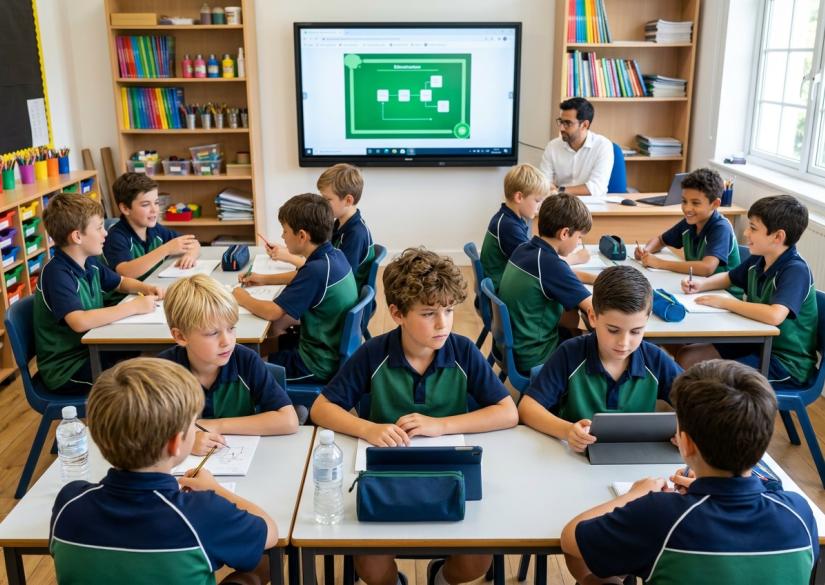
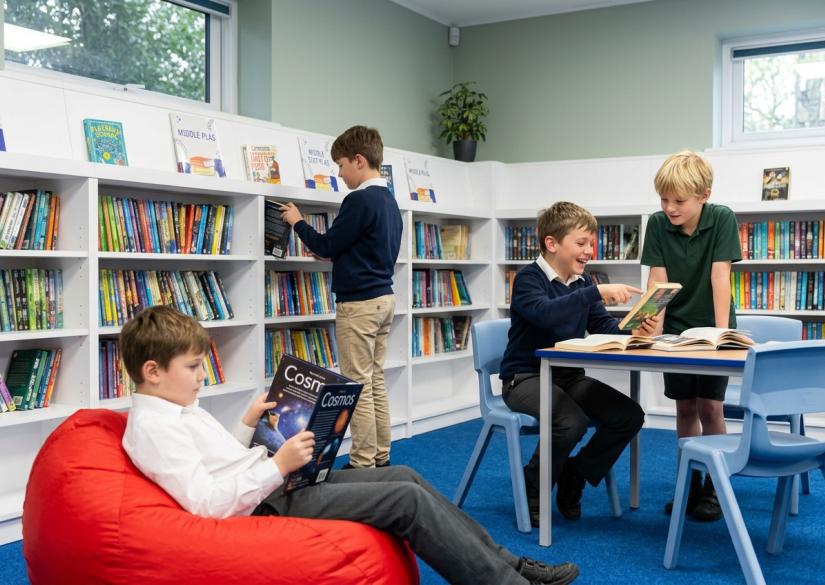
Pupils are given many opportunities for independent work and small group activities. Tasks are designed to each child's individual ability — for example, time is allocated twice a week for individual reading, which helps rapidly develop phonics and mathematics skills.
Physical activity also plays an important role. The preparatory school has 2 physical education lessons per week; in the first two year groups, a two-hour sports games lesson at Brondesbury and an additional physical education session are added each week.
Prep School
- Students' age — 8–13 years old.
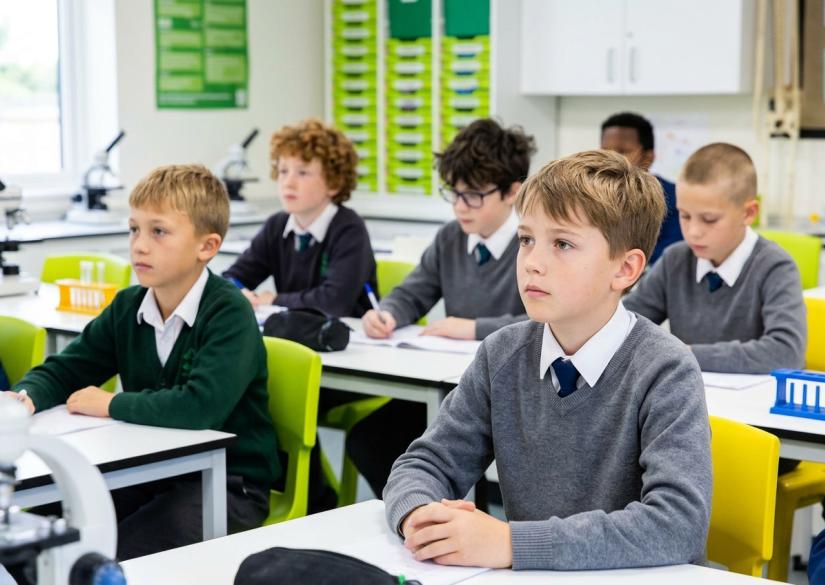
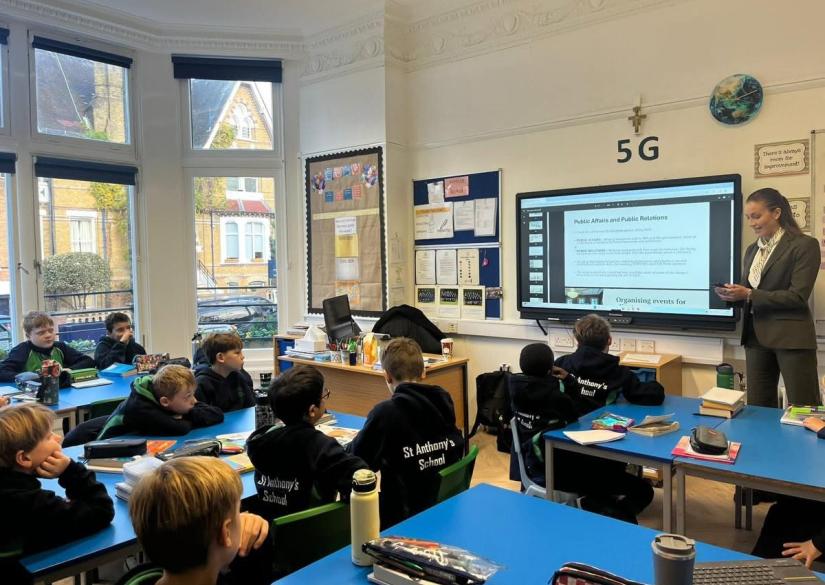
From Year 3 to Year 8, students at St. Anthony's School for Boys gradually encounter more challenging tasks and deeper subject content. The Prep School aims not simply to impart knowledge, but to foster in children a positive attitude towards learning and to sustain it throughout their studies — combined with a modern curriculum oriented towards the demands of the 21st century, this creates a solid foundation for further education.
Great emphasis is placed on collaborative learning — through group work, boys develop important skills:
- the ability to embrace challenging tasks rather than avoid them,
- the capacity to see connections between different subjects,
- critical and curious thinking instead of simply memorising ready-made answers.
Students learn to respect different perspectives and approaches to the same topics. At various stages of their education, they are encouraged to ask questions such as «To what extent can it be argued that…?» or «What might an alternative perspective look like…?» The curriculum incorporates intensive sessions for reflection and analysis of their own approaches, which helps them adjust their working methods and make progress more quickly.
Description of St. Anthony's School for Boys, Private school St. Anthony's for Boys
- Location: Hampstead, London, England,
- Year of foundation: 1952,
- Language of instruction: English,
- Type of education: for boys.
St. Anthony's School for Boys — this is a private IAPS preparatory school for boys aged 4 to 13. The school has a co-educational nursery for children from 2 to 4 years old.
The school is primarily Roman Catholic, but accepts students from a wide variety of families and religious backgrounds.
It is a member of the Independent Schools and Colleges Association and is part of the Inspired Education network.
Today, approximately 300 boys study here; upon completing their education at age 13, they typically continue their studies at independent schools in London.
Educational process
The curriculum of St. Anthony's School for Boys covers a range of subject areas, each overseen by its own head of department: linguistics, mathematics, natural sciences, technology, humanities and social sciences, physical education, aesthetics and creative arts. As the school is Catholic, approximately 10% of teaching time is devoted to religious education, which includes liturgy, the study of Scripture, and the history of the Church.
Mathematics is treated here as a subject connected to many other disciplines; it helps develop problem-solving skills that are useful not only in academic study but also in everyday life. Resources from NRICH and UKMT are used, offering challenging and enriching tasks. Pupils prepare for 11+ tests and 13+ examinations, including entrance and scholarship assessments.
In the early stages (Key Stage 1 and 2), teaching is based on the national curriculum with an emphasis on deep understanding rather than rapid progression to more advanced topics. In Years 4 and 5 the pace accelerates, allowing Year 6 to be used calmly for revision and preparation for the 11+ exams. At Key Stage 3, the ISEB programme is used, where pupils tackle more challenging problems and may already be eligible for scholarships.
English helps pupils engage with different cultures, perspectives, and text genres. Critical reading and confident expression are developed; in the early stages, great emphasis is placed on writing and comprehension through a phonics programme. Boys gradually master grammar and punctuation and learn to write for a variety of purposes: from popular science blogs to creative pieces inspired by paintings, history, and other themes. The main goal is for writing to become a clear, confident, and lively skill.
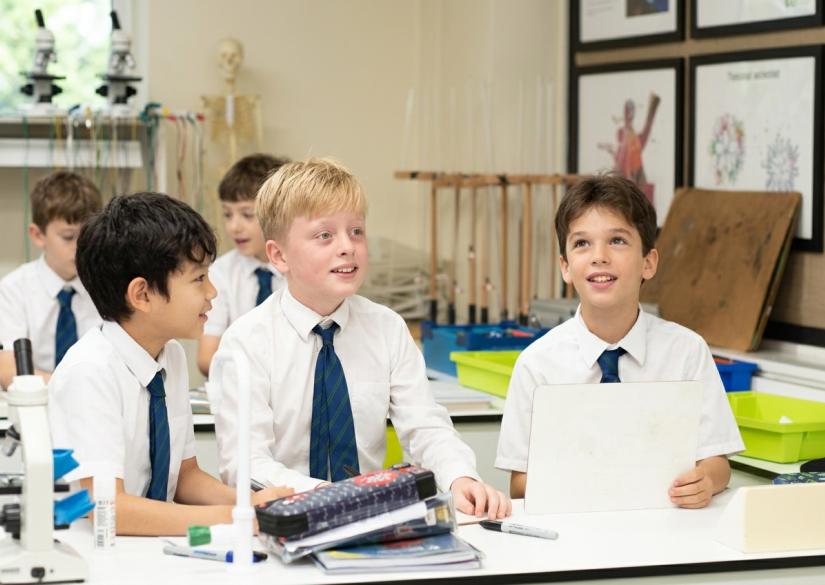
As pupils move into the lower years of Key Stage 2, they begin working in the science laboratory in the senior school building — here, equipment is available that helps deepen understanding of the natural sciences: pupils use Bunsen burners, study fossils, examine skin cells under an electron microscope, and carry out other experiments.
From Year 1 to Year 8, boys study the humanities, including religious studies, geography, and history: all of these subjects help develop a better understanding of the world and encourage reflection on people and society. Digital literacy is also included in the programme. The humanities block is aimed not only at building knowledge but also at fostering curiosity, empathy, and the ability to contribute to society.
Music, visual arts, design, and drama are studied as separate subjects throughout the school, but together they are united within the creative arts department, which helps develop imagination, confidence, and self-expression skills. Pupils from Year 1 to Year 8 maintain a creative portfolio in which they collect their musical, artistic, and theatrical work.
From Year 3, boys and their parents are introduced to the Atom Prime platform, which is used to develop verbal and non-verbal reasoning skills and is considered one of the key tools in preparation. In Years 4–5 and during the autumn term of Year 6 (when assessments take place), work with ATOM continues, and teachers regularly set tasks through this platform.
The learning support department works alongside teachers and form tutors to identify difficulties, monitor progress, and set clear targets. Pupils are regularly given feedback on their achievements in an accessible format, so that they have a clear understanding of their own learning journey.
Scientific achievements
Students of St. Anthony's School for Boys regularly achieve excellent results in national mathematics olympiads for primary and secondary school. Each year, several participants advance to the next levels — Bonus, Kangaroo and Olympiad — and receive awards and prizes for their achievements. One of the most recent accomplishments was first place at the Brighton College Maths Competition.
Things to know about
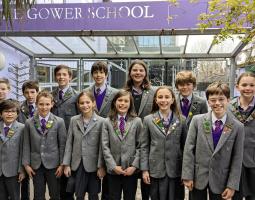
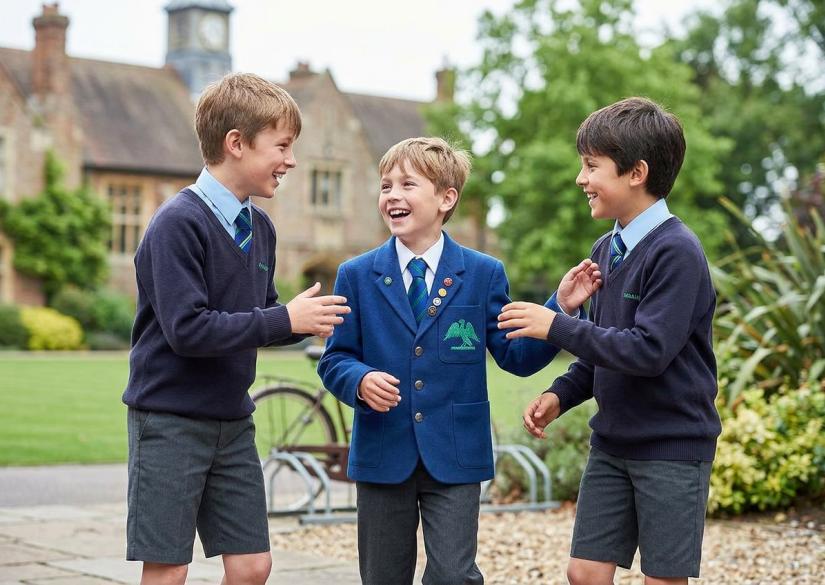
- Students of St. Anthony's School for Boys proudly wear the school uniform — it helps them feel part of a shared community. It is important that every student is neatly dressed and follows the uniform rules. The set includes a logo coat, a hat, a striped scarf, a school blazer, a sweatshirt, a V-neck jumper, a polo shirt, shirts, a tie, trousers or shorts, and socks. The uniform can be purchased on the Uniform4Kids website, at second-hand uniform sales organized by parents.
- The founder of St. Anthony's was Richard Patton — a former naval officer who served in Arctic convoys during World War II. After his death in 1963, leadership of the school passed to his son Tim Patton — it was he who shaped its modern character and reputation, bringing his own style and approach.
- There is an illustrated history of the school that provides a detailed and vivid account of the institution from its founding to the present day. The book is based on archival materials and contemporary photographs and shows various aspects of school life — both past and present.
Accommodation, meals, prices
Catering at St. Anthony's School for Boys is organized by Thomas Franks Ltd. Experienced chefs prepare a variety of delicious meals so that students always have a choice; the menu always includes hot dishes, including those inspired by cuisines from different countries. Only fresh local ingredients are used, and the dishes are designed with a busy school day in mind. Nutrition specialists together with Thomas Franks chefs ensure that the food is not only tasty but also balanced, sustains energy, and suits the active rhythm of studying and development of the students.
Activities St. Anthony's School for Boys, Private school St. Anthony's for Boys
Extracurricular life is an important part of studying at St. Anthony's School for Boys. There is a wide range of activities to suit every interest: sports, arts, theatre, and much more.
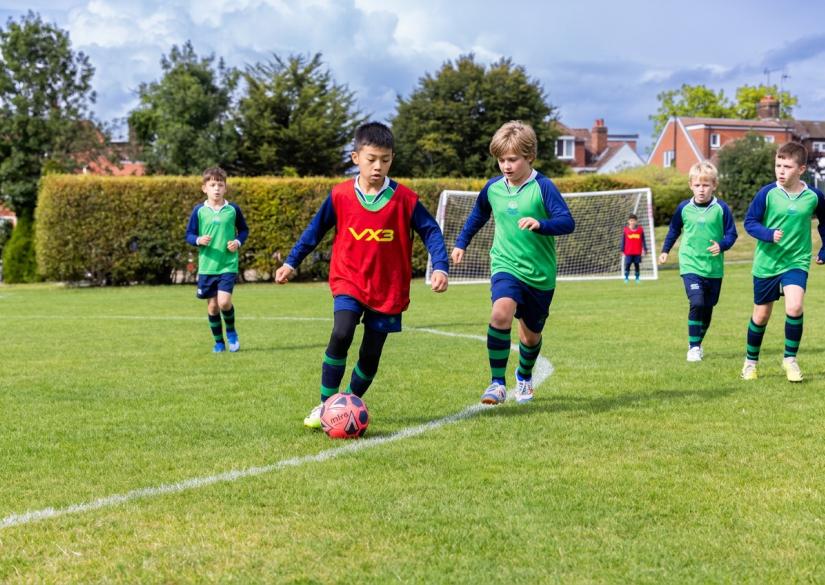
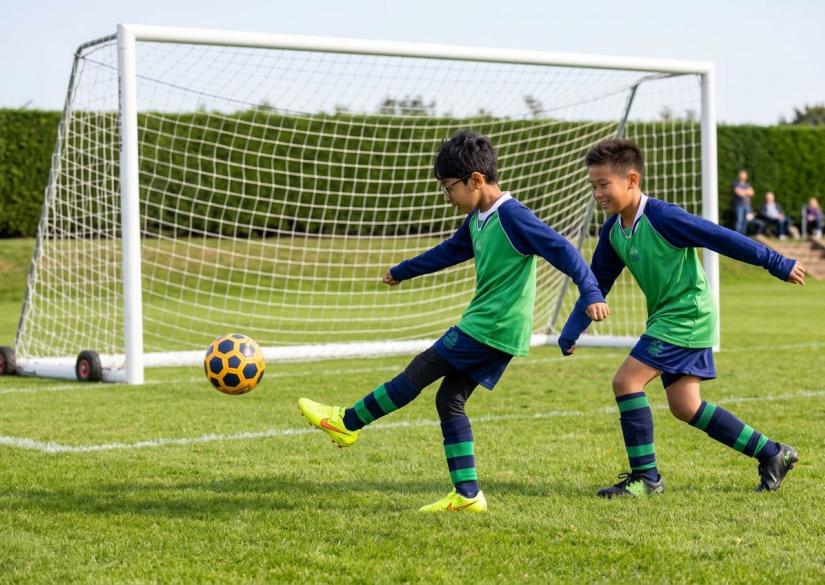
In addition to PE, swimming, and games on the timetable, sport is present almost every day. Sports clubs run year-round before and after school on the premises: pupils can try football, rugby, cricket, table tennis, basketball, swimming, and dance. St. Anthony's principle is «Sport for All», so every pupil from Year 4 to Year 8 takes part in competitions against other schools.
Sporting achievement is genuinely valued here. The boys perform well in both team and individual sports: recent successes include a national sailing championship, victory in the Bedford School Sixes Bowl cricket tournament, reaching the final of the IAPS national table tennis tournament, regular wins in the under-elevens cross country, reaching the final of the ISFA regional football tournament, and gold medals at the IAPS athletics competition.
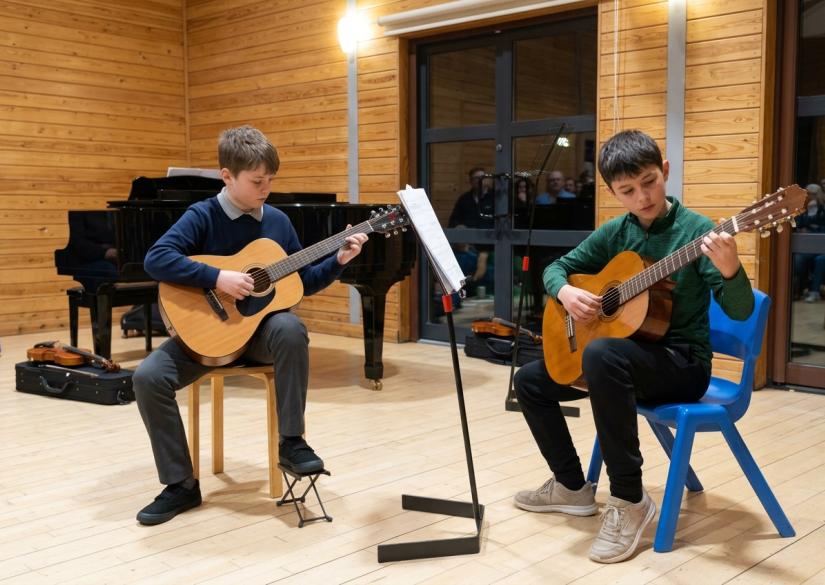
Music also plays an important role. There are several choirs, including a mixed choir where boys perform choral and polyphonic music during Holy Mass. Individual instrument lessons are available, and teachers prepare pupils for ABRSM practical and theory examinations. Many pupils sit their theory exam by Year 5 and then continue practical preparation in Years 6–8.
In addition, art and drama clubs are available. The drama programme offers the opportunity to take part in both formal productions and more informal creative projects. The after-school drama club is popular, and LAMDA classes are led by a visiting specialist. Senior pupils can write their own scripts, direct and film productions, and work alongside students from the neighbouring girls' school.
Additional academic activities take a variety of formats: from maths clubs for competition preparation to individual support in core subjects. For some pupils, sessions are provided to prepare for senior school entrance examinations.
St. Anthony's supports Catholic families who wish to raise their children in the faith. Regular whole-school and class assemblies are part of daily life, including prayers, hymns, and reflections led by teachers and sometimes the pupils themselves. Holy Mass takes place once a term.
Advantages
- At the heart of education at St. Anthony's School for Boys is a balance between a rigorous academic program, creative development, and pastoral care. The core idea is that happy students learn better. Attention is given to every child regardless of their level of preparation.
- All lessons are designed so that students not only master the curriculum but also develop a deeper understanding of key topics. Skills are developed that help students succeed academically and later tackle a wide range of challenges in life.
- A rich extracurricular program gives students of varying abilities the opportunity to try themselves in sports, music, theater, and other areas; many of them get the chance to perform and compete at city and regional levels.
- Thanks to the Inspired network, which unites 121 schools across six continents, students gain access to international opportunities: summer camps, exchange programs, sports projects, and joint academic initiatives. Secondary school students can automatically continue their education at any Inspired network boarding school worldwide — in Europe, Africa, Asia, the Middle East, and South and Central America — all featuring modern infrastructure.
- Full-time teachers are carefully selected; they are experienced specialists with high level education who not only know their subjects well but also know how to engage and inspire students.
- From the fifth grade onward, lessons are taught by subject specialists: they help students delve deeper into each discipline and share their passion for the subject, strengthening children's motivation.
- St. Anthony's School for Boys also works with external specialists, including educational psychologists. Speech therapists and occupational therapists regularly visit the school for individual sessions and consultations with teachers. The educational staff also continuously undergoes educational process to better understand special educational needs and modern approaches to learning.
- The maximum number of students per class is 23.
Facilities and equipment at St. Anthony's School for Boys, Private school St. Anthony's for Boys
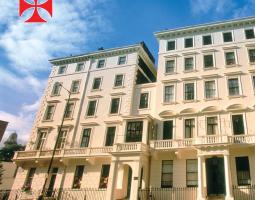
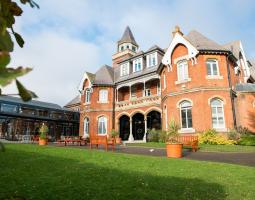
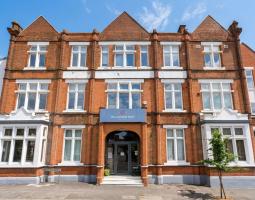
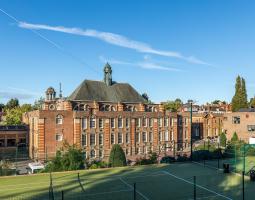
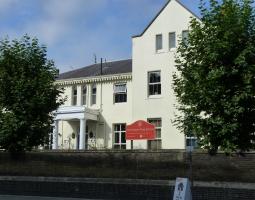
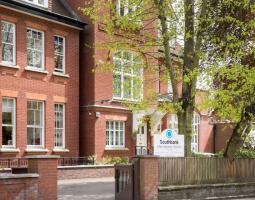
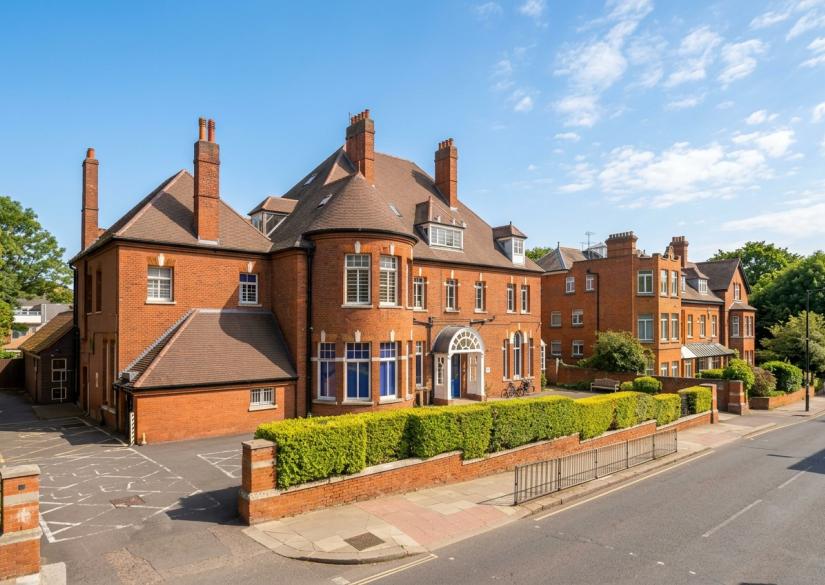
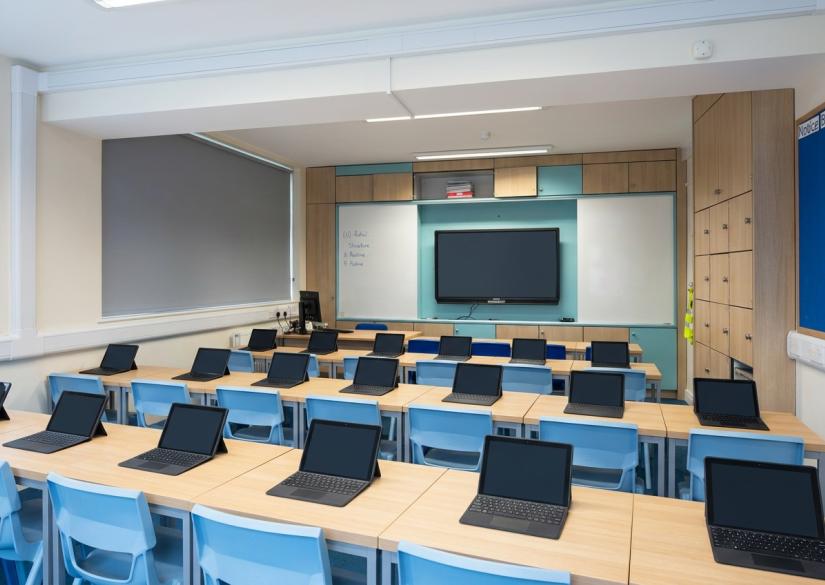
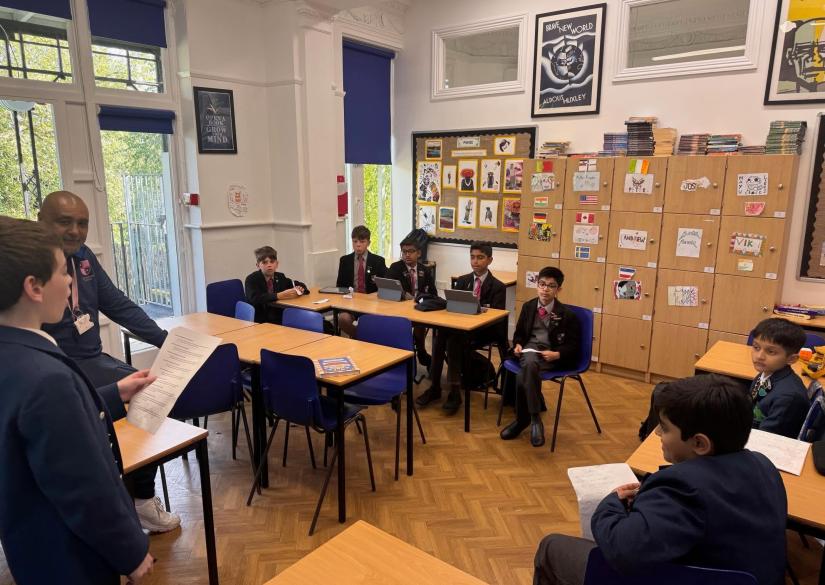
St. Anthony's School for Boys is located in the heart of Hampstead and consists of two buildings: the junior school is housed in a separate mansion, while the senior school occupies a spacious Victorian villa that previously served as an ambassador's residence. This combination of historic architecture and modern learning spaces creates a cozy and inspiring environment for the education and development of boys.
The grounds feature a renovated swimming pool measuring 12×6 metres, two playgrounds marked out for football, cricket, and basketball. Physical education takes place in a covered multi-purpose hall, which also hosts dance, fitness and gymnastics lessons, lunches, and weekly assemblies. The school's main sports facility is the Brondesbury Cricket Club. Located approximately ten minutes away by bus, it offers a wide range of sports facilities:
- 6 football and rugby pitches for U11,
- 2 football and rugby pitches for U13,
- 2 cricket grounds,
- 3 artificial cricket nets,
- 7 tennis courts,
- 2 squash courts,
- a 400-metre running track.
There are also areas for high jump, long jump, and javelin throwing.
The senior school grounds feature a spacious lawn where pupils can relax and play during their free time.
Admission dates and extra charges
The academic year at St. Anthony's School for Boys is divided into 3 terms:
- Christmas (autumn) — September–December,
- Easter (spring) — January–March,
- Summer — April–July.
Enrolment process
The admission process at St. Anthony's School for Boys:
- First, an online form is filled out, after which the registrar gets in touch to arrange a tour (if possible). Families are invited to an Open Day, where they can get acquainted with the learning center and meet with the principal.
- Next, the child is registered and the registration fee is paid. It is recommended to register a boy for nursery (from age two) or primary school (from age four) as early as possible — even right after birth.
- For children aged four to seven, an additional assessment in the form of tests and interviews is usually conducted. If the child is offered a place in the nursery, an official offer arrives requesting a non-refundable deposit. For children aged 4–7, results and offers are sent within two weeks of the assessment.
Perspectives
Almost all English-language senior schools now require verbal and non-verbal reasoning tests for admission, which is why St. Anthony's School for Boys places great emphasis on preparing for such assessments well in advance. Preparation begins as early as Year 3, so that pupils gradually become familiar with the format and feel more confident.
St. Anthony's supports pupils and families throughout the senior school admissions process for the 11+ and 13+ programmes. The primary goal is to help each child find the school that suits them best. Most boys go on to leading day schools and boarding schools in London:
- Westminster,
- St. Paul's,
- City of London School,
- UCS,
- Habs,
- Merchant Taylors' School,
- Highgate,
- Eton College,
- Harrow School,
- Winchester College,
- Wellington College,
- Mill Hill School,
- Wetherby Senior,
- Aldenham School,
- St. Albans School.
Institution on the map
Residence permits, citizenship and other services
- Guardianship services during the studies
- Student supervision
Review about St. Anthony's School for Boys, Private school St. Anthony's for Boys
Recommendations on when to apply
| Language courses, schools and children's language camps | Primary and secondary education - private schools | Preparation programmes for entering universities - higher education | Higher education (after completing accredited programs A-level, IB, High School) - Bachelor, Master, MBA |
| - we recommend to apply 6-9 months before the start of the course (some camps and schools offer discounts for early booking or for lengthy study programs) - there are some very popular and high demand children's camps, where the applications need to be submitted 1 year in advance (in particular Switzerland , Great Britain , USA , Canada , Austria) | - we recommend to apply one year before the start of the training program, - some schools have a specific time frame (September-November - please specify an individual school) - some schools require tests in several stages (UKISET, internal tests of the school: English, mathematics, logics, subjects, interview, some require a personal visit) | - we recommend to apply one year before the start of the program, - for Foundation and Pathway programs, IELTS and TOEFL certificates are usually required, respectively | - recommended submission one year before the start of the program, - the deadline normally closes in January, for TOP HEIs and, as a rule, in March in other universities - for a bachelor, a Foundation or Pathway preparatory program a completed A-level, IB, High School + IELTS / TOEFL are required - for Masters you need a graduated higher education, in some cases you need a pre-Masters program - MBA requires completed higher education, work experience preferably at least 2-3 years, etc. |