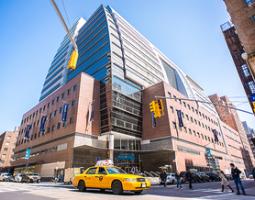
Princeton University


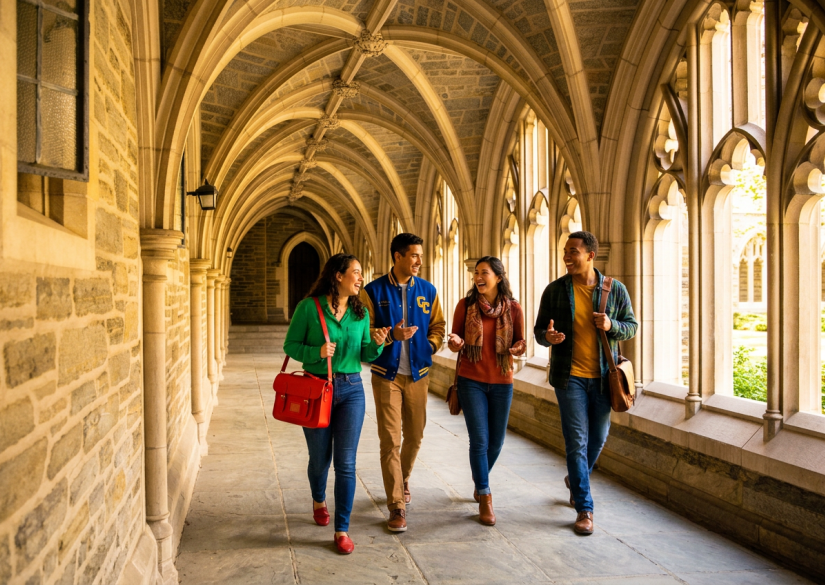

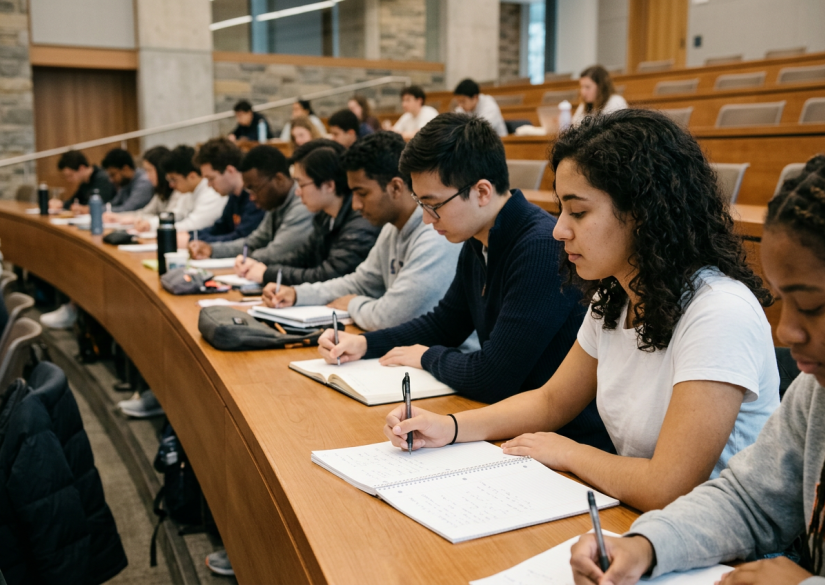


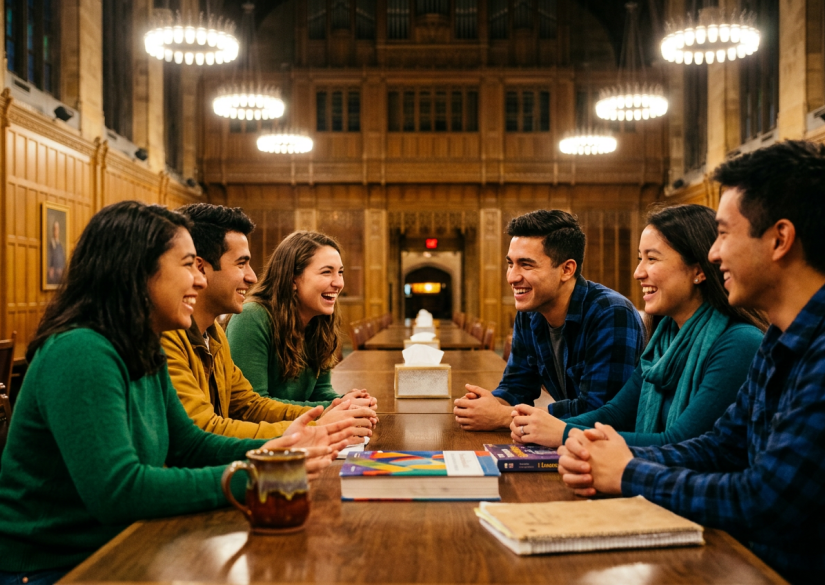



Programs and prices, tuition fees in Princeton University


Short information about integrated four-year program of basic higher education in the field of science and arts, engineering.
The undergraduate program is available in two ways:
- Engineering. Specialists are studied in the departments of chemical, financial technologies, ecology, operating systems, mechanics, aerospace technologies, computer science, municipal economy, electrical engineering.
- Science and Art (Anthropology, Architecture, Art and Archeology, Astrophysics, Chemistry, Ancient Studies, Comparative Literature, Computer Science, East Asian Studies, Ecology and Evolutionary Biology, Economics, English, German, Portuguese, Spanish and Italian languages, geology, history, mathematics, molecular biology, music, Middle Eastern studies, philosophy, physics, politics, psychology, religion, Slavic languages and literature, sociology, public administration of international relations).
In addition to the academic degree, students are given the opportunity to obtain a professional certificate.
The learning process takes place according to the classical scheme: the first courses are mainly studying theory, the third and fourth focuses on specialization.
- Student age: 18+
- Start dates: annually in September.
- Requirements for enrollment: A-level, IB, AP, graduation for the last half-year, TOEFL 108 or equivalent, SAT (2090 - 2360) / ACT (31 - 35), academic recommendations, SAT Subject Test, portfolio (for creative specialties).
- The result of studying: Bachelor's degree, career prospects in the USA, the possibility to continue studying at a magistracy in Princeton or any other prestigious university in America, the world.
Short information about postgraduate program for those who want to study the disciplines of the chosen direction more deeply.
About the program: the course is designed for 2-3 years (depending on the specialty). Masters in Princeton are studied in 4 faculties:
- Woodrow Wilson School;
- Engineering;
- Architectural;
- Applied Sciences.
The master's program is practice-oriented. The students are offered theoretical modules, internships in profile organizations and university laboratories, sections, academic communities.
- Students age: 21+
- Start dates: annually.
- Requirements for admission: Bachelor's degree, 3 academic recommendations, TOEFL ibt 108, GMAT / GRE results, summary, essay, motivation letter, confirmation of financial solvency (possibility to pay for a master's degree).
- The result of the studying: master's degree in the chosen specialty, great career prospects in Britain and other countries (the diploma of the school is recognized by all developed countries of the world).
Description of Princeton University
The private American Princeton University is one of the most prestigious in the world. It is also one of the oldest universities in USA. Princeton is the undisputed leader of national rankings, it occupies the 13th place in the international educational arena. Princeton University is known as a research center of world significance. Scientists of Princeton made many discoveries in modern science.
The University belongs to the Ivy League, offers its students a high-quality, practical-oriented education and a great career prospects. Princeton is located in one of the most beautiful places in New Jersey, on the shores of Lake Carnegie near the Harrootown forest, Marquand Park, Raritan and Delaware canals.
A distinctive feature, besides the academic level and prestige, is a rich social life. Particular attention is paid to the physical development of students, excellent conditions have been created for practicing a variety of sports.
Faculties and colleges
Undergraduate programs cover a wide range of areas of study, for example: African American Studies, African Studies, American Studies, Anthropology, Applied and Computational Mathematics, Arabic Language, Architecture, Architecture and Engineering, Art and Archaeology, Asian American Studies, Astrophysical Sciences, and others.
- Architecture — an undergraduate program with an interdisciplinary approach within the liberal arts framework. The graduate program offers professional and post-professional tracks with an emphasis on architectural design. The doctoral program focuses on the history, theory, and criticism of architecture, urbanism, landscape, and building technology.
- Art and Archaeology — undergraduate programs include art history and studio arts, with an undergraduate minor in archaeology. The graduate program prepares students for teaching and research positions at universities, curatorial work at museums, and other careers in the visual arts.
- Applied and Computational Mathematics — a minor for undergraduates from engineering, natural sciences, social sciences, and the humanities. At the graduate level, the program provides in-depth knowledge of areas of mathematics essential for science and engineering, including numerical analysis.
- Engineering Studies — engineering programs are designed so that students solve problems and understand which problems matter, with an emphasis on fundamental engineering principles and their connection to society.
Things to know about
More than 40% of Graduate School (postgraduate) students at Princeton are citizens of other countries.
Accommodation, meals, prices
Students are offered accommodation in one of 6 comfortable residences. Each of them has cozy furnished rooms, dining rooms, rest rooms, self-studying, gyms. The residences have their own rules of conduct, traditions. On the basis of each pass various creative, sporting events.
Students are not provided with food. For self-service in residences all conditions are created. You can also eat in cafes and canteens on campus (for an additional fee).
Subjects, specialties
Activities Princeton University
The extra-curricular program of the university is rich and interesting: there are more than 200 thematic clubs, 35 sports sections. There are 38 university teams and up to 300 team competitions per year.
Students are given an opportunity to develop their talents in after-hours. The most popular is theater, music, dance direction. Also, many students are engaged in journalistic, literary circles.
Thematic exhibitions at the University Museum are offered to students. Also part of the extracurricular program are master classes, seminars and other events.
Students can spend their days off on excursions to New Jersey. The staff will be especially interesting for eco-rest lovers.
Daily routine
The schedule of classes depends on the course and direction of the program. Students are offered mainly morning and afternoon classes.
Advantages
- Princeton is a higly ranked university in America, it is attractive for foreign students to get an education corresponding to international standards, to gain advantages over other specialists in job search (university diplomas are highly appreciated by employers in various fields of activity).
- Several faculties have the status of best in America. In particular, it concerns university schools of history and psychology.
- Students, teachers, graduates of the university regularly receive national awards in various academic fields. This indicates the level of their professionalism, orientation to active development.
- Innovative campus with developed infrastructure is created. There is everything for studying, recreation, entertainment, sports, comfortable living.
- Education in Princeton is a guarantee of a successful career. More than 90% of graduates of the university find prestigious work in the first six months after receiving the diploma.
Facilities and equipment at Princeton University
The campus covers an area of 500 acres. It houses 180 buildings. In the educational buildings for students, modern audiences, laboratories, computer and media centers are opened, access to the Internet is organized. Also there are zones for rest and food (cafeterias, student living rooms, kitchens with snack machines).
Sports and entertainment infrastructure of the university is represented by many objects. On the territory there are centers of creativity, theaters, concert halls, sports complexes, playgrounds, courts and fields.
The infrastructure of Princeton University also includes a museum with more than 7000 exhibits.
Admission dates and extra charges
Financial aid documents are accepted by the following deadlines depending on the application type:
- Early Action — November 9,
- Regular Decision — February 1,
- Transfer Program — March 9.
By the same dates, the applicant's parents' tax return and W-2 forms must also be submitted, along with the non-custodial parent form (or a waiver request).
Enrolment process
Admission decisions for doctoral programs are made by faculty in the chosen research area, while the Graduate School coordinates the process and sets minimum admission requirements. Smapse specialists will provide support at all stages of the application process.
Perspectives
Financial support allows students to focus on their studies. Upon graduation, Princeton alumni successfully build careers in academia, public administration, non-profit and corporate sectors.
Entry requirements, how to apply, what is required to enrol
- If English is not the applicant's native language and they attended a school where English was not the language of instruction, it is necessary to provide results of an international English language test (e.g., TOEFL or PTE Academic) in addition to SAT or ACT scores.
- Undergraduate admission is centralized: the applicant submits an application to the university, not to a specific faculty or program. Applications are reviewed equally regardless of citizenship or country of residence.
- The application for master's and PhD programs is the same for US citizens, permanent residents, and international applicants.
- Master's and doctoral applicants must demonstrate a level of oral English proficiency sufficient for full participation in classes, research, presentations, team project work, and teaching undergraduates.
Scholarships Princeton University
Princeton's financial aid program is recognized as one of the most generous in the country; admission to the university is need-blind, and if an applicant is offered a place, the university covers 100% of the demonstrated financial need through grant aid. On average, the grant covers 100% of tuition costs. Princeton is one of the few universities in the country that applies a uniform financial aid policy to international students: the full need of all admitted international students is met in the same way as for U.S. students, and a family's ability to pay does not affect the admissions decision. Financial aid for international students is based solely on need — Princeton does not offer academic or athletic merit scholarships, only need-based aid.
The university uses its own simplified formula to determine a family's ability to pay for education; the no-loan policy replaces student loans with grant aid that does not need to be repaid. Since 2001, grants have replaced student loans in the financial aid package for all aid recipients; the financial aid application (PFAA) is free and straightforward for both U.S. and international applicants. Princeton was the first university in the country to eliminate loans entirely from its financial aid packages. Undergraduate financial aid covers the full cost of attendance (including housing, meals, books, and personal expenses) for most families with incomes up to $150,000 per year; most families with incomes up to $250,000 pay nothing for tuition at all.
89–90% of recent graduates completed their studies debt-free (according to data from various admissions office pages); 69% of students in a recent entering class received financial aid. Financial aid is awarded solely on the basis of student need and is determined individually based on family resources; undergraduate students must apply for financial aid each year, with the university covering the full demonstrated need every year (the amount of aid may vary depending on the family's financial situation and the cost of attendance).
Graduate students regularly enrolled in a PhD program are guaranteed funding for all years of study, provided they maintain satisfactory academic progress; support for PhD students may include fellowships, assistantship positions, external funding, and travel grant support. Funding for master's students varies by department; they may also receive research and teaching assistantship positions.
Institution on the map
Residence permits, citizenship and other services
- Guardianship services during the studies
- Student supervision
Review about Princeton University
Recommendations on when to apply
| Language courses, schools and children's language camps | Primary and secondary education - private schools | Preparation programmes for entering universities - higher education | Higher education (after completing accredited programs A-level, IB, High School) - Bachelor, Master, MBA |
| - we recommend to apply 6-9 months before the start of the course (some camps and schools offer discounts for early booking or for lengthy study programs) - there are some very popular and high demand children's camps, where the applications need to be submitted 1 year in advance (in particular Switzerland , Great Britain , USA , Canada , Austria) | - we recommend to apply one year before the start of the training program, - some schools have a specific time frame (September-November - please specify an individual school) - some schools require tests in several stages (UKISET, internal tests of the school: English, mathematics, logics, subjects, interview, some require a personal visit) | - we recommend to apply one year before the start of the program, - for Foundation and Pathway programs, IELTS and TOEFL certificates are usually required, respectively | - recommended submission one year before the start of the program, - the deadline normally closes in January, for TOP HEIs and, as a rule, in March in other universities - for a bachelor, a Foundation or Pathway preparatory program a completed A-level, IB, High School + IELTS / TOEFL are required - for Masters you need a graduated higher education, in some cases you need a pre-Masters program - MBA requires completed higher education, work experience preferably at least 2-3 years, etc. |