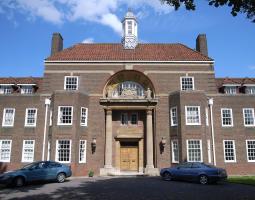
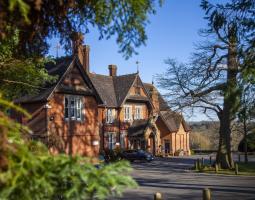
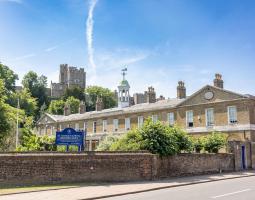
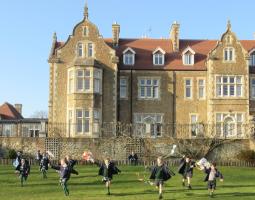
Papplewick Private School for Boys







Programs and prices, tuition fees in Papplewick Private School for Boys


Grades 2-4
- Age of students – 6-9 years,
- The duration of studying is 3 years.
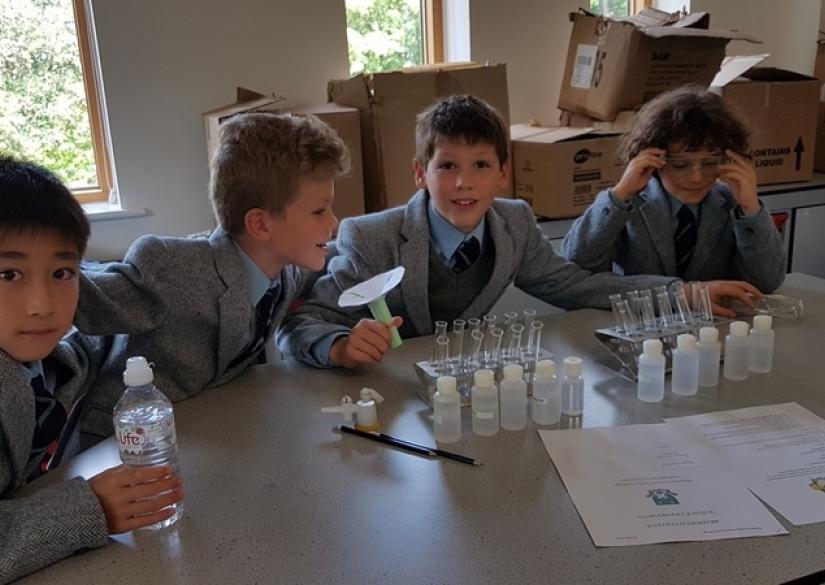
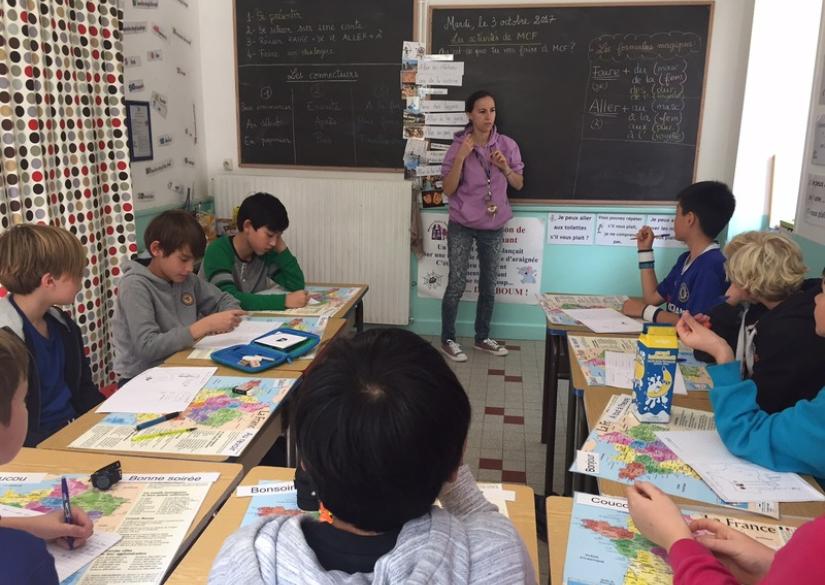
In the primary grades (2-4), children are under the careful supervision of the class teacher, who pays special attention to the development of reading, writing and elementary mathematical skills. However, the curriculum includes natural sciences, French, drama, religious studies, music, information and communication technology, visual arts and design, all taught by specialists in the relevant fields.
Grades 5-8
- Age of students – 9-13 years,
- The period of study is 4 years.
Starting from the 5th grade, Latin is added to the educational program. Boys are taught by the class teacher, but most of the lessons are conducted by subject specialists. From grades 6 to 8, an official set of scholarship holders is introduced, Greek is taught, starting from grade 7, French is added. All subjects are included in the program from grade 8: English, Greek and French, mathematics, theology, geography, history, Latin and others.
Description of Papplewick Private School for Boys
- Location: Ascot, Berkshire, England,
- Age of students: from 6 to 13 years old,
- Type of studying: separate, school for boys,
- Language of instruction: English.
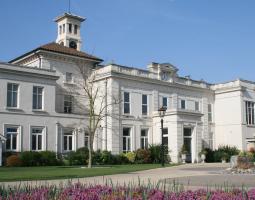
A day and preparatory boarding school for boys aged 6 to 13, known as Papplewick School, is located in England, in the picturesque area of Ascot. The school is a private educational institution. Its territory covers 15 acres of land and is located opposite the famous racecourse.
The UK boarding school considers that boys succeed when they are given high expectations and are challenged, whether in the classroom, on the sports field or in the arts. By setting high standards for themselves, the boys of Papplewick have the opportunity to enter the best senior schools in the UK. Yet, despite all these high demands, the most important factor for them is the happiness of the boys.
The school is led by Nina Kingsmill Moore.
Educational process
Papplewick School offers education based on the National Curriculum, which is used in public schools, as well as general admission and scholarship programs.
The school makes an emphasis on an individual approach to the learning and development of each child. Classes are small, usually no more than 15 people, allowing teachers to pay more attention to each student.
The school is also known for its emphasis on developing the character and morals of students. The education of boys at Papplewick School is based on the values of discipline, respect, cooperation and self-discipline.
Papplewick School provides ample opportunities for sports, music, art and other extracurricular activities.
In Years 2–4, boys are primarily in the care of the Form Teacher, with a particular focus on reading, writing, and basic numeracy. The form teacher is the first point of contact for pupils in Years 2–5, while a tutor takes on that role in Years 6–8. The school has an accelerated reading program aimed at encouraging independent reading.
After lunch, all the boys have time to read. At 17:15, boys aged 5-8 spend 50 minutes doing homework under the supervision of their parents.
Music lessons take place during regular classes on a rotating schedule. The cycle usually lasts five to six weeks so that boys do not miss the same subject every week. Instrumental lessons begin in the third week of the first term for new pupils and in the second week for returning students.
Faculties and colleges
- The Lower School covers Years 2–4, and the Middle School covers Years 5–6,
- There is one class in Year 2, two in each of Years 3–5, and three in each of Years 6–8,
- Latin begins in Year 5,
- A separate set is conducted for boys who are preparing for the scholarship exams. They also study Greek.
Scientific achievements
Papplewick won the Maths Battle competition after three tie-breaker questions and advanced to the semifinals.
In October 2026, the school's under-13 A soccer team (Boys-U13A) defeated Eton College.
Things to know about
- The school chapel is open to people of all faiths and none,
- Authors who have visited the school include Michael Grant, Sophie McKenzie, Robin Jarvis, Simon Mayo, Paul Stewart, and Chris Riddell.
Accommodation, meals, prices
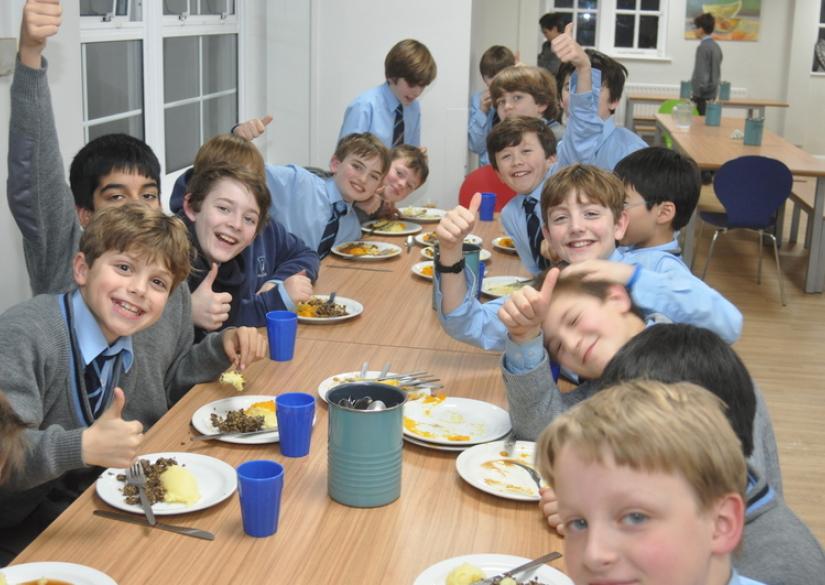
Papplewick School is proud of its modern and family-friendly approach to boarding school. The main goal is to provide boys with the best possible preparation for life in high school. Here they are taught, among other things, to have fun and find friends.
Papplewick has three groups of educators for different grades: grades 3-6, grade 7, 8th grade. They create a homely atmosphere for the boys in their care. Parents are strongly encouraged to keep in close touch with their sons and the school, which is accepted and the norm at Papplewick – parents can communicate with their children on a daily basis via mobile phone or email.
Boys in the 8th grade have access to their own modern boarding house called Willow House, allowing them to gain more independence before entering high school.
Beginning with the summer term of the 6th grade, all boys live in boarding either on a weekly or full-time basis. During this period, boys can spend one additional night at home if they wish, in the middle of the week or on Sunday. In the 8th grade, boys have the opportunity to spend only Saturday and Sunday evenings at home in order to be as well prepared as possible for their future life in high school. It is recommended that day boys also stay at school from time to time. Papplewick offers a part-time boarding house that is very popular with younger boys and offers one, two or three days a week. On Saturday and Sunday, there are a large number of activities and walks for all students. During the week, pupils can choose from 8 to 10 lessons each evening after dinner.
Three daily return flights from London are available at Papplewick School, with transport from Chiswick, Brook Green, Hammersmith and near the Millennium Gloucester Hotel. These services are provided for the convenience of parents for whom regular trips to Ascot are problematic.
Activities Papplewick Private School for Boys
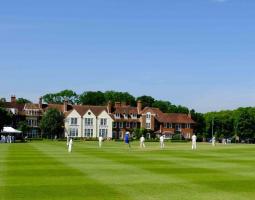
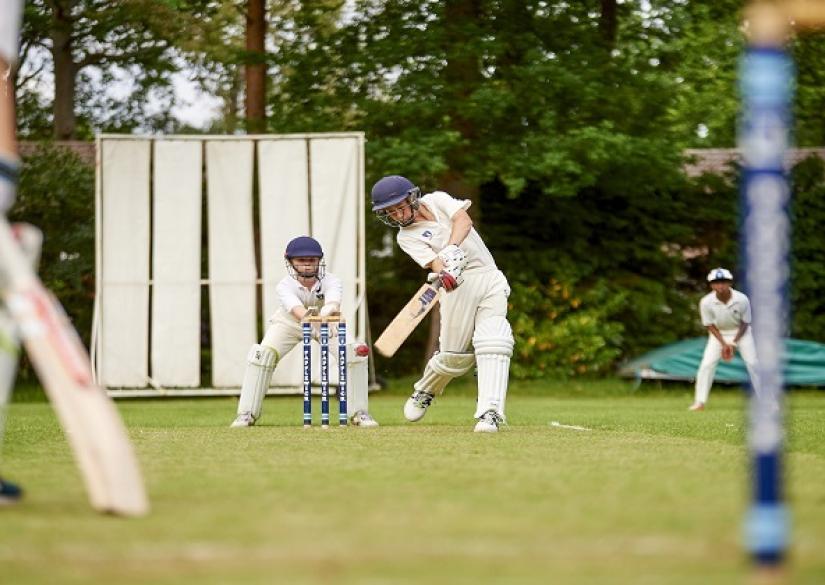
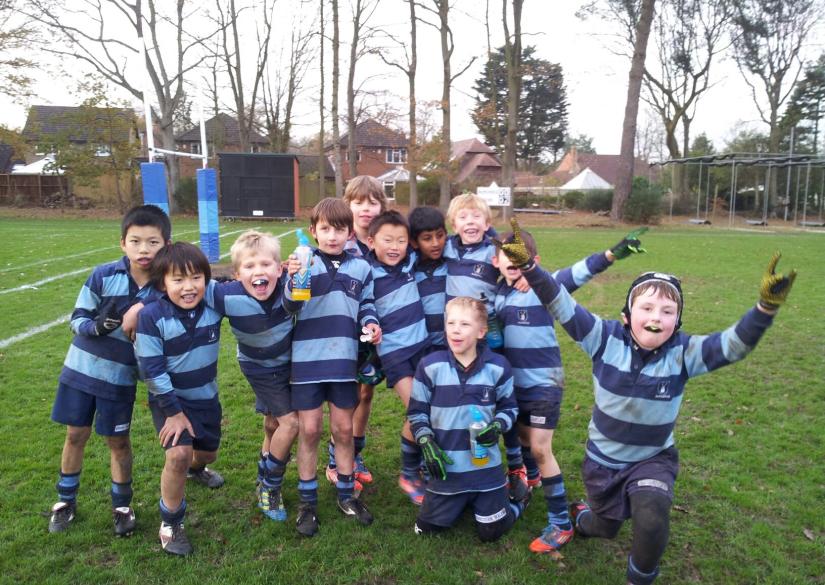
Papplewick School offers a variety of sports activities. During the first 10 weeks of the Christmas term, children play football, then move on to rugby (in the last three weeks in preparation for Lent). In the summer, cricket is the main sport, and in the winter semesters, boys have the opportunity to play squash, swimming, cross-country running, hockey, polo, shooting, table tennis, and chess. In summer, they can play tennis, swimming, athletics, golf, polo and croquet.
Papplewick is known for its wide range of activities that the boys particularly appreciate: every Thursday they participate in a variety of activities, ranging from sporting to dramatic. Among the activities offered: karate, squash, photography, horseback riding, tennis, golf, drama, cooking, bibliomania, Airfix club, Lego club, handicrafts, children's puzzles, board games, Harry Potter club and martial arts.
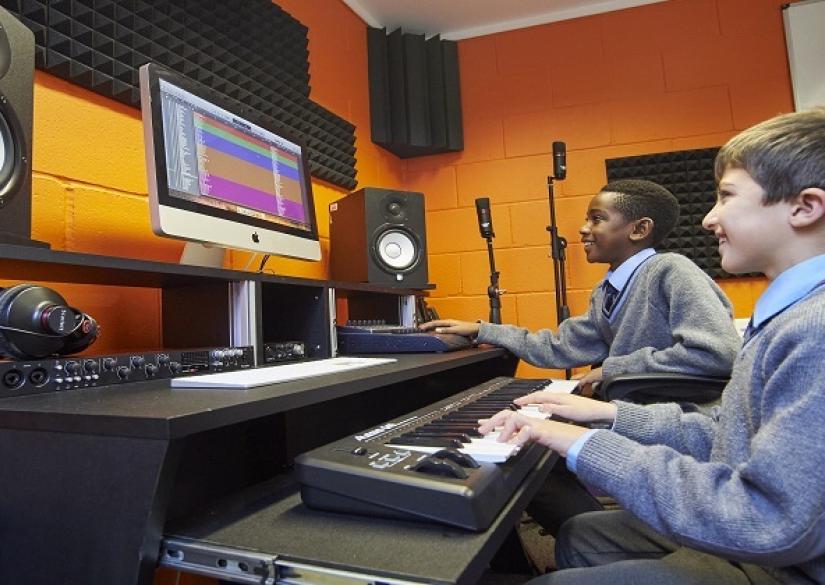
The Music Department strives to develop the talents of students and bring up in them the love and pleasure of creating music of different styles and genres. During the year, boys have many opportunities to improve their musical skills. The choir performs at weekly services in the chapel, there are secular and junior choirs. Most boys learn to play musical instruments, the school has a junior brass ensemble, a string ensemble, a brass band, a jazz band and a chamber orchestra.
Art education at Papplewick plays an important role in the development of creativity, imagination and visual thinking. Students follow a structured program that develops their skills during their studies. Papplewick offers a well-equipped art hall for ceramics and engraving classes.
Drama begins in the lower grades, where students are encouraged to work together and achieve a common goal: they participate in poetry readings, classroom performances, and a variety of performances, which stipulate music and team work. Every year, Papplewick School hosts a theatrical performance, the Spring Arts Festival takes place during Easter, and every Christmas there is a full-fledged musical with a large number of actors.
Games sessions take place every day except Thursday, with matches on Wednesdays and Saturdays. The range of elective activities changes from term to term.
Additional activities and school events include:
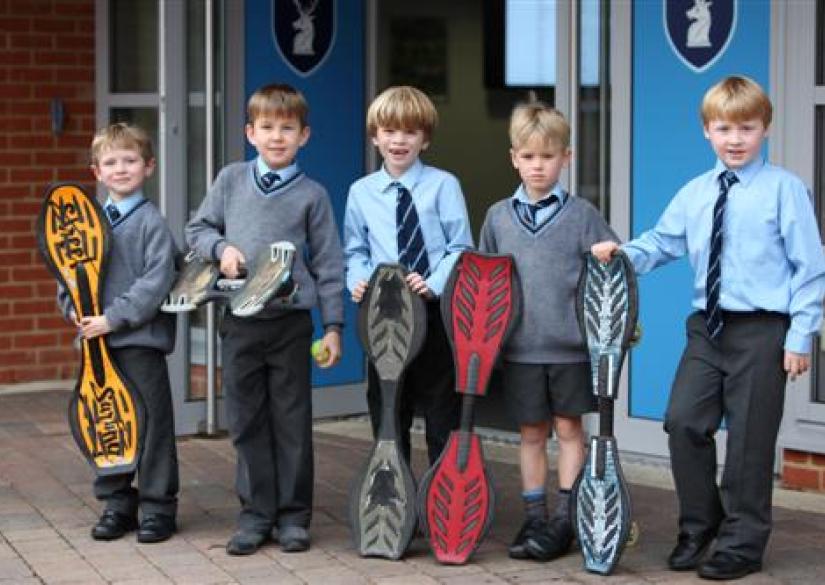
- Fishing, skateboarding, self-defense, Charity Club, and indoor rock climbing,
- Gymnastics, Young Magicians club, Spanish, gardening, and clay pigeon shooting. The latter option is not available for the lower grades of school and is considered the most suitable for grades 7-8.,
- Debating, filmmaking, card games, WarHammer, and kart club during boarders' evening activities,
- An annual themed Saturday evening with a sleepover, open to all day pupils,
- Recent weekend activities have included campfires and overnight camping, movies, social events with girls' schools, bowling, Gravity Force Ultimate Trampoline Park, Master Chef, and visits to a Chinese restaurant, Woking Leisure Lagoon, Thorpe Park, and Portsmouth Historic Dockyard,
- The annual Harvest Festival collection supports Bracknell Food Bank,
- After the interview, students can become school librarians, helping to select new books, prepare them for shelving, and keep track of expired editions.
Advantages
- The school publishes its UKBA sponsor license number: 8N7W5B379,
- Average class size is 13 boys,
- All subjects in Years 6–8 are taught by specialist teachers,
- The school has a Learning Support and EAL department,
- The school runs an overseas sports tour every year.
Facilities and equipment at Papplewick Private School for Boys
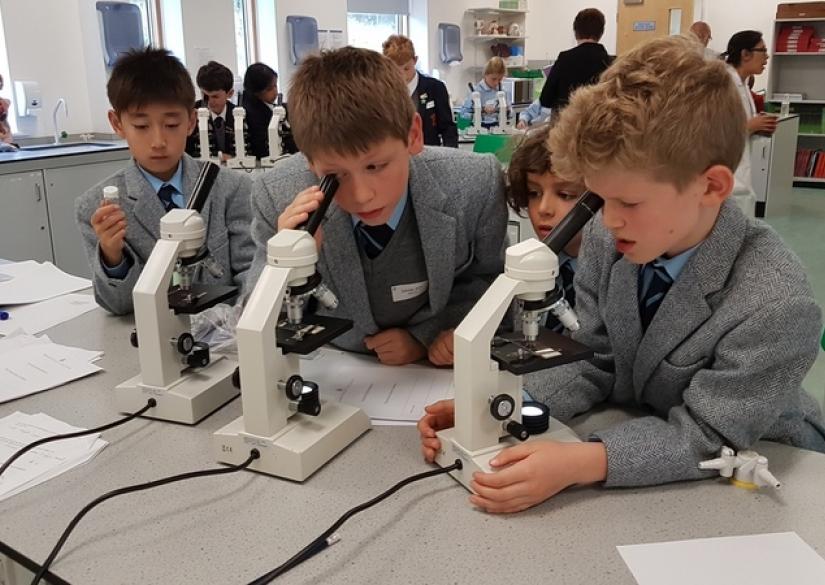
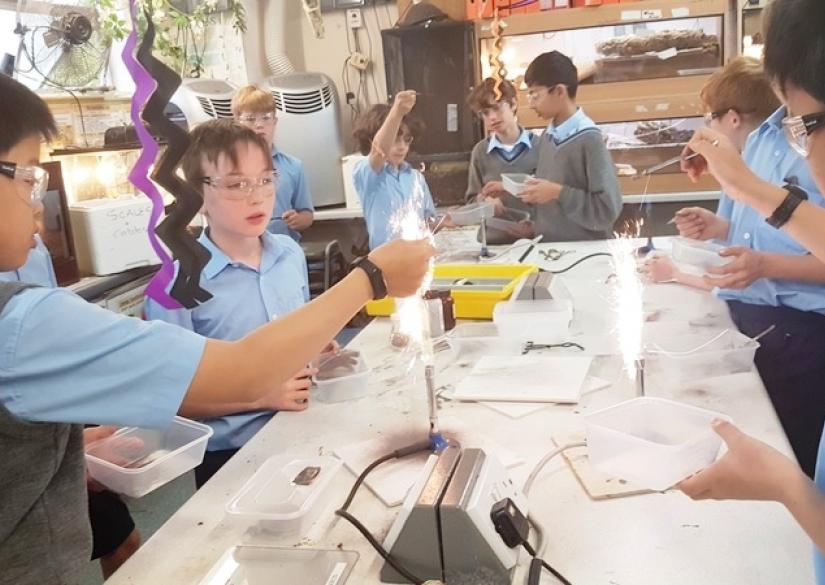
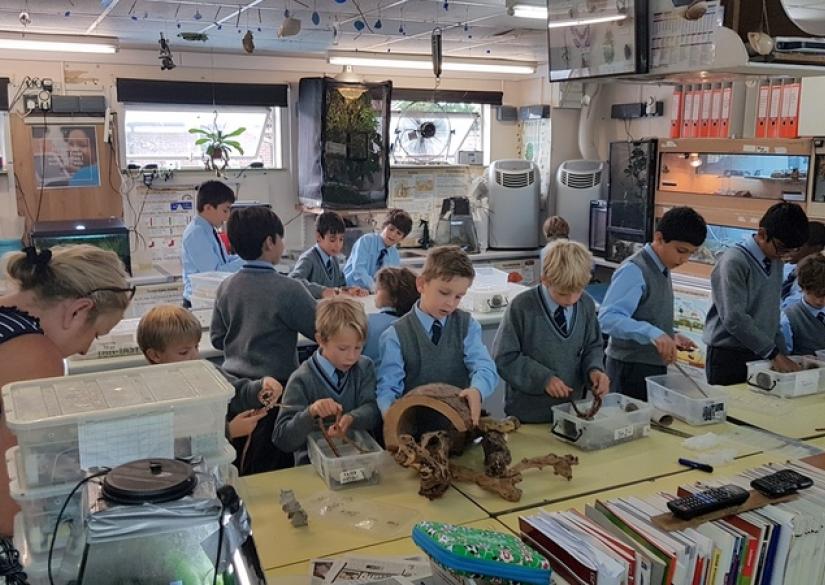
Papplewick School has a cutting-edge infrastructure that meets high modern standards: living quarters offer comfortable conditions, classrooms are equipped with modern technology and equipment, scientific laboratories, allowing students to conduct practical experiments and research.
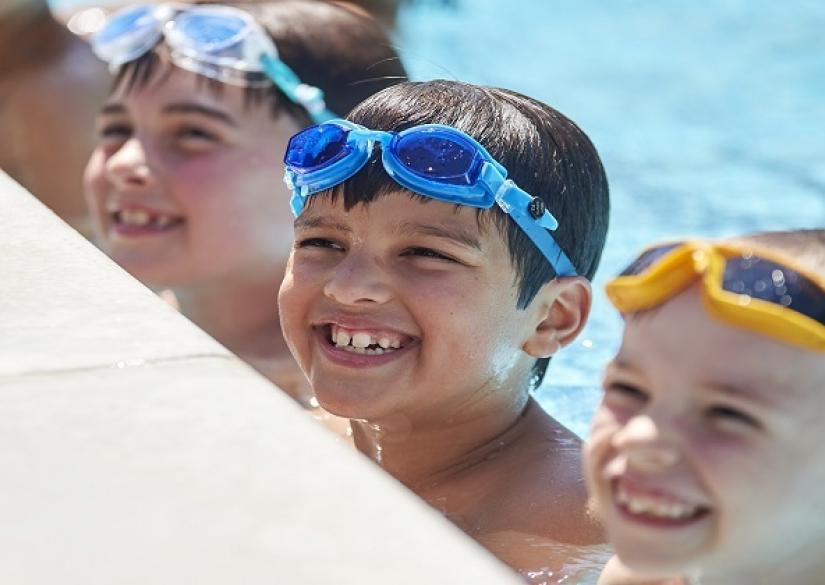
The school offers a variety of sports facilities, including football, rugby and cricket, tennis courts, a swimming pool and water sports.
The library provides access to a wide selection of books and resources for study and self-education. In addition, Papplewick has visual arts studios where students can express their creativity.
Pupils in Years 2–4 use the Junior library in the Junior corridor. Those in Years 5–8 use the Senior library. The collection includes classic and modern fiction, book series, nonfiction on science, history, and the arts, and biographies.
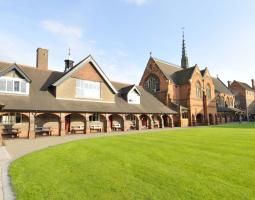
The school Chapel connects directly to the school hall. The nearest station is Ascot on the Waterloo line.
Admission dates and extra charges
The academic year at Papplewick School is organized with a balance between study and leisure, helping students to use their time efficiently and be ready for new challenges. The academic year lasts 10 months, starting in September and ending in June (in rare cases early July), divided into autumn (Michaelmas Term), spring (Lent Term) and summer trimesters. The longest vacations are summer, lasting about 2 months. The summer trimester is called Summer Term.
Additional costs may include:
- Registration fee,
- Deposit,
- Visa,
- Migration,
- Accommodation,
- Nutrition,
- School transport,
- Accident insurance,
- Health insurance,
- Learning support,
- Educational materials and stationery,
- School and sports uniforms,
- Laundry service,
- Game sets,
- Music lessons,
- Extracurricular activities,
- Activities and excursions,
- Personal expenses.
The registration fee is 180 pounds. Some extracurricular activities are provided by the school staff for free. Those activities led by external staff may cost extra. You should notifiy about the change of instrument or the termination of instrumental lessons during the trimester. Otherwise, you will be charged for another trimester.
On weekdays, boarders wake at 7:10 a.m., and breakfast starts at 7:40 a.m. Day pupils may arrive from 8:00 a.m. At 8:35 a.m., the whole school gathers for a short chapel service. The morning break lasts 30 minutes. Year 2 pupils go home at 4:30 p.m., and those in Years 3–4 leave at 5:15 p.m. Day pupils in Years 5–6 go home after completing their homework. On the first day of each term, all day pupils are collected at 5:15 p.m. After supper, boarders' evening activities continue until 7:30 p.m.
On Saturdays, boys in Years 3–8 attend an assembly with the Head at 8:20 a.m., followed by four lessons. The chapel service, to which families are invited, begins at 11:45 a.m. Pupils who are not playing in a match may go home afterward. Rugby and soccer matches usually begin at 2:30 p.m. Cricket starts at 2:15 p.m.
For international students, a transfer from/to the airport can be arranged with the help of regular drivers. It is billed separately from the school account. Most parents make an advance payment for travel at the beginning of each semester. There are no school transport services back to London on Saturdays after lunch.
Enrolment process
The normal school admission process involves parents meeting with the principal usually during the school term. Before that, parents are asked to provide a report on their son's academic performance for the last trimester at the current school. After making an appointment for a meeting, you must fill out the registration form (if desired, it can be sent in advance), pay the registration fee.
A year before a boy is due to enter Papplewick School, expectant parents are asked to pay an entrance fee confirming the child's place in the school (for those who do not live in the UK, this is the amount to cover the costs of one trimester). The fee is non-refundable, it is used as a loan to pay for the expenses in the last trimester. Each boy is asked to spend part of the day at Papplewick in the pre-admission trimester to assess his abilities. In addition, reports from the boy's current school will be requested.
New pupils and their parents are invited to a Saturday service after the first two or three weeks of school, followed by an opportunity to talk with staff.
Enrolment statistics
Papplewick School now has about 200 boys aged 6 to 13, many of whom are enrolled in grades 2 and 3 (ages 6-8).
Perspectives
Every year, more than half of Papplewick School graduates enter public schools. During its history, the school has sent boys to more than 30 different educational institutions, historically the most popular are:
- Eton (20% graduates),
- Harrow (15%),
- Winchester (8%),
- Wellington (7%),
- Bradfield (7%),
- Charterhouse (7%).
50% of boys receive awards and scholarships.
The table of destinations for 2021-2026 shows the following number of boys:
- Eton — 64 boys,
- Harrow — 22,
- Winchester — 20,
- Tonbridge — 12,
- Wellington — 11,
- Radley — 10,
- Bradfield — 9,
- Sherborne — 8,
- St Edward’s Oxford — 7,
- Marlborough — 5,
- Charterhouse — 5,
- King’s Canterbury — 5,
- Shrewsbury — 5.
Destinations with four or fewer boys included Abingdon, Bryanston, Cheltenham, Cranleigh, Dulwich, Hampton, Millfield, Milton Abbey, Monkton Combe, Oratory, Oundle, Pangbourne, Reading School, RGS Guildford, Rugby, Sevenoaks, Shiplake, Stowe, Uppingham, and Westminster.
Entry requirements, how to apply, what is required to enrol
The candidate must know English at least B2 (Upper Intermediate).
The school describes its admissions process as non-selective.
Scholarships Papplewick Private School for Boys
Upon admission, future students from 6 to 11 years old can be awarded one of the following scholarships:
- Academic,
- Universal,
- Awards for those who have strong musical, artistic, athletic or other talents.
The award amount can be up to 50% of the boy's full tuition for the duration of their stay at Papplewick. The approximate calculation of the award is up to a 15% merit scholarship and up to a 35% scholarship, depending on the level of well—being. The aim is to attract boys who would not otherwise consider private education.
These awards are given to new students who enroll in full-time education or boarding school. Current pupils are not eligible. Candidates are expected to be able to take an Academic, Music, Art or All-Rounders' Scholarship exam when they transition to a Senior Independent School at the age of 13 or older.
Assessments focus on the candidate's potential rather than memorizing the material learned. The school does not recommend specific preparation.
Institution on the map
Residence permits, citizenship and other services
- Guardianship services during the studies
- Student supervision
Review about Papplewick Private School for Boys
Recommendations on when to apply
| Language courses, schools and children's language camps | Primary and secondary education - private schools | Preparation programmes for entering universities - higher education | Higher education (after completing accredited programs A-level, IB, High School) - Bachelor, Master, MBA |
| - we recommend to apply 6-9 months before the start of the course (some camps and schools offer discounts for early booking or for lengthy study programs) - there are some very popular and high demand children's camps, where the applications need to be submitted 1 year in advance (in particular Switzerland , Great Britain , USA , Canada , Austria) | - we recommend to apply one year before the start of the training program, - some schools have a specific time frame (September-November - please specify an individual school) - some schools require tests in several stages (UKISET, internal tests of the school: English, mathematics, logics, subjects, interview, some require a personal visit) | - we recommend to apply one year before the start of the program, - for Foundation and Pathway programs, IELTS and TOEFL certificates are usually required, respectively | - recommended submission one year before the start of the program, - the deadline normally closes in January, for TOP HEIs and, as a rule, in March in other universities - for a bachelor, a Foundation or Pathway preparatory program a completed A-level, IB, High School + IELTS / TOEFL are required - for Masters you need a graduated higher education, in some cases you need a pre-Masters program - MBA requires completed higher education, work experience preferably at least 2-3 years, etc. |