 Spain
Spain
 For partners
 Institut Montana Switzerland








In the process of preparing the material, we referenced the following sources: Wikipedia, International Baccalaureate
Programs and prices, tuition fees in Institut Montana Switzerland


Swiss Gymnasium
Studying under this program is possible both in German, as well as in German and English (bilingual). The process of obtaining a Swiss diploma is designed for children from grades 7 to 12 and provides an opportunity to subsequently receive higher education at the best universities in the world.
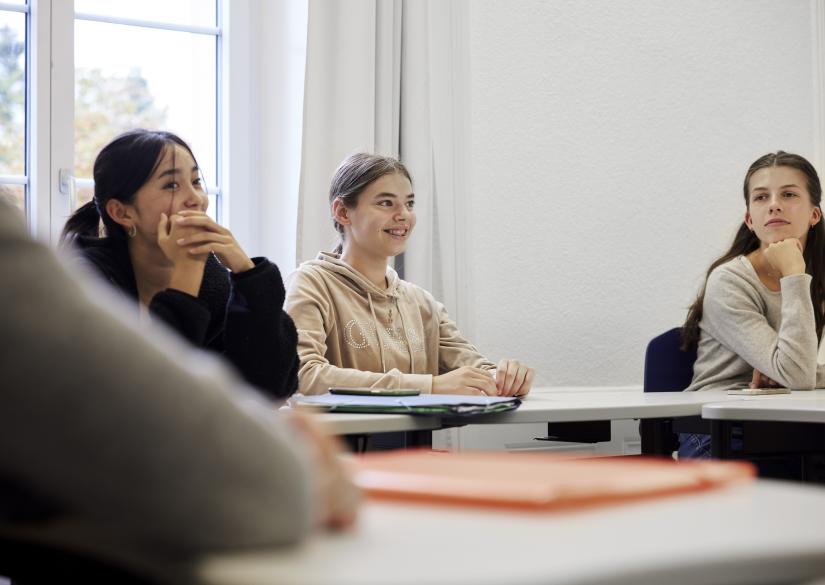
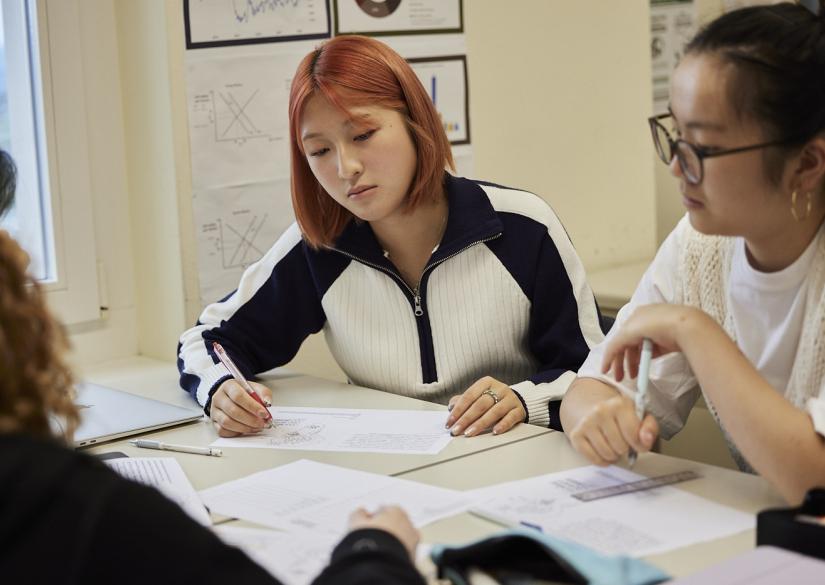
Each subject is eventually passed on the exam, and the points obtained are included in the student's diploma. Classes for studying are formed in small groups, up to 15 people each, so that each student can count on the proper amount of personal attention from the teacher.
International Baccalaureate Diploma (IB)
The program in English (80% of the instructors of the course are native speakers of the language) allows students to receive a valuable IB diploma, which is listed in all countries of the world and gives the opportunity to enter any universities and colleges. The IB course is designed for 2 years (grades 11 and 12).
Swiss Primary School Program (English, German)
Bilingual primary school is English and German: a child can enter with knowledge of only one of them, the second will be pulled up automatically during the study.
The program follows Swiss national standards + it has implemented Lehrplan21 - the active use of technology in all school subjects. From junior classes, children actively master computers, basic programs (Word, Excel, PowerPoint), learn to work on projects and presentations.
The school for young students offers a separate area with classrooms for study and playgrounds – but the rest of the infrastructure (ponds and gardens for walking, dining room, main buildings) is available for them.
Children can be taken directly to the school doors or to the Zugerberg Bahn funicular station, from where they are picked up by an escort. Lessons end at 15:20, you can stay at school until 17:00 - for them will choose a suitable exciting activity:
- Music and singing
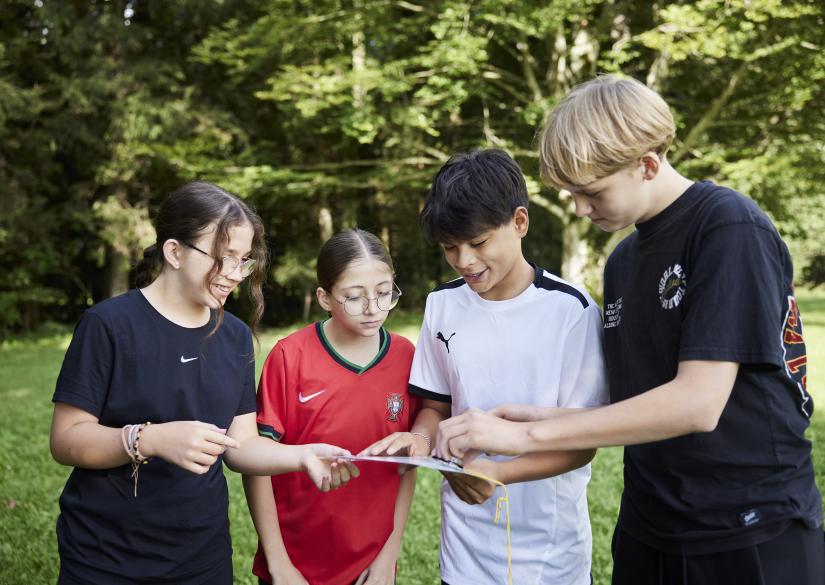
- Sleigh rides, forest walks – outdoor weather activities
- Help with homework
- Art
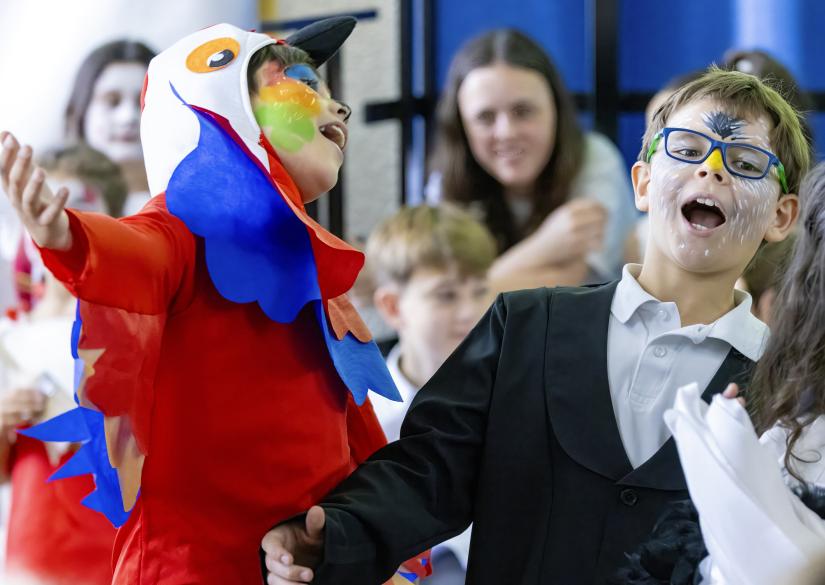
- Theatre and drama
- Cooking, etc.
Swiss Secondary School Program (English, German)
The bilingual educational environment of the middle classes is the stage when students want to try different academic paths of development. And the school will support them at everyone, whether they choose a Swiss matriculation certificate or an international IB. A high school diploma will allow you to choose a new path after the 9th grade - for example, to start professional / commercial training, a specialized course.
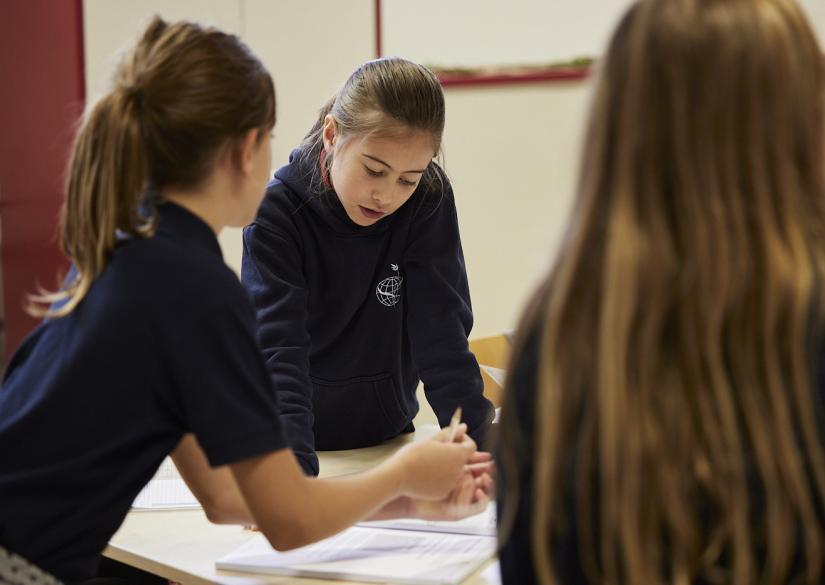
At this stage, the Swiss modern standard Lehrplan21 is also applied: it is the most relevant approach to the development of students' skills, the use of modern technologies, effective approaches and methods of development, the education of motivation to study. Small group classes, mentor teachers, experimentation and research are the keys to success in the middle classes.
The language of instruction is German + English, French is studied as a third foreign language (intensive support is provided at any stage). Those in need can also enroll in additional courses – this is an accelerated, effective studying according to CEFR recommendations:
- German Language - Goethe Certificate
- English — Cambridge English Assessment
- French language — DELF.
Cambridge Lower Secondary Programme (CLSP)
Cambridge International General Certificate of Secondary Education (IGCSE)
The international course for students aged 12-15 who choose international education is CLSP & IGCSE (Cambridge Lower Secondary). This is a logical, natural continuation of the course of primary school, leading to high school. The program not only deepens academic skills, it helps to develop healthy curiosity, passion for learning, analytical and critical thinking, intellectual zeal. This is the best option if you plan to take an IB course in high school, graduating classes.
Summer camp for children
Explore and discover your talent!
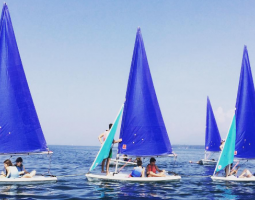
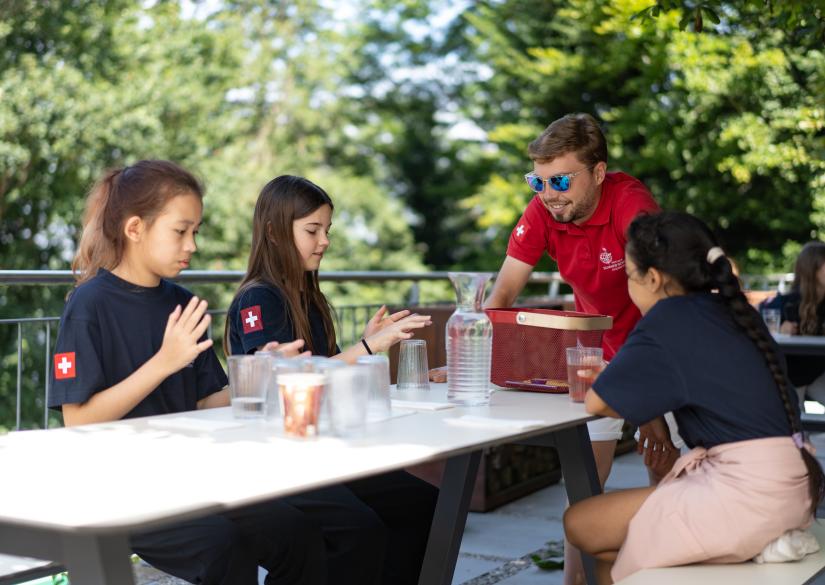
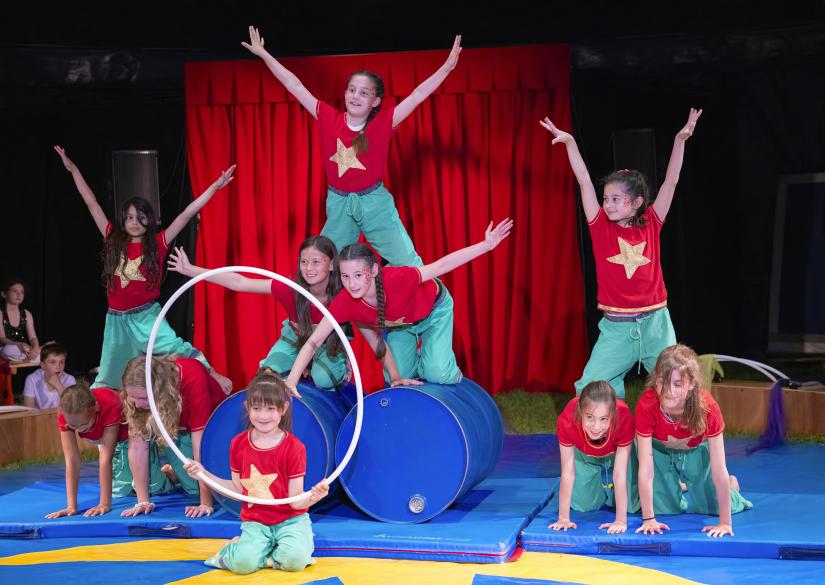
For a century, Institut Montana Summer Camp has supported children in discovering who they are and what they can become. This summer camp continues that tradition. In two weeks, children discover their strengths, grow through coaching, and finish with a personal showcase of their talent.
- Duration: 2 weeks, every July
- Student age: 9-15 years old
- Language instruction: English/German
- Camp option: Boarding only
- Maximum applications: 50 students
Price includes cost of transport to/from airport.
Description of Institut Montana Switzerland
- Location: Zug, Switzerland,
- Year of foundation: 1926,
- Number of students: about 380,
- Language of instruction: English, German, French,
- Type of studying: mixed.
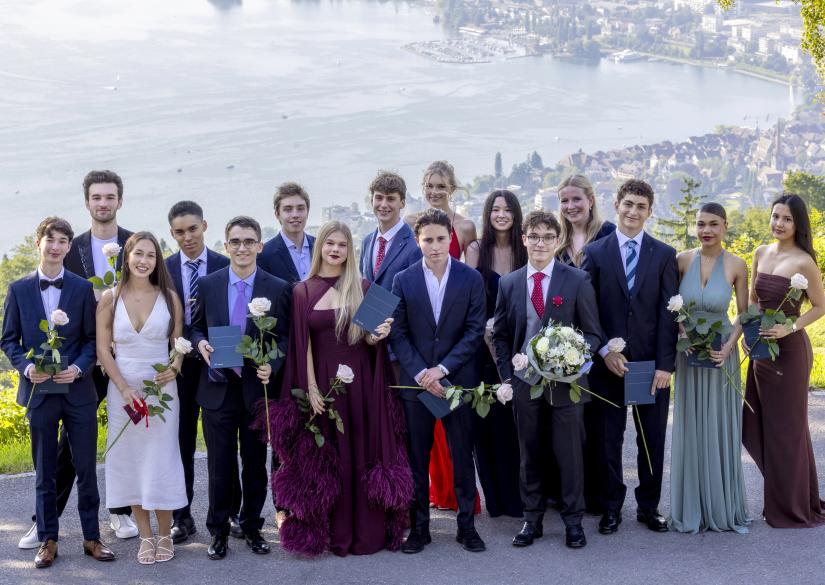
Institut Montana Switzerland is an international school in Switzerland (Zugerberg, Zug) offering full—time and boarding education for children aged 6-19.
Representatives of 55 nationalities study here, about 380 people in total, a third of the students are on full board. The school's campus is a perfect combination of idyllic nature, quiet, ideal for focused study, and easy transport links to the nearest city and Zurich International Airport (15 and 60 minutes away, respectively).
The Institut Montana Switzerland is confident that every child has talent, and the task of the school is to find and unleash abilities. Therefore, there is a wide variety of studying courses — accredited by the Canton of Zug or internationally.:
- Primary classes
- Secondary classes
- Swiss Gymnasium
- Cambridge Lower Secondary Programme (CLSP)
- Cambridge International General Certificate of Secondary Education (IGCSE)
- International Baccalauerate (IB Diploma)
But the academic track is not limited to education at the Institut Montana Switzerland — students here strive to develop holistically, comprehensively. Children are offered more than 50 extracurricular activities, clubs, events, communities: sports, art, music, engineering and technology, tobogganing, hiking, mountain biking. If we take into account world-class teachers, small study groups, it becomes clear why the atmosphere of Institut Montana Switzerland is so productive for the growth and development of children.
Studying here is a confident investment in a child's future, skills, and chances of success.

What are the key factors parents consider when choosing a Swiss school?
Generally, parents look at the school's reputation, location, level of care, potential for personalized attention, curriculum specifics, teacher quality, extracurricular offerings, and, of course, tuition fees.
Accommodation, meals, prices
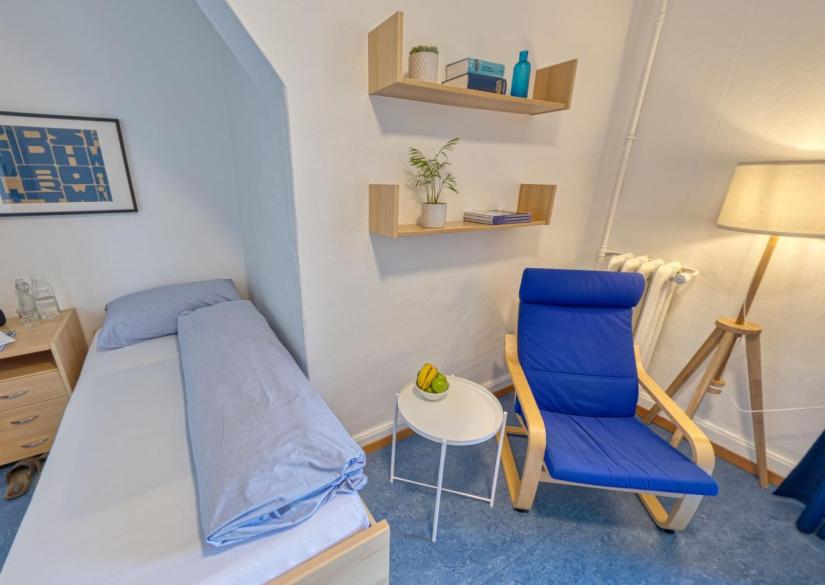
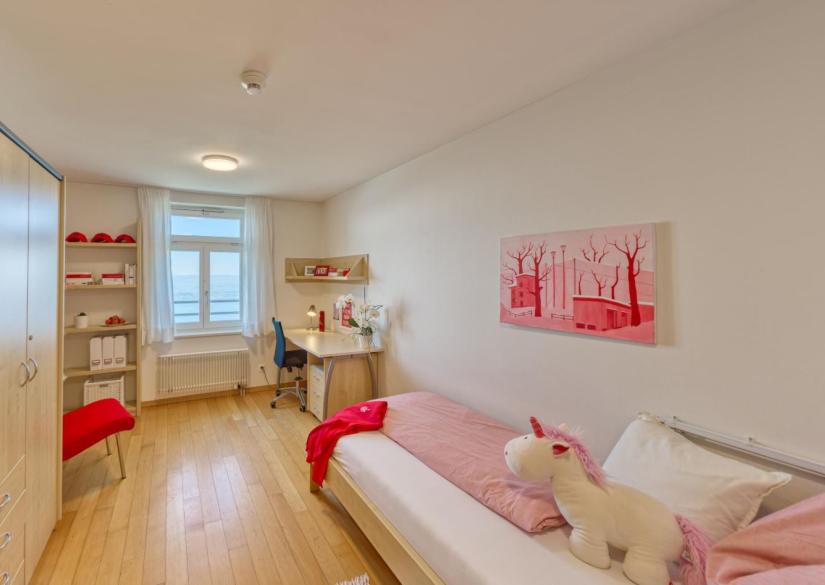
The boarding school is open for children from 10 years old. There are three residences on the campus, where children are assigned depending on age and gender, and occupy 1-2-bed rooms. They are guaranteed 24/7 care, support and supervision, while studying in Switzerland.
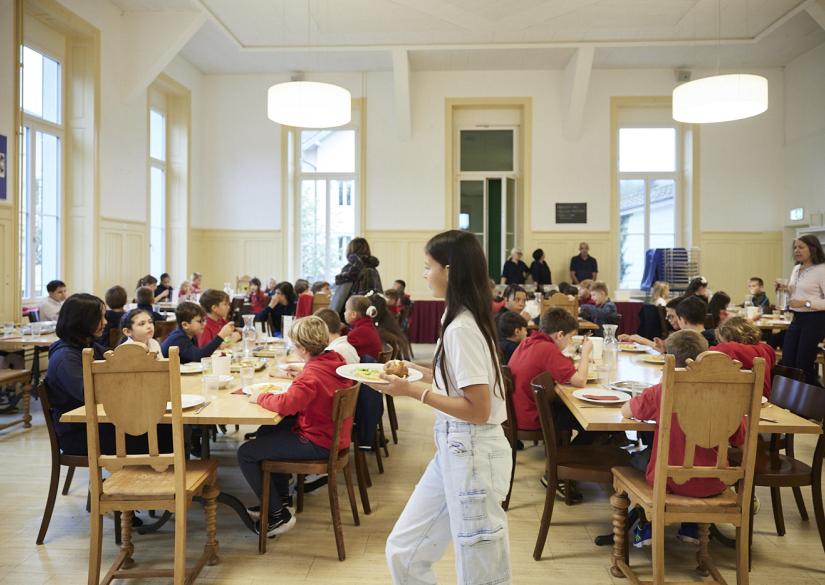
Meals are full board, three times a day: the dishes are prepared fresh each time, mainly local and seasonal products are used.
Subjects and sports
Activities Institut Montana Switzerland
Many students devote their free hours to sports, hobbies, and creativity:
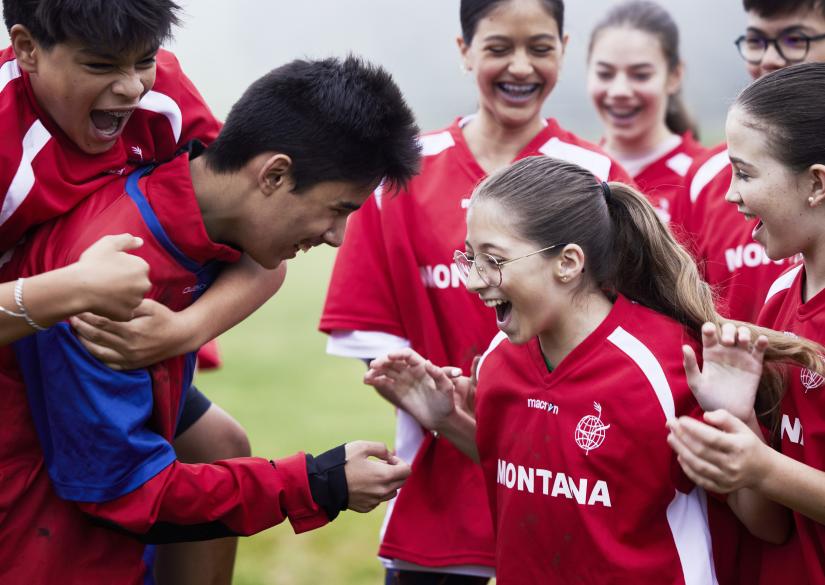
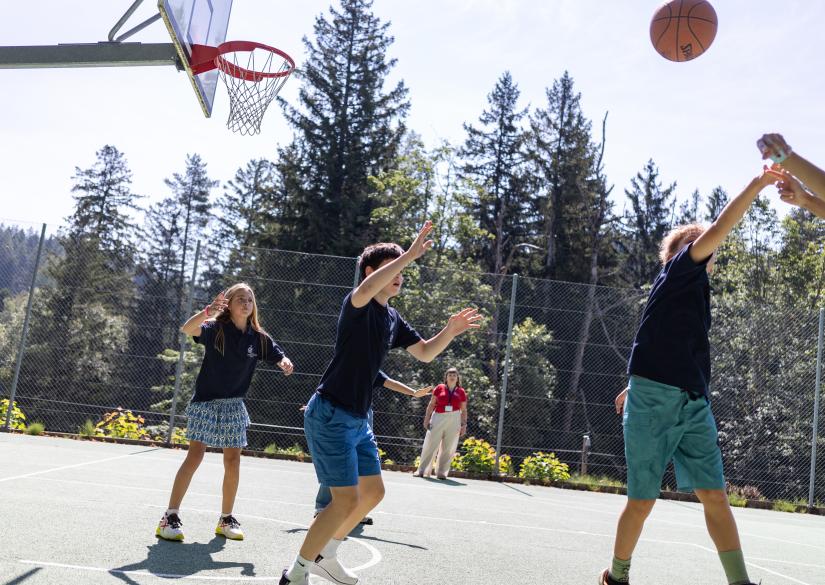
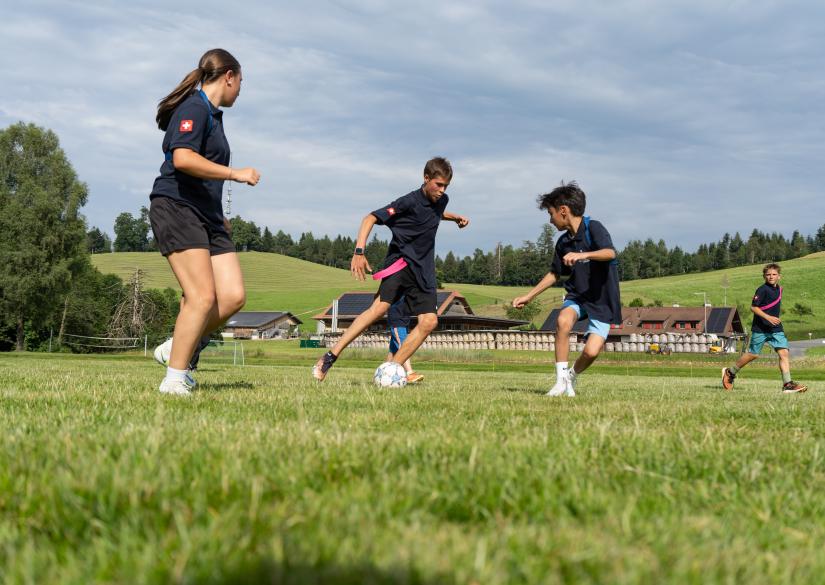
- Team sports: football, volleyball, basketball,
- Mountain Bike,
- Archery,
- Swimming,
- Fine arts (ceramics, drawing, and more),
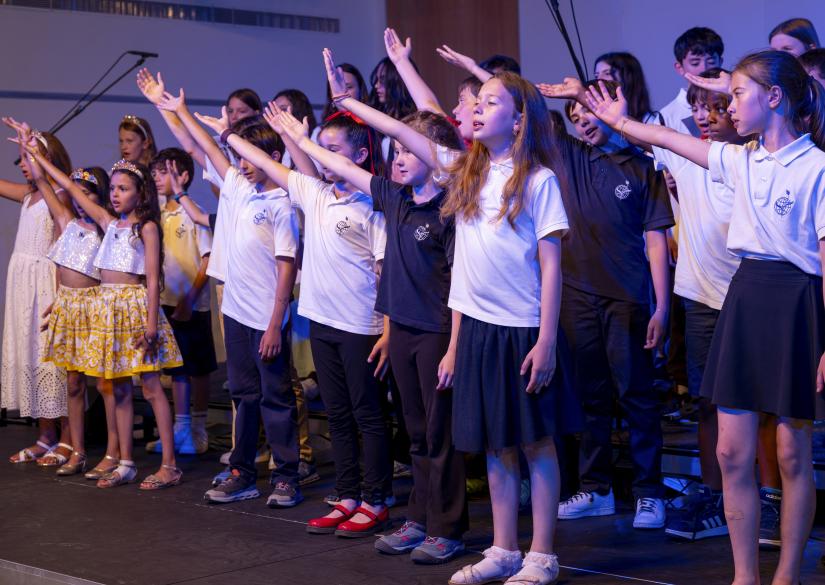
- Performing arts (vocal, drama and theater),
- Photo Club,
- Student Magazine,
- Student Council,
- UN Model,
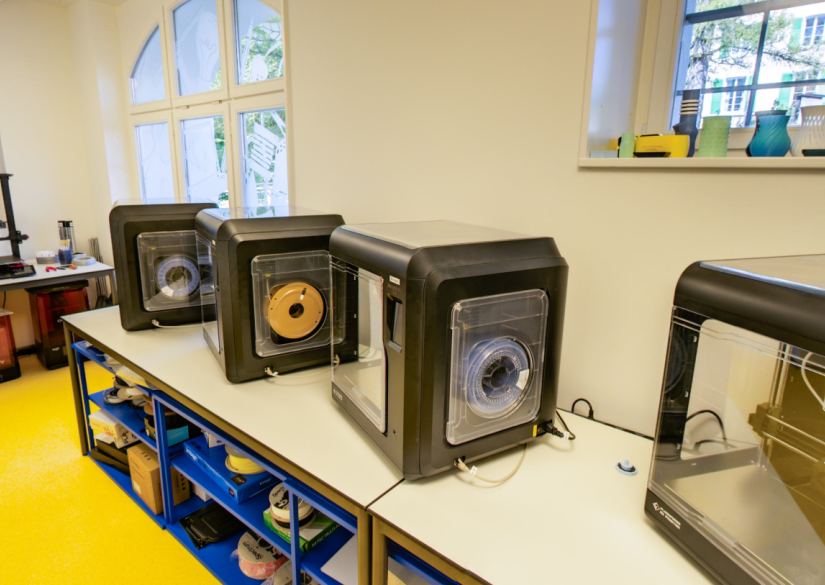
- 3-D modeling, engineering, robotics.
In the winter months, cross-country skiing competitions and friendly races and downhill skiing sports contests are often organized, including at the city level: for this purpose, schoolchildren visit famous resorts in Lucerne, Zug, Zurich. A variety of entertainment and leisure activities, interesting and educational events are also organized: concerts, exhibitions, performances, visits to museums and art galleries, historical, natural and cultural attractions.
Advantages
- The studying programs are accredited in Switzerland and internationally,
- Small classes, professional teachers, dedicated to their work,
- Individual approach: the ratio of children to teachers is only 4:1,
- International environment — representatives from 55+ countries live and study on the campus,
- Flexible boarding: it is possible to book full, partial, weekly boarding, flexi-format,
- The campus is conveniently located in a cozy, quiet, green natural area, while the nearest city and airport are easy to reach.
Facilities and equipment at Institut Montana Switzerland
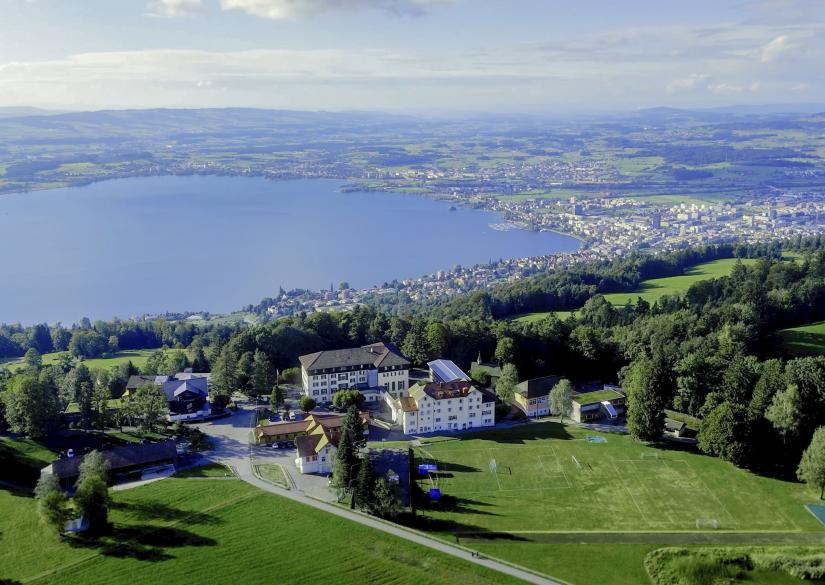
Zug is an economically prosperous city and the headquarters of many multinational companies, located on the shore of the lake. It can be seen from the study area, as it is located slightly below the campus. Zurich International Airport is just an hour away, providing easy access to many European capitals: London, Paris or Rome. The cities of Zurich, Zug and Lucerne are located within a few dozen minutes' drive from the studying area.
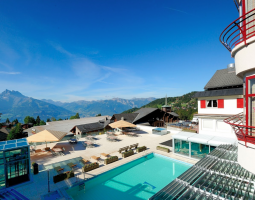
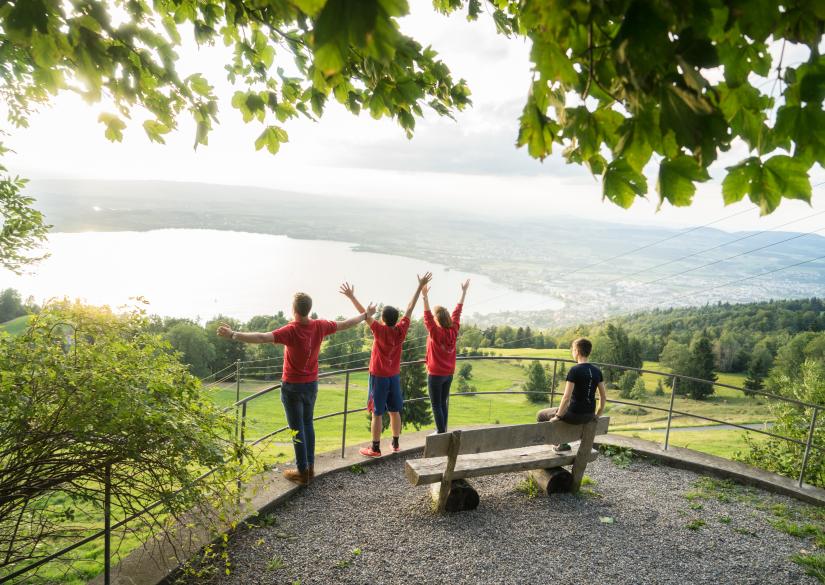
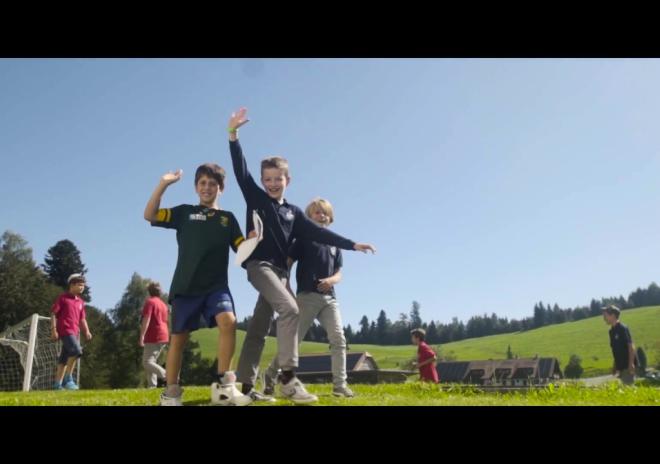
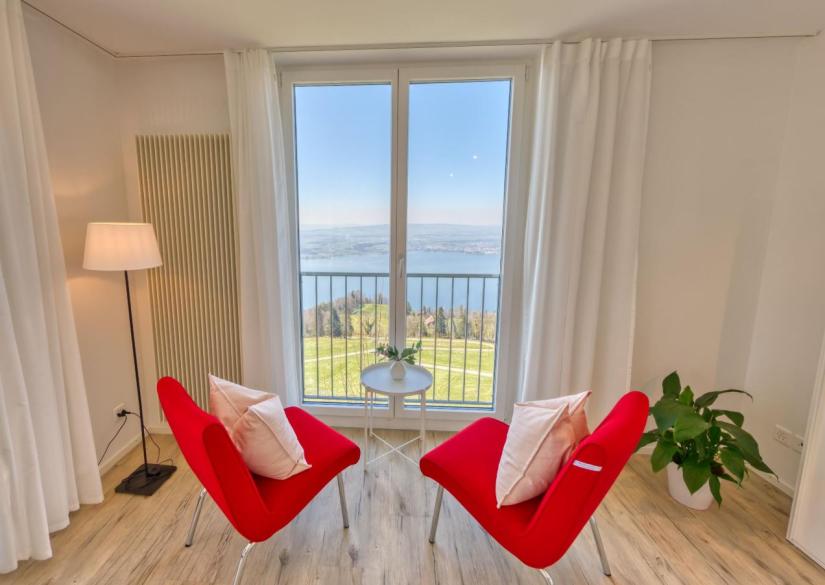
The school is located on the Zugerberg Mountain, at an altitude of about 1,000 meters. A short funicular ride takes students to the 60-acre campus. From its territory you can see farmlands with grazing cattle, a forest with its inhabitants: foxes and deer. The panoramic view of the lake and snow—capped mountains creates an amazing atmosphere for relaxation and a calm one for learning.
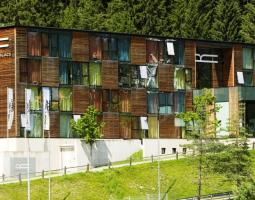
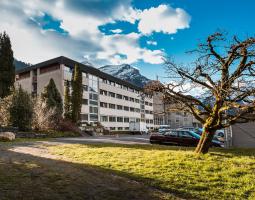
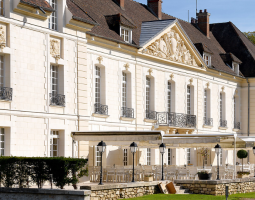
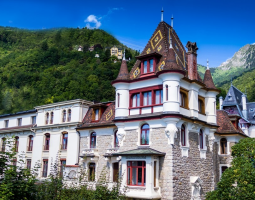
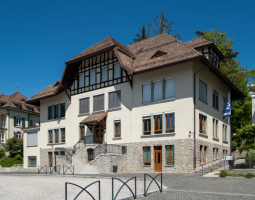
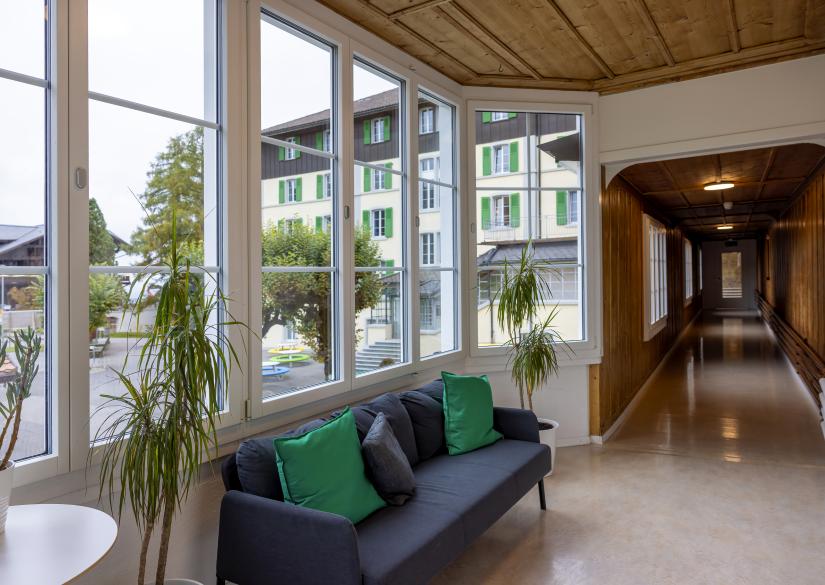
The two main school buildings have a rich history. Initially, they were elegant hotels for tourists coming for rest and treatment in Switzerland. The buildings have been renovated and now offer modern equipment for academic and additional development.:
- The Schoenfels Grand Hotel, known as the Grosses Haus, is the epicenter of school life. There is a dining room, a meeting and relaxation room, classrooms and offices,
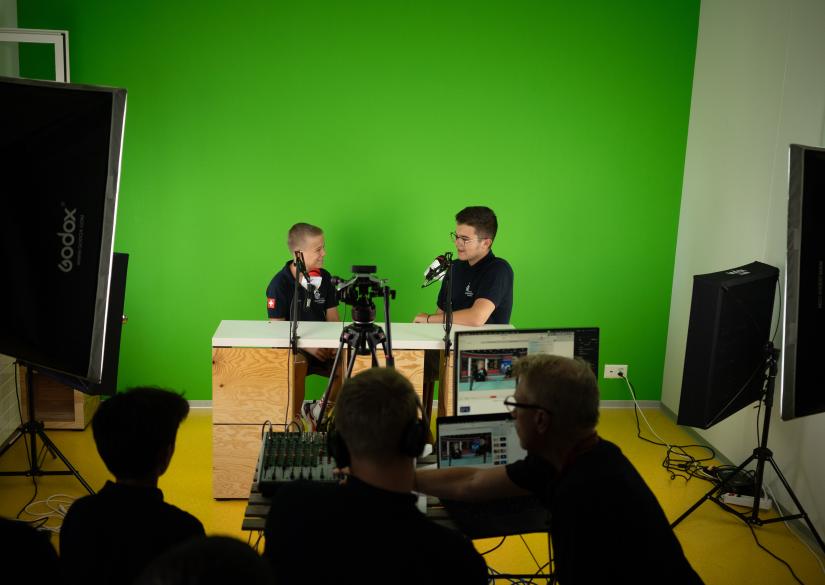
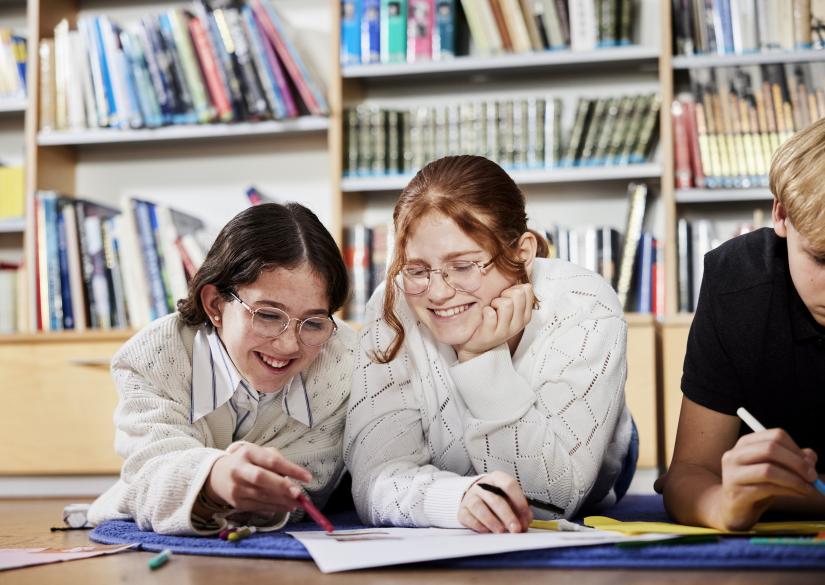
- Felsenegg houses the girls' bedrooms, as well as classrooms, a library and a media center, an art room, a training room and a fitness center,
- The Haus Juventus elementary school building with classrooms and recreation areas.
The school also has:
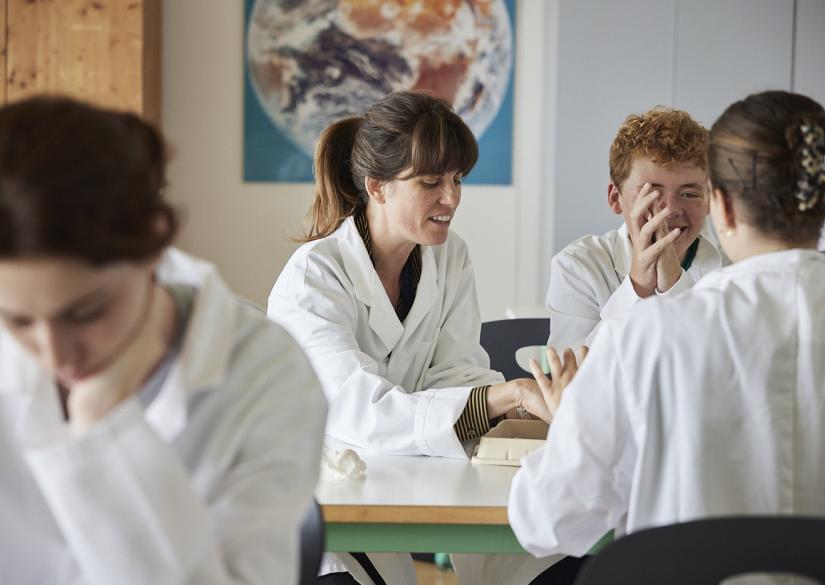
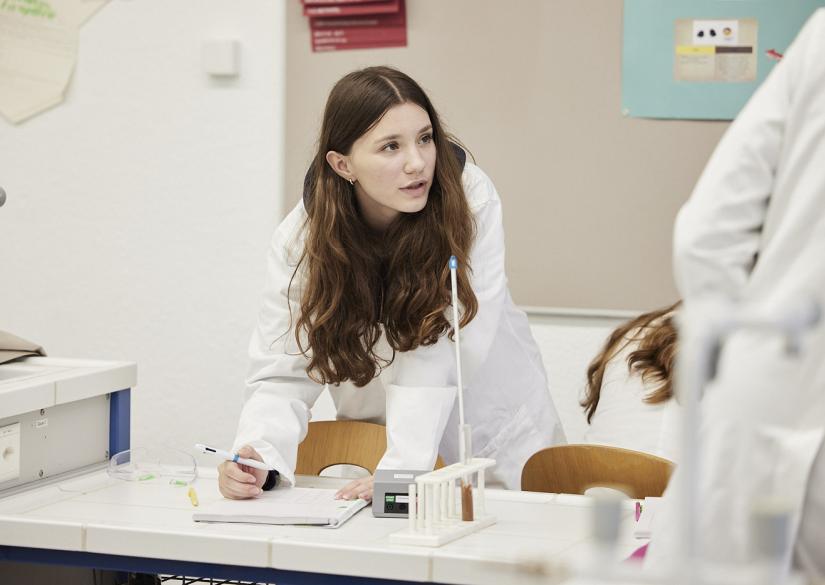
- Scientific laboratories,
- Workshops,
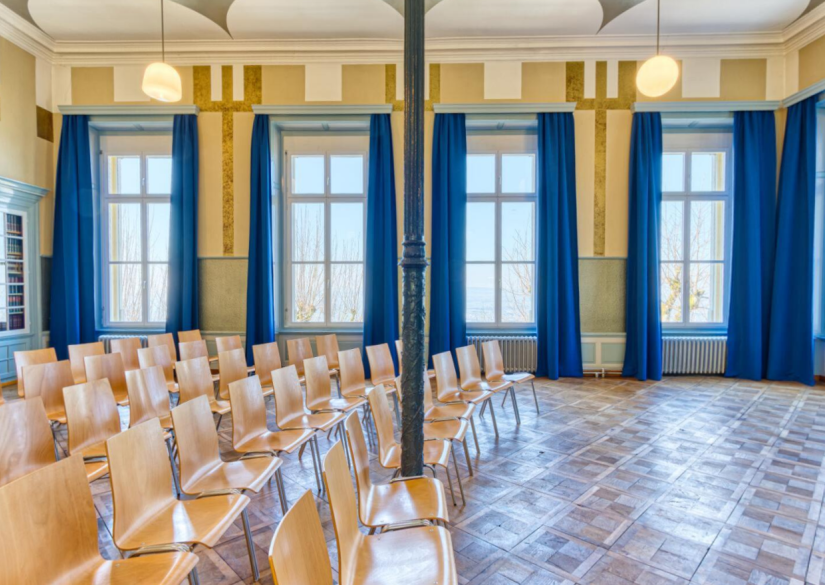
- A study hall with booths for self-study, a large hall for concerts and theatrical productions,
- The Art Room,
- A creative center,
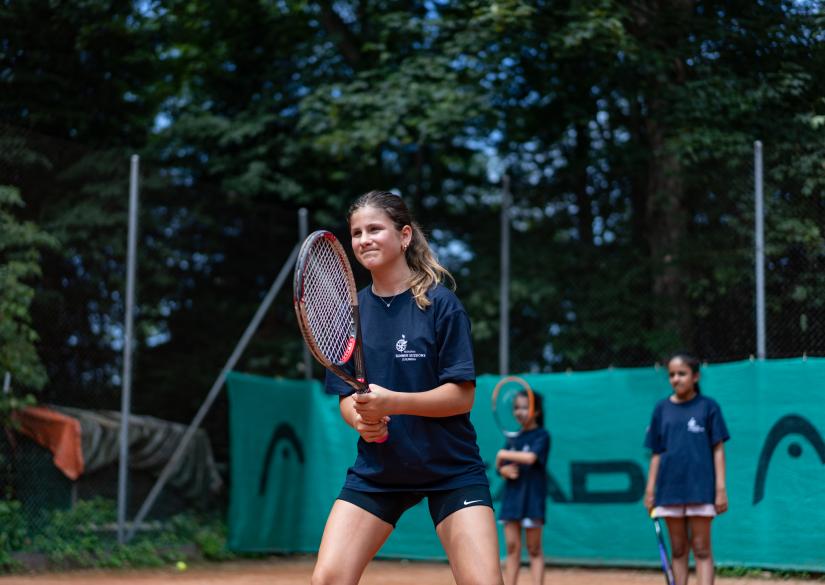
- Playing fields and tennis courts,
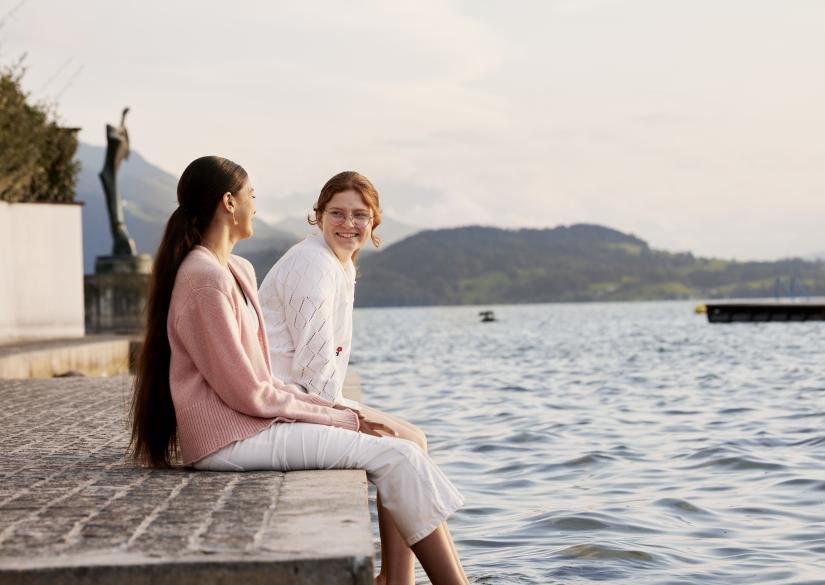
- Access to the lake for swimming,
- A two-kilometer track for cycling or winter sports.
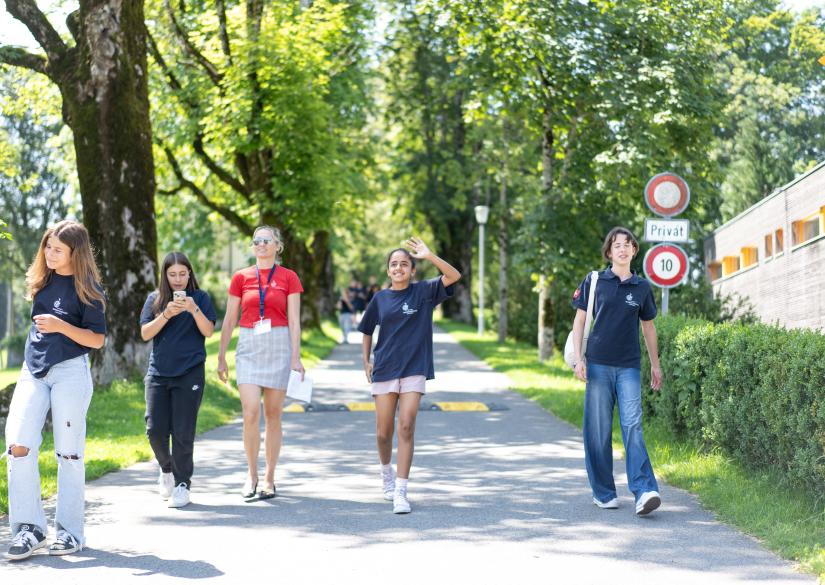
There is an equipped and secure passage between the buildings, offering students a short walk along the tree-shaded alley.
Admission dates and extra charges
The academic year is divided into two semesters, starting at the end of August and ending at the end of June:
- Fall semester: August-December,
- Spring semester: January-June.
In the middle of October and at Christmas, holidays of one and three weeks are planned, respectively. Then, in February, a week-long winter sports festival takes place, and three weeks of rest are set aside for Easter with the opportunity to go home or prepare for the upcoming final exams.
Extras:
- Registration fee (for a programme/course) 3500 CHF
- Deposit for a course/programme 5000 CHF
Enrolment process
Admission process stipulates:
- Submitting an application with the necessary documents,
- Visit the campus for an interview or communicate with the admission committee via Skype,
- Passing the entrance tests,
- Receiving and responding to an admission offer,
- Arrival at the campus to start your studies.
Perspectives
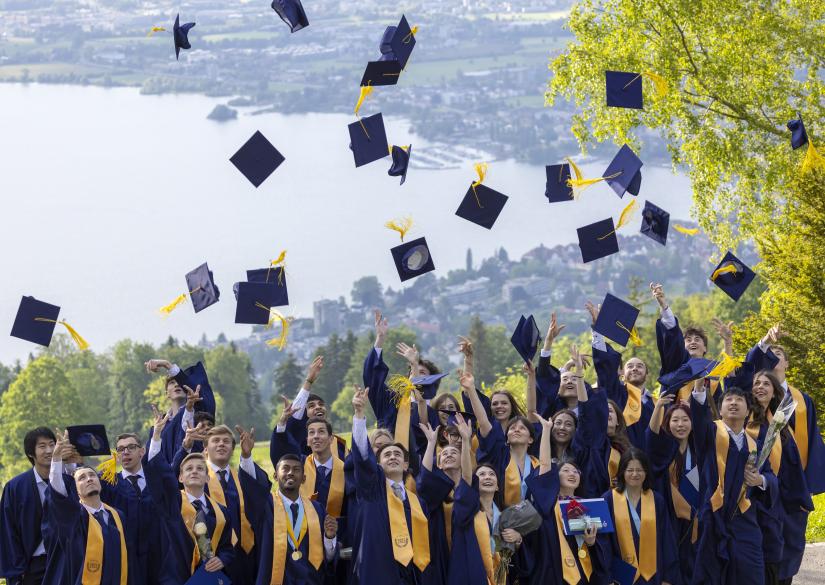
The number of graduates of the school exceeds more than 7000 specialists: among them are outstanding directors, CEOs, civil servants, bankers, scientists and researchers.
Upon completing studies, students enter selected colleges and universities within six months, continuing their academic path.
Entry requirements, how to apply, what is required to enrol
The bilingual Swiss primary school is organized for children from the age of six who have spent at least two years in kindergarten. The class is bilingual, with English and German being taught, but knowledge of both is optional at the beginning. Language support is provided in the classroom so that all children can make the most of the lessons.
The boarding school is available for children from the age of ten.
The bilingual Swiss Secondary School is designed for grades 7-9 and combines support with learning strategies, basic skills, and language acquisition.
Entrance requirements are the following:
- Good grades in the last two academic years,
- Certificate of proficiency in English or German with a minimum level of B1.
Swiss high schools offer German as their primary language, so students need to be fluent in it. A conversational level of English is also required, as some subjects are taught in it.
The International School assumes admission after primary education and further study at the Cambridge Pre-IGCSE and IGCSE for the last two years. The main language of instruction is English, so students will take an assessment test during the admission process. If the student has a level below B1 CEFRL, they can attend additional EAL lessons and the Foundation Year course. Additionally, knowledge of another language is required: German, French, Italian, Russian or another.
There are no special requirements for entering summer school.
The documents required for the submission of foreign candidates: passport, medical insurance and a visa to study in Switzerland.
Scholarships Institut Montana Switzerland
Currently, the school does not provide scholarships, grants, or other forms of financial assistance.
Literature and references

Institution on the map
Residence permits, citizenship and other services
- Guardianship services during the studies
- Student supervision
Review about Institut Montana Switzerland
Recommendations on when to apply
| Language courses, schools and children's language camps | Primary and secondary education - private schools | Preparation programmes for entering universities - higher education | Higher education (after completing accredited programs A-level, IB, High School) - Bachelor, Master, MBA |
| - we recommend to apply 6-9 months before the start of the course (some camps and schools offer discounts for early booking or for lengthy study programs) - there are some very popular and high demand children's camps, where the applications need to be submitted 1 year in advance (in particular Switzerland , Great Britain , USA , Canada , Austria) | - we recommend to apply one year before the start of the training program, - some schools have a specific time frame (September-November - please specify an individual school) - some schools require tests in several stages (UKISET, internal tests of the school: English, mathematics, logics, subjects, interview, some require a personal visit) | - we recommend to apply one year before the start of the program, - for Foundation and Pathway programs, IELTS and TOEFL certificates are usually required, respectively | - recommended submission one year before the start of the program, - the deadline normally closes in January, for TOP HEIs and, as a rule, in March in other universities - for a bachelor, a Foundation or Pathway preparatory program a completed A-level, IB, High School + IELTS / TOEFL are required - for Masters you need a graduated higher education, in some cases you need a pre-Masters program - MBA requires completed higher education, work experience preferably at least 2-3 years, etc. |