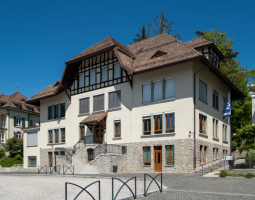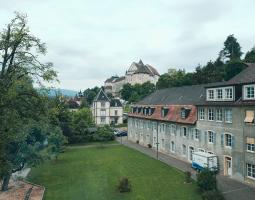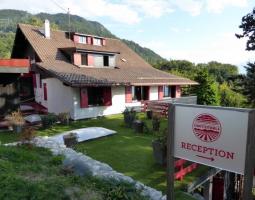
Geneva English School, British school in Geneva


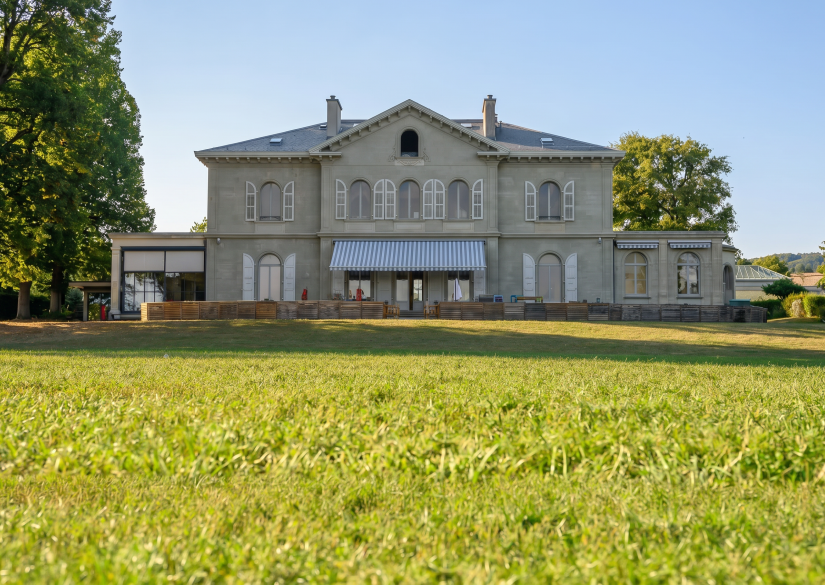
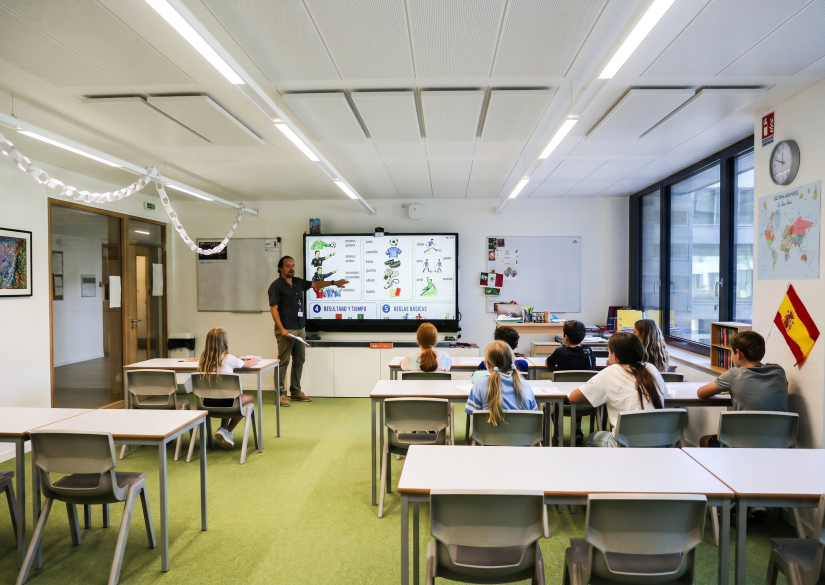
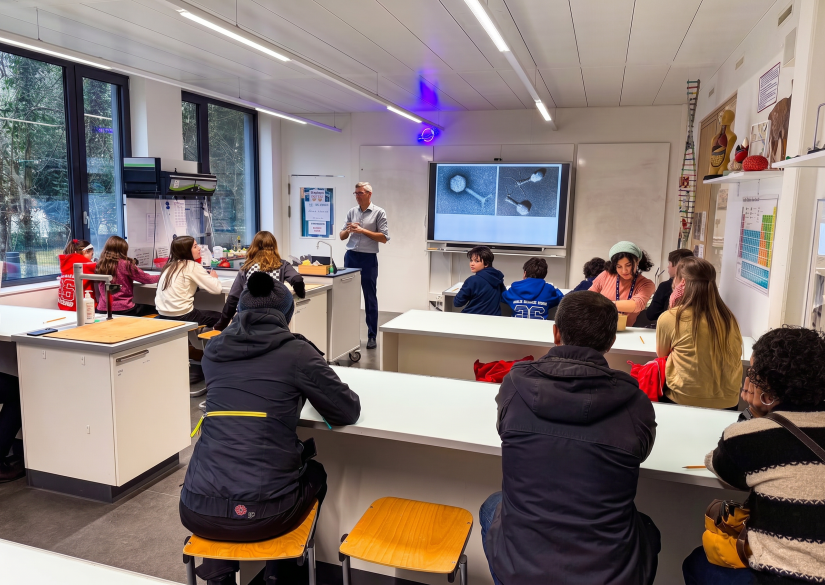
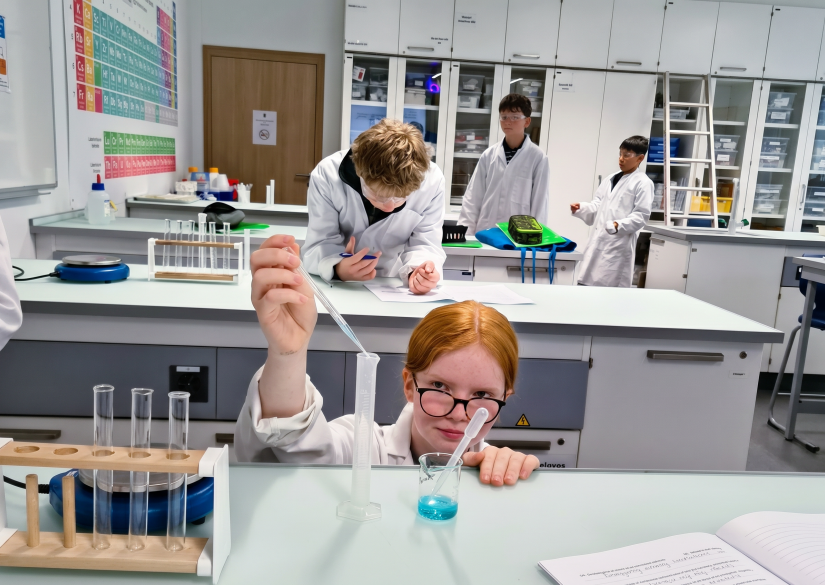
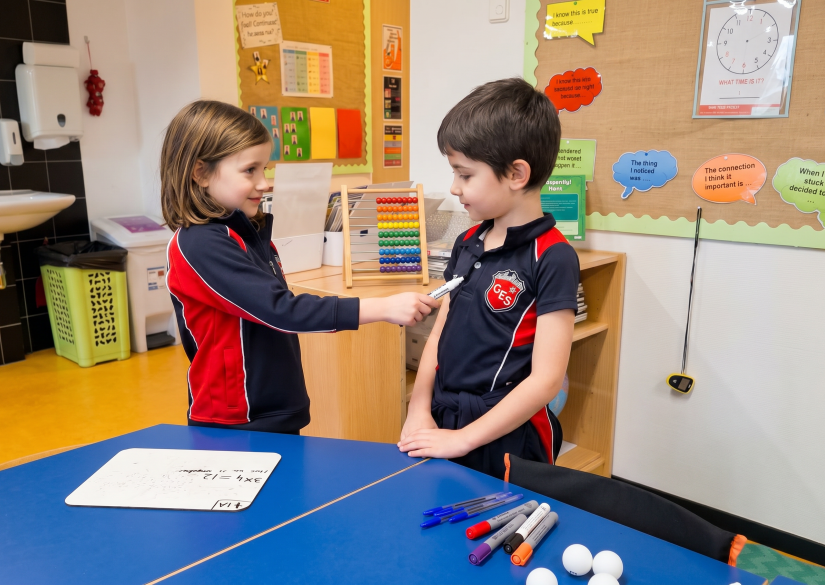


Programs and prices, tuition fees in Geneva English School, British school in Geneva


Early Years
- Age of students — 3–5 years.
At Geneva English School, the Early Years program is based on the British Early Years Foundation Stage system (Development Matters) and is tailored to age-specific characteristics and individual developmental stages.
From an early age, immersive French language studying alongside English is incorporated into the academic curriculum. Teachers of both languages work together so that children can comfortably develop in both language environments.
Each child's pace of development is taken into account individually, and any changes to the educational plan are discussed with the head of the early years department.
Key Stage 1
- Age of students — 5–7 years.
The transition to Key Stage 1 at Geneva English School is an important step from play-based preparation to more structured learning. Children study in a friendly and supportive environment where lessons remain active and varied but become more academic.
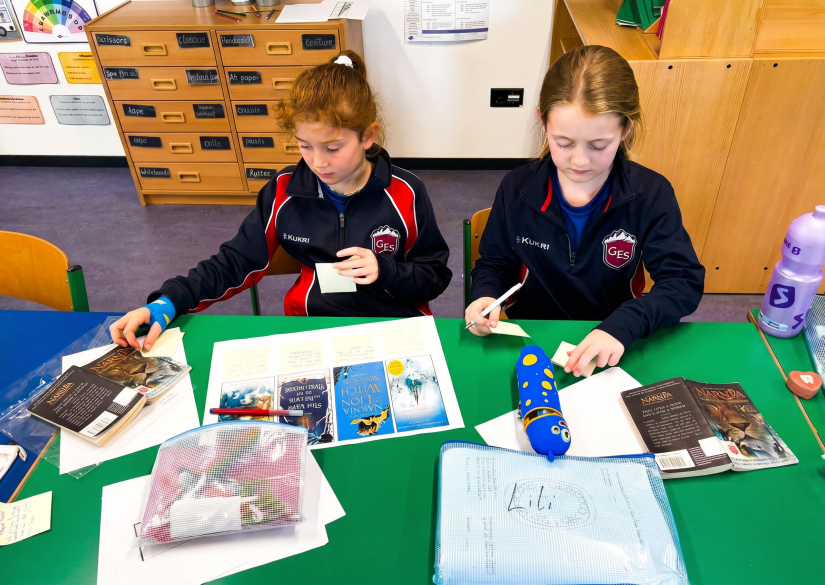
At the core of the program are English language studies, mathematics, and phonics skills. Reading and writing are gradually strengthened as key skills: children read regularly, discuss texts, and take books home to involve their families in the educational process. By the end of this stage, most pupils read and write confidently, and then move on to comprehension and working with different genres.
Mathematics is developed through practical exercises and tasks: numbers, addition and subtraction, shapes, measurements, and basic logic. French is studied daily, taking into account each pupil's level. The curriculum additionally includes topics in science, history, geography, and music; outside the main timetable — field trips, visits from guest specialists, IT, arts, dance and drama classes, and the PSHCE program for developing social and life skills.
Key Stage 2
- Age of students — from 7 to 11 years old.
At the Key Stage 2 level, educational process is structured around the National Curriculum of England (English, Mathematics, Science), while other subjects are adapted and supplemented with interdisciplinary projects. Special attention is given to creativity, critical thinking, and the individual pace of each student.
Learning extends beyond the classroom: museums, theatres, sports, musical productions, and meetings with guest speakers. In Year 3, topics such as Ancient Egypt and tropical rainforests are studied, with a trip to Kandersteg; in Year 4 — Ancient Rome, China, mountains and glaciers, with a trip to La Tzoumaz. In Year 5 — Ancient Greece, rivers and climate, starting with a camp in Les Gets and a trip to Gstaad. In Year 6 — independence and leadership are strengthened, the program becomes more challenging, and additional activities include an overnight stay in Saint-Luc and a trip to Torgon.
Key Stage 3
- Age of students — 11–14 years old.
Key Stage 3 at Geneva English School begins preparing students for GCSE/IGCSE and develops academic skills based on the National Curriculum of England. In addition to subject knowledge, attention is paid to life competencies: critical thinking, communication, teamwork, independence, and the ability to apply knowledge in practice.
The curriculum consists of the following subjects:
- English,
- Mathematics,
- History,
- Art + design,
- Drama,
- Computer science,
- Physical education,
- PSHCE,
- French, German, or Spanish.
The school day includes 6 lessons of 55 minutes each, with breaks and lunch, which can be spent in the cafeteria, at clubs, or in the library. Lessons end at 03:30 p.m., extracurricular activities continue until 04:30–05:30 p.m..
Key Stage 4
- Age of students — 14–16 years.
Key Stage 4 at Geneva English School prepares teenagers for GCSE and IGCSE exams. Before the final selection of subjects, students attend consultations to put together a balanced set of disciplines with the support of career advisors for subsequent university admission. Core disciplines are: English, English literature, French, geography, history, mathematics and natural sciences. Additionally, 2 subjects are chosen according to preference:
- Drama,
- German,
- Spanish,
- Art and design,
- Computer science,
- Physical education,
- Music.
After the GCSE stage, teenagers can continue their studies at GES on the A-level program, typically choosing 3–4 subjects for in-depth study.
Key Stage 5
- Age of students — 16–18 years.
A-level programs at Geneva English School are the final stage of in-depth study. Teenagers study 3–4 subjects of their choice and spend about 5 hours per week on each. Small educational groups allow for more individual attention and preparing for university at one's own pace.
The list of subjects includes biochemical disciplines, computer science, economics, English literature, foreign languages, history, advanced mathematics, physics, sociology and Spanish.
In grades 12–13, teenagers gain more independence: for example, they can leave the campus during lunch, use a separate dining hall and study spaces. At the same time, a respectful and supportive atmosphere is maintained, where older students often become role models for younger ones.
Description of Geneva English School, British school in Geneva
- Location: Geneva, Switzerland,
- Year of foundation: 1961,
- Language of instruction: English,
- Type of study: mixed.
Geneva English School is a popular full-cycle school for children aged 3 to 18 years old.
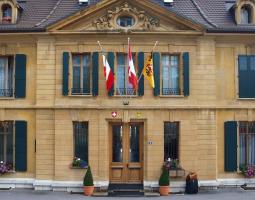
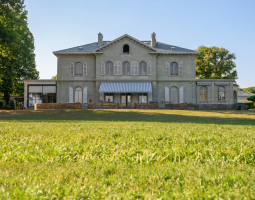
The campus is located near the center of Geneva and the UN headquarters, on the shore of Lake Geneva with a view of Mont Blanc.
The school successfully passed the British Schools Overseas inspection and received COBIS accreditation; following a review by ProCert, Geneva English School became a member of the AGEP and FSEP associations. It is part of the Inspired Education Group.
Educational process
At Geneva English School, education is based on the national curriculum of England, taking into account the international and multicultural environment of the school. In the upper years, teenagers prepare for GCSE and A-level exams, which are recognized by universities around the world.
All classes are conducted in English; a bilingual preschool program is available for younger children. Throughout the entire school cycle, boys and girls study French, and may additionally obtain certificates in German, Spanish, and their native languages.
The school day in primary school runs from 8:30 a.m. to 03:20 p.m., on Wednesdays — until 12:20 p.m.. In secondary school, classes end at 03:30 p.m., and clubs and extracurricular activities continue into the evening.
Things to know about
All students at Geneva English School receive a GES sports kit: a PE t-shirt, a home t-shirt, and sports shorts. For cold-weather activities and school trips, additional GES-branded clothing can be purchased separately.
Accommodation, meals, prices
At Geneva English School, meals are prepared by the company Novae. Meals are available 5 days a week and are paid for separately. The menu features varied and balanced dishes without nuts, with minimal salt and seasonal produce. Students can bring a healthy lunch from home. Younger students eat in the school cafeteria, older students — in the large café. On Wednesdays, meals are also available for students attending clubs or extended day.
Activities Geneva English School, British school in Geneva
At Geneva English School, extracurricular life plays an important role in students' development: clubs, societies, and sports sections help students discover their talents, learn teamwork, and develop creativity and self-confidence. Children and teenagers on campus have access to sports teams, choir, orchestra, theatre, chess, STEAM, coding, animation, debate, literary club, yoga, ballet, rock climbing, crossfit, gardening, art, language clubs, and many other activities. Among the most popular activities are D&D, street dance, watercolour, sewing, and clubs within the Duke of Edinburgh's International Award.
Regular meetings with invited experts and guest speakers are held: topics range from climate change and cybersecurity to engineering, sustainable development, and Antarctic research. At these meetings, students gain a better understanding of contemporary global processes and learn about different professional fields.
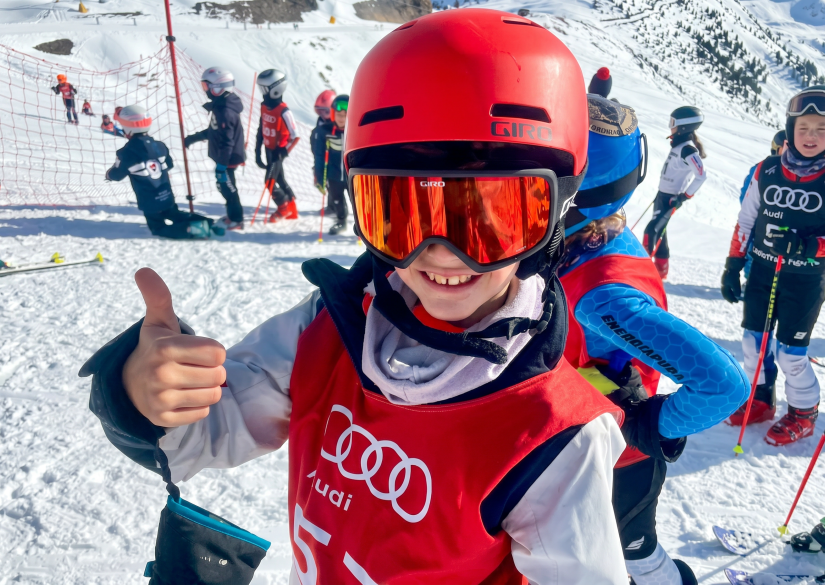
Particular attention is given to educational trips and learning outside the classroom. Students participate in cultural journeys, educational excursions, and sports camps: for example, Key Stage 3 students visit Pompeii, Barcelona, and Berlin, and in winter travel to ski camps in the Alps, combining sport, team activities, and language practice. Some trips involve active sports: rock climbing, rafting, and mountain biking. Thanks to its location in Geneva, students visit CERN, the local university, the World Economic Forum, art exhibitions, and theatrical performances.
Advantages
- Teaching follows UK national curriculum: from pre-school preparation to GCSE and A-level exams. The curriculum combines academic rigour and a creative approach: from the junior years, students receive a broad compulsory knowledge base, and can later develop the areas that interest them most in greater depth.
- The school community reflects Geneva's international atmosphere: students from 60+ nationalities study here, including Swiss and French pupils, and almost 50 languages are spoken in everyday life.
- Despite ongoing development and modernisation, the school remains small in size so that students receive more attention and support at every stage of studying. Great importance is placed on students' emotional well-being, with a conscious effort to maintain a balance between academic study and personal development. In addition to academic subjects, children and teenagers are actively engaged in art, music, theatre and sport (both individual and team).
Facilities and equipment at Geneva English School, British school in Geneva
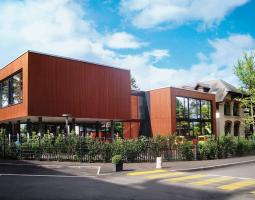
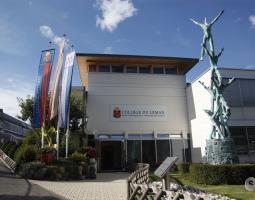
The modern campus for middle school students at Geneva English School opened in 2016: it preserved the warm atmosphere of the primary school while adding a more academic approach for older students. The main academic campus is located in a modern building near the primary school, creating a calm and comfortable learning environment.
Each child receives an iPad; Google Classroom and Google Workspace are used for lessons and communication.
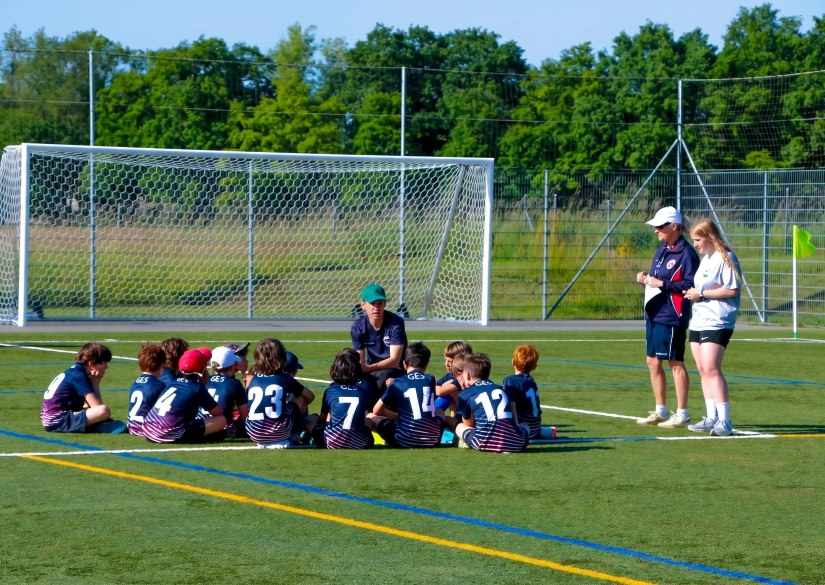
The school also uses regional infrastructure for sports training: for example, a country club, the UEFA headquarters football fields, and Lake Geneva.
Admission dates and extra charges
Academic year schedule at Geneva English School involves:
- First term: autumn — mid-December,
- Winter holidays: end of December — beginning of January,
- Second: mid-January — end of March,
- Spring: end of March — beginning of April,
- Third: mid-April — end of June.
Enrolment process
Admission to Geneva English School usually takes place in several stages:
- The school receives an initial inquiry and clarifies information about the student.
- Recommendations and references from the previous school or kindergarten are reviewed.
- The next stage is getting acquainted with the school's structure and rules: this can be a personal visit, an online meeting, or a phone call.
- The family submits the completed application form and required documents.
- The school reviews the application and supporting materials, and then makes a decision on enrollment. If there are no available places, the family may be offered alternative options or recommendations.
Perspectives
Geneva English School shows results comparable to leading independent schools in the United Kingdom. In 2025, 50%+ of A-level grades were at A*–A, and students' overall results exceeded national and global averages by nearly 50%.
In GCSE exams, the share of the highest grade — 9 — was twice the average British level, with 70%+ of upper school students receiving grades 7 and above.
Based on A-level results, the school consistently ranks in the top 5% in the world. Students demonstrate high results in English, mathematics, and the natural sciences.
List of universities most frequently attended by graduates includes:
- University of Cambridge,
- University of York,
- Imperial College London,
- Ecole Hôtelière de Lausanne,
- Webster Geneva Campus,
- University of Amsterdam,
- Florence Institute of Design International,
- Institut Français de la Mode,
- IE Business School,
- Barcelona Business School,
- University College Dublin.
Entry requirements, how to apply, what is required to enrol
The main language of instruction at Geneva English School is English, so it is important for students to have a level of proficiency that allows them to study freely according to their age group's curriculum (from B1); in junior classes, children with minimal knowledge of English or none at all may be admitted.
When applying, families provide school reports and documentation of any additional educational needs, if applicable.
For admission to kindergarten, children attend two introductory meetings; candidates for other classes may also schedule a meeting with the school team. Those applying for the A-level stage provide a list of chosen subjects, their most recent grades and, if available, their predicted GCSE results. This is followed by an interview and, in some cases, written testing.
Applications are accepted throughout the year; if no places are available in a class, students are added to a waiting list.
Institution on the map
Residence permits, citizenship and other services
- Guardianship services during the studies
- Student supervision
Review about Geneva English School, British school in Geneva
Recommendations on when to apply
| Language courses, schools and children's language camps | Primary and secondary education - private schools | Preparation programmes for entering universities - higher education | Higher education (after completing accredited programs A-level, IB, High School) - Bachelor, Master, MBA |
| - we recommend to apply 6-9 months before the start of the course (some camps and schools offer discounts for early booking or for lengthy study programs) - there are some very popular and high demand children's camps, where the applications need to be submitted 1 year in advance (in particular Switzerland , Great Britain , USA , Canada , Austria) | - we recommend to apply one year before the start of the training program, - some schools have a specific time frame (September-November - please specify an individual school) - some schools require tests in several stages (UKISET, internal tests of the school: English, mathematics, logics, subjects, interview, some require a personal visit) | - we recommend to apply one year before the start of the program, - for Foundation and Pathway programs, IELTS and TOEFL certificates are usually required, respectively | - recommended submission one year before the start of the program, - the deadline normally closes in January, for TOP HEIs and, as a rule, in March in other universities - for a bachelor, a Foundation or Pathway preparatory program a completed A-level, IB, High School + IELTS / TOEFL are required - for Masters you need a graduated higher education, in some cases you need a pre-Masters program - MBA requires completed higher education, work experience preferably at least 2-3 years, etc. |