Dartmouth College








Programs and prices, tuition fees in Dartmouth College


It is worth noting that the undergraduate programs at Dartmouth College ranked 11th in the national ranking (according to the US News & World Report in 2015), and in the same ranking several years (2009-2013 inclusive), the programs ranked 1st.
In total, more than 45 undergraduate programs are offered for students. Including worth mentioning programs with student exchange, established with more than 20 countries in the world - about 60% of students take part in such courses.
The cost of the programs may differ depending on the chosen direction - you can specify the exact prices for your manager.
The total number of students in master's and doctoral programs is 700 people (mostly humanities and natural sciences).
The cost of the programs may differ depending on the chosen direction - you can specify the exact prices for your manager.
Description of Dartmouth College
- Location: Hanover, New Hampshire, USA,
- Founded: in 1769,
- Total number of students: 6,340,
- Programs: undergraduate and graduate education.
Dartmouth College today is considered to be one of the best in the US and the world of higher education, is part of the legendary Ivy League - the community of America's most prestigious, elite universities. Distinctive features of the college are strong humanitarian bachelor programs and excellent master's programs, which are research in the field of humanities and natural sciences.
The college was founded in 1769 by the forces of the priest Eleazar Vilok - he wanted to educate English and American youth, as well as to attract young people of Indian descent who had lived in this land for centuries. In 1972, the college began to accept girls (introduced a mixed form of studying), and in 2004 the university was named one of the most reliable in the world (according to the consulting firm Allen Hamilton).
It is worth mentioning the famous "The Case of Dartmouth College" (thundered in 1819), associated with attempts to nationalize the educational institution. Today, this legal precedent is considered to be one of the main provisions for the prohibition (on the basis of the constitution) of government intervention in the private affairs of educational institutions - the administration of Dartmouth College was able to defend its independence, the ability to independently draft the rules and regulations, and avoid total control by the state.
There are more than 40 different departments in the college. Among the most popular educational programs (according to the statistics of 2013) the following can be noted:
- Economics
- Public administration
- Psychology
- Brain research
- Biology and related sciences
- History
- Engineering
- English
- Mathematics.
The college, in addition to the main faculties, includes three large school-departments:
- Faculty of Medicine. Geysel
Founded back in 1797, today it is considered to be one of the best medical faculties in the USA. The newest educational and research methods and a huge amount of scientific research - that's what makes this faculty the flagship of medical education. In total, the medical faculty includes 17 departments (mainly research and clinical medicine). Popular programs - doctorate in medicine (M.D.), master's and doctoral degrees (directions "Public Health", "Biomedical Research").
- Business School for them. Taka
The first business school in the country in which master's and doctorate programs were introduced for the Master's program. Today the department is considered to be one of the best business schools around the world. The most popular programs are MBA (Master of Business Administration), non-degree programs (executive education, advanced studying).
- Faculty of Engineering. Tayera
Includes the Department of Engineering (provides a wide range of bachelor's programs) and a special faculty of specialized education (more narrowly focused specialties for obtaining a master's degree or a doctor of engineering sciences).
The total number of teachers working in the most demanded areas (humanities and natural sciences) is 391 people: Dartmoor is the first among the Ivy League universities in terms of the number of female teachers.
The first doctoral degree in Dartmoor was awarded back in 1885, and modern doctoral programs work (of course, continuously developing and improving) since the 1960s.
Educational process
Undergraduate education is built on a broad liberal arts foundation that connects different areas of knowledge. Students can explore the arts and sciences before choosing a major or designing their own.
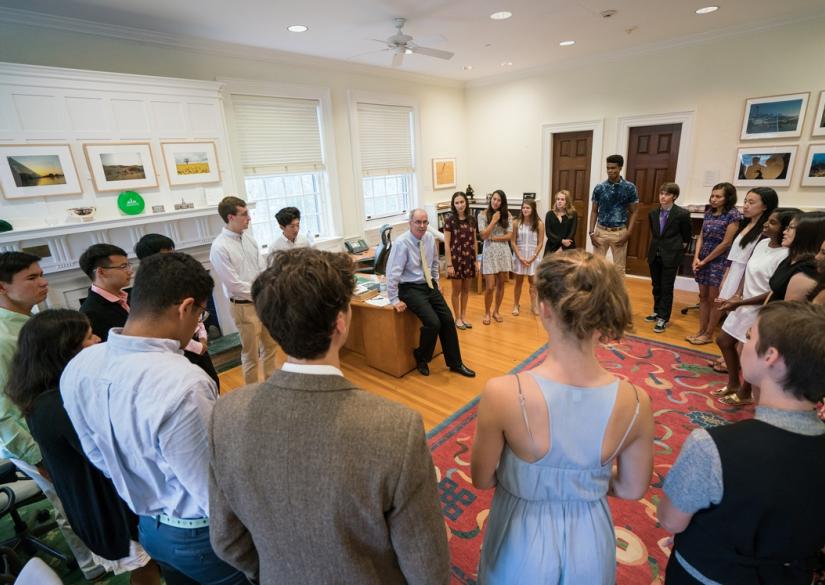
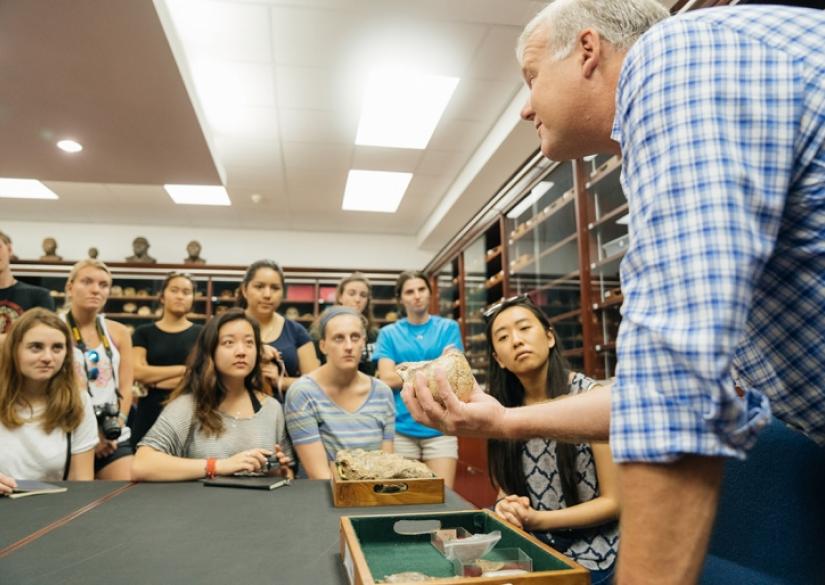
Most classes have 20 or fewer students. Faculty give personal attention to undergraduate and graduate students. Interdisciplinary research opportunities are available at both levels. Education takes place on campus and online.
The Center for Career Design helps undergraduates explore career opportunities and develop their careers.
Faculties and colleges
The Guarini School of Graduate and Advanced Studies offers graduate programs across a range of disciplines and departments at the college.
The college offers these disciplines and interdisciplinary programs:
- African and African American Studies,
- Asian Societies, Cultures, and Languages,
- Comparative Literature Program,
- East European, Eurasian, and Russian Studies,
- Latin American, Latino, and Caribbean Studies,
- Middle Eastern Studies Program,
- Native American and Indigenous Studies,
- Quantitative Social Science Program.
Scientific achievements
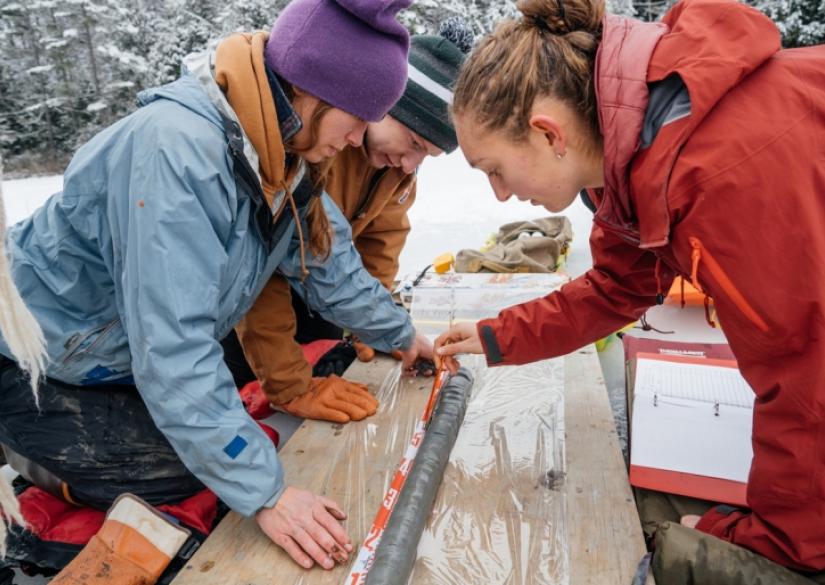
The college's more than 75 centers and institutes offer opportunities for education and research in medicine, the arts, engineering, and business. Many work across disciplines, bringing together faculty and students from different parts of campus.
Graduates receive Rhodes, Marshall, Truman, Udall, Goldwater, Fulbright, and Knight-Hennessy scholarships and fellowships.
Things to know about Dartmouth College
The charter establishing Dartmouth was signed by John Wentworth, the Royal Governor of New Hampshire.
Accommodation, meals, prices
All first- and second-year students are required to live on campus. Older students can rent an apartment or a mansion, or find a hostel in Hanover off campus. In total, 9 comfortable houses for students have been built on the Dartmouth campus, which also has more than 10 restaurants, cafes and fast-food outlets.
All college students belong to one of six house communities. Each community is based in a group of residential buildings with an affiliated faculty residence.
Subjects, specialties
Activities at Dartmouth College
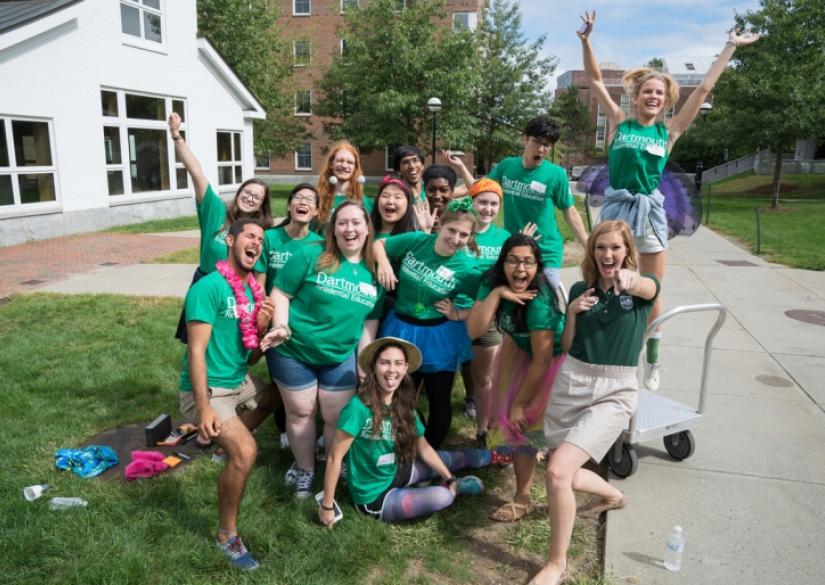
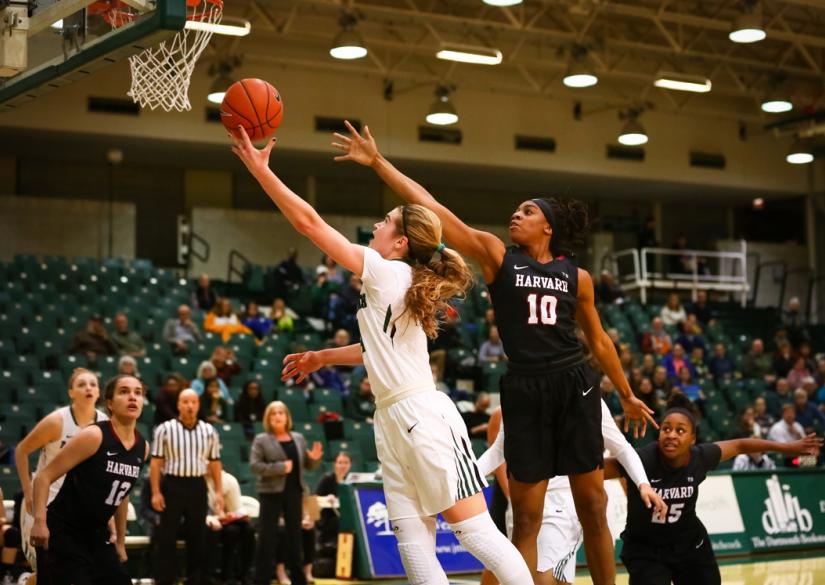
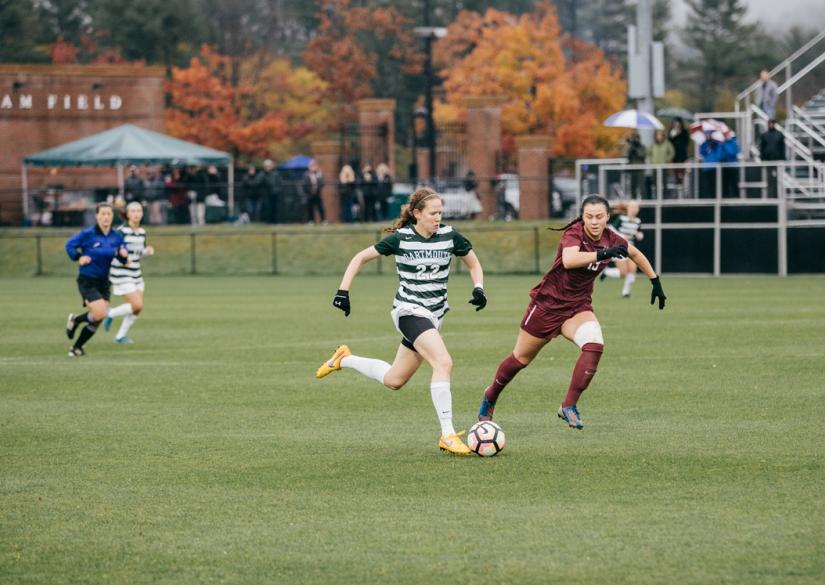
About 25% of students participate in intercollegiate sports, while 75% take part in other forms of active recreation.
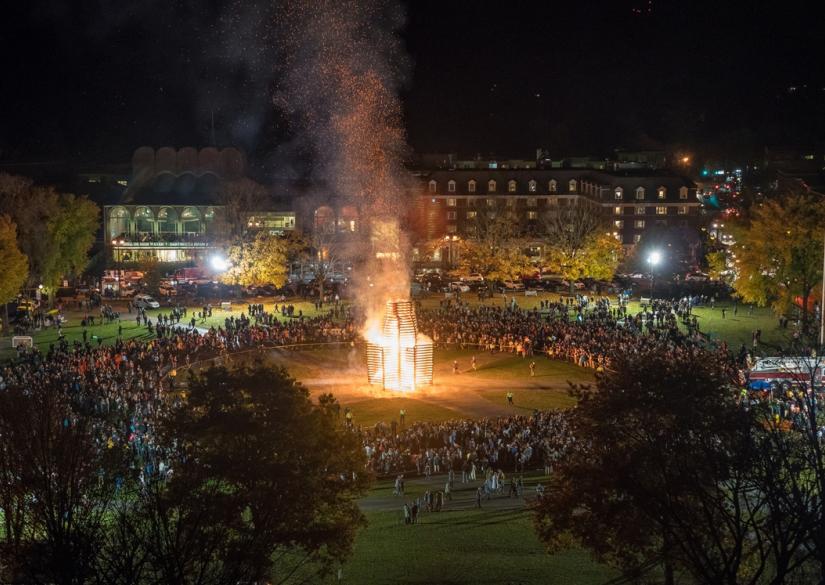
Guest lectures, student presentations, performances, arts events, and athletic contests take place on campus every day. The Dartmouth Dialogues initiative promotes a culture of respectful discussion of different views within the university community.
Community service opportunities include helping maintain the Appalachian Trail and serving dinners to people experiencing homelessness.
Advantages
Among the achievements of the college are a number of important scientific discoveries of world importance and graduates who have become popular among professionals in their field:
- Thomas Kurtz and John Kemeni in the walls of Dartmoor came up with a widely used BASIC programming language;
- Among the graduates there are 3 Nobel Prize winners: Aries Chamberlain (physics), Karl Barry Sharpless (chemistry), George Davis Shell (physiology);
- The discovery of the neural network of the brain, which is responsible for creative processes and development - is an important contribution to the program of creating artificial intelligence;
- Works of V. Koehler on the behavior of anthropoid apes - later it was Koehler who became the founder of Gestalt psychology;
- Teacher H.H. Scott inscribed himself in the Hall of Fame of consumer electronics: he invented the tube amplifier, became the creator of a high-quality broadcasting system and the author of a dozen more inventions in the field of electronics;
- B. Cheboyer most accurately among all modern scientists (the probability of up to 95%) determined the age of the universe.
Facilities and equipment at Dartmouth College
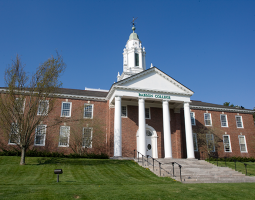
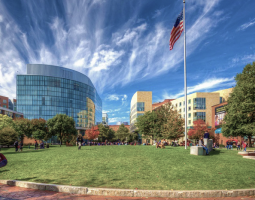
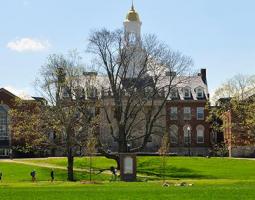
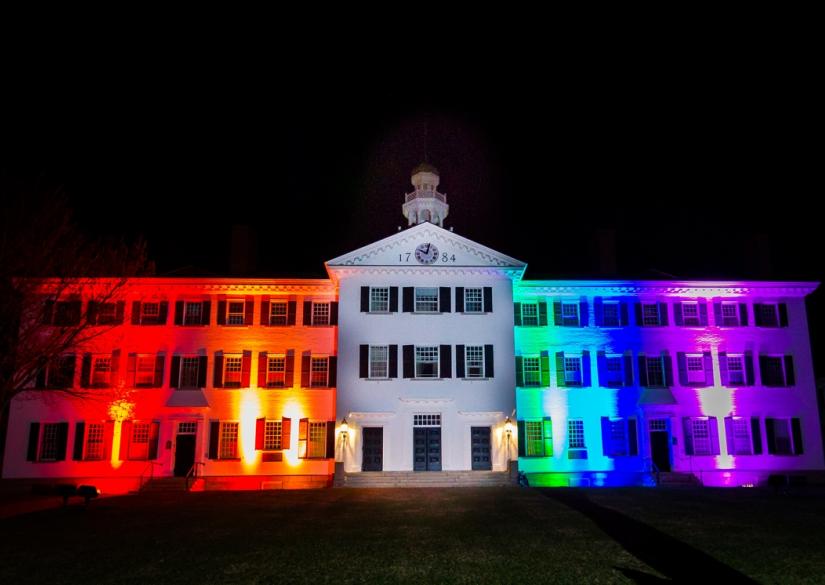
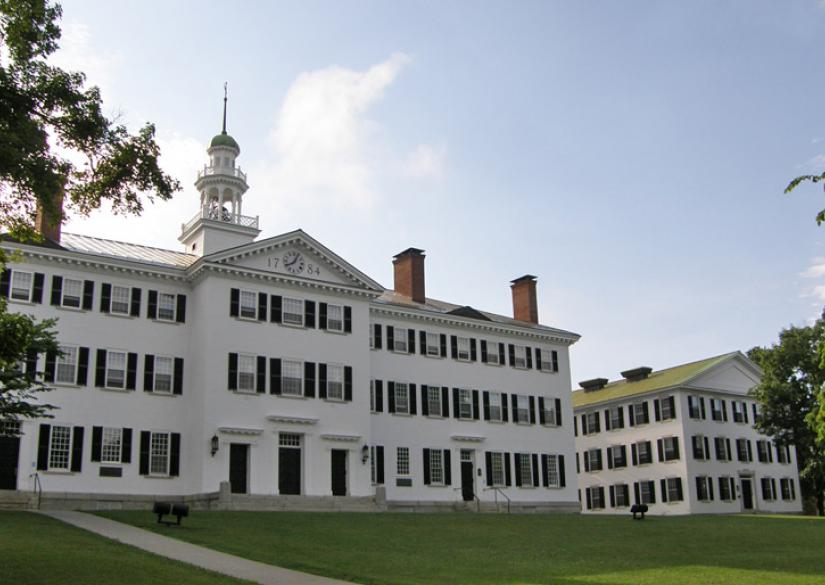
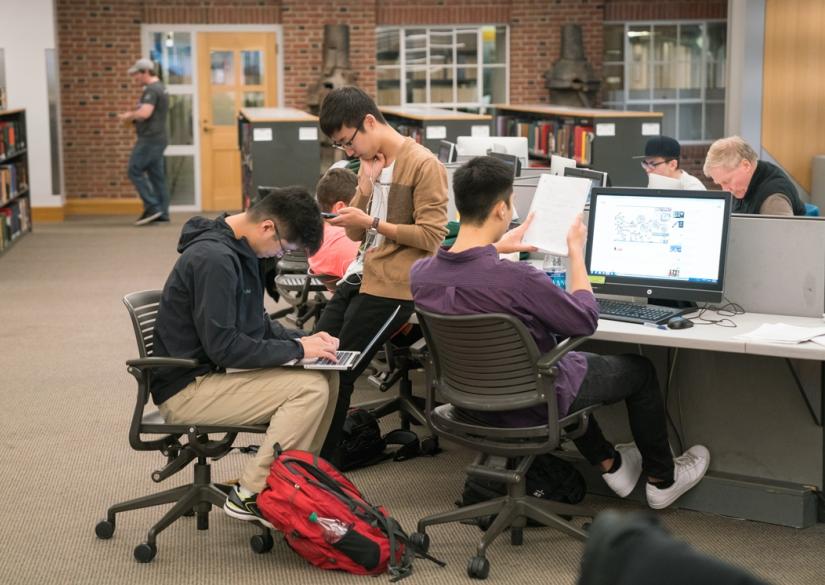
Dartmouth College has an extensive campus in Hanover. Colonial architecture defines the campus. Most buildings date from 1820 to 1920, although construction continued until 2006. The Medical School, its laboratories, and a large library are in the north of the campus. A medical center and university hospital are in the south. The Engineering School and Business School are in the west.
A separate Hopkins Arts Center has been built for students, with numerous creative studios and workshops offering classes in jewelry making, film production, drama, and music. The campus has 2 theaters of its own, a large concert hall, the Hood Museum of Art, and about 9 libraries, both general and specialized.
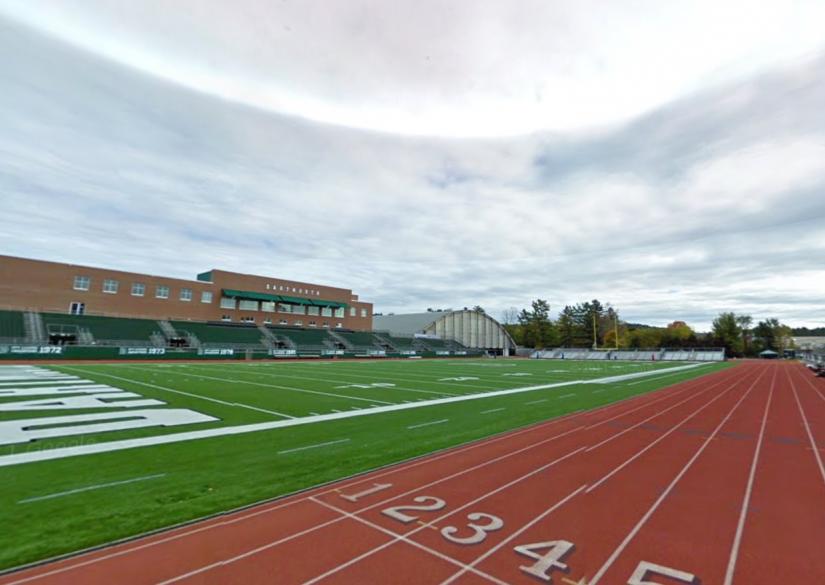
The sports infrastructure of the college is mainly concentrated on the southeast of the campus: there are numerous playgrounds, running tracks, a large fitness club and a spacious pool, a football field, a skating rink and its own ski slope.
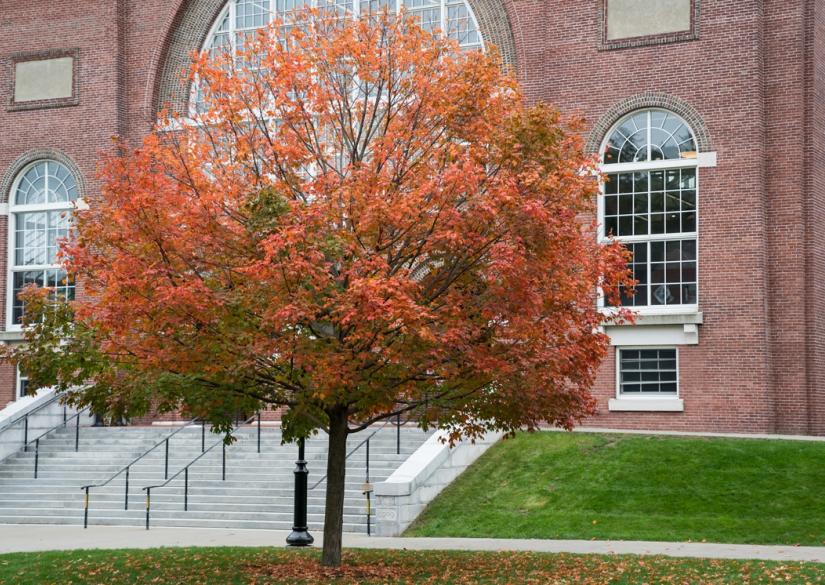
Dartmouth works to add greenery to its grounds and enhance their ecological and natural value. Around 200 traditional American elm trees grow around the buildings, and students and teachers add to their number each year. The college has an organic farm where students can harvest vegetables.
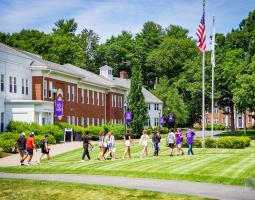
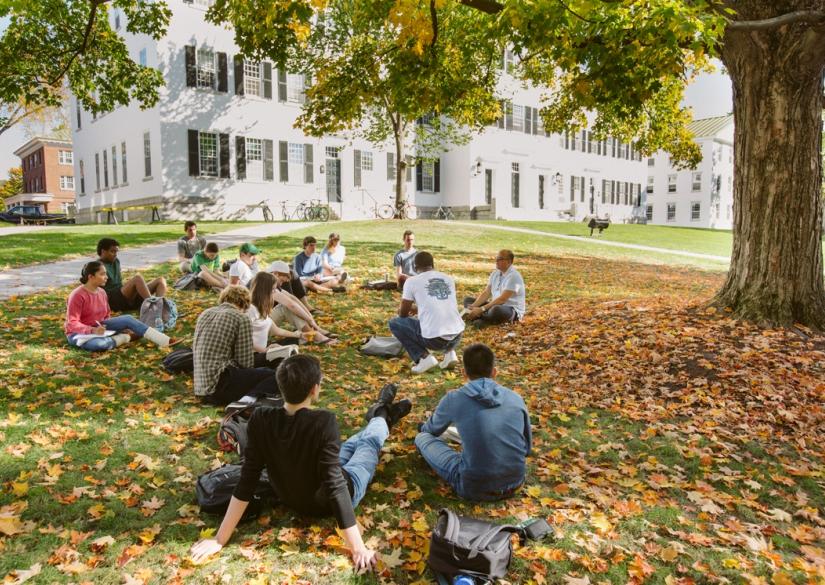
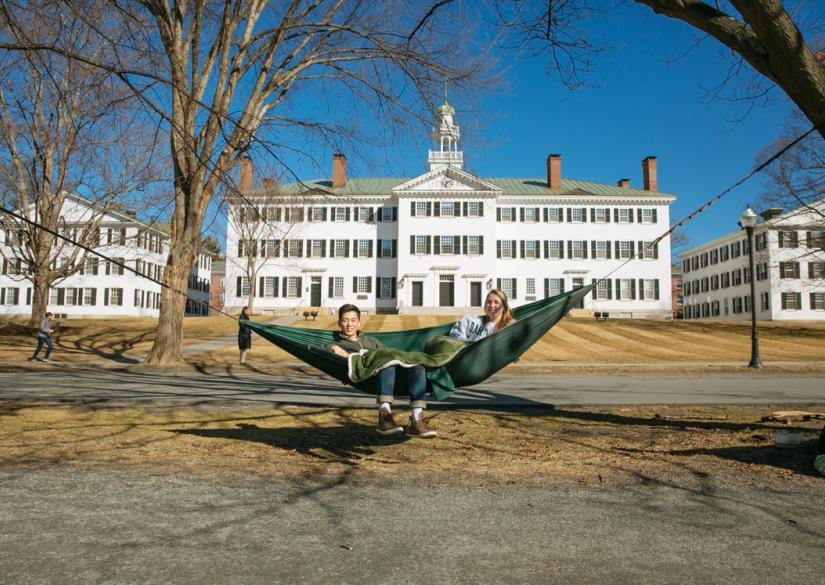
The campus is located in New England. Its central Green is lined with trees. The Appalachian Trail runs through campus, and a shuttle is available for moving around the campus.
Perspectives
Many Dartmouth graduates pursue careers as scholars and researchers.
Graduates' admission rates to law and medical schools are consistently well above the national average.
Entry requirements, how to apply, what is required to enrol
Like other top universities and members of the Ivy League, Dartmoor College sets high standards for its future students. Including selection is also carried out with the financial condition of the family: although there are various grants and scholarship programs in Dartmoor, studying here will cost a round sum.
Entrance examinations also do not differ simplicity, especially for international students, and the highest competition (up to 20 people per seat!) Increases difficulties in admission and competition among applicants. On average, only 30% of students enter the total number of applications submitted.
There are two main entrance exams:
- TOEFL (English proficiency testing). You need to score at least 100 points (out of 120 possible). You can also provide an IELTS test certificate: its results will be translated into an equivalent TOEFL scale;
- SAT (American exam for the level of academic knowledge, usually offered to senior high school students). It is necessary to score at least 1400 points.
In addition to the students, an introductory essay on the topic "Why do I want to study at your university?". Most likely, the admission committee in case of successful passage of the first tests will offer to write another 1-2 essay essays on this topic.
The entrant must prepare the following additional documents:
- Completed application form for enrollment
- Written recommendations from teachers of the previous school
- All kinds of certificates, awards, cups, awards, letters of thanks for achievements in academic, sports, creative, charitable sphere.
All documents must be translated into English and notarized. Documents are accepted until January 1 (for admission in the future fall semester).
Scholarships Dartmouth College
Financial aid at the college is based on financial need. Dartmouth commits to meeting 100% of every admitted student's demonstrated financial need, regardless of their country of origin.
The Thayer School of Engineering offers fellowships, scholarships, and research assistant positions. Loans and external funding opportunities are also available.
Institution on the map
Residence permits, citizenship and other services
- Guardianship services during the studies
- Student supervision
Review about Dartmouth College
Recommendations on when to apply
| Language courses, schools and children's language camps | Primary and secondary education - private schools | Preparation programmes for entering universities - higher education | Higher education (after completing accredited programs A-level, IB, High School) - Bachelor, Master, MBA |
| - we recommend to apply 6-9 months before the start of the course (some camps and schools offer discounts for early booking or for lengthy study programs) - there are some very popular and high demand children's camps, where the applications need to be submitted 1 year in advance (in particular Switzerland, Great Britain, USA, Canada, Austria) | - we recommend to apply one year before the start of the training program, - some schools have a specific time frame (September-November - please specify an individual school) - some schools require tests in several stages (UKISET, internal tests of the school: English, mathematics, logics, subjects, interview, some require a personal visit) | - we recommend to apply one year before the start of the program, - for Foundation and Pathway programs, IELTS and TOEFL certificates are usually required, respectively | - recommended submission one year before the start of the program, - the deadline normally closes in January, for TOP HEIs and, as a rule, in March in other universities - for a bachelor, a Foundation or Pathway preparatory program a completed A-level, IB, High School + IELTS / TOEFL are required - for Masters you need a graduated higher education, in some cases you need a pre-Masters program - MBA requires completed higher education, work experience preferably at least 2-3 years, etc. |