
 For partners
 Tennis in Switzerland 2026
-
 In 2023: 37 IB average, 43 highest point, 100% pass rate
SwitzerlandMontreuxCurrently watching: 10from 31010.00 CHF / year
In 2023: 37 IB average, 43 highest point, 100% pass rate
SwitzerlandMontreuxCurrently watching: 10from 31010.00 CHF / year -
 One of the best only-girl school in Europe
SwitzerlandMontreuxCurrently watching: 7from 56000 CHF / semesters
One of the best only-girl school in Europe
SwitzerlandMontreuxCurrently watching: 7from 56000 CHF / semesters -
 from 2890 CHF / weeks
 -
 from 8100.00 CHF / 3 weeks
 -
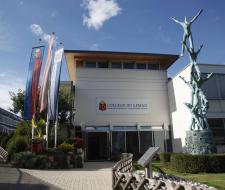 In 2024 100% graduates achieved IB Diploma
SwitzerlandGenevaCurrently watching: 7from 113500.00 CHF / year
In 2024 100% graduates achieved IB Diploma
SwitzerlandGenevaCurrently watching: 7from 113500.00 CHF / year -
 In 2021 an average IB score was 38
SwitzerlandSt. GallenCurrently watching: 8from 55000 CHF / terms
In 2021 an average IB score was 38
SwitzerlandSt. GallenCurrently watching: 8from 55000 CHF / terms -
 In 2023an average IB&FB score was just over 36 points.
SwitzerlandLausanneCurrently watching: 9from 69300.00 CHF / year
In 2023an average IB&FB score was just over 36 points.
SwitzerlandLausanneCurrently watching: 9from 69300.00 CHF / year -
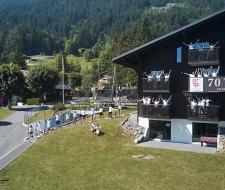 In 2021 - 100% of IB students successfully completed the program
SwitzerlandMontreuxCurrently watching: 10from 43400 CHF / terms
In 2021 - 100% of IB students successfully completed the program
SwitzerlandMontreuxCurrently watching: 10from 43400 CHF / terms -
 Accreditation: Swisslearning; SFPS; International Baccalaureate; ISO; AVEDP; BSA
SwitzerlandLausanneCurrently watching: 8
Accreditation: Swisslearning; SFPS; International Baccalaureate; ISO; AVEDP; BSA
SwitzerlandLausanneCurrently watching: 8 -
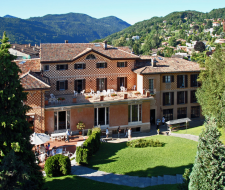 In 2020 an average IB score made up 34.1
SwitzerlandLuganoCurrently watching: 5from 28000.00 CHF / year
In 2020 an average IB score made up 34.1
SwitzerlandLuganoCurrently watching: 5from 28000.00 CHF / year
Switzerland is a country known not only for its stunning natural landscapes and high standard of living, but also for its well—developed sports infrastructure. There is also an excellent education — both higher education, which is easy to see after reading the latest Times HE rating, and secondary education, including additional education.
The Swiss system is quite young, it was formed later than the British, French and even American ones, and therefore successfully absorbed all the best that could be borrowed from these countries. For example, a respectful attitude towards sports, and if in the USA and Great Britain the emphasis is on football (in the first case American, in the second — classical, in our view) or rugby, then in Switzerland the choice of sports programs is simply huge. Among the many sports programs, tennis schools and camps for teenagers occupy a special place, which combine professional training, academic development and intense leisure: according to independent estimates, they rightfully hold the title of the best in Europe.
Tennis camps in Switzerland are aimed at both amateurs who want to improve their skills, and young athletes who are interested in a professional career. Participants range in age from 10 to 18 years old, and programs can last from one week to several months.
Alternative destinations
Why choose a tennis school in Switzerland?
- High level of training
The camps cooperate with leading tennis academies and international coaches. The programs are designed taking into account the age and level of preparation of the participants and are designed for athletes of any level — from beginners to professionals.
- Ideal conditions for training
Many camps are organized on the basis of prestigious schools and sports centers with modern tennis courts (outdoor and indoor), gyms and rehabilitation areas. Some Swiss schools, moreover, cooperate with tennis academies, and a talented teenager can easily move from the children's category to the adult category, and even receive a discount on tuition.
- The balance between sports and education
Some camps offer the opportunity to combine training with studying of foreign languages (English, French, German, less often Italian or, for example, Korean), making the program not only useful for athletic growth, but also academically significant.
- The international community
Swiss sports tennis camps bring together teenagers from all over the world — they speak various languages and look at the world from different angles, creating a unique atmosphere of international communication, sports fraternity, and providing new acquaintances and a unique experience: social, sporting, cultural.
- Beautiful nature and cultural environment
Switzerland is a safe place and an environmentally friendly place. Despite the presence of industry, the authorities of this country managed to keep the mountains and rivers, lakes and meadows practically untouched. Clean mountain air has a beneficial effect on the health of young athletes and makes training even more productive.
At the same time, the cultural factor should not be underestimated: the best tennis camps in Switzerland offer their students excursions to cities such as Geneva, Zurich, Lausanne, hiking in the Alps and water sports on the lakes.
- The opportunity to participate in tournaments
Some camps organize or send their students to local and international tournaments, allowing them to gain competitive experience.
Tennis camp for children in Switzerland: disadvantages and features
- High cost of studying
Tennis camps in Switzerland are more expensive compared to similar programs in other countries due to the high standard of living, high-quality infrastructure and professional coaches.
- The language barrier
Although English is spoken in the camps, teenagers who do not speak or are poorly versed in foreign languages may have difficulty communicating at first.
- Heavy loads
Intensive training sessions can be difficult for untrained players, it is important to take into account the physical fitness of a teenager before enrolling and choose a camp according to his capabilities.
- Limited number of places
Popular camps fill up quickly, and you need to book a place in advance, preferably several months in advance.
- The difference in climate
Teenagers who are used to warmer climates may feel uncomfortable in alpine conditions, especially if training takes place in the morning or evening.
- Strict daily routine
Some tennis schools in Switzerland require their students to follow strict schedules. For children who are not used to an intensive regime and discipline, this can become a serious stress.
Choosing a sports tennis camp in Switzerland: what factors should be paid attention to?
When choosing a tennis camp in Switzerland for a teenager, you should focus on several key factors.
The level of training and the studying program. Is the camp suitable for your child's level (beginner, intermediate, advanced)? Ask for how many hours of tennis training are conducted per day, and what kind of program is it amateur or professional. The availability and choice of group and individual classes, the level of coaches (ITF certification, experience working with young athletes) is important.
The general format of the camp. It can be a specialized tennis camp or a camp with a multidisciplinary program. If you want to enroll your child in a long-term program, the opportunity to combine tennis with academic studies will be a significant advantage.: This way, the young athlete will be spared the need to travel from school to camp and back every day.
The available infrastructure. Everything matters: which courts are in the camp (indoor or outdoor, their surface (soil, hardboard, grass), the availability of ventilation and heating systems, how access to the gym, pool, physiotherapists is organized, what additional sports facilities are available (fitness, OFP, tactical classes).
The language environment. What language are you studying in (English, French, German)? Is it possible, along with tennis training, to seriously study foreign languages in parallel, and if so, which ones and with what intensity? In which part of Switzerland is the camp located (mountains, lake, city)? And even if the country is small at first glance, there are different climatic zones here, so you need to make sure that the climate is suitable for comfortable training.
Safety and living conditions. There are three main options: guest families, residences, and a campus, each with its own advantages and disadvantages. Pay attention to the conditions of medical care and insurance: for children, especially athletes, this issue is of priority importance.
Additional activities and leisure time. What do children do besides tennis (excursions, cultural events, other sports)? Which countries do students usually come from? The opportunity to communicate with children from different countries will significantly enrich a teenager's experience and help him find new friends.
The cost of the program and additional services. Find out if the price list includes meals, accommodation, equipment, medical insurance, additional fees for participation in tournaments or individual training sessions, prizes, camp souvenirs.