
 Spain
Spain
 For partners
 GCSE in London 2026
-
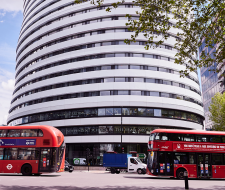 In 2023 100% of students achieved A*– B grades at A-level
United KingdomLondonCurrently watching: 9from 20300 £ / termsProgram namedateAgeFeesGCSELast booking 4 weeks ago
In 2023 100% of students achieved A*– B grades at A-level
United KingdomLondonCurrently watching: 9from 20300 £ / termsProgram namedateAgeFeesGCSELast booking 4 weeks ago All year round14-16A-Level programLast booking 6 weeks ago
All year round16-18BTEC program
All year round14-18International foundation
All year round16-18Summer academic English
29.06.2025 - 11.08.202529.06.2025 - 11.08.20257-17High school program
All year round14-16Academic english
All year round15+
All year round14-16A-Level programLast booking 6 weeks ago
All year round16-18BTEC program
All year round14-18International foundation
All year round16-18Summer academic English
29.06.2025 - 11.08.202529.06.2025 - 11.08.20257-17High school program
All year round14-16Academic english
All year round15+ -
 In 2023 – 37.5% of A-level students achieved A* - A.
United KingdomLondonCurrently watching: 8from 12300.00 £ / termProgram namedateAgeFeesMiddle schoolLast booking 5 weeks ago
All year round13-15GCSE
All year round15-17Pre A-level course
All year round15-17
In 2023 – 37.5% of A-level students achieved A* - A.
United KingdomLondonCurrently watching: 8from 12300.00 £ / termProgram namedateAgeFeesMiddle schoolLast booking 5 weeks ago
All year round13-15GCSE
All year round15-17Pre A-level course
All year round15-17 -
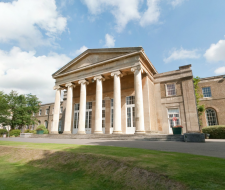 In 2021 - 66% of A Level students achieved A*-A
United KingdomLondonCurrently watching: 10from 19785 £ / termsProgram namedateAgeFeesGCSELast booking 2 weeks ago
All year round14-16A-Level program
All year round16-18
In 2021 - 66% of A Level students achieved A*-A
United KingdomLondonCurrently watching: 10from 19785 £ / termsProgram namedateAgeFeesGCSELast booking 2 weeks ago
All year round14-16A-Level program
All year round16-18 -
 All students holding Oxbridge places met their offers
United KingdomLondonCurrently watching: 6from 27900 £ / termsProgram namedateAgeFeesGCSELast booking 1 weeks ago
All year round14-16A-Level program
All year round16-18
All students holding Oxbridge places met their offers
United KingdomLondonCurrently watching: 6from 27900 £ / termsProgram namedateAgeFeesGCSELast booking 1 weeks ago
All year round14-16A-Level program
All year round16-18 -
 In 2023 - 84% of A Level students achieved A* - A
United KingdomLondonCurrently watching: 8from 13869.00 £ / termProgram namedateAgeFeesMiddle schoolLast booking 5 weeks ago
All year round11-14A-Level programLast booking 5 weeks ago
All year round16-18GCSE
All year round14-16Oxbridge preparation
All year round16-18
In 2023 - 84% of A Level students achieved A* - A
United KingdomLondonCurrently watching: 8from 13869.00 £ / termProgram namedateAgeFeesMiddle schoolLast booking 5 weeks ago
All year round11-14A-Level programLast booking 5 weeks ago
All year round16-18GCSE
All year round14-16Oxbridge preparation
All year round16-18 -
 133 place in the best boarding schools in the UK
United KingdomLondonCurrently watching: 6from 18786 £ / termsProgram namedateAgeFeesPrimary schoolLast booking 6 weeks ago
All year round7-11GCSE
All year round14-16A-Level program
All year round16-18IB program
All year round16-18
133 place in the best boarding schools in the UK
United KingdomLondonCurrently watching: 6from 18786 £ / termsProgram namedateAgeFeesPrimary schoolLast booking 6 weeks ago
All year round7-11GCSE
All year round14-16A-Level program
All year round16-18IB program
All year round16-18 -
 Ashbourne students consistently achieve excellent A level results, 53% A*A in 2023, far ex
United KingdomLondonCurrently watching: 10from 22150 £ / termsProgram namedateAgeFeesGCSELast booking 4 weeks ago
All year round14-16A-Level programLast booking 5 weeks ago
All year round16-18
Ashbourne students consistently achieve excellent A level results, 53% A*A in 2023, far ex
United KingdomLondonCurrently watching: 10from 22150 £ / termsProgram namedateAgeFeesGCSELast booking 4 weeks ago
All year round14-16A-Level programLast booking 5 weeks ago
All year round16-18 -
 In 2023 - near 38% of A Level students achieved A*-A grades
United KingdomLondonCurrently watching: 6from 18000 £ / termsProgram namedateAgeFeesA-Level programLast booking 4 weeks ago
All year round16-18GCSELast booking 4 weeks ago
All year round14-16International foundation
All year round17-18
In 2023 - near 38% of A Level students achieved A*-A grades
United KingdomLondonCurrently watching: 6from 18000 £ / termsProgram namedateAgeFeesA-Level programLast booking 4 weeks ago
All year round16-18GCSELast booking 4 weeks ago
All year round14-16International foundation
All year round17-18 -
 from 11268.00 £ / termProgram namedateAgeFeesMiddle schoolLast booking 4 weeks ago
All year round11-14GCSELast booking 5 weeks ago
All year round14-16
from 11268.00 £ / termProgram namedateAgeFeesMiddle schoolLast booking 4 weeks ago
All year round11-14GCSELast booking 5 weeks ago
All year round14-16 -
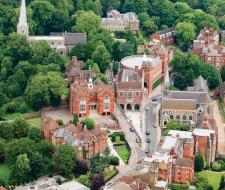 In 2023 - 52.8% of A Level students achieved A*-A
United KingdomLondonCurrently watching: 6from 21245 £ / termsProgram namedateAgeFeesMiddle schoolLast booking 3 weeks ago
All year round13-13GCSE
All year round14-15A-Level program
All year round16-18
In 2023 - 52.8% of A Level students achieved A*-A
United KingdomLondonCurrently watching: 6from 21245 £ / termsProgram namedateAgeFeesMiddle schoolLast booking 3 weeks ago
All year round13-13GCSE
All year round14-15A-Level program
All year round16-18
The educational system which British schools operate under has more differences with international educational systems than any other country. The laws require students to attend school from first grade until eleventh grade which lasts until students turn 16 years old. Students who want to proceed into higher education must study two additional years in the 12th and 13th grades. These two years serve as direct university preparation for students.
The education system creates a barrier because international school graduates with foreign credentials need to complete additional study time before they can gain entrance to UK universities. There are several ways for applicants from other countries:
Alternative destinations
GCSE schools in London
What is a GCSE? GCSE is a general certificate of secondary education. It is highly valued by schools, colleges and employers. The qualification mainly involves studying the theory of the subject along with research work, some subjects also involve practical work.
If a student plans to continue studying at higher education institution, they may need final exams in certain subjects. Most universities and colleges require five GCSE grades A*- C, including English and mathematics.
As in most countries, in Great Britain there is compulsory secondary education that every student must complete. It ends with taking exams in all subjects and receiving a certificate of maturity. The GCSE course includes 9-12 mandatory and elective disciplines (lists may vary in different schools).
There are two options for the GCSE program, each designed for a certain level of student preparation:
- Standard GCSE Program
The course lasts 2 years, students usually enter at the age of 14 and finish at the age of 16. The structure of the standard GCSE program includes:
- Mandatory subjects (from 5 to 10). Most often, these are standard basic subjects such as mathematics, literature, English and others, which are studied in quite detail.
- Subjects by choice: students determine them for themselves from the school's proposed list. Each student individually selects those disciplines that they will need in further education. Creative areas and IT are very popular.
- Shortened GCSE Program for Foreigners
Some schools in London offer foreign students a one-year GCSE program: the content of the course remains the same, but students study in a more intensive mode (because the course is shorter by a year).
There are private schools that can offer another option for the program, specifically designed for foreigners — iGCSE (International General Certificate of Secondary Education). This is an international program designed for foreigners consisting of 5-7 areas.
Since 2018, the grading system has begun to change: the alphabetical system (A * — highest grade, G — lowest grade) has been replaced by a digital one: now 9 — is the highest grade, and 1 — the lowest grade. However, due to the smooth transition (not abrupt and not mandatory), many schools now use both letter and digital scales.
The state exam is taken at the end of the second year of study, approximately in May-June, when the student turns 15-16 years old and the end of grade 11 comes. The results of the GCSE exams are very important when entering university programs: the higher the grade on the exam, the more prestigious schools and colleges are willing to consider the applicant. In addition, it is important to consider that when applying to universities, they may pay attention not only to the results of A-levels, but also to the results in basic subjects obtained in GCSE exams.
GCSE Programme Entry Requirements
- Certificate confirming English language proficiency (usually IELTS) with a score of at least 5.5.
- Transcript (contains information about subjects studied in the last 2 years of secondary school, grades received for these subjects); all data in the transcript must be presented in English.
- Passport (copy).
- Presence of a guardian — a citizen of Great Britain and documents confirming this. This is an important and mandatory requirement for students under 18 years of age.
- Written statement from parents expressing their consent to study and live in the territory of Great Britain with their child. This is also a requirement for students under 18 years of age.
Best schools with GCSEs in London
- Abbey DLD College London,
- Mount Mill Hill International School,
- Mill Hill School Private School,
- MPW College London,
- Westminster School.
GCSE: cost in London
Schools in England exist as both private institutions and state-funded establishments. Schools provide their educational services without charge to students who require residence at the school. The current situation results in parents choosing to move closer to the school which they desire their children to attend.
Private schools exist as highly attractive educational institutions which students from abroad prefer to attend. Foreign students particularly find GCSE schools in London appealing because these schools help them gain admission to top universities in Great Britain and around the world.
The price of private school tuition shows significant variations because three semesters of study can cost between £10 000 and £30 000. The school fees depend on various factors which include school location and number of classes among other elements.
Learning programs-summary information
| Name | Meaning | Equivalent | Min. age | Duration, years |
Next stage | Cost |
|---|---|---|---|---|---|---|
| GCSE | General certificate of secondary education | secondary education (non-accomplished) | 14 | 1–2 | A-Levels | 15,000 USD+ |
| A-Levels | Advanced level | secondary education (accomplished) | 16 | 2 | University | 15,000 USD+ |
| BTEC | Business and Technology Education Board | secondary special education | 14 | 2–3 | University/ work | 15,000 USD+ |
| Oxbridge Preparation | Preparing for Oxford and Cambridge | secondary education (accomplished) | 17 | 1 | University | 15,000 USD+ |
| International Baccalaureate | International baccalaureate | secondary education (accomplished) | 16 | 2 | University | 18,000 USD+ |
| Foundation/ Pathway Year | Preparatory year | admission to the 1st year of university | 17 | 1 | University | 14,000 USD+ |
| NCUK | The Northern consortium | 2 year university | 17,5 | 1 | 2 year University of NCUK | 13,000 USD+ |
| Special Preparation (Medics/Math/Business) | Specialized training | - | 14 | optional | optional | 4,000 USD+ |
| Academic English | Academic English | Language school | 8 + | 6–12 months | School or University | 8,000 USD+ |
Advantages and disadvantages of English schools
| Advantages | Disadvantages |
|---|---|
| The opportunity to enter the best universities in England, USA, Canada, Switzerland, Europe, the world | Expensive |
| High quality of education and academic standards | Strong workload |
| Perfect English after graduation | The need to change the social environment; it takes time to adapt |
| Useful contacts | The difficulty of choosing the most suitable school for the child, requires a qualified specialist |
Top 21 boarding colleges in England 2026
| 1 | Cardiff Sixth Form College |
| 2 | National Mathematics and Science College |
| 3 | Abbey College Cambridge |
| 4 | d'Overbroeck's College |
| 5 | MPW London |
| 6 | CATS Cambridge |
| 7 | Kensington Park |
| 8 | DLD London |
| 9 | King's College St Michael’s |
| 10 | Bellerbys Cambridge |
| 11 | Chelsea Independent College |
| 12 | MPW Cambridge |
| 13 | Bellerbys Brighton |
| 14 | CATS London |
| 15 | St Clare's Oxford |
| 16 | Bishopstrow College |
| 17 | CATS Canterbury |
| 18 | Bellerbys London |
| 19 | Ealing Independent College |
| 20 | Cambridge Tutors College |
| 21 | Abbey Manchester |
Literature and references
-
London’s best state secondary schools, based on 2024 GCSE and A-Level results — Time Out

-
Results gap widens between south and rest of England in GCSEs — BBC
-
GCSE grades 2024: The 9-1 boundaries explained — BBC
-
Private education extends GCSE lead over state schools — The Telegraph
-
GCSE — Wiki
-
Top 100 Schools for GCSEs — Top School Guide