

Study Art in Germany - 30 institutions
-
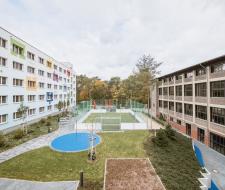 In 2022 an average IB score made up 34
GermanyPotsdamCurrently watching: 9from 13500.00 € / year
In 2022 an average IB score made up 34
GermanyPotsdamCurrently watching: 9from 13500.00 € / year -
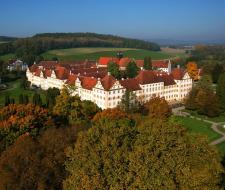 In 2021 an average IB score made up 33,4
GermanySalemCurrently watching: 9from 27300 € / semester
In 2021 an average IB score made up 33,4
GermanySalemCurrently watching: 9from 27300 € / semester -
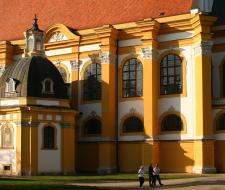 School is in top 10 best bilingual boarding schools in Germany
GermanyBerlinCurrently watching: 3from 17892 € / semester
School is in top 10 best bilingual boarding schools in Germany
GermanyBerlinCurrently watching: 3from 17892 € / semester -
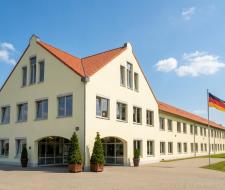 In 2023 IGCSE results - 90% of our exams were graded A*- C
GermanyCologneCurrently watching: 3
In 2023 IGCSE results - 90% of our exams were graded A*- C
GermanyCologneCurrently watching: 3 -
 In 2021 an average Abitur score made up 2.29
GermanyMunichCurrently watching: 1from 24000 € / semester
In 2021 an average Abitur score made up 2.29
GermanyMunichCurrently watching: 1from 24000 € / semester -
 from 2750.00 € / 2 weeks
 -
 from 48000.00 € / year
 -
 from 20100 € / semester
 -
 In 2022 an average IB score made up 33
GermanyHannoverCurrently watching: 1from 23370 € / semester
In 2022 an average IB score made up 33
GermanyHannoverCurrently watching: 1from 23370 € / semester -
 from 2750.00 € / 2 weeks
With its innovation and huge potential, Germany is a great destination to study art. A large number of art galleries are located here, especially in Berlin, Cologne, Leipzig, there is a wide range of museum objects and collections. All this actively develops the individual self-expression of students. Germany is a cultural country where artists find inspiration, enrich their portfolios, make valuable connections and gain experience in the artistic field, and it is easy for aspiring professionals to find part-time and full-time internships.
Art is one of the oldest forms of expression known to mankind. It exists in many forms, with many students having the artistic mindset, remarkable patience and creativity to continue spreading it. Art schools in Germany rank highly every year, with each offering a wide range of degrees and destinations.
Alternative destinations
Tuition cost
Studying art in Germany requires lower expenses than in other EU countries. Most public universities in Germany are free, with only some fees to be paid. The exception is the federal state of Baden-Württemberg, where international students pay from 1500€/semester for a bachelor's degree.
Additional expenses include:
- Semester administrative fee,
- Accommodation,
- Food,
- Studio rental,
- Educational materials.
Admission requirements in Germany
Studying art in Germany for international students begins with submitting an application and an extensive admission process. On average, school requirements include:
- Completed application,
- Passport,
- Visa,
- CV,
- Motivation letter,
- Portfolio with original works,
- Abitur certificate (or its equivalent),
- Certificate confirming the level of foreign language proficiency, depending on the chosen program (German, English),
- Preliminary Documentation (VPD) from Uni-Assist,
- Confirmation of registration fee payment,
- Passing an interview, aptitude assessment.
Studying Art in Germany: General Information
German art schools provide international students with a wide range of studying programs, including:
- Painting,
- Sculpture,
- Fine Arts,
- Product Design,
- Visual Communications,
- Vocal Performance,
- Acting,
- Stage and Costume Design,
- Musical Theater.
Studying in Germany allows students to explore various artistic disciplines and expand their intellectual horizons through Bachelor’s, Master’s, and Doctoral programs. Popular specializations include Media Art, Art Education, Art Sciences, Integrated Design, Digital Media, and Architecture.
Program duration varies by degree level:
-
Bachelor’s: Approximately 4 years
-
Master’s: 1–2 years
-
Doctoral: 3 years
During their studies, students acquire both theoretical knowledge and practical skills. They are encouraged to develop their unique style, cultivate original ideas, and execute personal artistic projects. The curriculum offers academically rigorous studying combined with valuable hands-on experience, enabling students to network, grow personally and professionally, and transform their artistic talents into sustainable careers.
Graduates often pursue independent careers, working with private clients, or find employment in art education, galleries, museums, and digital media. Thanks to Germany’s robust economy, international graduates choosing to stay in the country can expect competitive earnings. Furthermore, professionals in the creative sector benefit from government financial support through various grant programs.
Studying Art in Germany: Key Features
Art schools in Germany offer a wide range of studying options that combine theory and practice to get the most out of the learning process.
Studying art in Germany is available in English and German, with instruction led by outstanding professors — experts in their field who strive to provide maximum support to students, offering opportunities to unlock creative potential. Lectures, seminars, equipped laboratories and modern studios provide hands-on experience and theoretical expertise from professionals in the fields of art and design. Also available:
- Photography studios for analog and digital photography,
- Spaces for film, sound art, computer animation and video technologies.
Students explore all directions of artistic expression:
- Painting,
- Sculpture,
- Drawing,
- Objects,
- Concepts,
- Photography,
- Media.
When applying for an undergraduate program in Germany, graduates from other countries must have their prior qualifications recognized. If this is not the case, many German art schools for international students offer Studienkolleg courses, through which applicants prepare for enrollment in their chosen direction of study. The course duration is 1 year, during which students acquire the necessary knowledge and skills in specific subjects while additionally studying German or English.