Ecole d'Humanité






Programs and prices, tuition fees in Ecole d'Humanité


The Swiss Maturite Federale
The program for secondary education and the prestigious Swiss matriculation is designed for 4 years (usually from 7 to 12 class). Children study about 12 subjects (the main school cycle), at which the examinations are passed at the end of the course: the studying is conducted on a rather complex, in-depth level, therefore the holders of the diploma of The Swiss Maturite Federale can subsequently enter even the best, prestigious and selective universities of the world.
High School Academic Diploma
This program - the American standard of secondary school education, is taught in English.
Students study subjects at a higher level of complexity, in-depth - just for selection on the AP program, 18 directions and disciplines are offered. The program is designed for 3 years (9-12 classes). The school is the official accredited center for SAT examinations: this is a mandatory requirement for university applicants, so for those students who plan to receive higher education in the US, studying at Ecole d'Humanité will be particularly convenient.
- Laundry service
- Bed linen and towels rental
- Teaching aids, books and materials
- Additional electives, excursions and leisure activities (optional)
- Transportation expenses and travel
- Examination fees
- Medical insurance
- Air tickets in both directions
- Transfer in both directions
- Deposit for studying (refundable)
- Visa fees and services, certification and translation of documents, courier delivery.
Description of Ecole d'Humanité
Ecole d'Humanité is a Swiss boarding school for students ages 12 to 18 from more than 20 countries. Its approach combines academic study with time outdoors in the Alps.
- Average class size: 6 students,
- Teacher-to-student ratio: 1:6.
Ecole d'Humanité provides detailed narrative feedback rather than traditional letter grades. Students meet regularly with teachers to discuss their progress, strengths, and areas for development. Teachers are also available outside lessons. Students learn to assess their own work and to give and receive constructive feedback. Teachers and students exchange feedback in both directions, and classmates offer feedback to one another.
The school’s approach to study in Switzerland reflects the view that each student has an individual path of learning and development. Teaching aims to encourage curiosity, independent learning, and personal responsibility. Small classes give students time to ask questions, discuss ideas, and take an active part in lessons.
Educational process
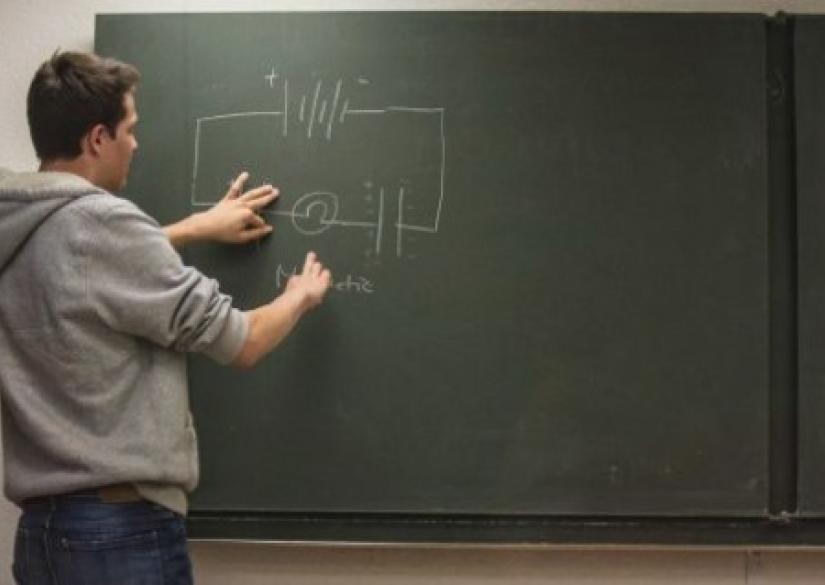
Teachers adapt course content to students’ interests, abilities, and learning needs. Classes follow a university seminar format built around questions and themes for students to explore. Six mornings a week are devoted to studying three core subjects in depth. A year’s worth of work in a subject is usually completed in one or two trimesters.
Students preparing for the Matura exams work in groups of approximately four to eight and write a research paper on a subject of their choice with guidance from teachers. They take the first part of the exams in February of grade 12, covering biology, chemistry, geography, history, physics, and either music or visual arts. The second part follows at the end of grade 13 and covers German, English, French, mathematics, a chosen major, and a supplementary subject. AP Path provides an individual study plan for students aiming to attend highly competitive universities. The individualized 10th School Year program can combine classes from the school’s Swiss, American, and extracurricular offerings.
Students can receive learning and social-emotional support separately or together. This optional support is tailored after a detailed assessment of each student’s needs, goals, and areas for growth. The school uses Kids Concept to set individual support goals and strategies. The team includes learning support specialists, psychologists, and social workers, who work with students, parents, teachers, and outside professionals when needed.
University counseling starts in grade 9. Counselors help students identify their educational and career interests, draw up a list of suitable institutions, prepare admissions essays, gather documents, and complete applications. They also help students find and apply for financial aid for further study and, when needed, arrange transportation to a university. In Life Planning classes, students consider what success means to them and how to achieve it. The school also helps with planning a gap year and applying for apprenticeships.
Faculties and colleges
- US High School is an American program for grades 8–12, taught in English,
- AP Path is an English-language program for grades 10–12,
- Swiss Matura is a Swiss program for grades 10–13, taught in German,
- Sekundarstufe I is the Swiss lower secondary program for grades 7–9, taught in German,
- 10th School Year is a grade 10 program taught in German.
Scientific achievements
The school reports an average exam pass rate of 95% for Advanced Placement, a set of advanced subject courses.
The average score on the Matura school-leaving exams is 5.04 out of 6.00. The reporting period for these averages is not specified.
Things to know about
- Paul Geheeb founded the school in 1934. Ecole d’Humanité operates as a nonprofit organization,
- The international alumni network has more than 8000 members. Their careers include wildlife photography, furniture making, filmmaking, and professional music,
- Saturdays begin with a shared campus cleanup and communal singing at Singgemeinde,
- On Sunday evenings, students and teachers gather for Andacht, a schoolwide meeting to discuss a current topic or event.
University destinations
Graduates’ university destinations include:
- Webster Geneva Campus,
- Les Roches,
- ETH Zürich,
- Universität Zürich UZH,
- Franklin University Switzerland,
- University of St. Gallen,
- EHL.
Graduates have gone on to study art, theater, or design at:
- Zurich University of the Arts,
- Parsons School of Design,
- School of the Art Institute of Chicago.
Accommodation, meals, prices
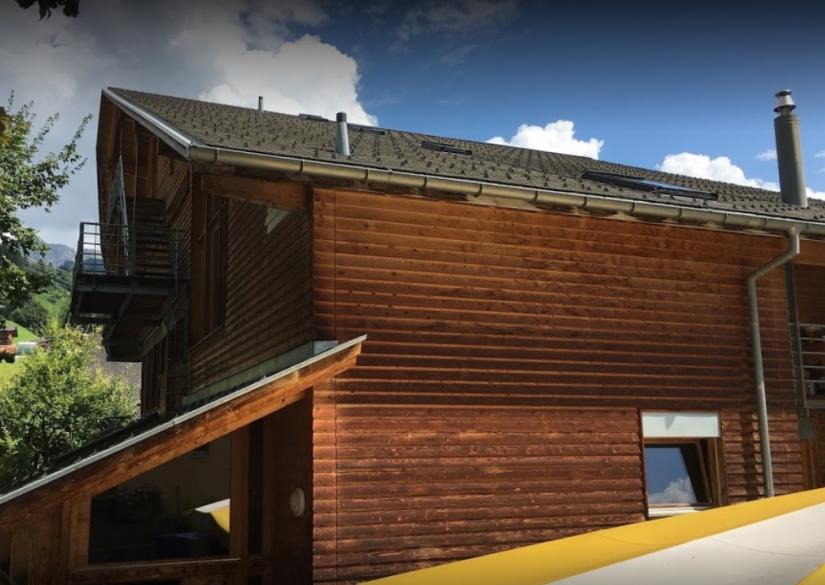
Students live in chalets in coed Ecole Family groups of six to ten, each supported by two or three Family Head teachers. These teachers check in regularly with students and provide everyday support.
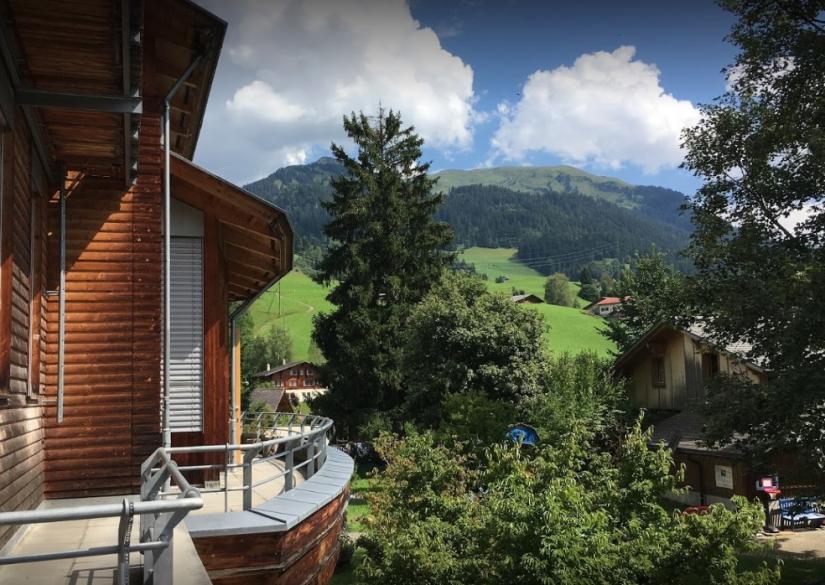
Most students share double rooms. Rooms have single beds, workspaces, closets, and storage. The school supplies bed linen and bedding. Most rooms overlook mountain peaks and forest. Boarding rules prohibit drugs, alcohol, and tobacco.
Breakfast, lunch, and dinner are served in the Esssaal communal dining room, where students eat with their Ecole Family groups. A snack is provided in the middle of the morning, and fruit is available throughout the day. Meals use fresh, seasonal, local ingredients, mainly from Switzerland. All meat comes from local suppliers, and all fish is MSC certified. A vegetarian option is available at every meal, and special dietary needs are accommodated.
Wednesday family evenings give students time to cook together in their chalets. On Sundays, they can sleep in before a traditional Swiss brunch.
Subjects and sports
Activities Ecole d'Humanité
Afternoons are devoted to sports, arts, and other extracurricular activities. Students choose from more than 50 courses in art, theater, music, outdoor activities, sports, and crafts.
- The sports program includes hiking, multiday treks, mountain biking, skiing, snowboarding, trail running, climbing, bouldering, and team and individual sports,
- Creative activities include pottery, woodwork, blacksmithing, knitting, painting, drawing, digital design, film photography, printmaking, fashion design, sewing, and weaving. An experimental painting class uses gouache and colored pencils,
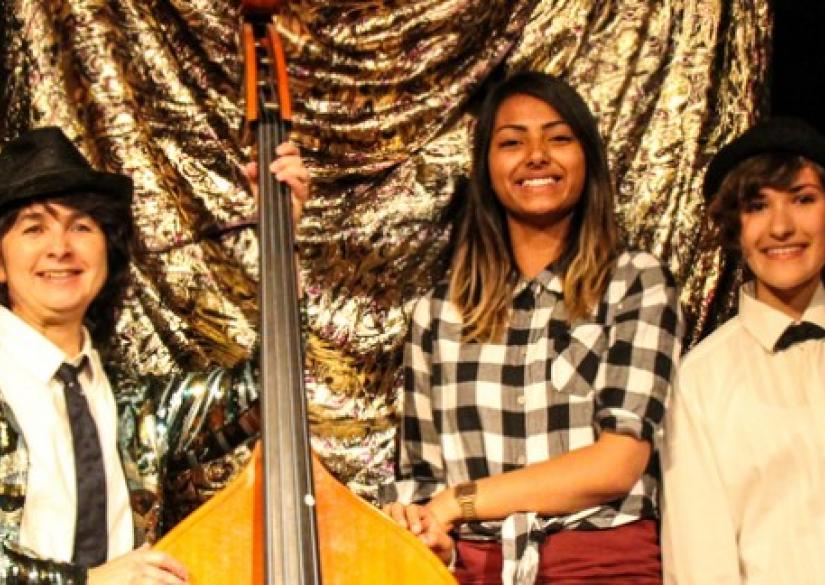
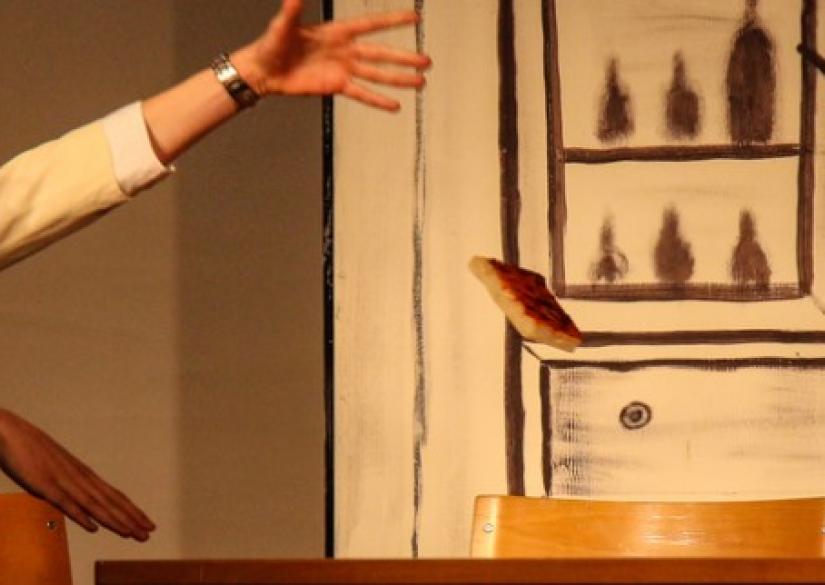
- Students stage several plays each year, including works by Shakespeare. They act, work backstage, produce performances, and create sets. Dance classes cover international folk traditions and experimental contemporary styles. Students devise, choreograph, and perform their own pieces,
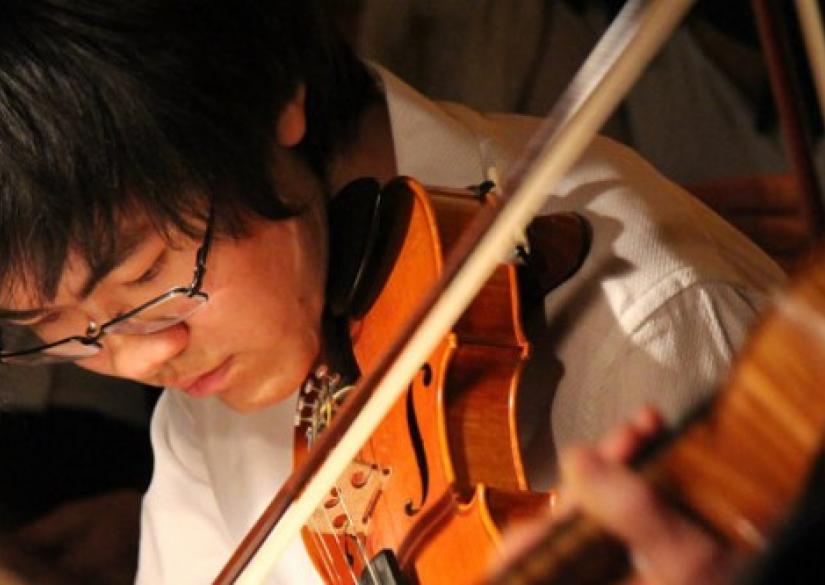
- Students study music in groups and individually on a range of instruments. Lessons on some less common instruments can be arranged off campus. They also compose, record, and produce digital music,
- Digital arts activities include drawing, editing, documentary filmmaking, and podcasting. Students use Photoshop for photo editing and InDesign for layout design,
- On Saturday afternoons, teachers and students organize activities such as baking, skatepark visits, movies, and capture the flag.
Advantages
- The American high school program is accredited by Cognia. Students can take Advanced Placement courses or pursue the Advanced Placement International Diploma,
- AP subjects include Biology, Physics, World History, Human Geography, Calculus AB, German, Environmental Sciences, and Literature and Composition. AP and Matura art classes cover drawing, painting, sculpture, and ceramics,
- The Swiss Matura preparation program lasts three and a half years and leads to a federal Swiss qualification recognized internationally,
- Sekundarstufe I follows Lehrplan 21 of the Canton of Bern and leads to the canton’s Sekundarschulabschluss. Students can then continue to an apprenticeship, a tenth school year, or Matura preparation,
- Students completing 10th School Year receive an Ecole d’Humanité diploma and can continue to an apprenticeship or Matura preparation,
- English and German are used in everyday school life,
- Students help shape their own course of study with support from academic advisors,
- As they progress, students can undertake independent study projects with an advising teacher,
- The school sets aside time without electronic devices for conversation, being outdoors, and learning,
- The school uses its Intervention Concept to help students understand the consequences of their decisions.
Facilities and equipment at Ecole d'Humanité
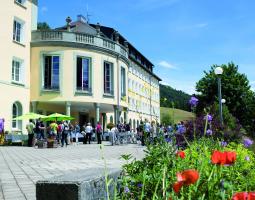
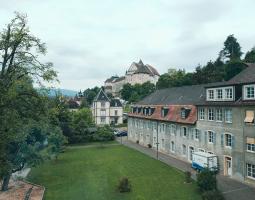
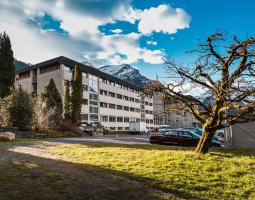
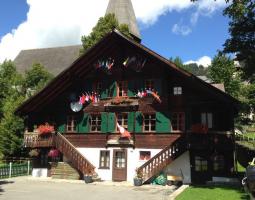
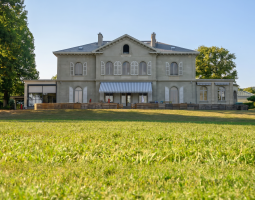
The campus is in the Canton of Bern, 1000 meters above sea level among meadows and forests. More than a dozen mountain chalets are arranged like an Alpine village. The school is between Lucerne and Interlaken, just a few minutes’ walk from a ski resort. Hiking and biking trails surround the campus.
Public transportation options include a bus from Brünig Hasliberg, with train connections to Lucerne and Interlaken, or from Hasliberg Reuti, which has a gondola connection to Meiringen.
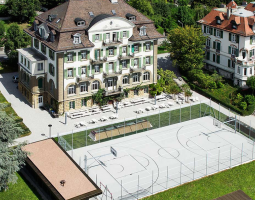
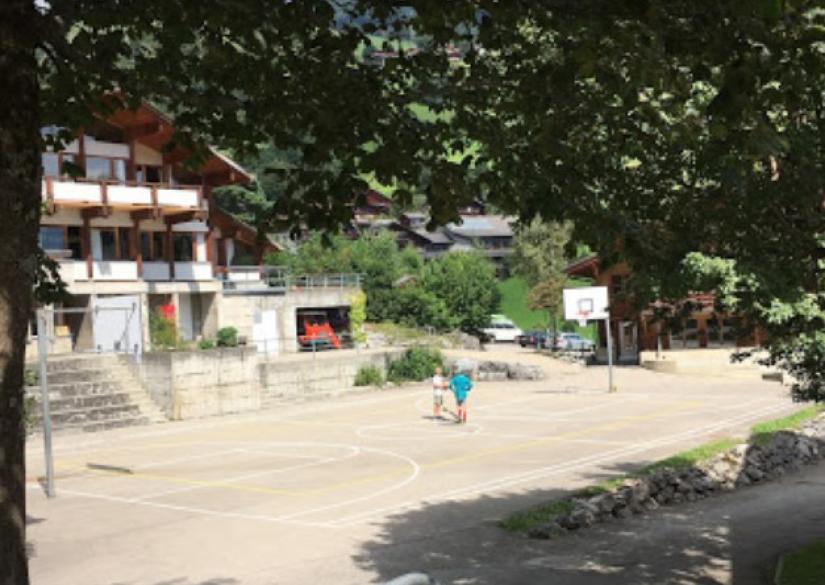
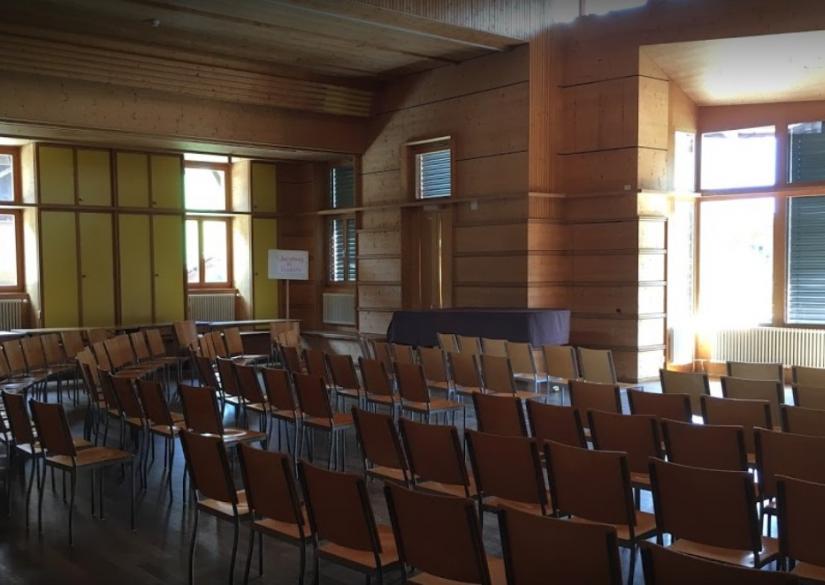
Students play basketball and skateboard on the Platz, and the student center has a pool table. Music facilities include a dedicated music room, practice rooms, and a shared space for guitar, drums, and electronic music.
The school also has a darkroom for film photography and a ceramics lab with its own kiln.
Admission dates and extra charges
Evenings are for homework, socializing, and time with Ecole Families. There are two academic classes on Saturdays. Sunday afternoons are free for studying, activities, socializing, or skiing. Sunday ends with a family group meeting and preparation for the coming week.
Tuition and boarding cover classes, accommodation, meals, and a substantial portion of extracurricular activities. They also include homework supervision, care while school is in session, weekend activities, winter sports instruction, career guidance, and university counseling.
- A one-time admission fee of CHF 1 500 is payable upon enrollment for both educational systems and for boarding and day students,
- Boarding student deposit: CHF 5 000,
- Day student deposit: CHF 2 500.
The deposit is generally credited against the final invoice when a student leaves the school.
Additional charges and optional expenses include:
- A program fee covering learning materials, a swimming pass, and Rega patronage. For boarding students, it also covers a gondola pass and pocket money,
- Health and accident insurance for boarding students. In the Swiss boarding program, this charge is waived for students covered by Swiss health insurance,
- Laundry for boarding students,
- A single room, when indicated and approved by the school,
- Music lessons, with costs depending on their length and type,
- Special diets, including gluten-free and dairy-free meals,
- Learning support and social support under the school’s KIKO program,
- Horseback riding, which is excluded from the listed charges,
- Specialized outdoor activities, such as ski touring, climbing, and kayaking, which may cost extra,
- Off-campus excursions, which may incur additional charges,
- Students’ personal expenses, which are billed separately.
Extras:
- Registration fee (for a programme/course) 750 CHF
- Deposit for a course/programme 5000 CHF
Enrolment process
Accepted applicants receive a contractual agreement. A signed agreement and the first payment secure a place at the school.
Entry requirements, how to apply, what is required to enrol
- Applicants to Sekundarstufe I must have completed primary school,
- Applicants to 10th School Year must have completed grade 9,
- Students can enter Swiss Matura without an entrance exam,
- Applicants provide the requested information and attend an interview with the heads of the academic and boarding programs,
- Applications are assessed on academic achievement, potential, motivation, interests, and aspirations.
Scholarships Ecole d'Humanité
The school works with The Ecole Foundation to provide financial support for students who would otherwise be unable to afford tuition.
Need-based financial aid is assessed individually according to each family’s circumstances. Families who do not qualify for merit or talent scholarships may also apply for assistance. Aid can be requested during the admissions process.
Institution on the map
Residence permits, citizenship and other services
- Guardianship services during the studies
- Student supervision
Review about Ecole d'Humanité
Recommendations on when to apply
| Language courses, schools and children's language camps | Primary and secondary education - private schools | Preparation programmes for entering universities - higher education | Higher education (after completing accredited programs A-level, IB, High School) - Bachelor, Master, MBA |
| - we recommend to apply 6-9 months before the start of the course (some camps and schools offer discounts for early booking or for lengthy study programs) - there are some very popular and high demand children's camps, where the applications need to be submitted 1 year in advance (in particular Switzerland , Great Britain , USA , Canada , Austria) | - we recommend to apply one year before the start of the training program, - some schools have a specific time frame (September-November - please specify an individual school) - some schools require tests in several stages (UKISET, internal tests of the school: English, mathematics, logics, subjects, interview, some require a personal visit) | - we recommend to apply one year before the start of the program, - for Foundation and Pathway programs, IELTS and TOEFL certificates are usually required, respectively | - recommended submission one year before the start of the program, - the deadline normally closes in January, for TOP HEIs and, as a rule, in March in other universities - for a bachelor, a Foundation or Pathway preparatory program a completed A-level, IB, High School + IELTS / TOEFL are required - for Masters you need a graduated higher education, in some cases you need a pre-Masters program - MBA requires completed higher education, work experience preferably at least 2-3 years, etc. |