Woodard Schools Nottinghamshire, Woodard Schools System









Programs and prices, tuition fees in Woodard Schools Nottinghamshire, Woodard Schools System


Early Years & Pre-Prep
- Student age — from two years old,
- Duration of study — from two to five years.
The Early Years and Pre-Prep programme at Ranby House is designed for the youngest students. This is the first stage of education in the Woodard Schools system, where children are just beginning their educational journey. The educational period at this level typically lasts from two to five years, depending on the age of entry and individual progress.
Education at this age is structured gently and through play. The main focus is on developing foundational skills: speech and language, early numeracy, communication, and creative thinking.
The majority of lessons take place in a play-based format so that children can engage with the process more easily and learn through experience. Social interaction is gradually developed so that students feel confident in a group setting and are ready for the next stage — the transition to Prep School.
Prep School (Years 3-6)
- Student age — from 7 to 11 years,
- Duration of study — 4 years.
Prep School in the Woodard Schools system is considered preparation for Senior School. At this stage, education becomes more structured, students gradually transition to mastering a wider range of subjects and adapt to a more intensive academic pace. The curriculum includes English, mathematics, natural sciences, history, geography, foreign languages, and creative subjects. However, a balance is maintained: learning remains flexible enough for students to develop at their own pace.
The main focus of this period is consolidating knowledge and smoothly preparing for the transition to Senior School, where the academic workload becomes more demanding.
Senior School (GCSE)
- Student age — from 11–12 years old,
- Duration of study — 5 years.
Senior School begins approximately from Year 7 and continues to Year 11, i.e. until the age of 16. This stage is considered the main academic period before the final GCSE examinations.
During this period, teenagers study a broad range of subjects and gradually prepare for final assessments; the curriculum becomes more intensive and academically focused, while still maintaining support and an individual approach. The compulsory part includes English language, mathematics and natural sciences; the remaining subjects are chosen additionally by students depending on their interests and future plans.
List of examples of GCSE subjects is represented by: biology, chemistry, physics, geography, history, drama, information and communication technologies (ICT), French, Spanish, Latin, art, physical education.
Sixth Form (A-level)
- Student age — from 16 years old,
- Duration of study — 2 years.
Sixth Form is the final stage of school, covering Year 12 and Year 13. Education at this level is considered the last step before entering university or beginning a professional path.
Before the start of the academic year, senior students choose 3–4 subjects and study them in depth; the main focus is on preparing for university admission and shaping a future academic or career trajectory.
The educational programme is primarily oriented towards admission to universities in the United Kingdom and other English-speaking countries. The school assists with applications through UCAS, subject selection, and career counselling, so that students can make informed decisions about their future path.
List of A-level subjects includes: economics, mathematics, biology, chemistry, physics, psychology, business, history, English literature, art, geography.
Description of Woodard Schools Nottinghamshire, Woodard Schools System
- Location: Nottinghamshire, England,
- Year of foundation: 1895 (campus in Nottinghamshire),
- Language of instruction: English,
- Type of study: mixed.
Woodard Schools (Nottinghamshire) — this is part of the large educational network Woodard Corporation, which unites schools across the United Kingdom. This system includes educational institutions of different types: both private and state, also schools with day and boarding options.
In Nottinghamshire, the network is represented by Worksop College. Together with the preparatory school Ranby House, it is located in the northern part of the county, not far from Sherwood Forest — together they form a single educational community where children from 2 to 18 years old study, gradually progressing from early education to senior classes within a unified system.
Educational process
The Woodard Schools system in Nottinghamshire is structured as a single educational pathway: Early Years → Prep School → Senior School → Sixth Form. This allows students to remain in the same educational environment from age 2 to 18, without transferring to another school. The core idea of this model is gradual development: from foundational skills in the junior years to more advanced academic preparation in the senior years. Great emphasis is also placed on students' individual abilities, their interests in sports and the arts, and preparation for university entry.
Things to know about
- The Woodard Schools network was founded in 1848 by Anglican clergyman and educational reformer Nathaniel Woodard. His idea was to create a system of schools where students receive not only a quality education, but also the well-rounded development of the individual in a supportive, values-based environment.
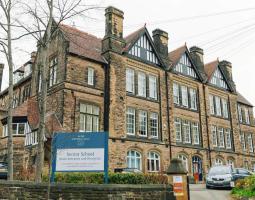
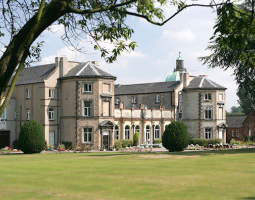
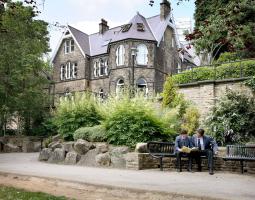
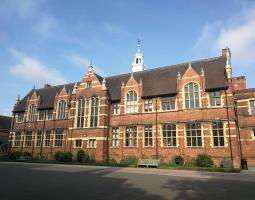
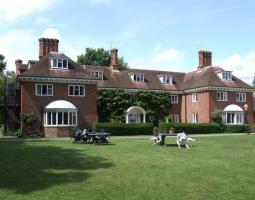
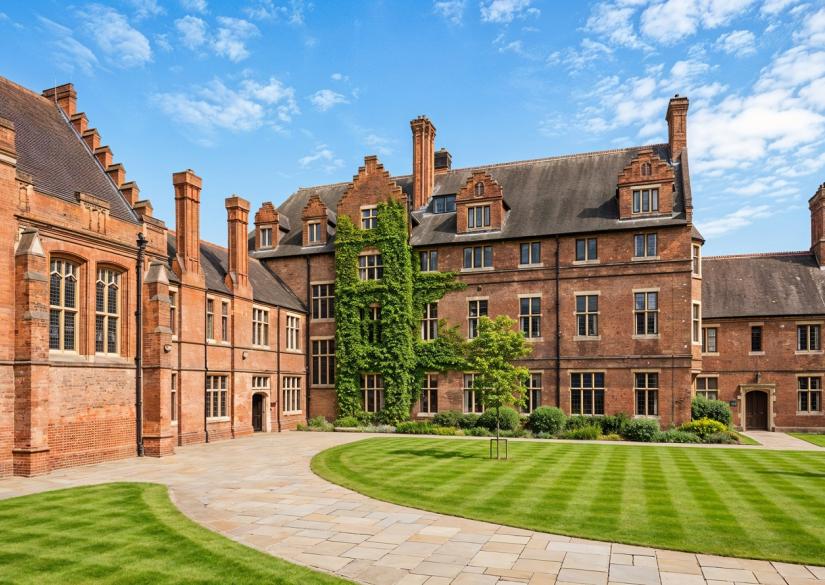
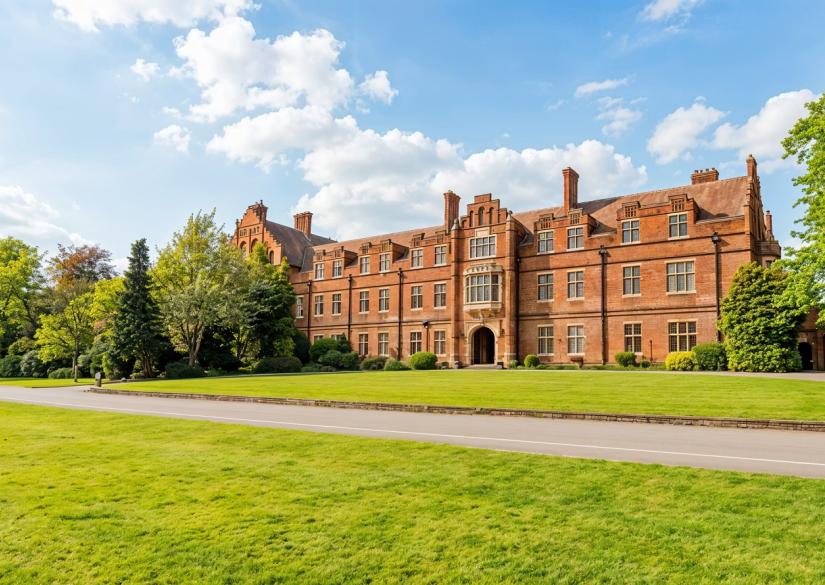
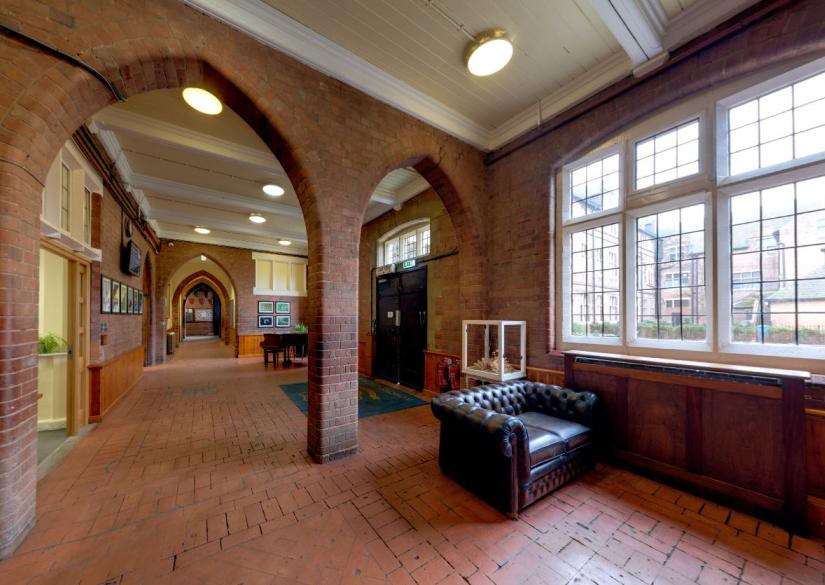
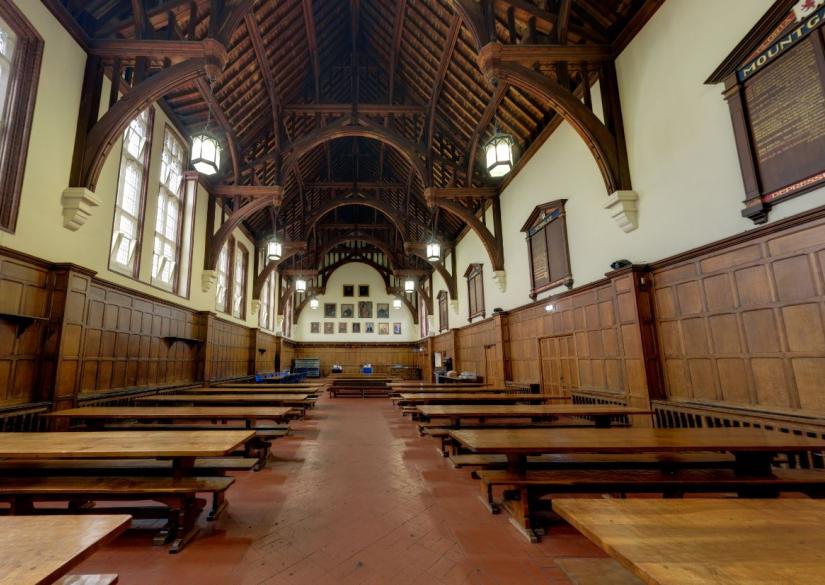
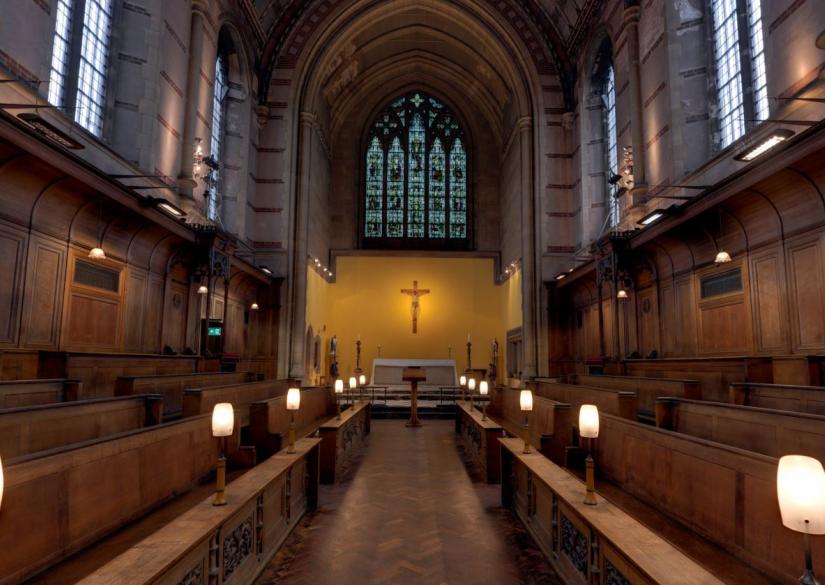
- A distinctive feature of the schools in Nottinghamshire is their historic architecture. The grounds preserve buildings in the Tudor Revival and Gothic Revival styles, including the famous Great Hall and Chapel — these structures are considered an important part of the region's architectural heritage. All of them are still used in everyday school life, creating a unique atmosphere that connects modern education with a history of over a century.
Accommodation, meals, prices
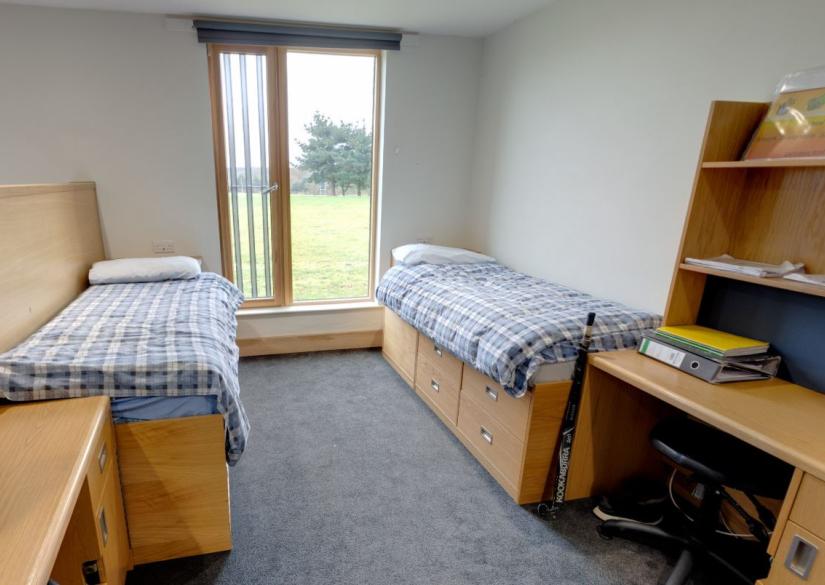
At Worksop College and Ranby House, the boarding system is organized as a modern boarding school that combines comfort, safety, and a sense of school community. These are not strict or formal dormitories, but cozy residential houses that closely recreate a home atmosphere. The school places great importance on students feeling at ease, receiving support, and being able to develop comfortably both in their studies and in everyday life.
The boarding formats are flexible and allow families to choose the most suitable option:
- Full Boarding involves living at the school all week with participation in evening and weekend activities.
- Weekly Boarding is suitable for those who study at the school during the week and return home on weekends.
- There is also a more flexible option — Flexi-Boarding, where students can stay for individual nights as needed.
- In addition, there is a Day Extra format, which allows day pupils to occasionally stay in the boarding house for extra nights throughout the year and take part in school life beyond the regular timetable.
Children are accommodated in houses according to their age.
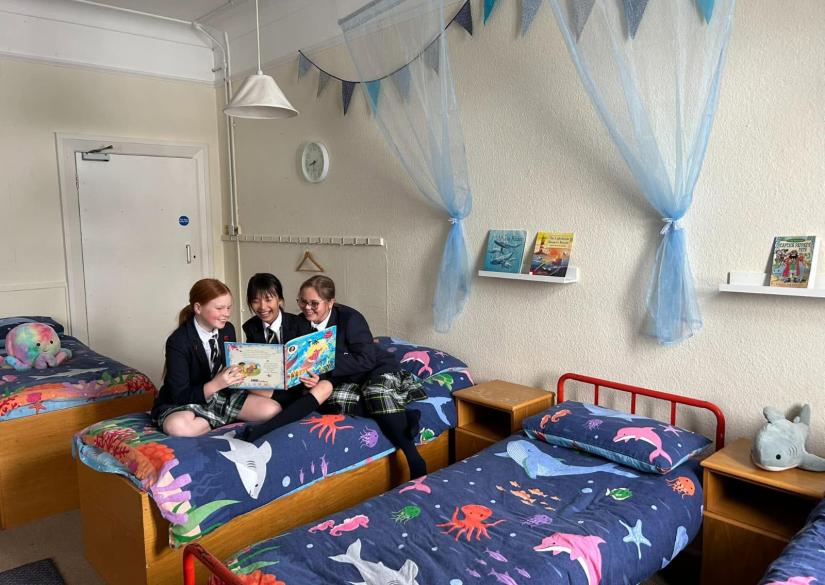
- Ranby House, where children aged 7 to 11 study, has a small boarding provision with a particularly attentive and caring environment. Children are under constant supervision and live in conditions adapted for younger ages.
- Worksop College, for pupils aged 11–18, operates a system of eight boarding houses. Each house is a small community with bedrooms, shared common areas, and spaces for study and socialising. Each house has a Housemaster or Housemistress and staff who are responsible for the support and wellbeing of the pupils.
Meals are an integral part of boarding life: pupils gather in the school dining halls on the campus grounds, where regular, balanced meals are provided throughout the day. For boarders, this includes breakfast, lunch, and dinner, plus meals during evening events and weekend activities. Food at a British school is seen not merely as a routine part of the day, but as part of the broader communal experience that brings the school community together.
Activities Woodard Schools Nottinghamshire, Woodard Schools System
A large number of trips and educational journeys are organized: these can range from small local excursions to longer trips around the United Kingdom or beyond. Children and teenagers participate in educational tours, sports outings, and cultural visits that are connected to academic subjects or school projects.
A special place is occupied by expedition programmes, which grow more challenging as students get older. At Ranby House, where younger pupils study, everything begins with short trips and outdoor activities — these may include overnight stays and educational outings to nearby forested areas, including Sherwood Forest. In such settings, children learn to work as a team, navigate the terrain, and develop basic outdoor survival skills. At Worksop College, expeditions become longer and more intensive: teenagers set off on five-day hikes and camps in the Lake District and Snowdonia, where they build endurance, independence, navigation skills, and teamwork, and learn to plan routes.
For older students, even more challenging and extended programmes are available — for example, international expeditions lasting up to a month. Such trips take place in remote regions of the world and often include trekking, survival elements, and research activities. Preparation for them takes considerable time, and the projects themselves can become major school research undertakings. The institution's history already includes expeditions to extreme environments, including Arctic destinations.
In addition to off-campus trips, many regular events take place on the school grounds throughout the year: sports competitions between boarding houses, theatrical productions, musical concerts, community events, and charitable projects. The House system plays an important role here: boarders take part in joint activities, contests, and competitions, through which a sense of community and team spirit is fostered.
Advantages
- Education at Worksop College and Ranby House is structured to support students with different levels of preparation and abilities. Teachers and administration strive to help each student unlock their potential not only in academic subjects, but also in sports, arts, music, and other areas. It is important that international students can find what they do best and develop it in a calm and supportive atmosphere.
- Great attention is also paid to extracurricular life. The school offers a wide range of activities: sports, creative pursuits, leadership programs, and various clubs. This diversity reflects the Woodard Schools philosophy — "support, challenge and extend," where every student receives support, new challenges, and opportunities for growth regardless of external circumstances and personal qualities.
- The learning environment itself is considered a distinct advantage. Worksop College and Ranby House are located on a large campus in the rural part of Nottinghamshire, not far from Sherwood Forest: the calm and safe setting creates conditions in which it is easy to focus on study and personal development.
Facilities and equipment at Woodard Schools Nottinghamshire, Woodard Schools System
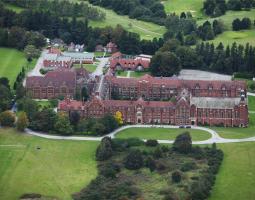
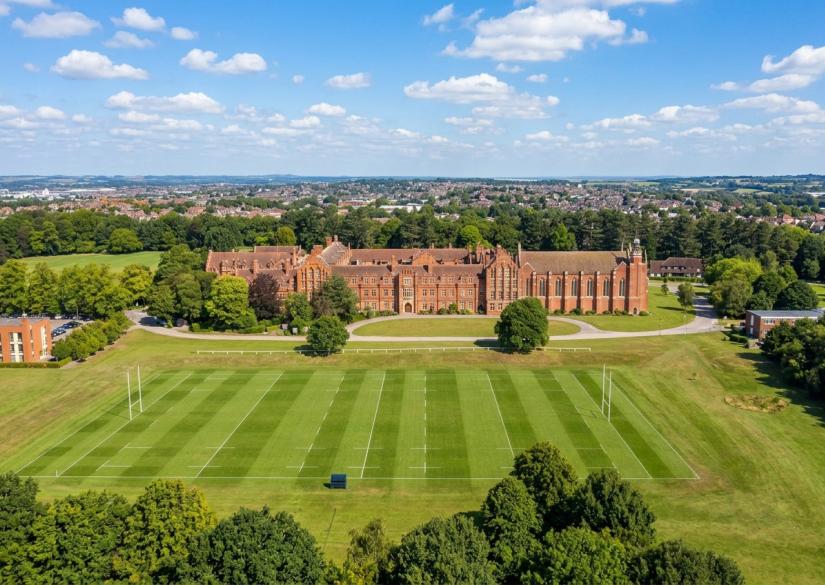
Worksop College and Ranby House are situated on a large campus in the rural part of North Nottinghamshire. The grounds span hundreds of acres and include academic, sports, and residential zones — everything is arranged so that academic study, creativity, sport, and boarding life exist as a single modern environment. The campus features historic buildings alongside new blocks specially constructed for learning and accommodation.
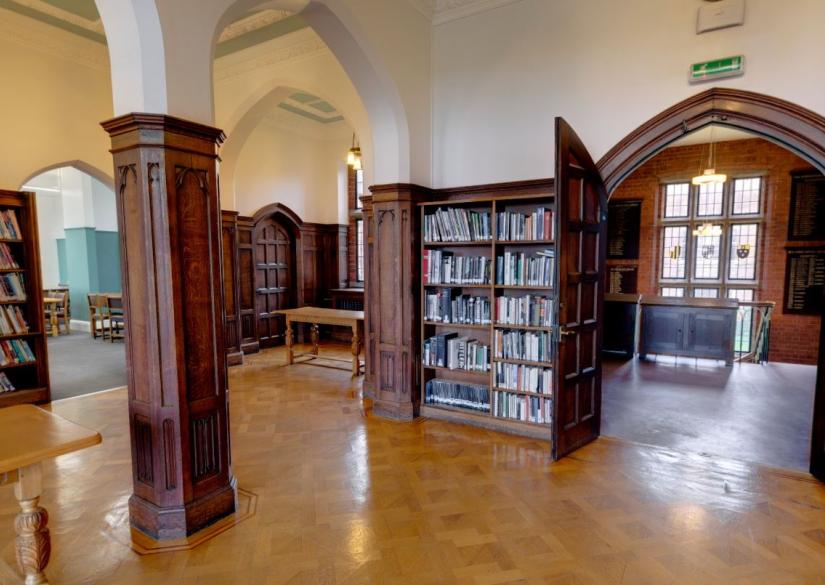
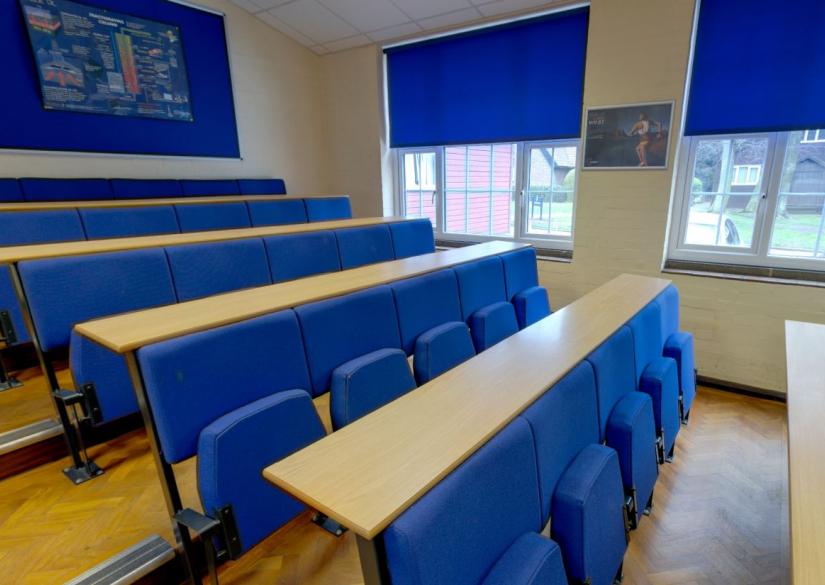
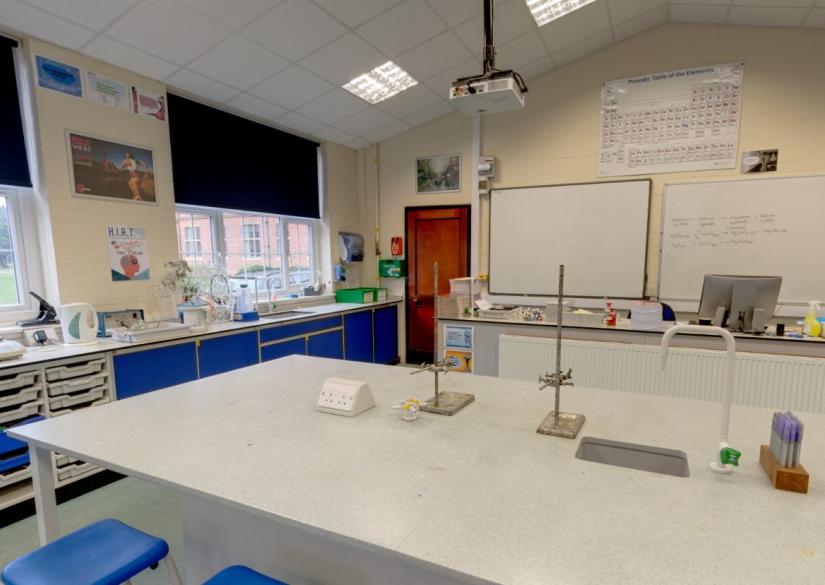
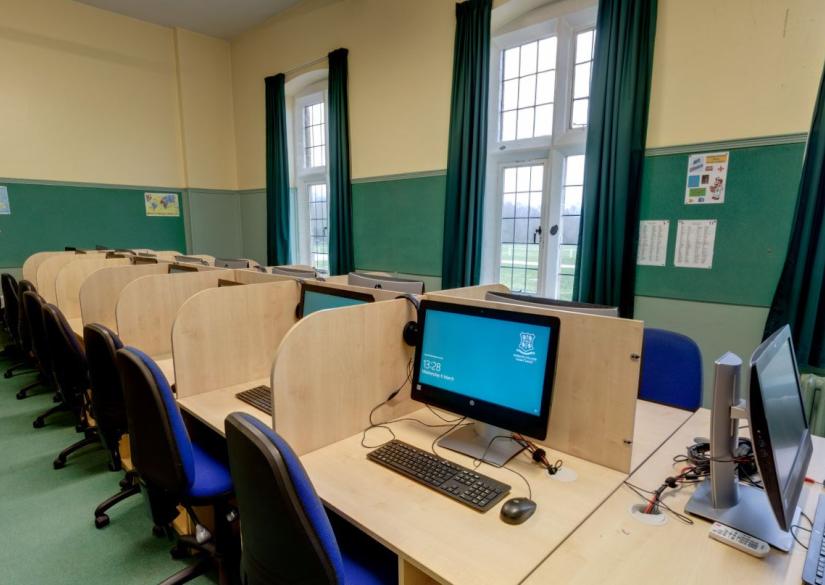
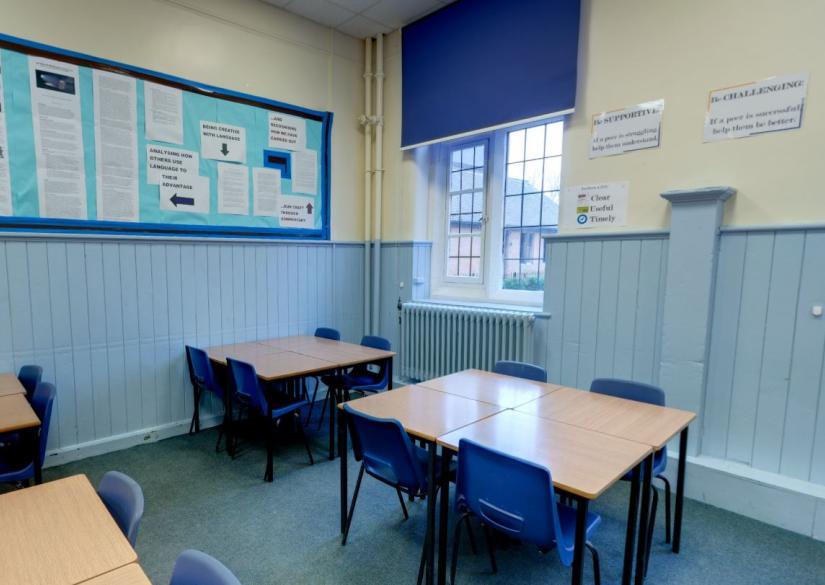
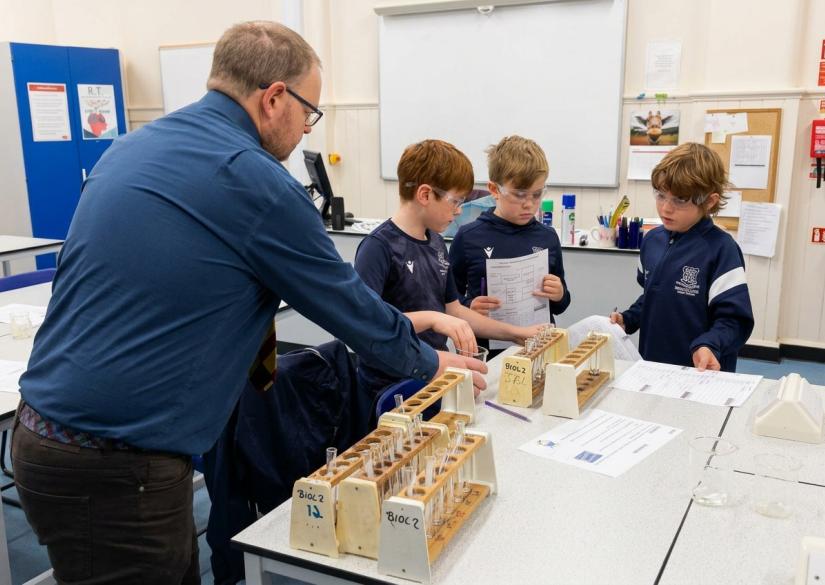
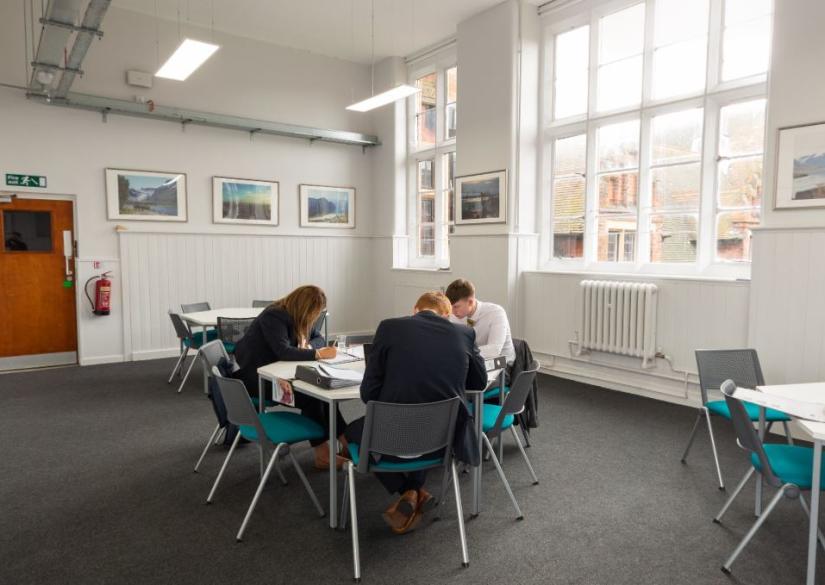
The academic facilities are well equipped: there are modern classrooms, science laboratories, ICT systems, and specialist rooms for technology lessons. The campus also has a library, art studios, and spaces for independent and project-based work. Worksop College has dedicated areas for the Sixth Form, and teaching blocks are regularly updated to maintain high standards of digital and specialist education.
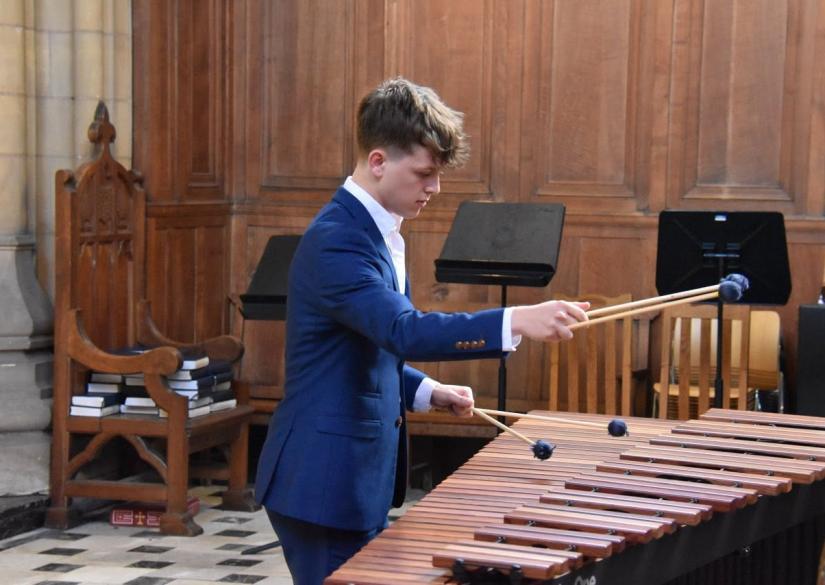
Great emphasis is placed on the creative arts. The campus has a Performing Arts Centre where concerts, productions, and rehearsals take place. Of particular note is the Mountgarret Music School, with individual practice rooms, a recording studio, concert halls, and professional equipment including a grand piano and acoustically treated spaces.
St Cuthbert’s Chapel serves as an important place for school life: it is a large historic building used for whole-school assemblies, concerts, choral performances, and ceremonies. It plays not only a practical but also a symbolic role, bringing together the entire school community.
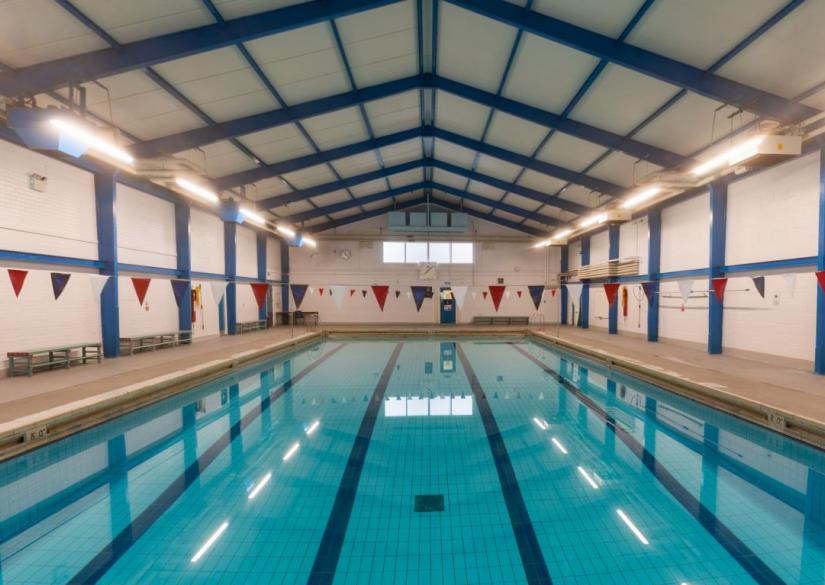
The sports infrastructure includes large playing fields, courts, and dedicated areas for training and competitions. Thanks to the extensive campus grounds, students can make active use of the natural surroundings for training, hikes, and outdoor lessons.
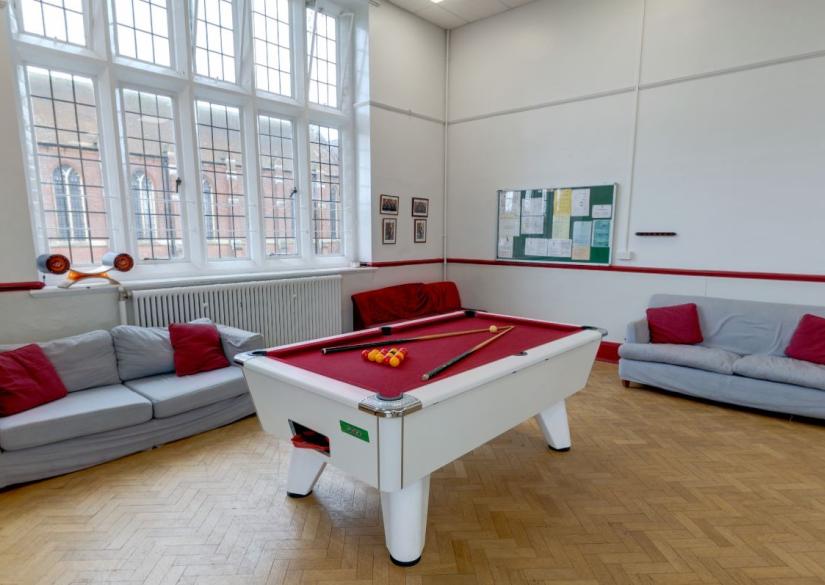
The boarding house infrastructure deserves special mention. The houses are designed as modern living spaces with bedrooms, common recreation areas, study co-working spaces, IT zones, and tutor rooms. The system of continuous staff support for pupils makes boarding life organised and safe.
Admission dates and extra charges
The academic year at Woodard Schools is usually divided into 3 terms: autumn, spring, and summer. Between them there are holidays, both short and longer festive breaks. The autumn term starts at the beginning of September, the spring term begins in January, and the summer term — in April.
In addition to the basic tuition fees, parents of pupils at schools in Nottinghamshire have additional expenses:
- a registration fee when submitting an application,
- a deposit after confirmation of a place,
- individual school trips and expeditions, if they are not included in the basic programme,
- individual lessons and specialised programmes, for example, music, sport,
- boarding-related expenses: extended boarding options or flexible formats that give pupils more freedom in organising their school and extracurricular life.
Enrolment process
Admission for foreign students takes place in several sequential stages. Everything begins with an initial inquiry: the family contacts the school, receives basic information, and can arrange a consultation or visit if needed — online or in person.
The next step is candidate registration. At this stage, an official application is submitted and school documents are sent, including transcripts and references. After that, the school proceeds to an academic assessment, where the student's academic performance is reviewed and, if necessary, entrance tests or additional assignments are conducted.
The student's English language level is assessed separately: this may take the form of an internal test, an interview, or an online assessment — the format depends on the situation and the student's level of preparation. An interview with the candidate is then conducted, which often takes place online for international children and helps to better understand their motivation and interests.
If all stages are completed successfully, the school sends an official offer of admission (Offer). After this, the administrative part of the process begins: obtaining a CAS, preparing documents for a child student visa, confirming financial conditions, and, if necessary, arranging a guardian in the United Kingdom.
Perspectives
After finishing school, most graduates continue their studies at universities in the United Kingdom or abroad. Some teenagers choose alternative routes, such as vocational programs, internships, Apprenticeships, direct employment, and Degree Apprenticeships, which combine work and study.
Particular attention is paid to career support: teenagers are helped to determine their future direction through consultations, career guidance, and communication with alumni. The school actively supports its students in applying to leading universities, including Russell Group institutions and foreign ones, for example, in the USA and other countries. Woodard staff accompany the entire application process: from choosing subjects to preparing applications and working with the UCAS system.
Entry requirements, how to apply, what is required to enrol
For foreign students, the admission process begins with standard requirements. Parents of school-age children must provide academic documents — typically school transcripts and previous academic records, based on which the institution assesses the student's level of preparation and academic performance. After that, they are required to take entrance tests and/or an interview, which sometimes takes place in an online format if the student is located outside the country. Additionally, the school may request the results of a language test, conduct its own English-language interview, or verify whether the child has previously studied in English and how confidently they speak it.
Scholarships Woodard Schools Nottinghamshire, Woodard Schools System
At Woodard Schools there are 2 main types of financial support: grants/tuition discounts and scholarships.
- Bursaries (grants/discounts) are intended for students whose families cannot fully cover the cost of education. This is means-tested assistance, meaning the amount is calculated individually based on the family's financial situation and is reviewed each year. There is no fixed amount — the school determines the level of support on a case-by-case basis.
- Scholarships are awarded to students with demonstrated ability or achievement in specific areas: academic subjects, music, art, sport, or drama. Such scholarships are typically granted based on test results, examinations, or talent assessments. Sometimes they are expressed not only as a tuition discount but also as an honorary status.
Each school within the Woodard network independently sets the rules, conditions, and amounts of these scholarships and grants.
Institution on the map
Residence permits, citizenship and other services
- Guardianship services during the studies
- Student supervision
Review about Woodard Schools Nottinghamshire, Woodard Schools System
Recommendations on when to apply
| Language courses, schools and children's language camps | Primary and secondary education - private schools | Preparation programmes for entering universities - higher education | Higher education (after completing accredited programs A-level, IB, High School) - Bachelor, Master, MBA |
| - we recommend to apply 6-9 months before the start of the course (some camps and schools offer discounts for early booking or for lengthy study programs) - there are some very popular and high demand children's camps, where the applications need to be submitted 1 year in advance (in particular Switzerland , Great Britain , USA , Canada , Austria) | - we recommend to apply one year before the start of the training program, - some schools have a specific time frame (September-November - please specify an individual school) - some schools require tests in several stages (UKISET, internal tests of the school: English, mathematics, logics, subjects, interview, some require a personal visit) | - we recommend to apply one year before the start of the program, - for Foundation and Pathway programs, IELTS and TOEFL certificates are usually required, respectively | - recommended submission one year before the start of the program, - the deadline normally closes in January, for TOP HEIs and, as a rule, in March in other universities - for a bachelor, a Foundation or Pathway preparatory program a completed A-level, IB, High School + IELTS / TOEFL are required - for Masters you need a graduated higher education, in some cases you need a pre-Masters program - MBA requires completed higher education, work experience preferably at least 2-3 years, etc. |